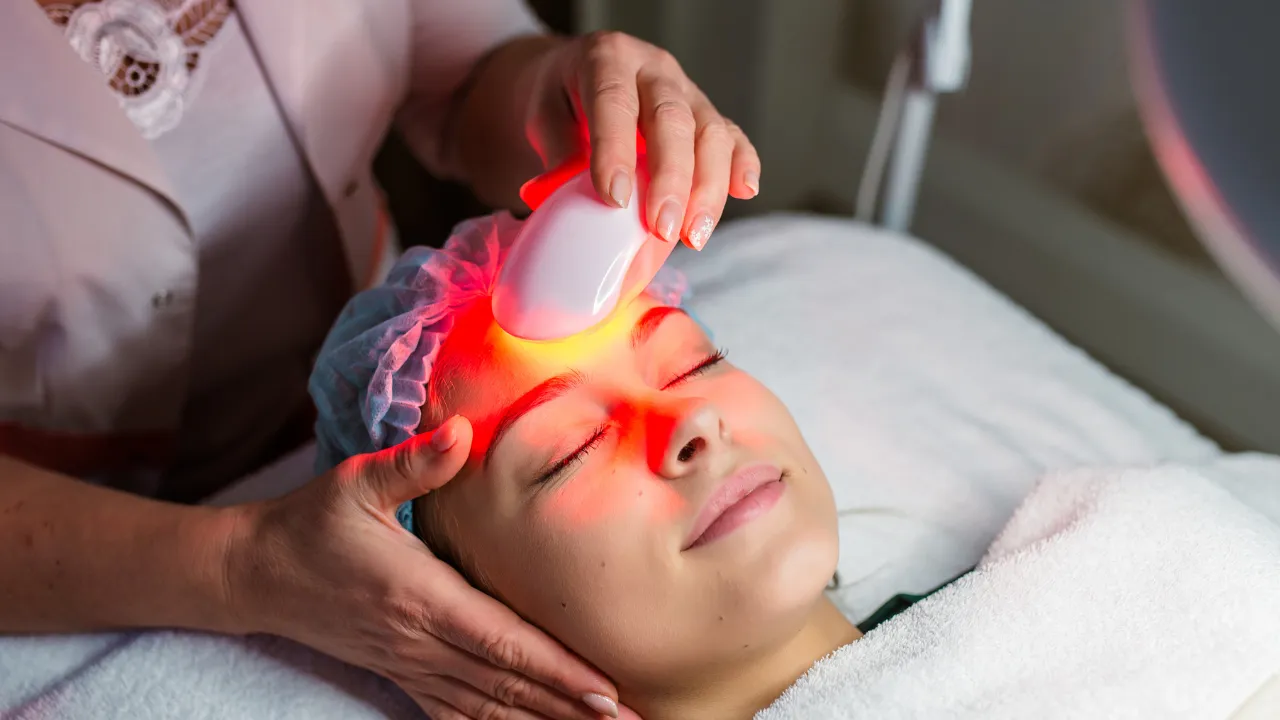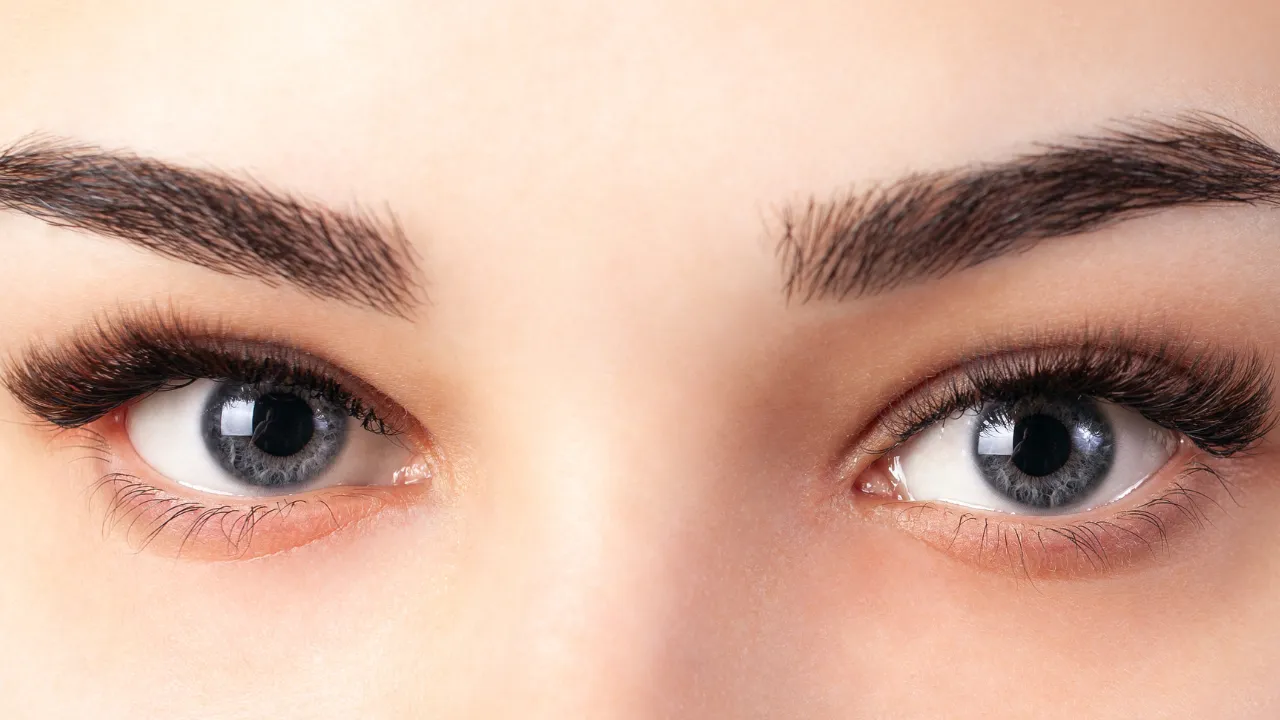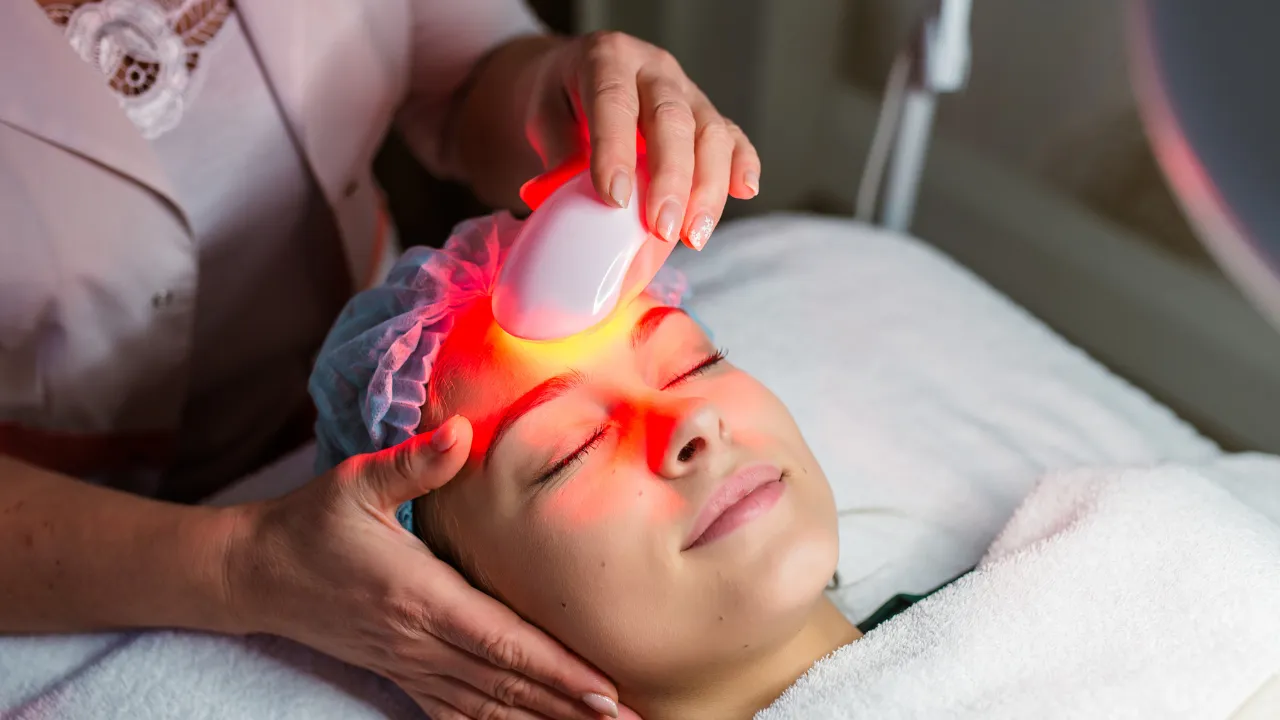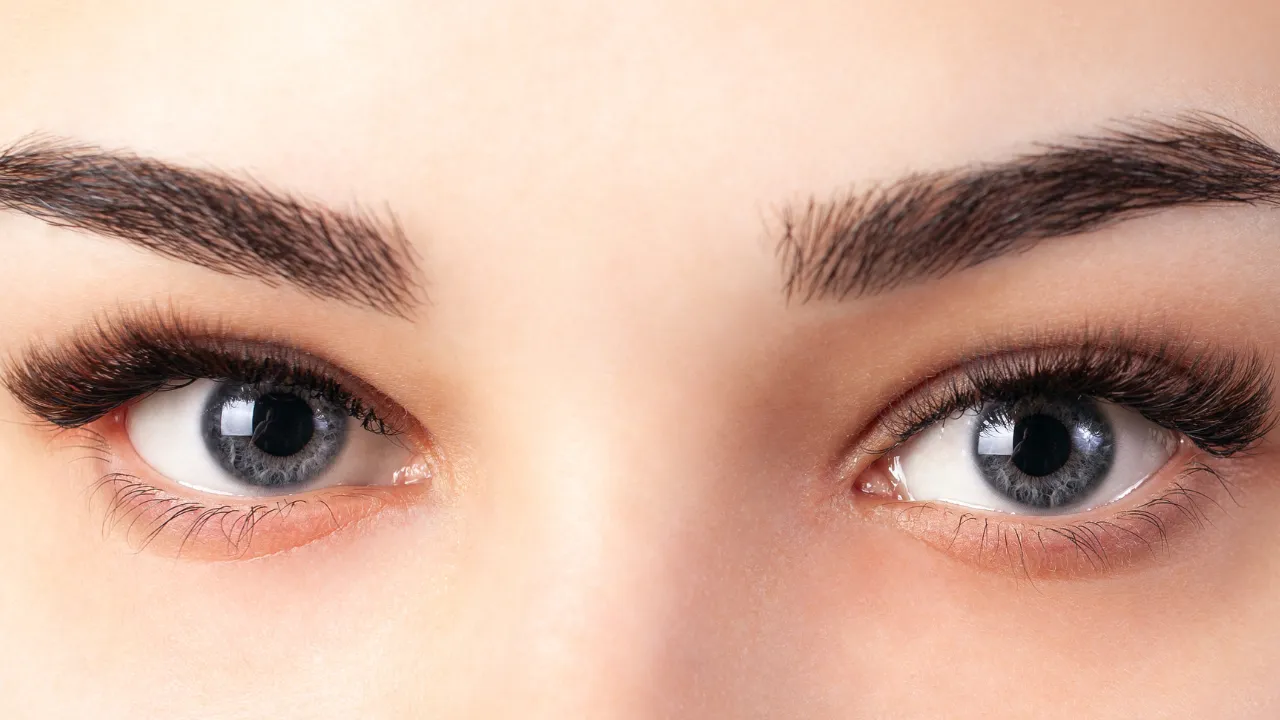


When the difference is more obvious, it’s usually caused by a drooping upper lid (ptosis), a lower brow, or a difference in the eye socket itself. A sudden change is different. If one side drops overnight or comes with double vision, pain, or facial weakness, get medical care right away.
At Kopelman Aesthetic Surgery, Dr. Joel Kopelman, a board-certified oculoplastic and facial plastic surgeon with decades of experience, helps patients find the cause of facial asymmetry and treat it.
Key Takeaways
- One eye lower than the other is usually normal facial asymmetry. Most faces have small differences in bone structure, brow height, and eyelid position.
- Common causes include a drooping upper eyelid (ptosis), a heavy brow, and, less often, an eyeball that sits lower in the socket after an injury or sinus problem.
- Waking up with one eye smaller is often swelling or allergies and may settle within hours. If it lasts past a day, see a doctor within a day or two.
- Call 911 for sudden numbness, weakness, or drooping on one side of the face. Go to the emergency room for a sudden droop with double vision, a larger pupil, or a severe headache.
- A difference that has stayed the same for years needs no treatment unless it bothers you. If you want it corrected, the right option depends on the cause, from Botox or a brow lift to ptosis repair or orbital surgery.
Why Is My Right Eye So Much Lower Than My Left?
Why is my right eye lower than my left? The usual cause is a drooping upper lid, a lower brow, or a socket that sits slightly lower on that side.
A common reason is upper eyelid ptosis, where the levator muscle that lifts the lid has stretched or weakened. Sometimes the difference is simply anatomical, because one socket formed slightly lower.
In other cases, it traces back to an old injury, nerve damage, or volume loss around the eye. An oculoplastic surgeon can tell whether the cause is muscular, structural, or nerve-related.
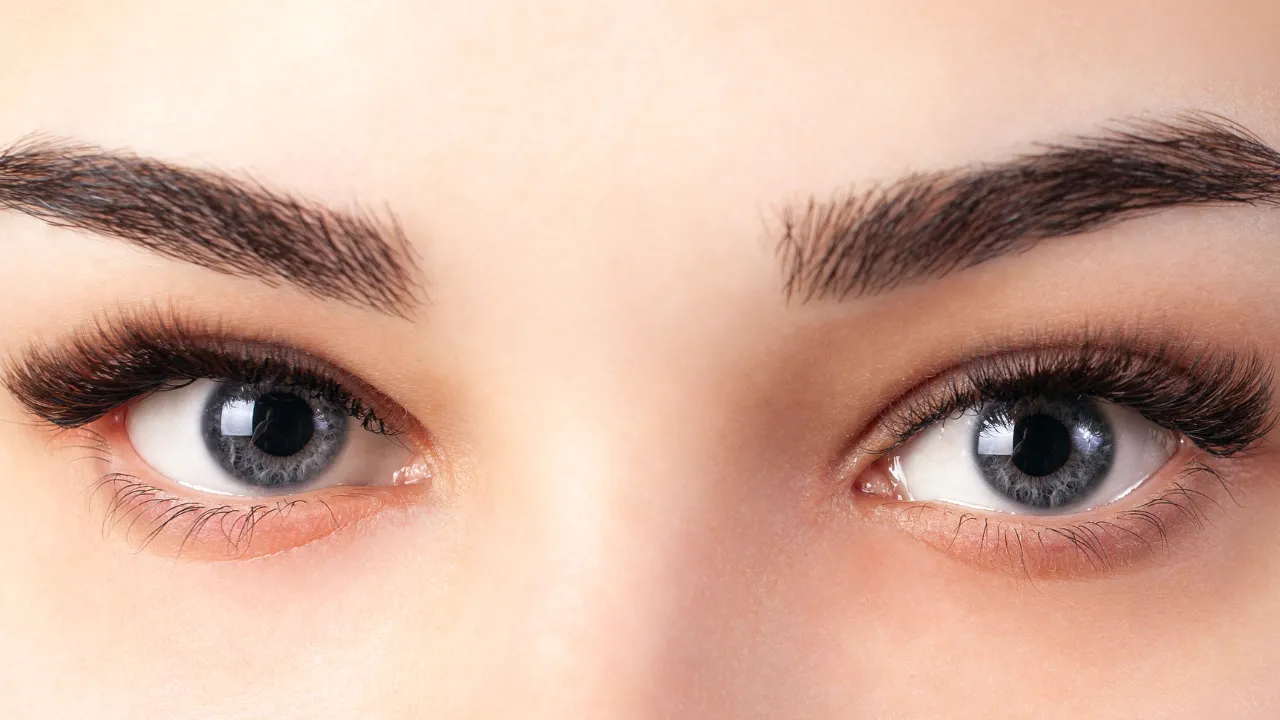
Why is one eye lower than the other? For most people, the answer is subtle facial asymmetry. The same is true for anyone who asks why one eye is higher than the other, or why the lids look uneven.
Why is my left eye lower than my right? The side doesn’t change the cause, so everything on this page applies whichever eye sits lower.
What Causes Uneven Eyes?
Uneven eyes fall into four groups, based on where the difference lies: the lid, the brow, the eyeball’s position, or the socket. The table lists each one.
| Cause | What you notice | Typical onset | Common fix |
|---|---|---|---|
| Upper lid ptosis | Lid covers more of the iris; the eye looks lower and smaller | Gradual, with age or contact lens wear | Ptosis repair; a prescription drop for some adults |
| Brow droop | A heavy brow crowds the upper lid | Gradual | Botox or brow lift |
| Hypoglobus | The whole eyeball sits lower in the socket | After an injury, sometimes months later | Orbital implant |
| Silent sinus syndrome | The eye drifts lower and further back, usually painless | Gradual, over months to years | Sinus treatment, then socket repair if needed |
| Thyroid eye disease | One eye bulges or looks wider open | Varies, often gradual | Treat the thyroid condition first, then lid or socket surgery |
| Lid retraction | Extra white shows above or below the iris | Varies | Lid repositioning |
| Orbital asymmetry | The sockets sit at different heights | From birth, stable | Camouflage or complex reconstruction |
| Swelling or allergies | One eye looks puffy or smaller after waking | Overnight, temporary | Cold compress, allergy care |
Two causes need a closer look. A low-sitting eyeball (hypoglobus) often follows a fracture of the socket floor, and it can appear as fat inside the socket shrinks. Silent sinus syndrome causes a similar change without injury because the sinus below the eye slowly collapses and pulls the socket floor down, usually without pain.
Why is my right eye more open than my left? Sometimes the wider eye is the one that changed. Thyroid eye disease can pull a lid up or push one eye forward, and it often affects the two eyes unevenly. Scarring or a past lid procedure can cause the same eyelid retraction.
Age and habits also play a part. Soft tissue loosens unevenly with age, and twin and case-control studies link contact lens wear to drooping lids.
Why Did I Wake Up With One Eye Smaller?
Usually, temporary swelling. If you woke up with one eye looking smaller than the other, it is most often one of these:
- Fluid retention from poor sleep posture
- Mild inflammation from allergies
- Fatigue or eye strain
- Minor infection or blocked tear ducts
When to Wait and When to Act
Swelling usually fades within a few hours. If it lasts more than a day, worsens, or comes with pain or vision changes, schedule an exam, as it may point to an underlying issue that needs medical evaluation.
Is It Normal for One Eye to Be Higher Than the Other?
Yes. Research on facial asymmetry treats some difference between the two sides as normal. Surgeons see it in nearly every face, and one eye sitting slightly higher is common.
So what does it mean when one eye is lower than the other? Usually, nothing medical. What matters is whether the difference is stable, recent, or getting worse. If you can see the same difference in childhood photos, it’s rarely a concern.
Some people also ask whether it’s normal for one eye to be bigger than the other. In many cases, yes, especially when the difference is mild and has been present for years.
One Eye Smaller Than the Other: What It Means
It usually means one upper lid sits lower, or one eye sits deeper in the socket. Whether you notice one eye bigger than the other or one that looks smaller, the cause comes down to a short list. Why is one eye smaller than the other? These are the most common reasons:
- Eyelid ptosis – A drooping upper eyelid
- Enophthalmos – One eye sunken deeper into the socket
- Orbital fat loss – Aging-related volume loss
- Congenital differences – Present from birth, including ptosis
Why is my right eye smaller than my left eye? Most often, that upper lid sits slightly lower; the eyelid section below shows how to tell. The same applies in reverse if your left eye is smaller.
Common Appearance Triggers
Sometimes, what looks like one eye bigger than the other is part of mild facial asymmetry. Subtle differences in the cheek, brow, or jaw can create the illusion of uneven eyes, and facial fillers can sometimes balance them.
Why does one eye look smaller than the other when both are the same size? Real differences in eyeball size are uncommon; the lids, brow, and cheek around the eye usually create the effect.
If one eye looks smaller only when you smile, the lower-lid muscle on that side may rise more than the other. To find the real cause, a surgeon measures lid height, brow position, and how far each eye sits forward. A CT scan may be ordered if eyeball position looks uneven.
One Eyelid Lower Than the Other: Is It Ptosis?
Often, yes. What looks like one eye lower than the other is frequently one eyelid lower than the other, usually from ptosis. The eye sits in the same place, and the lid simply covers more of it.
Doctors check this by measuring from the center of the pupil’s light reflex to the edge of the upper lid. When that distance is clearly shorter on one side, that lid is drooping.
A droopy lid can also make the crease above it look higher, even when the crease hasn’t moved. Many people notice the uneven crease before they notice the lid itself. A lid that feels heavy by evening is another early sign. You can see how lid repair changes both eyelid ptosis in before-and-after photos.
Most acquired ptosis comes from a stretched or loosened lifting tendon, which age, contact lens wear, or a past procedure can bring on. Rarely, a nerve problem is behind it, especially when the droop appears suddenly or comes with a change in pupil size. That needs a prompt medical exam. The types of ptosis explain how doctors tell these causes apart.
How to Check for Eye Asymmetry at Home
Compare lid height, lid creases, and brow position in a mirror or a neutral photo. Most people have minor differences between their eyes, so try these simple checks:
- Look into a mirror with your face relaxed.
- Compare the height of your eyelid creases.
- Use a straight object, like a pen, to line up both eyes horizontally.
- Take a neutral photo of your face and draw vertical lines through each eye to check alignment.
- Compare old photos to see whether the difference is new or long-standing.
Photos often show asymmetry more clearly than a mirror does, and old photos show whether the change is recent. A tilted head or an off-center camera can also make even eyes look uneven, so keep your head level. If the difference is new or growing, book an exam.
When Are Uneven Eyes a Medical Concern?
Rarely. Uneven eyes are usually cosmetic, but sudden changes, injuries, vision changes, or facial weakness need a medical exam.
Why Is One Eye Suddenly Smaller Than the Other?
If a sudden change doesn’t fade within a day, it needs a closer look. Use these two groups to decide how fast to act.
Call 911 or go to the emergency room for:
- Sudden numbness, weakness, or drooping on one side of the face, with or without arm weakness or slurred speech, which can signal a stroke. Bell’s palsy is a common cause of sudden facial droop, but only an exam can tell the two apart.
- Other signs include a sudden droopy lid, double vision, a larger pupil, or a sudden severe headache.
- A droopy lid with a smaller pupil and new neck, face, or head pain.
See a doctor within a day or two for:
- A droopy lid that appears suddenly, even with no other symptoms
- Any lid or eye change that lasts more than a day or keeps getting worse
- A recent head or face injury
- Blurred vision or a shrinking field of view
If the drooping or sinking built up slowly over months, book a routine exam. If your peripheral vision changes or the eye feels strained, get a full eye exam before considering any cosmetic option.
| What you notice | What it may mean | What to do |
|---|---|---|
| Same difference for years, no other symptoms | Normal facial asymmetry | No action needed; treat for cosmetic reasons if you want |
| Puffy, smaller eye after waking | Swelling, allergies, or irritation | Wait a few hours; see a doctor within a day or two if it lasts past a day |
| Lid slowly drooping over months | Ptosis or brow droop | Book a routine oculoplastic exam |
| Eye sinking or sitting lower over time | Old fracture or sinus collapse | Book an exam; imaging may be needed |
| Lid droops suddenly, no other symptoms | Possible nerve problem or another cause | See a doctor within a day or two |
| Recent head or face injury with any change in the eyes | Fracture or nerve injury | See a doctor within a day or two |
| Sudden droop with double vision, a larger pupil, or a sudden severe headache | Possible nerve problem | Go to the emergency room |
| Droop with a smaller pupil and new neck, face, or head pain | Possible carotid artery problem | Go to the emergency room |
| Sudden numbness, weakness, or drooping on one side of the face | Possible stroke | Call 911 right away |
How to Fix Asymmetrical Eyes (Non-Surgical and Surgical)
How to fix one eye lower than the other depends on the cause. A drooping lid, a low brow, and a low-sitting eyeball each require a different approach, and many patients don’t need surgery.
If thyroid disease or a sinus problem is behind the change, treat it first. For cosmetic concerns, procedures are customized and kept minimally invasive when possible.
Non-Surgical Options
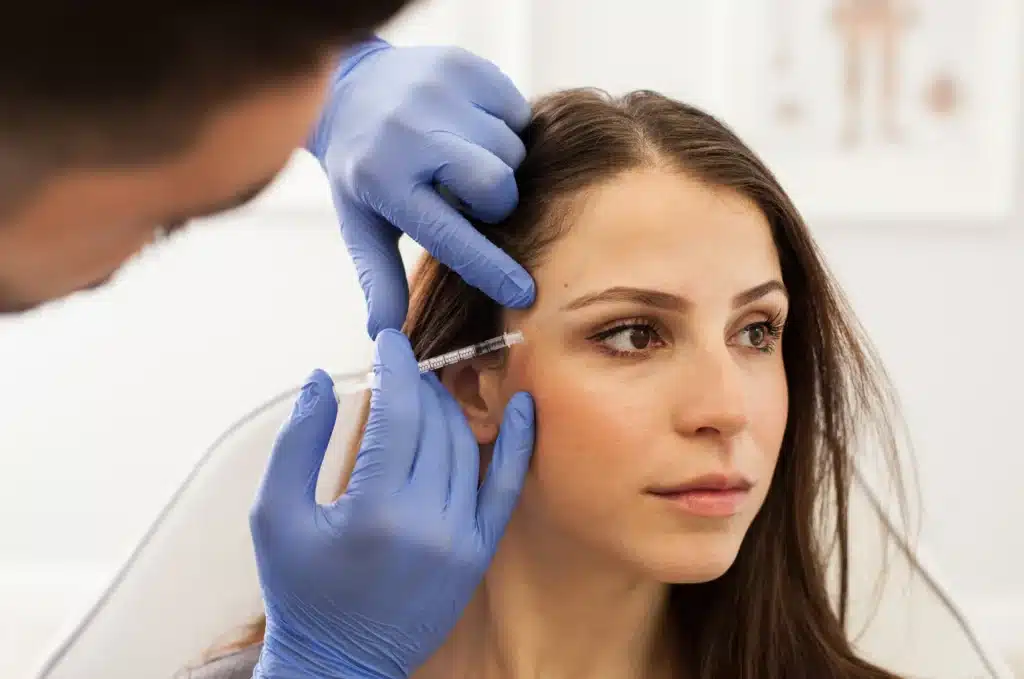
- Botox injections – Used to lift a low eyebrow or adjust uneven muscle pull
- Fillers – Restore lost volume around the eye or cheek
- Topical treatments – Reduce swelling or inflammation
- Prescription eye drops – A once-daily drop approved for acquired ptosis in adults can lift a drooping upper lid in some people
- Camouflage – Makeup, brow shaping, eyelid tape, and even eyeglass lenses can make the two sides look more even
These options work well for mild cases or when muscle imbalance or aging causes uneven eyelids.
Surgical Options
- Ptosis repair – Tightens the lifting muscle so the lower lid matches the other side
- Blepharoplasty – Lifts the eyelids for better symmetry.
- Brow lift – Corrects brow height imbalance.
- Fat grafting – Rebuilds lost volume under and around the eye
- Orbital implants – Raise an eye that sits low after a fracture or with silent sinus syndrome
Not sure whether the lid or the brow is the problem? This comparison of blepharoplasty vs brow lift shows how surgeons decide.
Lid work is rarely identical on both sides, because the aim is a matching result, not matching amounts of tissue removed.
Can Asymmetric Eyes Surgery Help?
Yes. Asymmetric eyes surgery can restore balance and improve both function and appearance, especially when other options are limited. Perfectly symmetric eyes aren’t always achievable, but modern techniques aim for natural-looking balance.
Surgeons work in a set order: first the bony foundation, then the eye’s position, and finally the lids. Each step changes the next, so skipping ahead can undo the result.
Dr. Kopelman treats conditions like upper eyelid ptosis while keeping results medically safe and aesthetically pleasing. He explains whether a cosmetic procedure alone is enough or functional eyelid surgery is needed. When a drooping lid blocks part of your vision, insurance may cover the repair with proof such as a visual field test.
To plan, see what eye asymmetry surgery costs and what changes the price.
One Eye Is Bigger Than the Other – How to Fix It Naturally
Mild cases can improve with simple habits, but a constant or structural difference won’t correct itself. Patients often ask, “Why is one of my eyes bigger than the other?” or “Can I fix this naturally?” When the difference is mild and not due to a medical condition, these steps may help.
Home Remedies and Prevention Tips
- Sleep on your back with your head slightly elevated
- Use cold compresses to reduce puffiness in the morning
- Manage sinus allergies with appropriate medication
- Stay hydrated and avoid high-salt foods in the evening
- Limit screen time and take regular breaks
These steps help most when swelling or temporary inflammation causes the difference, especially if you notice uneven eyes in the morning or after long days.
If the difference is constant or structural, natural methods won’t fully correct it. No home remedy can move bone, tighten a stretched lid muscle, or replace lost fat.
Frequently Asked Questions (FAQs)
Can uneven eyes be fixed without surgery?
Yes. Mild asymmetry can often be managed with Botox, fillers, or skincare. For long-term structural issues, surgery may offer better results.
Is it common for one eye to be higher than the other?
Yes. Surgeons see some difference between the two sides in nearly every face, and eyelid height is the easiest to spot. It’s worth an exam only if it is new, growing, or paired with other symptoms.
Do facial exercises help with eye asymmetry?
There’s no strong evidence that facial exercises can correct bone- or fat-based asymmetry, but they may improve muscle tone slightly.
Can an old injury make one eye sit lower later?
Yes. After an eye socket fracture, the eye may look normal at first. Over the next few months, fat inside the socket can shrink, letting the eye sink lower or sit farther back.
Final Notes
If you’re concerned about two different-shaped eyes, one eye larger than the other, or why one eyeball is bigger than the other, an accurate diagnosis is the first step. Whether you want to correct uneven eyes for cosmetic reasons or need functional correction, the cause determines the treatment.
Dr. Joel Kopelman, a leading oculoplastic surgeon, offers care backed by decades of facial plastic and oculoplastic work, as these eyelid surgery before-and-after photos show. Book a consultation today.