
Key Takeaways
- A slight difference in eye size is often normal and may come from facial asymmetry, aging, eyelid position, or brow height.
- Sudden eye asymmetry, pain, swelling, double vision, or vision changes should be evaluated by a doctor.
- Medical causes can include ptosis, thyroid eye disease, Bell’s palsy, injury, inflammation, or nerve-related conditions.
- Treatment depends on the cause and may include observation, medical care, Botox injections, eyelid surgery, or a brow lift.
Why Is One Eye Bigger Than the Other?
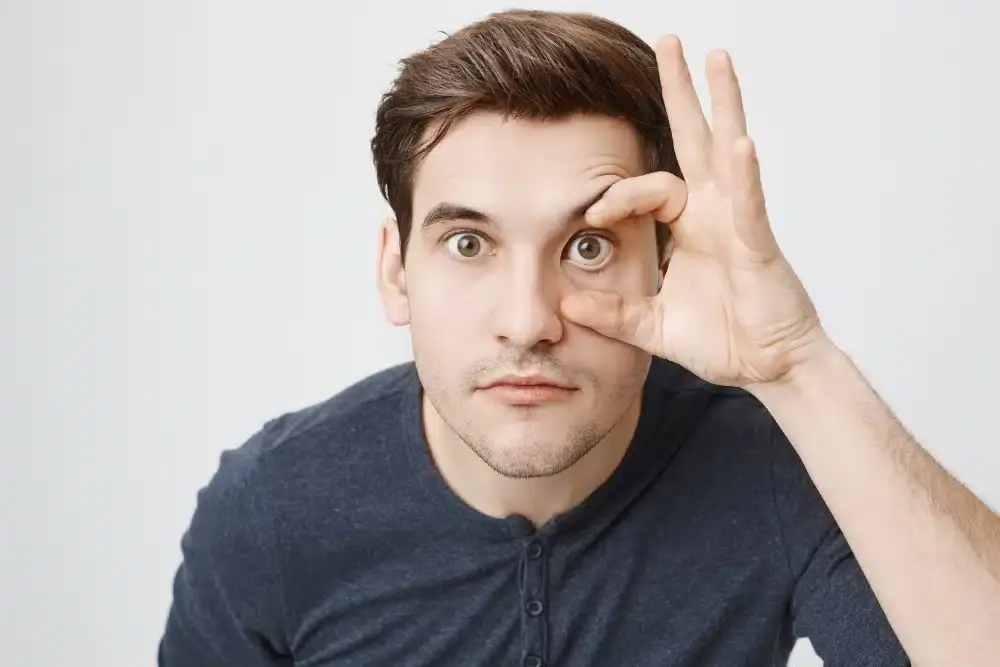
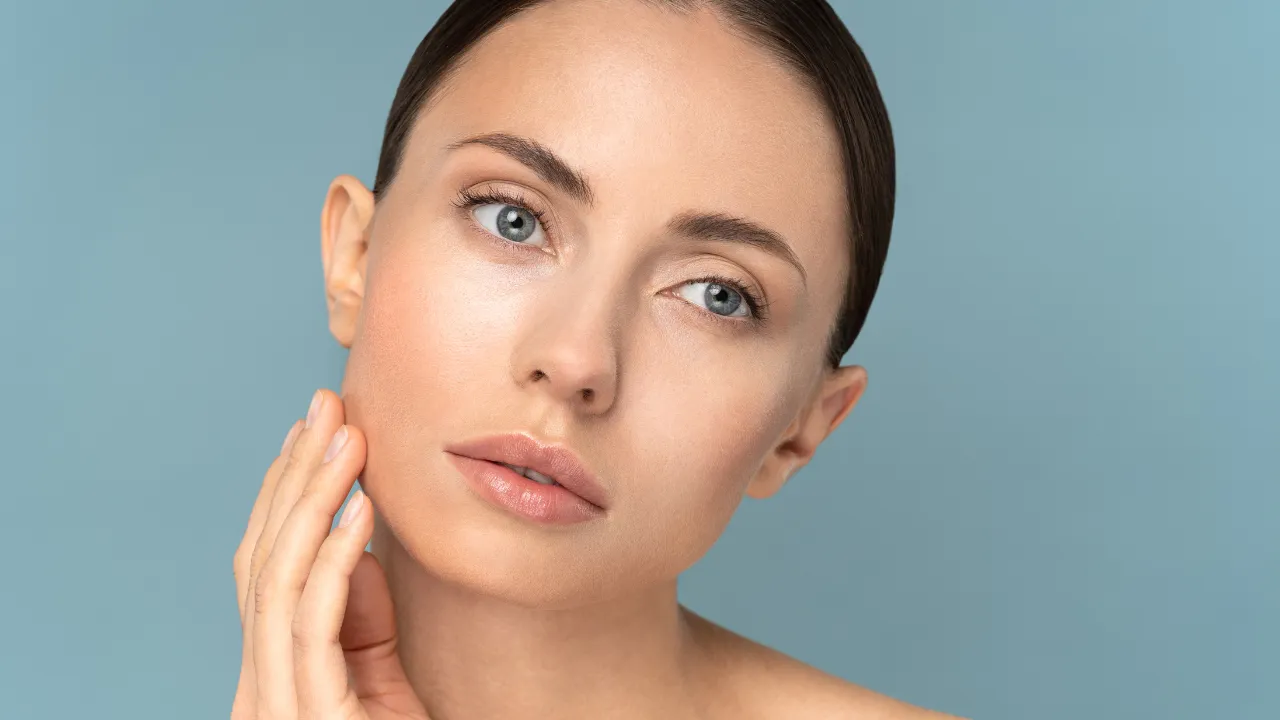
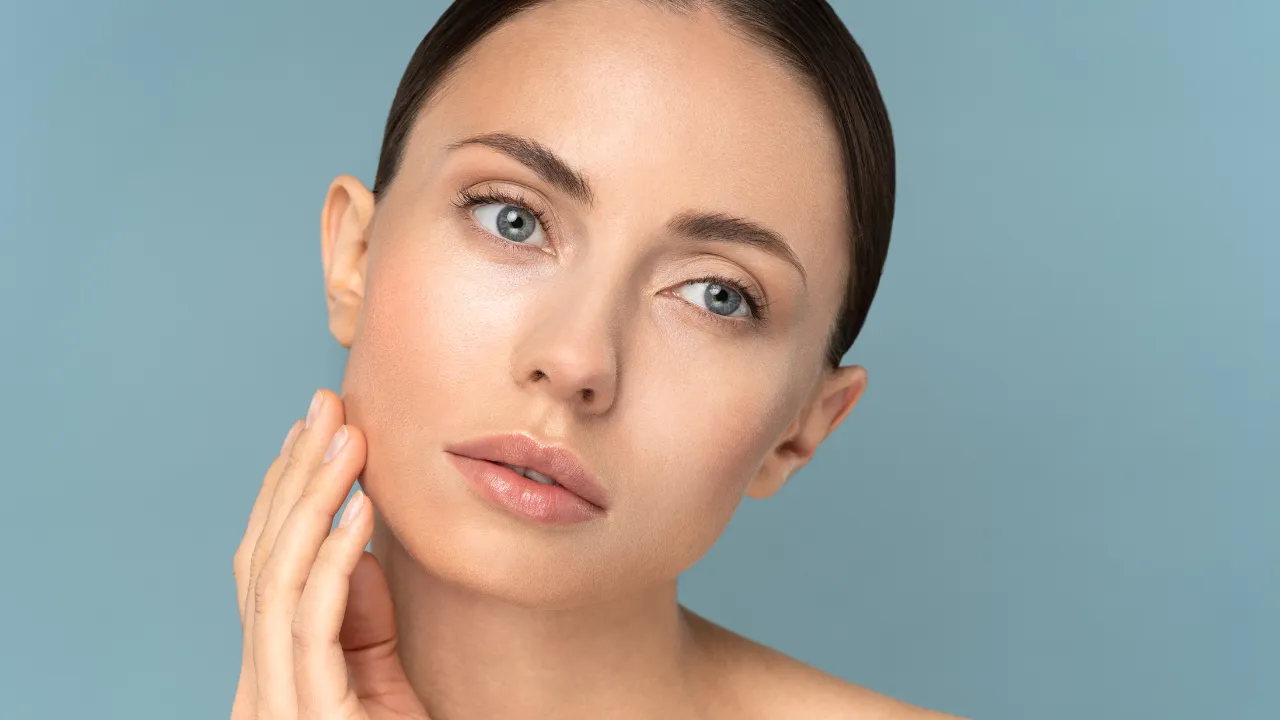
Many people ask, “why is one eye bigger than the other,” especially after seeing photos or videos of themselves. In many cases, the cause is natural facial asymmetry, not disease. Small differences in brow height, eyelid shape, and muscle movement can affect how open each eye appears.
Aging can also change the skin and muscles around the eyes. If one eyelid droops more than the other, it may create the appearance of one of the eyes being smaller than the other. Changes around the eye socket can also make one side look more hollow, swollen, or prominent.
Natural facial asymmetry
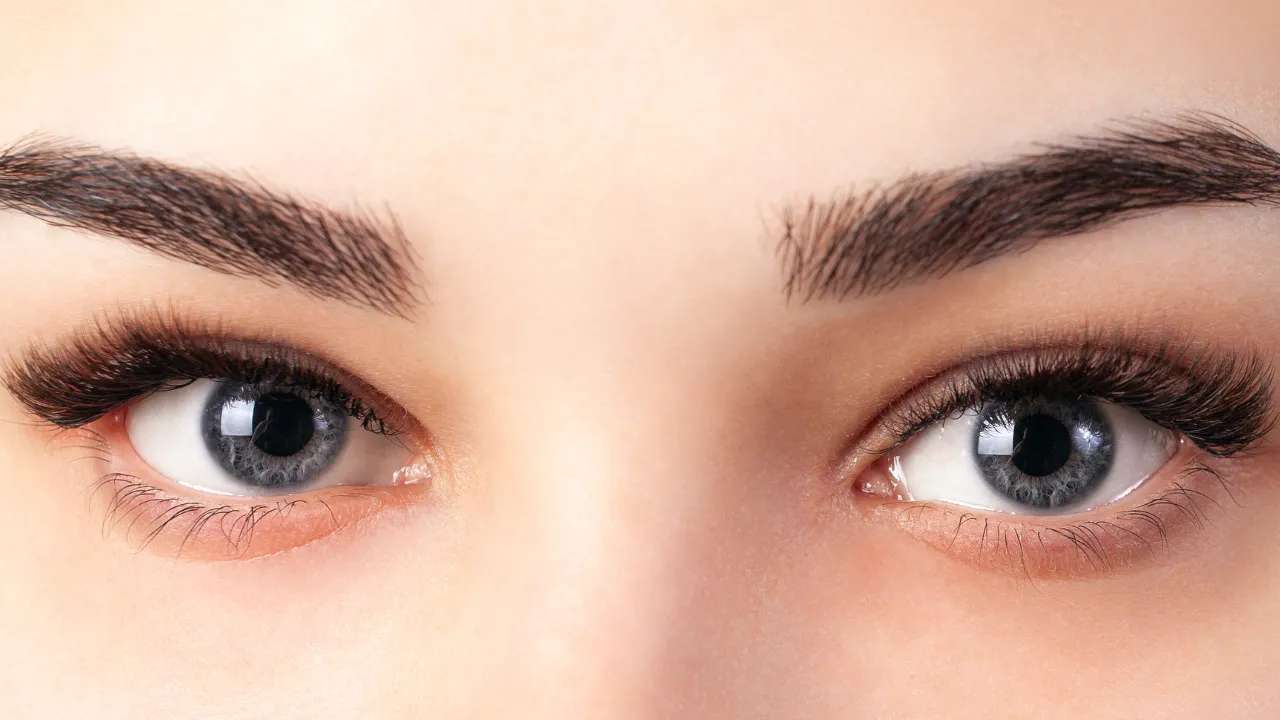
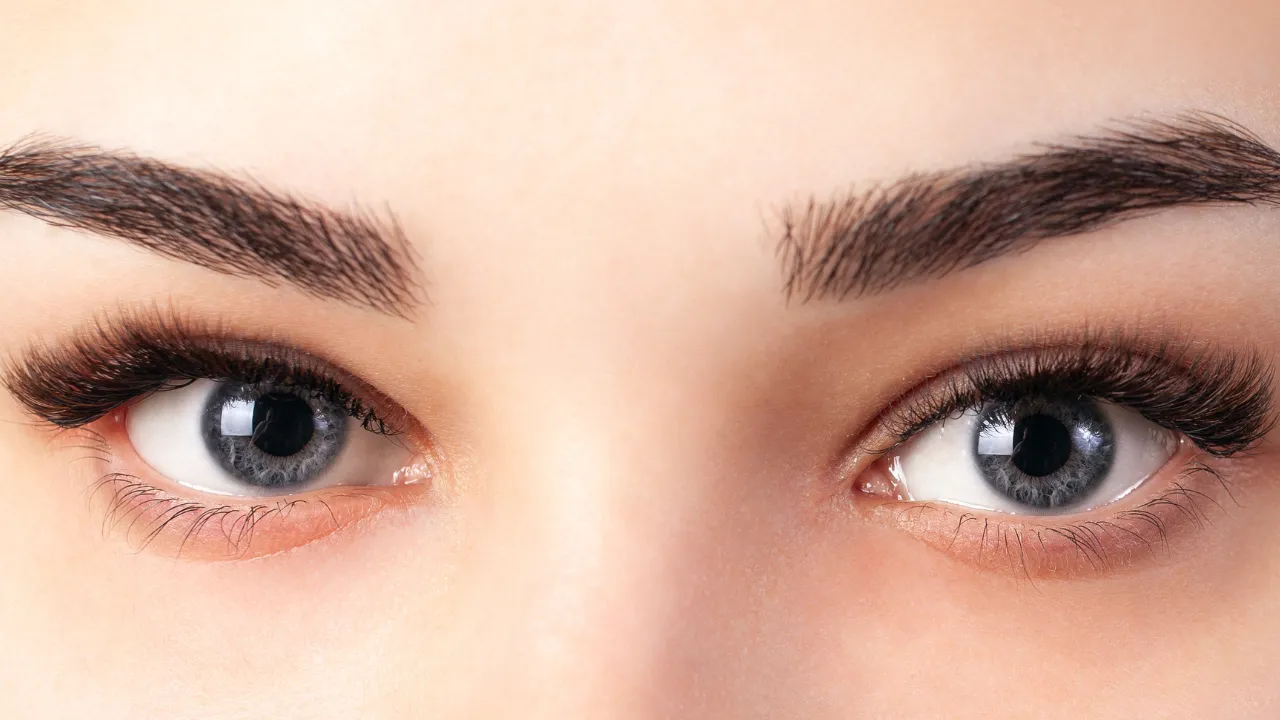
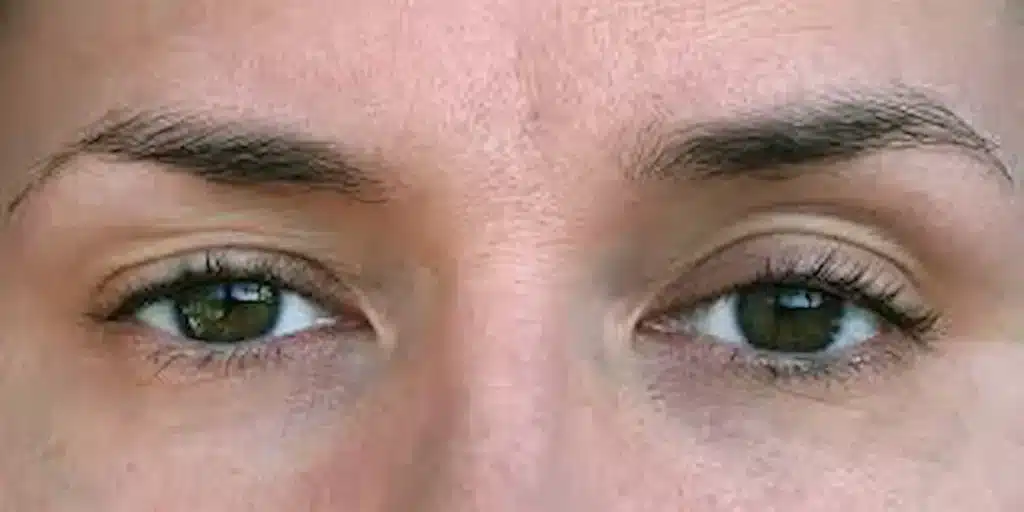
Mild eye asymmetry is common. One eyebrow may sit higher, one eyelid may fold differently, or one side of the face may move more strongly. These small differences can create asymmetrical eyes without affecting vision.
Aging and eyelid changes
With age, the eyelid skin and support muscles weaken. Drooping eyelids may make one of the eyes look smaller or more tired. A droopy eyelid can also interfere with vision if the eyelid droops far enough.
Eye muscle and brow differences
Uneven muscle activity can change how the eyes look during blinking, smiling, or raising the brows. Brow position matters because a higher brow can make one eye look larger. Uneven eyelids can also make the eyes appear unbalanced.
Is It Normal for Eyes To Be Uneven?
Uneven eyes are often normal when the difference is mild and stable. Many people notice eye differences only in certain lighting, camera angles, or facial expressions. Facial symmetry is never perfect, and small differences are part of normal anatomy.
The concern increases when the change is sudden, painful, or linked to blurred vision. Medical conditions can affect eye appearance, eyelid position, and eye movement. An eye exam can help determine whether the issue is cosmetic, functional, or medical.
Medical Conditions That Cause Uneven Eyes
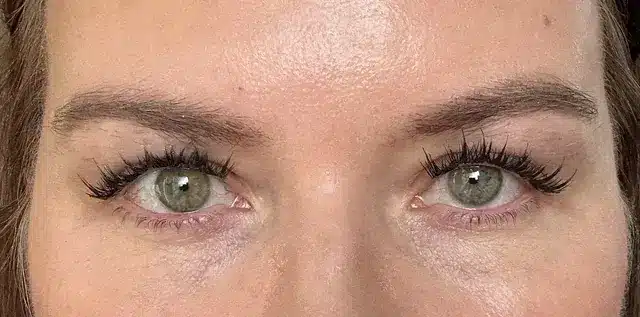
Some medical conditions can make one eye look larger, smaller, swollen, or more open. These conditions may involve nerves, muscles, thyroid disease, inflammation, or trauma. Doctors evaluate symptoms, timing, and eye function to identify the cause.
Ptosis and droopy eyelids
Ptosis happens when the upper eyelid sits lower than normal. It may develop from aging, injury, prior surgery, or nerve problems. A droopy eyelid can make one eye appear partly closed. Different types of ptosis may affect eyelid position and eye symmetry in different ways.
Graves’ disease and thyroid eye disease
Graves disease can affect eye tissues and muscles. Thyroid eye disease may cause swelling, eyelid retraction, or bulging, making one eye look larger than the other. Symptoms may include dryness, redness, pressure, or vision changes.
Bell’s palsy and nerve weakness
Bell s palsy can weaken muscles on one side of the face. This may affect eye closure, eyebrow movement, and eyelid position. Nerve weakness can create visible eye asymmetry.
Multiple sclerosis eye symptoms
Multiple sclerosis can affect nerves that control eye movement and vision. Early eye symptoms may include blurred vision, eye pain with movement, or double vision. Sudden changes need medical evaluation.
Eye injuries and swelling
Injury, allergy, infection, or inflammation can make one eye look larger suddenly. Swelling may change eyelid height and facial balance. Pain, redness, or vision changes should be checked.
One Eye Bigger Than the Other Suddenly
A sudden change in eye appearance should be taken seriously. It may happen from swelling, infection, injury, nerve weakness, or thyroid-related inflammation. Some causes are mild, but others need prompt care.
Seek urgent evaluation if you notice:
- sudden vision loss
- severe swelling
- eye pain
- double vision
- facial weakness
- inability to move the eye
- severe headache with eye symptoms
These signs may point to a problem that can affect eye function or nerve health.
How Doctors Diagnose Eye Asymmetry
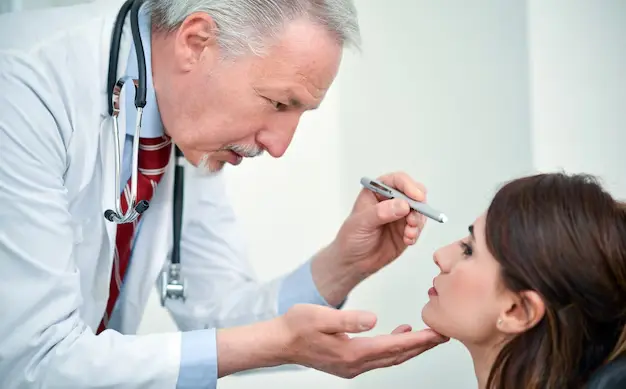
Doctors diagnose uneven eyes by reviewing symptoms and examining eyelid height, brow position, pupil size, eye movement, and facial movement. Photos, measurements, and vision testing may help track changes over time.
For patients who notice one eye sitting lower than the other, Dr. Kopelman also explains why your right eye may appear lower than your left and how eyelid position, facial symmetry, and muscle balance can affect eye appearance.
Testing may include:
- eye exam
- eyelid and brow measurements
- muscle and nerve testing
- thyroid blood tests
- CT or MRI imaging when needed
Medical history also matters. Prior injuries, surgeries, thyroid disease, neurological symptoms, and medication history can all affect diagnosis.
Common Symptoms Linked to Uneven Eyes
People with uneven eyes may notice:
- one eyelid sitting lower
- puffiness around one eye
- blurred or double vision
- trouble closing one eye
- eyebrow imbalance
- dry or irritated eyes
- facial weakness
- changes in eye movement
Symptoms help separate cosmetic concerns from medical concerns. Stable asymmetry is often less concerning than sudden or worsening change.
Treatment Options for Asymmetrical Eyes
Treatment depends on the cause. Some patients need observation only, while others may need medical care, non-surgical treatment, or surgical procedures. The goal is to address the cause and improve balance when appropriate.
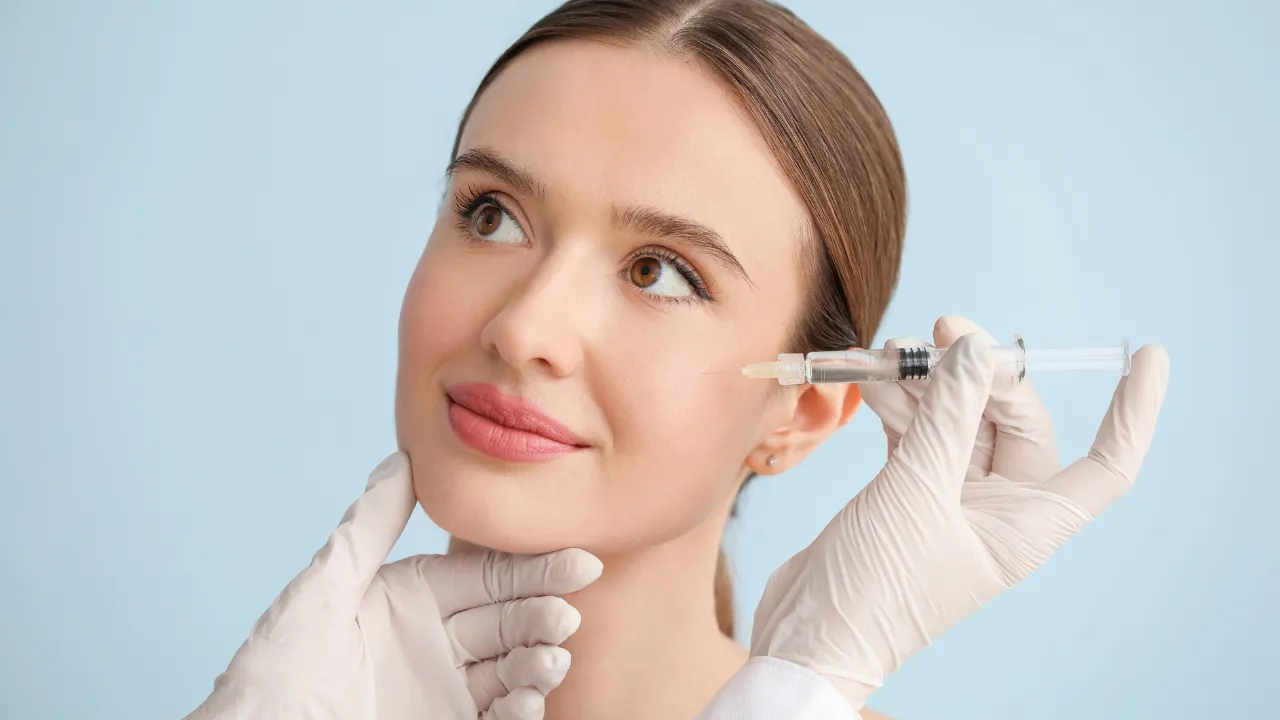
Botox injections for drooping eyelids may help adjust muscle activity around the brows or eyes in selected cases. Fillers may help volume differences, but they do not treat deeper nerve or thyroid problems. These cosmetic procedures require careful evaluation.
Eyelid surgery may correct ptosis, excess skin, or uneven eyelids. A brow lift may help when brow position makes one eye look more open or closed. Treatment may also involve managing thyroid eye disease, inflammation, dryness, or facial nerve weakness.
Perfect symmetry is not a realistic medical goal. Most plans focus on better balance, safer function, and natural facial symmetry. Dr. Kopelman’s clinical evaluation considers anatomy, eyelid function, and the limits of each treatment.
Related Eye Asymmetry Concerns
One eye more prominent than the other can overlap with concerns like one eye lower than the other, drooping eyelids, uneven eyelids, or broader facial asymmetry.
These issues often involve the eyelids, brows, eye socket, and facial muscles working together.
If the difference is mild and long-standing, it may simply reflect normal anatomy. If it appears suddenly, worsens, or affects vision, an eye exam can help identify the cause and guide the right treatment options.