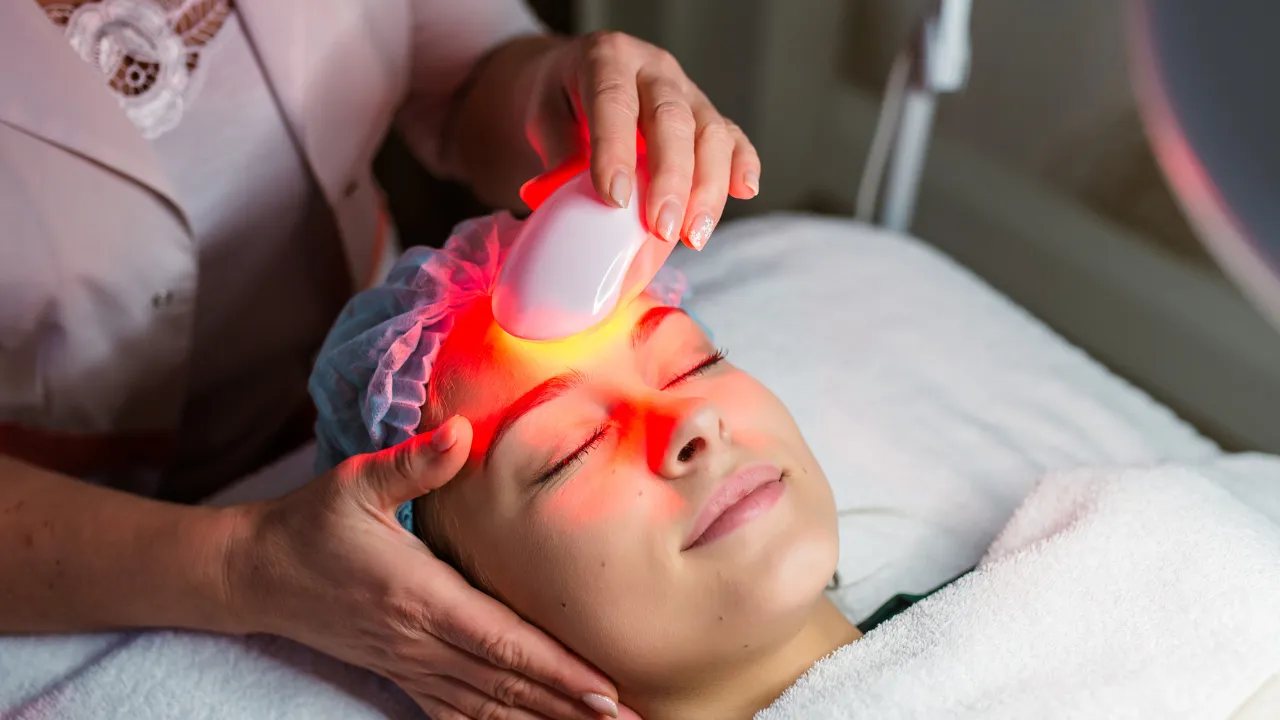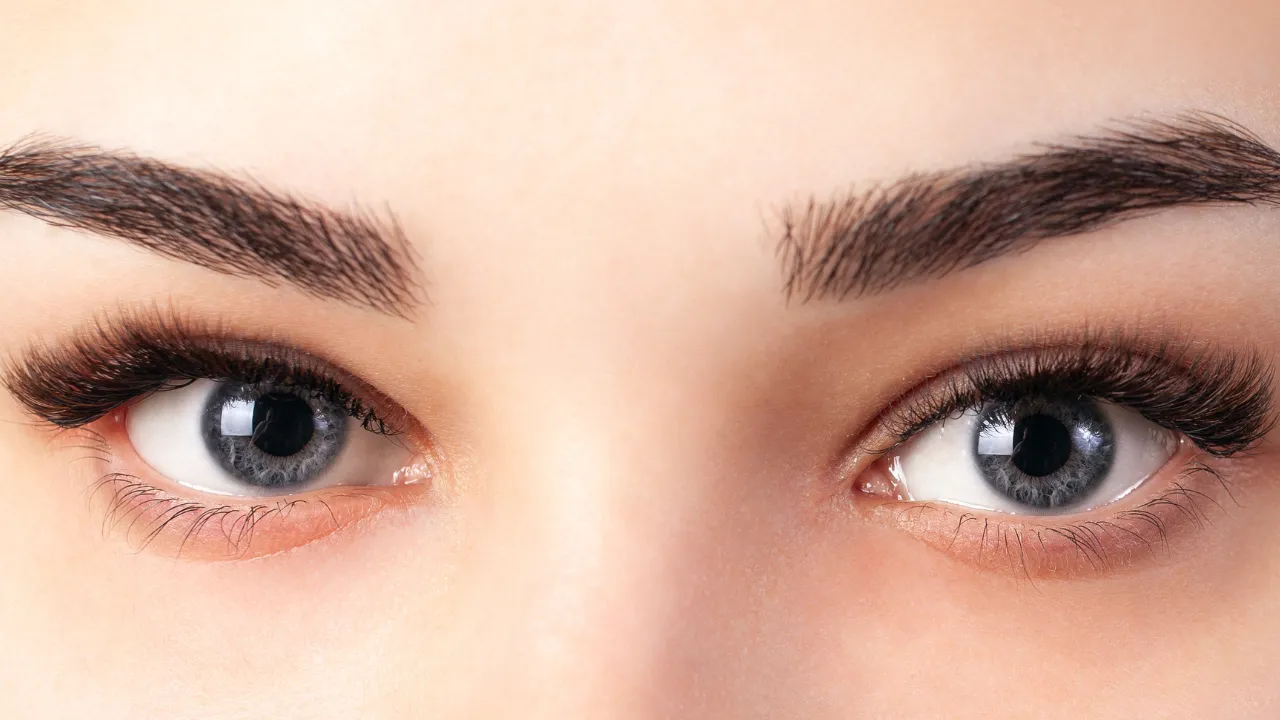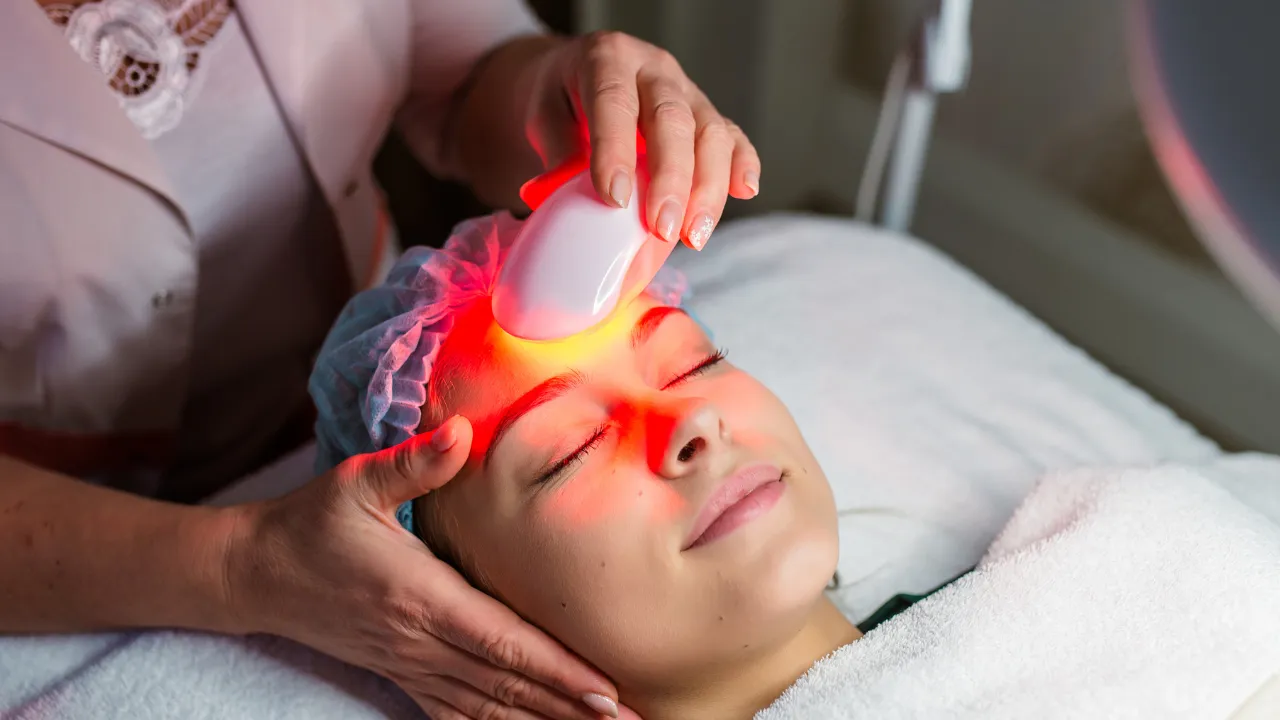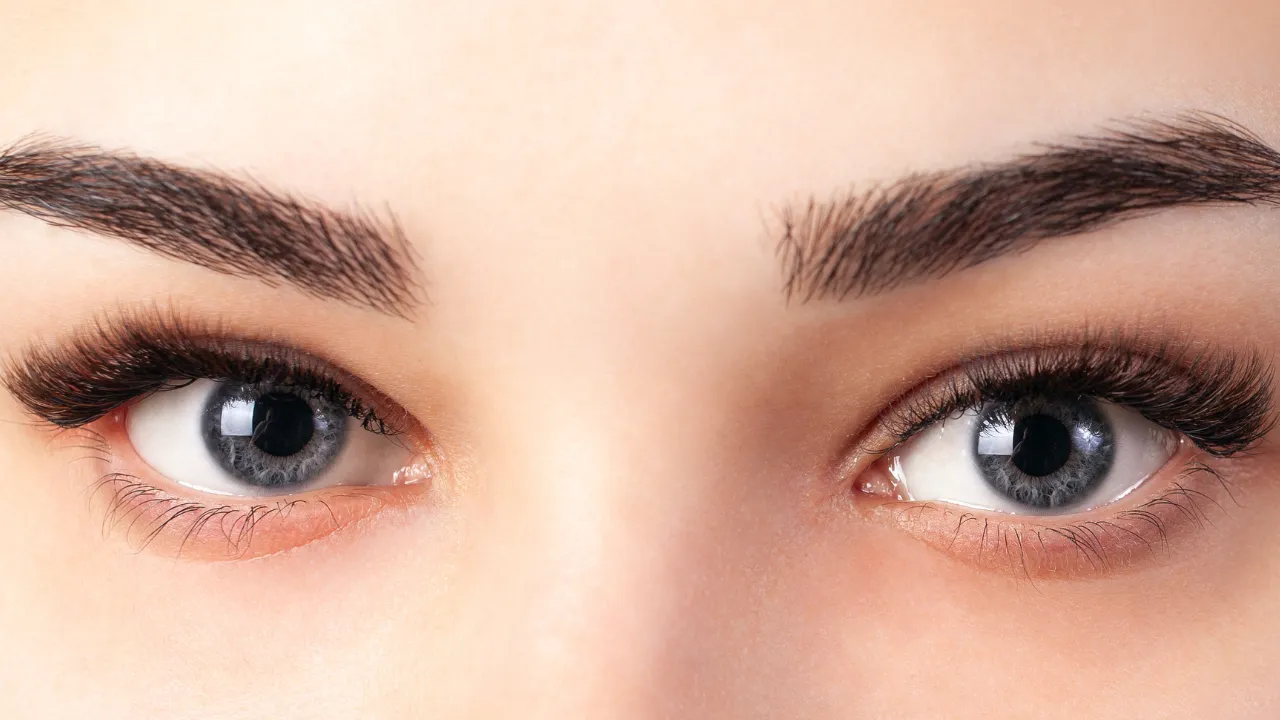

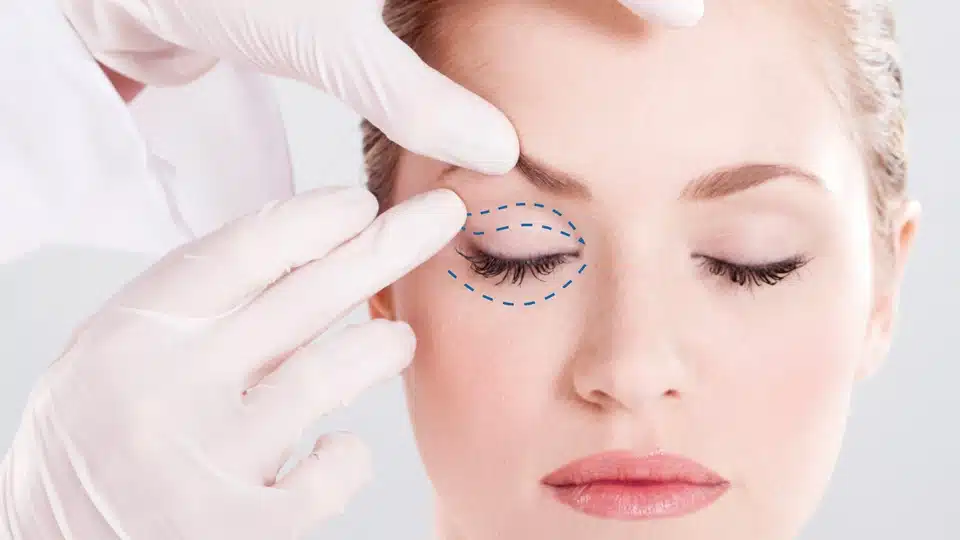
Evaluation by an experienced surgeon is key before considering a second procedure. Dr. Joel Kopelman notes that revision eyelid surgery requires a conservative, customized approach, since the anatomy has already been altered.
Careful planning helps determine if a second procedure is appropriate and what results can be achieved safely.
Key Takeaways
- A second blepharoplasty is possible, but patients must wait at least six months after the first surgery to allow healing.
- Repeat blepharoplasty is more complex than the initial procedure because scar tissue alters normal anatomy, requiring advanced surgical expertise.
- Common reasons for secondary blepharoplasty include aging changes, asymmetry, drooping brows, stretched eyelid muscles, or excess skin that develops again.
- Risks are higher in revision cases, but with proper preparation and an experienced plastic surgeon, outcomes can be safe and effective.
- Patients can prolong the results by protecting their eyelid skin from sun damage, avoiding smoking, and maintaining a healthy lifestyle.
Can Blepharoplasty Be Done More Than Once?
Can You Get Blepharoplasty Twice?
Yes, can you get blepharoplasty twice? It is a common question because eyelid tissues continue to change with age. A second procedure often restores balance when drooping or eye bags return.
Can You Do Lower Blepharoplasty Twice?
A second lower eyelid surgery may correct puffiness or skin and fat bulges that reappear, which some patients may confuse with issues such as under-eye filler swelling months later. It is more complex because scar tissue and delicate structures must be carefully managed.
How Many Times Can You Have Upper Blepharoplasty?
Patients often ask how many times they can undergo upper blepharoplasty when heaviness or sagging of the skin returns after an earlier procedure. Repeat upper eyelid surgery is possible when heaviness or sagging skin returns. Sometimes the issue comes from a drooping brow, which may require a brow lift instead.
Can a Blepharoplasty Be Redone?
Blepharoplasty can be redone if the results are unsatisfactory or the eyelids change with time. Working with an experienced revision surgeon is key.
When to Consider Revision Blepharoplasty
Healing time between procedures
Patients must wait a minimum of six months before considering another surgery. This allows swelling to subside and tissues to recover.
Signs your first surgery needs correction
Persistent puffiness, uneven eyelids, or eyelid problems such as vision issues may signal the need for revision.
Common reasons for revision
- Natural aging
- Asymmetry after the first procedure
- Hollowness or skin reappearing
Other factors include drooping brows, stretched muscles, or recurrent excess skin folds.
Risks and Safety Factors
Scar tissue and anatomy changes
A second surgery is harder because scar tissue inside the eyelid alters eyelid anatomy. This makes precision and experience critical. Surgeons may need to adjust skin and fat compartments or use tissue support to restore a natural look.
Potential complications vs. first surgery
Risks include asymmetry, swelling, and dry eyes. These risks are slightly higher in revision cases.
Risks of Double Eyelid Surgery
Repeat double eyelid surgery carries the same risks but needs special care to maintain a natural fold.
Technical Challenges of Revision Blepharoplasty
Secondary blepharoplasty is more demanding because scar tissue changes tissue planes. Surgeons may need to reposition fat, tighten muscles, or smooth fine lines, requiring advanced skill.
Recovery and Long-Term Results
Recovery timeline and care tips
Recovery may take longer than the first surgery. Cold compresses, head elevation, and rest help reduce swelling.

Longevity of second surgery results
Results usually last many years, though aging continues. Patients should expect improvement, not perfection. For example, someone who had upper eyelid surgery ten years ago may notice folds again, while another may see hollowness after lower eyelid surgery.
How aging affects results over time
Gravity and skin changes continue after surgery. Skincare, sun protection, and healthy habits extend results.
Preparing for a Second Blepharoplasty
Pre-surgery consultation and tests
Patients undergo exams, such as vision checks or eyelid imaging, to assess their eye health. Blepharoplasty revision cost depends on the amount of scar tissue, the complexity of the case, and whether the upper eyelids, lower eyelids, or both need correction.
What to expect before surgery day
Patients should arrange transportation, stop smoking, and avoid blood-thinning medications. Preparation may also include blood work and stopping certain supplements.
Choosing the Right Surgeon
Why oculoplastic expertise matters
Revision surgery requires advanced training. An oculoplastic and facial plastic surgeon like Dr. Kopelman reduces risks and improves outcomes.
Questions to ask before a second surgery
- What is the main eyelid issue?
- Are there alternatives to surgery?
- What outcomes can I expect?
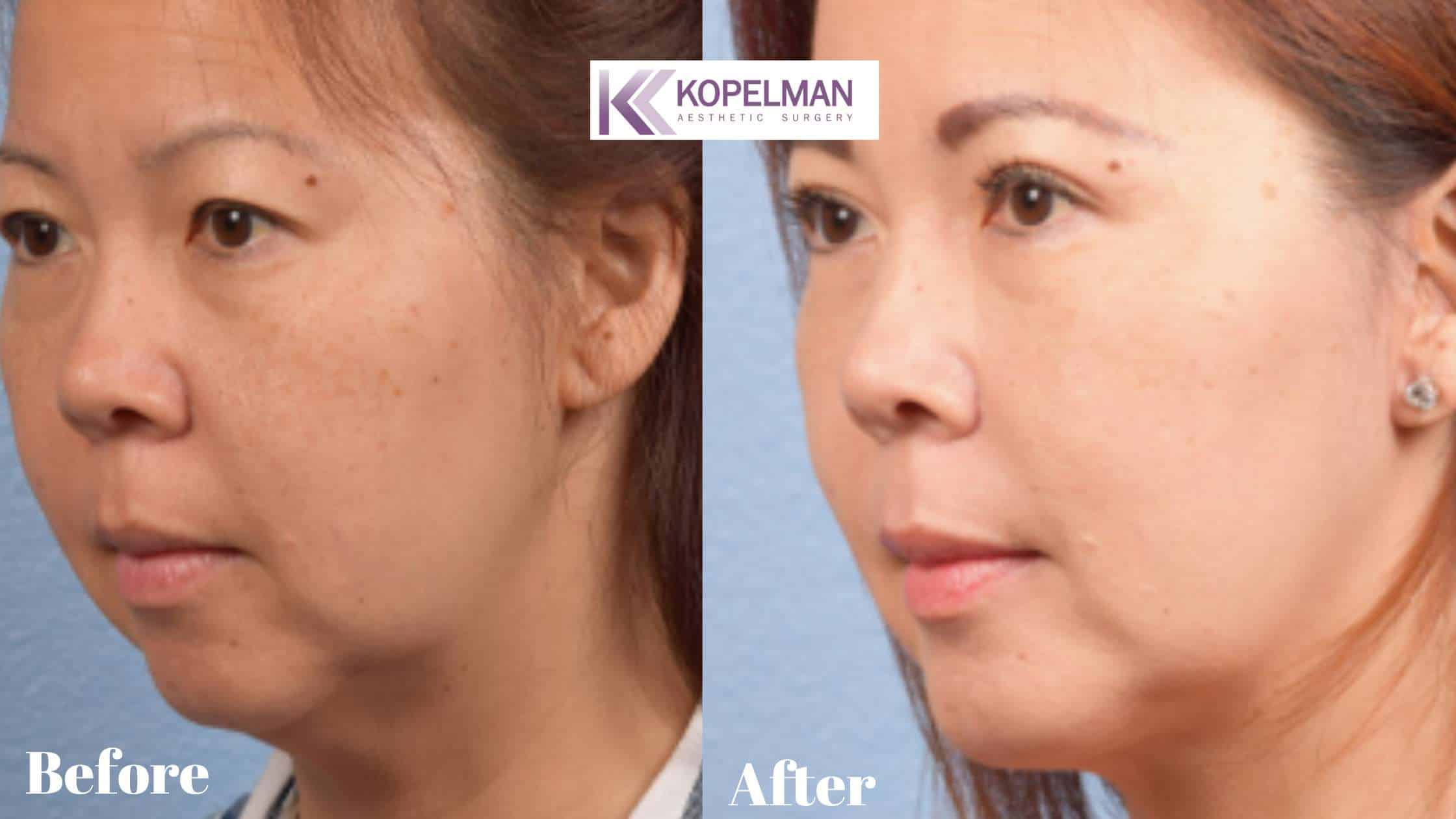
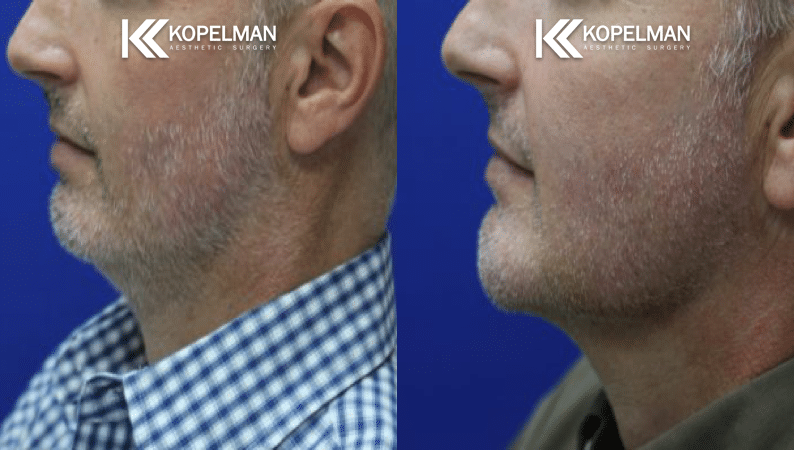
- Can I see upper eyelid surgery before and after pictures from similar revision cases?
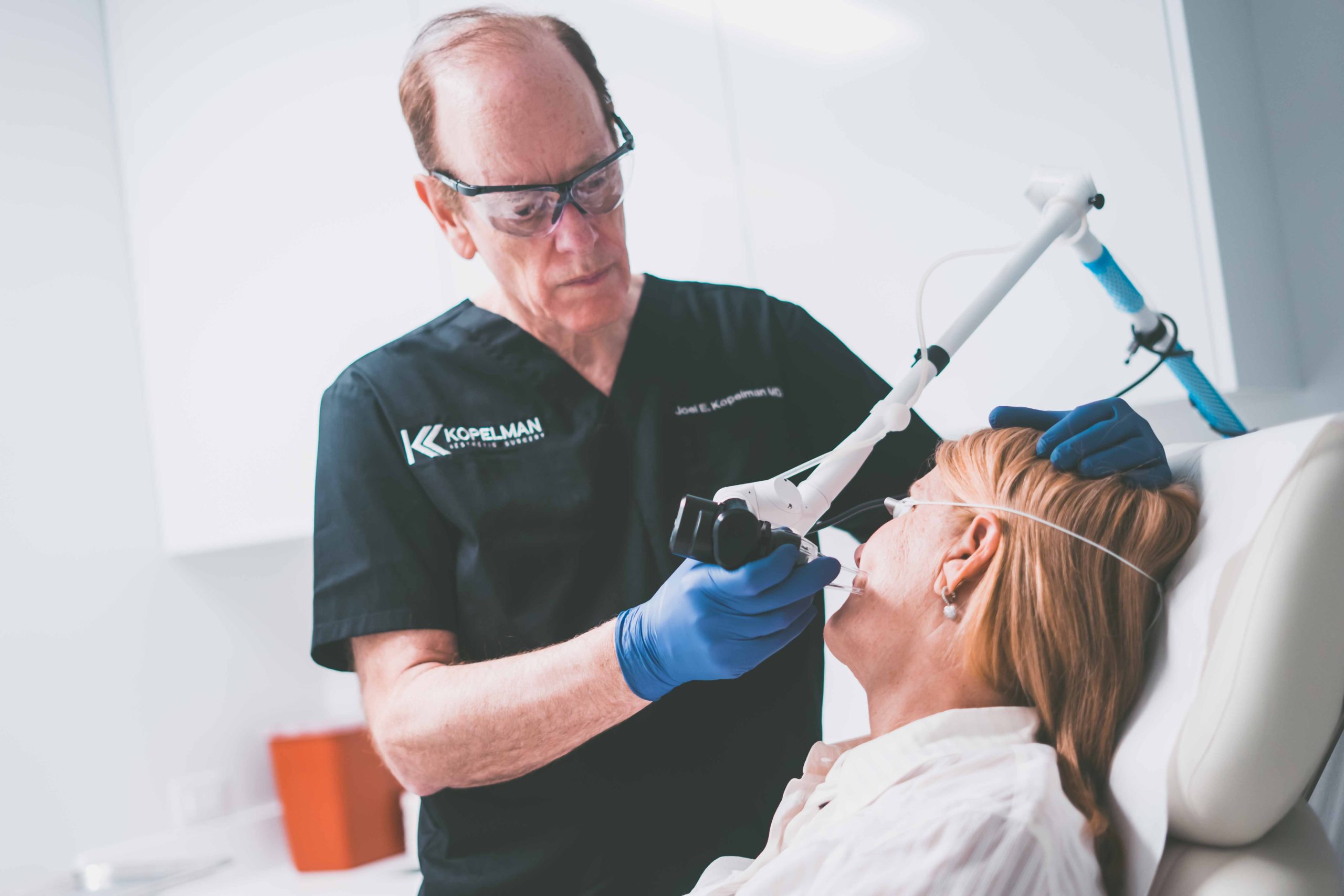
If you are considering a second eyelid surgery, the best next step is to schedule a consultation with Dr. Joel Kopelman at Kopelman Aesthetic Surgery in New York.
His expertise as a facial plastic and oculoplastic surgeon ensures that each patient receives a careful evaluation and a personalized treatment plan.