Best Blepharoplasty in Miami: A Complete Guide to Eyelid Surgery
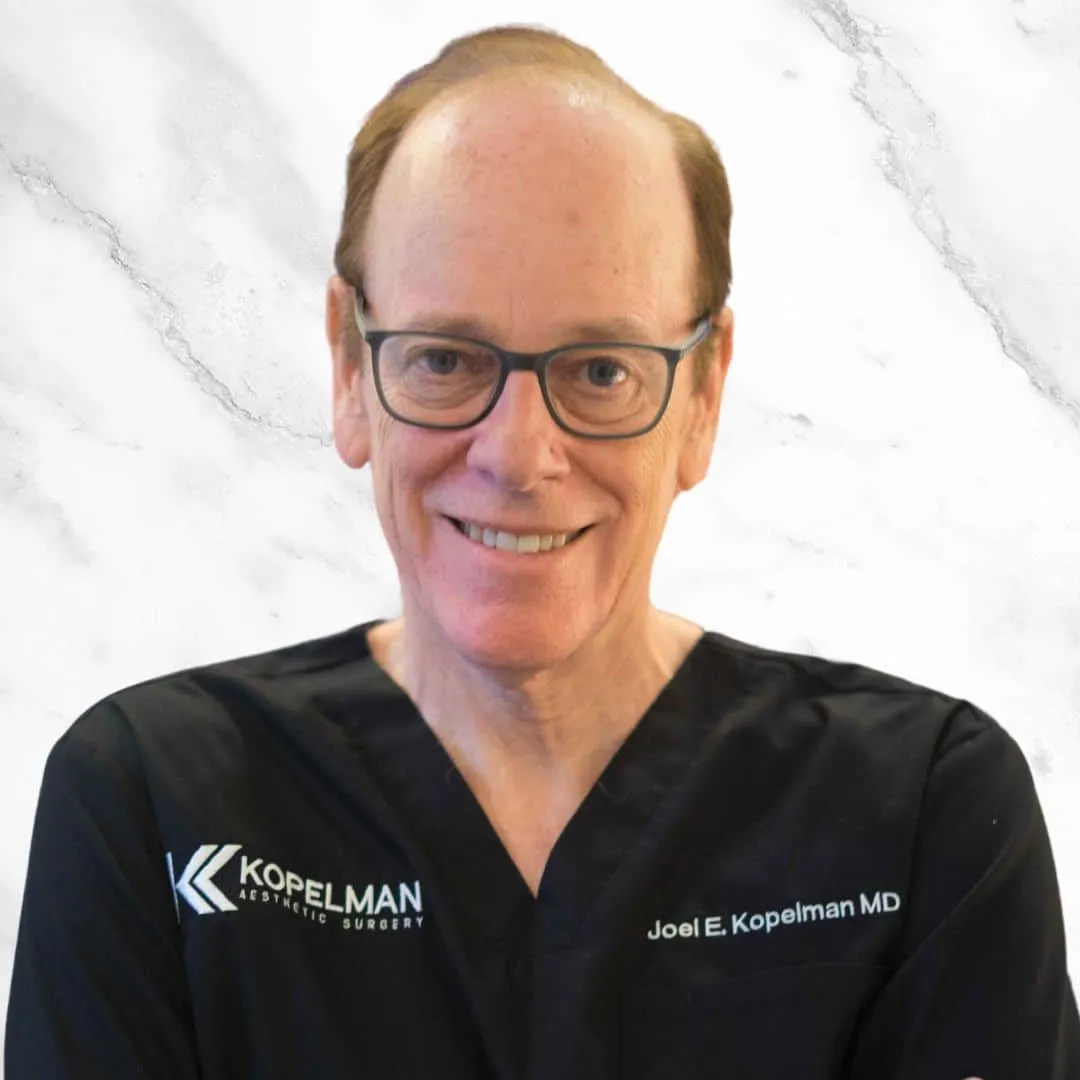
Choosing the best blepharoplasty in Miami comes down to one thing: finding a surgeon whose training is built around the anatomy of the eyes. Dr. Joel Kopelman is a fellowship-trained oculoplastic and facial plastic surgeon who has performed thousands of eyelid procedures over 35 years, serving patients in Miami and South Florida from the practice’s West Palm Beach and Boca Raton offices.
This guide answers the questions Miami patients most often ask about blepharoplasty: what the procedure treats, which types there are, what recovery looks like, what it costs, and how to choose the right specialist.
What Is Blepharoplasty and Why Miami Patients Choose It
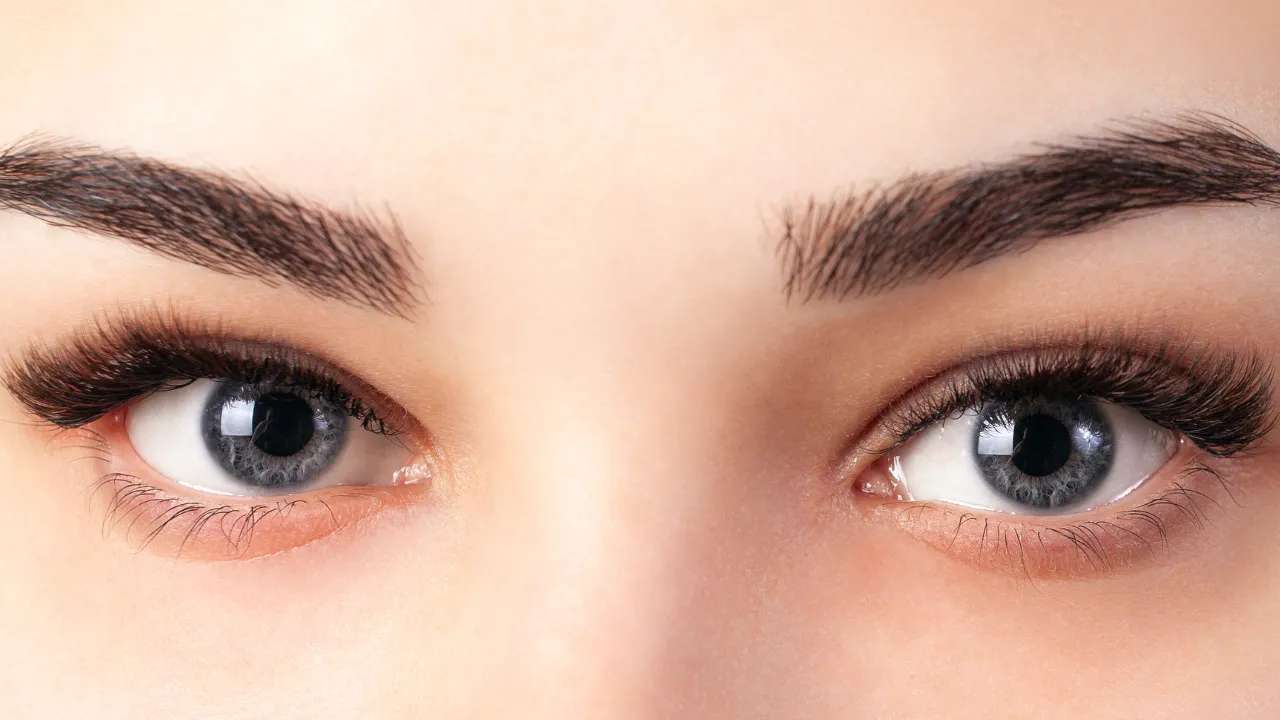
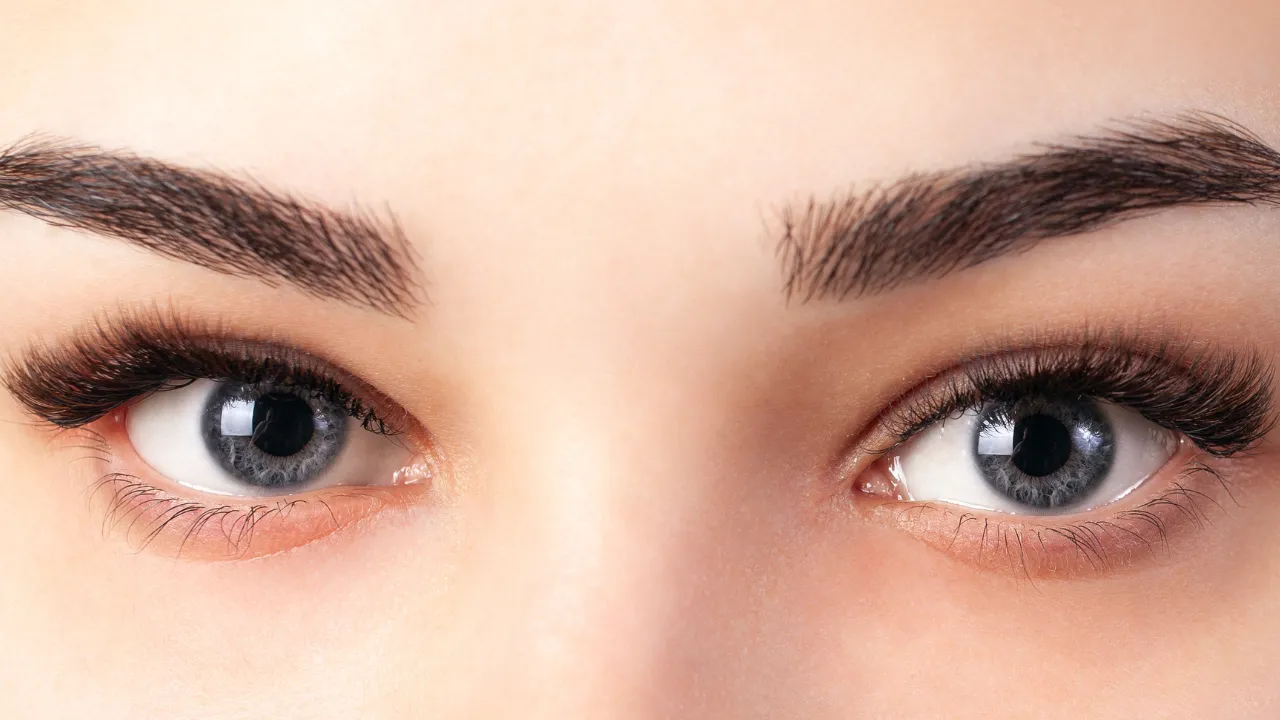
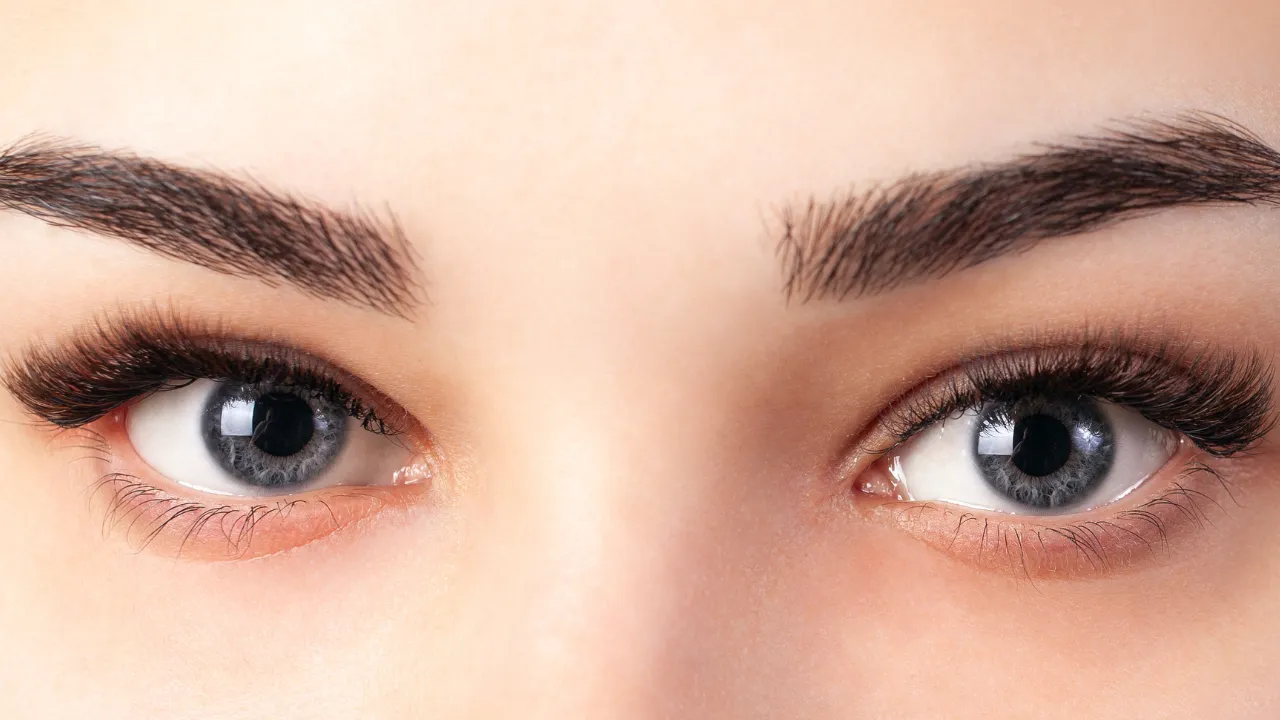
Blepharoplasty, commonly called eyelid surgery, improves the appearance or function of the upper and lower eyelids. It may involve removing excess skin, repositioning fat, or tightening the muscles that support the delicate eyelid structures.
Most patients pursue the procedure for cosmetic reasons, though it can also restore peripheral vision blocked by hooded upper lids. It is one of the most requested operations in facial plastic surgery, and Miami consistently ranks among the country’s highest-demand markets for eye rejuvenation.
If you are exploring blepharoplasty, Miami and the surrounding South Florida area offer many skilled providers. Dr. Kopelman brings the added credential of oculoplastic subspecialty training, which focuses exclusively on the anatomy around the eye.
Eye Lift vs. Blepharoplasty: Key Differences
An eye lift usually refers to upper eyelid rejuvenation for a younger, more alert appearance. Patients seeking an eye lift in Miami Beach or downtown Miami often combine the upper procedure with lower lid work for balanced results.
Blepharoplasty is the broader clinical term and covers both upper and lower procedures, functional or cosmetic. Both refresh the eye area and remove signs of aging.

What Is the Best Age for an Eye Lift?
Most patients pursue eye rejuvenation between their 40s and 60s, though skin condition matters more than the number on your driver’s license. Genetics, sun exposure from living in South Florida, and lifestyle all play a role.
Younger patients with hereditary under-eye bags or a low-set eyelid crease are often good candidates in their 30s. Older patients in excellent health can also achieve strong results.
Who Is a Good Candidate for Blepharoplasty?
You may be a good candidate for eye rejuvenation if you:
- Are in good general health without serious eye conditions
- Have droopy upper eyelids, under-eye bags, or hooded skin obscuring the eyelid crease
- Do not smoke, or are willing to stop before and after surgery
- Have realistic expectations about what the procedure can achieve
At consultation, the surgeon assesses eyelid skin laxity, fat distribution, levator muscle function, and brow position, all of which determine which procedure or combination is appropriate.
Types of Blepharoplasty Procedures
Blepharoplasty is not a single operation. Below are the most common variations Miami patients ask about and the situations each one addresses.
Upper blepharoplasty removes sagging skin that creates a hooded appearance over the eyelid crease. In some patients, the excess skin is sufficiently heavy to obstruct the upper field of vision, making the procedure medically indicated rather than purely cosmetic.
The incision is hidden in the natural fold of the upper lid, so the scar becomes essentially invisible once healed. The operation typically takes 45 to 60 minutes per side.
Lower blepharoplasty addresses puffiness, wrinkles, hollowness, and under-eye bags caused by fat prolapse from the eye socket. Modern technique favors repositioning fat rather than simply removing it, which prevents the hollowed appearance that older methods sometimes created.
Depending on your anatomy, the incision may be hidden just below the lash line or placed inside the lower lid (transconjunctival), leaving no visible scar at all.
For patients whose main concern is under-eye bag surgery, Miami consultations often result in a targeted lower blepharoplasty with fat repositioning. This is the definitive fix for bags that persist despite adequate sleep, hydration, and skincare, because those bags are almost always caused by anatomy rather than lifestyle.
Non-surgical alternatives such as under-eye filler can address mild hollowness for patients who are not yet ready for surgery.
Patients of East and Southeast Asian descent often have a less-defined upper eyelid crease, sometimes called a monolid. Double eyelid surgery, also known as Asian eyelid surgery, creates or refines a supratarsal crease while preserving the patient’s natural ethnic features.
Because the goal is enhancement, not Westernization, this operation requires a surgeon experienced in the specific anatomy of the Asian eyelid. Learn more about the technique on our blepharoplasty procedures page.
Male blepharoplasty requires a distinctly different approach from the same operation on women. Men have a lower brow position, thicker skin, and a lower eyelid crease, and an incision placed too high can inadvertently feminize the eye.
More men in Miami are pursuing eye rejuvenation to look less tired without looking altered. Details on our approach are available on our blepharoplasty procedures page.
Ptosis repair is frequently confused with upper blepharoplasty, but the two procedures fix different problems. Blepharoplasty removes excess skin, while ptosis repair tightens or reattaches the levator muscle that lifts the eyelid margin itself.
Patients with true ptosis describe their eyes as looking small, heavy, or asymmetric in photos. In more advanced cases, the drooping lid actually blocks the upper visual field. Details are on our ptosis surgery Miami page.
Canthoplasty and canthopexy address the outer corner of the eye, the lateral canthus. Canthopexy tightens a lax lower eyelid; canthoplasty repositions the corner itself to correct drooping, rounding, or sagging.
These techniques are often paired with lower blepharoplasty to prevent post-surgical eyelid retraction. Because the lateral canthus is a delicate anatomical structure, canthal surgery is best performed by an oculoplastic specialist.
Revision blepharoplasty corrects unsatisfactory results or complications from a previous eye rejuvenation, often performed elsewhere. Common issues include overcorrection, a hollowed or sunken appearance, visible scarring, lid crease irregularities, and eyelid retraction.
Previously operated tissue is scarred and less forgiving, so revision cases are more complex than primary surgery. Learn more on our blepharoplasty procedures page.
Quad blepharoplasty is the term for combining upper and lower blepharoplasty in a single operative session. For patients with concerns in all four eyelids, this approach delivers balanced results with a single recovery period rather than two separate downtimes.
Blepharoplasty Before and After: What to Expect
Most patients notice a refreshed, brighter appearance once the initial swelling fades over the first two weeks. Final results become apparent after a few months, once the incisions have matured and the tissues have fully settled.
Reviewing real patient photos is one of the best ways to set expectations. Our full blepharoplasty before-and-after gallery shows results from primary and revision cases.
Can Blepharoplasty Be Combined with Other Procedures?
Yes, eye rejuvenation is frequently combined with brow lifts, laser resurfacing, cheek fat repositioning, or a facelift for balanced facial harmony. Combining procedures often means one anesthesia session and one recovery period rather than two.
Procedure, Recovery, and Risks How the Surgery Works
Blepharoplasty takes 45 to 90 minutes per area and is usually performed under local anesthesia with oral sedation, though general anesthesia is available. All incisions are hidden in the natural eyelid folds or on the inside of the lower lid.
Advanced options, including transconjunctival and laser-assisted incisions, further reduce visible scarring. All procedures are performed in accredited surgical facilities for maximum safety.
Patients return home the same day and can expect:
- Bruising and swelling for 1 to 2 weeks
- Temporary dryness or excess tearing
- Follow-up visits during the first two weeks to monitor healing
Light activity resumes within the first week. Strenuous exercise should be avoided for 10 to 14 days. Most patients return to work within two weeks, and residual bruising is easily concealed with makeup after the first week.
When performed by a board-certified oculoplastic surgeon, the procedure is considered low-risk. Possible complications include infection, dry eye, scarring, temporary blurred vision, asymmetry, and, rarely, the need for revision surgery.
Choosing an experienced specialist with specialized training in eye anatomy substantially lowers the risk profile.
Results typically last 5 to 10 years, and in many upper lid patients they are effectively permanent. Natural aging continues, but the surgical correction does not reverse itself, and most patients enjoy long-term improvements.
How Much Does Blepharoplasty Cost in Miami?
Costs vary based on the surgeon’s training, the facility, the type of procedure, and the anesthesia used. Our practice pricing for Miami and South Florida patients:
| Procedure | Price |
|---|---|
| Upper blepharoplasty | $8,500 |
| Lower blepharoplasty | $8,500 |
| Double eyelid surgery | $8,500 to $10,000 |
| Ptosis repair (per eye) | $10,000 |
For context, the American Society of Plastic Surgeons reports a national average surgeon’s fee of roughly $4,120 for blepharoplasty, which excludes anesthesia and facility fees. Most reputable Miami providers price combined fees (surgeon, anesthesia, facility) in the $7,000 to $12,000 range for a single-area procedure, though complex or combined cases can exceed that.
Our pricing reflects board-certified oculoplastic expertise, accreditation as a surgical facility, and a personalized recovery plan. Bilateral cases and revision cases are quoted at consultation.
Will Insurance Pay for Blepharoplasty?
Insurance may cover surgery when it is medically necessary, most commonly for upper lids that obstruct the peripheral visual field. Coverage is confirmed with a formal visual field test.
Cosmetic blepharoplasty is not covered by insurance. Ptosis repair may qualify for coverage when documented as functional.
Why Is Plastic Surgery Considered Affordable in Miami?
Miami’s competitive market and high procedure volume keep pricing accessible, though patients should never sacrifice safety for price. Always verify board certification, hospital privileges, and fellowship training before booking with any provider.
How to Choose the Best Blepharoplasty Surgeon in Miami
The single most important factor when comparing providers is the surgeon’s specific training in eye anatomy. The best eyelid surgeon in Miami will be board-certified, fellowship-trained in oculoplastic or facial plastic surgery, and able to show a substantial before-and-after portfolio of their own work.
Practical steps when evaluating a blepharoplasty surgeon in Miami:
- Confirm board certification through the American Board of Ophthalmology or the American Board of Facial Plastic and Reconstructive Surgery
- Ask specifically about fellowship training in oculoplastic surgery
- Review before-and-after photos of patients with anatomy similar to yours
- Read verified reviews on multiple platforms, not just the practice’s own site
- Schedule a consultation and gauge whether the surgeon listens to your goals
Why See an Oculoplastic Surgeon?
Oculoplastic surgeons train first as ophthalmologists, then complete an additional two-year fellowship focused exclusively on the eyelids, tear ducts, orbit, and surrounding facial structures. That subspecialty depth matters when the operative field is millimeters wide and directly adjacent to the eye itself.
For any procedure around the eyes, an oculoplastic surgeon offers anatomical precision that general plastic surgeons cannot match.

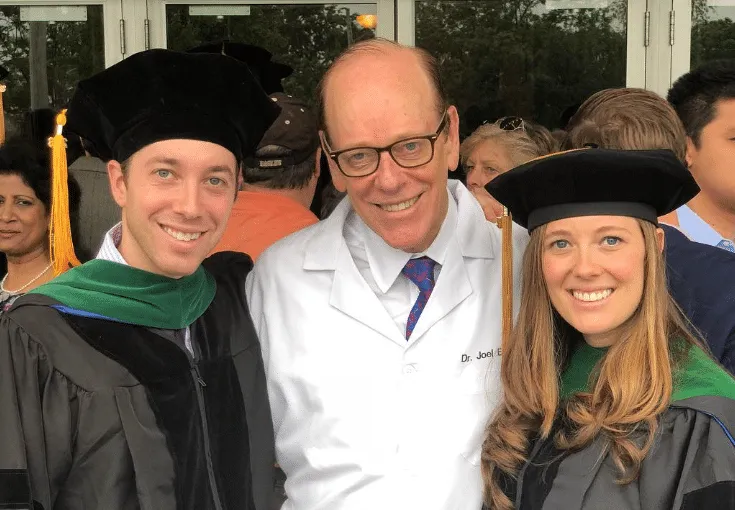
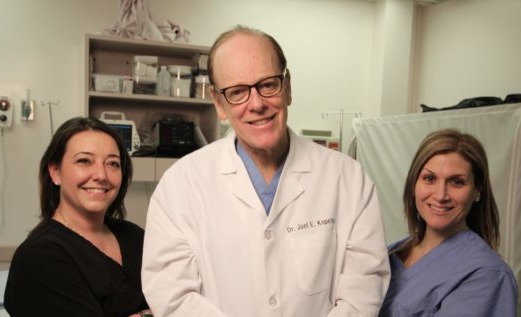
Dr. Joel Kopelman: Fellowship-Trained Oculoplastic Surgeon
Dr. Kopelman is recognized as one of the leading blepharoplasty surgeons serving New York and Florida. He is a Fellow of the American Society of Ophthalmic Plastic and Reconstructive Surgery (ASOPRS), the American Academy of Facial Plastic and Reconstructive Surgery (AAFPRS), and the American College of Surgeons (FACS), with more than 35 years of clinical experience.
Kopelman Aesthetic Surgery offers personalized treatment plans built around safety and natural-looking outcomes.
Professional affiliations:


Serving Miami and South Florida
Miami patients see Dr. Kopelman at the practice’s West Palm Beach and Boca Raton offices, both under an hour from downtown Miami. Many out-of-area patients coordinate consultation and surgery on the same visit and use the recovery period to enjoy the South Florida climate.
If a closer office is a priority, related pages cover eyelid surgery in Palm Beach, blepharoplasty in Boca Raton, and eyelid surgery in Fort Lauderdale.
Care of Patients
Performed
& Presentation
Offices
Frequently Asked
Questions
Most patients experience bruising and swelling for the first 1 to 2 weeks, with the majority resolving by day 10. Sutures are typically removed at the one-week follow-up visit. Residual swelling can continue to improve for several weeks, and the final scar maturation takes 3 to 6 months. Most patients return to desk work within 7 to 10 days and to full exercise within 2 to 3 weeks.
Most patients describe the sensation as pressure or tightness rather than sharp pain. Over-the-counter acetaminophen is usually sufficient for post-operative discomfort. Any true pain that increases rather than improves after the first day should prompt a call to the surgical team, as it can indicate a hematoma or infection that needs prompt evaluation.
The goal of well-performed eye rejuvenation is subtle, natural improvement. Friends and family typically comment that you look rested or refreshed without knowing why. Overdone results (a hollowed lower lid, an unnaturally high upper crease, or a rounded eye shape) are signs of poor technique rather than of blepharoplasty itself, which is why surgeon selection matters so much.
It can, and this is one of the most important conversations to have during consultation. Skilled technique restores your natural eye shape rather than altering it. Certain requests, such as a subtle almond or fox-eye shape, can be achieved with canthoplasty, but the default goal is preservation of your natural anatomy. Be explicit with the surgeon about which changes you do and do not want.
Blepharoplasty removes excess skin and reshapes fat around the eyelid. Ptosis repair tightens or reattaches the muscle that lifts the eyelid itself. Patients with true ptosis need the muscle addressed; simply removing skin will not raise the lid margin. Many patients need both procedures, which are typically performed in the same operative session.
Under-eye bag surgery is a specific application of lower blepharoplasty and is priced at $8,500 in our practice. The exact cost depends on whether the case is fat-repositioning only, whether skin removal is added, and whether canthoplasty is combined for eyelid support. Final quotes are given at consultation.
There is no fixed age range. Younger patients with hereditary under-eye bags may benefit as early as their late 20s or 30s. Older patients in good health can achieve excellent results in their 70s and beyond. A surgeon with oculoplastic subspecialty training can assess whether your anatomy supports surgery regardless of where you fall on the age spectrum.
Miami patients typically book at our West Palm Beach or Boca Raton offices. Virtual consultations are also available for out-of-area patients who prefer to review candidacy and pricing before traveling. Contact information for each office is available in the site footer.
Quick FAQs
How long is the recovery from eyelid surgery?
Swelling and bruising last 1–2 weeks. Full recovery takes a few more.
Is eyelid surgery painful?
Most patients feel pressure or tightness. Pain is mild and manageable.
Will people notice I had surgery?
Results are subtle. Others may say you look rested, but do not know why.
Schedule a Consultation
For Eyelid Surgery
This content provides general information and does not substitute for a medical consultation. For questions about your specific case or to discuss blepharoplasty surgery options, please contact Kopelman Aesthetic Surgery directly to schedule a personalized consultation.