Eyelid Asymmetry
Visible Scarring
Drooping Eyelids After Blepharoplasty
Difficulty Closing the Eyes (Lagophthalmos)
Lower Eyelid Retraction and Sclera Show
Hollow or Sunken Eyes After Blepharoplasty
Revision of Double Eyelid Surgery
Eyelid Asymmetry
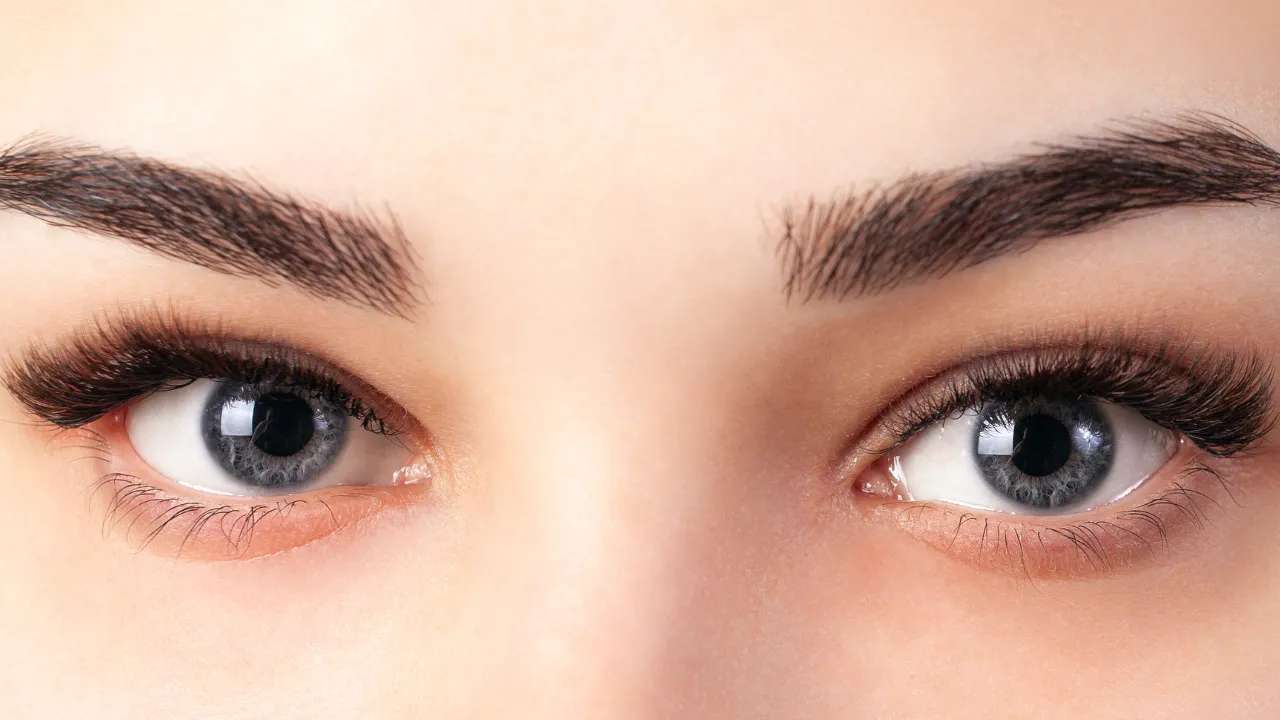
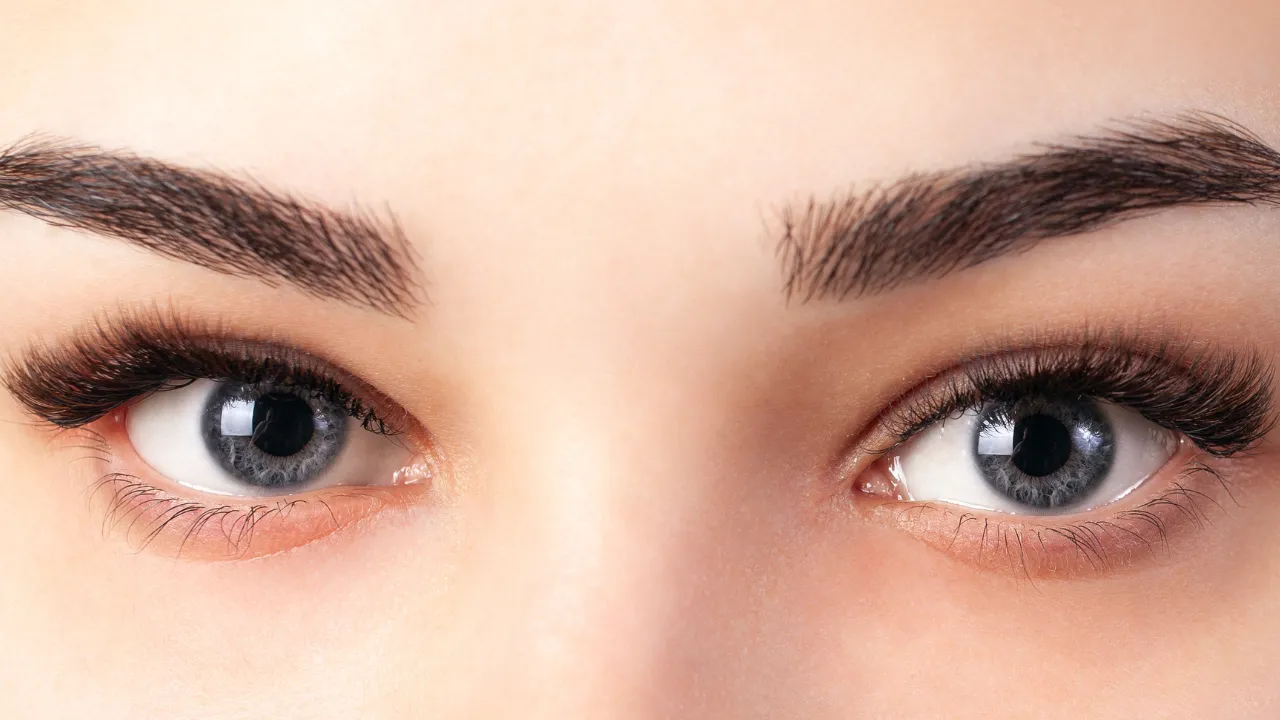
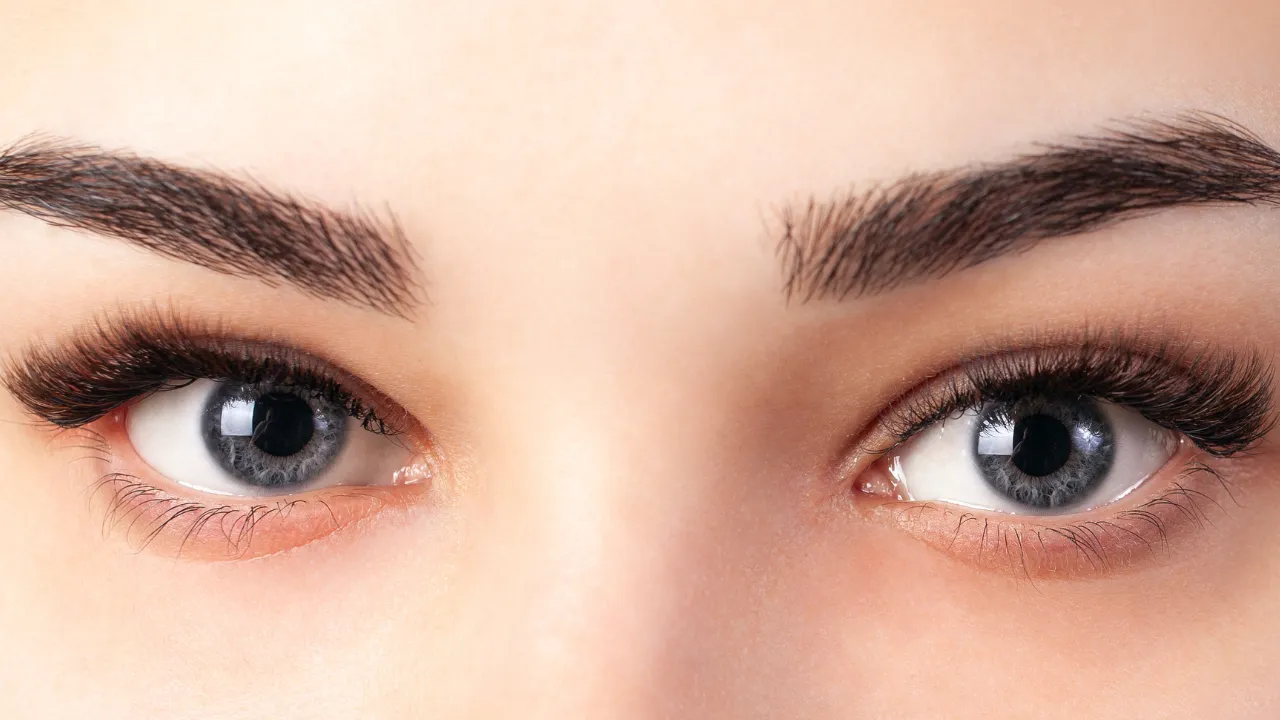
Eyelid height, contour, and symmetry are critical to a natural blepharoplasty outcome. When the original result is uneven, patients notice a visible difference in crease height, lid position, or the size of the eyelid platform where makeup sits. Correcting asymmetry is highly individualized and often requires releasing scar tissue on one lid to match the other.
Visible Scarring
Eyelid height, contour, and symmetry are critical to a natural blepharoplasty outcome. When the original result is uneven, patients notice a visible difference in crease height, lid position, or the size of the eyelid platform where makeup sits. Correcting asymmetry is highly individualized and often requires releasing scar tissue on one lid to match the other.
Drooping Eyelids After Blepharoplasty
After an upper eyelid procedure, the levator muscle can be over- or under-corrected, leaving the upper lid sitting too low. This condition, known as post-blepharoplasty ptosis, can partially block the visual field and interfere with reading, driving, and other daily tasks. Revision surgery adjusts the levator muscle to restore the correct lid height and eye opening.
Difficulty Closing the Eyes (Lagophthalmos)
Removing too much skin during upper blepharoplasty can leave the patient unable to fully close the eyes, a condition called lagophthalmos. The result is chronic dry eye, irritation, tearing, and blurred vision. When there is not enough native skin left to close the gap, a skin graft may be needed to restore proper lid function.
Lower Eyelid Retraction and Sclera Show
One of the most common lower blepharoplasty complications is retraction of the lower lid, which pulls the lid downward and exposes the white of the eye below the iris. This is typically caused by aggressive skin removal or damage to the orbicularis oculi muscle during the primary surgery. Correction usually involves releasing internal scar tissue, adding a spacer graft such as Alloderm or hard palate tissue, and performing a canthoplasty to reinforce the outer corner.
Hollow or Sunken Eyes After Blepharoplasty
When too much fat is removed during an upper or lower blepharoplasty, the eyes can look hollowed, aged, or skeletonized. This is corrected either by transferring fat from another part of the body or by placing hyaluronic acid filler in the deflated area. Fat provides a longer-lasting result; filler is more predictable and offers immediate correction.
Revision of Double Eyelid Surgery
Patients who have had a previous Asian eyelid surgery sometimes seek revision for a crease that is too high, too low, too deep, or asymmetric. Extra creases, called triple folds, can also form when soft tissue is over-resected during the primary operation. Correcting these outcomes requires releasing adhesions between the tissue layers and reconstructing the fold at the correct height and depth.