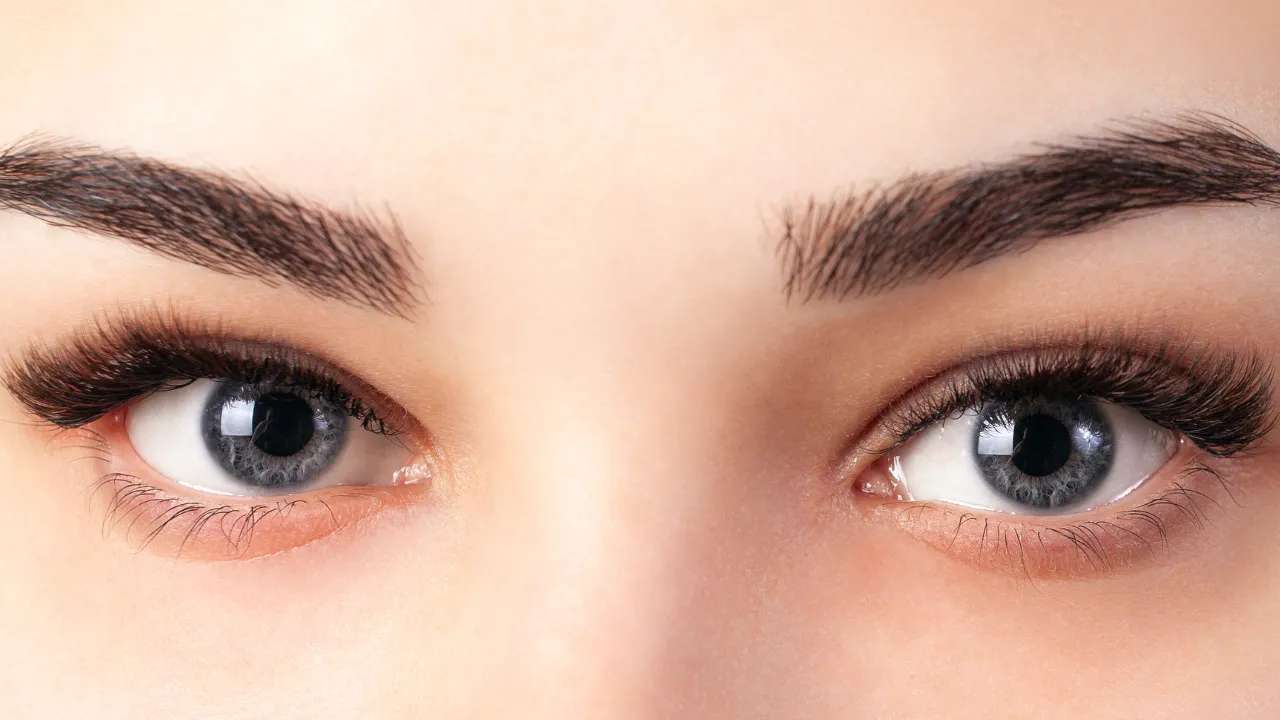


Oculoplastic surgery addresses the delicate region surrounding the eyes: the lids, tear ducts, orbit, brow, and nearby facial structures. Because these operations affect both vision and appearance, the margin for error is narrow. Specialization carries more weight here than in most areas of aesthetic medicine.
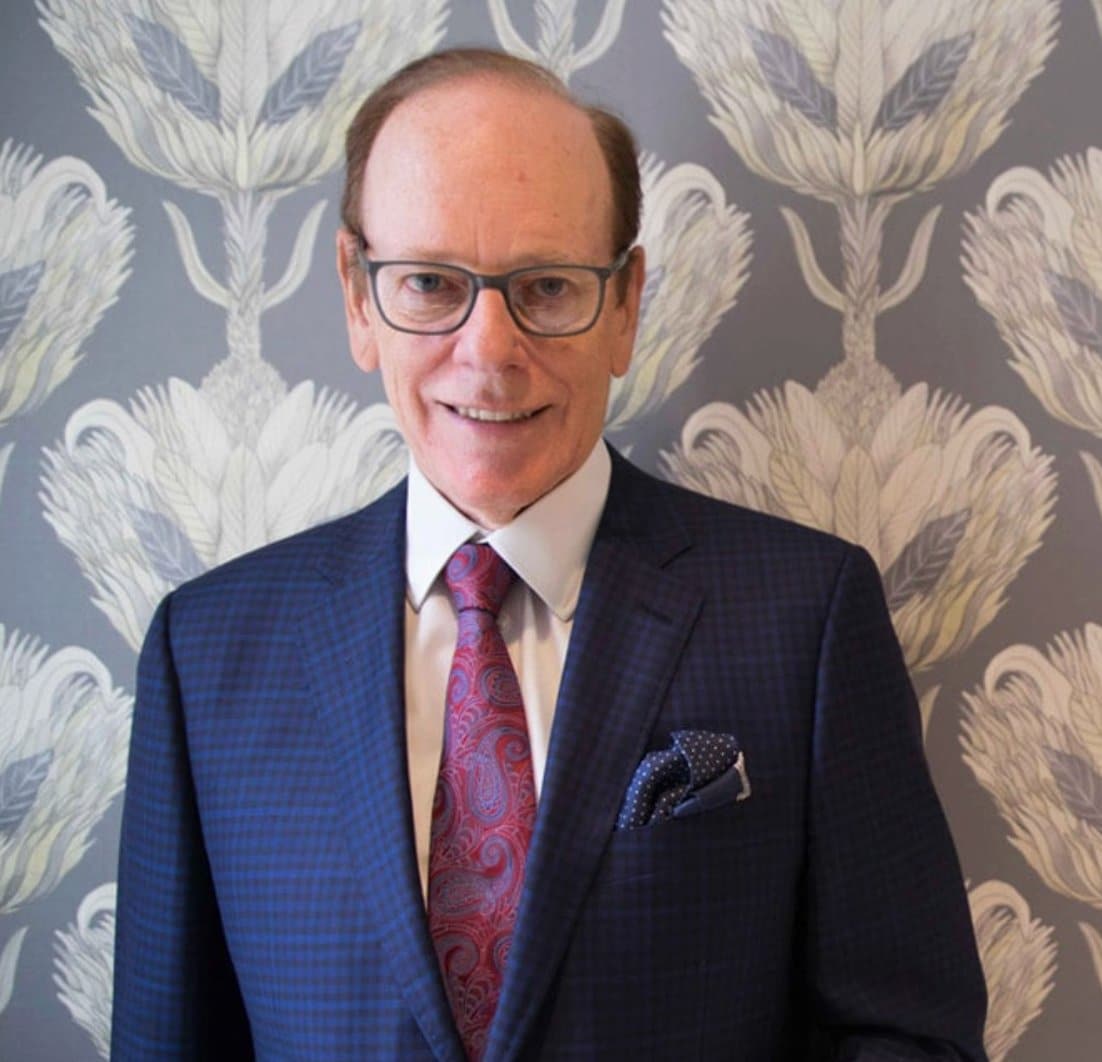
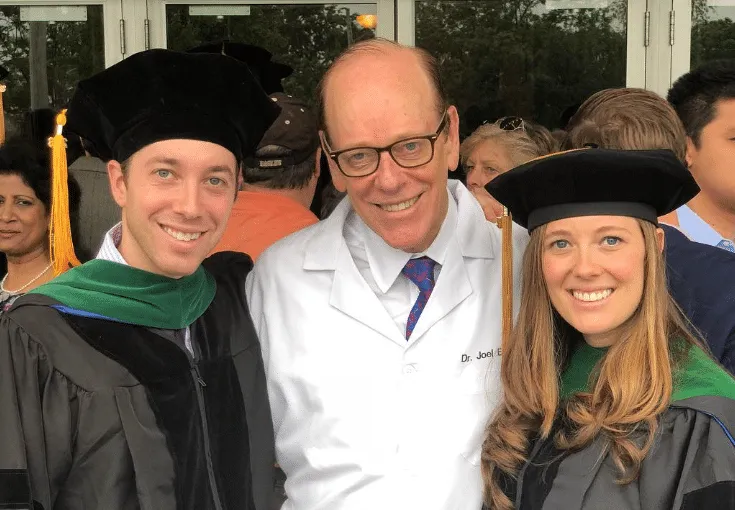
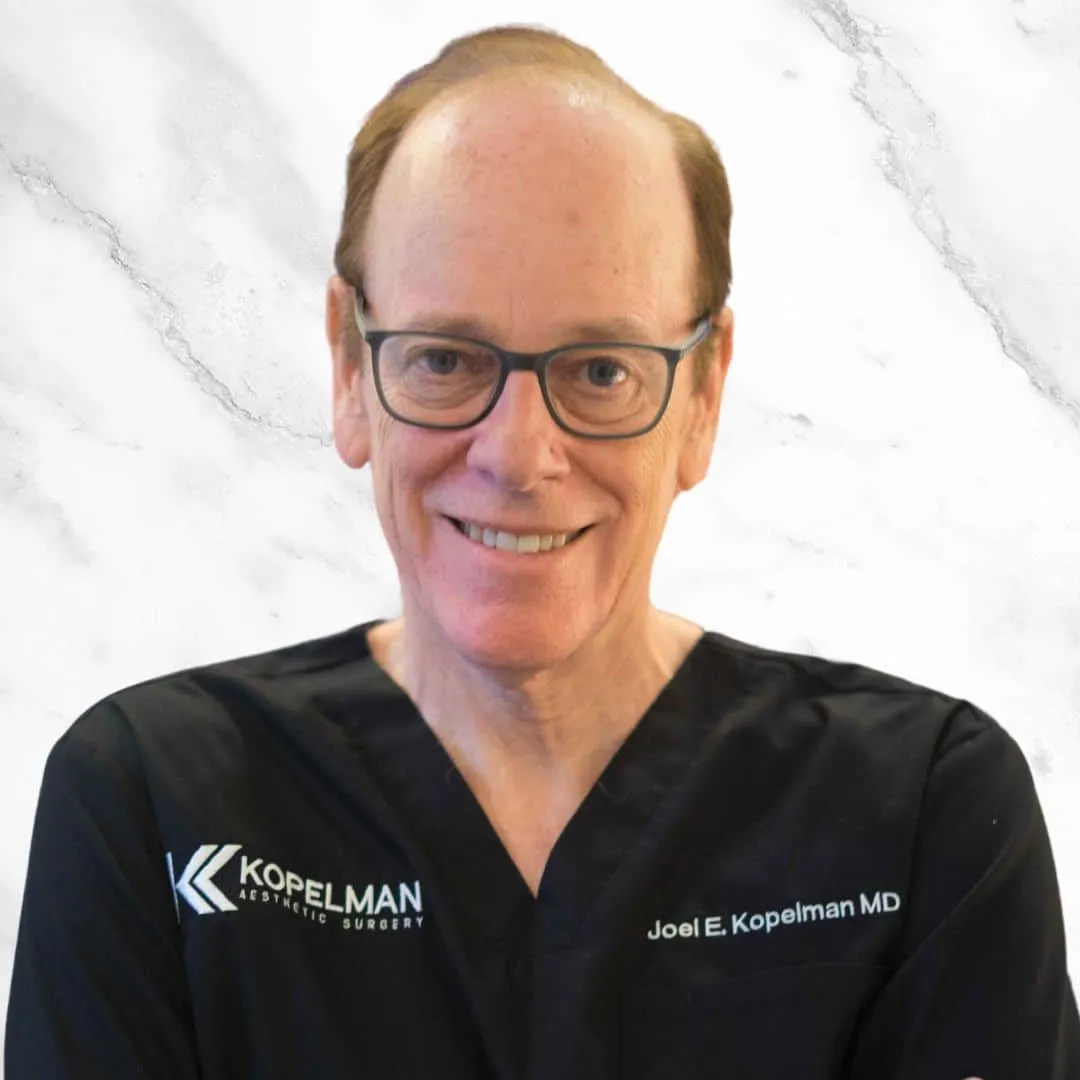
Dr. Joel Kopelman has more than 35 years of experience in facial plastic and oculofacial surgery, with a focus on periocular procedures and natural facial balance. The sections below explain how to evaluate any oculoplastic specialist, what these procedures involve, what they cost, and what recovery realistically looks like.
How to Evaluate an Oculoplastic Surgeon
Start With Certification and Fellowship Training
Certification and fellowship training are two separate credentials, and both matter. Board certification through the American Board of Ophthalmology confirms a physician met national standards in eye care and passed written and oral examinations.
Fellowship training in ophthalmic plastic and reconstructive surgery is the additional step that creates an oculoplastic specialist. It typically runs one to two years after an ophthalmology residency and concentrates entirely on the lids, orbit, and tear drainage system.
Fellowship positions in this subspecialty are limited, so the pool of fully trained surgeons nationwide is small. You can verify membership status through the American Society of Ophthalmic Plastic and Reconstructive Surgery and review general credentialing guidance from the American Academy of Ophthalmology.
Confirm Procedure-Specific Volume
A surgeon can be well credentialed and still perform your particular operation infrequently. Ptosis repair, revision cases, Asian lid surgery, and reconstructive work after skin cancer removal each demand different techniques and judgment.
Ask directly how often the surgeon performs the procedure you are considering, and whether the practice handles revision work. Surgeons who routinely correct other providers’ complications generally have deeper technical range.
Review Before and After Evidence Critically
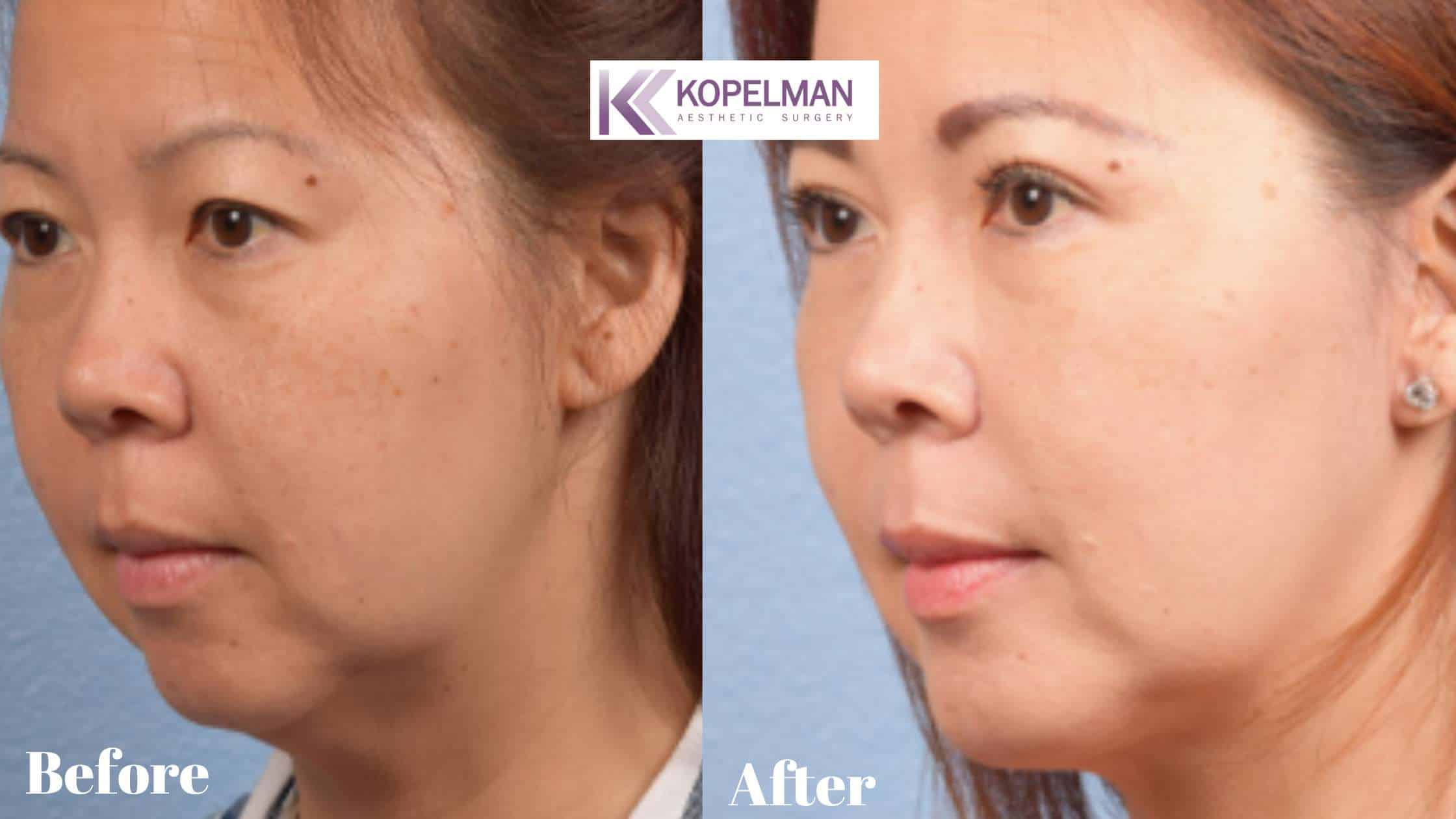
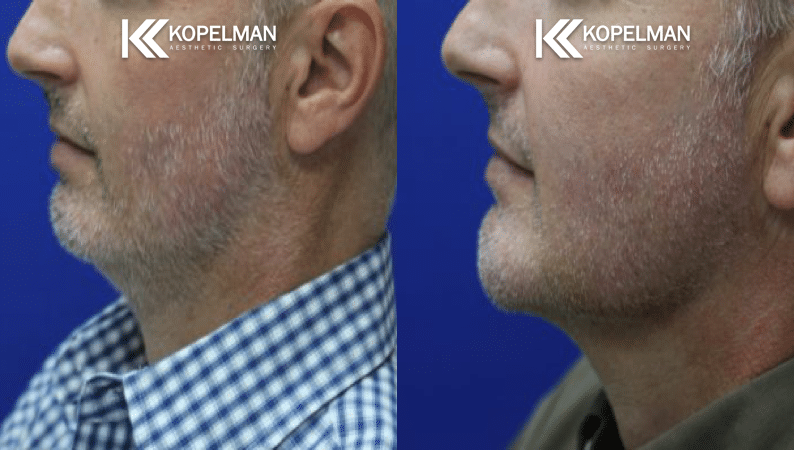
Photo galleries are useful only when the comparison is fair. Look for consistent lighting, identical angles, neutral expression, and a stated interval between the two images.
More importantly, look for patients whose starting anatomy resembles yours: similar age, skin quality, brow position, and ethnic lid structure. A gallery full of ideal candidates tells you little about how a surgeon handles a difficult case.
Questions Worth Asking at Consultation
Bring specific questions rather than general ones. Useful examples include which technique the surgeon recommends and why, what the realistic recovery timeline looks like for your job and lifestyle, and how complications would be managed if they arose.
Ask who performs the surgery and where, whether anesthesia is local or sedation, and what follow-up is included. A surgeon who answers these plainly, without pressure, is giving you a reliable signal.
Patients searching for an oculoplastic surgeon near me often stop at proximity, but distance is usually the least important variable. Traveling an extra hour for a surgeon with the right subspecialty background is a reasonable trade in a field this precise.
Oculoplastic Specialist vs. Other Providers
Several types of providers offer procedures around the eyes, and their training differs meaningfully. The comparison below outlines what sets them apart.
| Provider Type | Core Training | Typical Focus Around the Eyes |
|---|---|---|
| Oculoplastic specialist | Ophthalmology residency plus fellowship in ophthalmic plastic and reconstructive surgery | Lids, orbit, tear drainage, brow; both functional and cosmetic correction |
| Facial plastic surgeon | Otolaryngology or plastic surgery residency plus facial plastic fellowship | Full face and neck; lid work as one component of broader rejuvenation |
| General plastic surgeon | Plastic surgery residency covering the whole body | Face and body; eye area is one region among many |
| Cosmetic dermatologist | Dermatology residency, often with cosmetic training | Non-surgical treatment: injectables, lasers, skin quality |
| Comprehensive ophthalmologist | Ophthalmology residency without oculoplastic fellowship | Medical and general eye care; usually refers complex lid or orbital cases |
Introducing Dr. Joel E. Kopelman
Experienced Surgeon with Over 35 Years in the Field
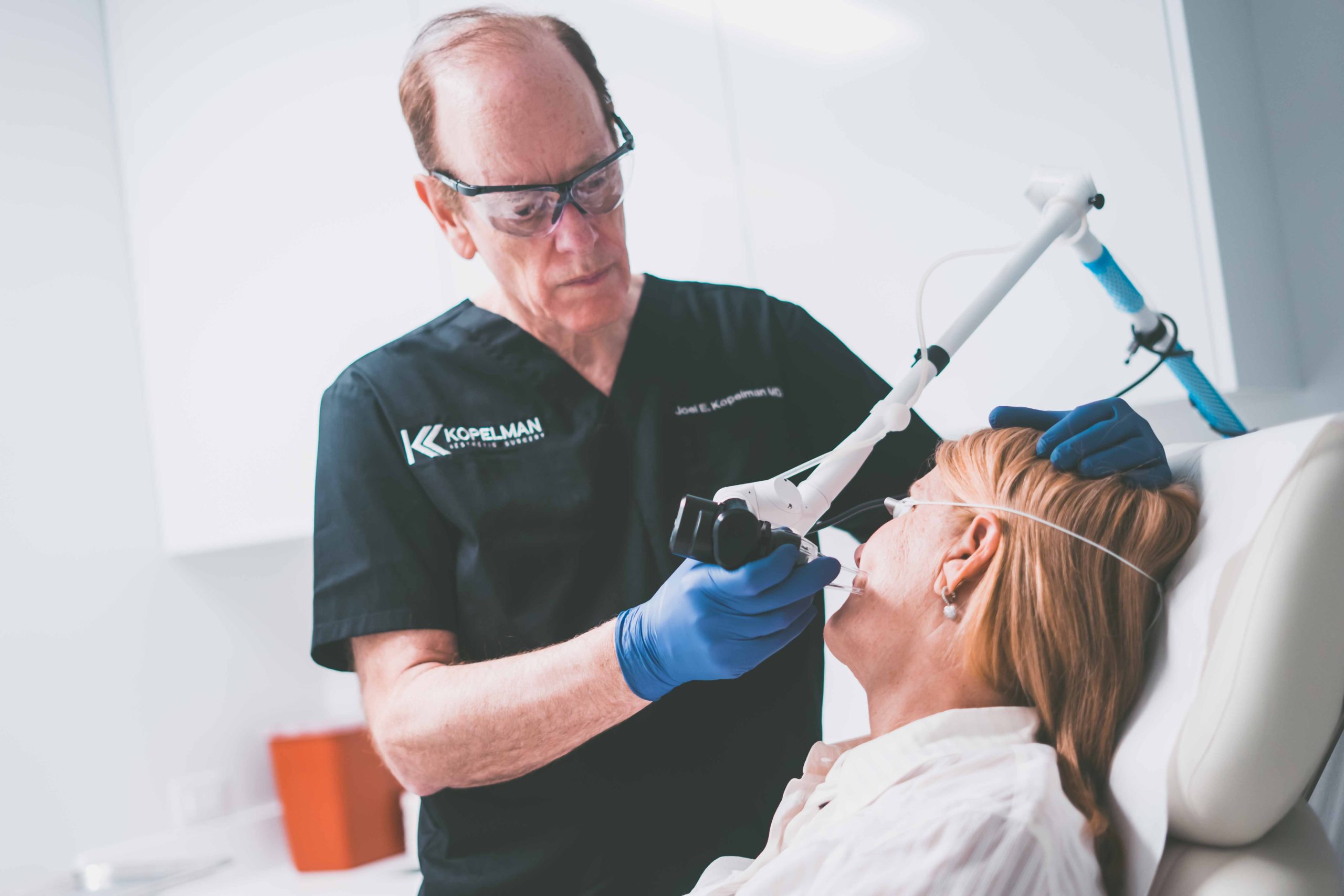
When it comes to oculoplastic surgery, skill and experience are important. Dr. Joel E. Kopelman, a board-certified oculoplastic surgeon, has been helping patients for over 35 years. He specializes in plastic and reconstructive surgery, improving both function and appearance.
Whether treating drooping lids, performing ptosis repair, or refining facial features, he works toward natural-looking results. His practice concentrates on the periocular region rather than treating it as one service among many.
Advanced Training from UCLA and Moorfields Eye Hospital
Dr. Joel Kopelman trained at UCLA and Moorfields Eye Hospital, two internationally recognized centers for ophthalmic plastic and reconstructive surgery. With this background, he provides care for conditions affecting the eye sockets, tear ducts, and upper or lower lids.
His affiliations with the American Society of Ophthalmic Plastic and Reconstructive Surgery and the American Board of Ophthalmology reflect that subspecialty focus. Patients from Boca Raton, Palm Beach, and across the state seek him out for both cosmetic and reconstructive concerns.
Complete Facial Rejuvenation Services
Eyelid Surgery (Blepharoplasty)
If drooping lids are making it hard to see or affecting your appearance, blepharoplasty can help. The procedure removes excess skin and repositions or reduces fat in the upper or lower lids, opening the eye area and restoring a more rested look.
Upper lid work usually takes under an hour and is often performed with local anesthesia and light sedation. Lower lid correction may be performed through an incision hidden within the lid, leaving no external scar. Each plan is tailored to the individual’s anatomy and goals.
Brow Lift Procedures
A brow lift reduces forehead wrinkles and raises sagging eyebrows, producing a more alert and youthful appearance. It is often paired with lid surgery for a balanced, natural result.
Brow position and lid position are linked. When a heavy brow is the real cause of upper lid hooding, correcting the lids alone can produce an incomplete result, which is why both are assessed together during consultation.
Facelift and Neck Lift Surgeries
For more complete facial rejuvenation, Dr. Joel Kopelman performs facelifts and neck lifts. These procedures tighten sagging skin, redefine the jawline, and restore a youthful contour while preserving natural facial expression.
These operations address the lower face and neck, areas that lid procedures do not reach. Patients whose primary concern sits below the cheekbones are usually better served by these techniques, alone or in combination with periocular work.
Non-Surgical Enhancements
Not everyone wants surgery. The practice also offers non-surgical options like Botox, laser treatments, and dermal fillers to reduce wrinkles, restore volume, and improve skin quality with no downtime.
Injectables can soften early changes and, in some cases, delay the point at which surgery becomes worthwhile. They cannot remove excess skin, so they complement surgical correction rather than substitute for it.
What Oculoplastic Procedures Cost
Cost varies by procedure, complexity, and whether more than one area is treated in a single session. The figures below reflect this practice’s pricing and are provided to help you plan realistically before your consultation.
| Procedure | Typical Cost | Notes |
|---|---|---|
| Upper blepharoplasty | $8,500 | Addresses excess skin and hooding of the upper lids |
| Lower blepharoplasty | $8,500 | Targets under-eye bags and loose lower lid tissue |
| Double eyelid surgery | $8,500 to $10,000 | Crease creation or refinement with attention to natural lid anatomy |
| Ptosis repair | $10,000 per eye | Tightens or reattaches the lifting muscle of the upper lid |
| Lateral canthoplasty | $7,500 to $8,500 | Repositions or tightens the outer corner of the eye |
| Deep plane facelift | $45,000 to $60,000 | Repositions deeper facial tissue layers |
| Neck lift | $40,000 to $50,000 | Redefines the jawline and neck contour |
| Botox | $1,200 to $1,800 | Priced per session, not per unit |
| Consultation | $350 | Includes evaluation and medical management discussion |
Functional cases may be treated differently from purely cosmetic ones. When drooping lids measurably obstruct the upper visual field, some insurers cover part of the cost of the correction, which typically requires documentation and a formal visual field test.
Recovery: What to Expect
Swelling and bruising after lid surgery generally peak in the first few days and settle noticeably within one to two weeks. Most patients return to normal daily activities within 10 to 14 days, though full refinement of the result continues for several months.
Discomfort is usually described as tightness or pressure rather than sharp pain, and is typically manageable with basic measures. Cold compresses, head elevation, and avoiding strenuous activity during the early period all support healing.
Brow lift and facelift recovery runs longer than lid work, since more tissue is involved. Your surgeon should give you a specific timeline based on the exact combination of procedures planned, not a generic estimate.
This content provides general information and does not substitute for a medical consultation.
A Patient-Focused Approach
Customized Treatment Plans
Every face is different, so treatments are designed around individual anatomy and goals. Whether addressing a blocked tear duct or planning broader facial rejuvenation, the emphasis stays on safety, precision, and natural-looking results.
Natural and Balanced Results
The goal is to enhance natural features rather than impose dramatic change. Deep familiarity with ophthalmic plastic and reconstructive surgery enables subtle, effective improvements while preserving lid function and eye health.
What Patients Are Saying
Stories from Boca Raton and Nearby Areas
People from Boca Raton, Palm Beach, and throughout the state choose this practice for their oculoplastic surgery needs. Many patients highlight careful surgical work and results that changed how they felt about their appearance.
Reviews are one input among several. Read them alongside credentials, before and after evidence, and your own impression of the consultation before deciding.
Book a Consultation Today
Get in Touch
If you’re considering blepharoplasty, a brow lift, or other cosmetic procedures, help is available. Contact his Boca Raton office to schedule a consultation and learn about the best options for you.