A brow lift in New York City raises a sagging forehead and eyebrow position, reduces upper eyelid hooding, softens horizontal forehead creases, and restores a more rested appearance. The endoscopic approach uses three to five small incisions hidden within the hairline and a micro camera to reposition the deeper tissue, resulting in less visible scarring and a faster recovery than the traditional coronal technique.
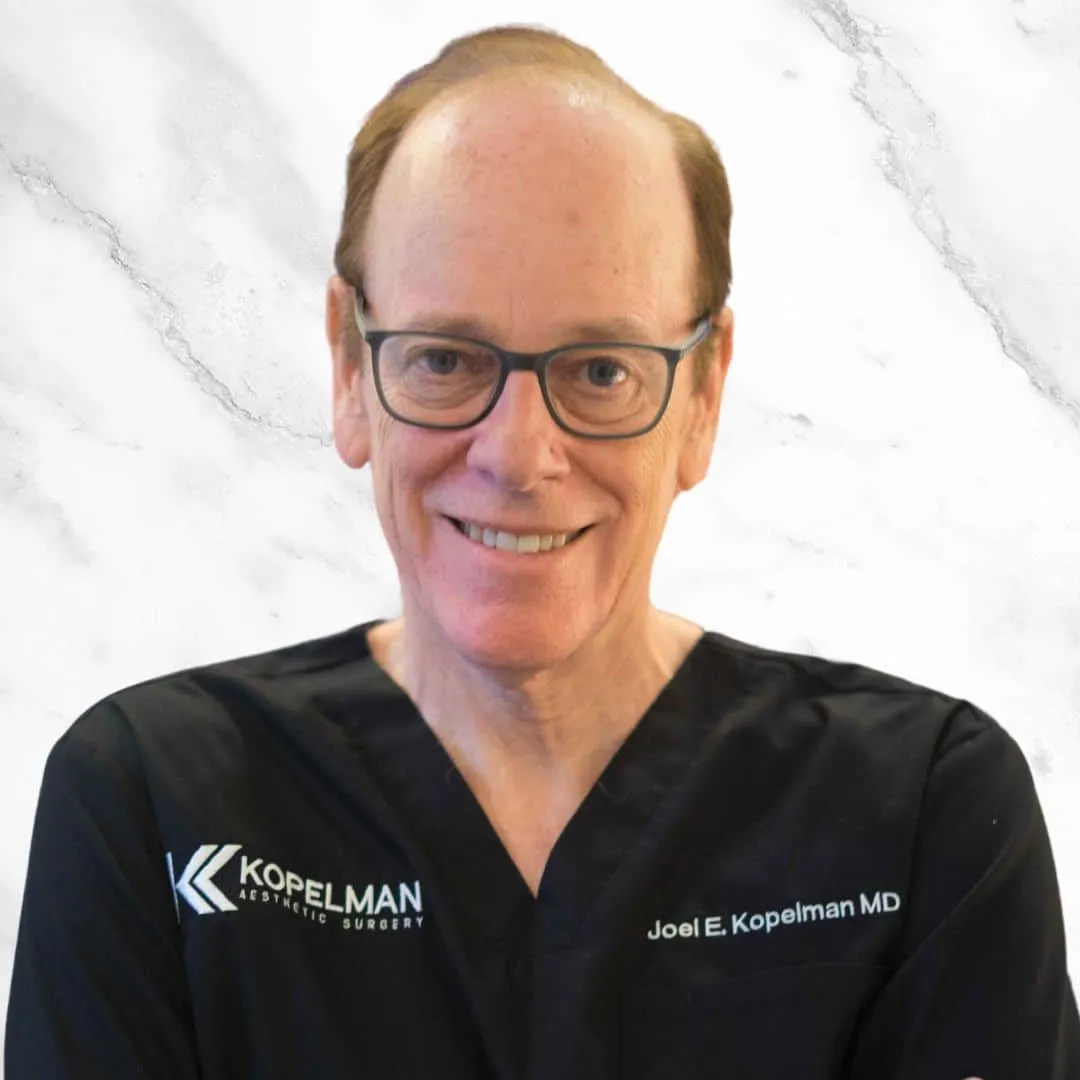
At Kopelman Aesthetic Surgery, Dr. Joel Kopelman, a board-certified oculofacial surgeon, draws on more than 35 years of experience focused on eyelid and facial surgery for patients across New York City. He personally performs every brow lift at our Park Avenue office in Manhattan, from your initial consultation through your final follow-up.
1,000+
5.0 ★
Dr. Joel Kopelman
OCULOPLASTIC SURGEON
Your brow lift consultation and surgery both take place at our Park Avenue office in Manhattan. There is no referral to another facility and no travel to a separate surgical center.
Kopelman Aesthetic Surgery
1112 Park Ave #1a
New York, NY 10128
(212) 831-8333
Office hours: Monday – Friday, 9 AM – 6 PM. Closed Saturday and Sunday.
Surgery is performed on an outpatient basis, so you return home the same day with a companion. Most patients are back at a desk within seven to ten days.
Getting here
By subway, take the 4, 5, or 6 train to 86th Street. The office is a short walk north on Park Avenue.
If you are driving, two covered garages within a few blocks accept reservations in advance: Impark at 115 E. 94th St. and City Parking at 105 E. 87th St. Street parking on Park Avenue and the surrounding cross streets is metered.
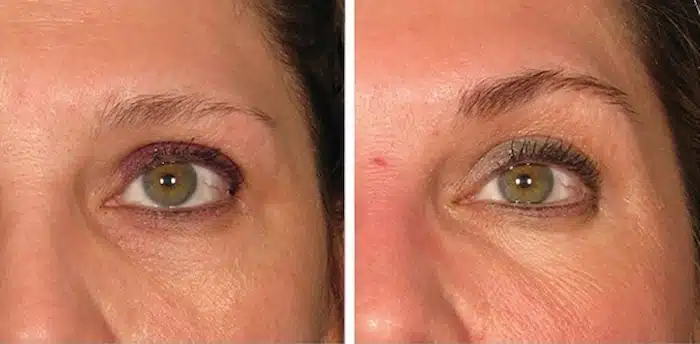
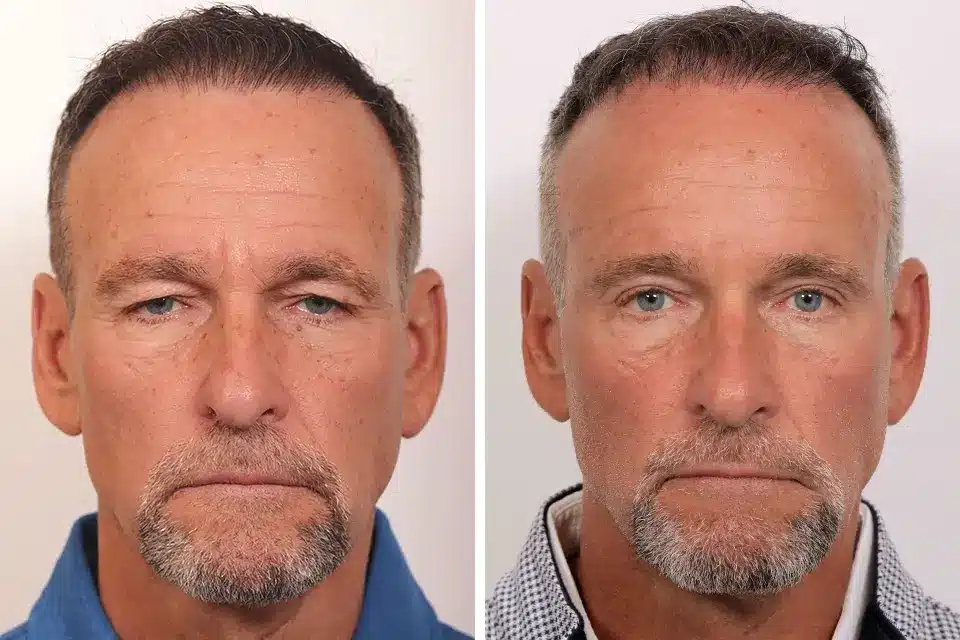
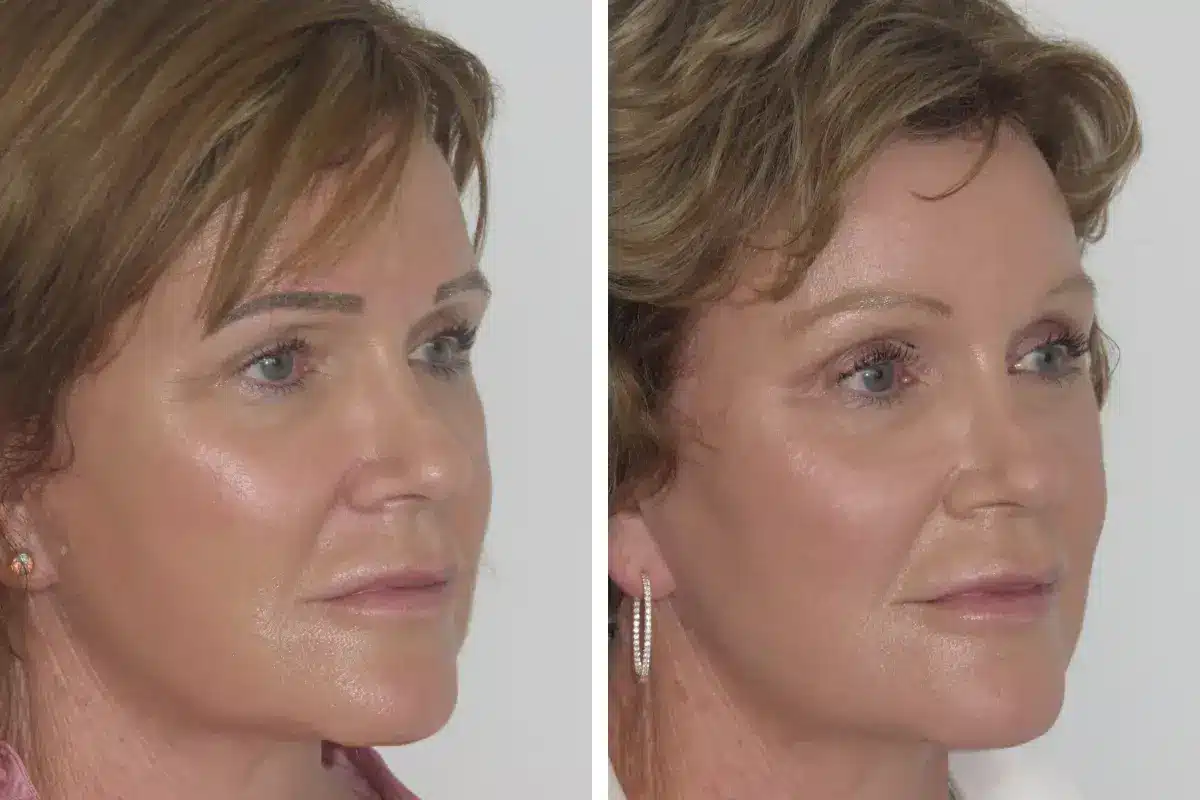
These browlift surgery before-and-after pictures are of actual patients from Dr. Kopelman. They will help you to set realistic goals for your own surgical outcome. Click on a patient to learn more about their eyelift surgery.
| Technique | Incision Approach | Best Suited For | Typical Return to Work |
|---|---|---|---|
| Endoscopic | Three to five short incisions concealed inside the hairline, guided by a micro camera | Mild to moderate brow descent with forehead lines; the most commonly performed option | 7 to 10 days |
| Temporal (lateral) | Two small incisions within the hairline above the tail of the brow | Outer brow heaviness and lateral eyelid hooding, with little central forehead change needed | 5 to 7 days |
| Coronal | A longer incision running across the scalp behind the hairline | Advanced brow droop with deep forehead furrows, where maximum exposure is required | 10 to 14 days |
The brow lift technique we recommend depends on the anatomy and concerns of each individual patient. Eyebrow position shapes expression more than almost any other feature of the upper face, which is why the evaluation begins there rather than with the eyelid skin alone.
To schedule a private consultation for a brow lift with Dr. Kopelman at our Park Avenue office, please call or request an appointment online.
| Timeframe | What to Expect | Activity Guidance |
|---|---|---|
| Days 1 to 3 | Peak swelling and bruising; a small drain placed during surgery is removed the following day | Rest with the head elevated; cold compresses; no bending or lifting |
| Days 4 to 7 | Swelling begins to settle; bruising starts to fade and can be covered with makeup once cleared | Light walking; short outings; continue avoiding strenuous effort |
| Days 7 to 10 | Sutures removed at the office; most patients feel presentable | Return to desk work for most patients; light cardio may be cleared |
| Weeks 2 to 3 | Residual swelling and some scalp numbness or tightness, both of which resolve | Gradual return to strenuous exercise once cleared at follow-up |
| Months 1 to 3 | Final contour settles as the last of the swelling resolves; sensation normalizes | Full activity; consistent sun protection to preserve the result |
The upper face is unforgiving. Lift too much, and the result reads as surprised; lift asymmetrically and the difference is visible in every photograph. The judgment involved in deciding how much to raise each side, and where, matters more than the instrument used.
Look for a surgeon who is board-certified, performs eyelid and brow surgery routinely rather than occasionally, and operates in an accredited facility. Ask to see before-and-after photographs of patients whose starting anatomy resembles yours, and ask specifically how the brow position influenced the eyelid plan.
An oculoplastic background adds a further layer, since it means training in the function of the eyelid and orbit, not only its appearance. Vision and eye health remain part of the assessment even when the goal is entirely cosmetic.
Dr. Kopelman has practiced on the Upper East Side for over three decades and performs brow lift surgery at his Park Avenue office, so your consultation, surgery, and follow-up care all take place in Manhattan.
Posted on Google
 Aiden Askari
Trustindex verifies that the original source of the review is Google.
Fine in my opinion.Posted on Google Stephanie Suskind
Trustindex verifies that the original source of the review is Google.
Excellent straight forward consult. Looking forward to booking Dr. Kopelman for fat transfer and upper blephPosted on Google Robert SayourHad a consultation visit with Dr Kopelman yesterday to discuss possible upper & lower eyelid surgery. Had a good consult and felt the Doctor was quite knowledgeable. He listened to my concerns and goals and was quite upfront about what he could do and what my expectations were. This was an initial consultation and I have seen a few other surgeons prior to this consult and have one more to go next week. So I haven't made any final decisions yet. Only downside for me personally is that the ambulatory center he uses is in Bergen County, NJ - I live in Queens and that might be a bit cumbersome to get to and from for me. I found his proposal a bit higher then the others I secured insofar as price but that is neither here nor there His demeanor, manners and knowledge were very good and I enjoyed the consultation experience with Dr Kopelman I have no further experience to share at this point Robert SPosted on Google
 Mike FieldsDr kopelman and his son worked on my eye lids and eye area and did a really wonderful job. Very family oriented decent people. The mother was incredibly kind, thoughtfull and always answered my calls. The daughter is also very kind.Posted on Google
 Amarys EspinosaI cannot express how grateful I am to have found Dr. Kopelman. After countless failed attempts at getting real help for my scalp and hair thinning, I felt defeated. I live in an area that doesn’t truly cater to ethnic or textured hair, so finding someone who understood my concerns felt almost impossible. After doing extensive research on specialists experienced with African American hair, I discovered Dr. Kopelman and I’m so glad I did. From the moment I met him, he provided a clear, thorough, and compassionate explanation of what was happening with my hair. For the first time, I felt seen, understood, and taken seriously. He created a personalized treatment plan specifically tailored to my needs and even prescribed medications to address the root cause. Walking out of his office, I felt genuine relief. Instead of hearing the usual “there’s nothing we can do,” I finally had answers, a plan, and hope. If you’re struggling with hair loss or scalp issues and want a doctor who truly understands ethnic hair and takes the time to guide you, I highly recommend Dr. Kopelman. His expertise, kindness, and clarity make all the difference.Posted on Google
 Kim TomasinoDr Kopelman is incredible. He knew I was worried about a scar forming & in less than a month he cured me with topical cream. He is the real deal! I’m so happy I found him.Posted on Google
 Alexa FreedDr. Kopelman 10/10: I was seeing an ophthalmologist weekly for months to take care of an eye issue I was having. When they couldn’t help me anymore, they told me to find an ocular plastic surgeon. After doing my research, I found Dr. Kopelman who is not only a top plastic surgeon, but has the ocular speciality I was looking for. Right when he saw me at our consultation, he immediately knew I needed a CT scan. He couldn’t believe any other doctor let this situation go on for this long. Dr Kopelman sat there for hours finding me the proper place to get my CT scan, along with making dozens of calls to my insurance company arguing with them on my behalf. He went above and beyond. Not even a week later, I was in his chair getting an orbital tumor removed! He made me so comfortable and the process was seriously so quick and painless. I did not bruise or swell at all. I went back a week later to get my stitches removed, which was also extremely quick and painless. It looked as if I scratched myself- not that anyone performed surgery on my face. There isn’t even a scar. That being said- Dr. Kopelman (and Kiki) had the best bedside manner, where so attentive, and just all around amazing. If I ever need a surgeon again, this is where you will find me. I truly can not thank this office enough.Posted on Google
 Vanessa TaylorHey! Let me start by saying Doctor kopleman was amazing! He listened to the things I said and understood everything. He was soooo nice and patient and gave me all the time I needed to explain exactly what I wanted and my results are amazing! Thank Doctor kopelman and staff.
YouTube
98K+ Subscribers · 1K+ Videos · 148M+ Total Views
12K+ Followers · @doctorkopelman
— COMMON QUESTIONS
Two weeks prior to surgery, you will be instructed to stop taking all medications that could potentially thin your blood. These include Plavix, Coumadin, Pradaxa, aspirin, Advil, Motrin, Aleve, fish oil, ginkgo, multiple vitamins, vitamin E, and other drugs. Before surgery, you will receive a homeopathic preparation called arnica montana to reduce postoperative swelling.
During the procedure, a tiny drain is inserted beneath the skin to remove blood-tinged fluid that may accumulate overnight, and the tube is removed in the office the next day. Together, these steps greatly reduce swelling and bruising, allowing you to resume your daily activities more quickly.
The incisions used in the endoscopic technique are short and placed inside the hairline, where hair growth conceals them once healing is complete. They are not visible in normal wear, including with hair pulled back, though hairstyle and hairline position are reviewed during planning.
SCHEDULE ONLINE →
Our NYC office






Lorem ipsum dolor sit amet, consectetur adipiscing elit. Ut elit tellus, luctus nec ullamcorper mattis, pulvinar dapibus leo.