Cheek augmentation is a facial enhancement procedure that restores volume to the midface, lifts sagging tissue, and creates more defined cheekbone contours. For patients in New York City seeking a permanent solution for age-related volume loss, cheek implants are among the most effective options available.
The midface, the area below the lower eyelid and across the cheeks, naturally loses volume over time. As we age, skin and fat atrophy, facial fat pads descend, and bone density decreases. These changes can make the face appear tired, sunken, or hollow, with more pronounced lower-eyelid hollows and deeper grooves around the mouth. Our cheekbones give us the “blush” of youth, and restoring that fullness can take years off your appearance.
For younger patients with mild to moderate midface volume loss, cheekbone filler offers a non-surgical starting point. A deep injection of hyaluronic acid gel, such as Juvederm Voluma or Restylane Lyft, or a polylactic acid solution called Sculptra, can temporarily restore soft-tissue volume. These treatments typically range from $650 to $1,500 per syringe and last 12 to 24 months, depending on the product. However, if you are seeking a long-term solution to midface flattening, cheek implants are a more lasting alternative. They are usually made of flexible, medical-grade silicone or porous polyethylene (Medpor) and are designed to remain in place permanently.


These cheek implant before-and-after pictures are of actual patients treated by Dr. Kopelman. They will help you set realistic goals for your own surgical outcome. Click on a patient to learn more about their cheek implant procedure.
Among face implants, cheek augmentation is one of the most transformative procedures for restoring youthful midface structure. To achieve the best results, Dr. Kopelman begins every consultation with a thorough review of your facial skin, soft tissues, and skeletal anatomy. He will discuss your goals and expectations in detail before recommending a treatment plan.
Cheek implants vary in size, shape, and projection. The specific implant selected is based on your unique facial proportions, the degree of volume loss, and the contour you want to achieve. Finding the right fit is critical in order to produce results that look natural and well-balanced.
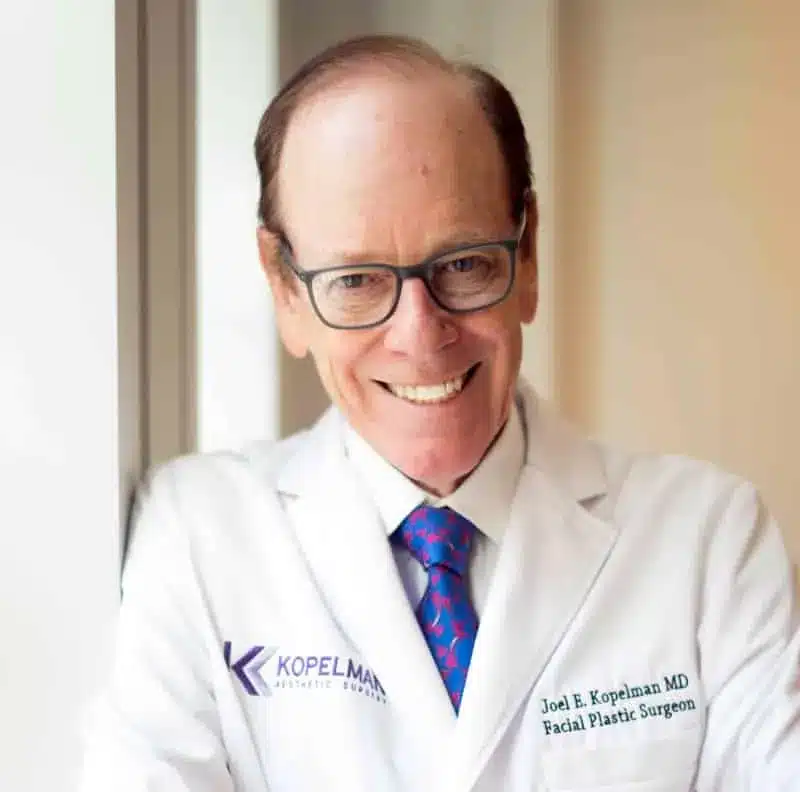
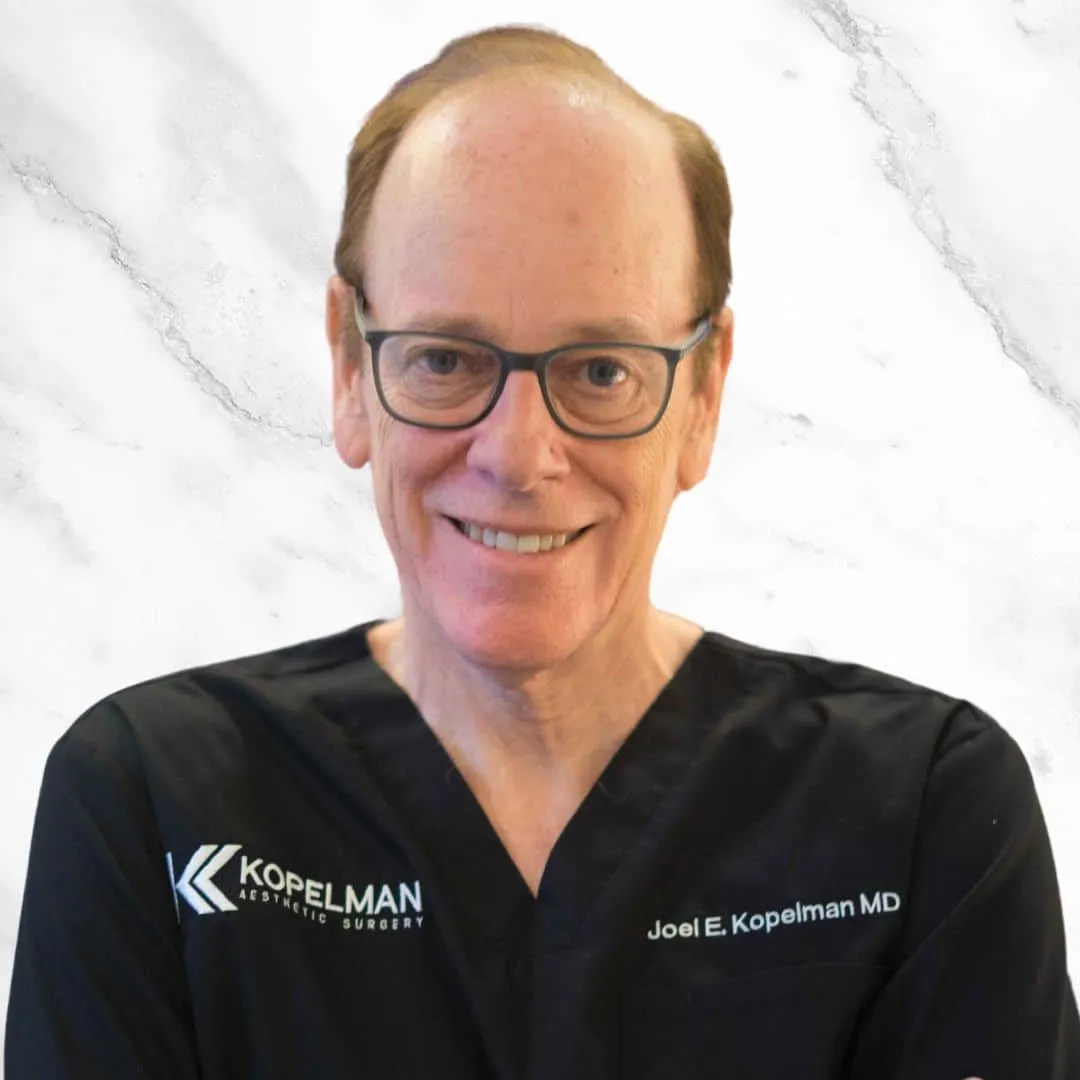
With more than 35 years of experience and dual board certification in facial plastic and oculoplastic surgery, Dr. Kopelman brings specialized training in the bone, soft tissue, and periorbital anatomy that is central to safe, precise cheek enhancement.
Cheek implants are well suited for patients who meet one or more of the following criteria:
During your consultation, your medical history and facial anatomy will be evaluated to confirm that implants are the right approach for your goals. Patients who only need modest volume correction may be better served by injectable fillers or autologous fat transfer.
Cheek implant surgery offers several advantages over temporary treatments:
The procedure is performed under anesthesia in an accredited surgical facility. A small, concealed incision is made inside the mouth (an intraoral approach), which leaves no visible scarring. Through this incision, the surgeon creates a precise pocket over the cheekbone (maxilla) and slides the implant into position. The implant conforms to the underlying bone so that it sits naturally against the skeletal structure.
For patients undergoing additional facial surgery at the same time, such as a facelift or blepharoplasty, the implant can sometimes be placed through a lower-eyelid incision instead. The choice of approach depends on the patient’s anatomy and the combination of procedures being performed.
The intraoral incision is closed with absorbable sutures. You will be placed on oral antibiotics and an antimicrobial mouthwash for five days. Facial swelling is normal and typically subsides within about one week.
Cheek implant surgery is a safe and well-established procedure, but like any surgery, it does carry some risks. These are uncommon when the procedure is performed by an experienced, board-certified facial plastic surgeon, but patients should be aware of them before making a decision.
Possible risks include temporary numbness or tingling in the cheek area, which in most cases resolves within a few months. There is a small risk of infection, particularly with the intraoral incision, which is why antibiotics are prescribed after surgery. Bruising and swelling are expected during the first week but resolve on their own.
In rare cases, an implant may shift slightly from its intended position, resulting in asymmetry. If this occurs, a minor revision procedure can correct the placement. Implant-related complications are uncommon overall, and the vast majority of patients heal without issue.
Frequently asked questions
about Cheek Implants
A cheek implant can cost anywhere from $6500 to $8500. This includes the anesthesia required to be performed by an anesthesiologist.
You will heal from your cheek augmentation procedure quickly. The mouth incision will be completely healed within 7 to 10 days. Residual swelling may last in most cases for three weeks. Temporary numbness of the cheek, in most cases, may last up to three months.
Frequently asked questions
about Cheek Implants
The average cost of cheek implants at our Manhattan office ranges from $6,500 to $8,500. This includes the surgeon’s fee and the anesthesia, which is administered by a board-certified anesthesiologist.
The final cost depends on the complexity of your case and whether cheek augmentation is combined with other procedures. During your consultation, you will receive a detailed cost breakdown specific to your treatment plan.
Most patients heal quickly after cheek augmentation surgery. The intraoral incision heals within 7 to 10 days, and most people feel comfortable returning to work and normal activities within 1 to 2 weeks.
Residual swelling may last for up to three weeks in some cases. Temporary numbness of the cheek is common and typically resolves within two to three months as the nerves around the implant settle.
Cheek implants are designed to be permanent. Unlike dermal fillers, which break down over time and require repeat treatments, a well-placed silicone or Medpor implant will maintain its shape and position for a lifetime. Patients do not need to replace or maintain their implants after surgery.
Yes, cheek implants can be removed or replaced if a patient’s goals change over time. The removal procedure is straightforward and is performed through the same intraoral approach used for the original placement.
While removal is uncommon, the option provides peace of mind for patients who want a permanent result but value knowing the procedure is reversible.
A cheek implant adds volume and projection to the midface by placing a solid implant over the cheekbone. A cheek lift, by contrast, repositions sagging soft tissue without adding new volume.
Patients with significant volume loss benefit most from implants, while those whose primary concern is sagging or drooping may be candidates for a midface lift. In some cases, the two procedures are combined for a more complete result. Your surgeon will help determine which approach best addresses your specific concerns.
The right choice depends on your goals, budget, and the extent of volume correction you need. Injectable fillers are less invasive, require no downtime, and work well for mild to moderate volume loss. However, they are temporary and must be repeated every 12 to 24 months, which adds up over time.
Cheek implants require a single surgical procedure but deliver a permanent result with no ongoing maintenance. Many patients who have been using fillers for several years choose to transition to implants for a more lasting solution.
Our Manhattan office is located at 1112 Park Avenue on the Upper East Side, easily accessible to patients seeking cheek augmentation in the greater New York City area. We regularly welcome patients traveling from Long Island, Brooklyn, Queens, Westchester, and northern New Jersey for cheek augmentation consultations and surgery. For patients coming from farther away, our team can help coordinate scheduling so that your consultation and pre-operative appointments are as convenient as possible.
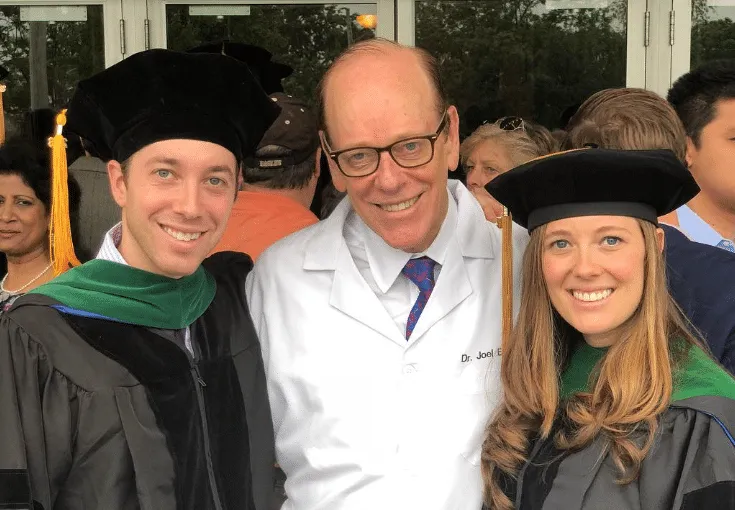
Dr. Joel E. Kopelman is a dual board-certified facial plastic and oculoplastic surgeon with over 35 years of experience in cosmetic and reconstructive surgery of the face, neck, and eyes. He is a Fellow of the American College of Surgeons (FACS) and holds memberships in the American Academy of Facial Plastic and Reconstructive Surgery (AAFPRS) and the American Society of Ophthalmic Plastic and Reconstructive Surgery (ASOPRS).
His surgical training includes fellowship-level specialization in both oculoplastic and facial plastic surgery, giving him an unusually detailed understanding of the bone structure, soft tissue layers, and periorbital anatomy critical to natural-looking cheek augmentation. This dual expertise is especially valuable for patients combining cheek implants with eyelid surgery or brow lift procedures.
Renowned for his individualized approach and meticulous technique, he has built a reputation as a trusted expert among patients seeking transformative results that look both beautiful and natural. He personally reviews each patient’s imaging and surgical plan during a one-on-one consultation and remains available to patients throughout their recovery.
The practice’s surgical team includes a board-certified anesthesiologist and dedicated nursing staff who assist with every procedure.
Page Updated on 07/05/2026 by Dr. Joel Kopelman (Facial Plastic Surgeon) of Kopelman Aesthetic Surgery.
To schedule a private consultation, please call the office or request an appointment online.
Lorem ipsum dolor sit amet, consectetur adipiscing elit. Ut elit tellus, luctus nec ullamcorper mattis, pulvinar dapibus leo.