
At Kopelman Aesthetic Surgery, an eye-lifting treatment is planned around facial balance rather than the lids alone. This guide explains the surgical and non-surgical paths, what each one can realistically achieve, and what to expect before, during, and after treatment.
Understanding Eyelid Lifting Treatments
What Is an Eyelid Lift (Blepharoplasty)?
An eye lift, or blepharoplasty, is a surgical procedure that removes or repositions excess skin, fat, and muscle from the lids. It can be done on the upper lids, lower lids, or both. The goal is to improve the appearance of the eye area and, in some cases, restore vision blocked by heavy skin.
Blepharoplasty is the medical term for eye lift surgery. Depending on the case, it is considered both a cosmetic and a functional procedure. When drooping is severe enough to obstruct the visual field, part of the procedure may be medically necessary rather than purely cosmetic.
Which Eyelid Lift Option Is Best?
The right option depends on what is causing the change. A lower lid procedure targets puffiness or sagging beneath the eyes, often referred to as eye bags. An upper lid procedure addresses heavy skin that may impair vision. Some patients need both.
It is also important to separate two different problems that look similar. Excess skin is treated with blepharoplasty. A weak levator muscle that allows the lid margin to sit low is ptosis, and it requires a different repair. A specialist evaluation determines which one you have, or whether both are present.
Surgical vs. Non-Surgical Methods
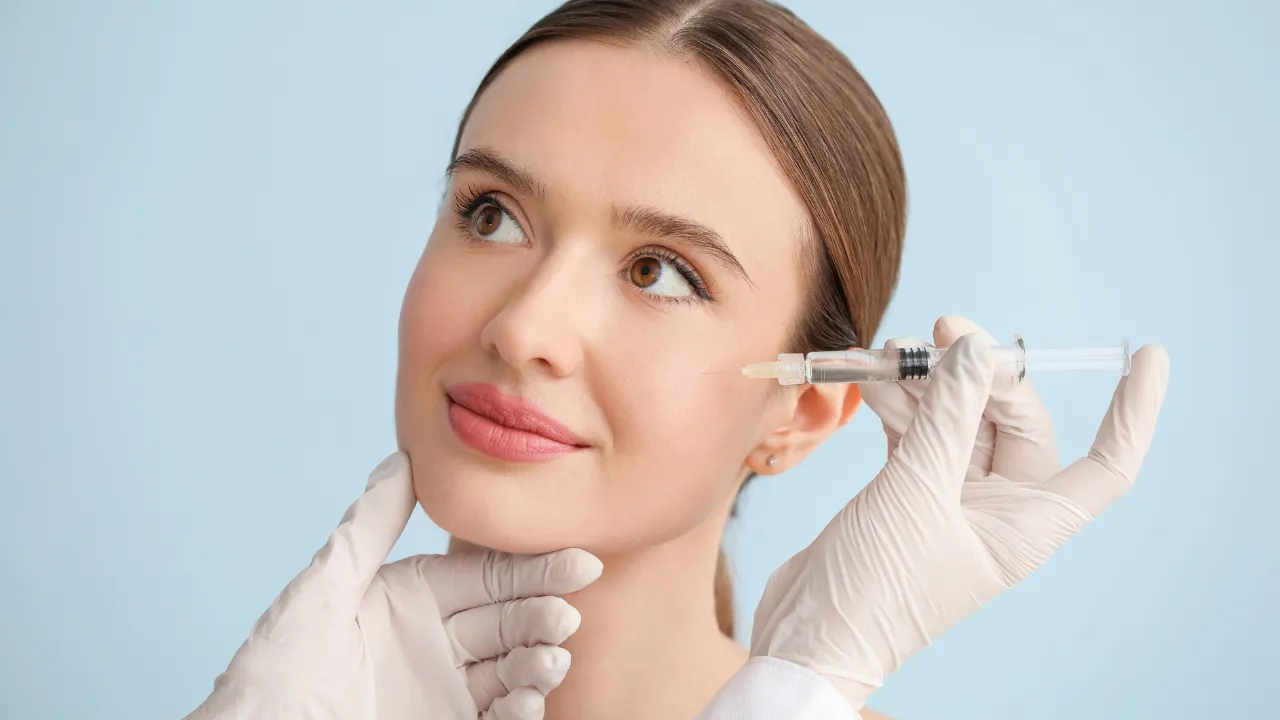
Surgery produces lasting, structural change. Non-surgical methods, including creams, radiofrequency, ultrasound, and injectables, work on skin quality and surface appearance rather than removing tissue. Their results are gradual and require maintenance.
Surgery suits patients seeking a long-term correction. A lifting eye treatment without surgery may suit mild cases, patients who want no downtime, or those not ready to commit to an operation.
| Factor | Surgery (Blepharoplasty) | Non-Surgical Options |
|---|---|---|
| Best suited for | Moderate to severe excess skin, fat bulging, vision obstruction | Mild laxity, fine lines, early volume loss |
| What it changes | Removes or repositions skin, muscle, and fat | Skin texture, hydration, surface firmness, volume support |
| Anesthesia | Local, sedation, or general | None to topical numbing |
| Downtime | Roughly 7 to 10 days of visible bruising and swelling | Minimal to none |
| How long results last | Commonly 5 to 10 years or longer | Weeks to months; ongoing sessions required |
| Can it treat true ptosis? | Yes, with a dedicated muscle repair | No; creams and devices do not affect muscle position |
Types of Procedures
Upper vs. Lower Eye Lift
An upper lid procedure removes excess skin that droops over the natural crease. It can widen the field of vision and reduce a tired appearance. Incisions are placed within the natural crease so that any resulting scar sits hidden in the fold.
A lower lid procedure focuses on bags and sagging beneath the eyes. This operation may involve fat repositioning rather than removal, which smooths the transition between the lower lid and the cheek. Removing too much fat can create a hollowed look, so conservative technique matters.
In some cases, a brow lift is recommended alongside upper lid surgery. A low brow adds weight to the upper lid, and lifting the brow reduces tension on the skin above the crease for a more balanced result.
Lifting Creams vs. Surgery
Many products marketed for eyelid enhancement promise to tighten skin. Most work through light-diffusing polymers and film-forming ingredients that temporarily smooth the surface, as well as botanical extracts and peptides that hydrate over time. They may soften the look of fine lines, but they do not remove tissue or reposition fat.
Popular options in this category, including City Beauty Lid Lifting Treatment and Perricone MD eyelid lift serum, sit in the roughly $50 to $70 range and are used twice daily. Manufacturer studies in this category are typically small consumer panels rather than controlled clinical trials, so read the fine print before setting expectations.
Creams work best as part of a skincare routine, not as a substitute for surgery when there is meaningful excess skin. For patients considering the two options, in-office resurfacing, such as an IPL photofacial, can improve skin quality around the eye area without an incision.
What Creams and Devices Cannot Do?
No topical product can shorten a stretched levator muscle, remove herniated fat, or restore a field of vision blocked by heavy skin. Marketing language that references the “appearance of” lift is describing a visual effect, not a structural one.
If drooping affects your vision, interferes with reading or driving, or has appeared suddenly, that warrants a medical evaluation rather than a cosmetic product. Sudden onset drooping can signal a nerve or muscle condition that needs diagnosis.
Candidacy and Cost
Who Is a Good Candidate?
You may be a candidate if you have:
- Droopy or puffy upper lids
- Sagging skin beneath the eyes
- Good general health and realistic expectations
During a consultation, the surgeon reviews your medical history and asks about factors that affect healing and safety, including:
- Smoking history
- Cardiovascular disease, diabetes, or circulatory disorders
- High blood pressure
- Bleeding or clotting disorders
- Thyroid conditions
- Dry eye, glaucoma, retinal detachment, or prior eye surgery
- Contact lens or corrective lens use, and any tear production issues
Your skin type, ethnic background, age, and personal goals all shape the surgical plan. Patients with significant dry eye or an unusual tendency toward scarring may still be candidates, but the plan is adjusted accordingly.
How to Lift Saggy Lids Without Surgery
For mild laxity, non-surgical methods include:
- Firming creams and peptide serums
- Radiofrequency, ultrasound, or laser skin tightening
- Injectable fillers placed near the orbital rim to restore lost volume
- Neuromodulator placement to soften a heavy brow position
These offer short-term improvement and require repeat sessions. They are less effective than surgery when excess skin is the primary issue.
How Much Does an Eye Lift Treatment Cost?
Cost depends on which lids are treated, whether muscle repair is included, and the complexity of the case. Fees generally cover the surgeon, anesthesia, facility charges, and routine follow-up care. Cosmetic procedures are typically not covered by insurance unless the drooping is documented as medically necessary.
Please note that the practice does not offer financing. Pricing is confirmed at consultation once the surgical plan is set.
Procedure and Recovery
What Happens During Eye Lift Surgery?
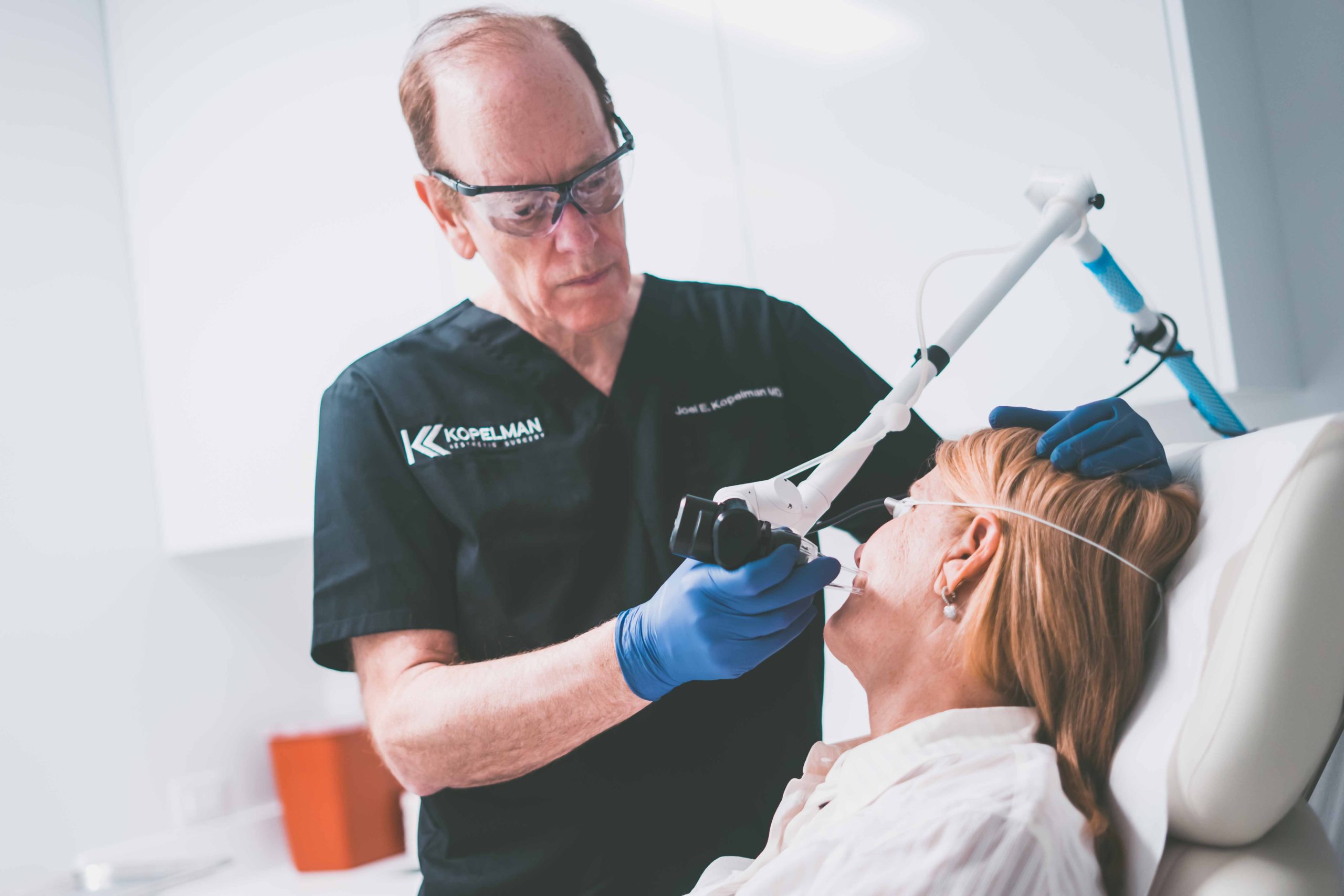
The procedure takes 1–2 hours. After local anesthesia or sedation, Dr. Kopelman makes discreet incisions along the natural eyelid folds. Excess skin or fat is removed or repositioned.
Stitches are typically removed within a week. The goal is to enhance appearance while minimizing scarring.
| Procedure | Price | Notes |
|---|---|---|
| Upper lid blepharoplasty | $8,500 | Removes excess skin above the crease |
| Lower lid blepharoplasty | $8,500 | Addresses bags and under-eye puffiness |
| Upper and lower combined | [CLIENT TO CONFIRM combined-procedure price] | Single surgical session |
| Double eyelid surgery | $8,500 to $10,000 | Crease creation or refinement |
| Ptosis repair | $10,000 per eye | Muscle repair for a low lid margin |
| Lateral canthoplasty | $7,500 to $8,500 | Tightens and supports the outer corner |
| Consultation or medical management | $350 | Applied toward the evaluation and surgical plan |
Procedure and Recovery
What Happens During Eye Lift Surgery?
Surgery is performed in an accredited office-based surgical facility or an outpatient center. After local anesthesia or sedation, the surgeon makes discreet incisions along the natural crease of the upper lid, or just beneath the lash line or inside the lower lid, depending on the plan.
Excess skin or fat is removed or repositioned, then the incisions are closed with fine sutures. The procedure typically takes one to two hours. Stitches are usually removed within a week, and thin bandages or ointment may be applied afterward.
Recovery Timeline and Stages
Most patients return to light activity within a week. Cold compresses reduce swelling in the first few days, and sleeping with the head elevated helps healing and comfort. Strenuous activity, heavy lifting, and bending should be avoided for at least two weeks.
| Stage | What you will notice | Activity guidance |
|---|---|---|
| Days 1 to 3 | Swelling and bruising peak; lids may feel tight, sticky, or dry | Rest, cold compresses, head elevated |
| Days 4 to 7 | Sutures removed; swelling begins to settle | Light activity; no strenuous exertion |
| Weeks 2 to 4 | Bruising fades; early shape becomes visible | Most patients return to work and normal routine |
| Weeks 4 to 8 | Residual swelling resolves; final contour settles | Full activity; continue sun protection |
How Long Does an Eyelid Lift Last?
Upper lid results commonly last 5 to 10 years or longer. Lower lid fat repositioning often lasts even longer because the addressed fat pads typically do not return. Lifestyle and genetics play a role in how the area ages afterward.
Following aftercare instructions and protecting the area from sun exposure helps extend results. Many patients never require a second procedure.
Results and Reviews
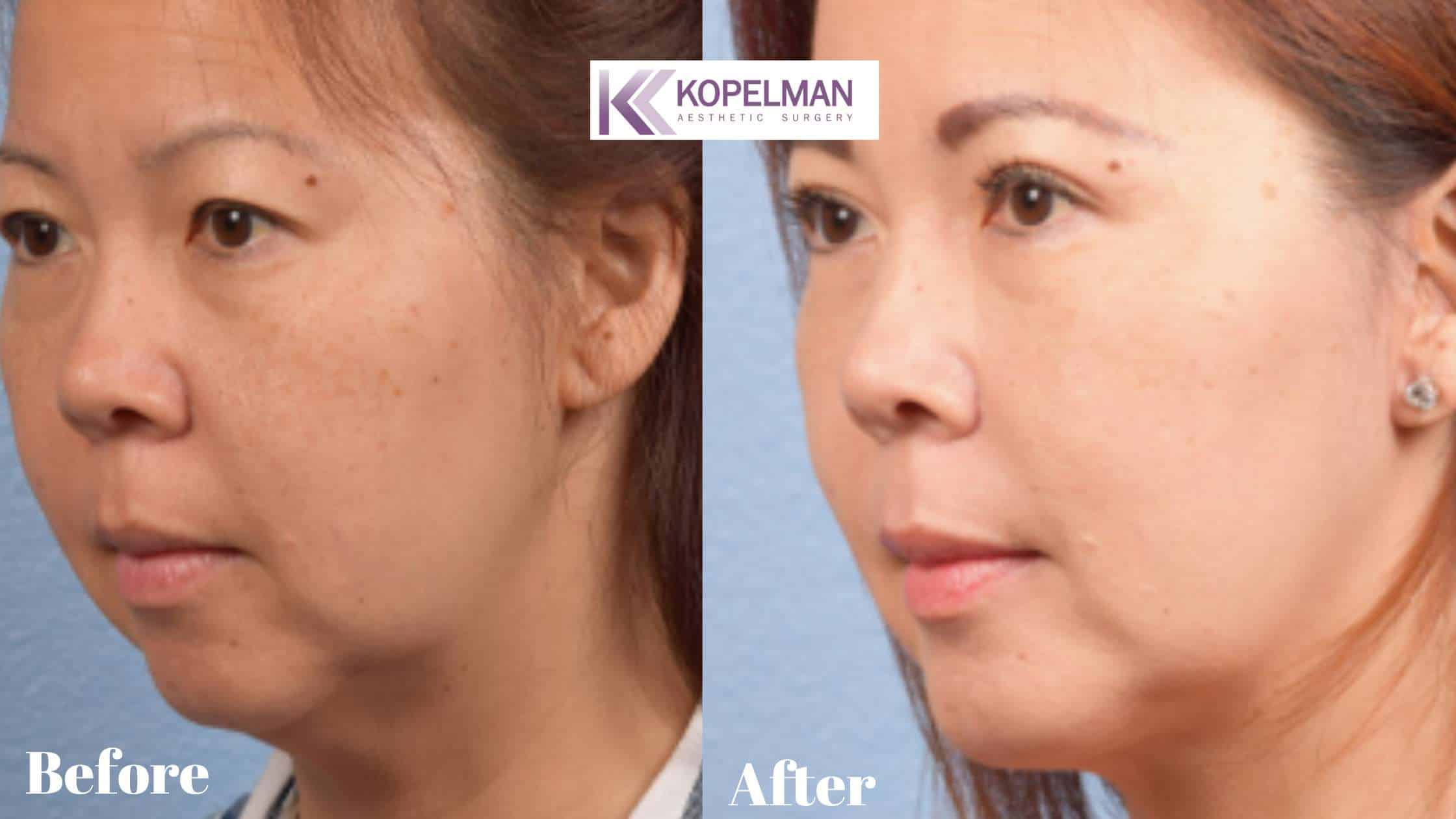
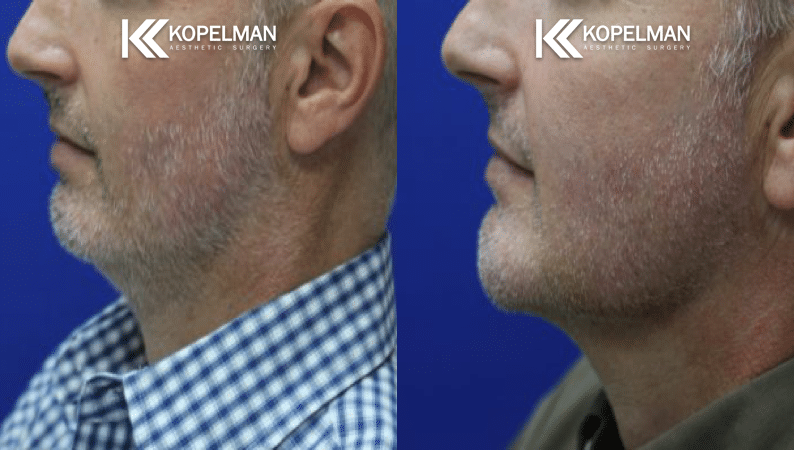
Before and After Results
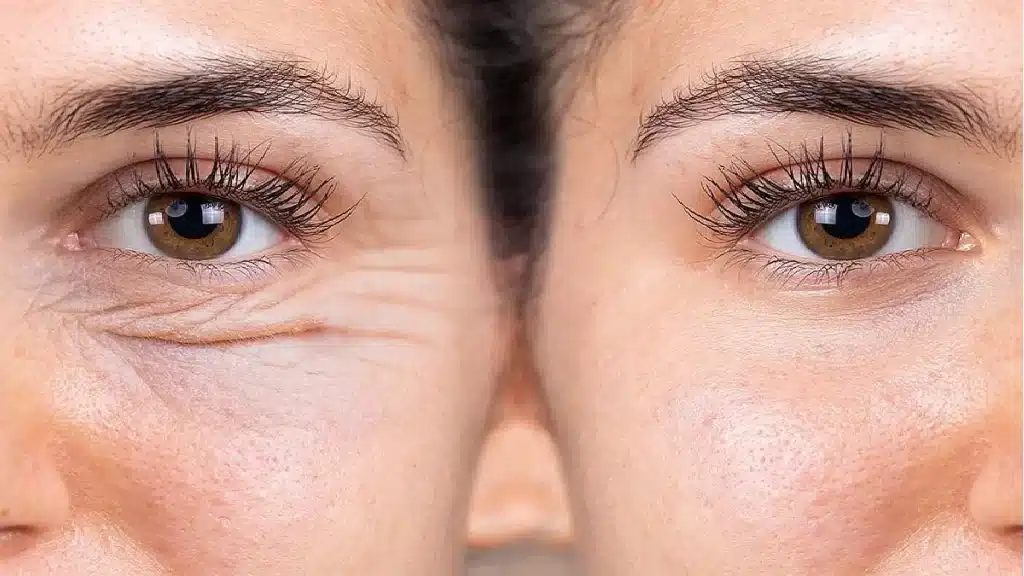
Eyelid lift before-and-after photos show measurable improvements in eye shape and skin tightness. Most patients report looking more rested and alert rather than noticeably operated on.
Review photos during your consultation, ideally of patients with anatomy similar to yours. Consistency across a surgeon’s gallery is more informative than any single dramatic case.
Lifting Eye Treatment Reviews
Patient treatment reviews tend to describe two different experiences. Cream users often report a temporary smoothing effect that they like under makeup. Surgical patients describe a structural change they notice for years.
Reading both types of feedback helps set expectations before choosing a path. Satisfaction is highest when the treatment matches the severity of the concern.
Long-Term Satisfaction and Success Rates
Blepharoplasty is one of the most frequently performed facial procedures in the United States, and satisfaction rates are consistently high when the surgery is performed by an experienced specialist. Most patients heal without complication.
Long-term satisfaction depends on conservative planning, careful technique, and adherence to aftercare. Overly aggressive tissue removal is the most common cause of an unnatural-looking result.
Risks and Safety
Common Side Effects and Complications
Temporary side effects include:
- Swelling and bruising
- Dry, itchy, or gritty-feeling eyes
- Tightness or mild soreness
- Blurred vision from ointment in the first day or two
Rare complications may involve:
- Infection
- Asymmetry between the two sides
- Difficulty closing the eye fully
- Lower lid retraction or ectropion
- Vision changes
Careful preoperative screening and conservative technique reduce these risks. Bruising and swelling in the first few days are expected, not complications.
When to Call Your Surgeon
Contact your surgical team if you notice:
- Excessive swelling or bleeding
- Sudden vision loss or double vision
- Severe pain not controlled by medication
- Fever, spreading redness, or discharge
- Inability to close the eye
Choosing the Right Specialist
What to Look for in a Surgeon
Choose a board-certified surgeon with:
- Specific training in surgery of the eye area, such as oculofacial or facial plastic fellowship training
- A strong portfolio of before and after results across varied anatomy
- Privileges at an accredited surgical facility
- Positive, verifiable patient reviews
Verify credentials directly and ask questions during the consultation. Specialty organizations such as the American Society of Ophthalmic Plastic and Reconstructive Surgery and the American Society of Plastic Surgeons maintain public directories and patient education resources.
Why Experience Matters in Eyelid Cosmetic Surgery
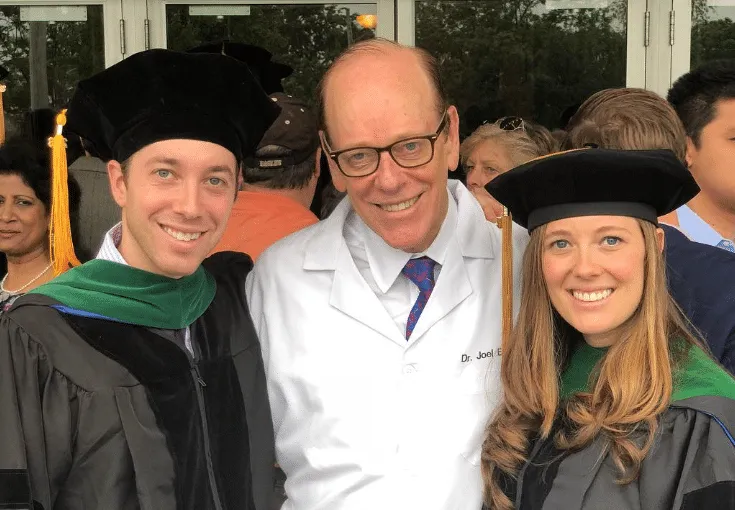
Eyelid anatomy is delicate. The skin here is the thinnest on the body, and millimeters of tissue change the shape of the eye. A surgeon with decades of experience in this specific region, such as Dr. Joel Kopelman, [CLIENT TO CONFIRM: exact board certification name(s)], can plan for a natural, balanced result.
Experience reduces risk and improves outcomes, particularly in revision cases and in patients with underlying dry eye or lid laxity. Trusting a specialist increases the likelihood of keeping the result. Schedule a consultation now.