

For either, rest a clean compress over closed eyes for 10 to 15 minutes, and repeat a few times a day. Never put ice straight on the skin, and never use water that feels hot. See a doctor if the swelling is severe, painful, changes your vision, or doesn’t improve within 48 hours.
Key Takeaways
- Match the compress to the cause. Use cold for allergies, crying, irritation, and minor bumps, and use warm for styes, chalazia, and blocked oil glands.
- Cold narrows blood vessels and calms inflammation, so apply a clean, cool, damp cloth over closed eyes for 10 to 15 minutes. Repeat this several times a day.
- Never press ice directly on your eyelid, and never use heat that feels hot. Both can damage the thin skin around your eye.
- For a black eye, start with cold in the first day or two, then switch to warm once the initial swelling settles.
- See a doctor if swelling comes with pain, vision changes, or fever; if it spreads; or if it doesn’t improve after a few days. If swelling keeps returning, you also need an exam.
What Causes a Swollen Eyelid?
Several common conditions can make the lids puff up. Allergies, infections like conjunctivitis, styes, and blocked oil glands all trigger inflammation. Environmental irritants such as pollen, dust, and smoke also commonly cause swelling.
The cause tells you which compress to reach for. An allergic reaction often affects both eyes evenly, while a stye usually appears as a red, tender bump on one eye near the lash line.
In some cases, puffy lids point to an underlying condition such as thyroid eye disease, a sinus infection, or an autoimmune disorder.
Why Is My Eye Swollen?
Check what came with the puffiness. Itching and watering point toward allergies, while burning, crusting, or discharge can signal an infection. Dry, flaky, or itchy skin on the lid itself can point to eyelid dermatitis. Trauma, poor sleep, or a salty dinner the night before can also be to blame.
Swollen Eyes from Crying
Crying leaves extra fluid and mild inflammation in the thin skin around the eyes, which is why your lids look puffy afterward.
So, will ice help swollen eyes from crying? Yes. A chilled cloth or an ice pack wrapped in a thin towel for 5 to 10 minutes can quickly reduce that puffiness. Splashing cool water on your face helps too.
Swollen Upper vs. Swollen Lower Eyelid
Both lids can swell, but the causes and severity differ. Lower-lid puffiness is often tied to fluid retention or tiredness, while the upper lid is more likely to swell from an infection or insect bite.
Swelling on one lid usually points to a local cause like a stye or a bite, while swelling on both lids points to allergies or fluid.
When to Use a Warm or Cold Compress for a Swollen Eye
Ask two questions: is the swelling new, and is there a tender bump on the lid? New swelling, an injury, or itchy puffiness calls for cold. A bump along the lash line or a lump in the lid calls for warm.
What about a hot compress? Skip it. “Warm” means comfortably warm, never hot, because the skin around your eyes burns easily.
| Cause | Use | How Long | How Often | See a Doctor If |
|---|---|---|---|---|
| Allergies (itchy, watery, often both eyes) | Cold | 10 to 15 minutes | 3 to 4 times a day | Lips or throat swell, or puffiness lasts past 48 hours |
| Crying or poor sleep | Cold | 5 to 10 minutes | As needed | Puffiness never fully clears |
| Minor bump or black eye | Cold for 24 hours, then warm | 15 to 20 minutes | About once an hour on day one | Vision changes, double vision, or pain moving the eye |
| Stye (painful bump at the lash line) | Warm | 10 to 15 minutes | Several times a day | No better in 48 hours, or redness spreads |
| Chalazion (painless lump in the lid) | Warm | 10 to 15 minutes | At least 4 times a day | Lump keeps growing or lasts more than a month |
| Blepharitis or dry eye | Warm | 5 to 10 minutes | At least once a day | Burning or crusting keeps coming back |
| Swelling after eyelid surgery | Cold | As your surgeon directs | As your surgeon directs; see the icing schedule after eyelid surgery | Sudden pain, bleeding, or vision changes |
Cold Compress for Eyes and Inflamed Eyelid Relief
Use a cool compress for inflamed eyelid conditions when swelling comes from allergies, irritation, or trauma. Chilling the area constricts blood vessels, easing redness and calming the tissue.
When a Warm Compress Works Better
A warm compress helps when an oil gland at the edge of the lid is blocked. That includes a stye, a chalazion, blepharitis, and dry eye linked to meibomian gland dysfunction. Heat melts thickened oil so it can drain, reducing swelling from the inside.
Aim for comfortably warm, never hot. The glands need the lid itself to reach about 104°F (40°C) to release trapped oil (Optometry Times). A damp cloth cools fast (2024 review in Ophthalmology and Therapy). A microwavable gel mask holds heat longer than a facecloth (2015 heat-retention study), so rewarm a cloth about every two minutes.
Hold it on for 10 to 15 minutes. For a chalazion, repeat at least four times a day, as MedlinePlus recommends. For a stye, repeat several times a day. For blepharitis or dry eye, the usual routine is 5 to 10 minutes at least once a day.
For blepharitis, follow the compress with a gentle lid scrub; here is how to clean your eyelids for blepharitis.
Warmth isn’t the right choice for fresh allergy swelling or a new injury because it draws more blood into the area and can worsen puffiness.
Black Eye: Cold First, Then Warm
For a bump or black eye, start with cold. Use a wrapped ice pack for 15 to 20 minutes at a time, about once an hour, during the first 24 hours.
After the first day, switch to warm compresses to help your body clear the bruising, as Johns Hopkins Medicine recommends. Keep your head raised while you rest. Any injury with vision changes, double vision, or pain when you move your eye needs same-day care.
Cold Compress for Puffy Eyes and Under-Eye Bags
A cold compress for puffy eyes works best on fluid, the kind you wake up with after a short night, a salty meal, or an allergy flare. A chilled gel mask or cool spoons for 10 minutes usually takes the edge off.
So which is better for bags under the eyes, warm or cold? Cold, though only for temporary puffiness: a cool compress shrinks bags for a while but doesn’t remove them (Cleveland Clinic). If they stay no matter what you try, the cause is often structural, such as fat that has shifted forward, and no compress will change that. That’s when patients start asking about blepharoplasty.
How to Apply a Cold Compress Correctly
Applying a cold compress is simple, but a few details matter:
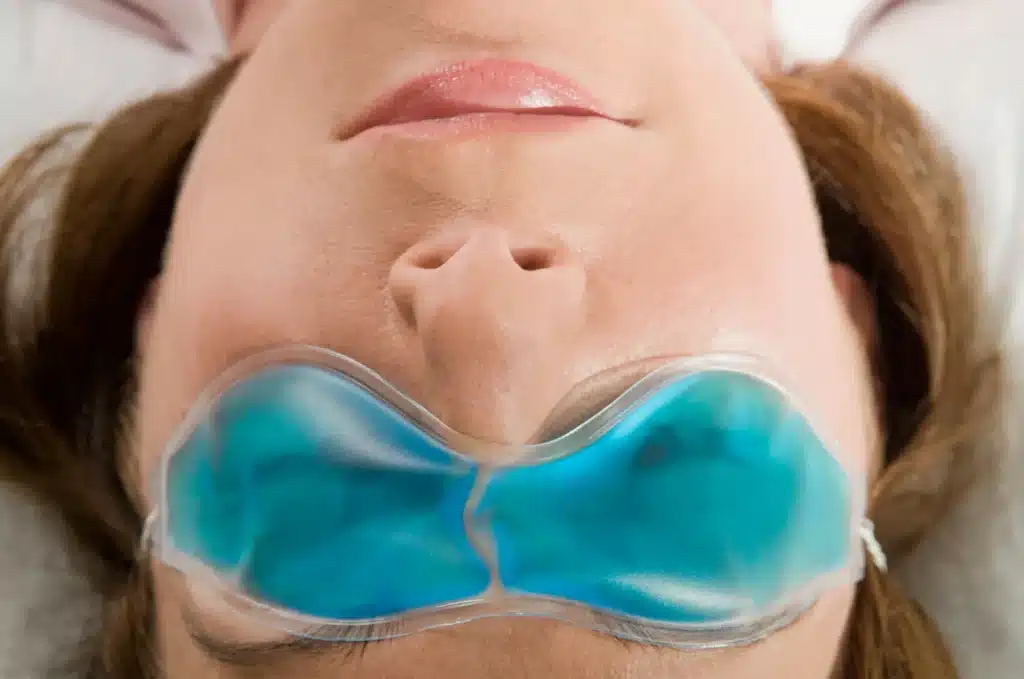
- Use a clean cloth, a gel eye mask, or an ice pack wrapped in a thin towel
- Chill it with cold water or in the fridge; if you use a freezer pack, keep a cloth between it and your skin
Knowing how long to cold-compress your eyes helps keep the skin from getting irritated. Never press hard or put ice directly on your eyelid.
If you have dry eyes, go easy on chilled sessions, since too much cooling can make dryness and irritation worse.
Step-by-Step Instructions
- Wash your hands thoroughly.
- Prepare a clean cloth: cold water for allergies, crying, or injury; warm water for a stye or blocked gland.
- Sit or lie back in a relaxed position
- Place the compress over your closed eyes
- Keep it in place for 10 to 15 minutes, and re-chill or re-warm it as needed.
Common Mistakes to Avoid
- Using dirty cloths or reusing old compresses
- Applying ice directly to the skin
- Pressing too hard on the lid
- Using a pack so cold it stings, or water so warm it feels hot
- Putting heat on fresh allergy swelling or a new injury
- Using the same cloth on both eyes when one may be infected
How Long Should I Keep a Cold Compress on My Eye?
Most sessions run 10 to 15 minutes. For crying or morning puffiness, 5 to 10 minutes is enough. Three or four sessions a day is plenty; the exception is a fresh injury, where one session an hour with a wrapped pack during the first day is fine.
Longer sessions won’t speed things up and can overcool the skin. Watch for redness, numbness, or stinging, and take a break if you notice any.
What to Do When Cold Compresses Don’t Help
If the puffiness hasn’t improved after a few days of compresses, an underlying condition may need medical treatment. For example, bacterial infections may need antibiotic eye drops prescribed by a healthcare provider.
Swelling that worsens or spreads around the eye could signal orbital cellulitis, a medical emergency. In such cases, go to the nearest emergency room or call your eye doctor right away.
What Is the Fastest Way to Heal a Swollen Eyelid at Home?
The fastest route is matching the compress to the cause: cold for allergies, crying, and injuries, and warm for styes and blocked glands. Beyond compresses, these home remedies can support healing:
- Chamomile tea bags chilled in the fridge (skip them if you’re allergic to ragweed or daisies)
- Cucumber slices placed over the eyes
- Over-the-counter antihistamine drops (if allergy-related)
- Avoiding eye makeup and irritants
For a natural remedy for swollen eyes, chilled chamomile bags and cool cucumber slices are among the easiest options to try.
Quick At-Home Solutions
Wondering how to help a swollen eye when the bottom lid is puffy or irritated? Try these:
- Washing your face with cool water
- Using preservative-free artificial tears
- Taking a break from screens to reduce strain
- Sleeping with your head slightly raised so fluid doesn’t pool around the eyes
This approach offers a fast, medication-free home remedy for swollen eyelids.
How to Reduce Eyelid Swelling by Avoiding Triggers
The simplest way to reduce puffy eyelids over time is to cut back on what triggers them. Some of the most common triggers include:
- Allergic reactions to pollen, dust, or cosmetics
- Rubbing the eyes frequently
- Contact lens overuse or poor lens hygiene
- Lack of sleep or high sodium intake
- Chronic sinus issues or hormonal fluctuations
If your bottom lid keeps puffing up, track possible triggers in a symptom journal. That record helps your doctor make a more accurate diagnosis.
When to See a Doctor
Not every swollen eye can be handled at home. Seek medical attention if you notice:
- Severe pain or vision changes
- Swelling that lasts beyond 48 hours
- Yellow or green discharge
- Fever or general illness
- Blurred or double vision that doesn’t improve
- Pain when moving the eye, or an eye that bulges forward
- Swelling of the lips, face, or throat, or trouble breathing (call 911)
Signs It’s More Than Irritation
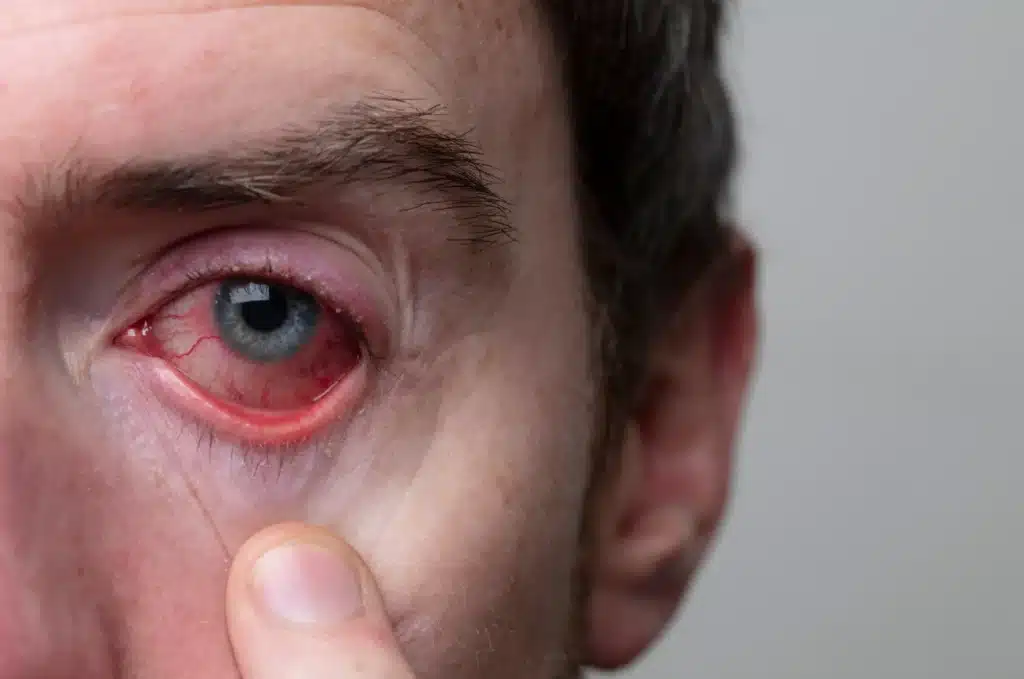
Infection looks different from simple puffiness. Watch for a lid that feels hot, redness that spreads past the lid, fever, pain when you move your eye, or an eye that looks pushed forward. Any of these needs same-day care.
Chronic or Recurrent Eye Swelling
A trusted eye doctor can evaluate recurring issues and determine whether allergies, infections, or anatomical concerns are contributing to your symptoms.
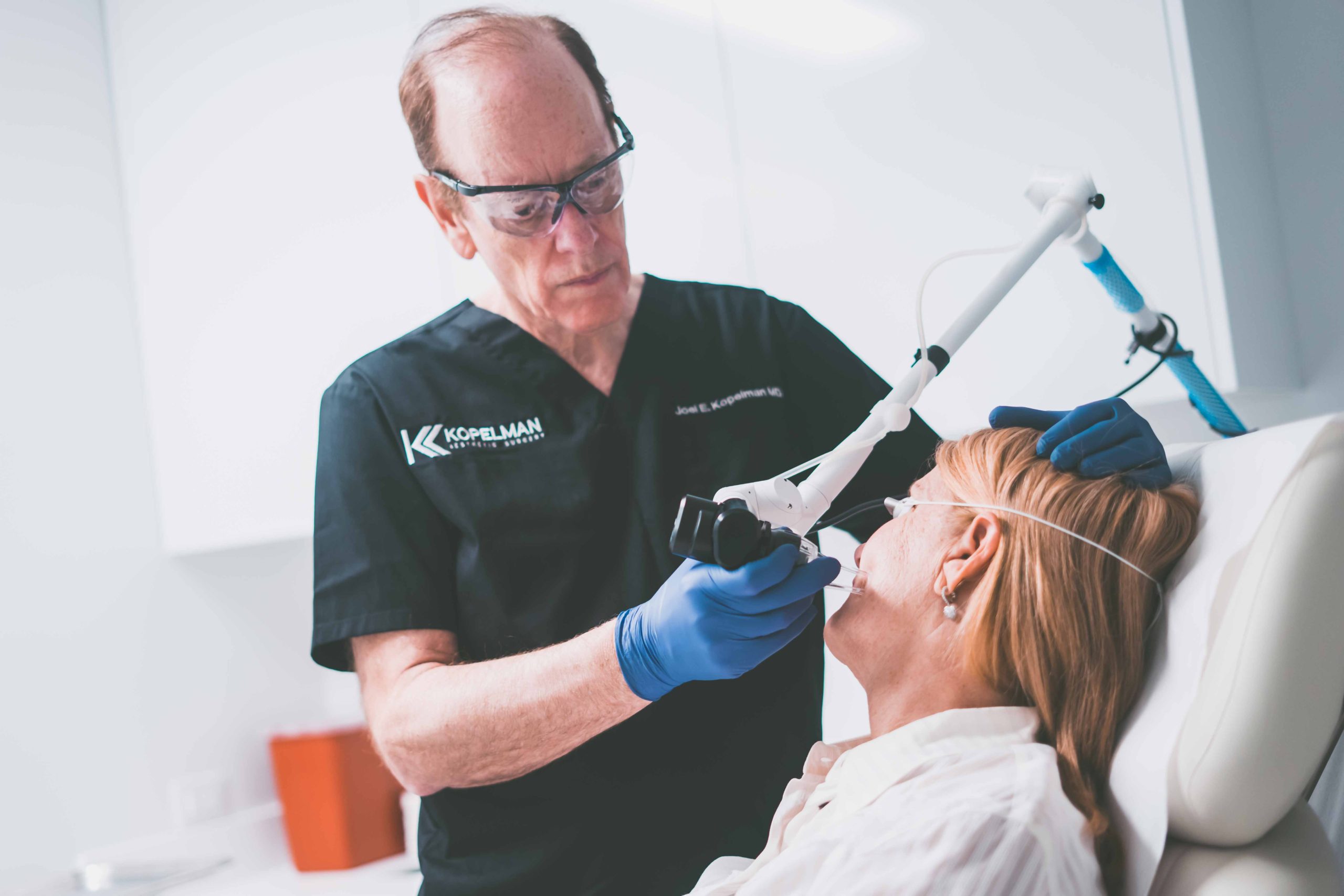
For repeat flare-ups, an oculoplastic specialist like Dr. Kopelman can offer a personalized evaluation. His training in eyelid and facial surgery means he can address both eyelid function and appearance.
If you’re dealing with persistent eye swelling, consult Kopelman Aesthetic Surgery for expert advice and care tailored to your needs.
Frequently Asked Questions About Swollen Eyelid Treatment
How long should I keep a cold compress on my eye?
Keep it on for 10 to 15 minutes per session, a few times a day. After a fresh injury, a wrapped ice pack once an hour during the first 24 hours is fine.
Should you use a warm or cold compress for a swollen eyelid?
Use cold for swelling from allergies, irritation, crying, or injury. Use warm for a stye, chalazion, or blocked oil gland. For a black eye, start with cold and switch to warm after the first day.
Does ice help with swollen eyes?
Yes, as long as you wrap it. An ice pack for eye swelling works best wrapped in a thin towel, and a bag of frozen peas works just as well. Bare ice on the lid can cause an ice burn.
Can I use a cold compress on my eyes before sleep?
Yes. A few minutes with a cool cloth before bed can calm tired, irritated eyes. Take it off before you fall asleep so it doesn’t overchill the skin. For morning puffiness, apply it right after you wake up.
How do I safely treat eyelid swelling at home?
Use the right compress for the cause, add artificial tears, and avoid rubbing your eyes. Rest and avoid allergens when possible. See a doctor if the swelling lasts more than 48 hours or worsens.