
What Causes Volume Loss Under the Eyes?
Fat loss around the eyes is one of the earliest and most visible signs of facial aging. The periocular region contains both superficial and deep fat compartments that sit between the skin, muscle, and bone.
Over time, these compartments thin and deflate due to a combination of genetics, hormonal changes, diet, lifestyle, and natural aging. It is important to emphasize that periorbital hollowing is a condition where there is a noticeable reduction in the volume of fat beneath the skin around the eyes
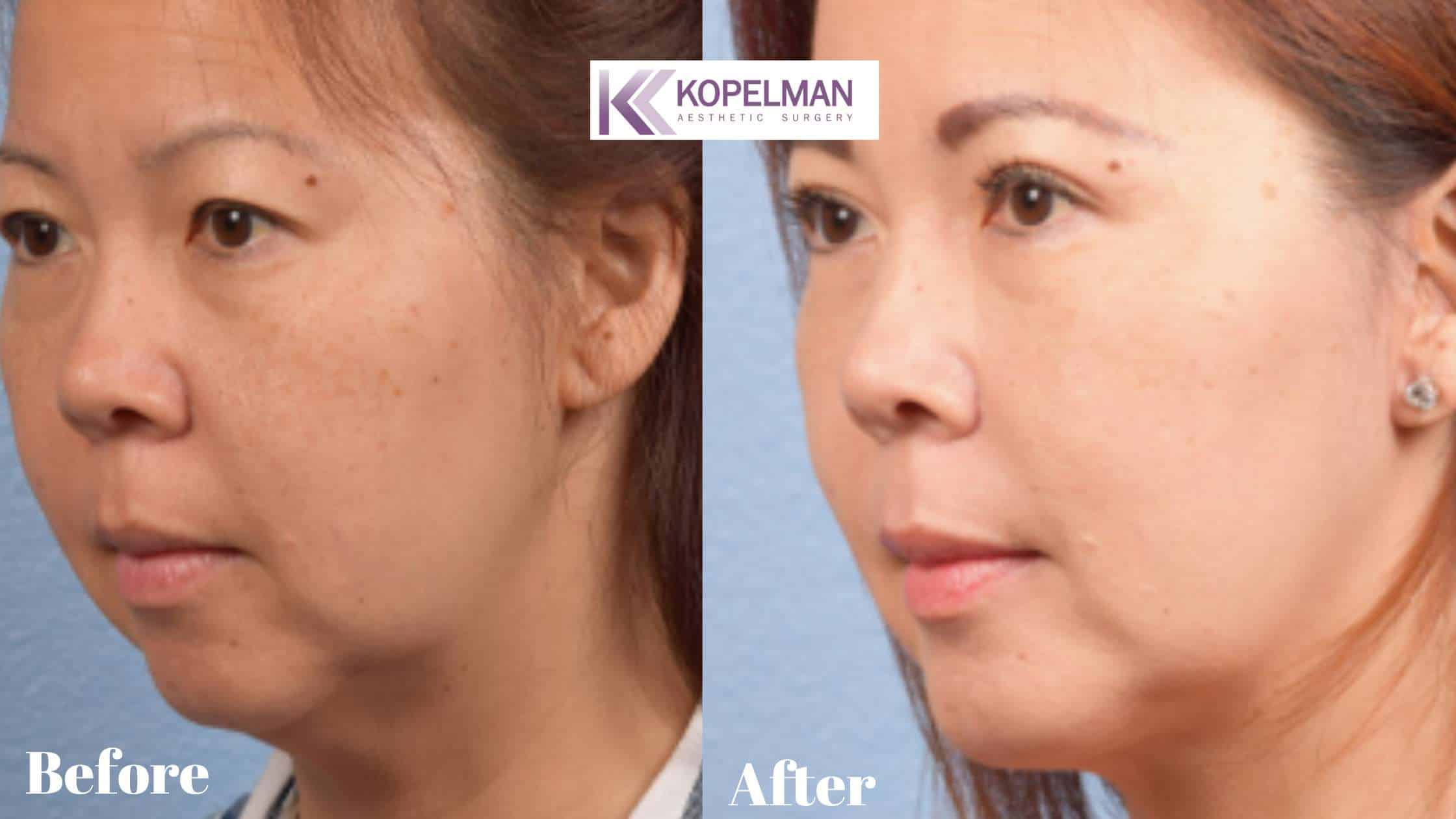
As the subcutaneous layer thins, the underlying bone structure becomes more visible, producing dark circles, tear-trough depressions, and a tired or aged appearance, even in well-rested patients. Understanding the cause matters because it determines the right treatment.
When hollowing is driven primarily by volume depletion rather than by excess skin or muscle laxity, fat grafting can restore what was lost in ways that synthetic fillers cannot always replicate.
Benefits of Under-Eye Fat Injections
Under-eye fat transfer can naturally restore some of the lost volume in the tear trough area. Fat cells are harvested from another part of the body, usually the abdomen, and injected into the area being treated.
This helps to plump up areas of the face that have lost volume due to aging.
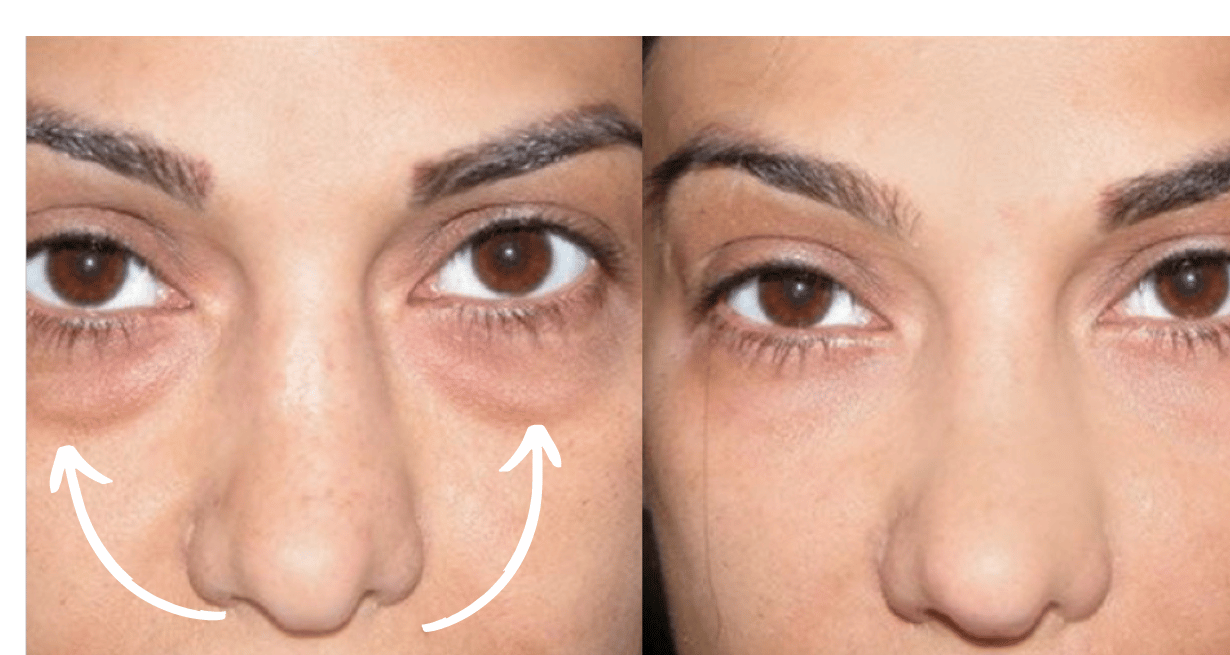
When fat injections under the eyes are used to fill hollow areas, they help create fuller-looking eyes and give the face a more youthful appearance.
In my practice, I have found that patients who are good candidates and who follow their recovery instructions closely tend to see results that look natural and age well over time. The key advantages of under-eye fat grafting include:
1. Eyelid fillers are a great procedure to combine with lower eyelid surgery, brow lift or facelift to improve facial volume loss and look more youthful
2. Unlike hyaluronic acid fillers, fat injections are natural from your own body
3. Adding fat to the under eyes can last longer and, in some cases, permanently restore eyelid volume loss
4. Easy to access fat from multiple areas of your body
5. No risk of allergic reaction because the filler material is your own tissue
Facial Fat Injection Procedure
The first reported use of fat grafting was in 1884, and since then, fat transfer under the eyes has become increasingly popular among oculoplastic, facial plastic, and plastic surgeons.
Today’s techniques are far more refined, and the outcomes are significantly more predictable when performed by a specialist with expertise in the periorbital area.
Step 1: Fat Harvesting
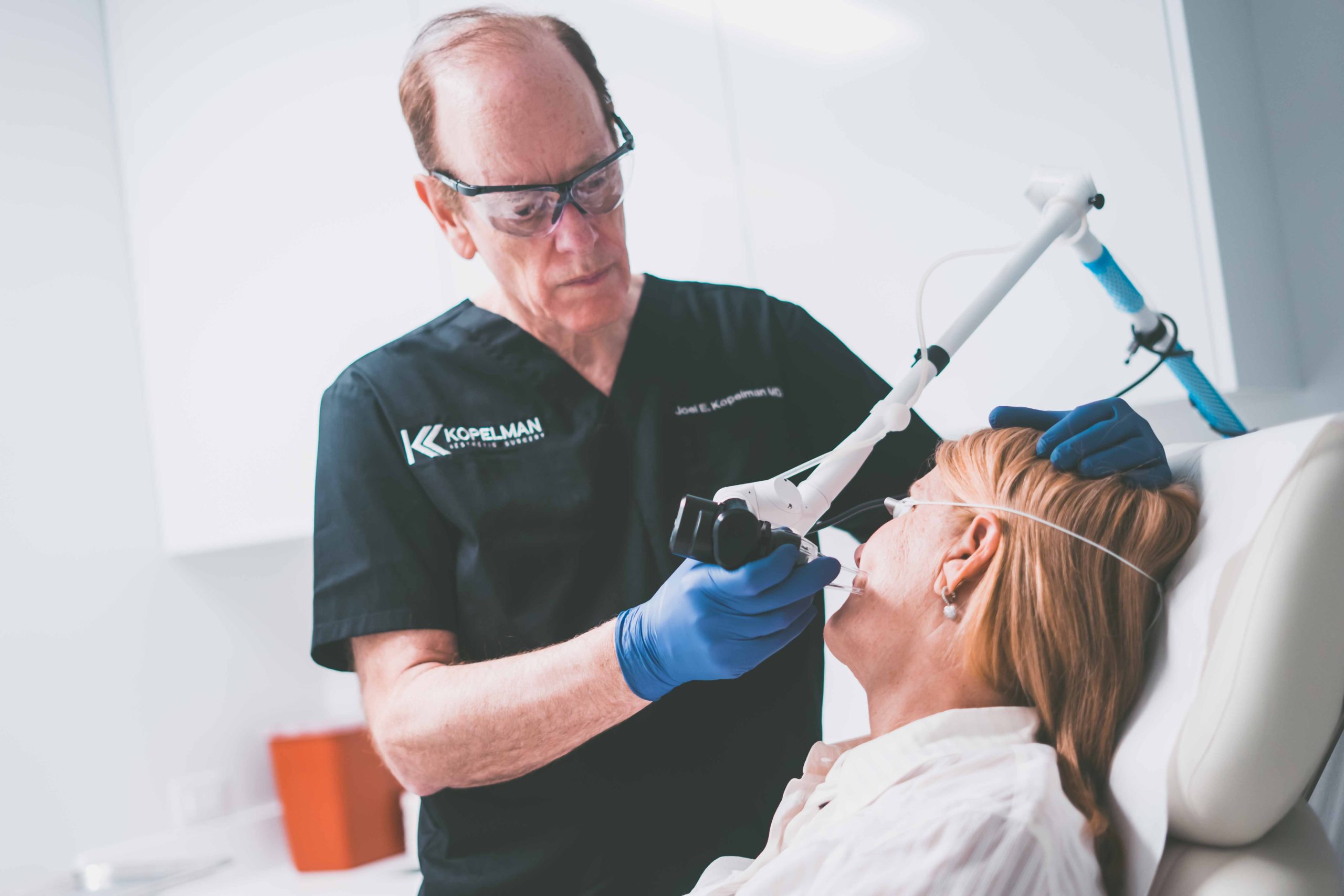
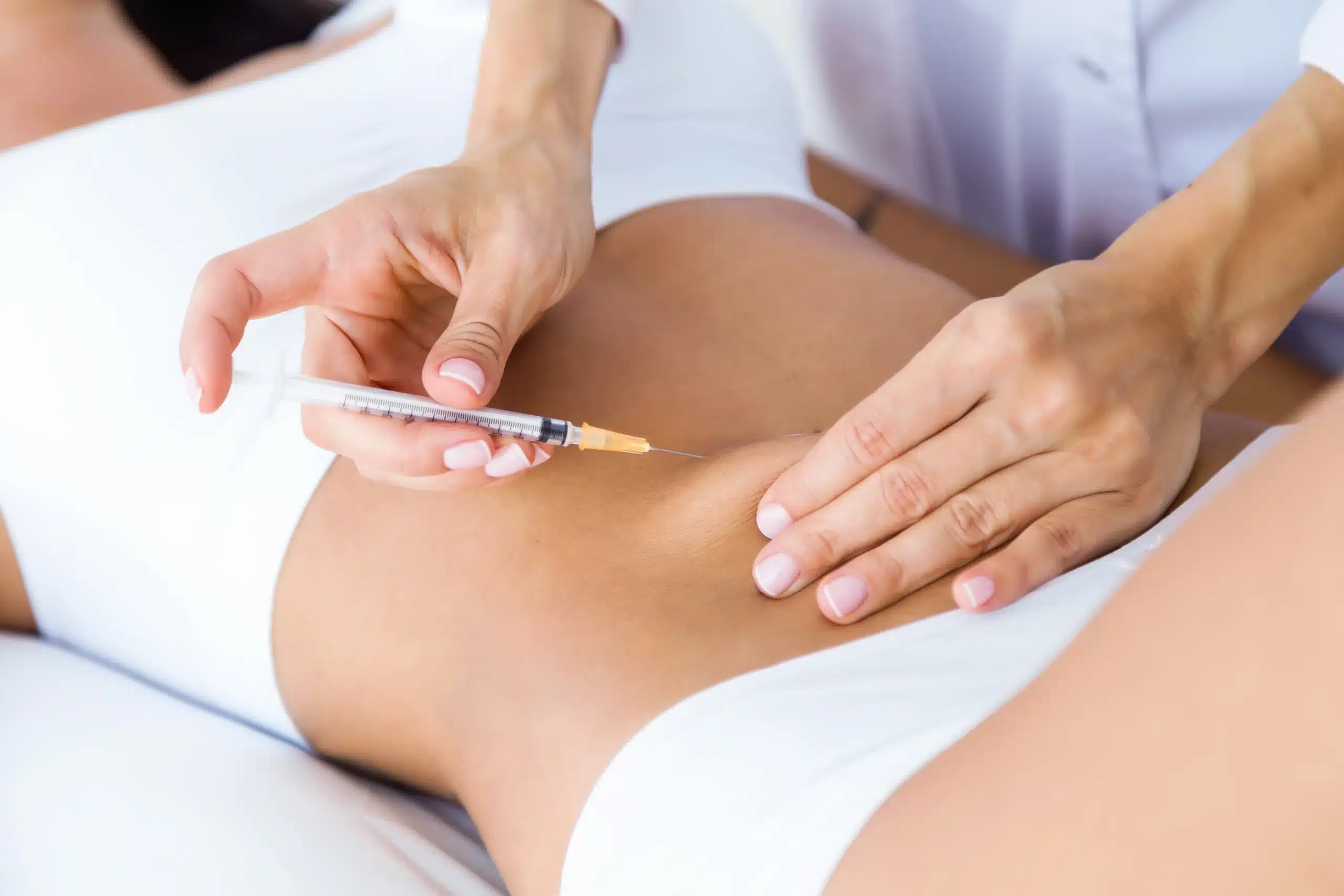
In under-eye fat grafting, fat is obtained from either the abdomen or the inner or outer thigh. The donor area is prepped under sterile conditions, and a tumescent saline solution containing dilute lidocaine is infiltrated into the deep layer. After twenty minutes, the donor site is numbed, and a liposuction cannula (like a metal straw) is used to extract fat.
Step 2: Processing and Purification
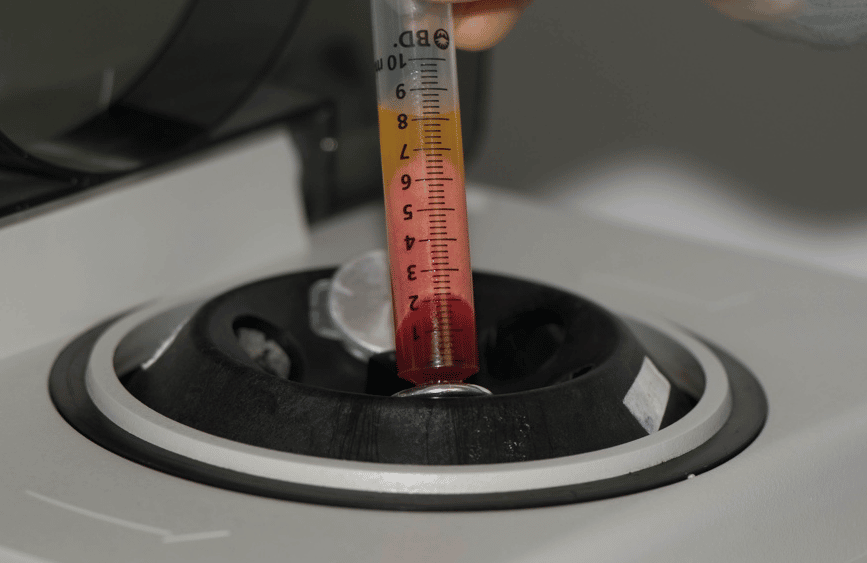
The fat is then placed in a centrifuge for approximately one minute to separate the pure fat from any blood-tinged fluid. The fat is then passed through filters in order to shred it into tiny particles. This step is critical because the smaller the fat particles, the more likely they are to establish a new blood supply and survive long term.
Step 3: Injection
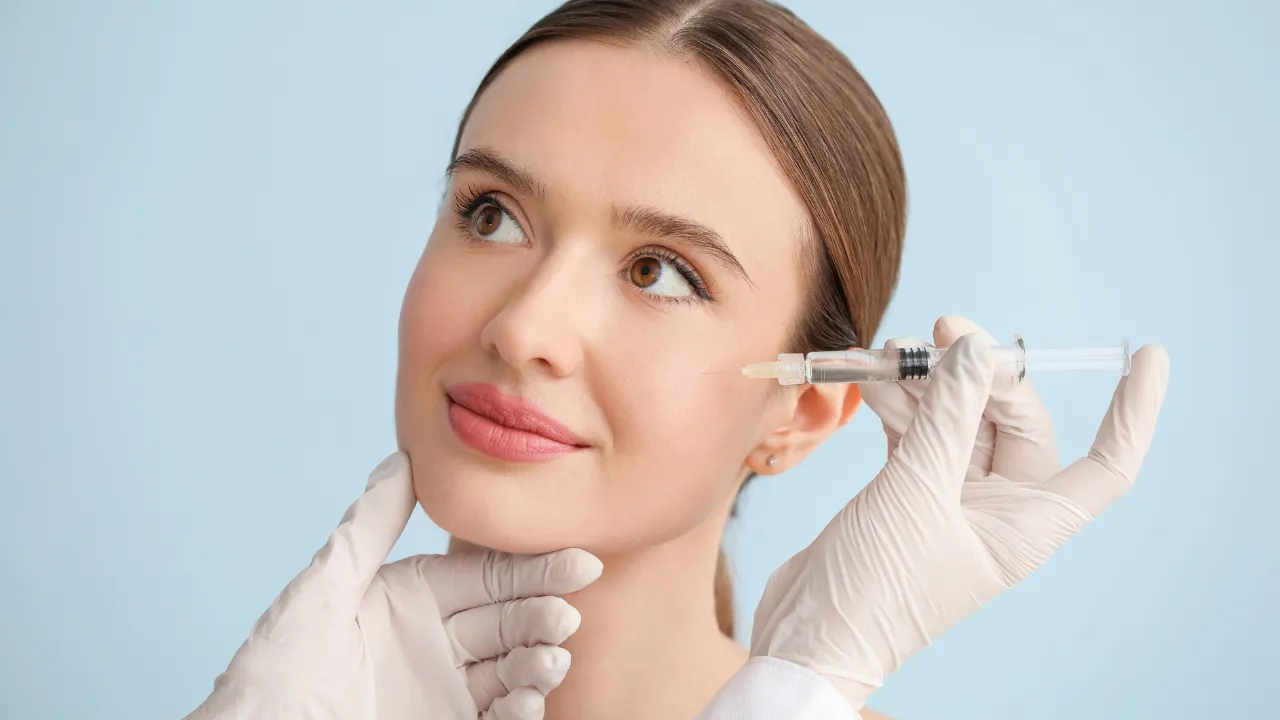
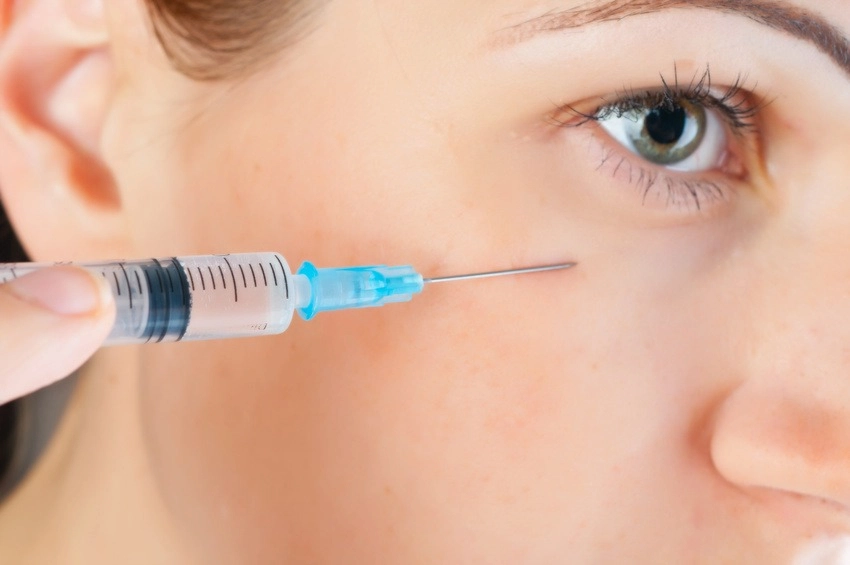
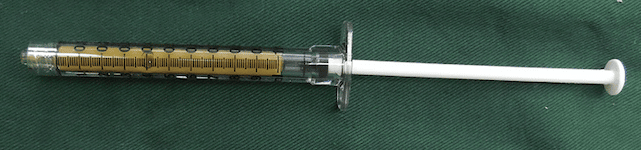
This fat is then placed in small 1cc syringes, and each fat injection under the eye is carefully delivered using a blunt-tipped cannula. In my experience, layering the fat in small amounts across multiple tissue planes is what separates a smooth, natural result from one that looks lumpy or overfilled.
Conservative placement is essential in the periorbital area because the skin here is the thinnest on the body.
This fat is then placed in small 1cc syringes, and each fat injection under the eye is carefully delivered using a blunt-tipped cannula.
It is worth noting that most surgeons intentionally place slightly more fat than the final desired volume. This is because the body reabsorbs a portion of the transferred fat, typically around 30 to 50 percent, during the first several months. The fat that survives and develops its own blood supply tends to remain stable for years.
Are You a Good Candidate for Under-Eye Fat Transfer?
Not everyone is a suitable candidate for fat grafting under the eyes. In general, ideal candidates are patients with noticeable hollowing or volume depletion in the tear trough area and sufficient donor fat for harvesting.
You may be a strong candidate if you have moderate to significant under-eye hollows that contribute to dark circles or a tired appearance, you prefer a long-lasting or potentially permanent solution over temporary fillers, and you have adequate body fat in the abdomen, hips, or thighs for harvesting.
Patients who may want to consider alternatives include those who are extremely thin and lack sufficient donor fat, active smokers (smoking impairs healing and fat graft survival), patients who are pregnant or breastfeeding, and those taking blood thinners or NSAIDs that increase bleeding risk.
Post-menopausal women tend to be especially good candidates because hormonal fluctuations in premenopausal women can sometimes cause transferred fat grafts to enlarge unpredictably. For younger patients or those with mild hollowing, hyaluronic acid fillers may be a better starting point.
Recovery After Under-Eye Fat Transfer
Recovery from fat injections under the eyes involves healing at both the donor site (usually the abdomen) and the injection site around the eyes. Understanding the timeline helps set realistic expectations.
- Week 1: Swelling and bruising around the eyes are at their peak. The under-eye area will look overly full; this is expected and not the final result. Cold compresses can help manage discomfort. Most patients take 5 to 7 days off from work during this period. Avoid bending, heavy lifting, and strenuous exercise.
- Weeks 2 to 3: Bruising fades significantly. Swelling begins to subside, but the area may still appear slightly puffy. Most patients feel comfortable returning to normal social activities. The donor site tenderness also diminishes during this window.
- Months 1 to 3: The transferred fat is establishing a new blood supply. The volume under the eyes will gradually decrease as the body absorbs fat cells that did not successfully graft. This is a normal part of the process and is why the initial result intentionally looks overfilled.
- Months 3 to 6: The final result becomes visible. The fat that has survived is now stable and integrated into the surrounding tissue. At this point, your surgeon can evaluate whether a touch-up session is needed.