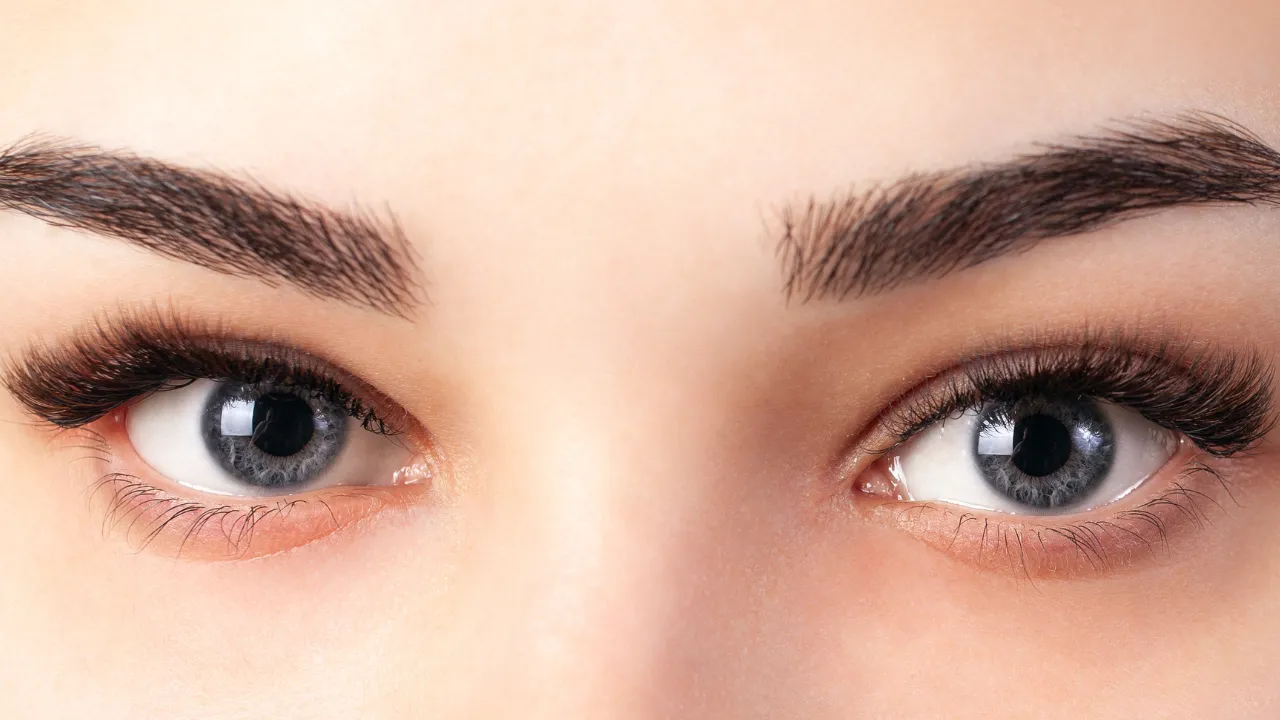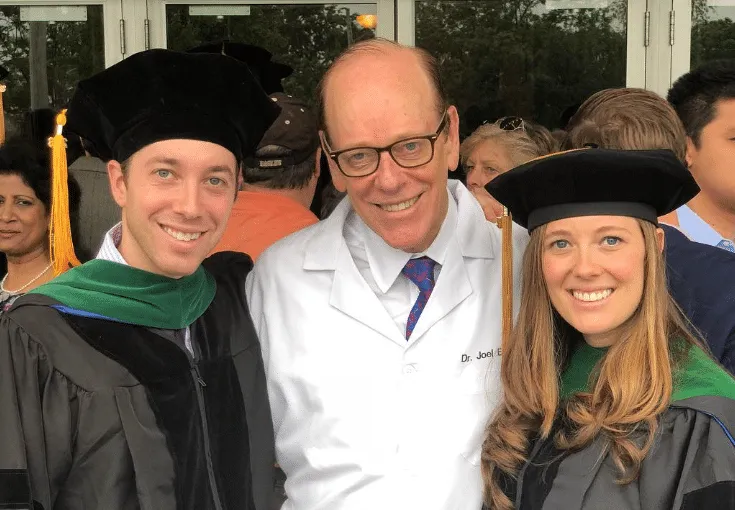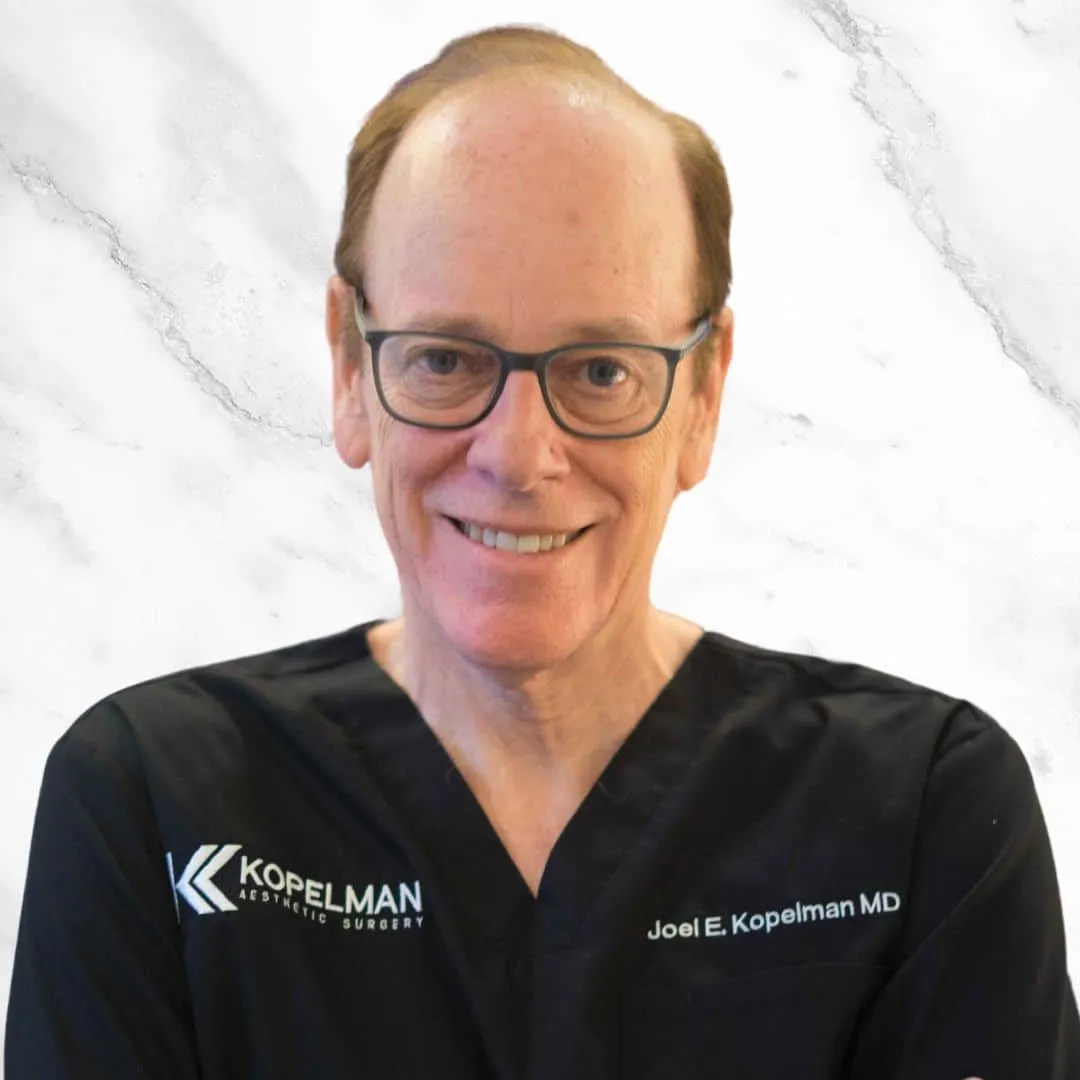

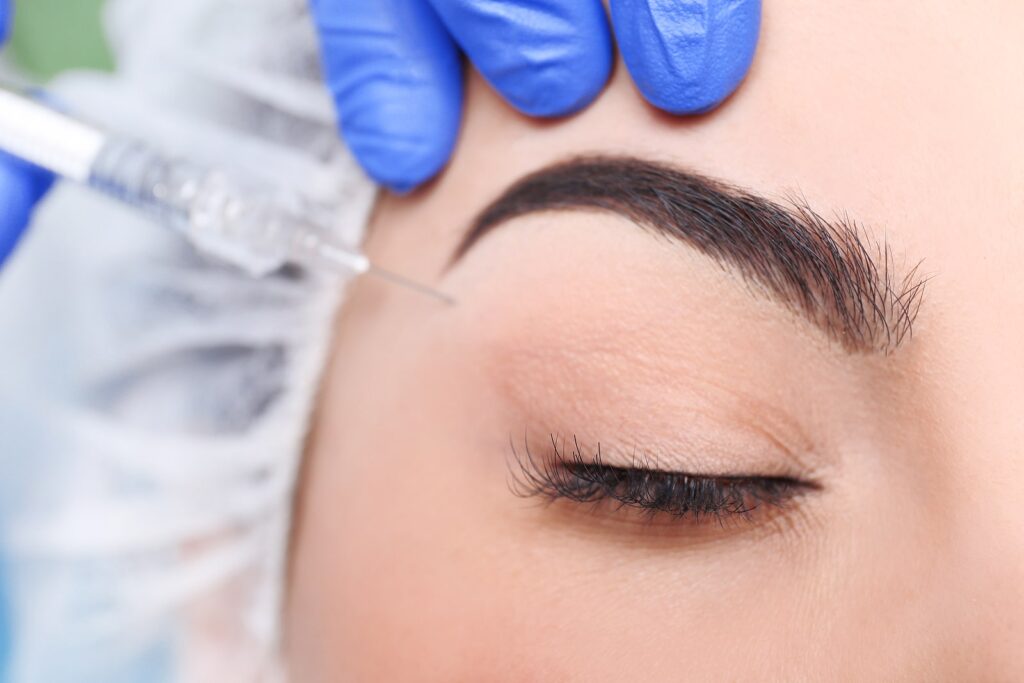
Dr. Joel Kopelman evaluates the lower eyelid area carefully because filler placement under the eyes requires precision, conservative volume, and a clear understanding of eyelid anatomy.
The longevity of any under eyelid filler is dependent on several factors.
- Type of Filler
- Depth of the Injection
- Frequency of Injection
- Botox injection in conjunction with filler
- Individual metabolic rates of break-down of fillers
Type of Eyelid Fillers to Consider for Tear Troughs
To understand how long do dermal fillers last for eyelids, you first must understand that some facial fillers can be permanent, semi-permanent, or temporary. Typically I do not use or recommend permanent fillers around the eyelid skin. These include Radiesse, Bellafill, Silicone, and Artefill.
These fillers are not reversible and may leave you bumpy with nodules. These fillers sometimes need to be removed surgically.
There is no other way to remove them but sometimes the permanent fillers are so integrated into the tissues that they cannot be removed so my best advice is to avoid them as a cosmetic solution under your eyes.
Sculptra is a semi-permanent filler made of poly L lactic acid. This material when injected superficially can cause nodules so because it is unpredictable I don’t recommend using it around the eyelids either.
Fat injections surgically obtained from your hip and inner thigh or belly is exception to a long lasting “permanent” filler that can be used to fill in lower eyelids hollows. Fat when processed and injected in tiny quantities can be a very long lasting option.
It too has some risks including granuloma formations but it does not have the advantages of lasting a long time. It is also possible that the fat can expand especially in hormonally active younger women.
Hyaluronic acid (HA) gels are a temporary but good choice in most people who want immediate gratification without having to undergo surgery, they are reversible if you get too much filler and in most cares are well tolerated.
But not all HA fillers are the same. Juvederm and certain Restylane products are highly cross linked that can cause significant swelling and are difficult to reverse with hyaluronidase (an enzyme that breaks down H/As).
Restylane is a great choice for under eyelid filling to reduce dark circles and under eyelid hollows. If you’re asking how long does restylane under eye filler last, Restylane L can last anywhere between 6 months to 18 months, sometimes longer.
How Long Should Filler Under Your Eyes Last
When evaluating how long do dermal fillers last under eyes, the longevity of any filler can depend on an individual ability to metabolize (or break down) the filler.
Some people metabolize the filler very quickly and therefore the benefit is shorter compared to other pole who slowly break down the filler. There is no test to determine if you are a fast metabolizer or a slow one.
I have found that this people people in general break down the filler faster. Which makes sense because their overall body metabolism is higher because they don’t gain weight easily.
How Long Do Under Eye Fillers Last?
Most patients want to know how long results will last before needing another treatment. In general, under eye fillers can last between 6 to 18 months, depending on the type of filler used, injection depth, and individual metabolism.
Areas with less movement, like the lower eyelid, tend to maintain results longer compared to other parts of the face.
Filler Injector Technique & Impact On Cosmetic Outcome
Some people wonder whether the injecting techniques can determine how long an eyelid filler will last. The answer is yes.
If a filler is impacted deep within the lower eyelid it is less likely to cause an irregular bumpy surface problem however a deeper injection will probably be absorbed more quickly because the blood supply surrounding the material is greater and there it is likely to be reabsorbed more quickly.
If you’re considering areas beyond the tear trough, you may wonder how long does upper eyelid filler last, and the answer also depends on the location on the face where a filler is injected.
For instance injections around the mouth generally last between 6-9 months. This is because you are talking, chewing, and smiling all day long which mobilizes the filler and it gets absorbed more quickly.
In comparison the lower eyelid does not move as much and therefore the filler in this area tends to last longer, sometimes up to 18 months.
Some people wonder if they need as much H/A filler every time they come in. The answer is that they probably do not. Overtime the filler itself can lead to a new collagen formation.
This can occur due to the “ballooning” effect of the filler which actually stimulates collagen deposition and the filler itself can cause low grade inflammation which will result in collagen repair. So overtime you will probably need less filler to accomplish you aesthetic goals.
Benefits of Botox with Eyelid Facial Fillers
Some patients ask about the duration of botox and fillers for eyelids and whether there is any way to prolong the benefit of lower lid fillers in the tear troughs.
The answer is yes. Botox inhibits the contraction of muscle so if Botox is used in conjunction with the lower eyelid hyaluronic acid filler there will be less movement of the muscles around the eyelids which will allow the filler to last longer.
No. Most patients report only mild to moderate discomfort.
Most people return to light activities within 7 to 10 days.
Full facelifts involve the most discomfort due to deeper tissue work, but it remains manageable.
Sudden, severe, or spreading pain—especially with swelling or fever—should be reported to your surgeon.
Most under eye fillers last between 6 to 18 months, depending on the type of filler, injection technique, and individual metabolism. Some patients may notice results lasting longer with maintenance treatments.
Dermal fillers in the eyelid area tend to last longer than in more mobile areas of the face. Reduced movement allows the filler to break down more slowly, extending results in many cases.