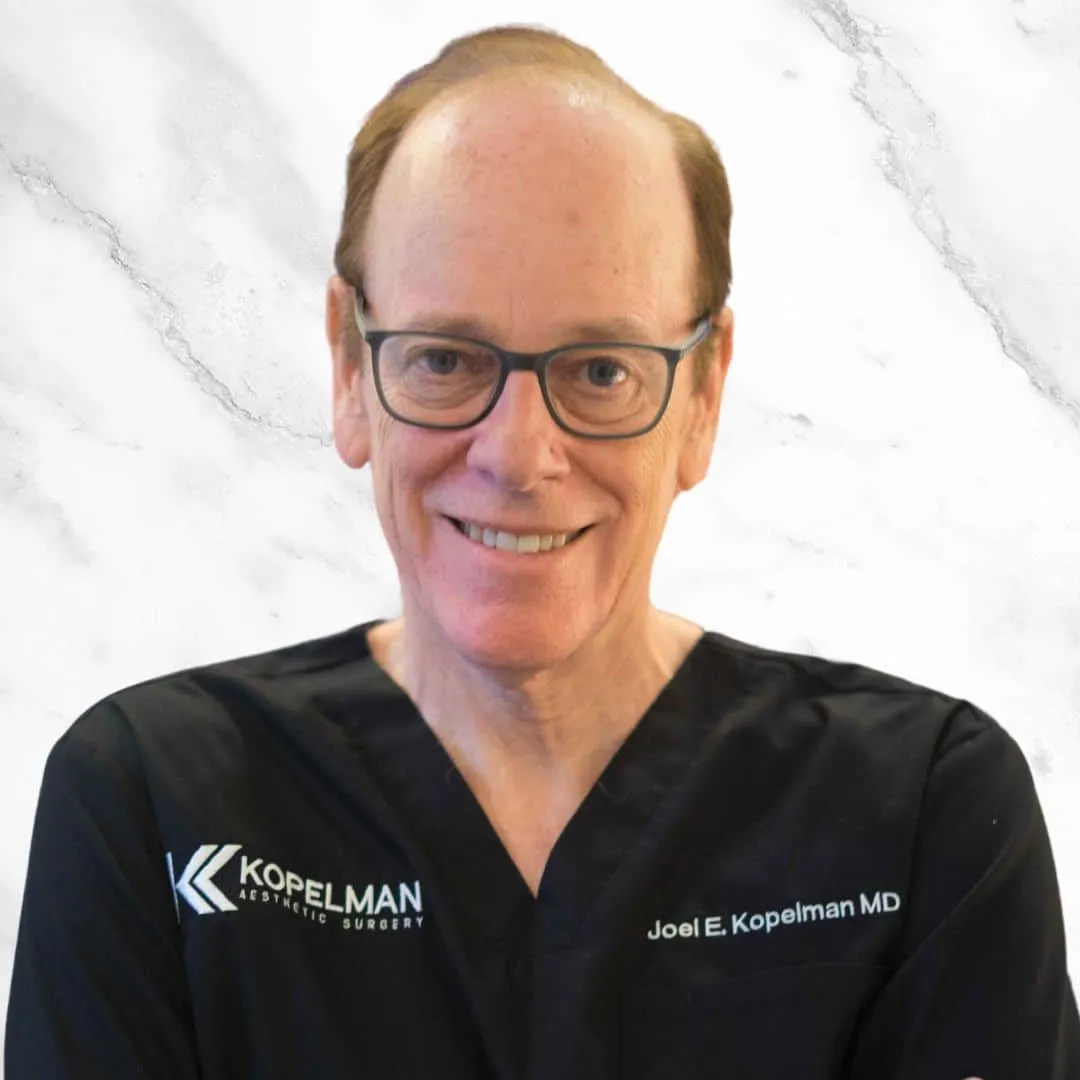


Dr. Joel Kopelman, founder of Kopelman Aesthetic Surgery in New York City, offers insight into safe, effective ways to address this concern at home.
This guide explores natural strategies to tighten eyelids and maintain a refreshed look. You’ll learn how to tighten eyelids at home using simple, evidence-based approaches, including how to fix hooded eyes naturally using conservative methods.
Key takeaways
- Cold compresses, gentle massage, and hydrating eye creams can temporarily firm and smooth puffy or dry-looking eyelid skin, though they will not remove excess skin.
- Eyelid exercises and resistance techniques may help tone the muscles that lift the lid, but clinical research on how much they actually help is limited.
- True ptosis, where the levator muscle itself weakens or separates, usually needs medical or surgical correction; skincare and exercise will not fix it.
- Sudden, one-sided, or rapidly worsening drooping can signal a medical emergency and calls for prompt evaluation, not a home routine.
- When at-home methods plateau, blepharoplasty or ptosis repair are the most reliable long-term options.
Causes of Droopy or Hooded Eyelids
Aging and Loss of Elasticity
As we age, the skin around the eyes loses collagen and elastin, proteins that help keep the skin firm. Reduced production can cause the upper eyelids to droop, leading to sagging skin.
Medical Conditions Like Ptosis
Ptosis is a condition in which the upper eyelid falls over the eye because of weak eyelid muscles or nerve issues, and it can affect one or both eyes.
According to the American Academy of Ophthalmology, some cases are present at birth, known as congenital ptosis, while others, called acquired ptosis, develop later in life as the levator muscle stretches or weakens.
When Sudden Drooping Needs Immediate Care
Most droopy or hooded eyelids develop gradually and are not an emergency. But a few signs call for same-day medical attention: eyelid drooping that appears suddenly, affects only one side of the face, or shows up alongside slurred speech, arm weakness, double vision, or a drooping mouth.
These can point to a stroke or another neurological event.
If drooping develops quickly for no clear reason, or comes with any of the symptoms above, call 911 or go to the nearest emergency room rather than trying a home remedy first.
Lifestyle Factors That Weaken the Eyelids
Smoking, poor sleep, and sun exposure can contribute to droopy eyelids. Frequent eye rubbing or harsh makeup removers can also damage the skin and muscles around the eyes over time.
Lifestyle Changes That Support Firmer Eyelids
Daily habits influence how the skin around your eyes ages. Minor changes may improve long-term results.
- Get enough sleep to reduce puffiness and maintain skin elasticity.
- Stay hydrated to support overall skin health.
- Wear sunglasses to protect against UV damage.
- Avoid smoking, which breaks down collagen and accelerates sagging.
While these changes won’t produce instant results, they can prevent further drooping and help maintain the benefits of an at-home routine.
Non-Surgical Eyelid Lift: What Works
How to Fix Droopy Eyelids Instantly
If you’re looking for how to fix droopy eyelids instantly, before an event or first thing in the morning, several temporary methods can help.
- Cold spoons or a chilled eye mask applied for 5 to 10 minutes can reduce puffiness and temporarily tighten the skin.
- Eyelid lifting strips can hold the appearance of a lifted lid for several hours.
- A cream highlighter swept just under the brow arch opens up the eye area right away.
These fixes won’t treat the root cause, but they offer a quick visual lift when you need one.
Creams and Ingredients That Help Tighten Eyelid Skin

Creams containing peptides, caffeine, or hyaluronic acid can gradually tighten eyelid skin. Look for products labeled for use on the upper eyelid, and apply them gently with your ring finger to avoid pulling the thin skin in this area. Most people need 8 to 12 weeks of consistent use before noticing a difference.
Consistent use may also help those trying to learn how to fix upper eyelid exposure, since firmer skin sits higher and shows less hooding over time.
Gua Sha and Natural Massage Techniques
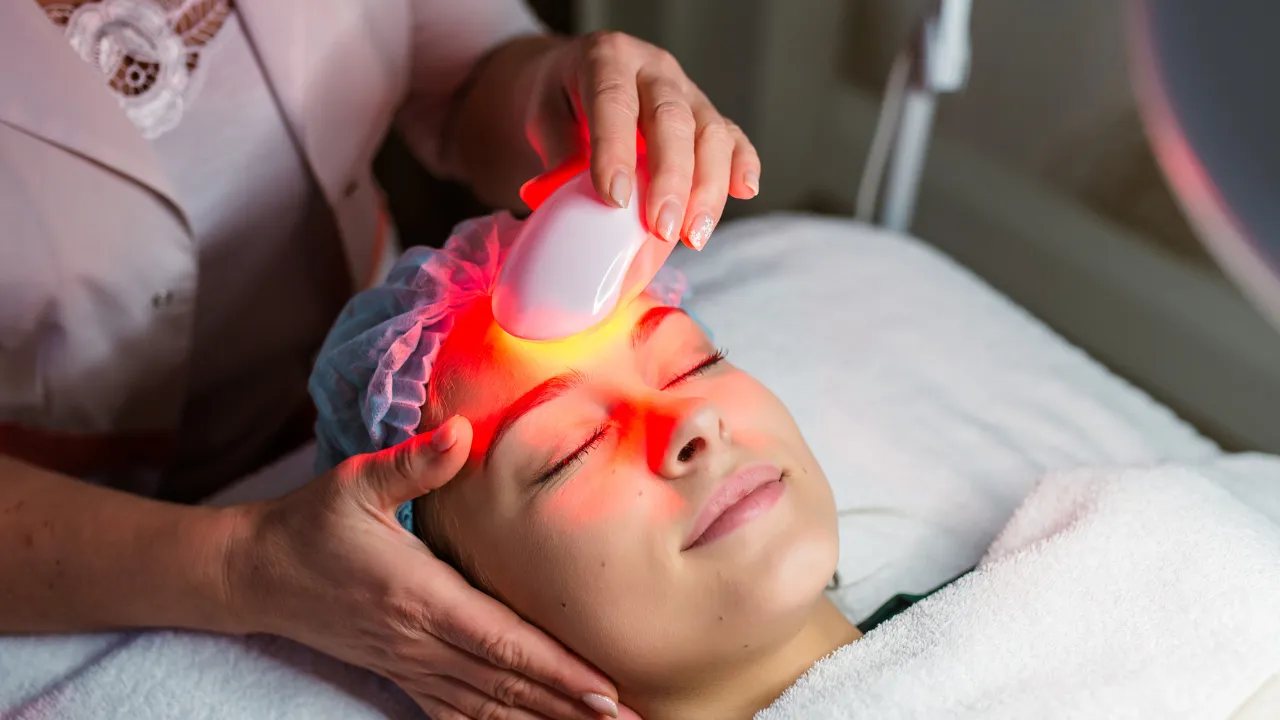
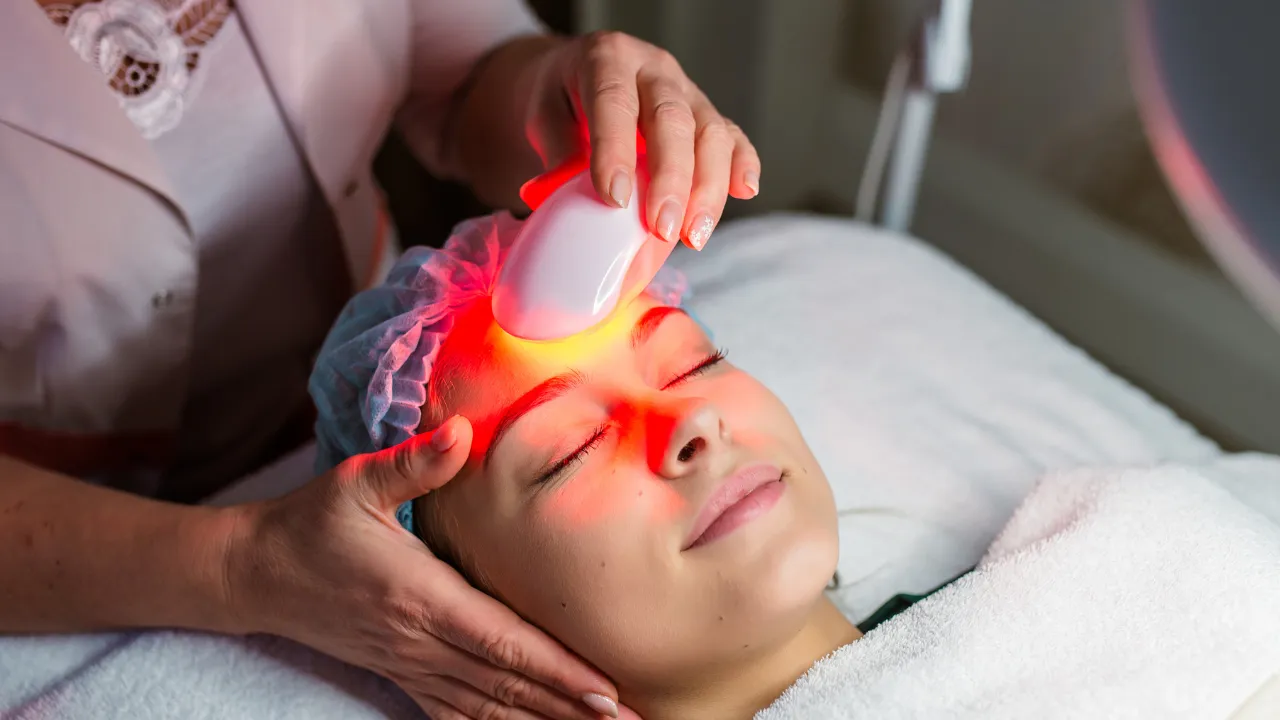
Using a gua sha tool around the eye for 1 to 2 minutes per side may improve circulation and reduce fluid retention. Always apply light pressure and glide along the orbital bone rather than dragging across the eyelid itself. Use a facial oil first to reduce friction on this delicate skin.
Tools and Devices for At-Home Eyelid Tightening
Some at-home tools may support an eyelid-firming routine when used consistently:
- Microcurrent devices, used for about 5 minutes daily, stimulate eyelid muscles to improve tone.
- LED light therapy, typically 10 minutes per session, supports skin firmness.
- Eyelid tape offers a temporary cosmetic lift that can last through a full day when applied correctly.
Use these tools with care and follow the manufacturer’s instructions for safe results.
Makeup Tips for a Quick Eye Lift
- Use a matte shadow above the crease to create the illusion of lift.
- Avoid heavy eyeliner on the lower lid, which can drag the eyes down.
- Curl lashes and apply mascara upward for an open-eye effect.
Makeup adjustments can also visually reduce hooding and are often part of strategies for reducing hooded eyes overnight without medical intervention.
Eye Drops and Cold Treatments
Some over-the-counter eye drops reduce redness and mild swelling. Cold compresses held against closed eyes for 5 to 10 minutes can temporarily tighten the skin and soothe inflammation caused by fatigue or allergies.
Eyelid Exercises for Lifting and Firmness
Best Natural Eye Lift Exercises
Gentle eyelid exercises may improve muscle tone over time, though research on their effectiveness remains limited. One common method is to raise your eyebrows while slowly closing your eyes, hold the position for 3 to 5 seconds, then release. Repeat 10 times per set, for 2 to 3 sets daily.
How to Strengthen Upper Eyelid Muscles
Another option is to place a finger under the brow to hold it in place while gently trying to close your eyes against that resistance. Hold for 5 seconds, release, and repeat 10 to 15 times, once or twice a day. This movement targets the levator muscle, the same muscle responsible for true ptosis when it weakens.
Eyelid exercises for upper eyelid exposure asymmetry can help when one eyelid appears to droop more than the other. Try isolating the more affected side by holding just that eyebrow in place while the other eye rests, then add a few extra reps on that side.
Consistency matters more than intensity, and stop any exercise if it causes pain, blurred vision, or eye strain.
Before and After: What to Expect From Eyelid Exercises
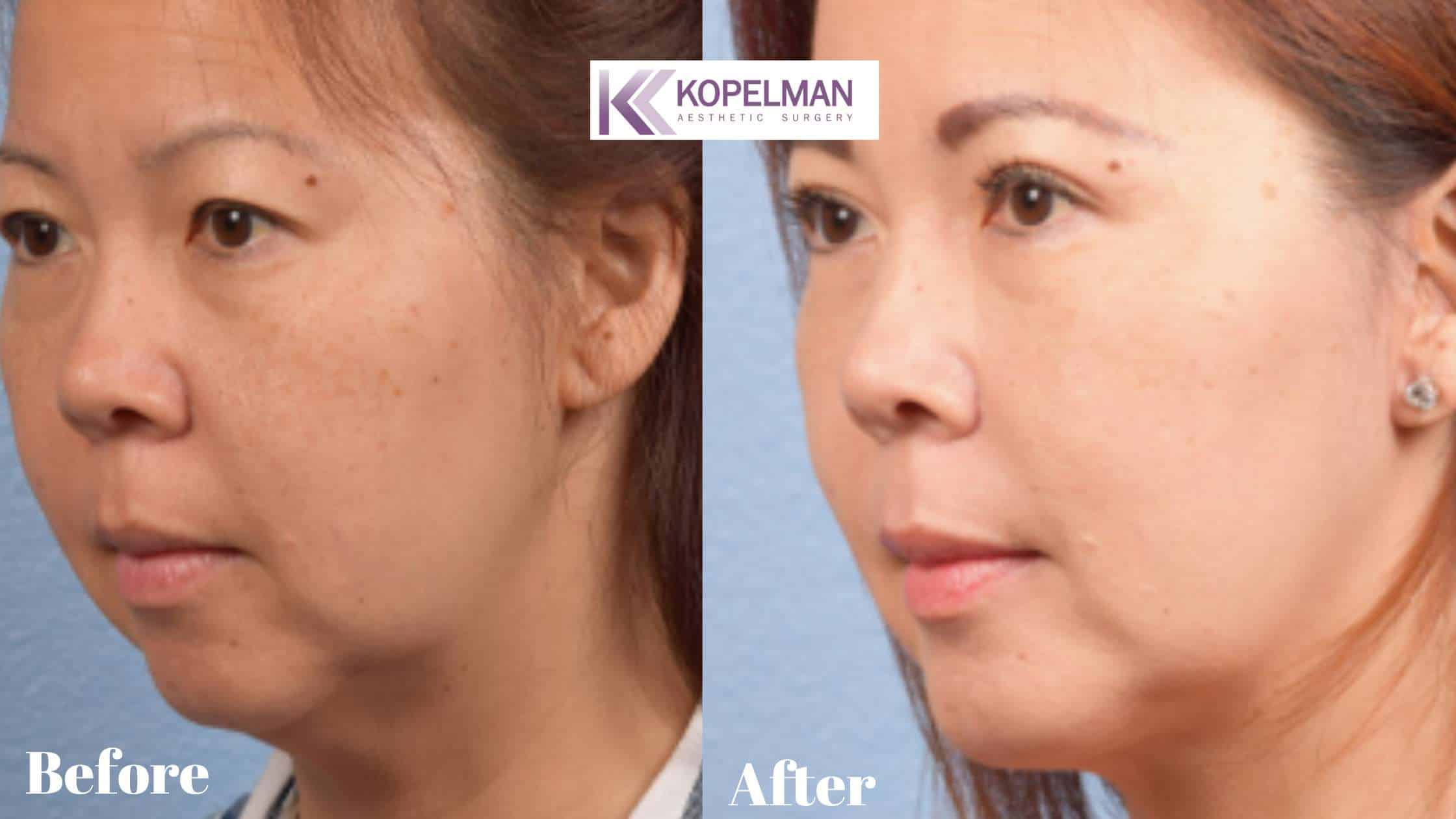
Results vary depending on age, skin type, and consistency. Most people who stick with a routine notice initial changes within 3 to 4 weeks, though full results, if any, typically take 8 to 12 weeks of consistent practice. While exercises can’t reverse sagging entirely, they may subtly firm the eyelid muscles.
Is Surgery-Free Eyelid Lifting Possible?
If you’re looking for how to fix droopy eyelids without surgery, the answer depends on what’s causing the drooping in the first place. Mild hooding from lost skin elasticity often responds reasonably well to the topical, exercise, and lifestyle steps described above.
True ptosis is a different story. It happens when the levator muscle itself weakens or separates from the eyelid, and there’s no proven non-surgical cure for muscle-based ptosis.
Eyelid creams, massage, and a consistent skincare routine can improve surface firmness and help prevent further sagging, especially with sun protection and not smoking, but they can’t correct true ptosis at its source.
Surgical treatment such as ptosis surgery is typically recommended for confirmed cases, especially once the condition affects vision.
When Natural Methods Fall Short
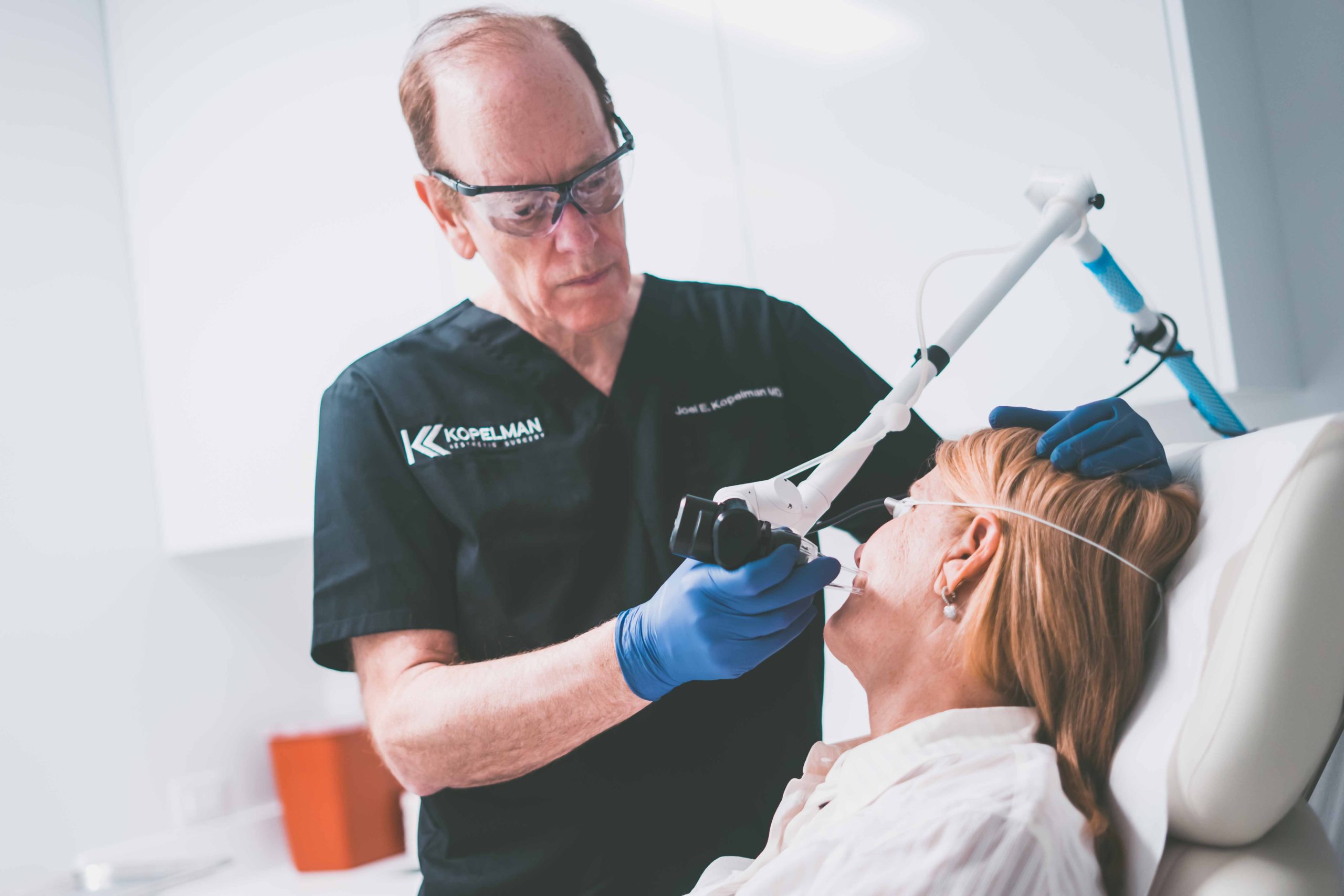
If drooping affects your vision or your self-esteem, natural methods may not be enough. At this point, professional evaluation is essential. Dr. Kopelman can assess your condition and recommend appropriate treatment options.
When to Consider Blepharoplasty or Eye Lift Surgery