After more than 40 years in facial plastic surgery, I’ve seen thousands of people who want to know one thing before anything else: what is the best anti-wrinkle cream I can use at home? The honest answer is that no single product works for everyone, but the right combination of proven ingredients, matched to your skin type and concern, can produce visible improvements in fine lines, texture, and firmness within 8 to 12 weeks.
Below, I’ll walk you through exactly what I recommend to my own patients at Kopelman Aesthetic Surgery. That includes specific products, the science behind the ingredients that actually work, and where over-the-counter creams stop and clinical treatments begin.
What Anti-Wrinkle Creams Actually Do (and What They Don’t)
How They Work on Aging Skin
As we age, the skin loses collagen at roughly 1% per year after age 30[1], and elastin production slows accordingly.
Anti-wrinkle creams target this process in three ways: they accelerate cell turnover so fresher skin surfaces faster, they deliver hydrating molecules that temporarily plump fine lines, and they deposit antioxidants that help defend against UV and environmental damage.
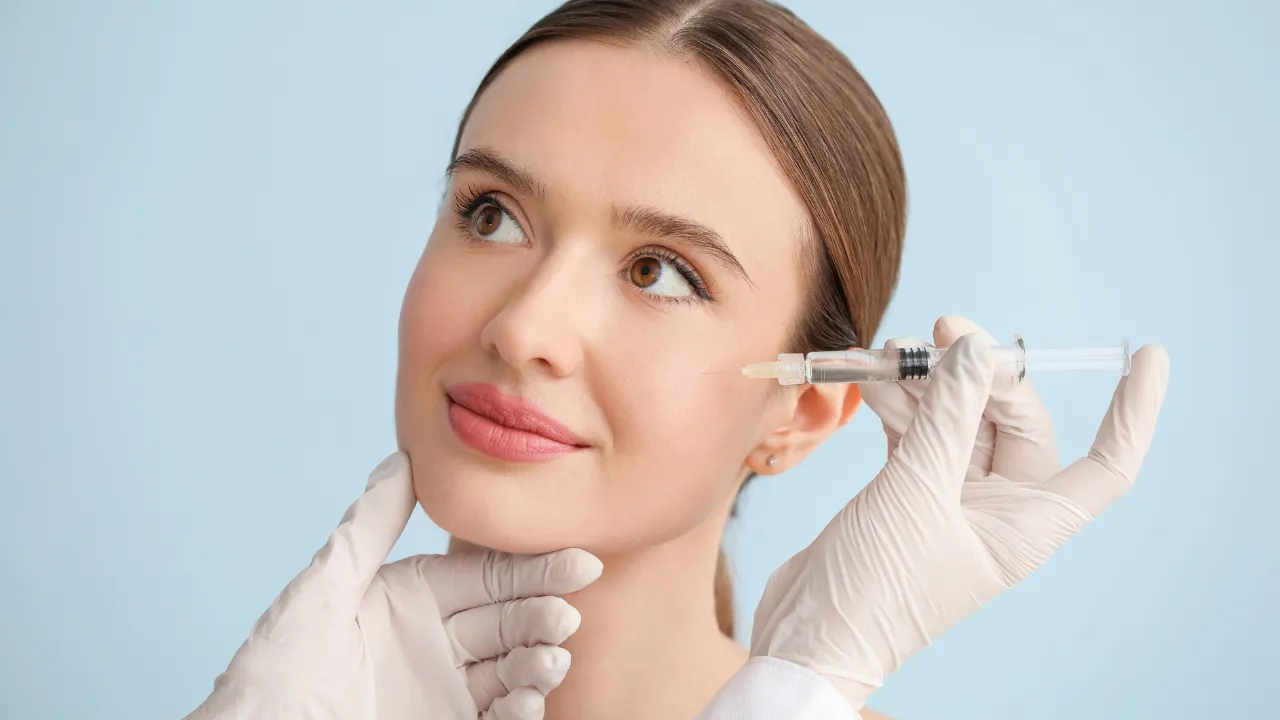
What they cannot do, and this is a conversation I have with patients regularly, is replicate the results of a facelift, laser resurfacing, or injectable treatments. Deep folds around the nose and mouth, significant laxity along the jawline, and heavy under-eye bags require structural intervention.
Creams are best understood as maintenance tools. They slow the clock and complement professional treatments, but they don’t replace them.
Key Ingredients That Make a Difference
The effectiveness of any anti-aging cream comes down to its active ingredients. In my practice, I focus on the following because they have the strongest clinical support:
- Retinol (Vitamin A derivative): The single most evidence-backed topical for wrinkle reduction. It promotes collagen synthesis and accelerates cell renewal. Start with concentrations of 0.25% to 0.5% and work up to 1% over several months. Note: retinoids should not be used during pregnancy.
- Peptides: Short chains of amino acids that signal the skin to produce more collagen.
Look for Matrixyl (palmitoyl pentapeptide-4) or copper peptides on the label, as these have the most published research behind them.[3]
- Hyaluronic Acid: A humectant that holds up to 1,000 times its weight in water. It does not permanently reduce wrinkles, but it plumps dehydrated skin right away and makes surface lines less visible within days.
- Vitamin C (L-ascorbic acid): An antioxidant that brightens skin tone, helps fade hyperpigmentation, and provides a layer of protection against UV-generated free radicals. Effective serums are typically 10% to 20% concentration and packaged in opaque, air-tight containers to prevent oxidation.[4]
- Niacinamide (Vitamin B3): Reduces inflammation, supports the skin barrier, and can improve uneven tone. Well-tolerated by sensitive skin types and works synergistically with most other actives.[5]
- Ceramides: Lipid molecules that reinforce the skin’s moisture barrier. Especially important in products designed for people over 50, whose barrier function is often compromised.
When selecting a product, look for formulas that combine at least two of these actives rather than relying on a single ingredient.
Dr. Kopelman’s Top Anti-Wrinkle Cream Picks
These are the products I most frequently suggest to patients.
I’ve organized them by primary concern, because the top anti-wrinkle cream for someone dealing with early fine lines is different from the best cream for deep wrinkles on mature skin.
Best Overall Anti-Wrinkle Cream
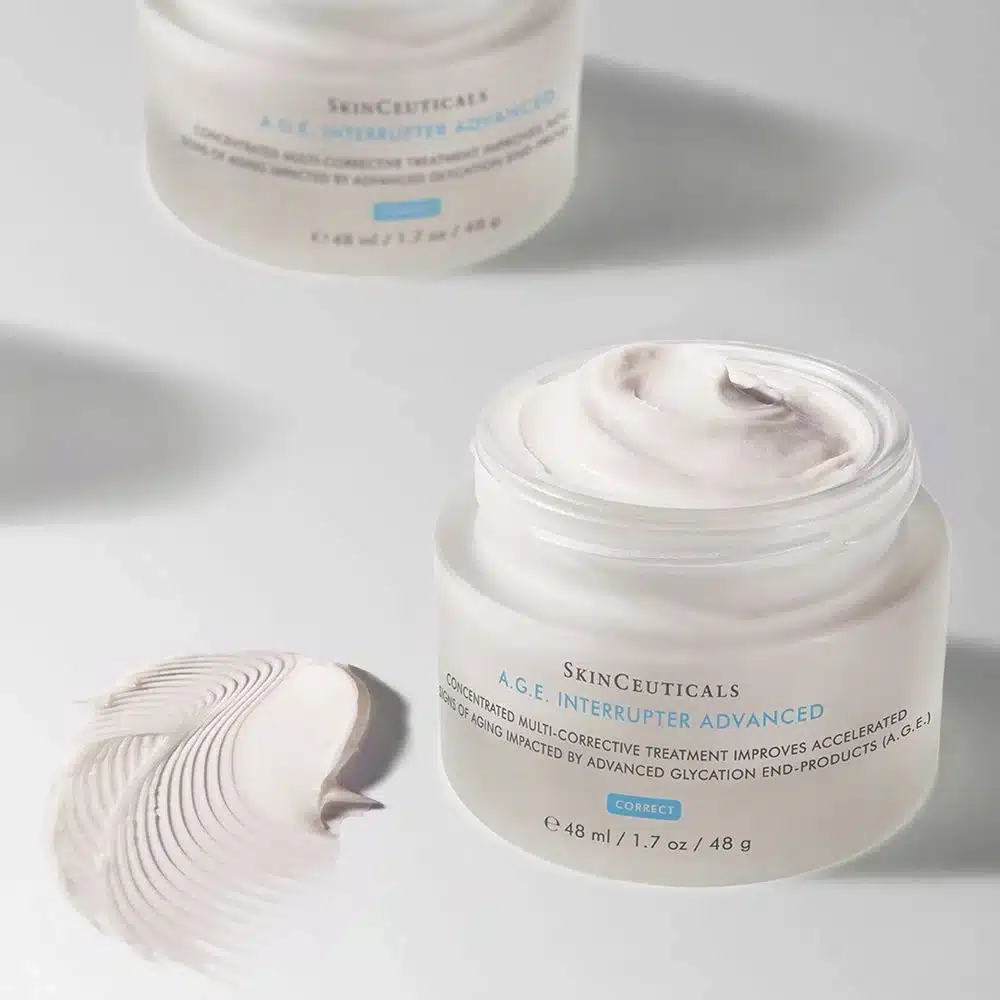
SkinCeuticals A.G.E. Interrupter, approximately $172 for 1.7 oz.
This is my go-to for people who want a single, high-performance daily cream. It combines a proprietary blueberry extract with proxylane and phytosphingosine to target advanced glycation end-products (A.G.E.s), which are a major contributor to collagen stiffness and visible aging. It absorbs cleanly without a greasy finish and layers well under sunscreen.
Best Retinol Cream for Beginners
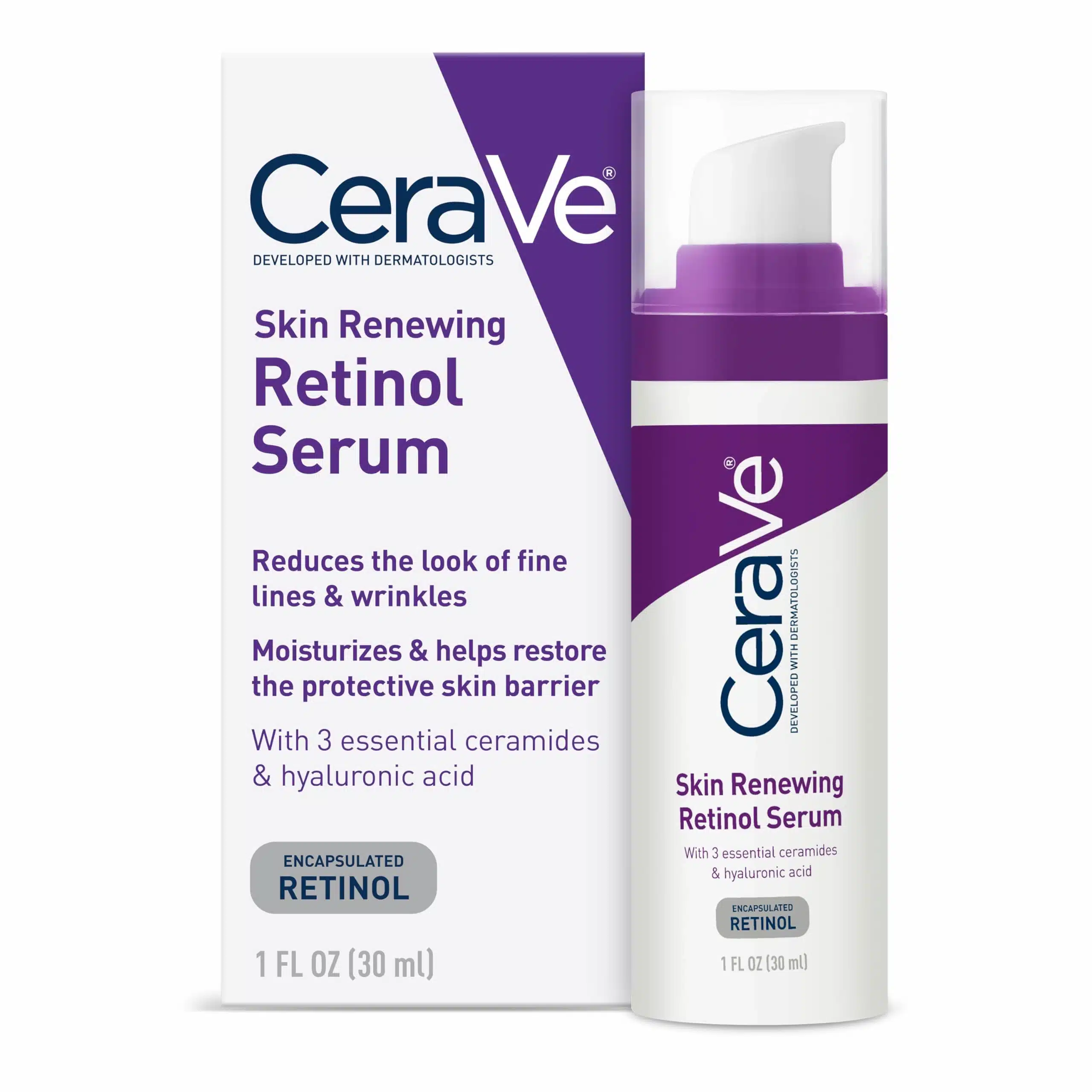
CeraVe Skin Renewing Retinol Serum, approximately $18 for 1 oz.
For anyone new to retinol, this is the product I suggest starting with. The encapsulated retinol reduces irritation, and the ceramide base supports barrier function while cell turnover increases. It is affordable enough to use consistently, which matters more than buying an expensive option you abandon after two weeks.
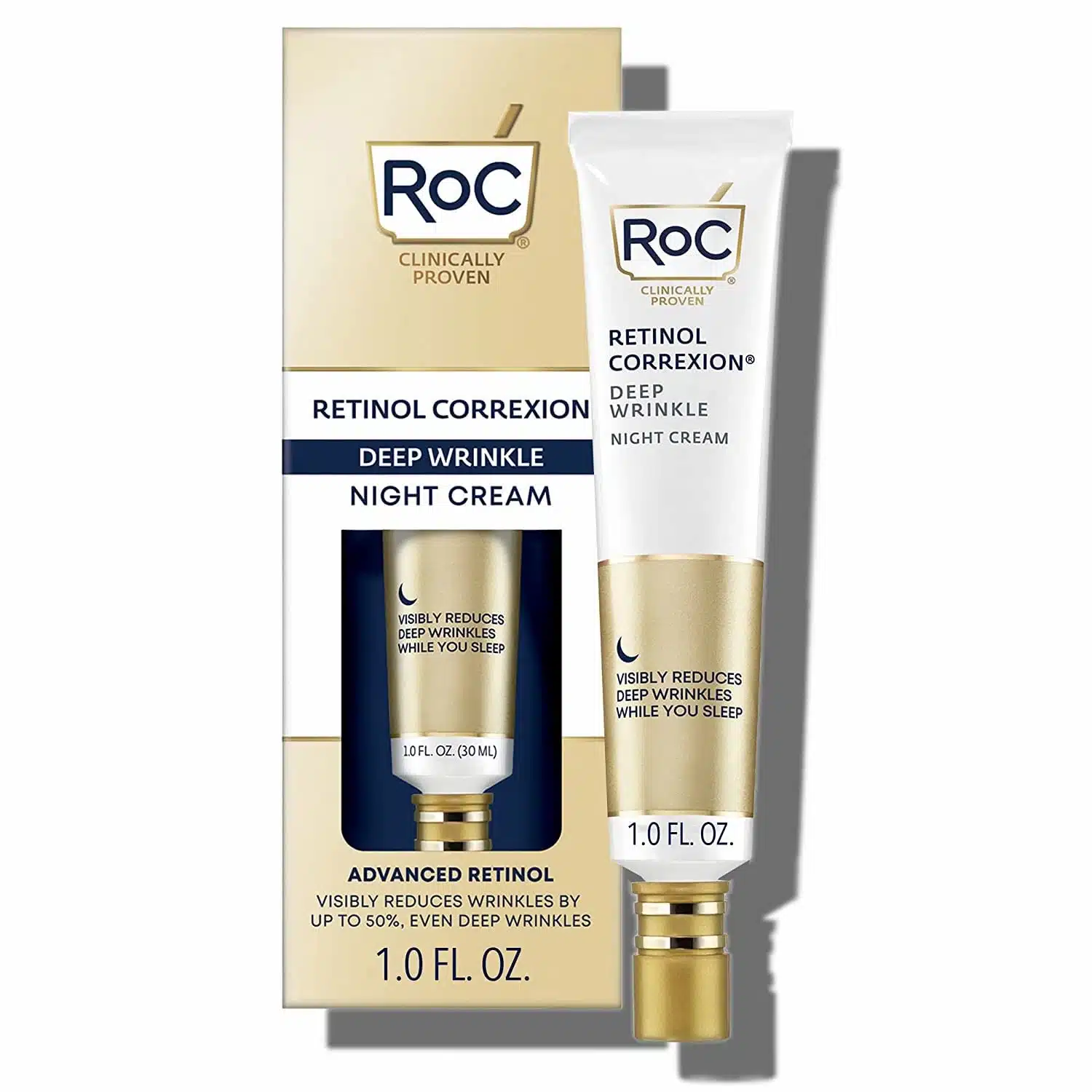
Best Cream for Deep Wrinkles
RoC Retinol Correxion Deep Wrinkle Night Cream, approximately $27 for 1 oz.
When people come to me with established forehead lines, crow’s feet, or nasolabial folds and aren’t ready for in-office treatment, this is a strong over-the-counter starting point. It pairs retinol with a mineral complex and has over two decades of clinical testing behind the brand’s delivery technology. For pronounced creases, I often suggest using this alongside a dedicated hyaluronic acid serum for added plumping.
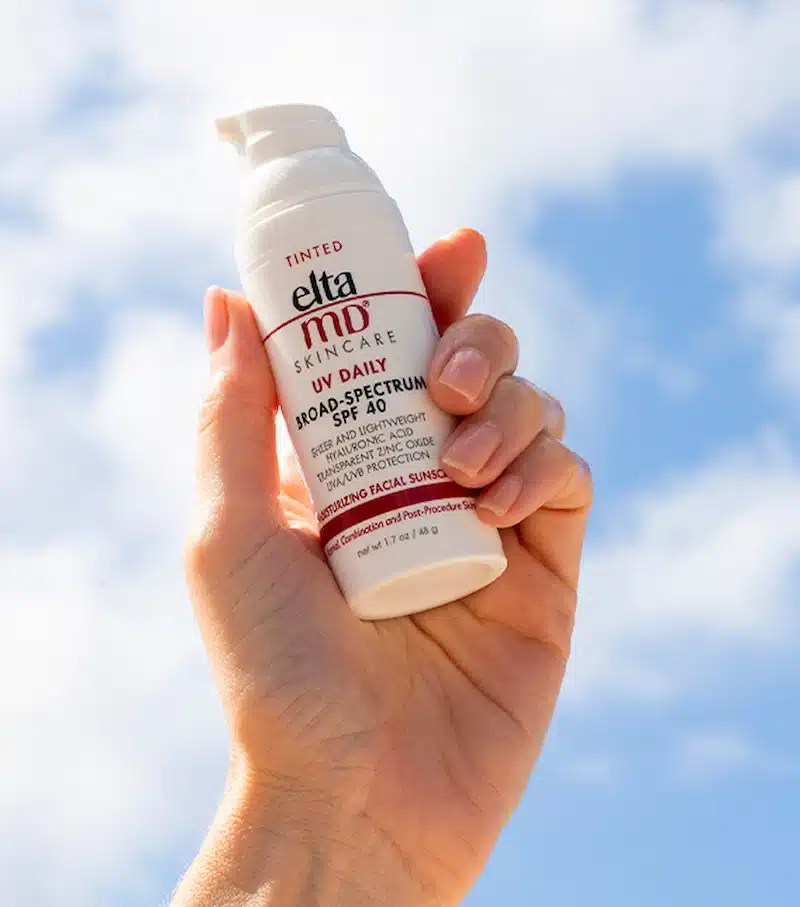
Best Anti-Wrinkle Cream With SPF (Daytime Use)
EltaMD UV Daily Broad-Spectrum SPF 40, approximately $39 for 1.7 oz.
Sun damage is the number one cause of premature wrinkles. I tell every patient that the single most effective anti-aging product they can own is a good sunscreen. EltaMD UV Daily combines transparent zinc oxide with hyaluronic acid and niacinamide to protect and hydrate in one step. It is non-comedogenic, fragrance-free, and suitable for post-procedure skin.
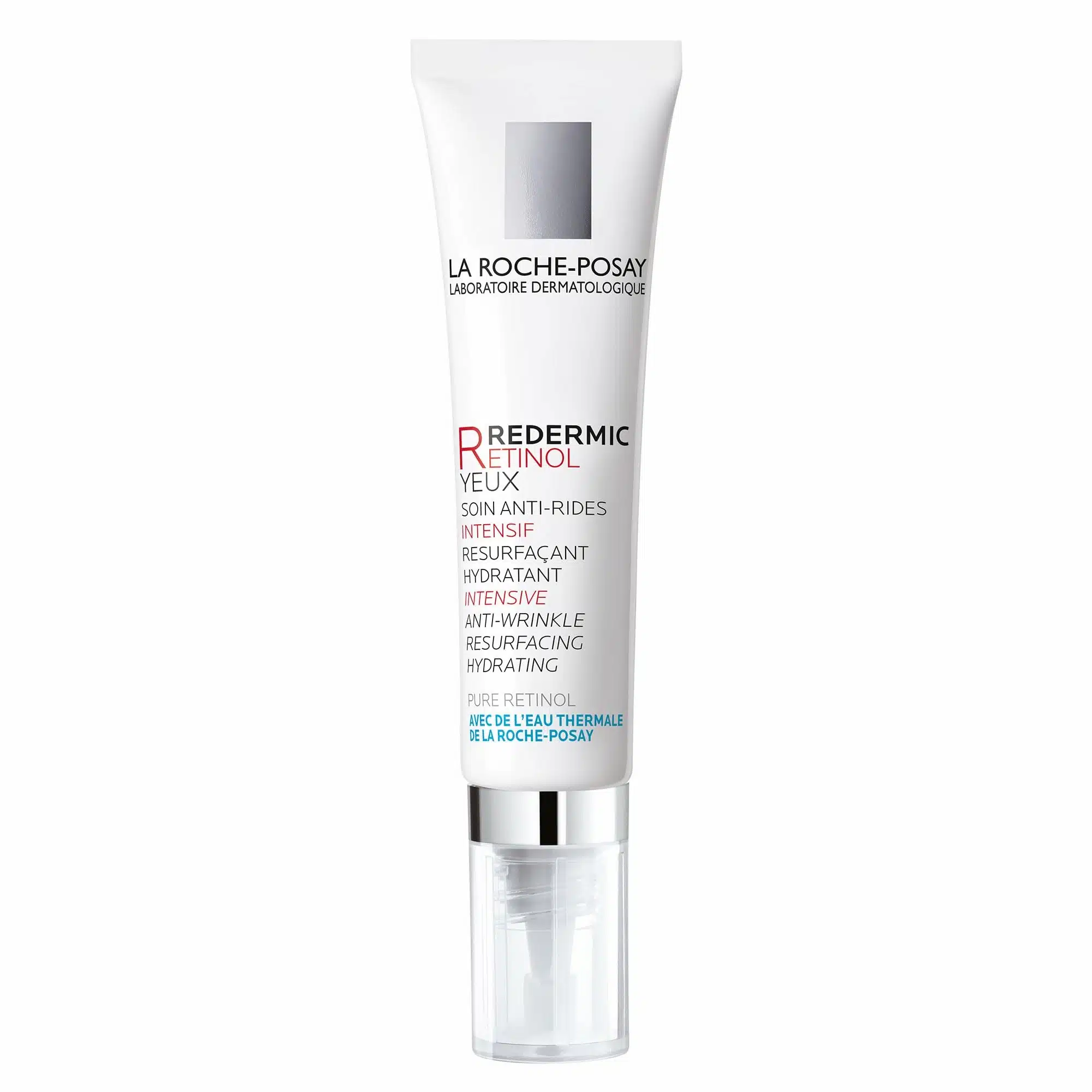
Top Wrinkle Repair Cream for Sensitive Skin
La Roche-Posay Redermic R Anti-Aging Retinol Cream, approximately $43 for 1 oz.
Many of my patients with rosacea or reactive skin struggle with irritation from retinol. This formula uses a gradual-release retinol system with thermal spring water to minimize redness and peeling. It delivers results comparable to higher-concentration retinols while remaining gentle enough for daily use.
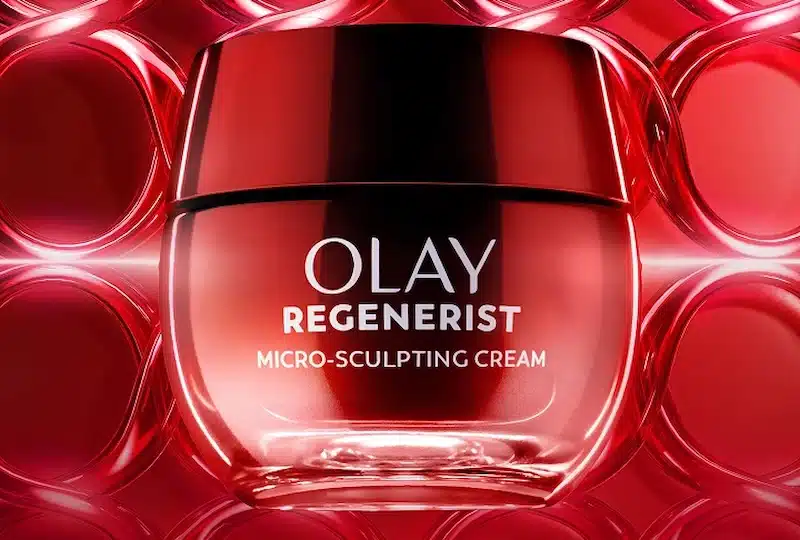
Best Peptide Cream for Firming and Lifting
Olay Regenerist Micro-Sculpting Cream, approximately $29 for 1.7 oz.
An excellent value pick. It contains amino-peptide complex II, niacinamide, and hyaluronic acid. In independent testing, it has performed comparably to creams costing five to ten times more. The texture is lightweight enough for layering under makeup or sunscreen.
Best Eye Cream for Fine Lines
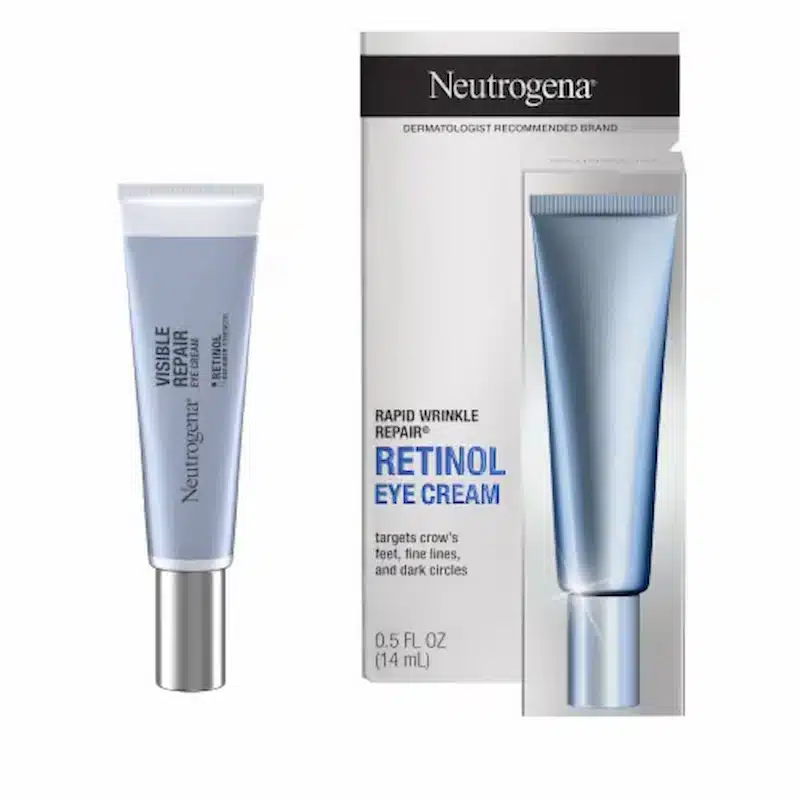
Neutrogena Rapid Wrinkle Repair Eye Cream, approximately $22 for 0.5 oz.
The skin around the eyes is thinner and more delicate than anywhere else on the face. This cream uses an accelerated retinol SA formula that is gentle enough for the periorbital area. I suggest it for people noticing early crow’s-feet or a crepe-like texture around the lower lids, the area I most commonly address with blepharoplasty.

Quick-Reference Comparison
| Product | Key Actives | Best For | Price Range |
|---|---|---|---|
| SkinCeuticals A.G.E. Interrupter | Proxylane, phytosphingosine | Overall anti-aging | ~$172 |
| CeraVe Retinol Serum | Encapsulated retinol, ceramides | Retinol beginners | ~$18 |
| RoC Deep Wrinkle Night Cream | Retinol, mineral complex | Deep wrinkles | ~$27 |
| EltaMD UV Daily SPF 40 | Zinc oxide, HA, niacinamide | Daytime protection | ~$39 |
| La Roche-Posay Redermic R | Gradual-release retinol | Sensitive skin | ~$43 |
| Olay Regenerist Micro-Sculpting | Peptides, niacinamide, HA | Firming on a budget | ~$29 |
| Neutrogena Rapid Wrinkle Repair Eye | Retinol SA, HA | Eye area fine lines | ~$22 |
Key Benefits and Uses
Reduces Wrinkles and Fine Lines
The primary benefit most people seek is a visible reduction in lines. Retinol-based creams are the strongest performers here. Clinical studies show that 0.5% retinol applied daily for 12 weeks can reduce the depth of crow’s feet and improve overall smoothness.[2]
Regular use produces a more even complexion and softens forehead lines, frown lines, and the small creases around the eyes and mouth.
Improves Skin Firmness and Texture
Loss of firmness is one of the most common concerns I see in patients in their 40s and 50s. Peptide-based formulas encourage collagen synthesis over time, resulting in skin that feels tighter and more resilient. When I work with someone preparing for or recovering from a facelift or brow lift, a peptide-rich cream is often part of their pre- and post-operative skincare plan.
Improved texture also makes makeup sit more smoothly and gives the skin a more polished appearance.
Boosts Hydration and Radiance
Dry, dehydrated skin exaggerates every line on the face. Hyaluronic acid and glycerin-based creams create a moisture reservoir that gives the complexion a plumper, healthier glow. This is particularly important during winter, in dry climates, or for anyone using retinoids, which can be drying. The best face creams for aging skin pair hydration with active repair ingredients for around-the-clock support.
When and How to Use Them
When to Start Using Anti-Aging Creams
I suggest that people begin incorporating preventive products, primarily a daily SPF and a vitamin C serum, in their mid-to-late 20s. By your early 30s, adding a low-concentration retinol two to three times per week is a smart move. The goal at this stage is prevention, not repair. Early and consistent use of proven ingredients can delay the appearance of fine lines by years.
Can You Use Them Daily?
Most anti-wrinkle creams are formulated for daily application, but active ingredients like retinol require a gradual introduction. I advise starting every other night for the first two to three weeks, then increasing to nightly as tolerated. If you experience redness, peeling, or stinging, scale back and allow your skin to adjust. Hydrating ingredients like hyaluronic acid, niacinamide, and ceramides can be used daily from the start.
A practical routine for most people:
Morning: Gentle cleanser, vitamin C serum, moisturizer with SPF 30 or higher.
Evening: Gentle cleanser, retinol product (build up gradually), peptide or ceramide-rich night cream.
Choosing the Right Anti-Aging Cream
What to Look for on the Label
To choose the top anti-wrinkle cream for your needs, examine the ingredient list carefully. Active ingredients should appear in the first third of the list. If retinol or niacinamide is buried near the bottom, the concentration is likely too low to produce meaningful results. Look for:
- Active ingredients like retinol, peptides, or niacinamide listed near the top
- Hydrating agents such as hyaluronic acid, glycerin, or squalane
- Antioxidants like vitamin C (L-ascorbic acid) or vitamin E (tocopherol)
- Broad-spectrum SPF 30 or higher in any product meant for daytime use
Avoid creams with heavy fragrance, denatured alcohol near the top of the ingredient list, or marketing claims promising overnight results. Trustworthy products are usually dermatologically tested and transparent about their active concentrations.
Best Anti-Aging Creams by Age and Skin Type
The right product depends on where you are in the aging process.
In your 30s: Focus on prevention. A lightweight antioxidant serum (vitamin C), a basic retinol at 0.25%-0.5%, and a hydrating SPF moisturizer form the foundation. You don’t need heavy creams yet; gel-based or water-cream textures work well at this stage.
In your 40s: Cell turnover slows, and expression lines become more prominent. Step up to a retinol at 0.5%-1%, add a peptide serum for firming, and consider a dedicated eye cream. This is also when many people first explore Botox or dermal fillers to complement their topical routine.
In your 50s and beyond: The skin barrier weakens, and moisture loss accelerates. Richer creams with ceramides, shea butter, and concentrated peptides are appropriate here. If you’ve never used retinol, it’s not too late, but start at a low concentration and be patient. For this age group, I often pair a strong nighttime cream with in-office treatments like Fraxel laser or microneedling for more substantial results.
Those with sensitive skin should opt for fragrance-free, hypoallergenic formulas with gradual-release retinol or bakuchiol (a plant-based retinol alternative). Oily skin types benefit from gel-based or non-comedogenic creams that won’t clog pores.
Best Moisturizer and Cream for Deep Wrinkles
Deep wrinkles, the kind that remain visible even when your face is completely relaxed, are the hardest to address with topicals alone. The best cream for deep wrinkles will combine a higher-concentration retinol (0.5% to 1%) with hyaluronic acid for plumping and peptides for collagen support.
Products labeled “deep wrinkle repair” or “intensive correction” typically feature these combinations.
My recommendations for pronounced wrinkles:
- RoC Retinol Correxion Deep Wrinkle Night Cream is an accessible over-the-counter option
- SkinCeuticals Retinol 1.0 Maximum Strength, approximately $92, for those who can tolerate a high-concentration retinol
- SkinMedica TNS Advanced+ Serum, approximately $295, for a growth-factor-based approach
If your deeper lines haven’t responded to six months of consistent topical use, it’s worth considering clinical treatments. In my practice, I’ve found that combining top wrinkle-repair creams with procedures like laser therapy or surgical rejuvenation yields outcomes that neither approach alone achieves.
What Results to Expect
Visible Improvements and Timelines
Set realistic expectations. In my experience, this is a reliable timeline for consistent daily use:
Weeks 1 to 2: Improved hydration and smoother texture, primarily from hyaluronic acid and moisturizing agents.
Weeks 4 to 6: Skin tone begins to even out; mild redness from retinol usually subsides.
Weeks 8 to 12: Fine lines soften noticeably, and the complexion looks firmer and more radiant.
Months 3 to 6: Cumulative collagen-building effects become visible; deeper creases may show moderate improvement.
Skipping days or switching products constantly resets the process. Consistency matters more than the price tag on the jar.
Limitations of Over-the-Counter Options
Over-the-counter wrinkle creams can meaningfully improve fine lines, texture, and tone, but they cannot eliminate deep wrinkles, tighten loose skin, or restore lost facial volume. I’m always transparent with patients about this boundary.
The FDA classifies OTC wrinkle creams as cosmetics, not drugs, which means they contain lower concentrations of active ingredients than prescription products and don’t undergo the same efficacy testing.
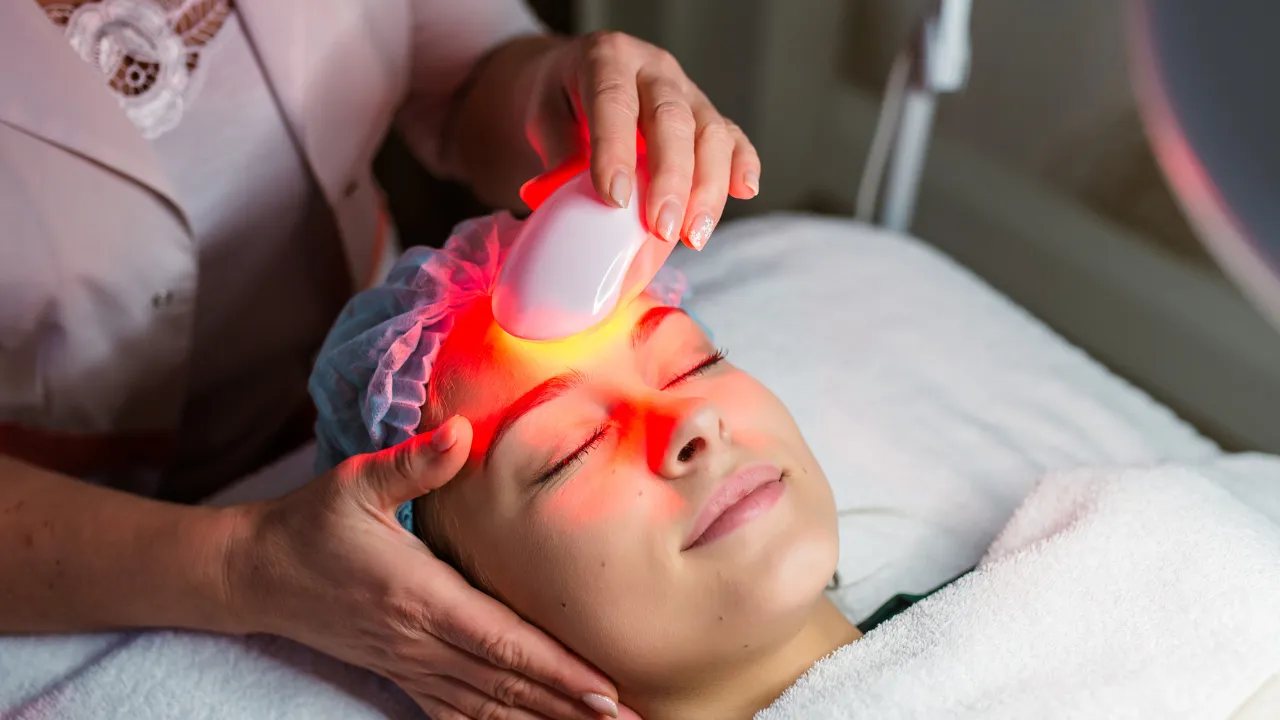
For people whose concerns go beyond what topicals can address, I typically suggest a graduated approach. Start with medical-grade skincare and SPF, assess the response at three months, and if more improvement is needed, explore clinical options like prescription-strength retinoids (tretinoin), injectable treatments, laser resurfacing, or surgical procedures depending on goals and anatomy.
The creams that consistently show results in clinical studies are those containing retinol, prescription retinoids (tretinoin), vitamin C, niacinamide, and peptides.
I advise people to avoid products that make exaggerated claims or lack transparency about their concentrations. A $25 cream with 0.5% retinol and solid supporting ingredients will outperform a $200 option with proprietary blends that don’t disclose active percentages.
In most cases, yes. The periorbital skin is thinner and more prone to irritation than the rest of the face. A dedicated eye cream with a lower retinol concentration and extra hydration helps address crow’s feet and under-eye crepe without causing sensitivity.
This is an area I specialize in as an oculoplastic surgeon, and I can tell you that targeted topical care makes a real difference in how the eye area ages over time.
Absolutely. The biology of skin aging is the same regardless of gender. Men’s skin tends to be thicker and oilier, so gel-based or lightweight formulas often work better. The same core actives, including retinol, vitamin C, peptides, and SPF, apply equally.
The best wrinkle cream for women depends on the specific concern. For overall anti-aging, a retinol-based night cream paired with a vitamin C serum and SPF moisturizer covers the widest range of aging signs.
Women experiencing hormonal changes around menopause often benefit from richer, ceramide-heavy formulas that address accelerated moisture loss and collagen decline during this period.
Your Next Steps
Understanding the benefits of anti-wrinkle cream helps you choose products that align with your goals and skin type. From hydration to collagen support, these creams play a key role in non-invasive skin care.
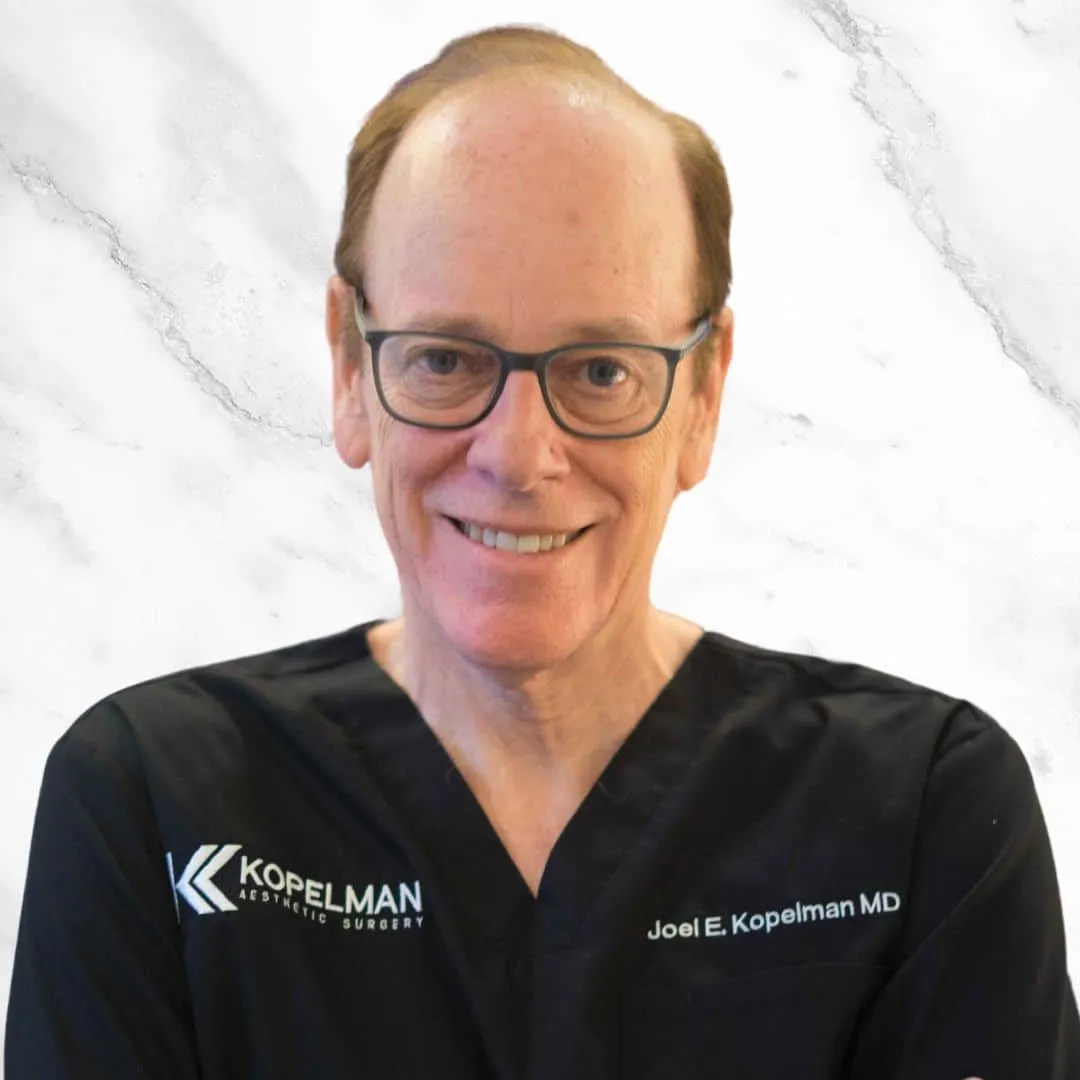
While high-quality skincare products can deliver visible improvements, they often work best when paired with professional guidance. At Kopelman Aesthetic Surgery, we offer personalized skincare consultations and advanced in-office treatments designed to enhance and accelerate your results.
Whether you’re looking for medical-grade products, laser therapy, or surgical rejuvenation options, Dr. Joel E. Kopelman’s decades of experience ensure that your treatment plan is tailored to your unique skin needs.
With the guidance of experts like Dr. Kopelman, you can select products that deliver real, lasting improvements and explore safe, effective solutions that go beyond the limitations of over-the-counter creams. If you’re ready to take your skincare routine to the next level, schedule a consultation with us today.
References
- Varani J, et al. Decreased Collagen Production in Chronologically Aged Skin. American Journal of Pathology. 2006.
- Kafi R, et al. Improvement of Naturally Aged Skin with Vitamin A (Retinol). Archives of Dermatology. 2007.
- Robinson LR, et al. Topical palmitoyl pentapeptide provides improvement in photoaged human facial skin. International Journal of Cosmetic Science. 2005.
- Al-Niaimi F, Chiang NYZ. Topical Vitamin C and the Skin: Mechanisms of Action and Clinical Applications. Journal of Clinical and Aesthetic Dermatology. 2017.
- Draelos ZD, et al. The effect of 2% niacinamide on facial sebum production. Journal of Cosmetic and Laser Therapy. 2006.