
Retinol has some of the strongest clinical evidence for improving fine wrinkles and photoaging. Peptides, growth factors, and moisturizing ingredients may also improve the appearance of firmness, although results vary by formulation. No cream can physically lift substantial sagging or replace surgery.
This guide compares eight products based on ingredients, approximate US prices, suitability, limitations, and the quality of supporting evidence. It also explains which ingredients are worth considering, how long improvements may take, and when professional treatment may be more appropriate.
Key Takeaways
- Retinoids have stronger clinical evidence for improving photoaging than most ingredients promoted for cosmetic lifting.
- Peptide and growth factor products may improve the appearance of firmness, but results depend on the finished formulation.
- Hyaluronic acid, ceramides, and other moisturizers primarily improve hydration and temporary plumping.
- Neck and body creams can help with dryness and crepey texture, but they cannot remove substantial excess tissue.
- Daily broad-spectrum SPF 30 or higher and consistent product use support long-term results.
Best Skin Firming Creams and Tightening Products That Work
The best choice depends on your primary concern. A moisturizer may help dry, crepey areas look smoother, while a retinol formula may be more appropriate for fine wrinkles and uneven texture.
The following comparison covers facial creams, targeted serums, neck treatments, and body products available or historically marketed in the United States.
| Concern | Recommended Product | Key Ingredients | Approximate US Price |
|---|---|---|---|
| General facial firming | Drunk Elephant Protini Polypeptide Cream | Signal peptides, amino acids, waterlily extract | $72, 1.69 oz |
| Face over 50 | SkinMedica TNS Advanced+ Serum | Growth factor blend, peptides, marine extracts | $295, 1 oz |
| Neck and jawline | Alastin Restorative Neck Complex | TriHex Technology, peptides, niacinamide | $158, 1.7 oz |
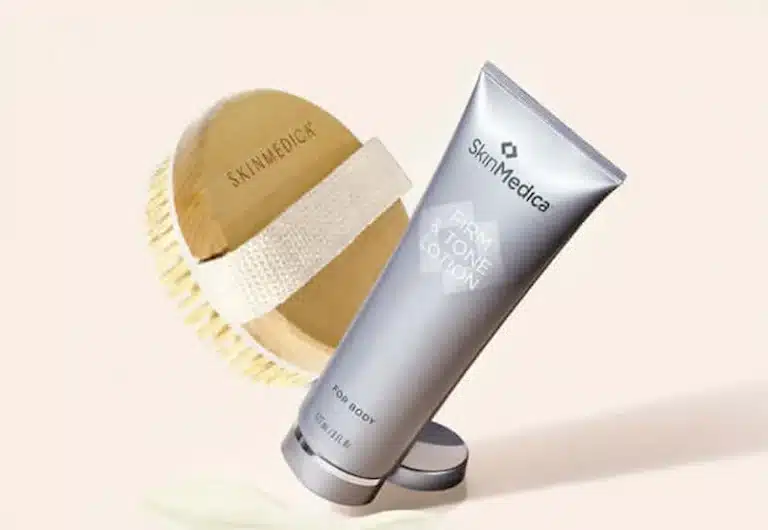
| Body firming | SkinMedica Firm & Tone Lotion | Peptides, caffeine, green microalgae, botanical extracts | $165, 6 oz |
| Stomach and thighs | StriVectin-TL Tightening Body Cream | NIA-114 technology, moisturizing ingredients | n/a |
| Drugstore option | RoC Retinol Correxion Line Smoothing Cream | Retinol, hyaluronic acid | $28.49, 1.7 oz |
| Sensitive complexions | CeraVe Skin Renewing Retinol Serum | Encapsulated retinol, ceramides, hyaluronic acid | $24.99, 1 oz |
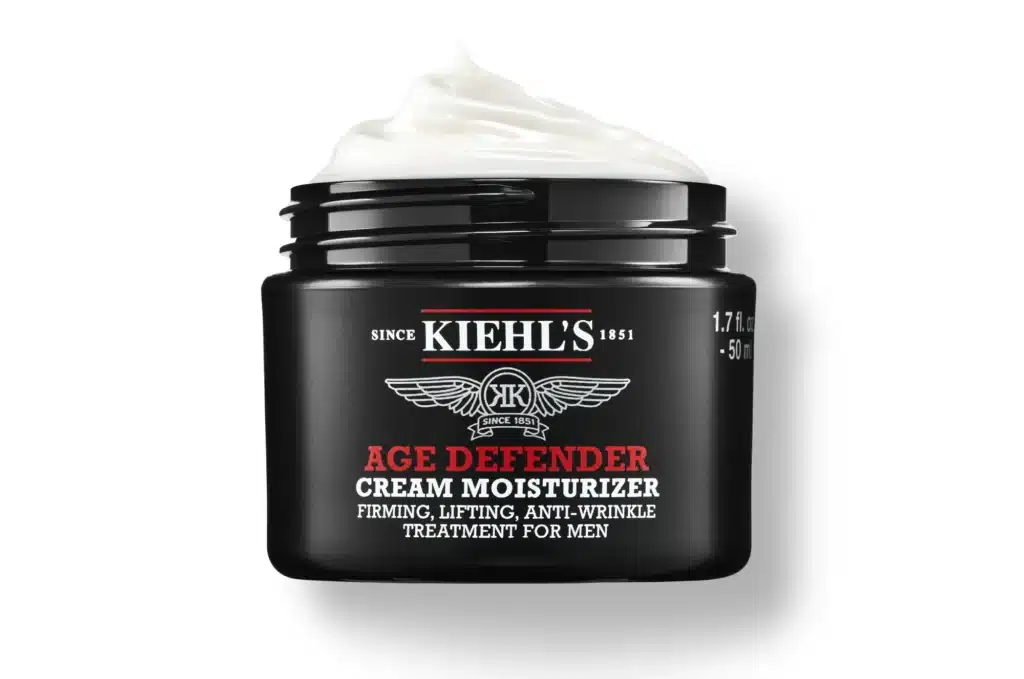
| Men's formula | Kiehl's Age Defender Moisturizer | Caffeine, linseed extract, soy protein | n/a |
| Ingredient Category | Evidence Assessment | Main Benefit | Main Limitation |
|---|---|---|---|
| Retinoids |
Stronger clinical evidence
for photoaging |
Improve fine wrinkles and uneven texture over time | Can cause irritation and dryness |
| Hyaluronic acid | Established moisturizing effects | Temporarily plumps dehydrated areas | Does not physically lift tissue |
| Niacinamide | Clinical evidence for selected cosmetic benefits | Supports barrier function and improves uneven appearance | Limited evidence for substantial lifting |
| Peptides | Evidence varies by peptide and formulation | May improve visible firmness and texture | Fewer independent comparative trials |
| Growth factor formulas | Some product-specific clinical evidence | May improve the appearance of wrinkles and firmness | Limited independent comparisons across brands |
| Topical collagen | Primarily supports surface hydration | Softens the appearance of dryness and fine lines | Does not replace deeper structural collagen |
Retinoid research provides a stronger foundation for improvements in fine wrinkles and photoaging than research on many proprietary cosmetic ingredients. [1]
The American Academy of Dermatology also emphasizes that even effective firming creams generally produce subtle changes rather than structural lifting. [2]
These assessments concern ingredient categories. They are not direct comparisons of the eight commercial products’ effectiveness.
Do Skin Tightening Creams Work?
Yes. Firming creams can improve hydration, surface texture, fine lines, and the appearance of elasticity. Their benefits are usually more subtle than those achievable through cosmetic procedures.
Moisturizers containing hyaluronic acid or glycerin attract water and make dehydrated areas appear temporarily smoother.
Retinoids work through different mechanisms. With consistent use, they can improve photoaging by influencing cellular processes and collagen-related activity.
A scientific review published in Clinical Interventions in Aging discusses the efficacy and safety of retinoids for wrinkles, roughness, and other signs of aging. [1]
Peptides and growth factor products have also shown promising cosmetic benefits in some studies, although the findings cannot automatically be generalized across every formula containing those ingredients.
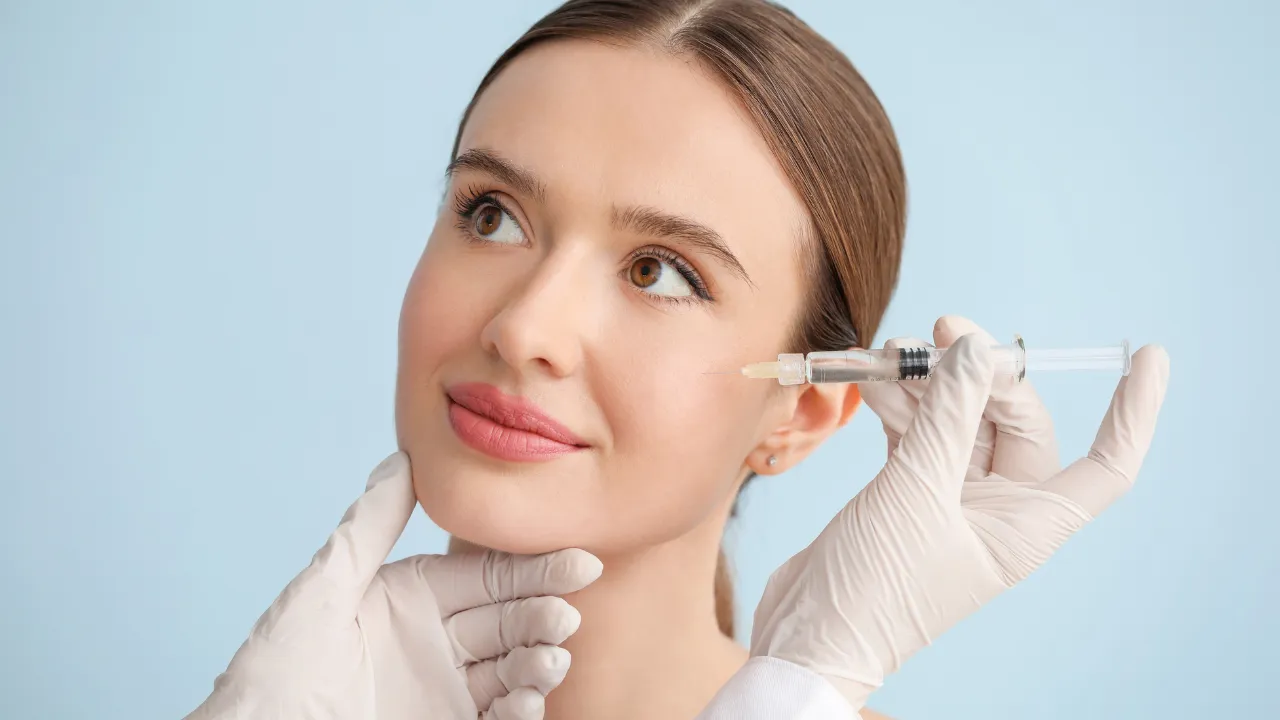
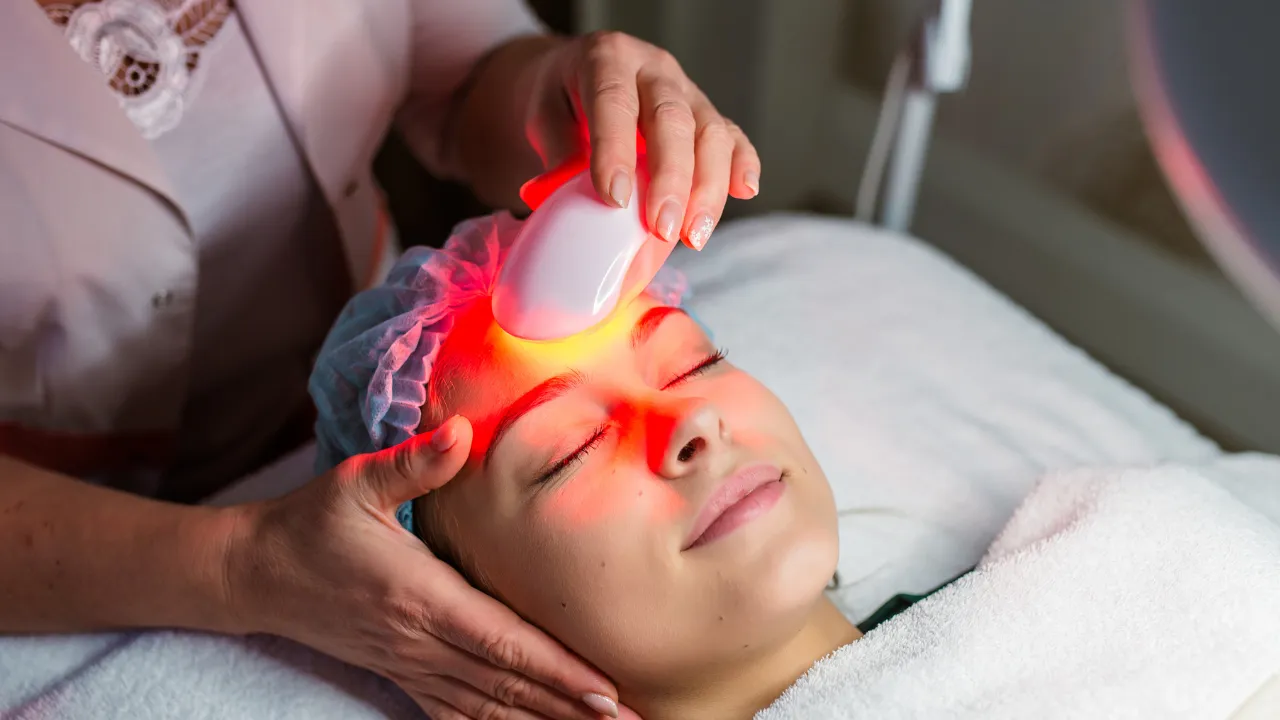
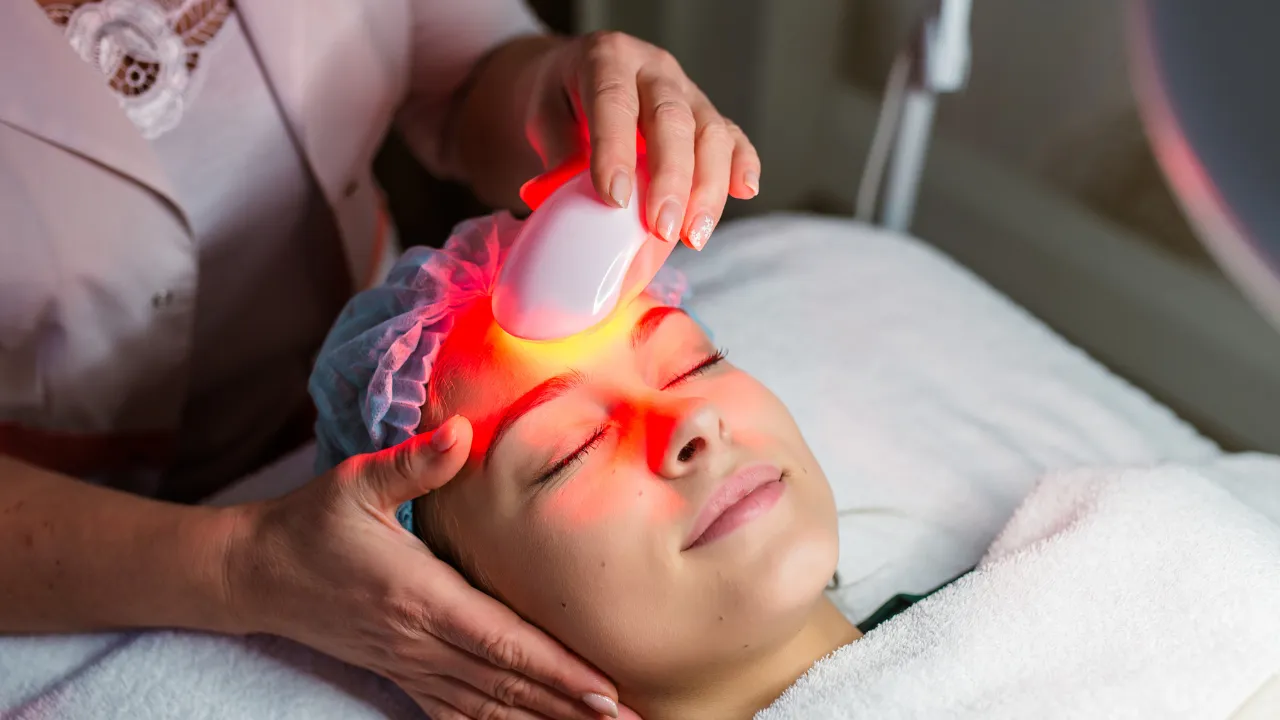
For moderate or advanced laxity, clinical treatments such as laser resurfacing or microneedling may be more appropriate.
Can a Firming Face Cream Actually Lift Sagging Skin?
Even the best lifting and firming face cream cannot reproduce the effects of a surgical facelift.
It helps to distinguish three kinds of results:
- Temporary plumping: More hydration can make fine lines less noticeable.
- Gradual improvement: Certain active ingredients may improve wrinkles and texture over time.
- Structural lifting: Surgical procedures can reposition underlying tissue and address excess tissue in ways creams cannot.
A product may make mildly crepey areas look smoother without actually lifting displaced fat or tightening underlying facial structures.
For early visible aging, consistent topical care may provide worthwhile cosmetic benefits. Pronounced jowls or significant neck laxity usually require a different treatment discussion.
Clinical vs. Over-the-Counter Skin Tightening Options
The best skin-firming treatment depends on the degree of laxity, the area involved, your goals, and the recovery time you can accept.
Topical products primarily improve surface appearance. Clinical procedures can address some bigger changes that creams cannot.
Clinical Options Include
- Laser resurfacing: Can improve wrinkles, uneven texture, and sun damage. Some treatments also tighten skin, with downtime and risks varying by laser type and treatment intensity.
- Radiofrequency microneedling: Uses controlled needle penetration and radiofrequency energy to stimulate tissue remodeling. Possible complications include burns, scarring, pigment changes, and other injuries reported with certain uses. [7]
- Ultrasound-based tightening: Treatments such as Ultherapy deliver energy beneath the surface and may modestly improve laxity in selected patients.
Results depend on the procedure, treatment settings, anatomy, and individual response.
Some changes develop gradually over several months. Repeat treatments may be required, and the duration of benefits varies.
These procedures have different risks, costs, and recovery requirements. None guarantees the results surgery can achieve.
Over-the-Counter Creams Offer
- Better hydration and moisture retention.
- Improvement in some fine wrinkles.
- Smoother texture in dry or crepey areas.
- Support for daily maintenance before or after appropriate professional treatments.
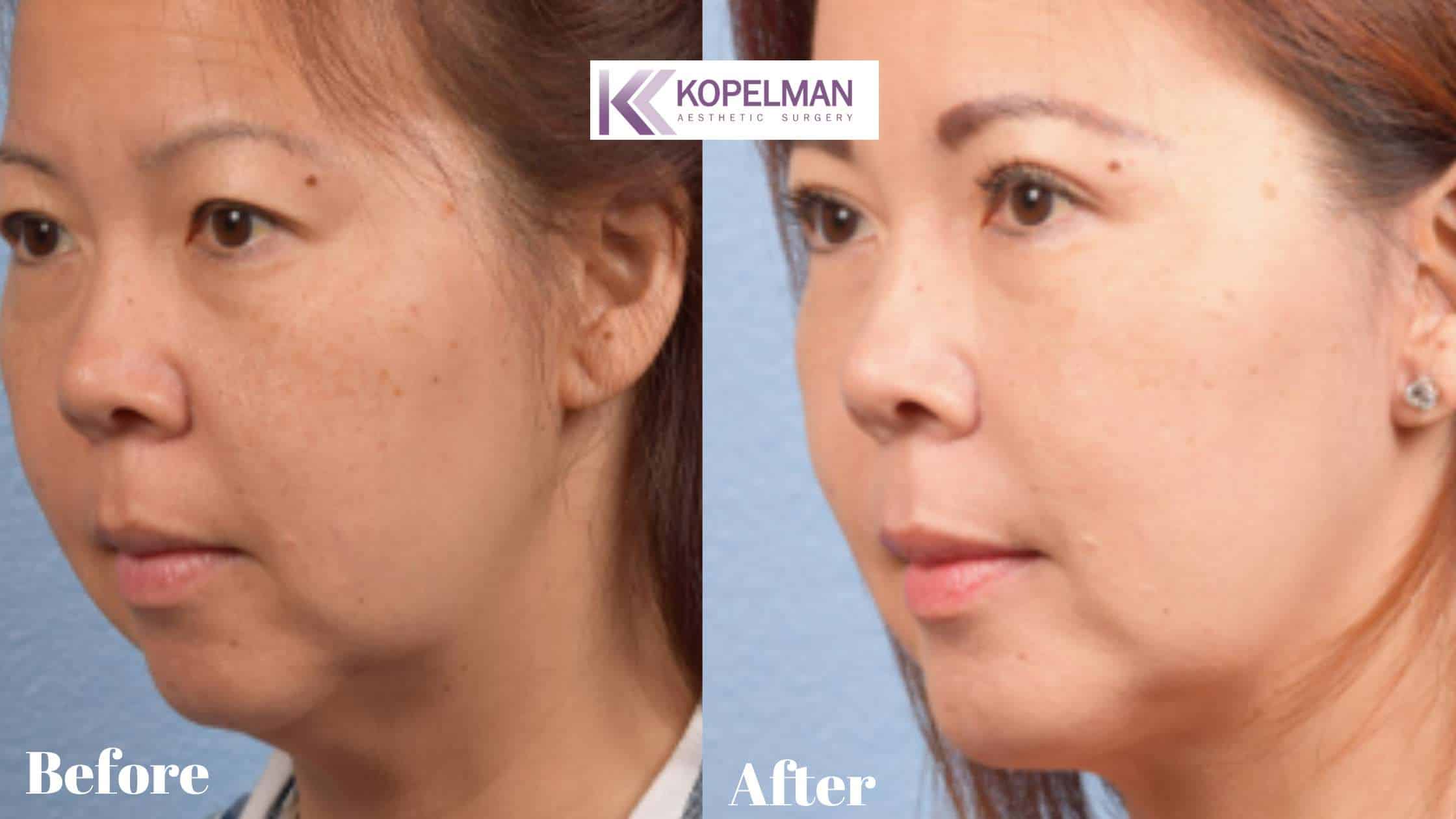
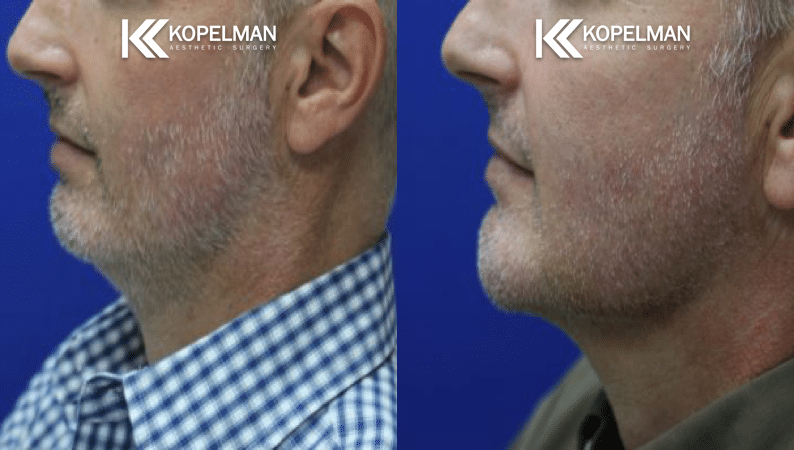
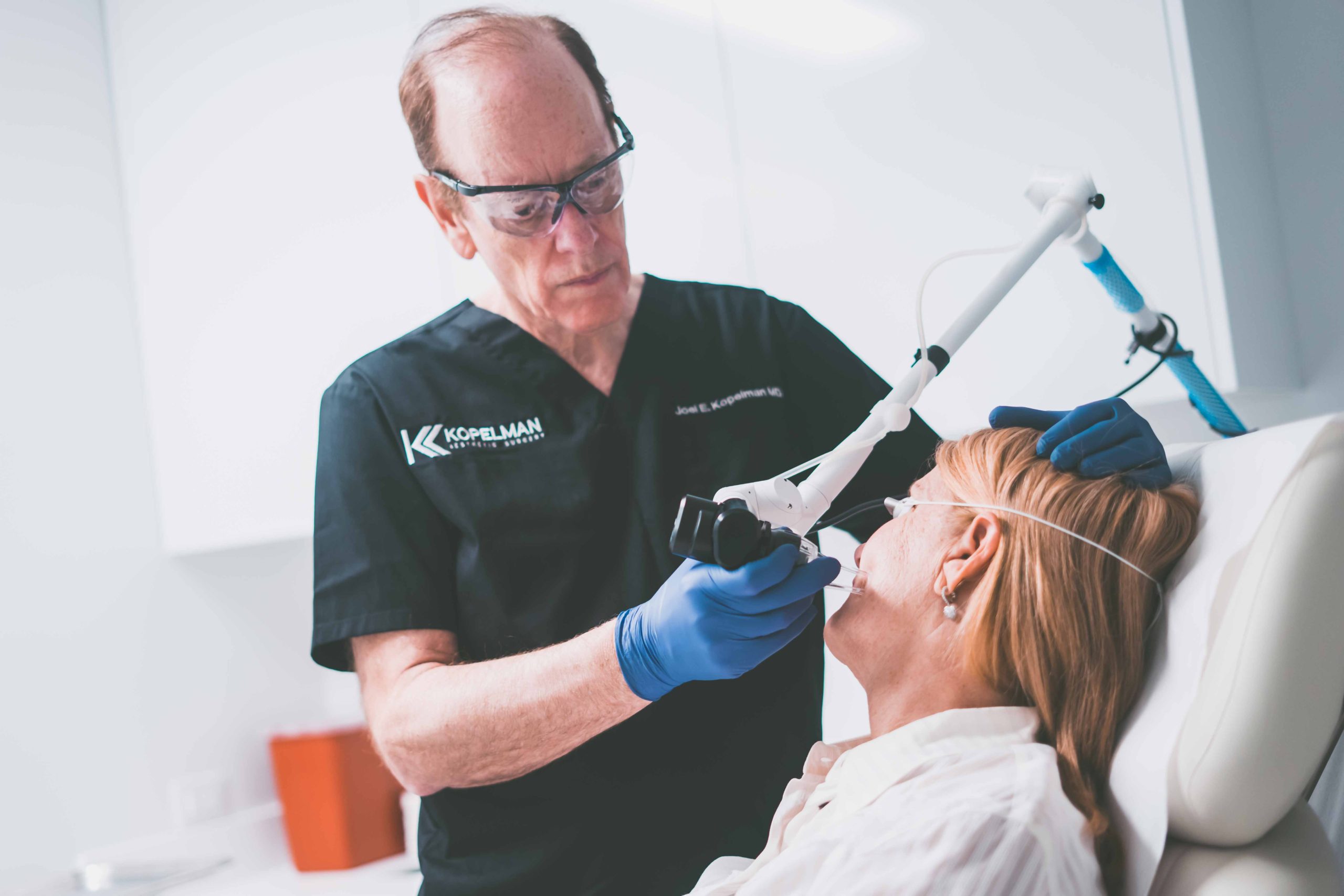
At Kopelman Aesthetic Surgery, topical care may form part of a broader treatment plan based on a patient’s concerns.
Professional assessment is particularly useful when the desired result involves substantial lifting, volume correction, or excess tissue.
Top Ingredients for Firmer, Tighter Skin
Understanding the main ingredients can help you separate realistic cosmetic benefits from claims that go beyond the available evidence.
- Retinol: A vitamin A derivative supported by research on photoaging. It can improve fine wrinkles and texture but may cause dryness, peeling, or irritation.
- Peptides: Short amino acid chains included in products intended to improve visible firmness. Outcomes depend on the particular peptide and finished formulation.
- Hyaluronic acid: Attracts and retains moisture, making dehydrated areas appear temporarily plumper.
- Vitamin C: An antioxidant involved in collagen synthesis. Stable formulations may improve uneven tone and other signs of photoaging.
- Niacinamide: Supports the moisture barrier and may improve uneven tone, texture, and fine lines.
- Growth factors: Ingredients used in some advanced facial serums. Product-specific studies have reported benefits, but independent long-term evidence remains limited.
- DMAE: Appears in certain firming formulas. Evidence of meaningful, long-lasting lifting remains less established than evidence supporting retinoids.
Higher ingredient concentrations do not automatically produce better results. Dr. Kopelman’s guide to choosing the best anti-wrinkle cream explains how to match active ingredients to your concerns and tolerance.
The formula, packaging, stability, and individual tolerance influence how a product performs.
Do Collagen Creams Help Tighten Skin?
When searching for the best collagen cream for skin tightening, distinguish between topical collagen and ingredients intended to support natural collagen production.
Collagen is a structural protein that contributes to firmness and elasticity. Changes in collagen production and organization contribute to visible aging.
Intact collagen molecules generally do not penetrate deeply enough through the protective barrier to replace structural collagen.
A 2025 scientific review discusses collagen-based cosmetics and their effects on hydration and surface appearance. [3]
Collagen creams may still improve dryness and temporarily soften fine lines.
For longer-term changes in photoaging, retinoids have a stronger established research base than simply applying collagen to the surface.
Evaluate the complete ingredient list rather than relying on a collagen-boosting claim alone.
Best Skin Tightening Products by Area
Different areas of the face and body have different concerns and sensitivities. A product that works well on the cheeks may not be the most practical choice for the neck or thighs.
Best Firming Face Cream for General Use
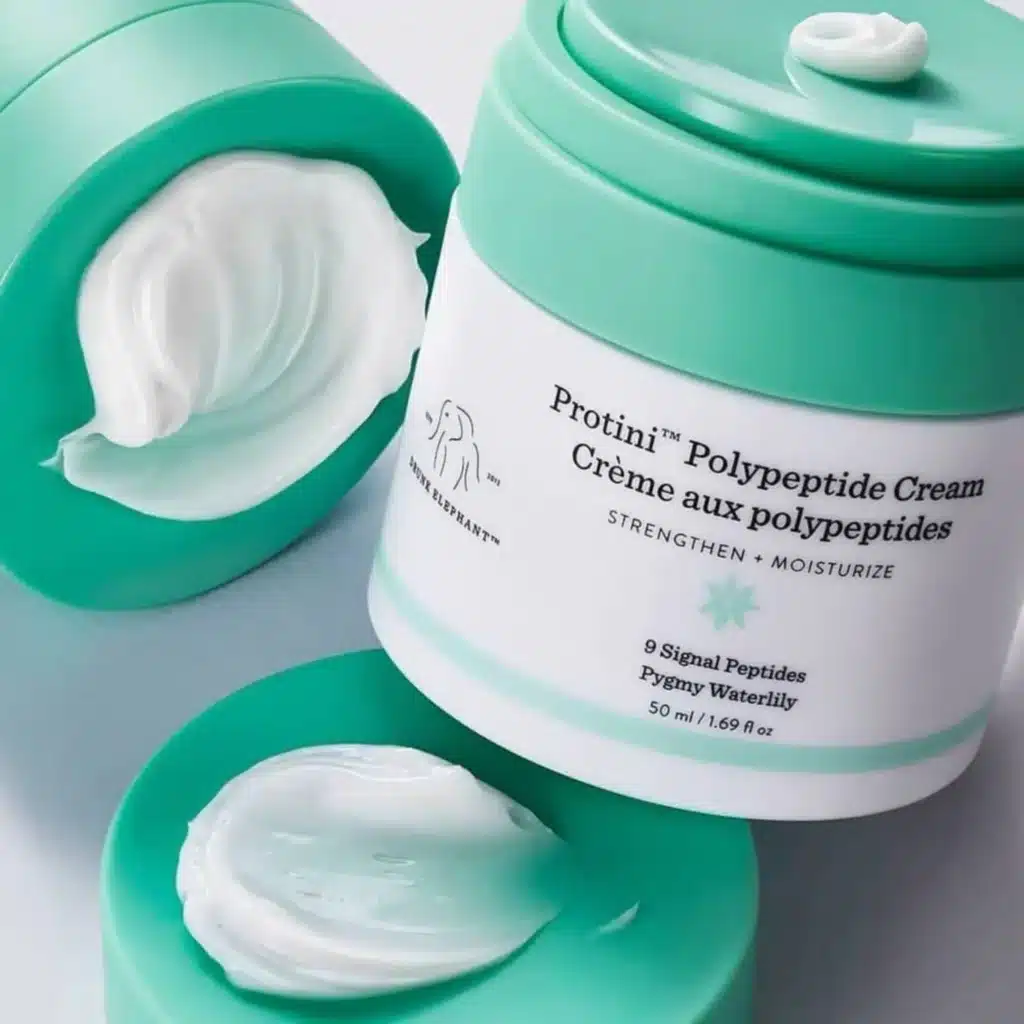
Drunk Elephant Protini Polypeptide Cream combines nine signal peptides, amino acids, and pygmy waterlily-derived ingredients in a lightweight facial moisturizer.
The formulation is intended to improve hydration and the appearance of tone, texture, and firmness.
Best for: Normal, combination, and dry complexions needing everyday moisture and a smoother appearance.
What stands out: A peptide-focused formula without retinol, making it useful for people who want a moisturizer rather than another strong active treatment.
Evidence behind the recommendation: Peptides have some supporting cosmetic research, but their effects vary by type and formulation. The moisturizing ingredients provide a clearer basis for improving hydration and the appearance of fine lines. This does not establish measurable facial lifting by the finished cream.
Main limitation: It is not designed to correct substantial sagging or deep facial folds.
Value: At approximately $72 for 1.69 oz, it costs about $43 per ounce.
People with oily complexions may prefer a lighter formula. Those with sensitive complexions should review the ingredients and introduce the product gradually.
Best Face Tightening Cream for Over 50
Mature complexions may develop greater dryness, fine wrinkles, and changes in elasticity. Menopause-related hormonal changes can also affect the appearance and feel of facial tissue.
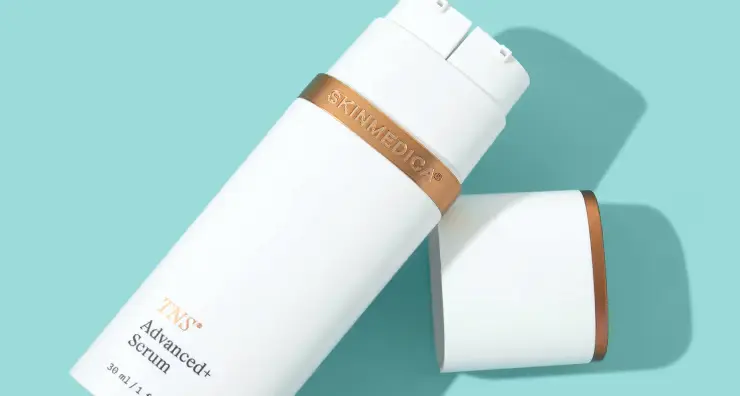
SkinMedica TNS Advanced+ Serum uses a dual-chamber system containing TNS-MR, a growth factor blend, and Renessence Advanced, which includes peptides and botanical and marine-derived ingredients.
SkinMedica has reported improvements in visible wrinkles beginning as early as two weeks, with changes in the appearance of sagging evaluated at eight weeks and additional follow-up through 24 weeks. These are manufacturer-reported findings, not proof of surgical-style lifting. [4]
Best for: Mature complexions with visible wrinkles, uneven texture, and mild loss of firmness.
What stands out: A formula combining growth factor-related ingredients and peptides, supported by product-specific manufacturer research.
Evidence behind the recommendation: SkinMedica reports clinical observations of cosmetic improvements. These findings support interest in the product, but they are not equivalent to independent head-to-head trials showing superiority over retinol or competing growth factor serums.
Main limitation: Its high price and proprietary ingredient system make comparative value difficult to establish without independent testing.
Value: At approximately $295 for 1 oz, it is the most expensive facial product in this comparison.
The serum does not replace a moisturizer for people experiencing significant dryness.
For eye concerns, Dr. Kopelman’s guide to the best anti-aging eye cream for 60s discusses dryness, fine lines, and puffiness in mature complexions.
Neck and Jawline
The neck often develops a crepey texture, fine lines, and reduced elasticity. It may also be more sensitive to strong active ingredients.
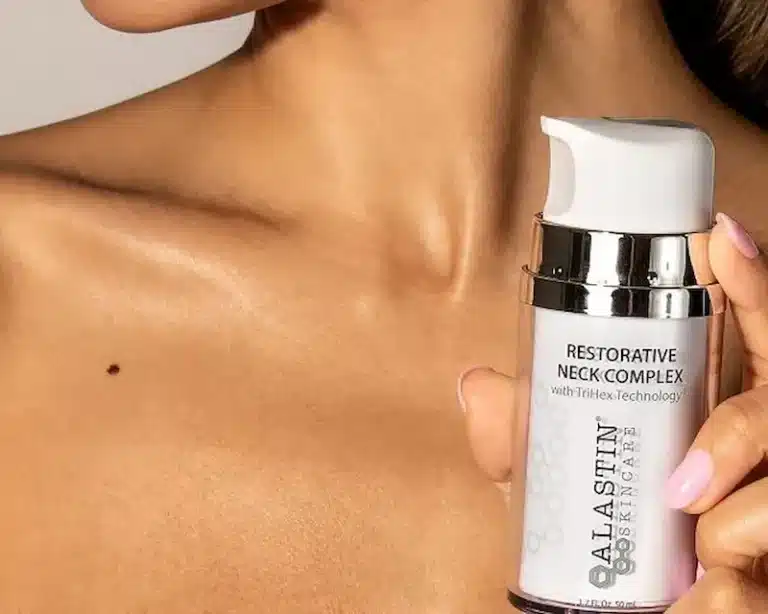
Alastin Restorative Neck Complex contains the brand’s TriHex Technology, peptides, niacinamide, and ingredients intended to address visible aging around the neck and chest.
Alastin reports improvements in the appearance of texture, wrinkles, and discoloration. Those claims are based on the manufacturer’s product information. [5]
Best for: Mild neck crepiness, fine lines, dryness, and uneven appearance.
What stands out: A targeted formula designed for neck and décolleté concerns rather than general facial moisturizing.
Evidence behind the recommendation: The manufacturer reports product-specific cosmetic benefits. These findings do not establish that the cream can reposition deeper tissues or outperform other suitable facial moisturizers in independent comparative trials.
Main limitation: It cannot remove excess tissue, correct pronounced neck bands, or reproduce a neck lift.
Value: At approximately $158 for 1.7 oz, it costs about $93 per ounce.
The best skin-tightening cream for face and neck use doesn’t always need to be a dedicated neck product.
You can often apply a gentle facial moisturizer to both areas when tolerated. Targeted products may be worth considering if the neck has different concerns or is more sensitive.
Apply gently rather than pulling or rubbing the area aggressively.
Best Cream for Deep Wrinkles and Sagging
Deep wrinkles and significant laxity are difficult to address with topical products alone.
Retinoids can improve the appearance of fine wrinkles and uneven texture over time. Moisturizing ingredients help reduce dryness, which may make existing lines appear more prominent.
For the best cream for deep wrinkles and sagging skin, choose based on whether dryness, texture, or fine lines are your main concern. For more options, see Dr. Kopelman’s guide to the best products for deep wrinkles over 60.
You can introduce retinol a few nights per week and increase it gradually if you tolerate it.
Retinaldehyde is another retinoid option, but it can still cause irritation and is not automatically gentler than every retinol formulation.
When deep folds, prominent jowls, or substantial excess tissue are the primary concerns, a cream is unlikely to deliver the desired correction.
Stomach and Body Firming
Body lotions are commonly used for roughness, dryness, and crepey texture on the arms, abdomen, and thighs.
SkinMedica Firm & Tone Lotion contains peptides, caffeine, green microalgae, coffee seed oil, and botanical extracts. Its published ingredient information does not list retinol.
The formula is marketed to improve the appearance of crepiness, uneven texture, and firmness.
Best for: Dry, crepey areas on the arms, thighs, abdomen, and other body regions.
What stands out: A targeted body formula combining moisturizing ingredients, peptides, caffeine, and botanical extracts.
Evidence behind the recommendation: Manufacturer-reported product findings describe cosmetic improvements in texture and firmness. Broader research on individual ingredients does not establish that the lotion can reduce significant laxity or fat.
Main limitation: It cannot eliminate excess tissue after major weight loss or physically correct substantial sagging.
Value: At approximately $165 for 6 oz, it costs $27.50 per ounce.
The original article also recommended StriVectin-TL Tightening Body Cream for the stomach and thighs.
That product used the brand’s NIA-114 technology, but its current formulation and availability have not been verified.
Best for: Readers comparing older body-firming formulas with more recent products.
Evidence behind the recommendation: The original recommendation is retained for historical context. It should not be interpreted as a verified assessment of a currently available formulation.
Main limitation: The product is not a reliable current purchase recommendation until availability and ingredients are confirmed.
StriVectin has also marketed Crepe Control Tightening Body Cream, a separate formulation intended to improve the appearance of crepey texture.
The newer product should not be assumed to share the original formula or its supporting studies. [6]
Best Body Firming Moisturizer
For regular body care, prioritize a lotion that spreads comfortably, absorbs well, and provides lasting hydration.
Ingredients such as glycerin, shea butter, ceramides, and hyaluronic acid can soften the appearance of dry, crepey areas.
Peptides and caffeine may provide additional cosmetic benefits, but claims of substantial lifting require stronger product-specific evidence.
Cost per ounce matters most for body products because larger areas require more product.
A premium treatment may be practical for small areas, while a basic moisturizing lotion may offer better daily value for extensive use.
Best Drugstore Firming Cream
Affordable products can contain ingredients supported by established research.
RoC Retinol Correxion Line Smoothing Max Hydration Cream combines retinol with hyaluronic acid and moisturizing ingredients.
Best for: Fine wrinkles, dryness, and uneven facial texture.
What stands out: A retinol-based facial cream available at a comparatively low price.
Evidence behind the recommendation: Retinoids have substantial clinical evidence for photoaging. That evidence supports the ingredient category, but it does not establish that this RoC formulation outperforms every competing retinol cream.
Main limitation: Retinol can cause peeling, dryness, and irritation, especially when introduced too frequently.
Value: At approximately $28.49 for 1.7 oz, it costs about $17 per ounce.
CeraVe Skin Renewing Retinol Serum combines encapsulated retinol, ceramides, hyaluronic acid, and other barrier-supporting ingredients.
Best for: People who want a fragrance-free retinol serum and prefer a formulation that also supports hydration.
What stands out: Ceramides combined with a retinol-based formula at an accessible price.
Evidence behind the recommendation: The retinol provides the strongest ingredient-level basis for addressing fine wrinkles. Ceramides and moisturizing ingredients support barrier function, but independent comparative testing has not shown the finished product to be superior to other retinol serums.
Main limitation: Encapsulation and added moisturizers do not eliminate the possibility of irritation.
Value: At approximately $24.99 for 1 oz, it costs $24.99 per ounce.
For sensitive complexions, introduce either retinol product gradually rather than using both together.
Skin Tightening Products for Men
Men can benefit from the same active ingredients used in products marketed to women.
Differences in oil production, facial hair, shaving habits, and texture preferences may influence which formula feels comfortable.
Kiehl’s Age Defender Moisturizer contains caffeine, linseed extract, and soy protein. It is marketed for visible signs of aging, including rough texture and loss of firmness.
Best for: Men seeking a daily moisturizer for dryness, roughness, and early visible aging.
What stands out: A moisturizing formula marketed for mature male complexions.
Evidence behind the recommendation: Its moisturizing ingredients support improvements in dryness and surface smoothness. Male-specific branding and the presence of caffeine or plant proteins do not establish superior lifting performance.
Main limitation: It does not replace evidence-supported retinoid treatment when fine wrinkles and photoaging are the primary concerns.
Value: The approximate US price ranges from $49 to $63 depending on package size.
People who shave regularly may prefer gentler formulas and should avoid applying irritating active ingredients to broken or inflamed areas.
How to Choose the Right Product
Start by identifying the concern you want to improve.
- Dryness and fine lines: Look for glycerin, hyaluronic acid, ceramides, or similar moisturizing ingredients.
- Early wrinkles and uneven texture: Consider retinol if you tolerate it.
- Mature facial appearance: Peptide or growth factor serums may complement an established routine.
- Neck crepiness: Choose a gentle formula suitable for the area.
- Body roughness: A moisturizing lotion may provide better practical value than a premium facial serum.
- Sensitive complexions: Favor fragrance-free products and introduce active ingredients individually.
Consider how much product you will use, whether the formula is comfortable, and whether you can maintain the routine.
Cost per ounce helps compare package value, but two products at similar prices may differ in formulation, tolerability, and supporting research.
When Is a More Expensive Formula Worth Considering?
A premium formula may be worth considering when it includes a specific ingredient system, comes with relevant finished-product research, or addresses a concern a simpler routine doesn’t adequately manage.
Higher prices do not automatically indicate stronger clinical evidence.
Before paying more, determine whether the additional cost provides a meaningful benefit beyond hydration, improved texture, or a pleasant application experience.
For many people, a suitable moisturizer, an evidence-supported active ingredient, and daily sun protection are a reasonable starting point.
Morning vs. Night Application: What Works Best?
A simple routine makes it easier to identify benefits and irritation.
Morning Routine
- Cleanse gently.
- Apply an antioxidant or moisturizing serum, if desired.
- Use a moisturizer appropriate for your complexion.
- Finish with broad-spectrum sunscreen of SPF 30 or higher.
Daily sun protection helps limit further ultraviolet damage associated with visible aging. [8]
Night Routine
- Remove makeup, sunscreen, and other residue.
- Apply the selected treatment as directed.
- Follow with moisturizer if you need additional hydration.
- Avoid introducing several potentially irritating active ingredients simultaneously.
Retinoids are commonly introduced gradually to reduce irritation. The American Academy of Dermatology provides guidance on their use and precautions. [9]
Retinoids should be avoided during pregnancy. People with eczema, rosacea, or an impaired moisture barrier may need individual guidance before introducing one.
How Long Until You See Results?
Timing depends on the ingredient, concentration, finished formulation, and concern being treated.
| Ingredient | General Timeframe | Expected Cosmetic Benefit |
|---|---|---|
| Retinol | About 8 to 12 weeks or longer | Gradual improvement in fine wrinkles and texture |
| Peptides | Several weeks to months | Product-dependent improvements in visible firmness |
| Growth factors | Several weeks to months | Formula-specific changes described in selected studies |
| Hyaluronic acid | Soon after application | Temporary hydration and plumping |
| Niacinamide | Several weeks | Better barrier function and more even appearance |
| Vitamin C | Several weeks to months | Gradual improvement in uneven tone and photoaging |
These ranges are general estimates, not head-to-head product findings.
Studies differ in concentration, formulation, outcome measures, and treatment duration. Retinoid research provides a stronger basis for general timing expectations than research on many proprietary peptide or growth factor formulations. [1]
Manufacturer-reported findings may describe earlier improvements but should not automatically apply to other products with similar ingredients.
To assess progress, compare photographs taken under similar lighting over several months.
Frequently Asked Questions
Moisturizers can temporarily soften the appearance of fine lines soon after application.
Retinol and other targeted ingredients generally require weeks or months of consistent use. Improvement varies, and you shouldn’t expect substantial lifting.
Many are suitable, depending on their ingredients and individual tolerance.
Fragrance-free moisturizers containing ceramides, glycerin, or niacinamide are reasonable starting points.
Retinol may still irritate even formulas marketed for sensitive skin. Begin with infrequent application and increase only if tolerated.
Choose according to dryness, wrinkles, sensitivity, and budget.
Drunk Elephant Protini provides a peptide-based moisturizing option, while SkinMedica TNS Advanced+ Serum contains growth factor-related ingredients.
A retinol moisturizer may be more suitable when fine wrinkles and photoaging are the main concerns.
No. Men can use the same active ingredients and formulations as women. Texture preferences, shaving habits, and sensitivity matter more than gender-specific labels. Kiehl’s Age Defender is one option, but a suitable unisex moisturizer may meet the same needs.
Yes. Broad-spectrum SPF 30 or higher helps protect against ultraviolet damage and premature aging. Apply sunscreen as the final morning skincare step and reapply according to product directions and exposure.
Some improve the appearance of firmness, smoothness, and hydration. They do not physically reposition sagging facial structures. Look for clinical evidence supporting specific cosmetic improvements, not general lifting claims.
Yes. Most gentle facial moisturizers can also be used on the neck if tolerated.
Retinoids have substantial research supporting improvements in fine wrinkles and photoaging. Certain peptide and growth factor products have manufacturer-sponsored studies, but evidence strength varies across formulations.
Customer testimonials may help describe texture, comfort, and individual experiences, but they do not establish clinical effectiveness.
Not necessarily. Price reflects many factors, including ingredients, packaging, brand positioning, and marketing.
Compare the formulation, evidence, package size, and suitability for your concerns before choosing a premium product.
Final Note
For early fine lines and dryness, start with a well-tolerated moisturizer, an appropriate active ingredient, and consistent sun protection.
For crepey texture, choose a formula suited to the affected area. More pronounced sagging may require a discussion of clinical treatment rather than continued reliance on creams.
Meet the Experts
This guide was developed in collaboration with Dr. Joel Kopelman, a board-certified facial plastic and oculoplastic surgeon with decades of experience in facial rejuvenation and aesthetic care.
Readers evaluating professional qualifications can also review his guide to choosing a plastic surgeon in New Jersey.
His clinical perspective helps distinguish cosmetic improvements achievable through topical products from concerns that may require professional treatment.
References
- Retinoids and photoaging / Mukherjee S, Date A, Patravale V, Korting HC, Roeder A, Weindl G. Retinoids in the treatment of skin aging: an overview of clinical efficacy and safety. Clinical Interventions in Aging. 2006;1(4):327–348. / Read the research on retinoids and photoaging.
- Firming creams and clinical treatment limitations / American Academy of Dermatology. Many ways to firm sagging skin. / Read the AAD guidance on firming sagging skin
- Topical collagen and cosmetic effects / Collagen-Based Products in Wound, Skin, and Health Care. 2025. / Read the collagen research review.
- SkinMedica TNS Advanced+ Serum / Manufacturer information and clinical findings. / Read the SkinMedica product information.
- Alastin Restorative Neck Complex / Manufacturer product information and reported cosmetic findings. / Read the Alastin product information.
- StriVectin Crepe Control Tightening Body Cream / Manufacturer product information. / Read the StriVectin product information
- Radiofrequency microneedling safety / U.S. Food and Drug Administration. Potential Risks of Certain Uses of Radiofrequency (RF) Microneedling. / Read the FDA safety communication.
- Sunscreen recommendations / American Academy of Dermatology. How to select a sunscreen. / Read the AAD sunscreen recommendations.
- Retinoid use and precautions / American Academy of Dermatology. Retinoid or retinol? / Read the AAD retinoid guidance.