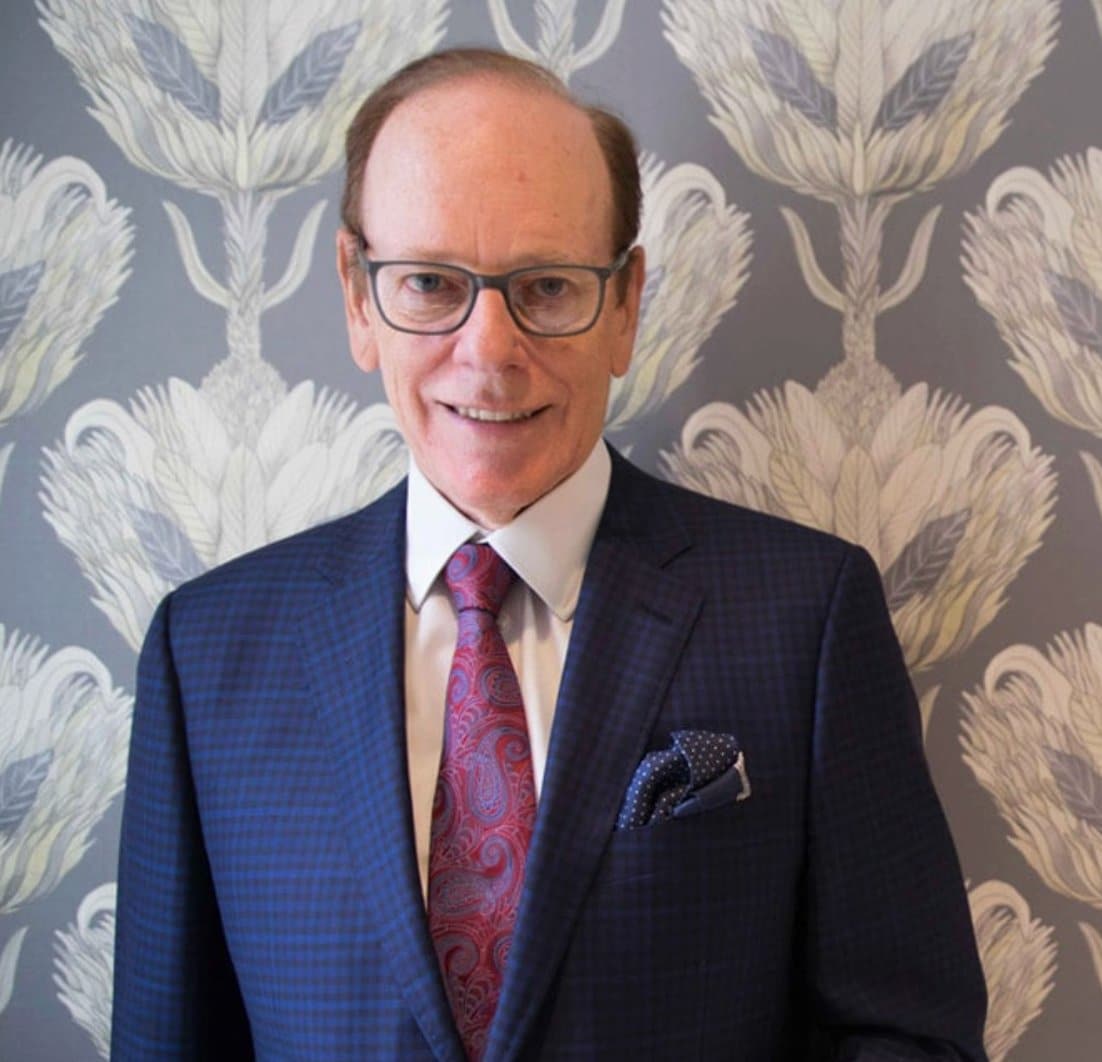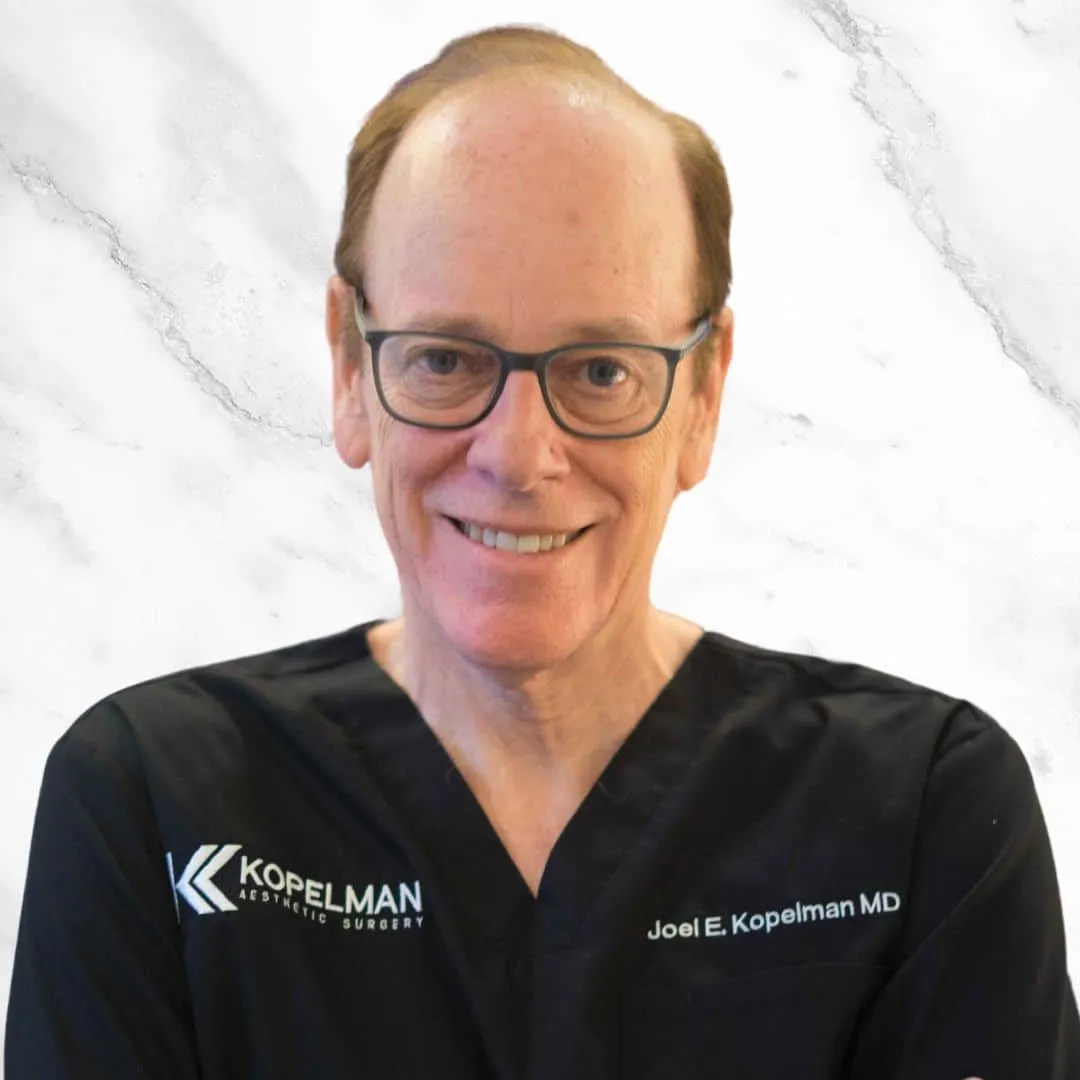

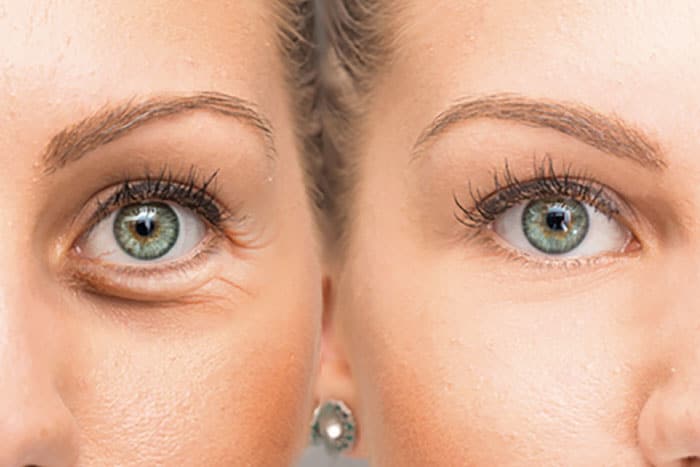
Dr. Joel Kopelman, a board-certified oculoplastic and facial plastic surgeon in New York, is a trusted authority in cosmetic eye procedures. At Kopelman Aesthetic Surgery, he offers a wide range of options for patients seeking eye enlargement surgery, with a focus on natural results and patient safety.
Can You Make Your Eyes Bigger?
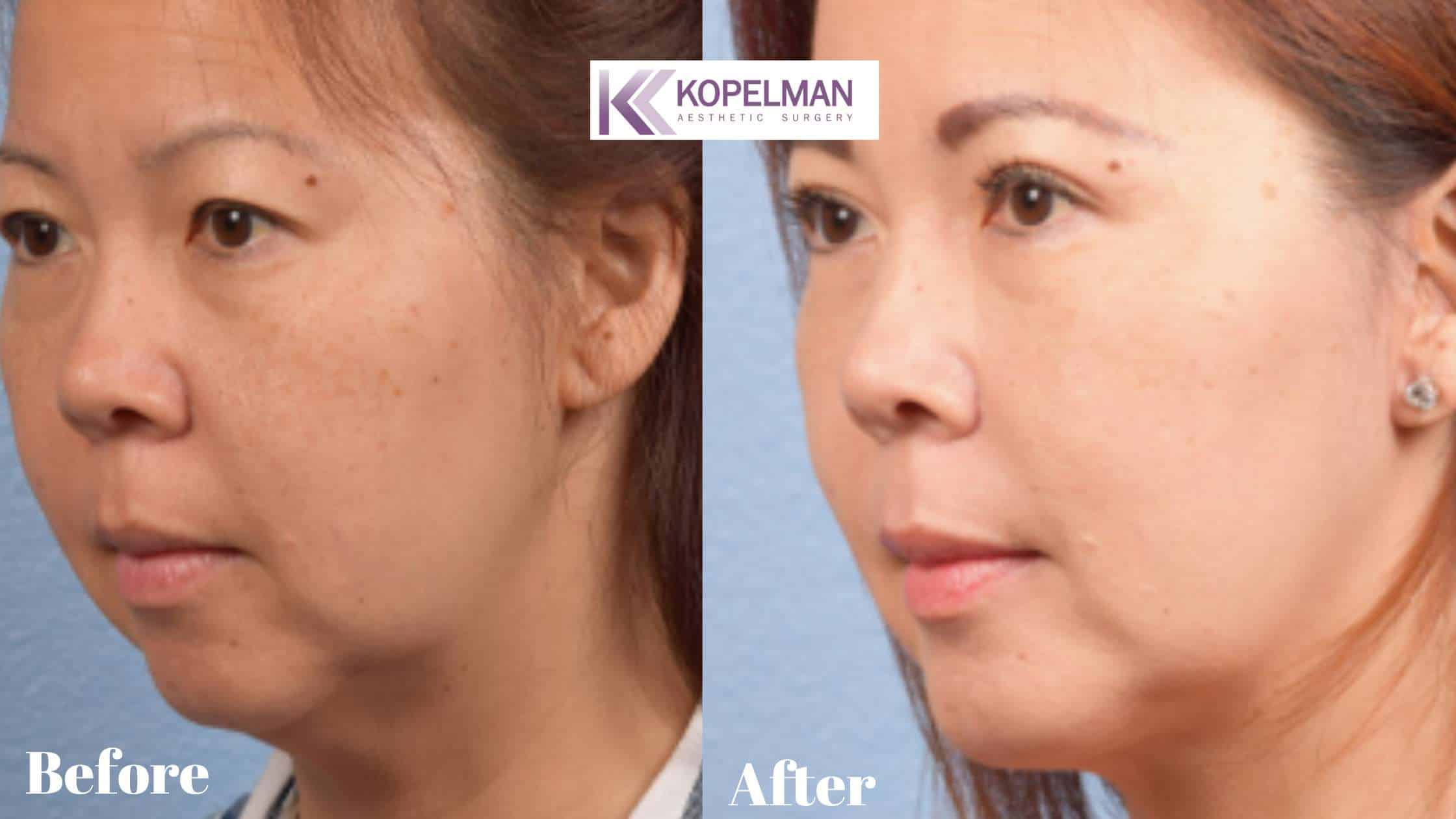
Many people search for ways to make their eyes look bigger, and the short answer is yes, surgery can help, though it works more by enhancing openness than by physically enlarging the eyes. Surgical procedures focus on removing excess tissue, adjusting eye angles, or reshaping eyelids to improve symmetry, light reflection, and visual field.
These techniques don’t increase eyeball size. Instead, they create a more youthful, refreshed appearance. The result is eyes that look brighter, more defined, and naturally larger.
How to Increase Eye Size Without Surgery
Not everyone wants surgery, and there are non-surgical ways to make eyes look bigger, at least temporarily. These options don’t change eyelid anatomy, but they can soften hooding, brighten the eye area, or create the impression of a larger eye shape.
- Makeup techniques such as a lighter shadow on the lid, white or nude liner along the lower lash line, and well-groomed brows can make the eyes appear more open.
- False lashes or lash extensions add length and lift, drawing attention to the eye and making it look bigger in photos and in person.
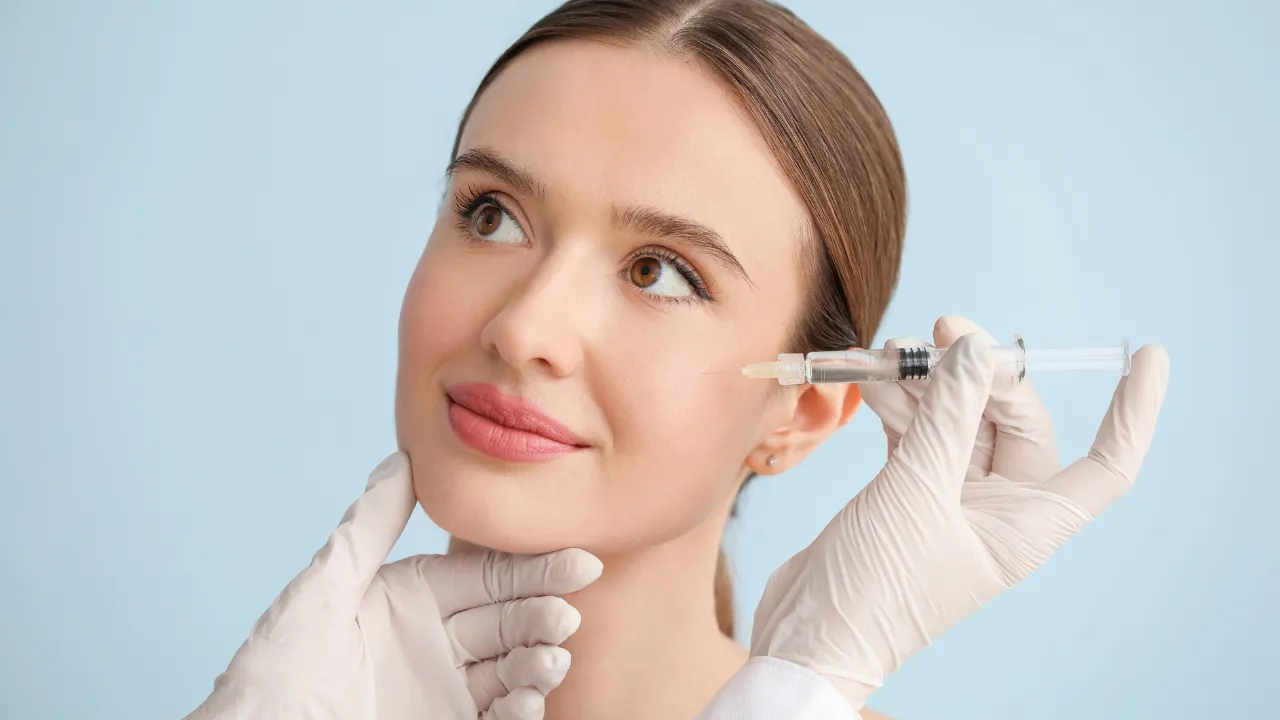
- Under-eye filler can soften hollows and shadows that make the eyes look smaller or tired, without any incisions.
- Prescription eye drops can temporarily lift a mildly drooping upper eyelid for several hours, which is useful for patients who aren’t ready for ptosis repair.
- Injectable brow lifts can slightly raise the brow, opening the upper eyelid space without any cutting.
These methods are a reasonable starting point for increasing eye size day to day, but the effects are temporary and limited. Patients who want a permanent change in eyelid position, fold, or eye shape usually need a surgical procedure.
Why “Eye Enlargement Surgery” Can Be a Misleading Term
The phrase “eye surgery to make eyes bigger” is common online, but most procedures don’t change the size of the eyeball. They change the shape and contour of the eyelid and surrounding tissue to make the eyes appear more open. This distinction matters for setting realistic expectations and avoiding misunderstandings about what cosmetic eye surgery can actually do.
Eye Enlargement Surgery: What Are the Options?
- Blepharoplasty (Eyelid Surgery) removes excess eyelid skin or fat from the upper and lower eyelids. An upper blepharoplasty can correct droopy lids, while a lower blepharoplasty targets puffiness and dark circles. Blepharoplasty is one of the most requested cosmetic enhancements for the eye area.
- Anesthetic Method: Local anesthesia with sedation
- Operation Time: Typically under one hour for upper blepharoplasty
- Stitch Removal: 5 to 7 days after surgery
- Hospitalization: Not necessary, performed in office or outpatient setting
- Epicanthoplasty: Often combined with double eyelid surgery, this procedure reshapes the inner corner of the eye by releasing the epicanthal fold. It’s more common in Asian patients looking to enhance their natural crease. Patients who want a more noticeable widening effect sometimes combine epicanthoplasty with lateral canthoplasty in the same session. Dr. Kopelman adjusts the technique based on ethnic features and eye anatomy.
- Anesthetic Method: Local anesthesia with sedation
- Operation Time: Approximately 30 to 45 minutes
- Stitch Removal: Up to one week after surgery
- Hospitalization: Not necessary, performed in office or outpatient setting
- Canthoplasty: This procedure lifts or tightens the outer corner of the eyes, making them appear longer or more almond-shaped. It can improve eye symmetry and contribute to a wider-eyed look. The incisions are typically hidden in the outer eyelid crease and heal discreetly.
- Anesthetic Method: Local anesthesia with sedation
- Operation Time: Approximately 30 to 45 minutes
- Stitch Removal: Up to one week after surgery
- Hospitalization: Not necessary, performed in office or outpatient setting
- Widening the Space Between the Eyes: While rare, a subtle reshaping of the canthal angle can alter the perceived distance between the eyes. It requires precise evaluation by experienced surgeons to ensure both safety and symmetry.
- Caucasian vs. Asian Techniques: Dr. Kopelman tailors each cosmetic procedure to the patient’s ethnicity, bone structure, and eyelid anatomy to achieve natural-looking results. This personalized approach supports better healing, alignment, and aesthetic harmony.
Quick Comparison Table
| Procedure | Target Area | Best For |
|---|---|---|
| Blepharoplasty | Upper and lower eyelids | Removing excess skin, improving vision and aesthetics |
| Epicanthoplasty | Inner eye corner | Creating a more open eye shape |
| Canthoplasty | Outer eye corner | Lifting drooping eyelids, eye widening |
| Ptosis Repair | Upper eyelid muscle | Lifting a drooping eyelid that blocks vision |
| Canthopexy | Outer corner support | A less invasive alternative to canthoplasty |
What Happens During and After Eye Enlargement Surgery?
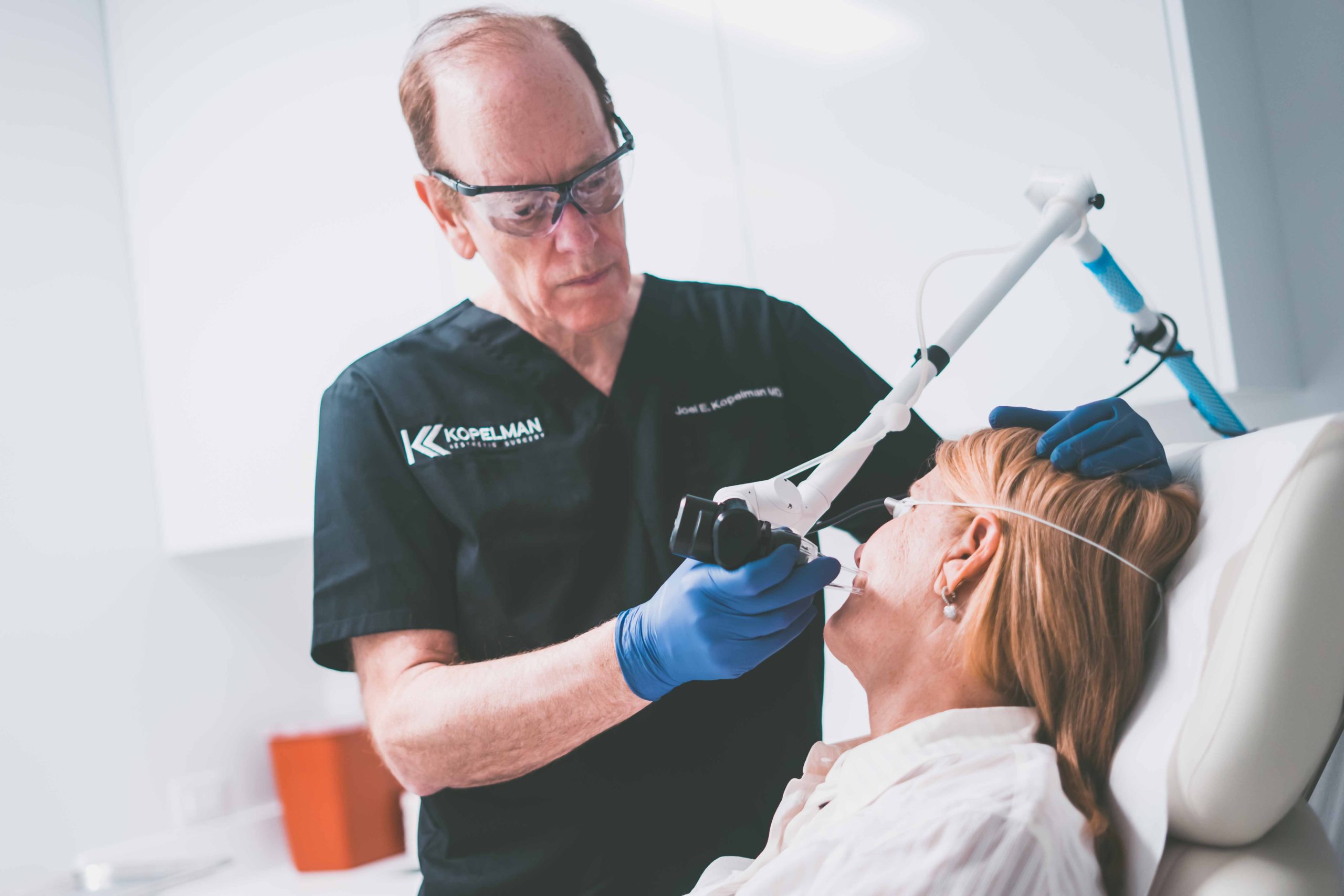
Each surgical procedure is performed in an office or outpatient setting under local anesthesia with sedation. An upper blepharoplasty, for example, typically takes less than an hour. Dr. Kopelman removes excess skin, fat, or muscle to lift the eyelid.
Post-op recovery includes:
- Temporary swelling and bruising
- Mild discomfort or dry eyes
- Sutures removed within 5 to 7 days for blepharoplasty, and up to a week for epicanthoplasty or canthoplasty
Most patients resume light activity within one week. Full recovery takes 2 to 3 weeks, with final results appearing in 1 to 3 months.
Are You a Good Candidate for Eye Widening Surgery?
Ideal candidates include individuals with:
- Excess skin around the eyelids that obstructs their natural crease
- Sagging eyelids or visual field issues
- Puffiness or dark circles under the eyes from under-eye fat
- Asymmetry or dissatisfaction with natural eye shape
Age, skin elasticity, and realistic expectations all play a role in determining suitability. A consultation with Dr. Kopelman ensures the procedure is both safe and personalized.
Risks and Side Effects of Eye Enlargement Procedures
All cosmetic eye surgeries carry some risks. Common side effects include:
- Bruising, swelling, or tightness
- Temporary dry eyes
- Minor asymmetry during healing
In rare cases, complications like infection or delayed healing may occur. Choosing board-certified plastic surgeons like Dr. Kopelman significantly reduces these risks.
How Much Does Bigger Eyes Surgery Cost?
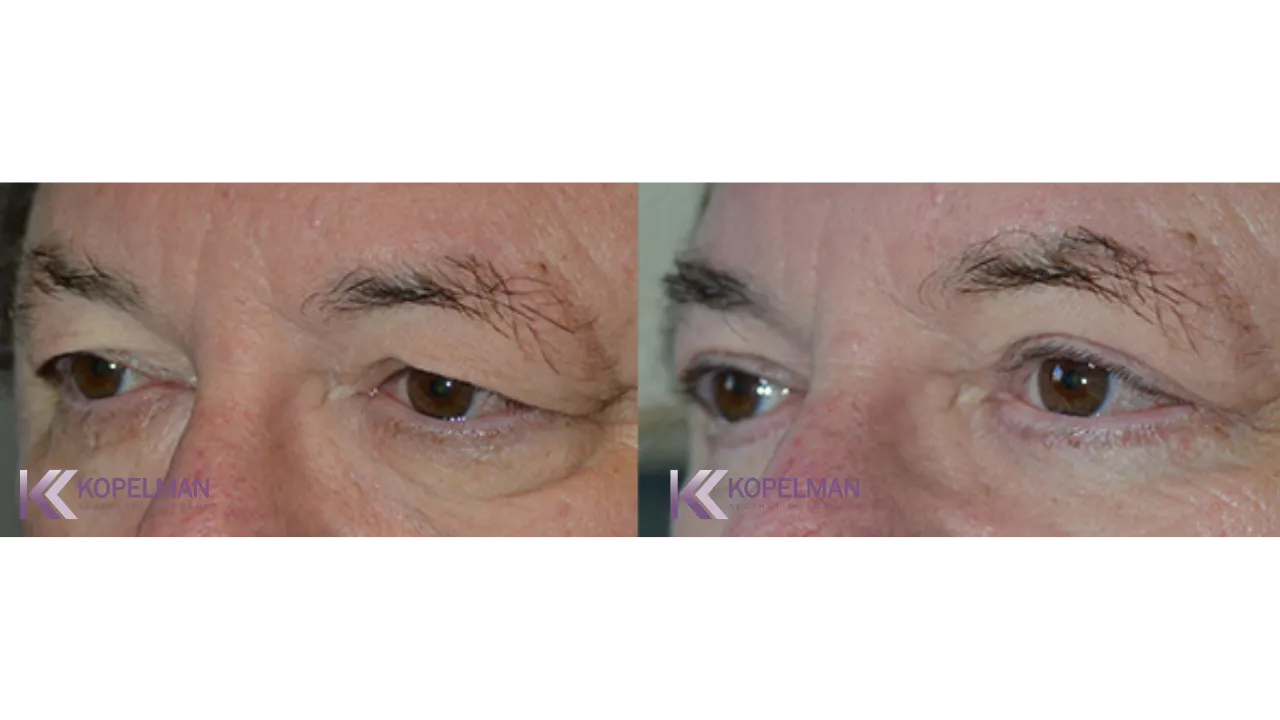
Pricing varies by procedure, complexity, and geographic location:
- Upper blepharoplasty: $3,000 to $5,000
- Lower blepharoplasty or combination: $4,000 to $6,500
- Canthoplasty or epicanthoplasty: $3,500 to $6,000
Insurance typically does not cover these costs unless surgery is deemed medically necessary to restore the visual field. Patients receive a detailed estimate during consultation.
How to Choose the Right Surgeon for Eye Enlargement
When selecting a surgeon, prioritize:
- Board certification in oculoplastic or facial plastic surgery
- Extensive experience in cosmetic eye procedures
- Personalized planning based on anatomy, age, and ethnicity
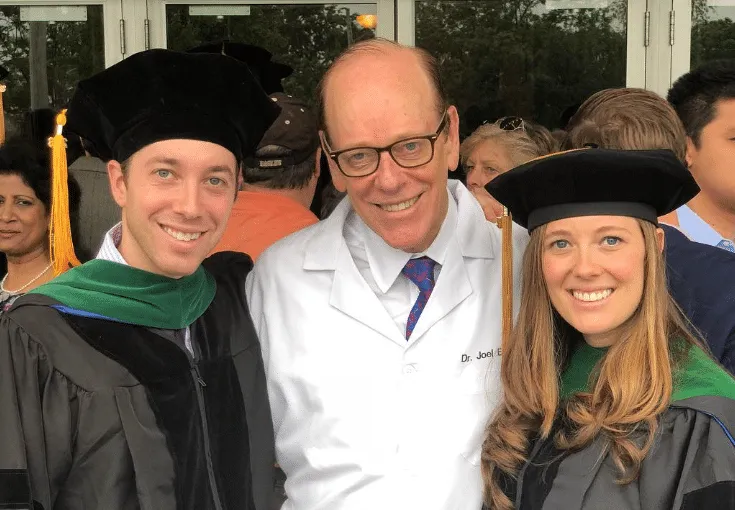
Dr. Joel Kopelman brings over 35 years of experience and has helped thousands of patients achieve subtle, natural enhancements without overcorrection.
Frequently Asked Questions
How Can Dr. Kopelman Help
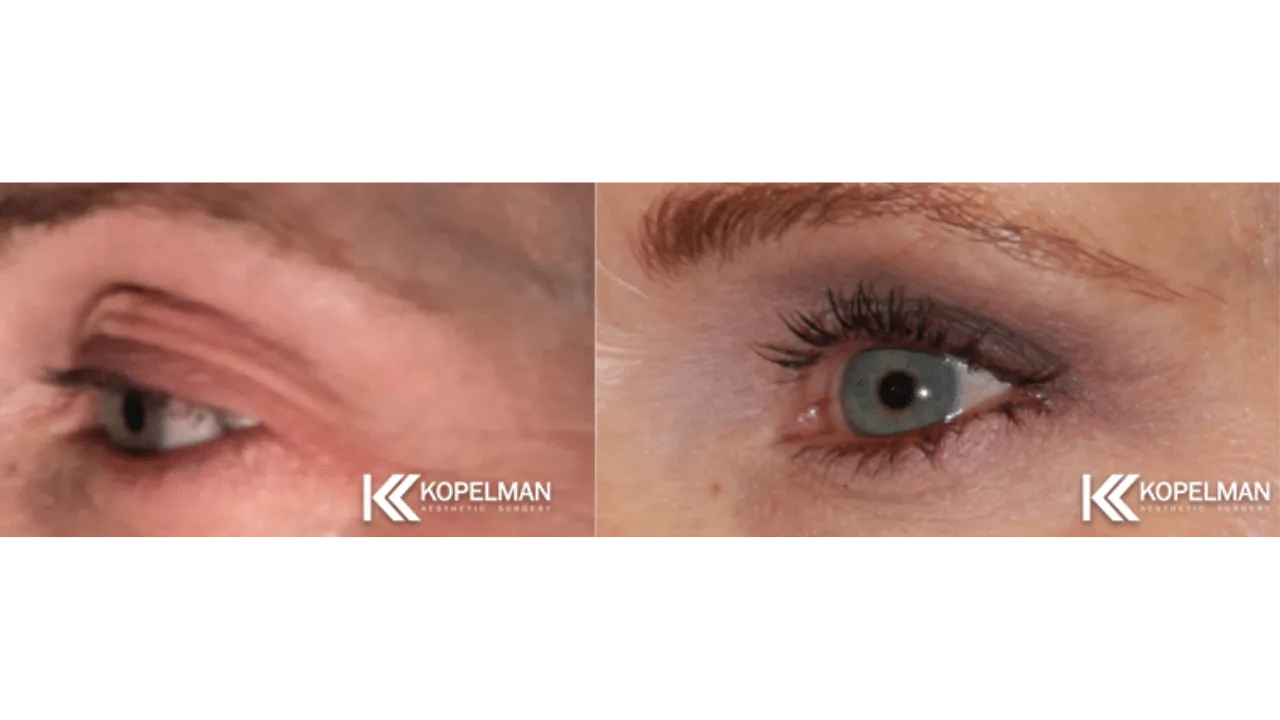
Kopelman Aesthetic Surgery offers expert care grounded in precision, safety, and aesthetics for anyone considering eye enlargement surgery.
While subtle in technique, these procedures can produce transformative results when tailored by an experienced specialist.
Whether you’re exploring a blepharoplasty procedure or a more advanced eye-widening procedure, a personalized consultation with Dr. Kopelman is the best first step.