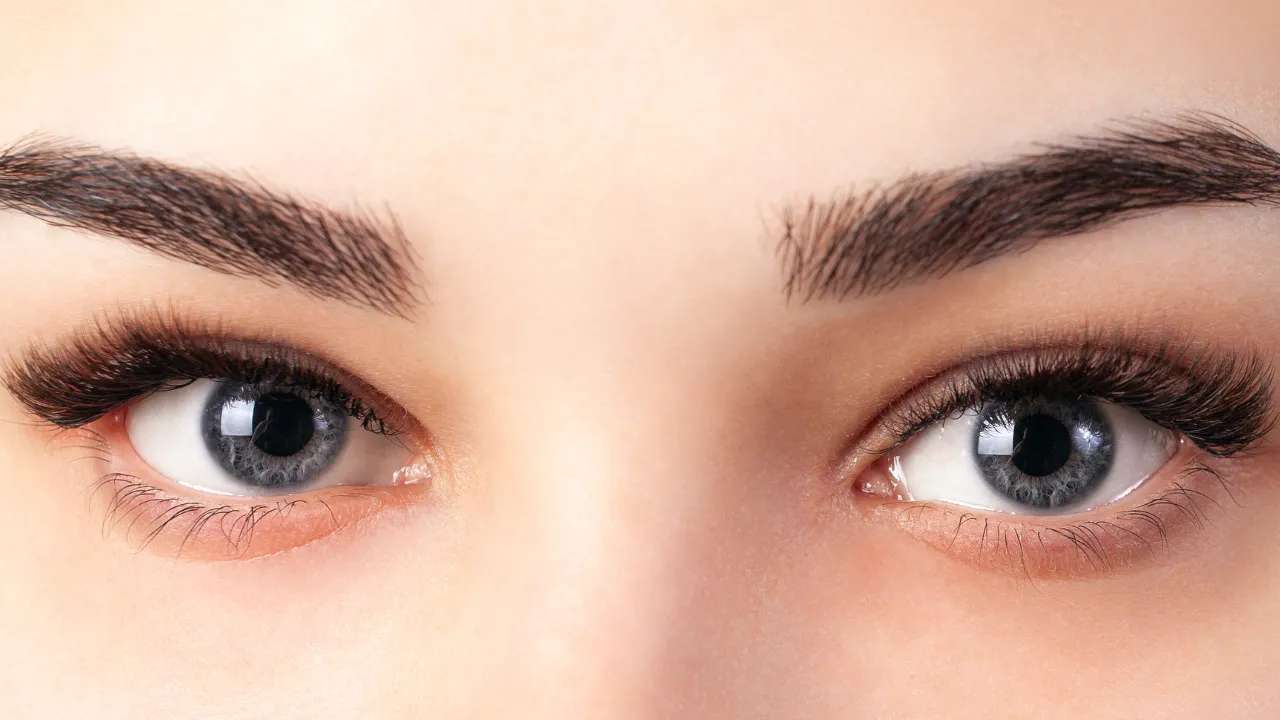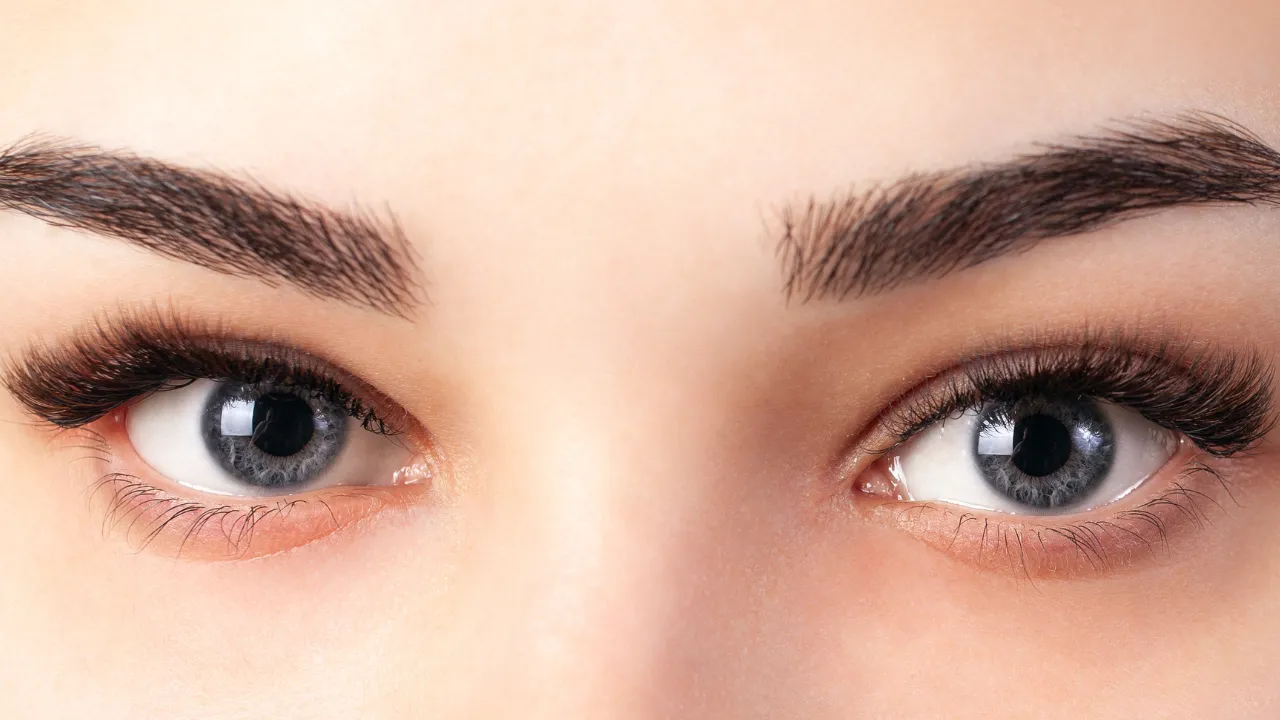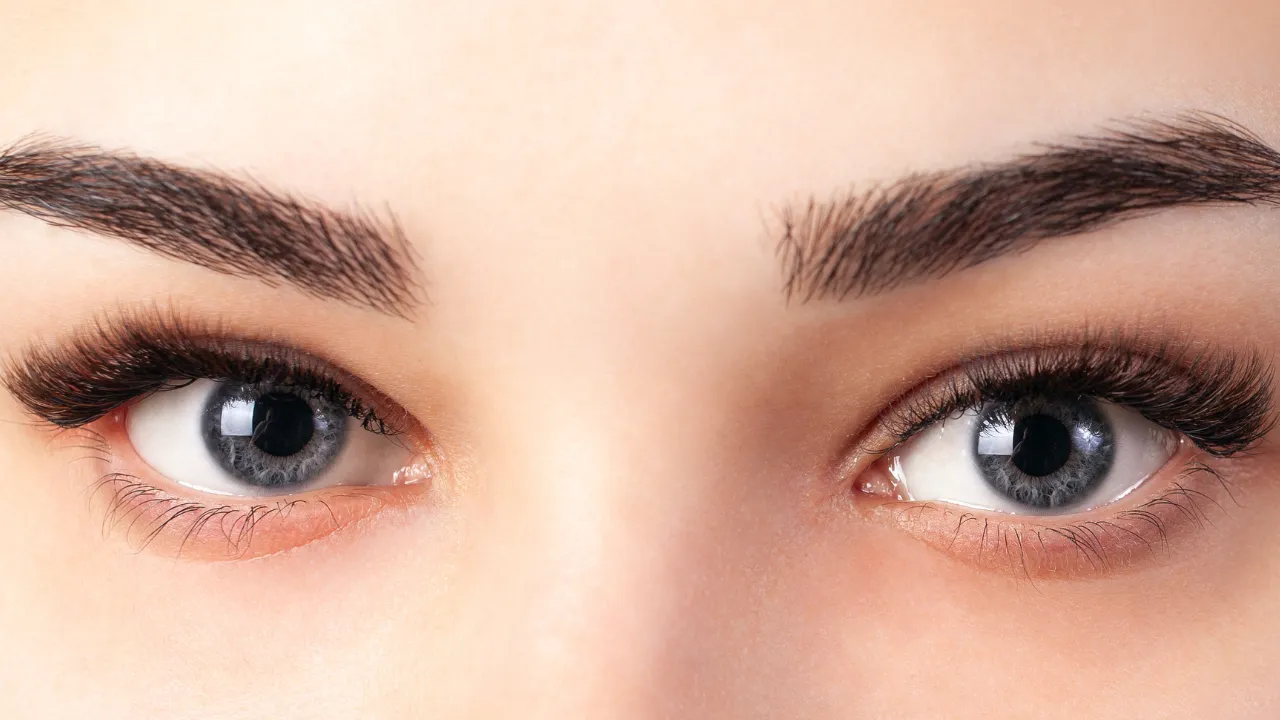


An additional feature, the epicanthic fold, is a skin fold near the inner corner of the eye. This fold is common in individuals of East Asian descent, though it also appears in other populations. It can influence how the eyelid crease appears or whether a crease forms naturally, and it plays a role in the overall shape of the eyelid.
Monolids vs Double Eyelids
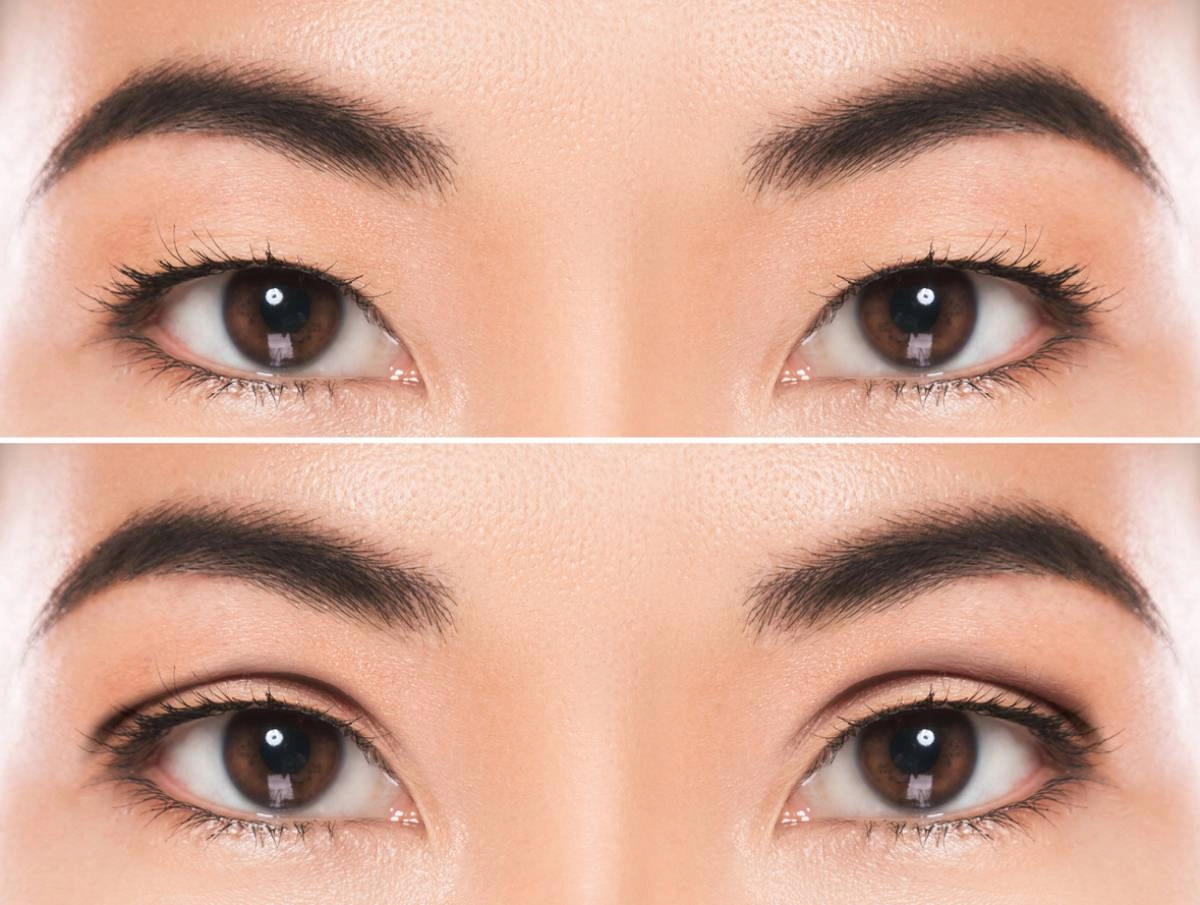
So, what are double eyelids compared to monolids in practical terms? The difference comes down to anatomy. Double-lid eyes display a visible horizontal fold across the upper eyelid, creating the appearance of two distinct sections. Monolid eyes have no such fold; the skin runs smoothly from the lash line to the brow bone.
This distinction affects how blepharoplasty procedures are planned. For patients with monolids who desire a crease, the surgeon must account for the position and depth of the new fold relative to the lash line, orbital fat distribution, and any existing epicanthic fold. The surgical plan for someone with a naturally creased lid who wants refinement is quite different.
According to research published by the Cleveland Clinic, roughly half of individuals of East Asian descent have monolids. Whether a person has a crease or not is primarily determined by genetic factors and geographic ancestry. Both eyelid types are healthy and represent normal anatomical variations.
Some people feel that double eyelids create the appearance of larger, more open eyes. Many individuals explore either non-surgical or surgical methods to create or enhance a crease. Others prefer the aesthetic of monolid eyes and choose to work with their natural shape through adapted makeup techniques. Beauty standards vary widely across cultures, and neither eyelid type is medically superior.
People with double eyelids often find it easier to apply conventional eye makeup, while those with monolid eyes may need different styling approaches, such as tightlining or gradient shadow techniques.
Aesthetic Views and Cultural Context
Perceptions of eyelid shape are closely tied to cultural norms. In many Western countries, a visible eyelid crease has historically been associated with a more open, expressive eye appearance. In parts of East Asia, double eyelid surgery is one of the most commonly requested cosmetic procedures.
However, these preferences are not universal. Many individuals embrace monolid eyes as a defining part of their identity and ethnic heritage. For those who do pursue a crease through surgery, the goal is typically to enhance expressiveness or ease of makeup application, not to erase ethnic features.
The presence or absence of an upper eyelid crease depends on inherited anatomical traits and is not an abnormality in any population. Double eyelids are common in individuals of European and South Asian descent and occur naturally in a significant portion of East Asian populations.
Making an informed decision about eyelid enhancement means understanding that both crease types are medically normal. Patients considering surgery should choose freely, based on their own goals rather than external pressure.
Creases and Eyelid Variations
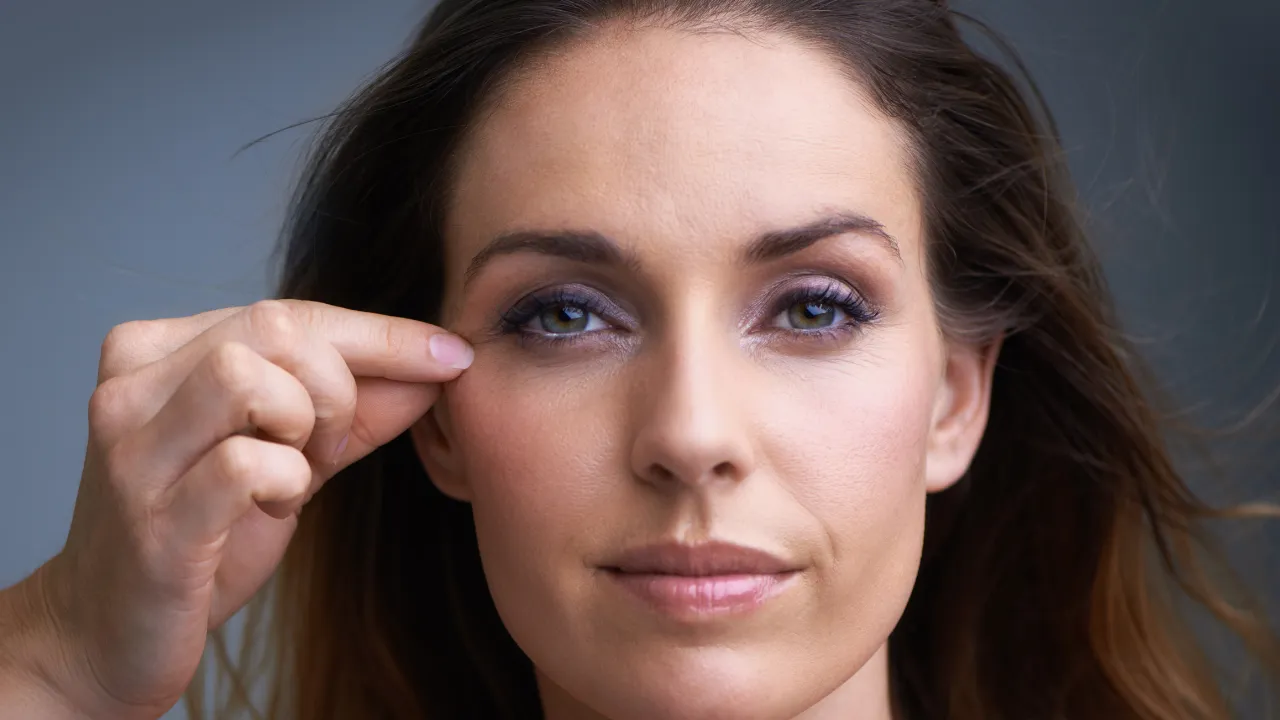
Eyelids can develop different crease patterns over time or as a result of genetics. Some individuals have stable, well-defined creases from childhood. Others experience changes to their eyelid fold as they age, lose or gain weight, or experience shifts in skin elasticity.
Some people develop more than one visible crease, a condition known as a double crease eyelid. This can occur naturally with aging or result from changes in skin laxity and muscle tone. Others may develop a triple eyelid, where a second fold forms above the natural crease, often due to fatigue, dehydration, or volume loss in the upper lid.
These variations are typically harmless but can affect appearance and make makeup application less predictable. In cases where the extra crease causes asymmetry or cosmetic concern, it can be corrected through a targeted surgical approach.
Enhancing or Creating a Double Eyelid
For those without a natural crease who want to experiment before committing to surgery, several non-surgical methods can temporarily create a visible fold.
- Double-fold eyelid tape: Adhesive strips applied to the upper eyelid to hold a crease in place. Available in single-sided and double-sided varieties.
- Eyelid glue: A liquid adhesive that bonds the skin into a fold. Often preferred for a more subtle, invisible hold.
- Makeup techniques: Strategic contouring and shadow placement along the socket line can simulate the depth of a crease without any adhesive.
These options are affordable and non-invasive, but they provide temporary results that must be reapplied daily. They can be a practical starting point for anyone considering whether a permanent crease suits their features before exploring surgical options.
Surgical Solutions and Corrections
When a longer-lasting or more precisely defined crease is the goal, double eyelid surgery (a form of upper blepharoplasty) may be appropriate. This procedure reshapes the upper eyelid to create a permanent fold by connecting the eyelid skin to the underlying levator muscle.
There are two primary techniques:
- Incisional method: Involves making a small incision along the planned crease line to remove a controlled amount of excess skin, muscle, or fat before securing the fold. Best suited for patients with thicker skin, significant excess tissue, or hooded lids.
- Non-incisional (suture) method: Uses buried sutures to create a fold without cutting the skin. Recovery is faster, but results may be less permanent and are best for patients with thinner skin and minimal excess tissue.
In cases of eyelid asymmetry, where one eye has a crease and the other does not, or where the folds differ in height, surgery can help balance the lids for a more symmetrical appearance.
As with all forms of eyelid surgery, patients should understand the risks, expected results, and recovery timeline before committing to a procedure. Those interested in crease creation while preserving ethnic features may consider Asian blepharoplasty, a specialized approach that produces a defined fold without altering the eye’s natural character.
Evaluation and Recovery
Before pursuing any treatment, a thorough evaluation of your eyelid anatomy is essential. This includes assessing the presence and position of any existing crease, the degree of skin laxity, fat distribution, brow position, and whether an epicanthic fold is influencing the appearance of the lid.
Consulting with a board-certified oculoplastic surgeon ensures that cosmetic goals are aligned with what is medically appropriate and anatomically achievable. Factors such as skin thickness, symmetry, and the patient’s ethnic background influence the surgical plan.
Recovery from double eyelid surgery generally follows this timeline:
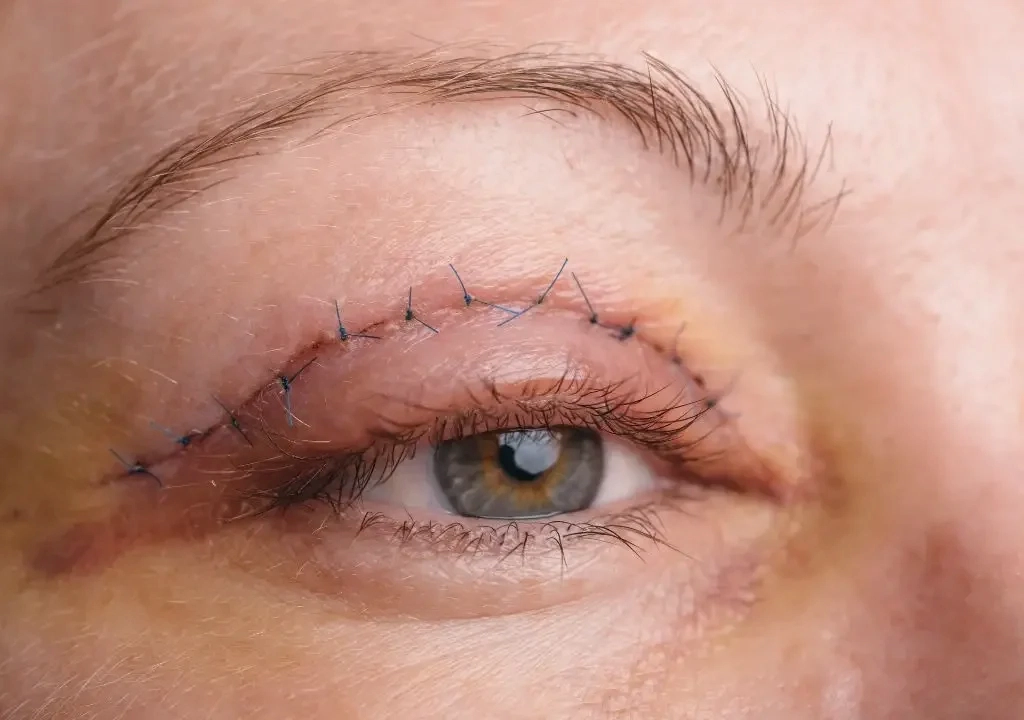
- Mild swelling and bruising for the first week.
- Stitches removed within 5 to 7 days (if the incisional method was used).
- Return to most normal activities within 10 to 14 days.
Recovery times vary depending on the surgical technique and the individual’s healing process. Most patients notice visible improvement within two weeks, though the final refined result, including the settling of the crease and resolution of subtle swelling, typically becomes apparent over the following two to three months.