
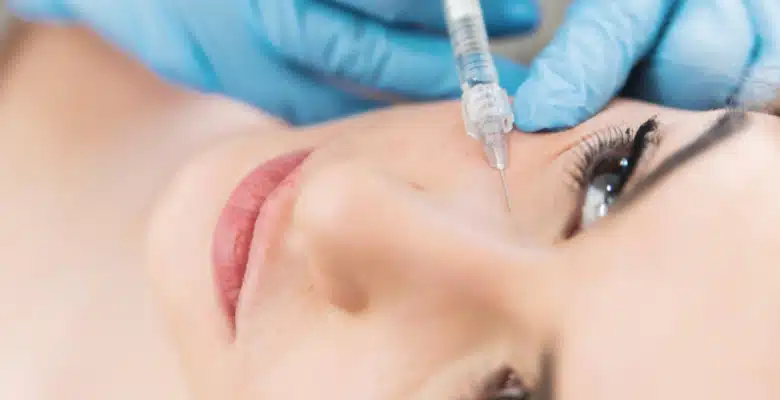
All of these are hyaluronic acid-based, which means they are biocompatible (your body already produces HA naturally) and fully reversible. If any complications arise, an enzyme called hyaluronidase can quickly dissolve the filler. This reversibility is especially important in the under-eye area, where precision matters and the margin for error is small.
Dr. Kopelman carefully selects the filler that best matches each patient’s anatomy, skin thickness, and goals. In clinical trials for Restylane Eyelight, 87% of patients saw a visible reduction in under-eye hollowness at 3 months, and 93% said they would choose the treatment again at 12 months.
Fillers to Avoid Under the Eyes
Certain fillers carry higher risks in the tear trough area and should generally be avoided:
- Calcium hydroxylapatite fillers (such as Radiesse) are too thick for the thin skin beneath the eyes and can create visible lumps or a whitish appearance. They cannot be dissolved if problems occur.
- Poly-L-lactic acid fillers (such as Sculptra) are collagen stimulators designed for broader facial areas. Under the eyes, they carry a risk of nodule formation, and because the changes are irreversible, correcting them may require surgical intervention.
- Permanent fillers (such as silicone) pose serious long-term risks, including migration, granulomas, and chronic inflammation. The FDA has specifically warned against injectable silicone for body contouring.
Dr. Kopelman uses only HA-based fillers for the under-eye area because their safety profile and reversibility make them the most appropriate choice for this delicate region.
Tear Trough Fillers and How They Differ
Tear trough fillers specifically target the groove between the lower eyelid and the upper cheek, an area where volume loss creates visible hollows and dark shadows. This is distinct from treating surface-level fine lines; tear trough correction focuses on restoring the structural volume that gives the under-eye area a smooth, rested appearance.
Some patients may benefit from treating the mid-cheek area first. Adding structural support to the cheeks with a product like Restylane Lyft or Juvederm Voluma XC can improve the tear-trough transition, using less product directly under the eye, creating a more natural overall lift.
For patients with significant fat herniation (visible under eye bags that protrude forward), fillers alone may not be the best solution. In those cases, Dr. Kopelman may recommend fat repositioning surgery or lower blepharoplasty instead. He evaluates tear-trough depth, skin quality, and the surrounding tissue to determine the safest approach.
Which Under Eye Filler Lasts Longest?
Filler longevity varies by product and individual factors. Here is what to expect with the most common options for how long under-eye fillers last:
- Restylane Eyelight can last up to 18 months, making it one of the longest-lasting HA options for the tear trough.
- Juvederm Volbella XC typically lasts about 12 months.
- Belotero Balance and standard Restylane products generally last 6 to 12 months.
- Fat transfer, a surgical alternative, can last several years when successful.
Your metabolism, how much filler is used, sun exposure, and lifestyle all influence how long results hold. Many patients notice that their second and subsequent treatments seem to last longer, possibly because HA fillers can stimulate some natural collagen production over time.
Dr. Kopelman prefers hyaluronic acid-based fillers for their safety and reversibility and advises periodic touch-ups to maintain smooth, consistent results.
Results, Risks, and Costs
Benefits and Expected Results
The best filler for under-eye wrinkles delivers several noticeable improvements: smoother contours beneath the eyes, reduced shadows and dark circles, a fresher and more rested appearance, and gentle volume restoration that fills hollows without looking overdone.
Results are visible immediately after treatment. However, the final outcome typically becomes clear within 10 to 14 days once any initial swelling has fully subsided. The goal is always a subtle enhancement, not a dramatic change. Patients should look refreshed and like themselves, not obviously treated.
How Under Eye Fillers Change Your Look and Feel
After treatment, patients often notice smoother skin texture and a brighter, more awake look around the eyes. The skin appears gently lifted without puffiness, and the shadowy hollows that made you look tired begin to disappear.
Many patients report both a physical and emotional improvement. They feel more confident in their appearance without worrying that the results look artificial. Dr. Kopelman focuses on enhancing natural features so changes appear discreet. The goal is for people to notice you look well-rested, not that you had a procedure.
Best Under Eye Filler for Wrinkles Before and After
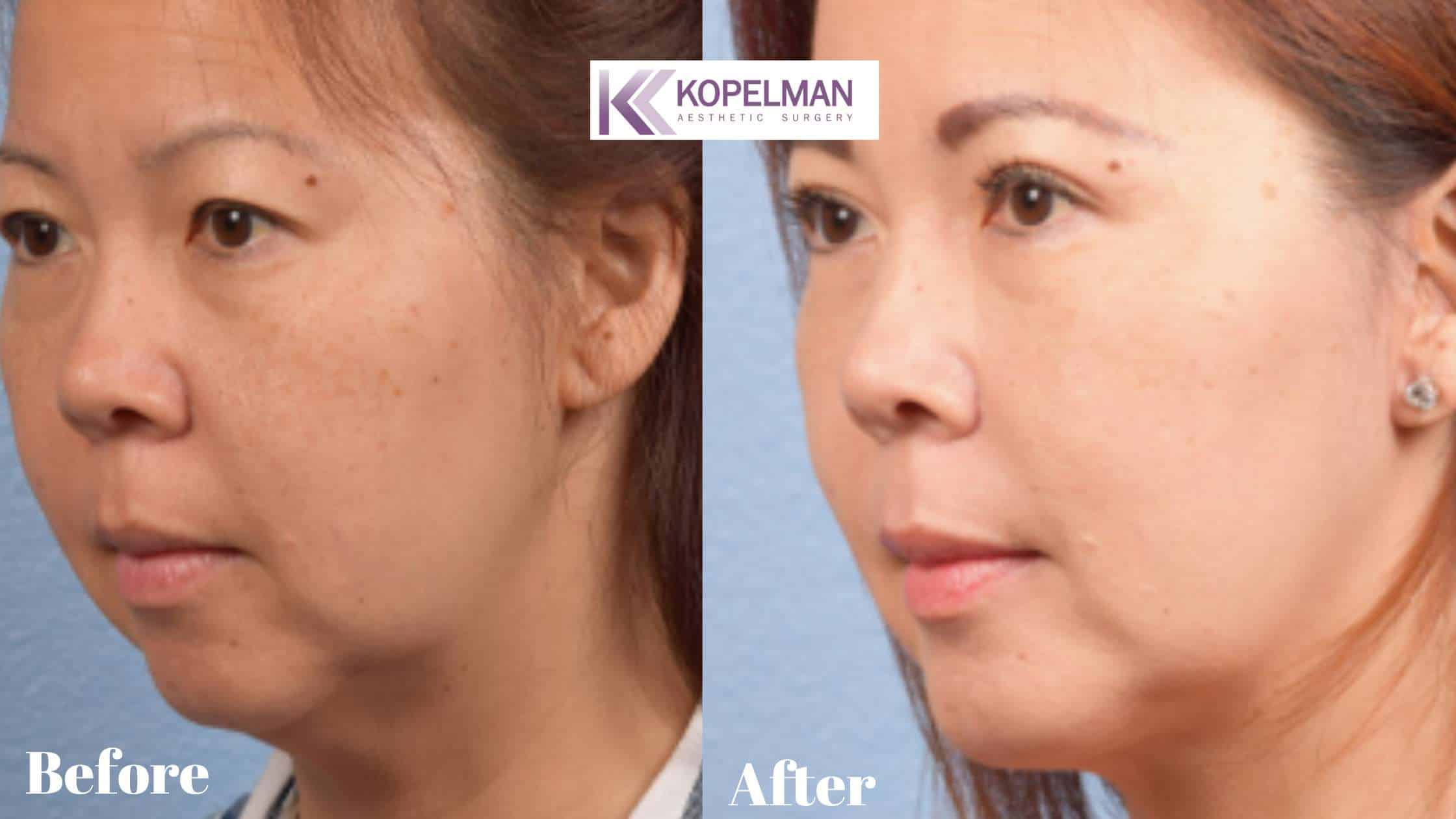
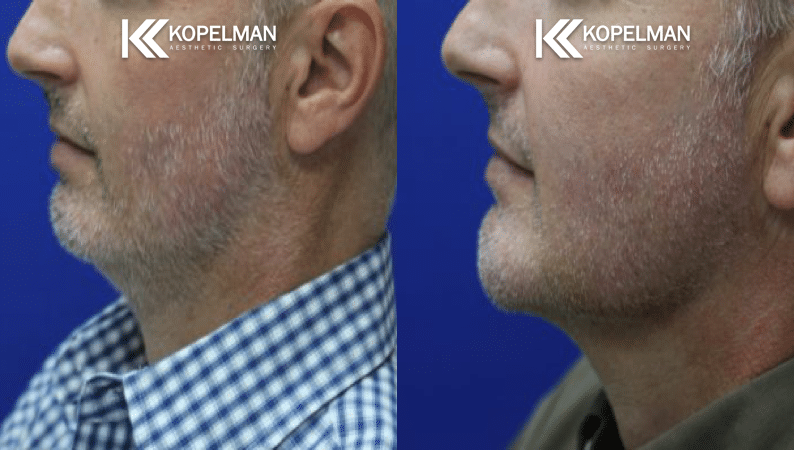
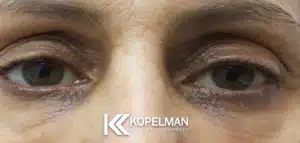
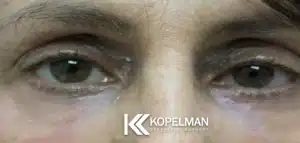
Before-and-after photos show how fillers can soften lines, reduce hollowness, and add volume for a more rested look. Reviewing real patient results helps set clear, realistic expectations for what treatment can achieve.
Dr. Kopelman uses before-and-after photos in every consultation to show the range of possible improvements and help each patient understand what level of change is realistic for their anatomy and goals.
Risks and Side Effects of Under-Eye Fillers
Under-eye fillers are safe in skilled hands, but every injectable procedure carries some risk. The most common side effects are temporary and include mild swelling or bruising at the injection site, minor tenderness or redness, and occasional unevenness that typically resolves as the filler settles.
Less common but more serious risks include the Tyndall effect (a bluish discoloration that occurs when filler is placed too close to the skin surface), malar edema (persistent puffiness if filler interferes with lymphatic drainage), and, in rare cases, vascular occlusion (when filler accidentally blocks a blood vessel).
All of these are far less likely when treatment is performed by a specialist with deep knowledge of facial anatomy. The FDA provides detailed guidance on safe filler practices for patients considering injectable treatments.
With HA fillers, most complications can be corrected quickly by dissolving the filler with hyaluronidase. Dr. Kopelman’s expertise in oculoplastic and facial plastic surgery reduces these risks through precise technique and conservative placement.
Under Eye Filler Recovery Time
Most patients resume normal activities within 1 to 2 days. Mild swelling or bruising is common and typically fades within about a week. To support a smooth recovery, avoid heavy exercise and alcohol for 24 to 48 hours after treatment. Sleeping with your head slightly elevated for the first few nights can also help reduce swelling.
Dr. Kopelman advises gentle cold compresses to ease any discomfort. Patients may feel a little anxious while waiting for swelling to fully resolve, but final results emerge within about two weeks, and the vast majority of patients are pleased with what they see.
Cost of the Best Under-Eye Fillers
Under-eye fillers typically cost between $700 and $1,500 per syringe, depending on the product used and the provider’s location and expertise. Most patients need 1 to 2 syringes, placing the total treatment cost in the range of $1,000 to $1,800. Touch-ups are usually needed every 9 to 18 months, depending on the filler chosen.
These treatments are cosmetic and not covered by insurance. Dr. Kopelman provides clear pricing and guidance during consultation so patients can plan with confidence.
Non-Filler Alternatives for Under-Eye Wrinkles
Fillers are not the only option. Depending on the severity of your concerns, one of these alternatives may be more appropriate:
- High-quality eye creams containing peptides, retinol, and hyaluronic acid can improve skin quality and reduce the appearance of fine lines, though they will not restore lost volume.
- Laser resurfacing stimulates collagen production and can improve skin texture and tone, but it is better for surface-level lines than for deep hollowness.
- Chemical peels help with superficial texture issues and mild pigmentation, but do not address volume loss.
- PRP (platelet-rich plasma) therapy uses growth factors from your own blood to encourage collagen renewal and improve skin quality over time.
- Lower blepharoplasty (eyelid surgery) is a surgical option that removes or repositions fat and tightens loose skin for more dramatic, permanent results.
- Fat transfer involves harvesting fat from another area of the body and injecting it beneath the eyes. Results can last several years, though the procedure is more involved than filler injections.
Dr. Kopelman often discusses these options during consultation and may recommend combining approaches for the best outcome. For example, a patient with moderate volume loss and significant skin laxity might benefit from both filler and a conservative laser treatment.
Getting Under Eye Fillers Safely
Who Makes a Good Candidate?
Good candidates for under-eye wrinkle filler are those with mild to moderate hollowness, fine lines, or dark shadows beneath the eyes due to volume loss. They want natural-looking results without the commitment or downtime of surgery, and they have realistic expectations about what fillers can and cannot achieve.
Patients with significant under-eye bags due to fat herniation, very thin or crepey skin, or conditions such as malar bags or festoons may not be ideal candidates for filler. In those cases, Dr. Kopelman may recommend a surgical approach for safer, longer-lasting results.
How to Choose the Right Provider
The under-eye area has complex blood vessels and extremely thin skin. Choosing a qualified provider is the single most important factor in getting safe, natural-looking results. Look for a specialist with facial plastic or oculoplastic training, significant experience performing under-eye filler injections specifically, a portfolio of natural-looking before-and-after results, and board certification from a recognized surgical organization.
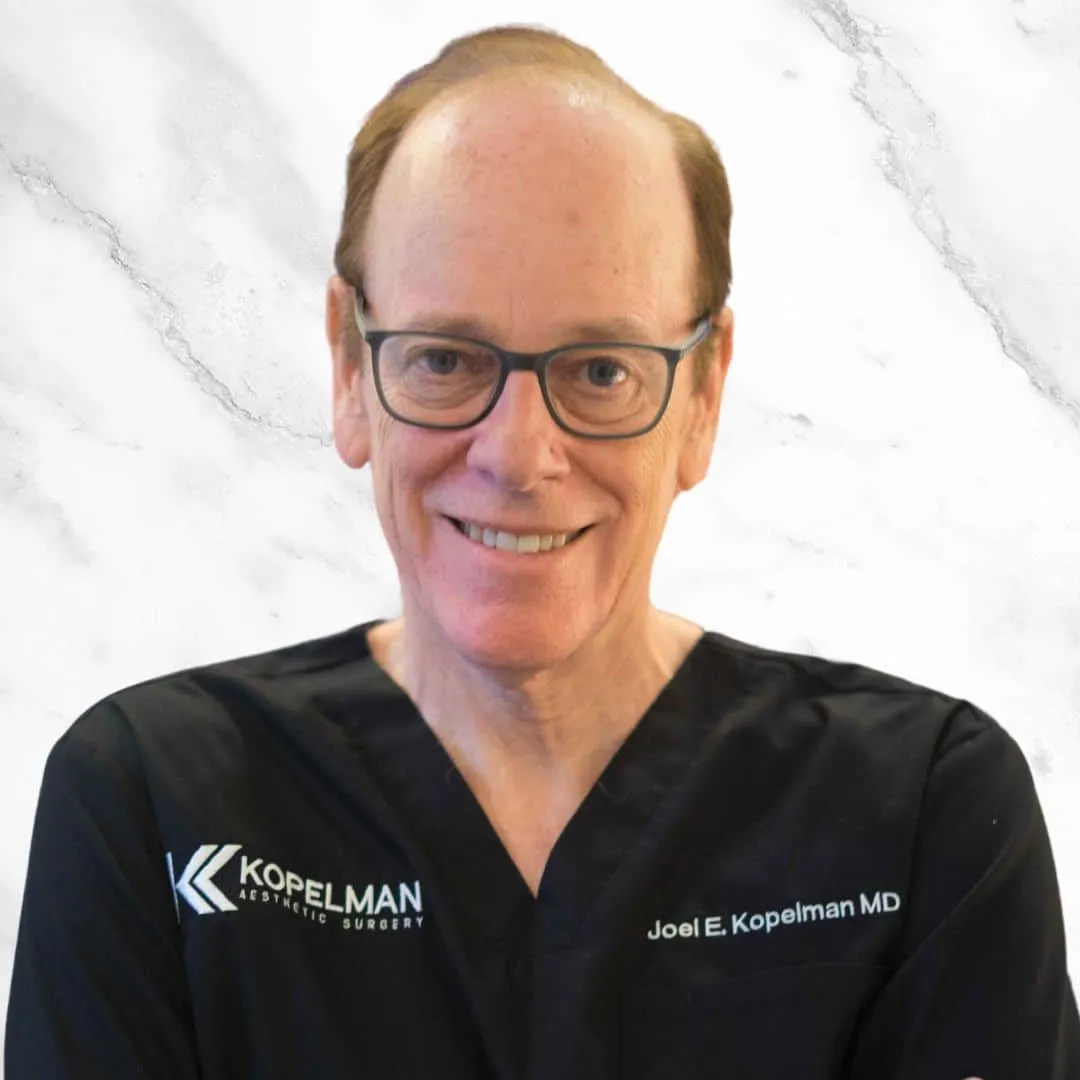
Dr. Kopelman’s oculoplastic fellowship training and over 35 years of experience in facial rejuvenation make him uniquely qualified for this delicate procedure. His practice is affiliated with the American Academy of Facial Plastic and Reconstructive Surgery, the American Society of Ophthalmic Plastic and Reconstructive Surgery, and the American College of Surgeons.
Key Questions to Ask Your Doctor
Before committing to treatment, patients should feel comfortable asking which filler their provider recommends and why, how many under-eye filler procedures their provider has performed, what specific risks apply to their anatomy, whether they use a cannula or needle technique, and the reasoning behind their choice, and whether they can review before-and-after photos of real patients.
Dr. Kopelman believes informed patients make confident decisions and welcomes these conversations during every consultation.
What to Expect at Your Consultation
During a visit, Dr. Kopelman reviews your medical history, examines your under-eye area and overall facial structure, discusses your goals and the range of realistic outcomes, and recommends a specific treatment plan with a clear timeline.
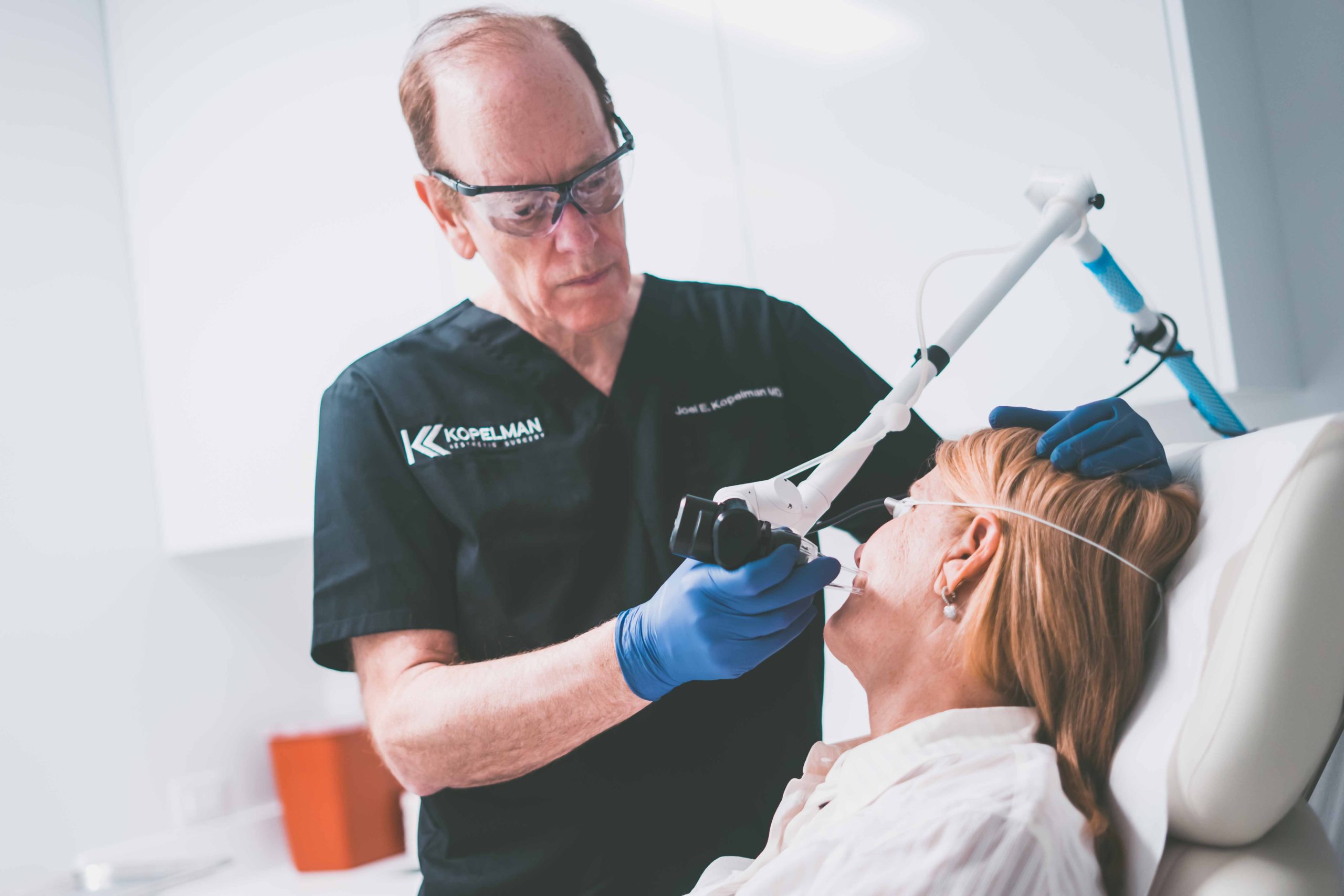
The procedure itself typically takes about 20 to 30 minutes. A numbing cream is applied first, and most HA fillers also contain lidocaine for additional comfort during injection. Many providers, including Dr. Kopelman, use a blunt-tipped cannula rather than a traditional needle. The cannula requires only one entry point and glides gently beneath the skin, reducing bruising, swelling, and overall discomfort compared with multiple needle insertions.
Patients leave with a clear plan and realistic expectations for their results.