
What Are the Treatment Options?
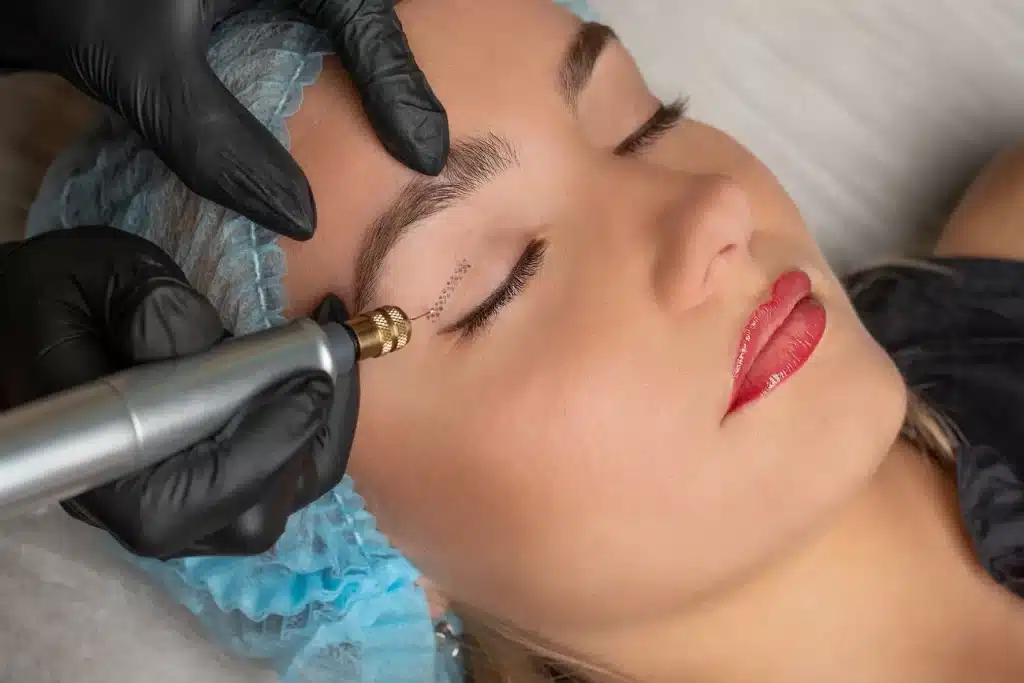
Laser and Plasma Pen for Eye Rejuvenation
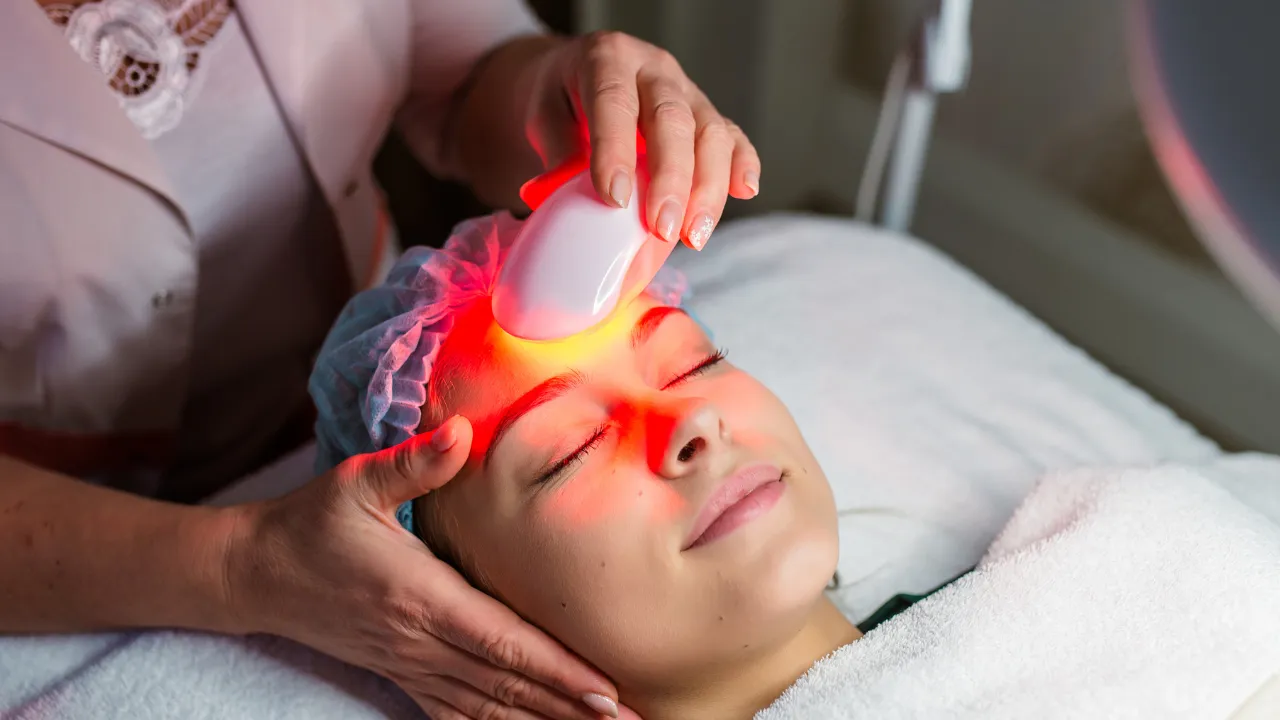
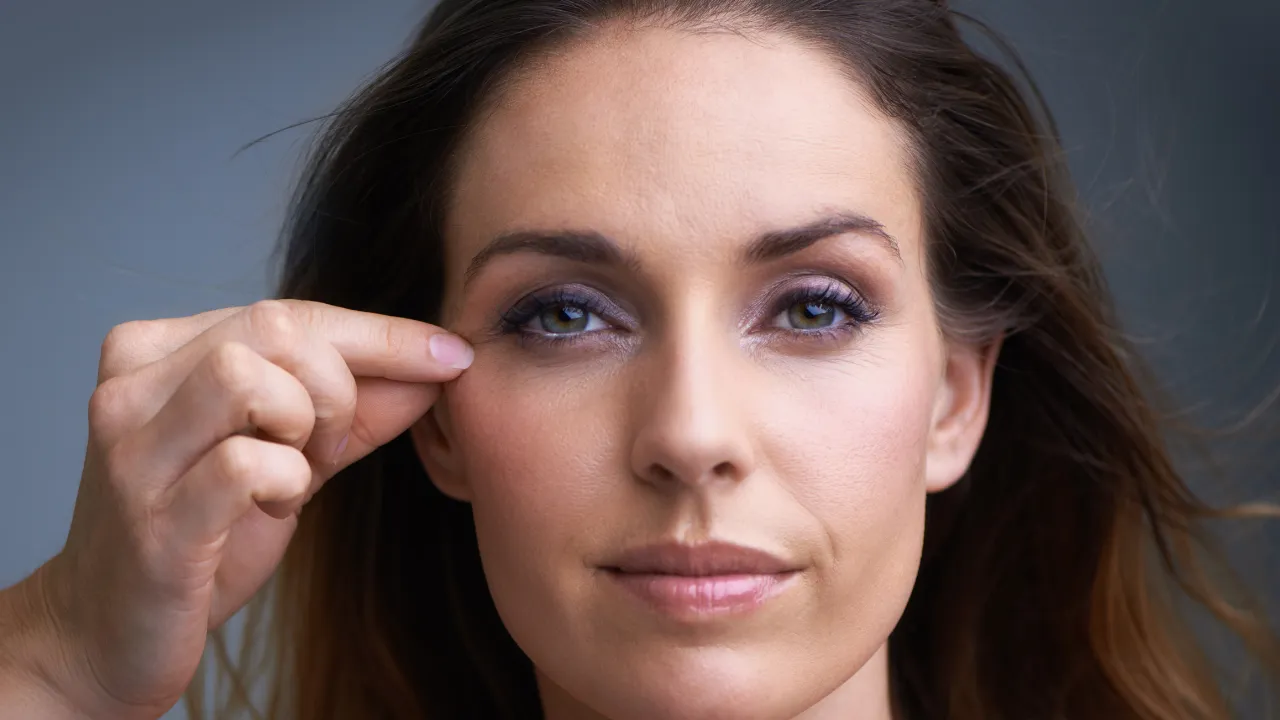
Eyelid skin is among the thinnest on the body, so it responds well to energy-based modalities and requires a precise, conservative approach.
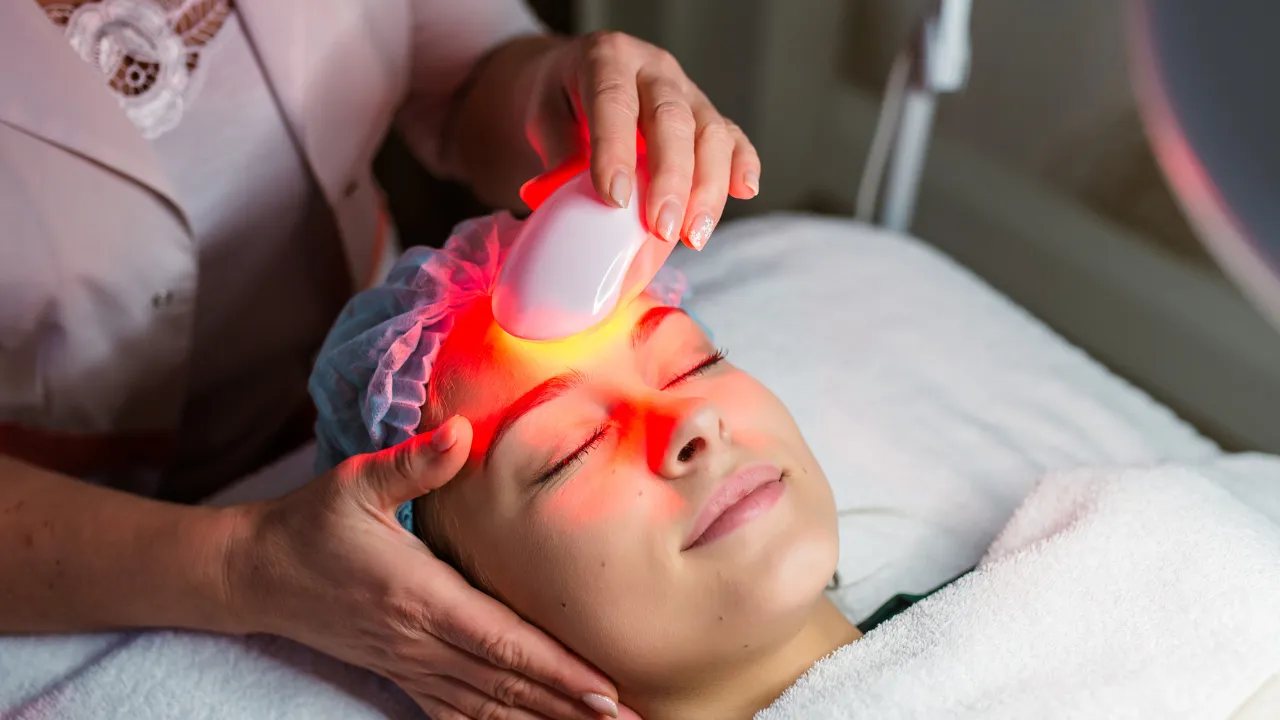
- Laser skin resurfacing stimulates collagen and tightens lax skin, particularly along the upper lid where early sagging occurs.
- Plasma pen delivers focused energy to trigger fibroblast activity, making it effective for both upper and lower lid laxity.
Both options can improve mild sagging consistent with what patients sometimes call non-surgical upper blepharoplasty, without the recovery associated with surgical excision.
Non-Surgical Under Eye Lift: Fillers and Eye Drops
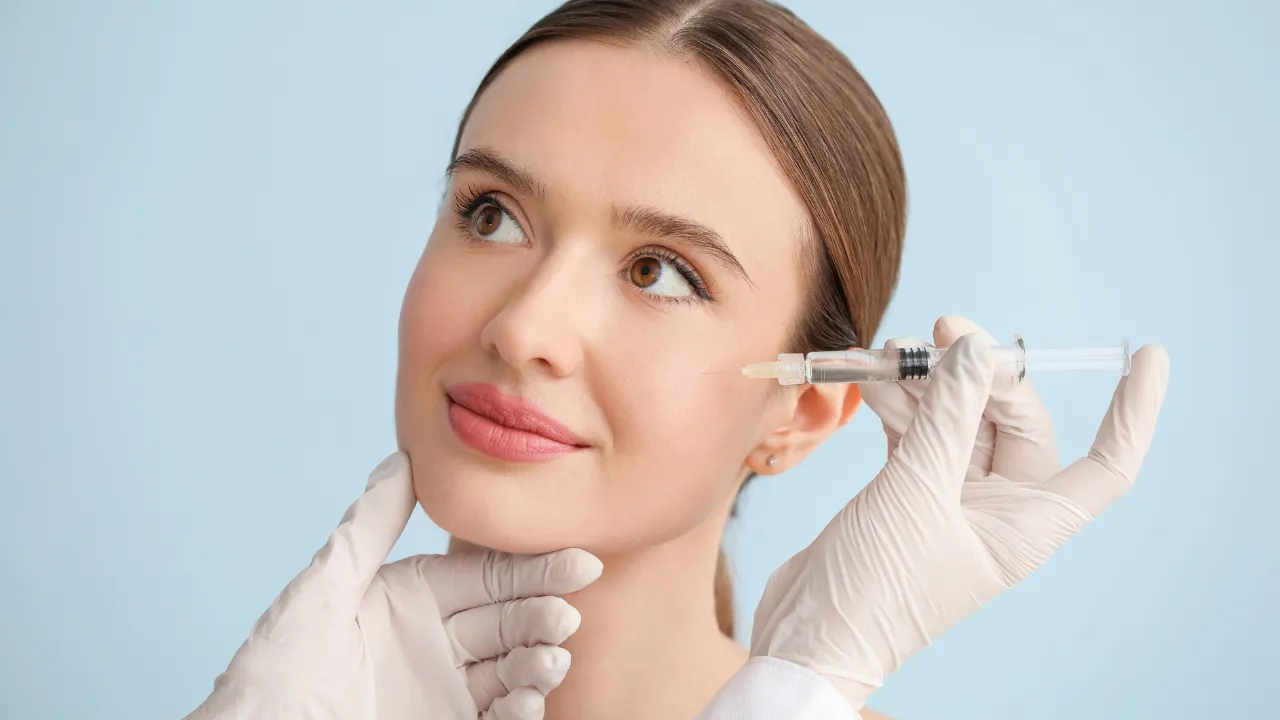
- Dermal fillers restore volume in hollow tear troughs, reducing dark circles and the shadow that makes the under-eye area look sunken or tired.
- Upneeq drops lift droopy eyelids temporarily through a topical mechanism, with no needles or downtime.
Together, these treatments can produce a meaningful non-surgical under-eye lift effect, addressing both volume and muscle tone at the same time.
Non-Surgical Eyelid Tightening: What Targets Laxity Specifically?
Patients whose primary concern is skin looseness rather than volume loss benefit most from modalities that target collagen remodeling. Laser resurfacing and plasma pen both work by inducing a controlled tissue response that firms and tightens the eyelid skin over several weeks.
RF microneedling (such as Morpheus8 or a comparable device) is another option in this category, delivering thermal energy at depth to remodel the skin’s structural layer without surface disruption. Results from tightening-focused treatments tend to build gradually and peak around six to eight weeks post-treatment.
Can Treatments Be Combined for Better Results?
Combining treatments can deliver more comprehensive results by addressing sagging, volume loss, and skin texture at the same time. It can also improve symmetry and extend the overall duration of improvement.
Effective combinations include:
- Laser + Fillers for patients with both laxity and hollowing
- Plasma Pen + Upneeq for upper lid concerns without significant volume loss
- Fillers + Botox for the tear trough area paired with crow’s feet or brow positioning
Each plan is built around the individual patient’s anatomy and goals, not a fixed protocol.
Cost of Non-Surgical Blepharoplasty
Average Price by Method
Costs range from $500 to $2,000 depending on treatment type and provider. Patients researching non-surgical eye bag removal cost or the overall non-surgical eye lift cost will find that fillers tend to sit at the lower end of the range per session, while laser resurfacing and combination plans can reach the higher end. The number of sessions required also affects the total investment.
What Affects the Total Cost
Key factors:
- Doctor’s expertise
- Clinic location
- Number of sessions
- Use of combined treatments
What to Expect Before and After
Pre-Treatment and Procedure Overview
You’ll get a full evaluation. Treatments are in-office and take under an hour. Most patients return to daily routines quickly.
Recovery and Aftercare
Expect mild swelling or redness. Follow these steps:
- Use cold compresses
- Apply prescribed creams
- Avoid sun exposure
Visible results appear within 1–2 weeks.
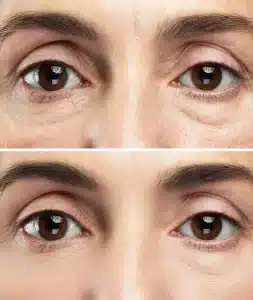
Before and After Results
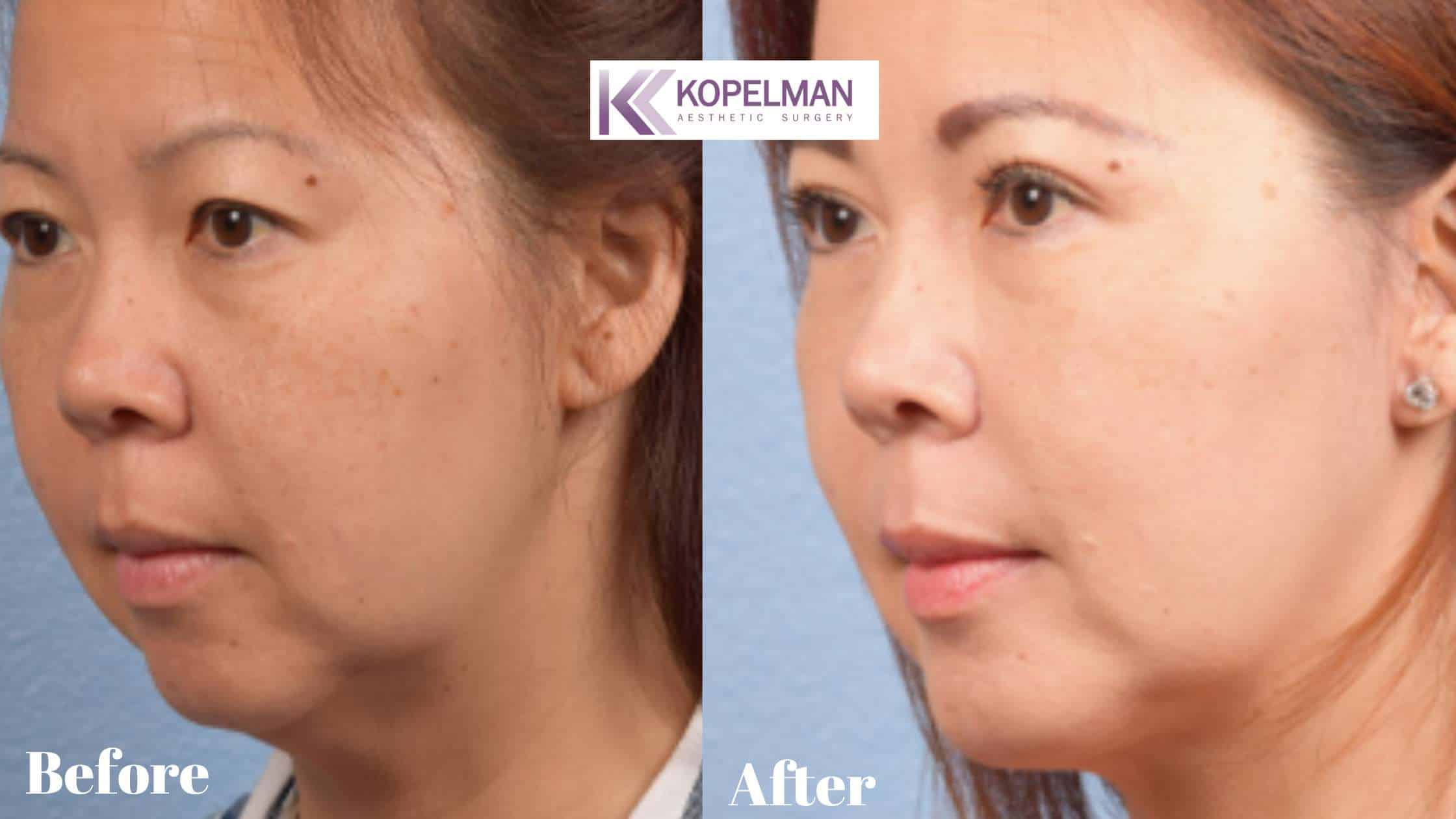
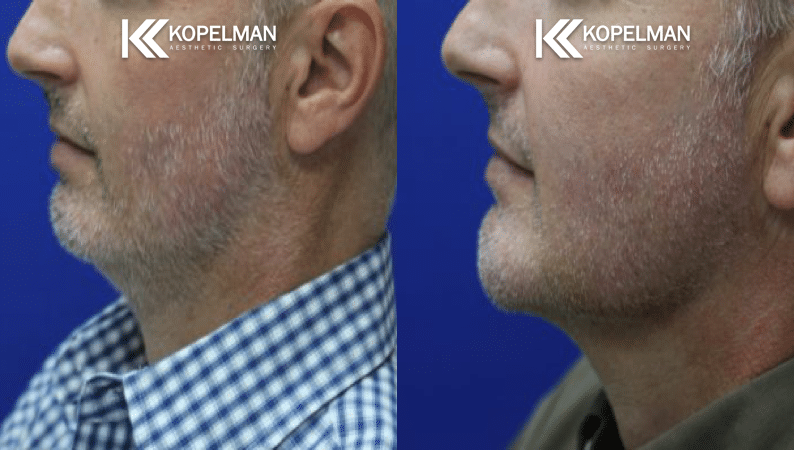
Photos from non-surgical eye lift before-and-after cases typically show smoother texture, reduced puffiness, and a more rested appearance around the eyes. Changes are subtle compared with surgery, which suits the patients these treatments are designed to serve.
Managing Risks and Side Effects
Side effects are rare but include:
- Redness or swelling
- Uneven filler results
- Crusting (plasma pen)
To reduce risks:
- Choose an expert plastic surgeon
- Follow aftercare instructions
- Disclose any eye conditions
Choosing a Provider Near You
Look for a provider who is board-certified in a surgical specialty with direct experience in the periorbital area, has a clear portfolio of before-and-after results specific to eyelid treatments, and is transparent about which cases are better served by surgery.
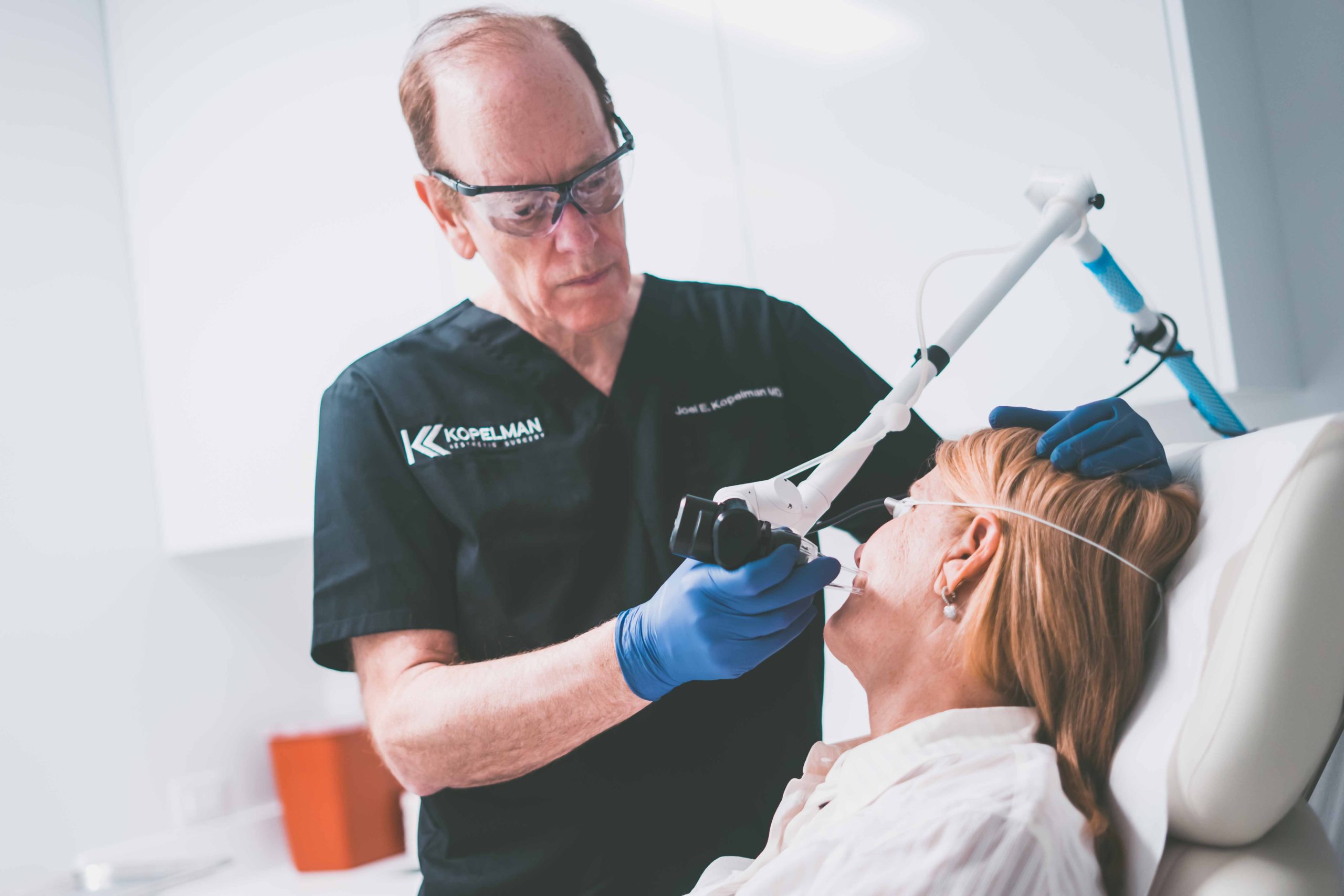
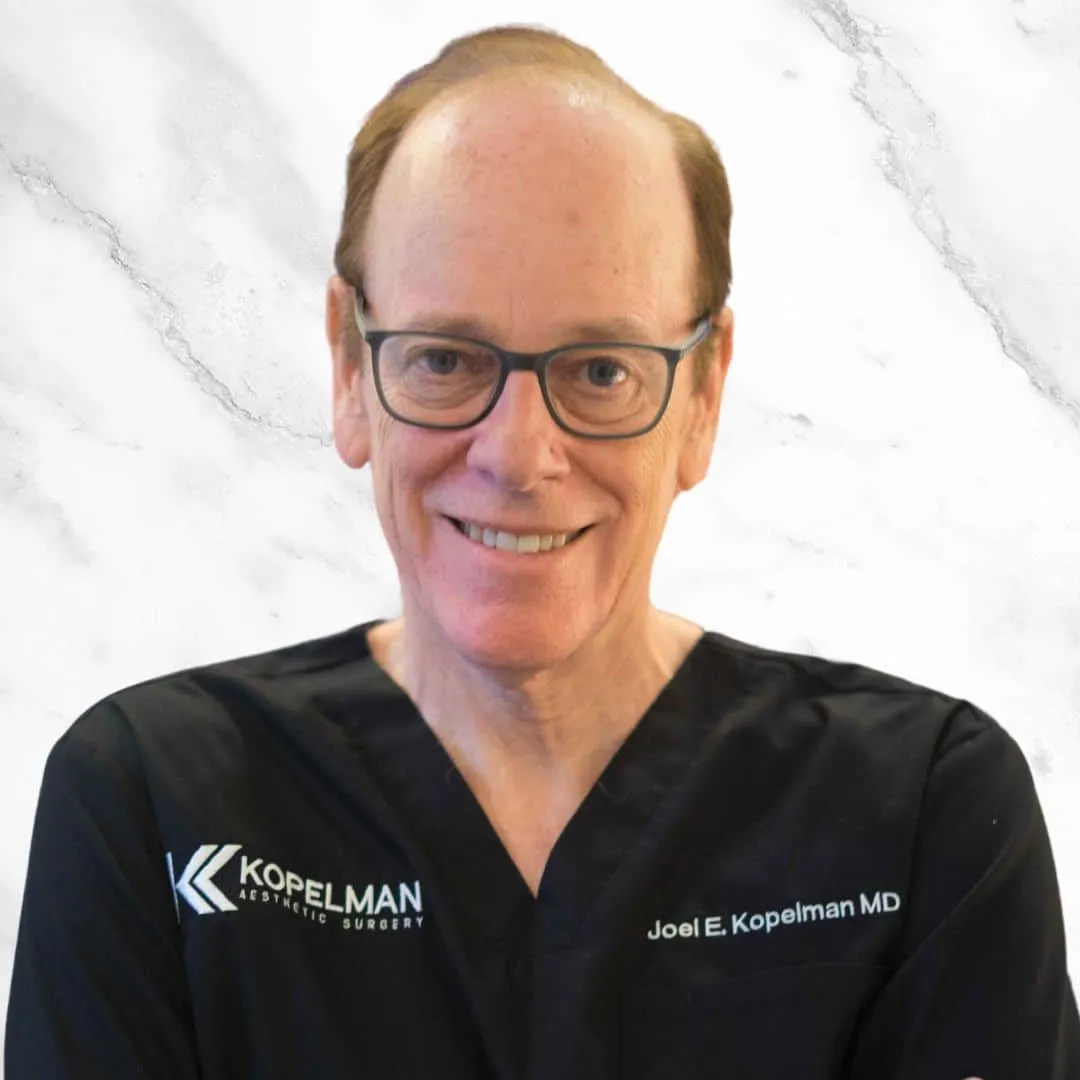
“One of the most important questions to ask at a consultation is whether the provider would also recommend surgery if it were the better option,” says Dr. Kopelman. “A well-qualified surgeon gives you an honest answer, not just the one that keeps you in the non-surgical category.”
Patients searching for non-surgical blepharoplasty in NYC can review the team’s credentials, case results, and approach to combined treatment planning before scheduling.
Alternatives to Blepharoplasty You Might Consider
For patients who are not candidates for surgery and want to explore the full range of options beyond the core modalities, several additional treatments can complement an eyelid rejuvenation plan:
- Microneedling RF stimulates deeper collagen remodeling and can improve mild skin laxity across the periorbital area without surface downtime.
- Retinol-based creams address fine lines and skin texture over time, and are a practical maintenance step between in-office sessions.
- Chemical peels improve tone and pigmentation, reducing discoloration that contributes to a tired appearance under the eyes.
None of these are direct alternatives to blepharoplasty for patients with significant structural changes, but they serve a real role in early prevention and in maintaining results after in-office treatment.
What Do Patients Say?
Reviews and Satisfaction
Patients who pursue non-surgical options consistently cite the absence of general anesthesia, the ability to return to work within days, and the option to adjust or repeat treatments over time as key reasons for choosing this approach.
Real Experiences with Under Eye Results
Patients who begin treatment in their 30s and 40s often find that consistent non-surgical maintenance reduces the timeline to surgical intervention, or in mild cases, defers it significantly. The ability to target one concern at a time and adjust the approach as anatomy changes over time is frequently cited as a reason for starting with non-surgical care.
Recovery Time by Treatment Type
- Laser: 3–5 days
- Plasma: 5–7 days
- Fillers: 1–2 days
- Upneeq: No downtime