

The best products for blepharitis pair a drop or ointment with daily lid hygiene. Lid scrubs, warm compresses, and gentle cleansers clear buildup along the lash line. Use tea tree oil only in products made for the lids, since regular tea tree oil can irritate the eyes.
At Kopelman Aesthetic Surgery in New York City, Dr. Joel Kopelman, a board-certified facial plastic and oculoplastic surgeon, has spent decades treating eyelid conditions. The right drops or ointment depend on the cause and symptom severity.
Key Takeaways
- Blepharitis is chronic inflammation of the lid margins. Manage it with consistent hygiene, the right drops, and treatment matched to the cause.
- Preservative-free artificial tears are the first-line choice. Lipid-based tears suit clogged oil glands, and prescription options like Lotemax or XDEMVY treat moderate to severe cases.
- Bacteria, clogged oil glands, rosacea, dandruff, and Demodex mites are the usual triggers.
- Give a consistent routine for about six weeks. See a doctor sooner if you have vision changes, pain, discharge, or symptoms that keep getting worse.
- A personalized plan combines an exam, home care, and in-office options like intense pulsed light for resistant cases.
Top Recommended Eye Drops for Blepharitis
What Eye Drops Are Best for Blepharitis?
Match the drop to the cause:
- Artificial tears relieve dryness in every type.
- Lipid-based tears target oil-gland problems.
- Anti-inflammatory or antiparasitic drops handle more complex cases.
A stable tear film reduces burning and grit. That’s why ophthalmologists often recommend tear-supporting blepharitis treatment drops as a first-line option.
| Product type | Best for | Access | Examples | Typical use | Typical cost |
|---|---|---|---|---|---|
| Preservative-free artificial tears | Dryness, burning, grit | OTC | Systane Ultra PF, Refresh, TheraTears | As needed; preservative-free if more than 4 times a day | 10–25 |
| Lipid-basedtears | Cloggedoilglands | SystaneCompletePF,RetaineMGD,RefreshOptiveMega-3 | Asneeded | 10–25 | |
| Lubricating gels and ointments | Overnight dryness, stuck lashes | OTC | Refresh P.M., Systane Nighttime | At bedtime | 10–25 |
| Antihistaminedrops | Itchingtiedtoallergies | Ketotifen(Zaditor,Alaway),olopatadine(Pataday) | Followthelabel | 10–25 | |
| Antibiotic ointment or drops | Bacterial infection of the lids | Rx | Erythromycin, bacitracin | As prescribed, often at bedtime | $30 to 100+ |
| Steroidorantibiotic-steroid | Moderatetosevereinflammation | Lotemax,FML,TobraDex | Shortcourse,asprescribed | 30 to $100+ | |
| Cyclosporine | Chronic inflammation tied to dry eye | Rx | Restasis, Cequa | As prescribed | Varies by coverage |
| Lotilaner | Demodex mites | Rx | Xdemvy | 1 drop in each eye twice daily for 6 weeks | About 1,850–2,050 cash for the course |
What Causes Blepharitis?
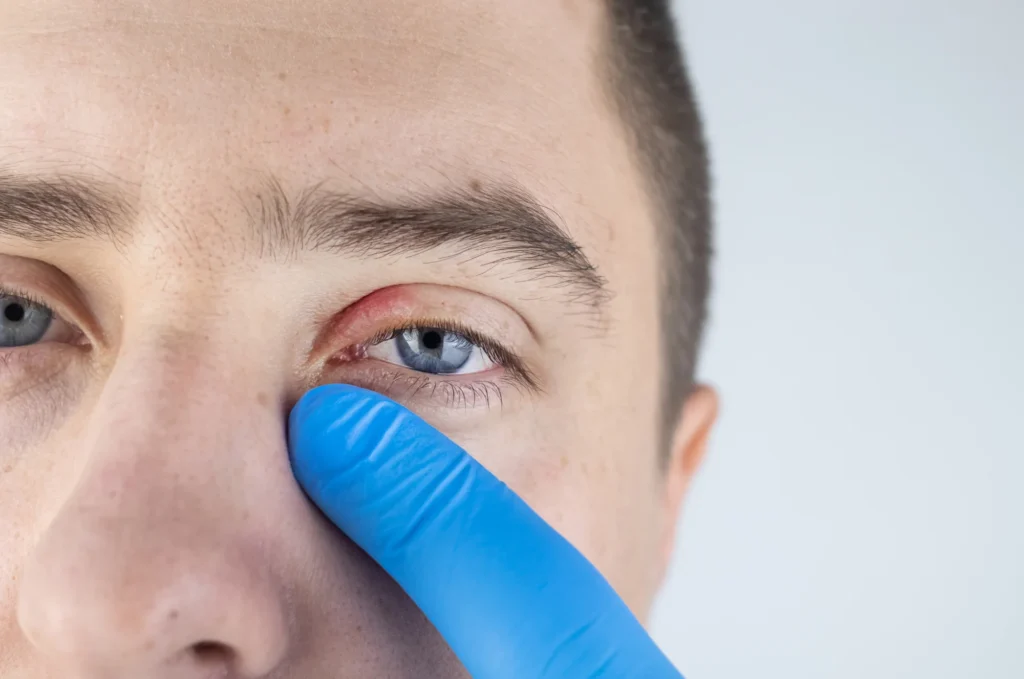
Blepharitis starts when the balance of bacteria, oil, and mites along the lid margin gets thrown off. Doctors sort it into two types, based on where the inflammation sits:
- Anterior blepharitis affects the outer edge, where the lashes grow. Staph bacteria, scalp dandruff, and Demodex mites are the common causes.
- Posterior blepharitis affects the inner edge, where the meibomian glands release oil into your tears. Thick or blocked oil, often linked to rosacea, is the usual cause.
Some people have both types at once.
Commonly Recommended Eye Drops and Ointments
Popular OTC brands include Systane®, Refresh®, and TheraTears®. People often call these the best over-the-counter eye drops for blepharitis because they hydrate the eye and flush away irritants.
Systane eye drops for blepharitis come in several versions. Systane Ultra PF works for general dryness. Systane Complete PF adds a lipid layer that helps when oil glands are clogged.
When you choose the best eye drops for blepharitis, pick preservative-free formulas, especially if you use drops more than four times a day. With frequent use, preservatives such as benzalkonium chloride (BAK) can irritate the eye’s surface.
Many OTC eye drops for blepharitis are also labeled for dry eye, since the two conditions share burning, redness, and a gritty feel. Skip redness-relief drops. They mask irritation and can worsen dryness.
For mild cases, these lubricants often work well as blepharitis treatment eye drops before you need a prescription.
Best Lubricating and Steroid Eye Drops
Lubricating drops are safe for regular use and improve comfort. Steroid drops are reserved for short courses in more severe cases, where they calm inflammation and quickly control flare-ups.
Prescription blepharitis medication may include:
- steroid drops such as loteprednol (Lotemax) or fluorometholone (FML)
- combination antibiotic-steroid drops
A steroid eye ointment for blepharitis, such as Lotemax ointment or tobramycin-dexamethasone (TobraDex), works the same way. It stays on the lid margin longer, so doctors often prescribe it for bedtime.
For chronic inflammation tied to dry eye, your doctor may prescribe cyclosporine drops such as Restasis or Cequa.
Are There Side Effects with Eye Drops and Ointments?
Some products cause mild burning or brief blurring, and ointments blur your vision for a short time after you apply them. Long-term steroid use can raise eye pressure and speed up cataract formation, so steroids need a doctor’s supervision.
Xdemvy’s most common side effect is stinging or burning, reported by about 1 in 10 patients.
Dr. Kopelman monitors patients for safety throughout treatment.
What Do Ophthalmologists Recommend?
The best treatment for blepharitis usually starts with artificial tears and daily lid hygiene. In moderate or recurring cases, doctors add antibiotic or steroid drops or ointments to control infection and inflammation.
If those aren’t enough, your doctor may add an antibiotic pill. If symptoms don’t respond, especially in one eye only, your doctor will check for other causes.
Treating Demodex Blepharitis
Demodex mites are microscopic parasites that live at the base of the lashes. They cause itching and persistent inflammation, and they leave waxy, sleeve-like debris on the lashes called collarettes. If the bumps cluster around single lash roots, you may have eyelash folliculitis instead.
Treatment starts with daily lid scrubs, often with a cleanser that contains terpinen-4-ol, the active part of tea tree oil. Use only products made for the lids.
For confirmed cases, lotilaner (XDEMVY®) is an FDA-approved prescription drop designed to eliminate the mites. You use one drop in each eye twice a day for six weeks.
Best Eye Ointments and Creams for Blepharitis
Best Antibiotic Eye Ointments
When the lids are infected, the best eye ointment is a prescription antibiotic such as erythromycin or bacitracin. You apply it along the lash line.
Ointments are thicker than drops, so they stay in place longer and keep working overnight. Some patients start with an over-the-counter eye ointment for mild irritation, such as Refresh P.M. or Systane Nighttime. They move to prescription options if symptoms persist.
Never use a skin antibiotic ointment near your eyes.
Best Eye Creams for Lid Irritation
If infection isn’t behind the irritation, non-antibiotic creams may calm dry, tight lid skin. The best eyelid moisturizer for blepharitis is fragrance-free, hypoallergenic, and made for the delicate eye area.
Red, itchy, scaly skin without crusting on the lash line may be eyelid dermatitis, which needs a different approach. Greasy flakes at the lashes can also be seborrheic dermatitis, so check with your doctor before using an antifungal for eyelids.
Keep creams on the outer lid skin, away from the lash line. Avoid expired or heavy eye makeup, which can clog the oil glands and trigger flare-ups.
If your main concern is puffy lids rather than irritation, see these eyelid creams for puffiness.
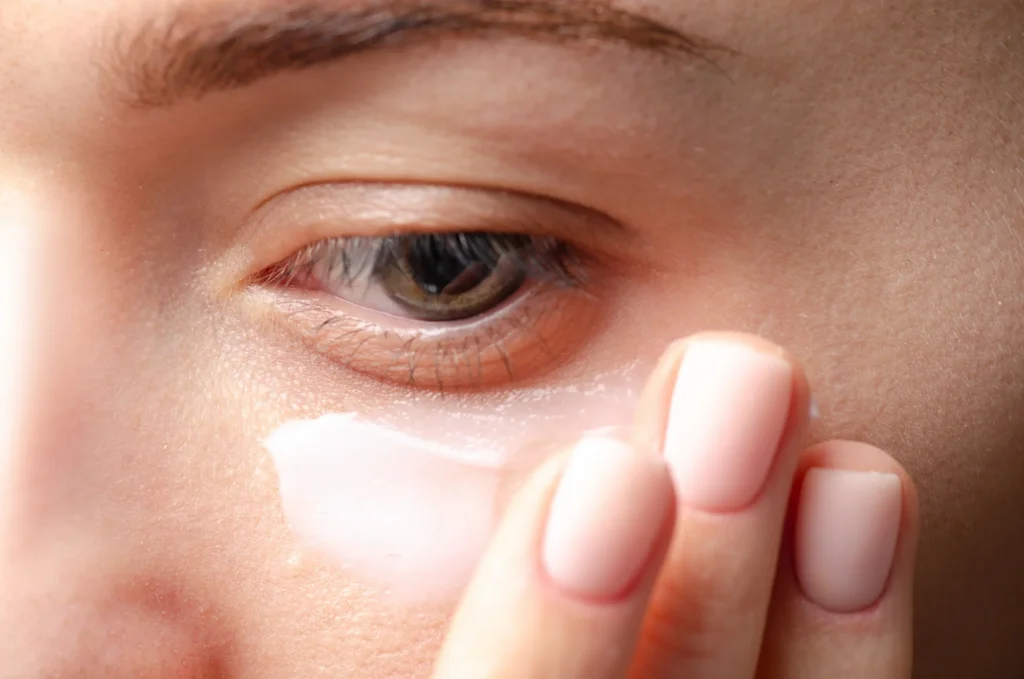
How to Apply Ointments Correctly
- Wash your hands
- Apply a small amount to the lid margin
- Keep your closed lids still for several seconds
- Avoid touching your eye afterward
Use ointments at bedtime so they don’t blur your vision during the day.
Can Blepharitis Be Treated Over the Counter?
Yes, for mild cases. Many people get relief from OTC tears, lid cleansers, and warm compresses alone.
Best OTC Drops and Ointments for Blepharitis
Patients with mild symptoms often start with an OTC treatment for blepharitis. These include artificial tears, lid-cleansing pads, and nonprescription lubricating ointments.
Over-the-counter eye drops for blepharitis focus on lubrication. They don’t treat infection or mites.
Are There Anti-Inflammatory Eye Drops Over the Counter?
Not in the way most people hope. In the US, steroid eye drops, the strongest anti-inflammatory option, need a prescription.
So the best anti-inflammatory eye drops over the counter are really symptom relievers:
- Preservative-free tears rinse away inflammatory debris on the eye’s surface.
- Antihistamine drops such as ketotifen (Zaditor, Alaway) or olopatadine (Pataday) calm itching when allergies play a role.
The same goes for anti-inflammatory eye creams. Hydrocortisone creams aren’t made for use near the eyes, so ask your doctor before trying one.
How Much Do Blepharitis Treatments Cost?
Your cost has two parts: the visit and the medication.
At Dr. Kopelman’s office, a consultation is $350. It covers a full year of care, with as many visits as you need, in person or virtually.
Medications, OTC drops, gels, and ointments typically cost $10–25 at retail. Prescription products usually run $30 to over $100, depending on the medication and your coverage.
Brand-name specialty drops such as Xdemvy and cyclosporine can cost much more. Without insurance, the six-week Xdemvy course runs about $1,850 to $2,050, though many insured patients pay far less, so check your coverage first.
When to Use OTC vs Prescription Options
Start with OTC care for mild symptoms. See a specialist if you don’t improve after about six weeks of consistent care. See a doctor sooner if you notice discharge, pain, or swelling at any point.
Looking for the best over the counter eye drops for eye infection? They can only rinse and soothe. Thick yellow or green discharge needs a prescription.
Daily Eyelid Care for Long-Term Relief
If you’re wondering how to treat blepharitis at home, start with this routine. Do it once or twice a day during flare-ups, and once a day to keep symptoms away. See this guide to eyelid hygiene for blepharitis for the full steps.
Warm Compresses and Lid Scrubs
Hold a clean cloth soaked in warm water over your closed lids for 5–10 minutes. This loosens crusts and unclogs the oil glands. A microwavable or electric eye mask holds heat longer than a cloth. Test the temperature before you put it on.
Follow with a gentle scrub of the lid margin. Diluted baby shampoo on a cotton pad still works, but a purpose-made lid cleanser is gentler on the tear film, especially if you have dry eye or rosacea.
No drop dissolves dried crust, so clean first. The best eye drops for crusty eyes are preservative-free lubricants used right after cleansing. If you wake up with your lashes stuck together, add a lubricating gel at night.
Best Eyelid Cleansers and Eye Washes for Blepharitis
The best eye wash for blepharitis is a cleanser made for the lash line, not a general eye rinse. Look for one of these:
- Hypochlorous acid sprays: reduce bacteria and biofilm on the lid margin with little stinging.
- Pre-moistened lid wipes: easy to carry. Use a fresh wipe for each eye.
- Tea tree lid cleansers with terpinen-4-ol: best when mites are suspected.
Apply cleansers only to the outer lid and lash line, never inside the lid. Stop if you notice stinging or a rash.
Building a Consistent Hygiene Routine
Pick a fixed time, such as bedtime, so you don’t skip days. Dr. Kopelman emphasizes cleaning the lids even when symptoms aren’t present, to prevent buildup.
Treat Related Triggers: Dandruff, Rosacea, and Omega-3
Blepharitis often travels with other conditions, and treating them can ease your lids. Mayo Clinic notes that:
- A dandruff shampoo may help if scalp dandruff is a factor. Ask your doctor which one to use, and keep it out of your eyes.
- Controlling rosacea can calm the lids when the two are linked.
- Omega-3 fatty acids, from foods like salmon and flaxseed or from supplements, might help blepharitis tied to rosacea. More study is needed.
Dr. Kopelman’s Tip for Managing Chronic Blepharitis
“Many cases of blepharitis can be managed at home if caught early,” says Dr. Kopelman. “The key is consistency: regular cleaning, appropriate drops, and follow-up if symptoms persist.”
When to See a Doctor for Blepharitis
Signs You Need Medical Help
Call a specialist if you notice:
- Persistent redness or swelling that spreads toward the cheek
- Blurred vision or sudden vision changes
- Light sensitivity or eye pain
- Sticky lids or thick yellow or green discharge
- A lump, lash loss, or crusting on one lid that won’t heal
What to Expect During a Diagnosis
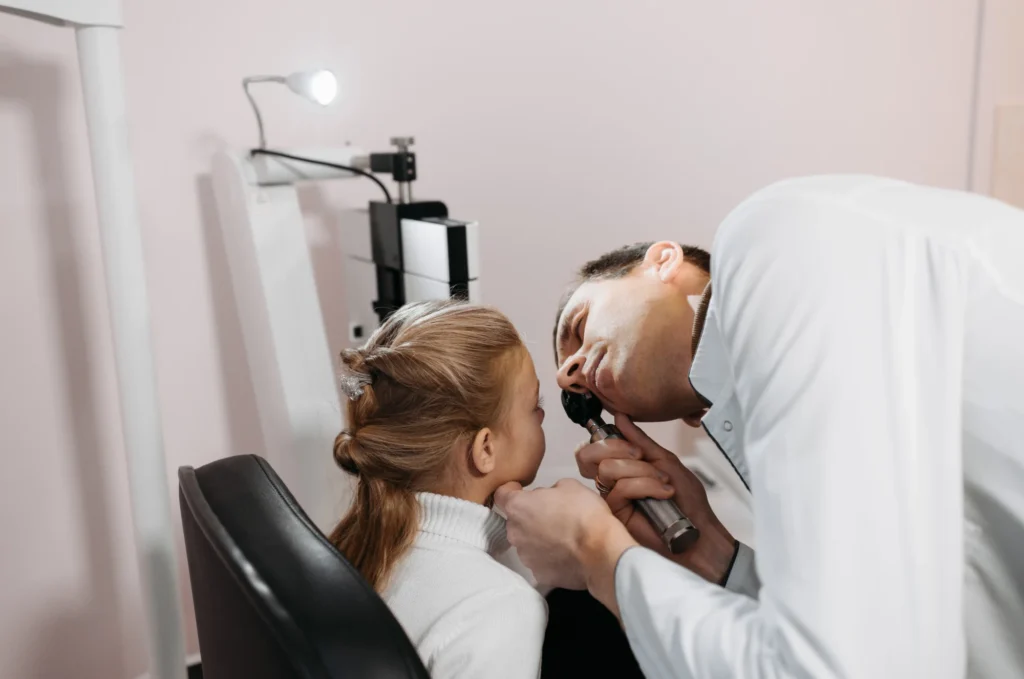
Dr. Kopelman examines gland function and tear quality. A slit-lamp exam also checks the lid margins and the lash base for mite debris. Some cases may benefit from in-office intense pulsed light (IPL) therapy to reduce inflammation in resistant cases.
How to Monitor Treatment Progress
Watch for less crusting, better comfort, and clearer vision. Many people notice improvement within two to four weeks. A photo of your lids on day one makes progress easier to see.
Frequently Asked Questions
Is blepharitis contagious?
No. Blepharitis isn’t contagious. It comes from bacteria, oil-gland problems, or mites already on your skin. Still, don’t share eye makeup, towels, or pillowcases during a flare-up. See how blepharitis spreads for more.
Will blepharitis go away on its own?
It rarely clears up completely, so expect to manage it rather than cure it. Flare-ups tend to return when you stop your lid care.
Can I wear contacts or eye makeup during a flare-up?
It’s best to switch to glasses and skip eye makeup until your lids calm down. When you return to makeup, replace the mascara and eyeliner you used during the flare-up.
Can I use eye drops and ointment together?
Yes. Use the drops first, wait about five minutes, then apply the ointment. Use the ointment last because it can block the drops from absorbing.
Can blepharitis damage my vision?
Rarely. It usually causes no lasting damage, but severe cases can irritate the cornea. Blurred vision or pain needs a prompt exam.
If you’re dealing with persistent lid discomfort or blepharitis symptoms, schedule a consultation with Dr. Joel Kopelman for a personalized treatment plan.