
At Kopelman Aesthetic Surgery in New York City, Dr. Joel Kopelman plans each procedure around eyelid anatomy, crease height, facial balance, and patient goals. This guide explains how monolid surgery works, what results may look like, and what patients should consider before choosing treatment.
Key Takeaways
- Monolid double eyelid surgery creates a fold in the eyelid while maintaining your natural eye shape and ethnic appearance.
- It can be done with or without an incision, depending on the thickness of the eyelid and your cosmetic goals.
- The surgeon will create a subtle, natural-looking crease that complements the patient’s existing facial features.
- Recovery usually takes 1 to 2 weeks, and final results appear after 2 to 3 months, once the swelling has fully subsided.
- Choosing an expert oculoplastic surgeon like Dr. Joel Kopelman ensures safe, balanced, and lasting results.
What Is a Monolid? Understanding Monolid vs Double Eyelid
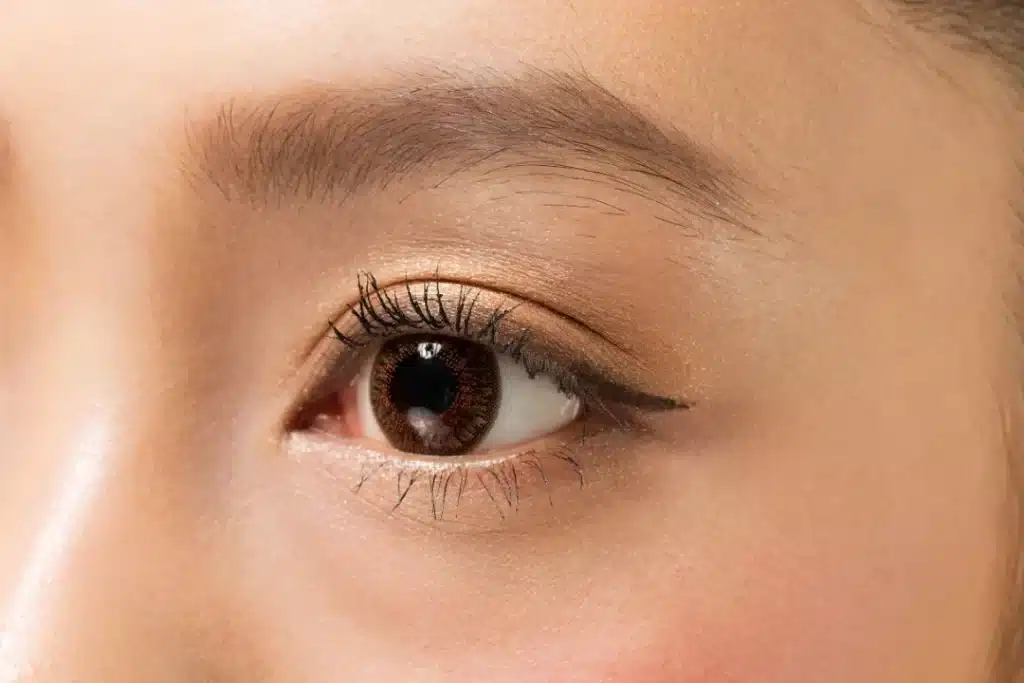
A monolid, sometimes called a single eyelid, is an upper eyelid without a visible crease. The skin covers the lid from the brow bone to the lash line in one smooth layer. A double eyelid, by contrast, has one or more folds that create a defined crease above the lash line.
This anatomical difference is common among people of East Asian descent, though it is also observed across many other ethnicities. Neither eye shape is better than the other; they simply reflect natural variation in eyelid structure.
So, are double eyelids rare? Not globally. Roughly half of people of East Asian heritage are born without a visible lid crease, while the other half have a natural double eyelid. In most other populations, a visible crease is the more common anatomy. Rarity depends entirely on genetic background and geography.
When comparing monolids vs double eyelids, the main structural difference is the presence or absence of a visible upper eyelid crease. You can learn more about how a double fold eyelid is formed and how it compares to a monolid by exploring treatment options and photos from Kopelman Aesthetic Surgery.
Many patients choose monolid surgery to enhance definition and balance in their facial features. For others, the goal is to get rid of monolids that make applying eye makeup difficult or that cause the lids to feel heavy. The procedure can also correct droopy eyelids or remove excess skin and fat that interfere with natural movement or vision.
Monolid surgery, also known as Asian eyelid surgery or Asian blepharoplasty, is safe and effective when performed by a qualified surgeon. The goal is to create an eyelid crease that fits the person’s eye shape while preserving ethnic identity.
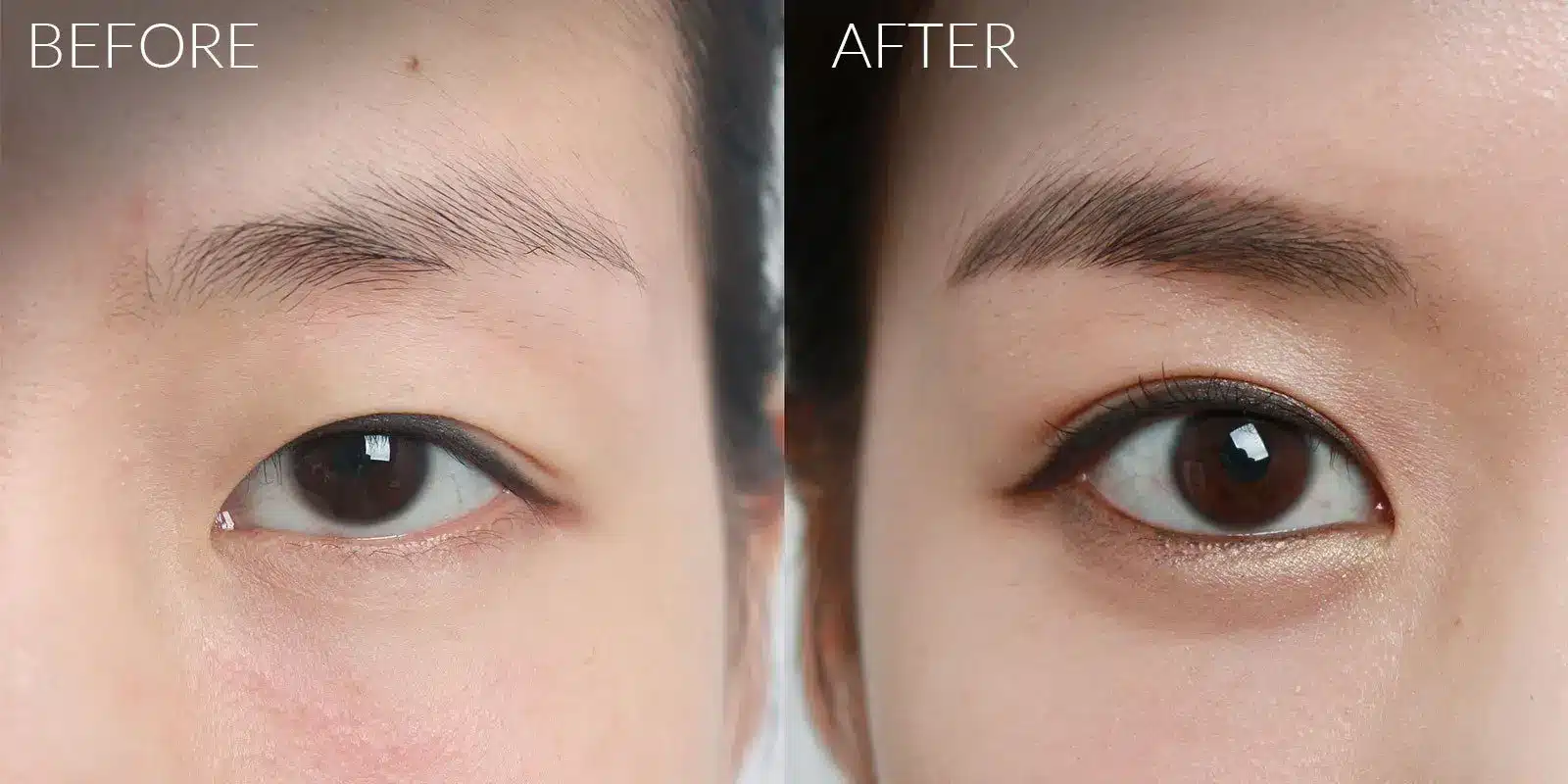
When comparing monolids vs double eyelids, the main difference is the presence or absence of a visible upper eyelid crease.
Is It Rare to Have One Monolid and One Double Eyelid?
No, it is not very rare to have one monolid and one double eyelid. Some patients seek treatment because they have different eyelids, such as one side with a crease and the other without one.
This type of eyelid asymmetry can happen naturally or develop over time due to genetics, aging, changes in skin elasticity, or ptosis. It may become more noticeable as the skin on one lid loosens while the other remains firm.
For patients who want better balance between both eyes, monolid surgery can help create a more symmetrical and natural-looking result while preserving the person’s natural eye shape and features. The surgeon matches crease height and depth on both sides so the eyes look even at rest and in motion.
How Monolid Surgery Creates a Double Eyelid Fold
This procedure focuses on creating an eyelid crease that blends naturally with the patient’s features. The surgeon uses either a small incision or fine sutures, depending on eyelid thickness, skin elasticity, and desired fold height.
Both techniques may adjust or remove small amounts of excess skin and fat to define the crease. The result is a visible fold that sits at a height chosen during the consultation, giving the eyes a more open or defined appearance.
For many patients, the procedure is a way to improve eyelid definition without losing their ethnic features. It is one of the most commonly performed cosmetic procedures among patients of Asian descent in the United States.
Is Ptosis Related to Monolid Surgery?
In some cases, patients who seek monolid surgery may also have ptosis, a condition in which the upper eyelid droops because the muscle that lifts it is weak. Ptosis can make the eyes look tired, uneven, or partially closed, and in more pronounced cases, it may obstruct the upper field of vision.
Ptosis and a monolid are not the same thing, but they can occur together. A monolid simply lacks a visible crease, while ptosis involves the lid margin sitting lower than it should. When both are present, creating a crease without repairing the muscle will produce an incomplete result.
During a consultation, the surgeon evaluates whether the concern is only the absence of a crease or whether ptosis repair should also be part of the treatment plan. Addressing both when needed helps create more balanced, functional, and natural-looking results.
What Happens During the Procedure
Local anesthesia is applied for comfort before the surgeon begins. The eyelid is carefully marked to determine exactly where the new crease will form, based on measurements taken during the consultation. The surgeon then creates the fold by reshaping the lid tissue through either the incisional or non-incisional method.
This approach enhances the eyes while keeping their natural shape. Most patients notice a smoother, more defined appearance once the initial swelling decreases, typically within the first two weeks.
Incisional vs Non-Incisional Methods
The incisional technique involves a fine cut along the planned crease line. Through this opening, the surgeon removes a small strip of skin and, if needed, repositions or reduces orbital fat. The deeper tissue layers are then connected to the levator muscle, forming a permanent crease. This method is best for patients with thicker skin, excess fat, or those who want a longer-lasting result.
The non-incisional (suture) technique uses small, buried stitches to create an attachment between the skin and the underlying muscle without making a full incision. It works well for patients with thinner eyelid skin and minimal fat, and recovery tends to be faster. However, the fold created by sutures alone may soften or fade over time in some patients.
For patients with a prominent epicanthal fold at the inner corner of the eye, an epicanthoplasty can be performed at the same time as crease creation. This small additional step releases the fold and allows the new crease to extend more smoothly across the lid, resulting in a cleaner, more balanced appearance.
Tapered vs Parallel Crease Styles
Not every double eyelid looks the same. Crease shape matters as much as crease height, and the two most common styles are the tapered and parallel creases.
A tapered eyelid crease starts narrow at the inner corner of the eye (near the nose) and gradually widens toward the outer corner. This style follows the natural contour of most Asian eyelids and tends to produce a subtle, understated result. Many patients who want a natural enhancement choose a tapered fold because it blends easily with their existing features.
A parallel crease runs at a consistent height across the entire lid, from the inner to the outer corner. This style creates more visible lid space and is more common in Western eyelid anatomy. Some patients prefer the parallel fold for a more defined look or because it gives more room for eye makeup.
During the consultation, Dr. Kopelman discusses both options and recommends a crease style based on the patient’s bone structure, skin thickness, and personal goals. The choice between tapered and parallel directly affects the final result, so it is one of the most important decisions in the planning process.
Ideal Candidates and Preparation
Good candidates are healthy adults with realistic goals who want to enhance definition or correct droopy eyelids. The procedure is suitable for patients in their late teens through older adulthood, as long as they are in good overall health.
Before surgery, patients should stop smoking at least two weeks in advance and avoid medications that increase bleeding risk, including aspirin, ibuprofen, and certain supplements like fish oil and vitamin E. Dr. Kopelman tailors each treatment plan to match the individual’s anatomy and goals, reviewing medical history and conducting a thorough eyelid examination before recommending a technique.
Is Double Eyelid Surgery Safe?
This procedure is safe when performed by a qualified, board-certified surgeon with experience in Asian eyelid anatomy. It is done under local anesthesia, and most patients describe the discomfort as mild. Swelling and bruising are normal in the first few days and typically resolve within one to two weeks with proper aftercare.
Serious complications are uncommon. Choosing a surgeon who specializes in oculoplastic or facial plastic procedures significantly reduces the risk of asymmetry, scarring, or an unnatural-looking result.
Results, Cost, and Recovery
After surgery, the eyelids appear more defined, and the new crease enhances the eyes’ natural shape. Most patients see their final result take shape gradually over several weeks as swelling resolves and the tissue settles.
The cost of double eyelid surgery typically ranges from $8,500 to $10,000, depending on the technique, eyelid anatomy, and the patient’s goals. Pricing varies based on the complexity of the case and the surgeon’s experience. During a consultation, Dr. Kopelman provides a detailed estimate after evaluating the patient’s specific needs.
Recovery and Healing Timeline
Recovery takes about one to two weeks for most patients. Keeping your head elevated, using cold compresses, and avoiding heavy lifting or makeup during the first week all help healing progress smoothly.
Typical recovery stages:
- Days 1 to 3: Swelling and bruising peak but begin to fade. Most patients rest at home and apply cold compresses as directed.
- Days 4 to 7: Stitches are removed, and normal daily activities can resume. The crease line will still appear firm.
- Weeks 2 to 3: The crease softens and starts to look more natural. Light exercise can usually resume.
- After 1 month: The final results become visible as the eyelid tissue settles into its new position.
Full results are expected within 2 to 3 months. The new crease blends naturally with your facial features, and any incision lines fade until they are barely visible.
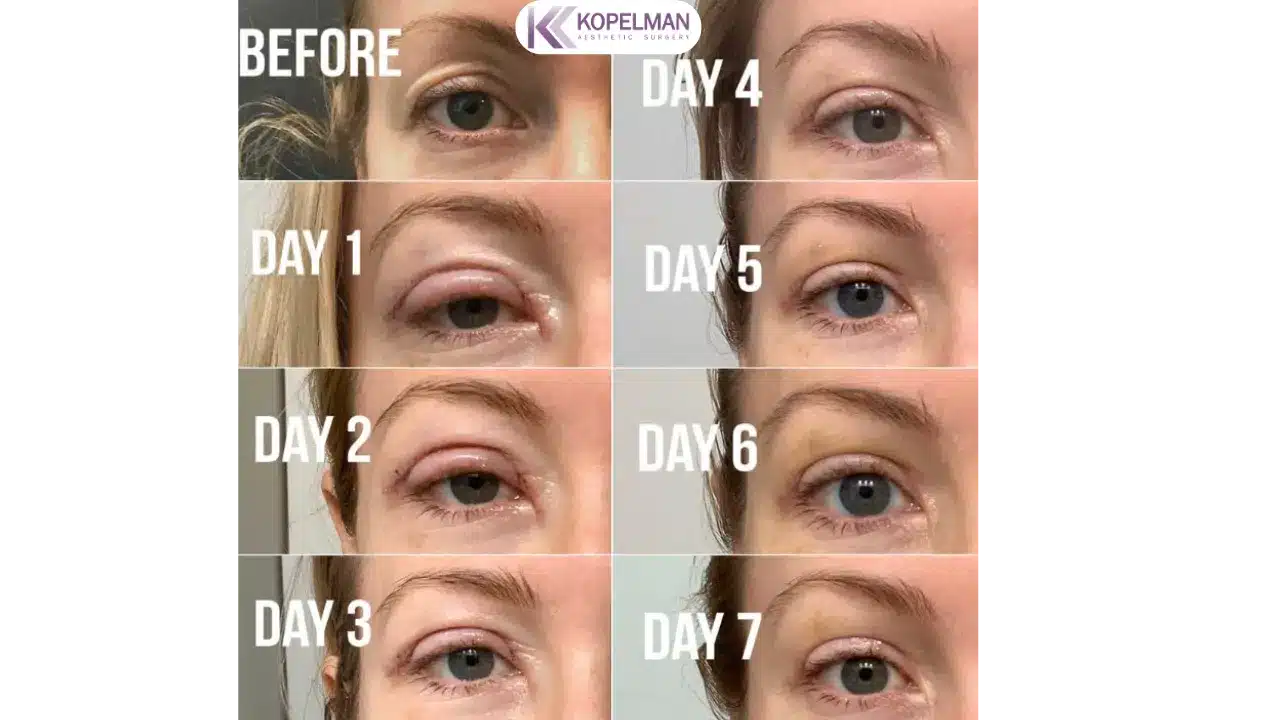
Monolid Surgery Before and After: What to Expect
Patients considering monolid surgery often want to see before-and-after results to understand how the procedure changes the eyelid’s appearance. Realistic expectations are important because results depend on each person’s anatomy, skin thickness, and chosen crease style.
In before-and-after comparisons, the most noticeable change is the visible crease that replaces the smooth, unbroken lid surface. The eyes typically look more open and defined, but still natural. Scarring is minimal because incisions follow the crease line and fade over time.
Dr. Kopelman reviews before-and-after photos from previous patients during the consultation so that each person can see outcomes in eyes with structures similar to their own. To view examples, visit the Asian eyelid surgery before-and-after gallery at Kopelman Aesthetic Surgery.