

Dr. Joel Kopelman, a board-certified facial plastic and oculoplastic surgeon with over 35 years of experience, explains that eyelid heaviness can result from fatigue, age-related changes, or underlying medical conditions.
Key Takeaways
- Eyelid heaviness may result from fatigue, fluid retention, allergies, or aging, but persistent symptoms can indicate conditions such as ptosis (droopy eyelid) or nerve problems.
- Situational triggers include mornings, and many patients ask why their eyelids feel heavy first thing due to fluid retention, allergies, or poor sleep.
- Symptoms such as eyelid tightness, sticky eyelids, or blurry vision often indicate dry eye disease, infections, or blocked oil glands.
- Relief options range from rest and lifestyle changes to professional treatment options, including advanced surgical procedures.
- Preventive habits such as hydration, proper lighting, and regular eye care exams reduce the risk of long-term eyelid problems.
What Heavy Eyes Mean and What Causes a Heavy Eyelid Feeling
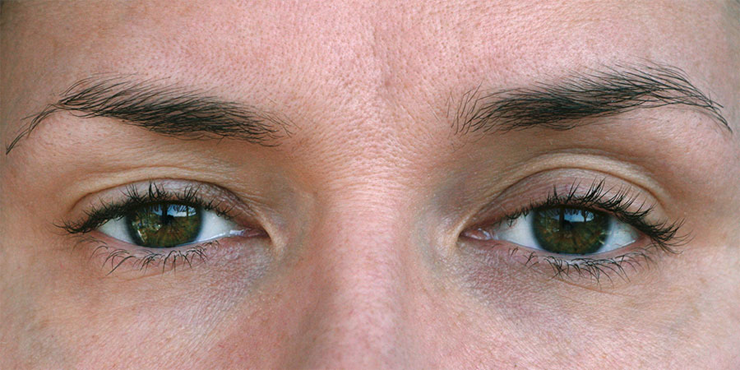
Heavy eyes describe a sensation of weight, pressure, or fatigue in the upper lids that can make it difficult to keep them open. The meaning of heavy eyes often varies depending on the root cause. For some people, it points to a temporary issue like lack of sleep, dehydration, or screen strain.
For others, it signals a structural or medical problem that needs professional attention. Understanding what causes heavy eyes starts with the eyelid itself. Ptosis, or eyelid drooping, occurs when the levator muscle that lifts the upper lid weakens or stretches.
Age-related changes in the skin and supporting muscles can lead to droopy eyelids, while neurological conditions may create similar symptoms. In severe cases, these changes can limit the field of vision. Beyond the eyelid, systemic health conditions can also contribute.
An underactive thyroid gland (hypothyroidism) slows metabolism and can cause fatigue, which may present as heaviness around the eyes. Iron-deficiency anemia reduces oxygen delivery to muscles, leaving the lids feeling weighted.
Other systemic conditions, including poorly controlled diabetes and chronic fatigue syndrome, can also cause persistent drowsiness that manifests as heaviness in the lids. Certain medications, including antihistamines, blood pressure drugs, and muscle relaxants, may cause drowsiness that can make the eyelids droop as a side effect.
Specific Situations That Cause Eyelid Heaviness
Why do my eyes feel heavy when I wake up?
Morning heaviness is one of the most common complaints patients bring up. The eyes feel heavy and puffy on waking because fluid pools around the eyelids overnight, especially for people who sleep face-down or consume extra sodium before bed.
Conditions like sleep apnea can also contribute by disrupting sleep quality throughout the night, preventing the body from fully recovering. If your eyes are consistently heavy in the morning despite getting seven to nine hours of rest, allergies or sinus congestion could be the underlying factor.
Why do eyelids feel heavy when tired or sleepy?
When the body lacks rest, the muscles that hold the eyelids open begin to fatigue. The eyelids start getting heavy because the levator and orbicularis muscles work continuously during waking hours, and without adequate recovery, they lose tension. Long hours of reading, driving, or screen use worsen the problem, though this type of heaviness usually improves after a full night of sleep.
Why does only one eyelid feel heavy?
Some patients notice their left eyelid feels heavy due to muscle weakness, nerve issues, or localized inflammation. When only one eyelid feels heavy, it may indicate early ptosis, nerve dysfunction, or asymmetrical muscle fatigue. Unilateral heaviness that develops suddenly warrants prompt evaluation to rule out more serious neurological causes.
Why do eyelids feel heavy when not tired?
Some patients find it hard to keep their eyes open even when they are not tired, which can be confusing. This often points to allergies, sinus congestion, or blocked oil glands rather than simple fatigue. Neurological conditions like myasthenia gravis can also cause eyelid heaviness unrelated to sleep. If the sensation persists without an obvious explanation, a comprehensive evaluation can help identify hidden causes.
Why do my eyes feel heavy and tired all the time?
Constant heaviness that never seems to improve suggests a chronic condition such as ptosis, ongoing sinus issues, or an undiagnosed systemic problem like hypothyroidism or anemia.
Daily symptoms should be evaluated by an eye specialist or your primary care doctor to determine whether the issue is structural, medical, or both. In rare cases, a neurological sleep disorder called narcolepsy may be responsible, causing sudden overwhelming sleepiness that sleep alone does not resolve.
Why do my eyes feel heavy on top?
This sensation may be linked to brow ptosis, where the eyebrows sag and press on the lids. Stress-related tension or sinus pressure are also common causes.
Why do I feel pressure on my eyelids?
Sinus infections or allergies can create swelling and pressure around the eyes. Dry eye disease may also contribute to a persistent pressure sensation, particularly in environments with dry air or poor ventilation.
Why does my lower eyelid feel heavy?
While most eyelid heaviness involves the upper lid, some patients notice a dragging or weighted sensation in the lower eyelid. This can result from fluid retention, festoons (mounds of swollen tissue on the lower lid and cheek), or lower-lid dermatochalasis, where excess skin and lax tissue weigh the lid down.
Chronic allergies and repeated under-eye rubbing can worsen this over time. If lower-lid heaviness affects your comfort or appearance, an oculoplastic evaluation can determine whether treatment is appropriate.
Why do eyelids feel heavy after Botox?
Heaviness after Botox can occur when the forehead muscles are temporarily weakened, reducing their ability to lift the brow and upper lid. This usually resolves as the Botox wears off. If it persists, consult a specialist such as Dr. Kopelman.
Key Causes at a Glance
- Morning swelling from fluid retention
- Tiredness or muscle fatigue
- Allergies or sinus congestion
- Chronic conditions like ptosis
- Brow drooping or nerve issues
- Botox-related weakness
- Systemic conditions such as hypothyroidism, anemia, or medication side effects
Related Symptoms of Eyelid Heaviness
Eyelids feel heavy, not tired, and look normal
Sometimes eyelid heaviness occurs even when the appearance is normal and sleep is adequate. This may involve subclinical inflammation, early nerve changes, or underlying conditions such as dry eye syndrome that are not visible on the surface.
Why does my eyelid feel tight?
Tightness may be due to dry eyes, skin irritation, or blepharitis. Scarring from prior surgery can also contribute to a restricted sensation in the lid.
Eyelids feel heavy and sticky
This often relates to infections or meibomian gland dysfunction, which involves blocked oil glands in the eyelids. Poor tear quality may make eyelids sticky in the morning, and the buildup can add to the sensation of weight.
Heavy eyelids and blurry vision
Blurry vision paired with heaviness may signal severe ptosis, dry eye disease, or refractive errors. Medical evaluation is necessary when vision changes occur alongside persistent lid heaviness.
Key Symptoms at a Glance
- Heaviness without visible drooping
- Tightness from dryness or irritation
- Sticky eyelids from infection or tear issues
- Blurry vision linked to heaviness
Quick Relief Exercises for Eyelid Heaviness
Simple exercises may reduce mild heaviness in the lids. Regular blinking breaks, warm compresses, and gentle eye rolls help relax muscles and improve comfort around the eyes.
These routines are not medical treatments but may ease fatigue from reading, driving, or digital work. Following the 20-20-20 rule (every 20 minutes, look at something 20 feet away for 20 seconds) is also helpful for reducing screen-related strain.
How to Get Rid of Heavy Eyelids
Home remedies and lifestyle changes
- Improve sleep habits and keep a consistent schedule.
- Take breaks from screens to reduce strain.
- Use lubricating eye drops if dryness is a contributing factor.
- Apply a cool compress to ease swelling.
- Stay well hydrated, as even mild dehydration can contribute to puffiness and fatigue around the eyes.
Medical treatments and surgery
When home care is not enough, professional treatment options may include allergy medicine, prescription drops, or sinus care. If a systemic condition such as hypothyroidism or anemia is contributing, your primary care doctor can address those issues alongside any eyelid-specific treatment.
In advanced cases, surgical options are considered. Blepharoplasty removes excess tissue in the upper and lower eyelids. Ptosis repair strengthens the levator muscle, while a brow lift may help when sagging brows create pressure on the upper lids.
Dr. Kopelman performs these surgical procedures and focuses on natural results that restore comfort. Each patient is evaluated to determine the safest approach within the field of plastic surgery.
When to see a doctor
Seek medical advice if heaviness appears suddenly, worsens over time, or comes with vision changes, headaches, or facial weakness. Early evaluation prevents overlooked conditions.
You should also seek prompt attention if you experience any of the following red flags: sudden drooping of one eyelid, difficulty moving the eye, double vision, muscle weakness spreading beyond the face, or eyelid heaviness accompanied by severe headache. These symptoms may point to neurological conditions that require urgent care.
Preventing Eyelid Heaviness
Daily habits for healthier eyes
- Stay hydrated throughout the day.
- Use proper lighting when reading or working.
- Limit continuous screen sessions to no more than 20 minutes before taking a visual break.
- Remove eye makeup thoroughly before sleep to avoid irritation and blocked glands.
Long-term care tips
Managing allergies, limiting exposure to irritants, and scheduling regular eye exams are essential steps for preventing recurring heaviness. Patients with a family history of eyelid issues may benefit from early monitoring by an experienced oculoplastic surgeon.
If you take medications that cause drowsiness, discuss alternatives with your prescribing doctor. Patients experiencing recurring heaviness despite lifestyle changes should ask their eye doctor whether a visual field test or lid-position assessment is appropriate.
If you are experiencing persistent eyelid heaviness or vision changes, we invite you to schedule a consultation at Kopelman Aesthetic Surgery.
Dr. Joel Kopelman will evaluate your condition and discuss the most effective treatment options and surgical procedures tailored to your needs.