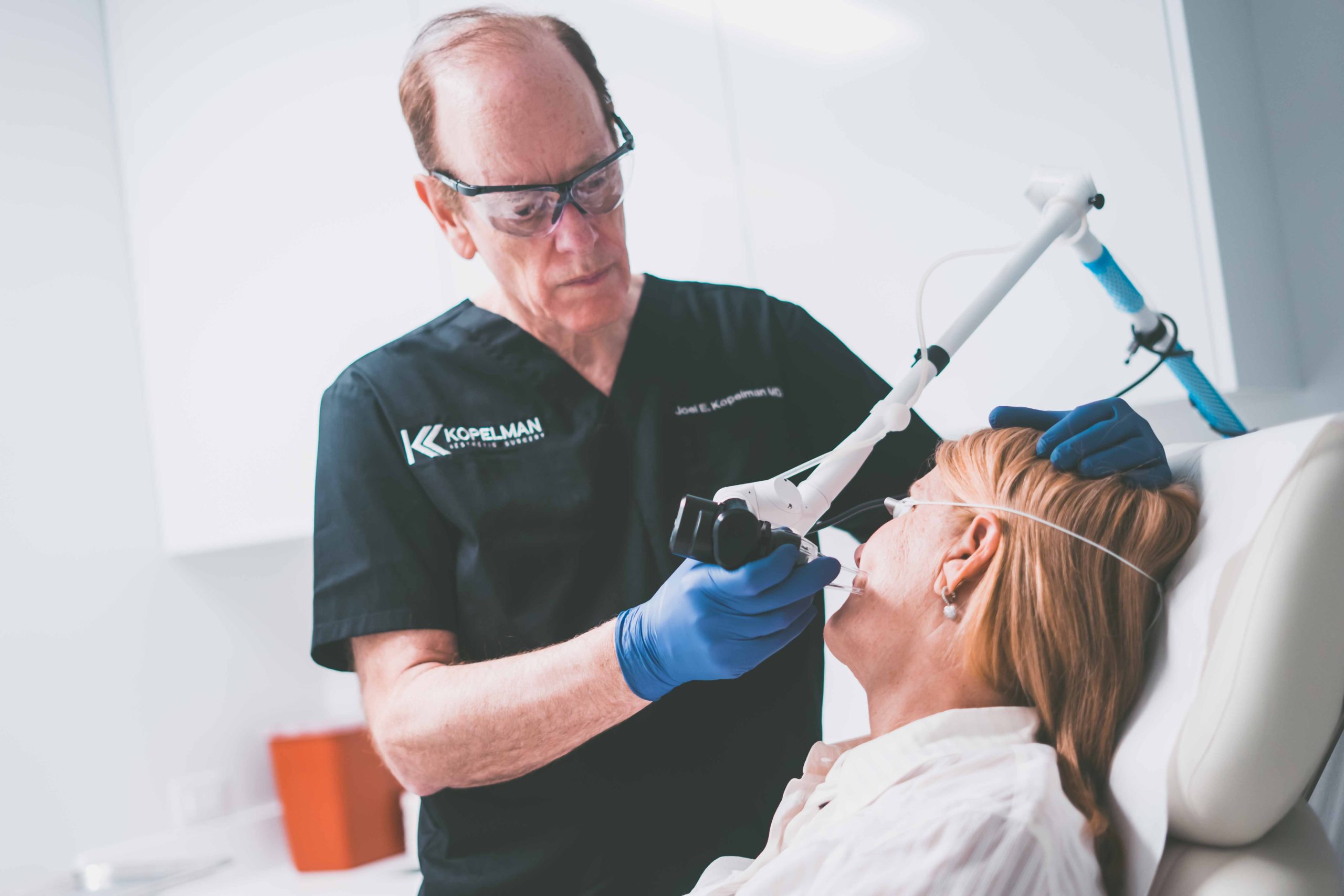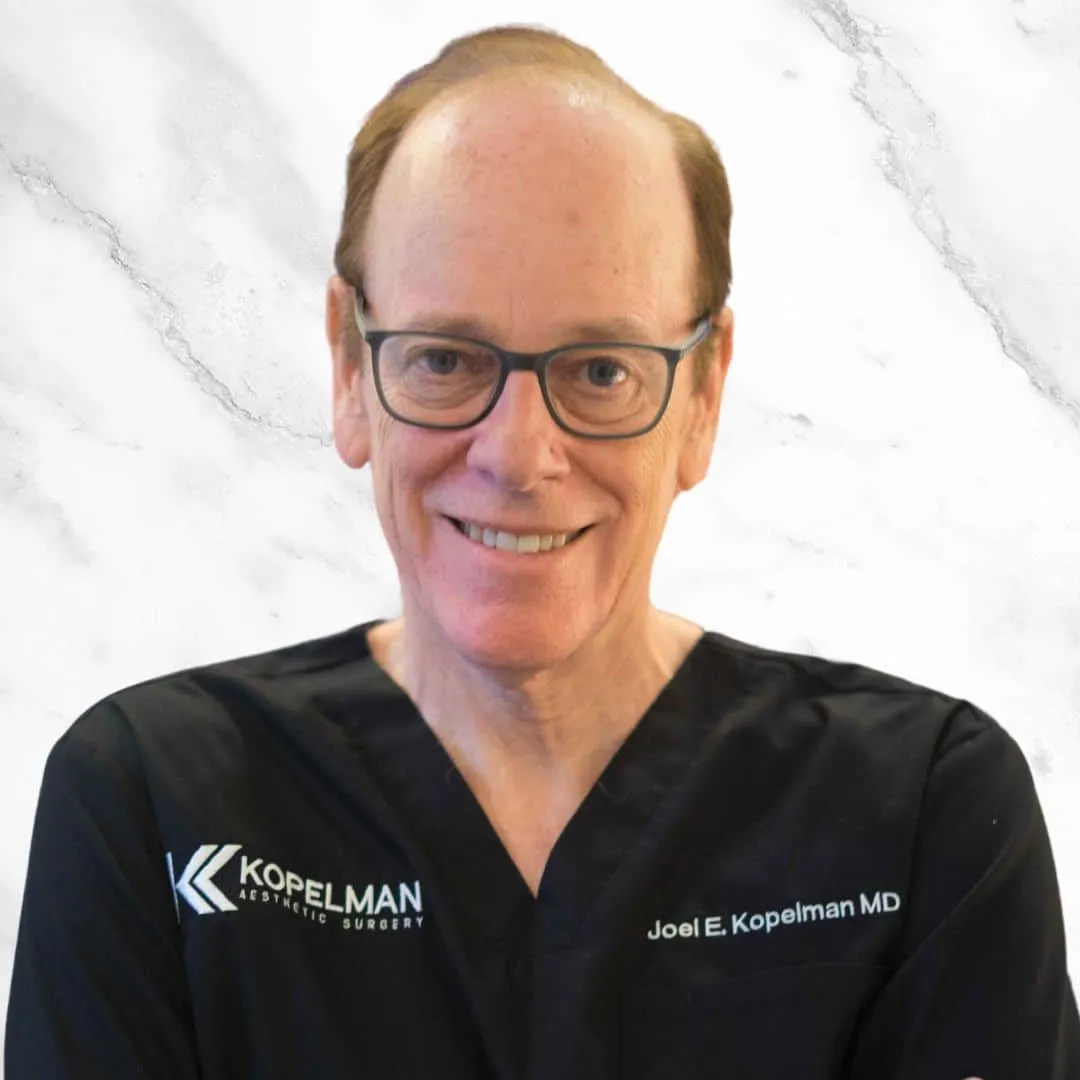


At Kopelman Aesthetic Surgery, Dr. Joel Kopelman helps patients evaluate when drops are useful and when other options may be needed.
Understanding Droopy Eyes and Ptosis
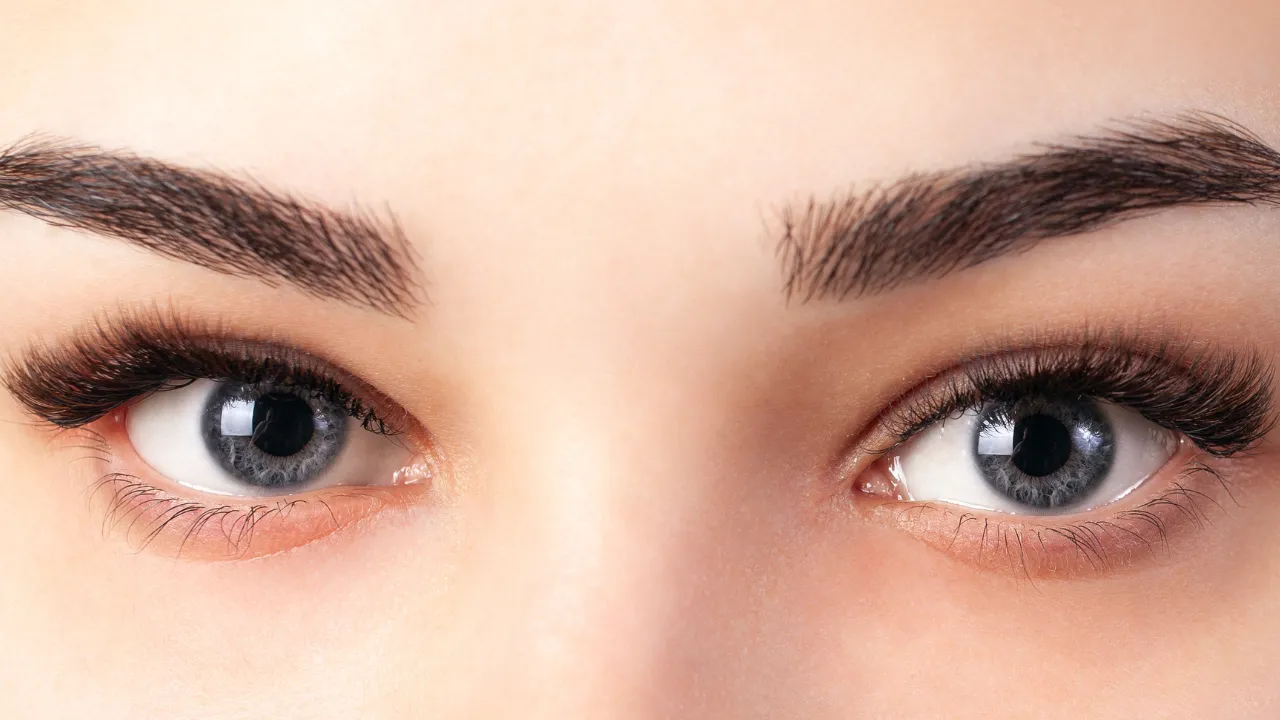
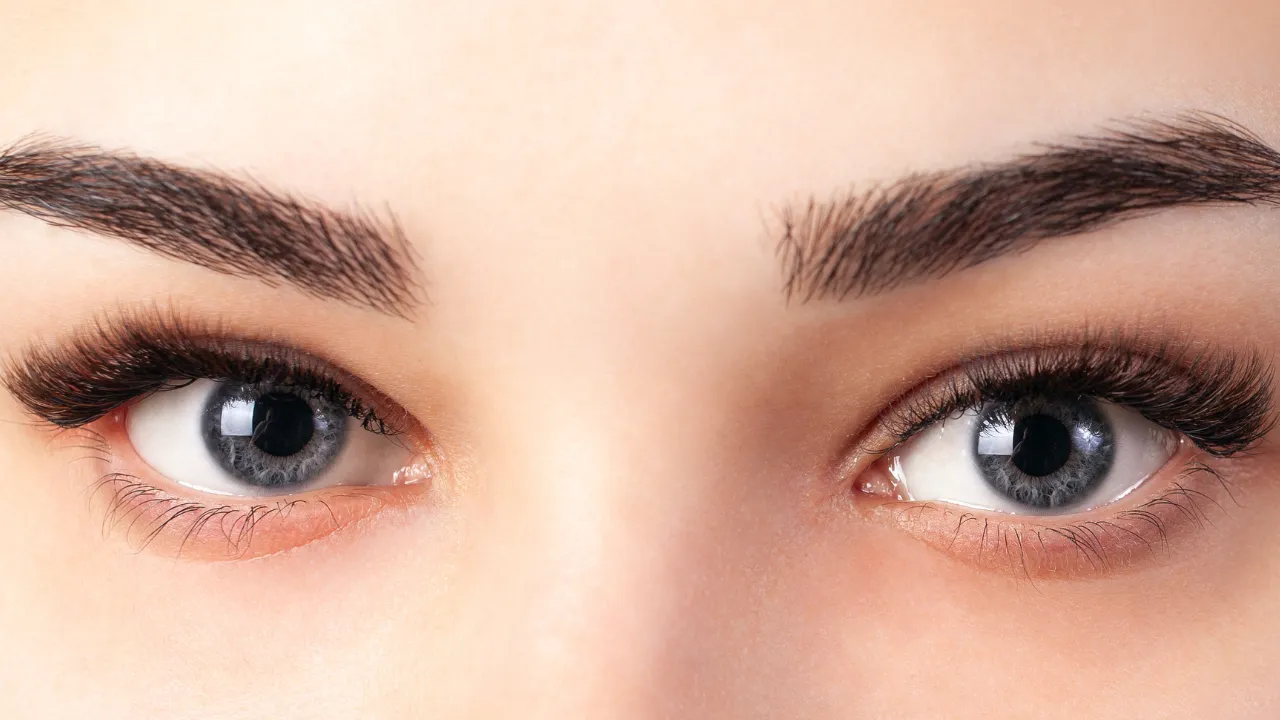
Ptosis is a condition where the upper eyelid sits lower than normal. It may stem from age, nerve problems, or a previous procedure. Some people first notice it because their eyes look uneven or tired in photos.
In mild cases, the concern is cosmetic. In severe cases, it can block part of the field of vision. Saggy lids are often associated with skin laxity, whereas true ptosis involves the muscles that lift the lid. A proper eye exam can determine the cause and whether ptosis drops may provide temporary relief.
Conditions like myasthenia gravis can affect these muscles, worsening the droop. In children, amblyopia, or lazy eye, may develop if the lid interferes with normal vision.
Can Drops Treat Droopy Eyelids?
Some prescription drops slightly raise the lid by stimulating Müller’s muscle. This effect is temporary and works best for mild ptosis.
These solutions do not fix structural or nerve-related issues. They may help after Botox or with mild acquired ptosis, but they are not a permanent treatment.
Drops for Weak Eye Muscles
Certain medications can stimulate weak eyelid muscles and create a mild lift for several hours. They are most useful when the muscle still responds to stimulation.
They will not help if the droop is caused by nerve damage or by excess skin folding over the lid.
Over-the-Counter Eye Drops for Droopy Eyelids
OTC products may reduce redness or irritation, but will not lift the lid. This includes people searching for over-the-counter eye drops for droopy eyelids after Botox, which do not correct the muscle weakness behind ptosis. Some try them, hoping for a cosmetic effect, but they do not treat the root cause.
They can still help the eyes look more refreshed, especially when the issue is redness or dryness.
Droopy Eyelid After Botox
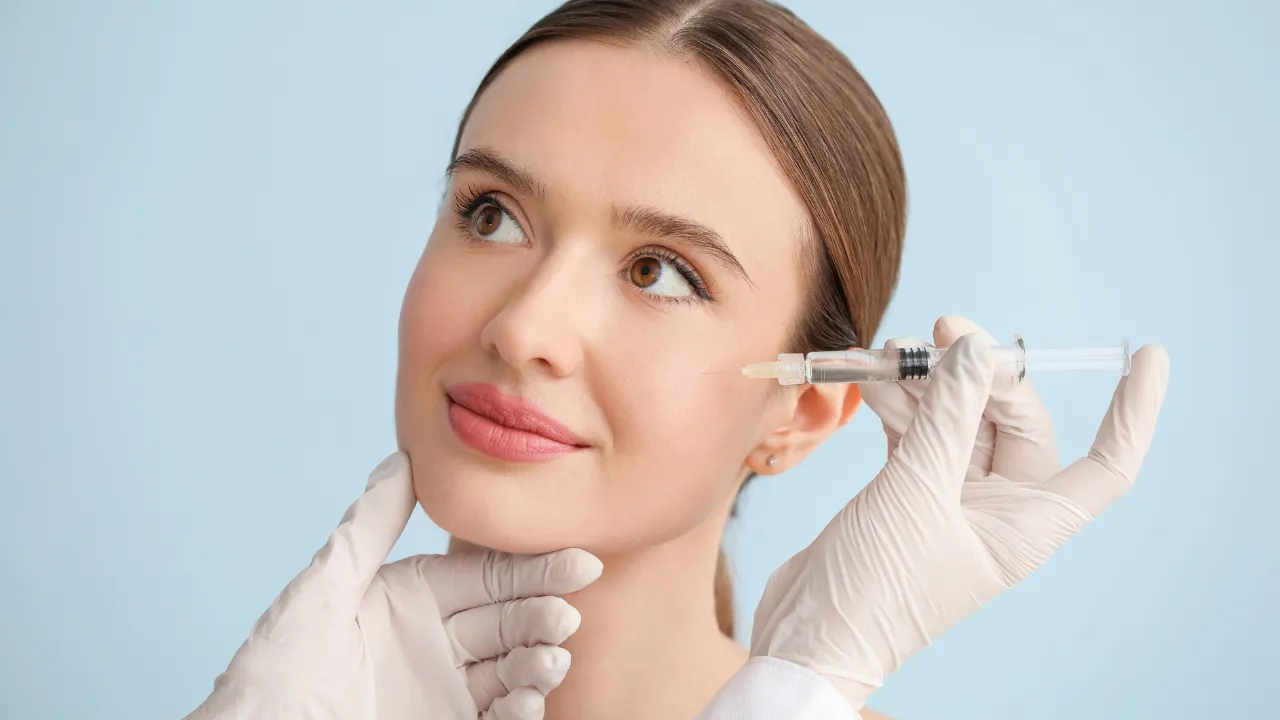
Botox can cause the eyelid to droop if it spreads to nearby muscles.
Many patients look up apraclonidine for Botox ptosis or iopidine when this happens, and in these cases, the medications may help on a short-term basis. They are typically prescribed only until the Botox wears off.
Can I Buy Upneeq Over the Counter?
Upneeq is approved as a prescription product for droopy lids. It cannot be bought over the counter; a licensed provider must prescribe it after a consultation.
Prescription Eye Drops for Eyelid Lifting
Prescription solutions target the lid muscles directly and offer more visible results than OTC products. When comparing Upneeq with apraclonidine, the key difference is approval status: Upneeq is FDA-approved for acquired ptosis, while apraclonidine is used off-label, most often in Botox-related cases.
In some situations, providers may also recommend apraclonidine for ptosis when the drooping follows Botox injections.
How Oxymetazoline Works for Ptosis
Oxymetazoline, the active ingredient in Upneeq eye drops, stimulates Müller’s muscle through α-adrenergic receptors. This produces a small lift of about 1 mm.
Some patients who cannot use Upneeq ask about an oxymetazoline alternative, though options are limited and should be discussed with a physician.
Upneeq received FDA approval in 2020 for the treatment of acquired blepharoptosis in adults. Many patients notice a visible lift the same day, and the effect generally lasts for several hours.
In two randomized, vehicle-controlled trials, improvements in eyelid position and superior visual field appeared within about two hours and were maintained at the six-hour mark, with 360 adults treated with Upneeq across the studies, per the FDA prescribing information.
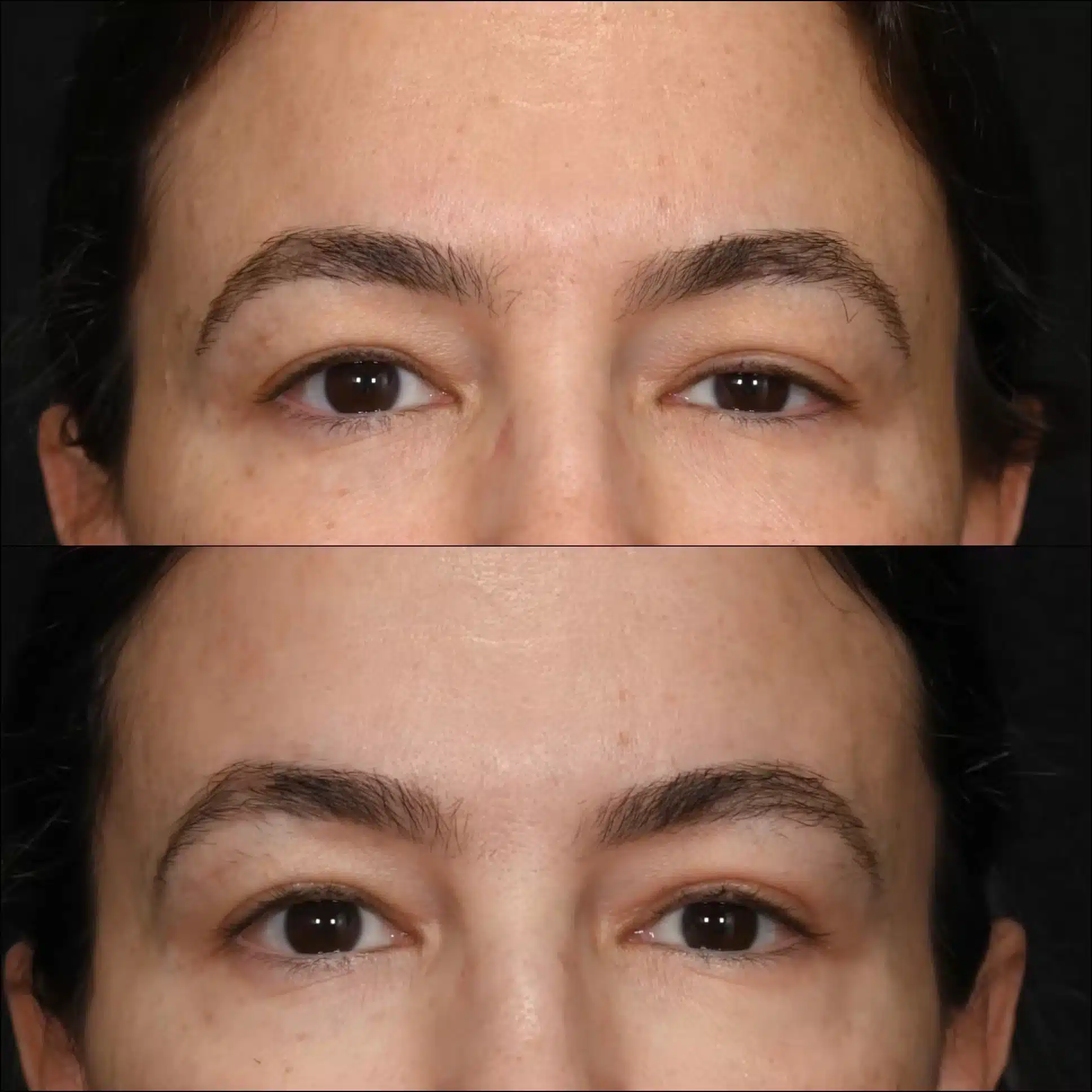
Apraclonidine and Iopidine for Botox Ptosis
Both can ease Botox-related drooping and are used off-label. They are not meant for long-term use, but they can provide a short-term lift while the Botox resolves.
Who Should Avoid Upneeq?
People with high blood pressure, heart problems, or narrow-angle glaucoma should not use Upneeq without a provider’s approval. Because the medication can affect blood pressure and interact with certain drugs, full disclosure of your medications and history matters. Dr. Kopelman always reviews medical history before recommending it.
Side effects may include eye irritation, blurred vision, dryness, or headache.
Who Is a Candidate for Upneeq?
Good candidates are usually adults with mild-to-moderate acquired ptosis, including age-related drooping and Botox-induced sagging. Patients with more severe acquired ptosis may still see benefit, though the lift remains subtle.
Upneeq treats acquired ptosis, not congenital ptosis present from birth. If the cause is unclear, an exam helps rule out conditions like myasthenia gravis or nerve involvement before starting any prescription.
Patients with significant skin overhang or vision blockage are often better served by surgery, since drops cannot remove tissue.
Choosing the Best Eye Drops for Droopy Eyelids
The right choice depends on your condition, your goals, and your overall health.
Upneeq vs. OTC Options
Upneeq is more effective for ptosis because it acts on the lifting muscle. OTC products help with redness or dryness, but do not raise the lid.
Alternatives to Upneeq: Apraclonidine and Iopidine
Both are used off-label for a temporary lift, especially in Botox-related cases. Apraclonidine for Botox ptosis is usually reserved for short-term correction rather than ongoing ptosis management. Neither is a cure, but each can help in the interim.
What Upneeq Costs and How to Get It
Upneeq is dispensed through prescribing offices such as oculoplastic surgeons, ophthalmologists, optometrists, and medical spas, rather than retail pharmacies. To start, you schedule a consultation, in person or by telemedicine, so a provider can confirm you are a candidate.
Pricing varies by provider, supply size, and pharmacy, and Upneeq is generally not billable to insurance when prescribed for a cosmetic concern. As a rough guide, a multi-week supply often falls in the $100 to $200 range, though figures change over time. Your provider can confirm current pricing during your consultation.
When to Consider Eyelid Surgery
Drops offer only temporary relief. For lasting correction or more serious issues, eyelid surgery may be necessary.
When Drops Aren’t Enough
If the droop interferes with daily tasks or affects vision, a topical solution will not be sufficient. Dr. Kopelman evaluates lid function and recommends a long-term plan when needed.
Some patients benefit from eye patching during treatment planning or recovery.
Surgical Treatments for Ptosis
Surgery may involve tightening the lifting muscle or removing excess skin. As an expert in oculoplastic procedures, Dr. Kopelman performs these repairs with a focus on safety and natural results. This approach provides lasting improvement for both appearance and function.