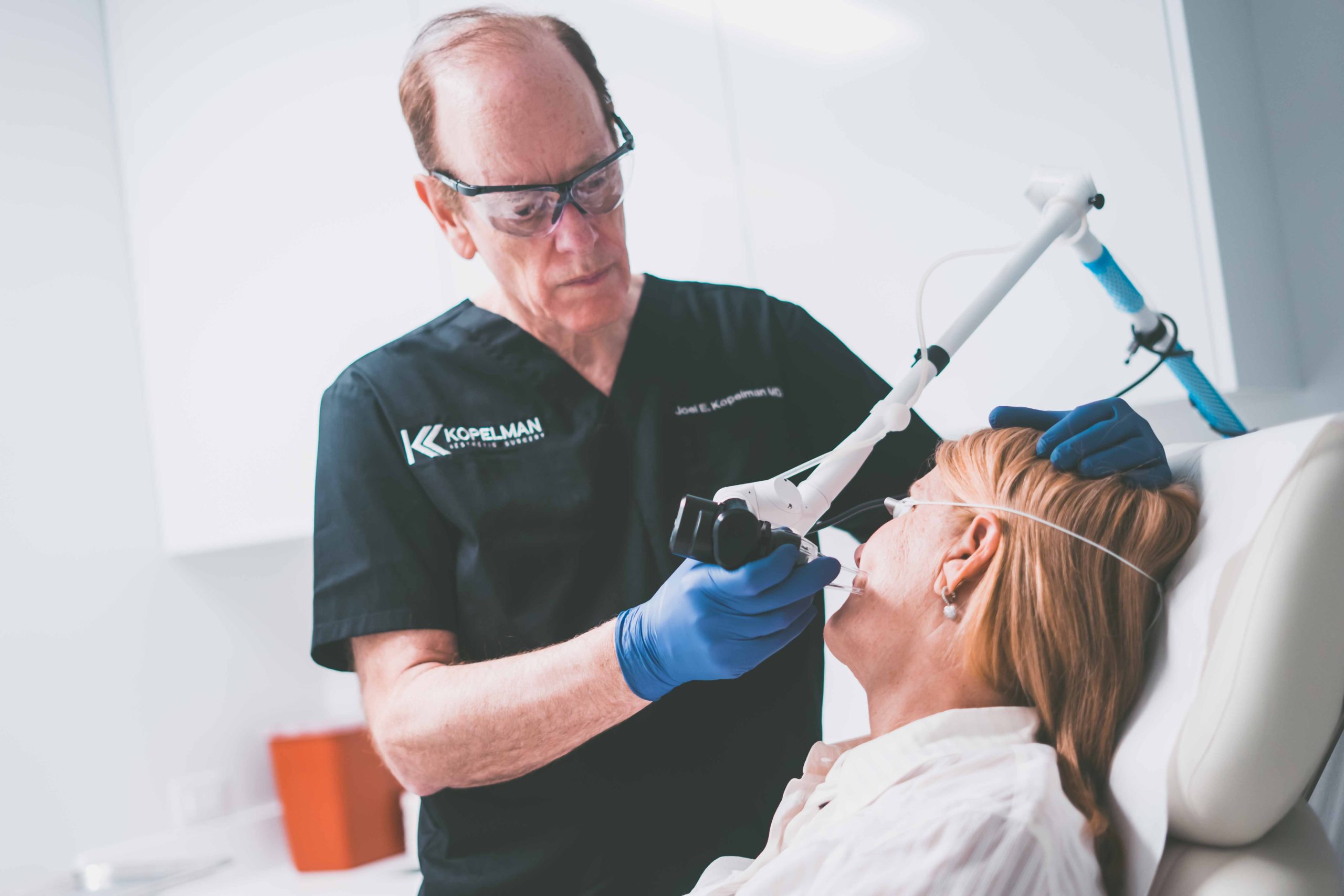
At Kopelman Aesthetic Surgery, Dr. Joel Kopelman often sees patients who benefit from antibiotics for blepharitis treatment antibiotics when standard hygiene methods aren’t enough. This guide explains when antibiotics are appropriate and what options may be right for you.
Key Takeaways
- Antibiotics are prescribed for blepharitis when hygiene measures alone fail to control bacterial overgrowth or chronic inflammation.
- Treatment options include oral antibiotics, topical ointments, and antibiotic eye drops, each selected based on the severity and type of blepharitis.
- Proper diagnosis by a specialist and consistent eyelid hygiene are essential to long-term symptom control and preventing recurrence.
- Patients should follow the full course of antibiotics and consult their doctor if symptoms persist or return.
Understanding Blepharitis and Its Causes
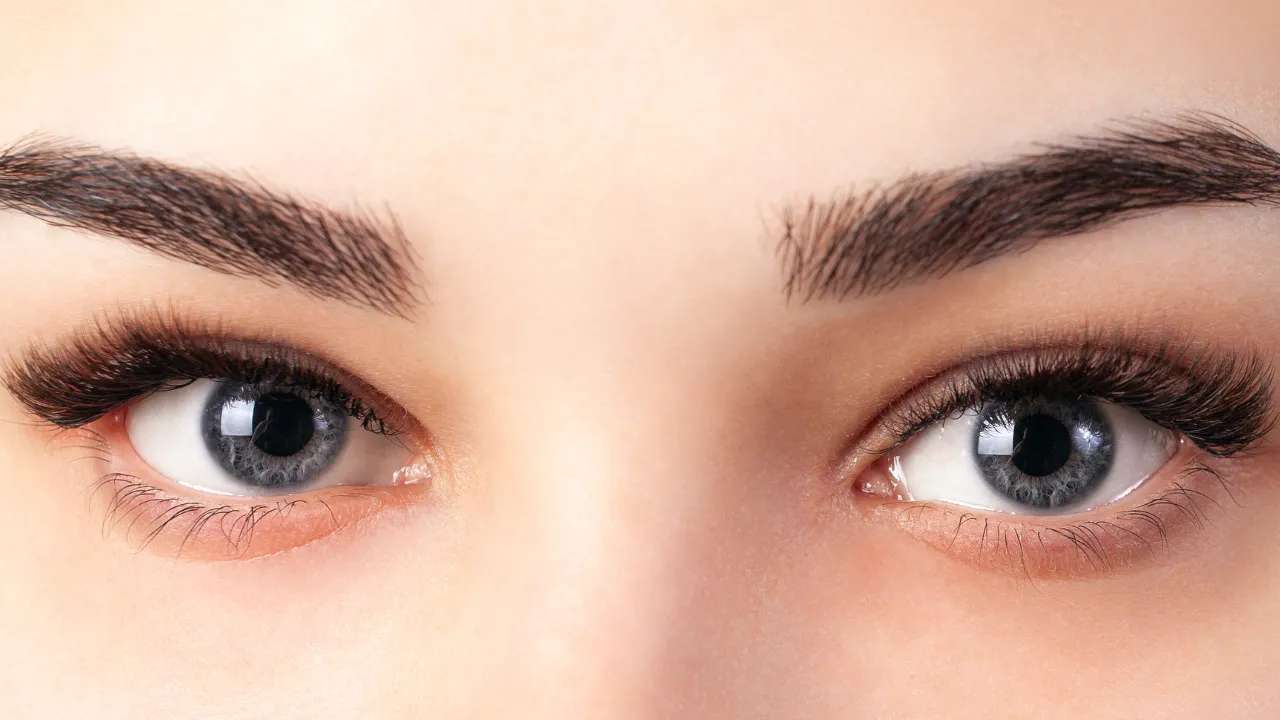
Blepharitis is an inflammation of the eyelids that affects the area where the eyelashes grow. In some cases, doctors may prescribe antibiotics for eyelid infection when bacterial overgrowth contributes to irritation, redness, and crusting along the eyelid margins.
There are two main types: anterior blepharitis, which affects the outside front of the eyelid, and posterior blepharitis, which involves the inner edge near the eye. Both types of blepharitis include inflammation of the lid margins and disruption of the tear film, leading to symptoms like dry eyes and visual discomfort.
Is Blepharitis Fungal or Bacterial?
Blepharitis is usually bacterial, not fungal. The most common cause is an overgrowth of Staphylococcus bacteria on the eyelid margins. In some cases, Demodex mites or seborrheic dermatitis may also contribute. Fungal causes are rare and typically occur in immunocompromised individuals.
How Is Blepharitis Diagnosed?
To diagnose blepharitis, an eye specialist will perform a physical exam and closely examine your eyelids and eyelashes. They may use a slit-lamp microscope to assess the edge of your eyelid, the presence of flakes or debris, and signs of inflammation or infection. In some cases, a swab may be taken from the eyelid margin to identify bacteria, mites, or other causes.
A diagnosis is typically made based on visual symptoms and patient history. No invasive tests are usually required, but identifying the specific type of blepharitis (anterior or posterior) helps determine the most effective treatment plan.
When and Why Antibiotics Are Used
Antibiotics are used when blepharitis doesn’t respond to hygiene alone. They help reduce bacterial overgrowth, inflammation, and secondary infections. For chronic or severe cases, antibiotics can offer relief that daily cleaning cannot provide.
Antibiotics for Chronic Blepharitis
Patients with recurring or long-term blepharitis may require a consistent treatment plan that includes blepharitis antibiotics. In such cases, low-dose oral antibiotics or topical medications may be prescribed for weeks or even months. This approach can help manage flare-ups and reduce discomfort over time.
What Do Dermatologists Recommend?
Dermatologists often recommend starting with eyelid hygiene and warm compresses. If these measures fail, they may prescribe topical antibiotics for blepharitis, such as ointments or drops, and in some cases, oral antibiotics for blepharitis like doxycycline or oral tetracycline. The choice depends on the severity and type of blepharitis.
Types of Antibiotics for Blepharitis
There are several types of antibiotics used in treatment. These can be oral, topical, or in the form of drops, depending on the patient’s symptoms and response to other treatments.
According to treatment standards from the American Academy of Ophthalmology, the choice of antibiotic depends on the type and severity of blepharitis. Oral antibiotics are usually reserved for long-standing or posterior blepharitis, while ointments and drops are more common for mild to moderate cases.
Following these guidelines helps ensure antibiotics are used safely and effectively. Dr. Kopelman follows similar protocols, selecting medications based on patient history, recurrence, and response to earlier treatments.
Oral Antibiotics for Blepharitis (Best Options Included)
Oral antibiotics are often prescribed for moderate to severe blepharitis, especially when inflammation affects the oil-producing meibomian glands. Common options include:
- Doxycycline: Reduces both bacteria and inflammation.
- Azithromycin: Used for shorter courses when doxycycline isn’t suitable.
- Tetracycline or oral tetracycline: An alternative for chronic cases, especially for posterior blepharitis.
These medications are usually taken for several weeks under close medical supervision.
Here’s a simple comparison of the main antibiotic types:
- Doxycycline (oral): Used for chronic or posterior blepharitis. Taken for 4–8 weeks.
- Erythromycin (ointment): Applied to eyelids for milder cases. Short-term use.
- Tobramycin (eye drops): Targets acute flare-ups involving the eye surface.
- Azithromycin (oral/topical): Prescribed when others are not tolerated.
Each option has a specific use case, and your doctor will recommend the best fit based on your condition.
Topical and Ointment Options
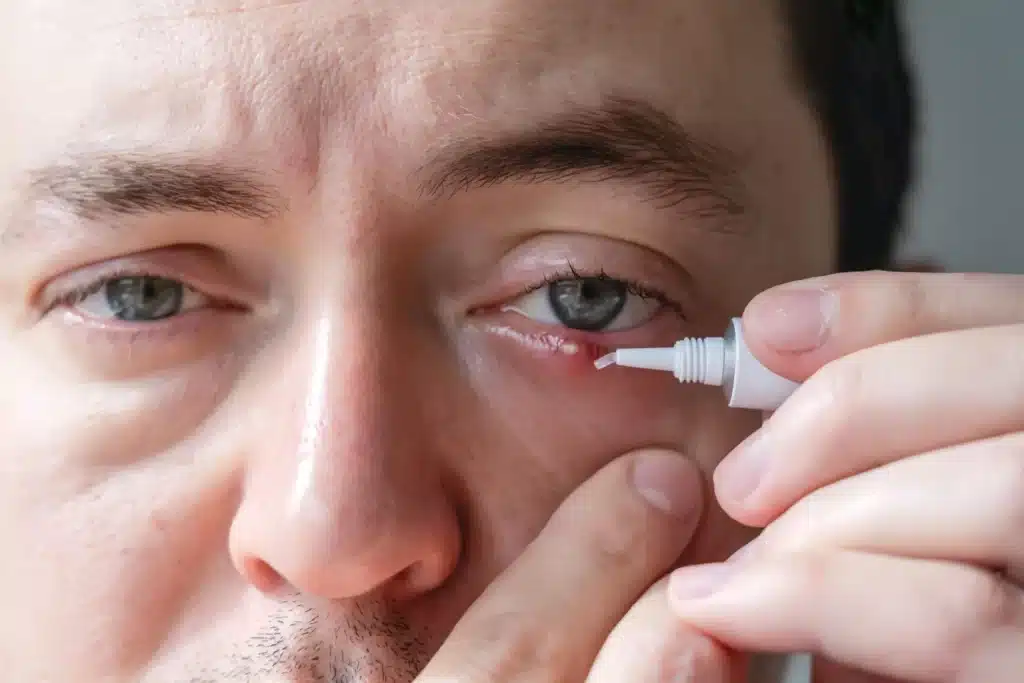
Topical antibiotics for blepharitis are applied directly to the eyelid margins. They help reduce bacteria and are often used in mild to moderate cases. A frequently prescribed antibiotic ointment for blepharitis is bacitracin or erythromycin, typically applied once or twice daily.
Antibiotic Eye Drops
Antibiotic eye drops for blepharitis are usually prescribed when there’s involvement of the eye itself, such as conjunctivitis or corneal irritation. Drops like tobramycin or ciprofloxacin can target bacteria and relieve symptoms quickly.
Over-the-Counter Antibiotics
There are no true over-the-counter (OTC) antibiotics for blepharitis in the U.S. However, OTC eyelid cleansers, artificial tears, and warm compresses are often recommended to support prescription treatments. It’s important not to self-medicate with leftover or non-prescribed antibiotic products.
Using Antibiotics Safely and Effectively
Proper use of antibiotics is essential for safe and successful treatment. Misuse can lead to resistance, incomplete healing, or worsened symptoms.
How Long Do You Take Them?
The treatment duration varies:
- Oral antibiotics: Typically prescribed for 4–8 weeks.
- Topical ointments or drops: Often used for 1–2 weeks.
Your doctor will adjust the plan based on your response and any side effects.
Most patients begin to notice symptom relief within 5 to 7 days of consistent antibiotic use. However, the full course must be completed—even if symptoms improve early—to prevent relapse or bacterial resistance.
If symptoms don’t improve after the expected period, your doctor may adjust the dosage or recommend a different treatment. Monitoring your progress and attending follow-up visits is key to successful management.
Risks and Side Effects
Antibiotics can cause side effects such as:
- Stomach upset (oral antibiotics)
- Eye irritation or redness (topical drops)
- Skin sensitivity to sunlight (especially doxycycline).
Because doxycycline is often prescribed for several weeks, patients commonly ask how long to take doxycycline for blepharitis before inflammation improves.
Always follow your provider’s instructions and report any side effects promptly. Dr. Kopelman emphasizes patient education to ensure safe and effective care.
In some cases, your doctor may recommend combination therapy—using both an oral and a topical antibiotic. This approach can be effective when one method alone doesn’t provide full relief.
Combination treatment may also be helpful during severe flare-ups or in cases involving both anterior and posterior eyelid inflammation. The decision depends on symptom severity and patient response.
Complementary and Alternative Treatments
While antibiotics play a role, many patients manage blepharitis successfully with consistent home care. These methods can enhance or even replace antibiotic use in mild cases.
Lid Hygiene and Home Remedies
Daily cleaning of the eyelids helps prevent bacterial buildup. Recommended steps include:
- Use of warm compresses for 5–10 minutes.
- Gentle scrubbing with diluted baby shampoo or lid cleansers.
- Avoiding eye makeup during flare-ups.
Consistency is key for long-term relief.
For daily eyelid care, follow this basic hygiene checklist:
- Gently clean your eyelids with a lid scrub or diluted baby shampoo.
- Avoid eye makeup during active flare-ups.
- Wash your hands before and after touching your eyes.
- Keep closed eyelids clean and moisturized using non-irritating products.
This simple routine helps reduce bacterial buildup and supports long-term symptom control.
Including omega-3 fatty acids in your diet may also help reduce inflammation and support meibomian gland function. Foods rich in omega-3s, such as flaxseeds, salmon, and walnuts, can benefit tear film stability and reduce symptoms of dry eyes.
Can Blepharitis Be Cured Fast?
Blepharitis rarely disappears overnight. Even with antibiotics, it requires time and maintenance. Some patients notice improvement within a few days, but complete relief may take weeks. A fast “cure” is unlikely; rather, ongoing care leads to control and comfort.
When to See a Specialist
You should consult an eye specialist if:
- Symptoms persist despite hygiene efforts.
- Vision becomes blurry or painful.
- The condition recurs frequently.
At Kopelman Aesthetic Surgery, Dr. Joel Kopelman evaluates each case individually to recommend the safest and most effective treatments. His expertise in eyelid health helps patients achieve both functional relief and cosmetic confidence.
What to Ask During Your Appointment
If you’re seeing a specialist for blepharitis, preparing a few questions in advance can help you better understand your condition. It also ensures you’re clear about your treatment plan and long-term management.
Here are useful questions to consider:
- What type of blepharitis do I have?
- Do I need antibiotics, and if so, which kind?
- How long should I follow this treatment?
- What signs should I watch for if symptoms return?
- Should I avoid contact lenses or eye makeup?
These questions support more transparent communication and help you play an active role in your care.
Frequently Asked Questions about Antibiotics for Blepharitis Treatment