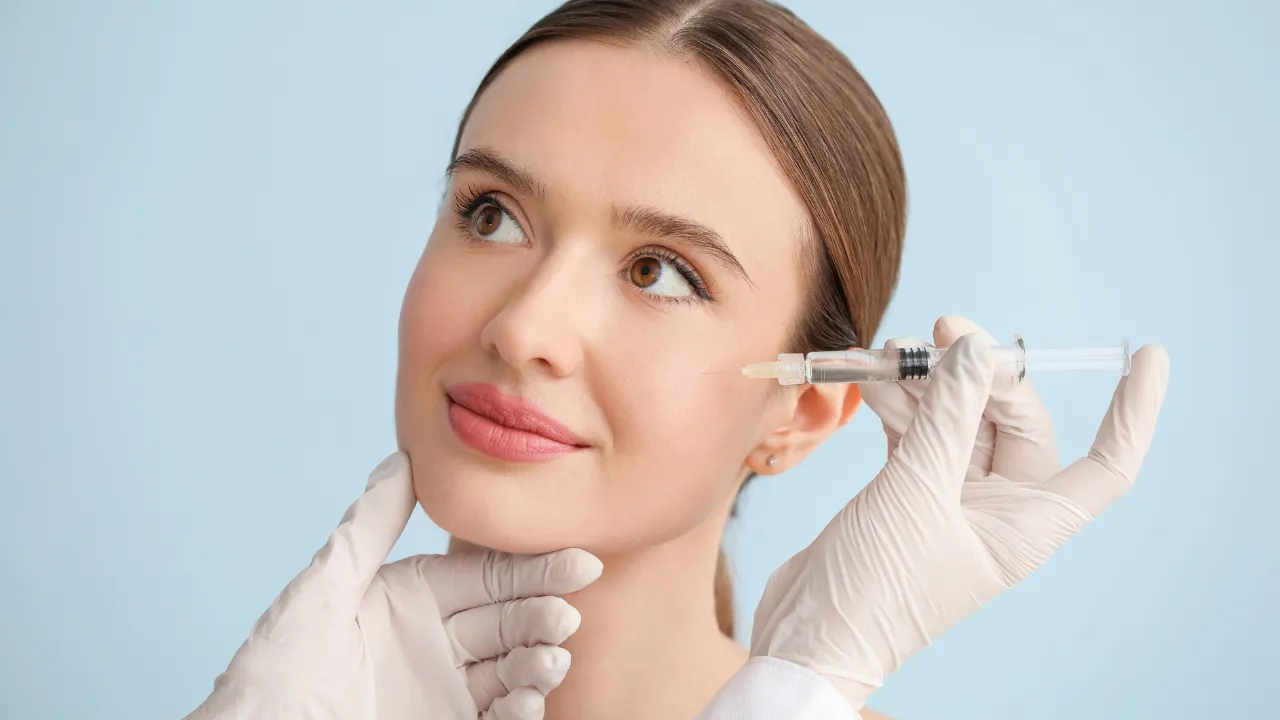

- Restylane is among the most widely used options for under-eye correction. Restylane under-eye cost varies by formulation, but Restylane Eyelight is one of the few fillers specifically approved for the tear trough area. These products are known for their smooth consistency and natural integration with delicate skin.
- Juvederm Volbella XC is the thinnest and smoothest product in the Juvederm line. The cost of Juvederm under-eye reflects its fine consistency, which spreads evenly beneath thin skin and helps prevent visible lumps or a bluish tint known as the Tyndall effect.
- Belotero Balance is a product that some providers use for very superficial hollows. It is not offered at Kopelman Aesthetic Surgery, but it remains available at other practices nationwide.
National ranges are approximate and reflect general market pricing. Specialist practices with board-certified surgeons will often fall above these ranges, reflecting the additional training, precision, and safety protocols involved in treating the delicate under-eye area.
Cost Near Me and Location Factors
Where you live plays a significant role in what you will pay. Metropolitan areas like New York, Los Angeles, and Miami typically have higher pricing than smaller cities or suburban practices. This reflects higher overhead costs, greater demand, and, in many cases, a higher concentration of specialized injectors.
For patients specifically searching for under-eye fillers in NYC, treatment at a board-certified specialist’s office can range from $1,500 to $2,500 or more per syringe, depending on the provider’s credentials and the complexity of the case. For more on what to expect in the New York area, see our guide to under-eye filler in NYC.
Provider expertise, clinic reputation, and the complexity of each individual case also play a role. A lower price does not always mean better value; the injector’s skill is the single biggest factor in both safety and the quality of your result.
Understanding Under Eye Fillers
How They Work
Under eye fillers, sometimes called tear trough fillers, use injectable gels to replace lost volume beneath the lower eyelid. They smooth the transition between the eyelid and cheek, lifting hollow areas to reduce shadows and dark circles. The cost of tear trough filler reflects both the product itself and the precision required to inject safely in this delicate area.
This type of treatment falls within the broader category of dermal fillers, which are also used in other facial areas such as the cheeks, lips, and jawline. However, the under-eye zone demands a lighter product and a more careful technique than most other injection sites.
Types of Fillers Used
Most under-eye treatments use hyaluronic acid (HA) fillers because they are safe, reversible, and well tolerated by the body. Hyaluronic acid occurs naturally in your skin, where it binds to water and provides volume and hydration. If a problem arises, HA fillers can be dissolved with an enzyme called hyaluronidase, which is not possible with non-HA products.
The cost of hyaluronic acid injections under the eyes depends on the specific product chosen. Common options include:
- Restylane-L and Restylane Eyelight are popular choices known for their smooth texture and predictable results in the tear trough. Restylane Eyelight is one of the few fillers specifically approved for the under-eye area.
- Juvederm Volbella XC is the thinnest and smoothest product in the Juvederm line. Its fine consistency makes it well-suited for the thin skin beneath the eyes, where a heavier filler could create visible ridges.
- Belotero Balance integrates closely with surrounding tissue and is sometimes preferred for very shallow hollows where other fillers might show through. It is not offered at Kopelman Aesthetic Surgery.
Products like Sculptra (poly-L-lactic acid) and Radiesse (calcium hydroxylapatite) should not be used under the eyes. They cannot be dissolved, and their thicker consistency increases the risk of complications in this area.
Filler injections can be placed using a fine needle or a blunt-tipped cannula. A needle allows precise placement but may cause slightly more bruising. A cannula often reduces trauma while covering a larger area with fewer entry points. Dr. Kopelman selects the method that offers the safest and most natural result for each patient.
How Long They Last
Results generally last 12 to 18 months, though some patients enjoy results for up to two years. The under-eye area sees less muscle movement than the lips or mouth, which helps filler last longer here than in other treatment zones.
Longevity depends on your metabolism, the specific filler used, the injector’s technique, and whether your treatment plan is designed for short-term correction or gradual, long-term improvement. Touch-up appointments, if needed, typically require less product than the initial session.
Results and Expectations
Under Eye Fillers Before and After
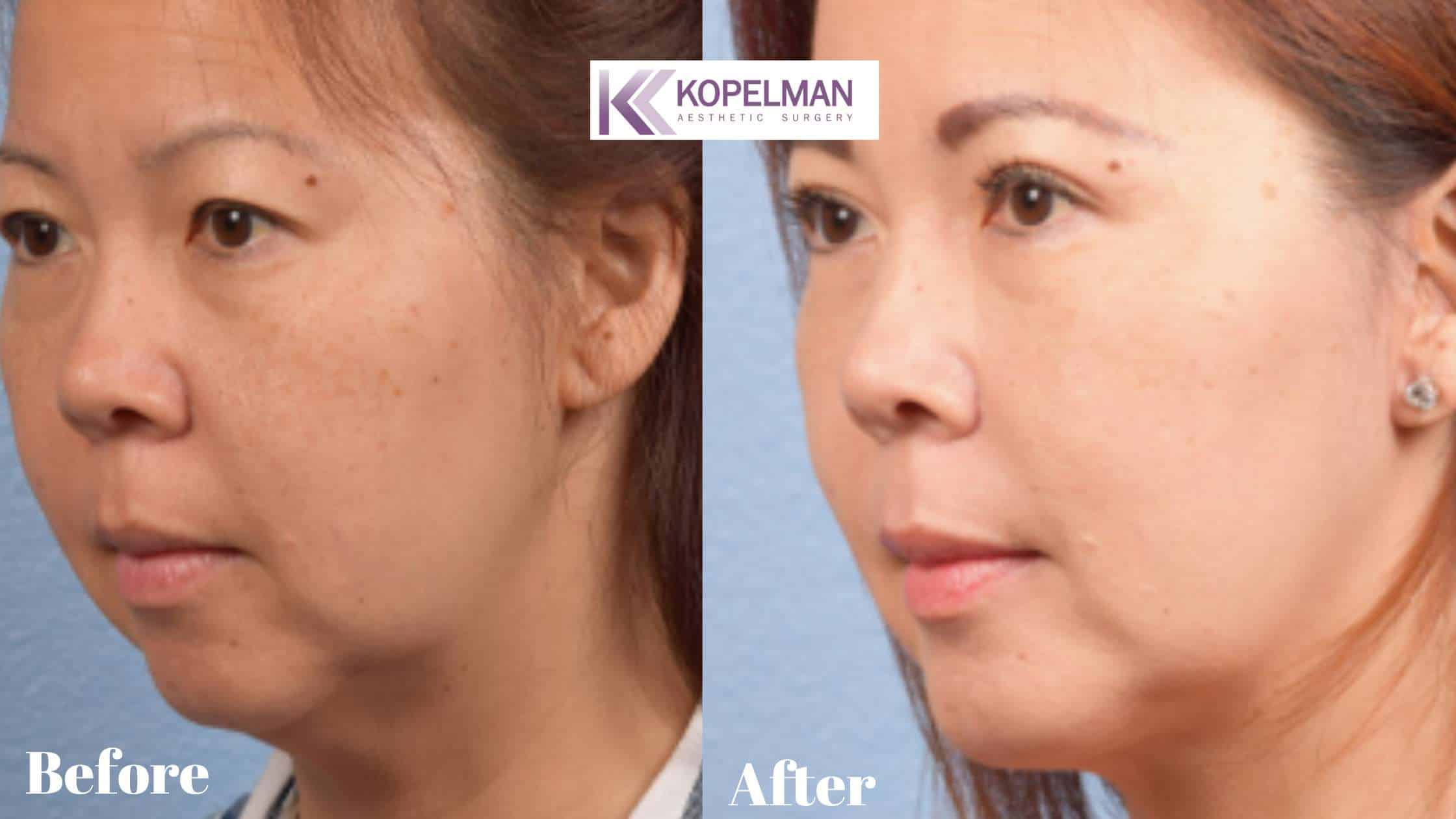
Before treatment, patients typically have visible volume loss, shadowing, and a tired appearance that does not improve with rest or concealer. After treatment, the under-eye area appears smoother and more refreshed. Dr. Kopelman uses a conservative amount of filler to avoid overcorrection, which can look unnatural or puffy.
One patient, age 42, visited Kopelman Aesthetic Surgery with concerns about under-eye hollowness that had worsened over several years. She received one syringe of Restylane-L in each eye, for a total under-eye filler cost of $5,000.
Within a week, the hollows were softened, and her eyes appeared brighter and more rested. She reported feeling more confident at work and appreciated the subtle change that friends noticed without suspecting a procedure.

Is It Worth Getting Under Eye Fillers?
For many patients, this non-surgical option delivers fast, visible results with minimal downtime. It is especially effective for people with mild-to-moderate hollowing who want to avoid surgery.
When evaluating whether the investment makes sense for you, consider the annual cost. A single treatment lasting 12 to 18 months may cost $1,200 to $5,000 total depending on your provider and the number of syringes used, compared to daily spending on high-end concealers and eye creams that only mask the problem.
Benefits, Risks, and Side Effects
Common Benefits
- Immediate improvement in hollowness and skin smoothness
- Minimal recovery time compared to surgery
- Non-surgical and reversible injectable treatment
- Results that look natural when performed by an experienced specialist
Under Eye Fillers Side Effects
Temporary side effects include swelling, bruising, or tenderness at the injection site. These typically resolve within a few days. Rare risks include uneven results, lumpiness, or the Tyndall effect (a bluish discoloration under thin skin). Choosing an experienced injector significantly reduces these risks.
Although rare, serious complications such as vascular occlusion require immediate attention to prevent tissue damage or vision problems. Dr. Kopelman follows advanced safety protocols, including aspiration techniques and detailed knowledge of periorbital vascular anatomy, to minimize these outcomes.
Patients can expect mild swelling and possible bruising for one to three days. By days four through seven, swelling usually subsides, and results begin to settle into their final position. Most patients see the full effect within two weeks.
Who Should Avoid This Treatment
Not everyone is a good candidate for under-eye filler. Patients with active skin infections near the treatment area, certain autoimmune conditions, bleeding disorders, or unrealistic expectations may not be suitable. A thorough consultation is essential before proceeding.
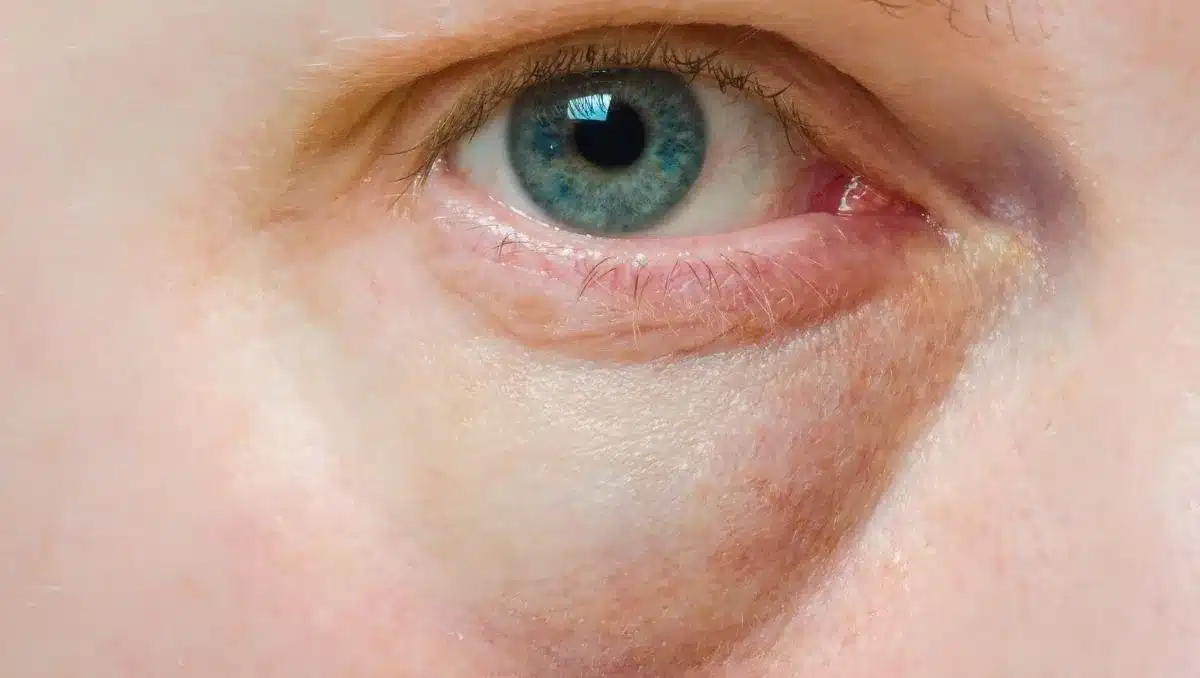
It is also important to understand the difference between hollowing and true eye bags. Filler works best for volume loss and shadowing beneath the eyes. If your concern is primarily puffiness or bulging caused by herniated orbital fat, filler alone will not correct the problem and may actually make it look worse.
Patients with prominent eye bags are often better candidates for surgical correction such as lower blepharoplasty. During your consultation, your provider should assess whether your concern is volume loss, fat herniation, or a combination of both.
Botox vs Fillers for Under Eyes
Botox relaxes muscles to smooth dynamic wrinkles (the lines that appear when you squint or smile), while fillers restore lost volume beneath the skin’s surface. For hollows and shadowing under the eyes, fillers are generally more effective because the issue is structural rather than muscular.
In some cases, Botox and fillers are combined for a more comprehensive result. Botox can soften crow’s feet and fine lines around the outer eye while filler addresses the hollow tear trough area.
At Kopelman Aesthetic Surgery, Botox is $1,800 per treatment area, which can be combined with filler in a single visit. Your provider can recommend the right combination based on your anatomy and goals.
Alternatives to Under-Eye Fillers
Some patients may prefer or require alternatives to injectable filler, depending on their anatomy, budget, or how long they want their results to last.
- PRP injections use platelet-rich plasma drawn from your own blood to improve skin texture and stimulate collagen production. Results are subtle and develop gradually over several weeks. Learn more about PRP treatment.
- Fat grafting transfers fat from another area of your body (usually the abdomen or thighs) to the under-eye area to provide longer-lasting volume restoration. This is a surgical procedure performed under sedation or general anesthesia.
- Laser resurfacing improves skin tone, tightens mildly lax skin, and reduces fine lines. It works well for textural concerns but does not add volume.
- Topical treatments including medical-grade retinoids, vitamin C serums, and peptide-based eye creams can help with mild discoloration and fine lines, though they cannot replace lost volume.
Tear Trough Surgery vs. Filler: Comparing Costs
For patients with significant hollowing, pronounced under-eye bags, or those seeking a permanent solution, tear trough surgery (lower blepharoplasty) may be a better option. The cost of tear trough surgery typically ranges from $3,000 to $7,000, depending on the surgeon, location, and whether the procedure involves fat repositioning, fat removal, or skin tightening.
While the upfront cost is higher than filler, surgery is a one-time expense rather than a recurring treatment every 12 to 18 months. Over five years, a patient spending $2,500 annually on filler touch-ups would pay $12,500 total, which significantly exceeds the cost of a single surgical procedure with long-lasting results.
Filler is the better choice for patients with mild to moderate hollowing who prefer a non-surgical approach, want to test the look before committing to surgery, or are not ready for a longer recovery period. Surgery is typically recommended for patients with excess skin, significant fat pad herniation, or structural changes that filler cannot adequately correct. Dr. Kopelman helps patients weigh both options based on their anatomy, goals, and budget.
The Procedure Step-by-Step
Preparing for Treatment
Patients should avoid alcohol, aspirin, ibuprofen, and certain supplements (including fish oil and vitamin E) for at least five days before the procedure to minimize the risk of bruising. A complete medical history is reviewed during the consultation, and your provider should be informed of any medications or conditions that affect bleeding.
During the Appointment
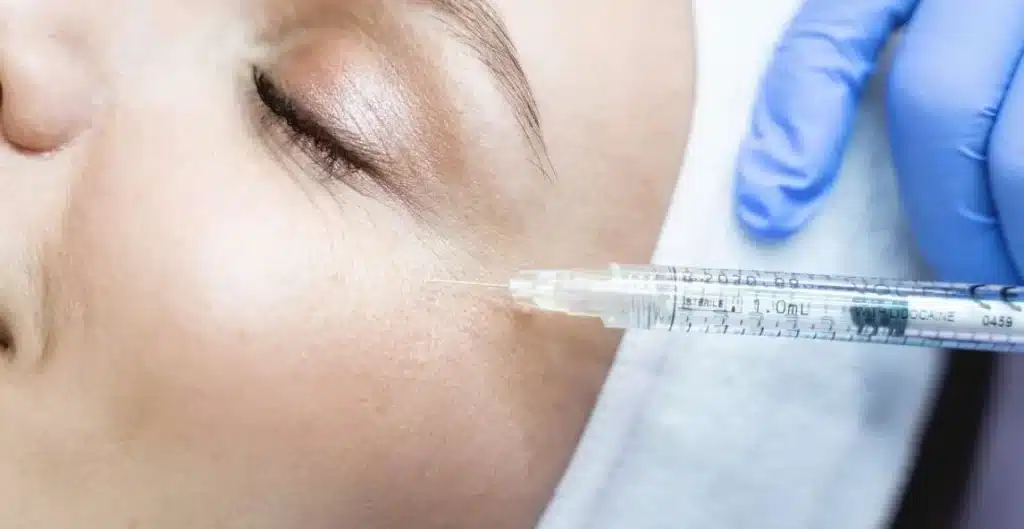
The treatment itself takes about 30 minutes. A topical numbing cream is applied to the under-eye area before injection, and most fillers also contain lidocaine for additional comfort. Dr. Kopelman uses filler injections with fine needles or cannulas for precise placement, adjusting depth and volume in real time to ensure comfort and safety.
Aftercare and Recovery
Most patients return to regular activities the same day. Swelling and bruising may last a few days and are typically mild enough to conceal with sunglasses or light makeup. Cold compresses applied gently in the first 24 hours can help reduce swelling. Patients should avoid strenuous exercise, alcohol, and excessive heat (including saunas and hot yoga) for 48 hours after treatment.
Choosing a Qualified Provider
Key Qualifications
Look for board certification in facial plastic surgery, oculoplastic surgery, or dermatology with specific injectable training. Years of experience treating the under-eye area specifically, not just general filler experience, are important. The tear trough is one of the highest-risk zones for filler injection, and outcomes depend heavily on the injector’s anatomical knowledge.
Why Technique Matters
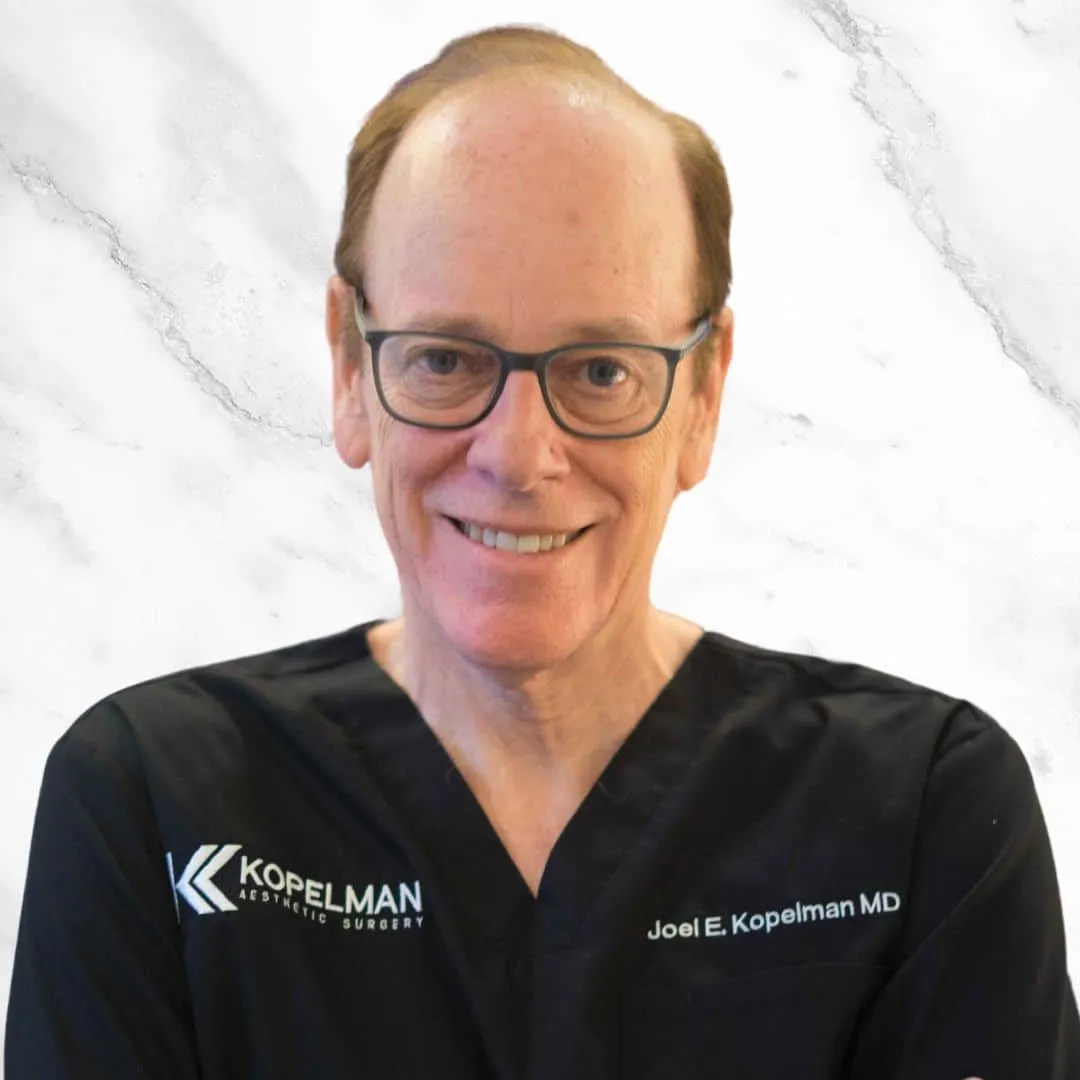
Precise technique ensures natural results and reduces risk. Dr. Kopelman’s oculoplastic background allows for careful filler placement, even in areas close to a blood vessel.