
How Much Is Under Eye Filler in NYC?
The cost of under eye filler is usually quoted per syringe or per session. Nationally, the American Society of Plastic Surgeons reports an average of roughly $684 per syringe for hyaluronic acid products, though real-world pricing sits higher in most metropolitan markets.
Most patients need one to two syringes total to treat both sides. Deeper hollows require more product, which is the single largest variable in the final number.
| Market | Typical Cost | What Drives the Range |
|---|---|---|
| US national average | About $684 per syringe | ASPS-reported average across all hyaluronic acid fillers |
| US typical range | $600 to $1,500 per syringe | Product selected, injector credentials, regional overhead |
| Major metro markets | $1,500 to $2,500 per session | Specialist training, higher facility costs, complex anatomy |
| Kopelman Aesthetic Surgery (Restylane) | $2,500 per session | Priced per session, not per unit; includes follow-up assessment |
What Affects the Total
Several factors move the price of under-eye fillers up or down:
- Type and brand of product used
- Number of syringes required for the correction
- Injector’s training, credentials, and specialty
- Practice location and facility costs
- Whether a follow-up assessment is included
Dr. Kopelman’s pricing reflects expert care, FDA-approved products, and precise technique in one of the face’s least forgiving areas.
Cost of Restylane Under Eyes and Product Comparison
Restylane is the product most often selected for the tear trough because it holds its shape and resists spreading. The cost of Restylane under eyes at this practice is $2,500 per session, quoted upfront with no per-unit charges added later.
We use Juvederm formulations elsewhere on the face, and we price them separately. Sculptra and Radiesse are never placed beneath the eyes; only hyaluronic acid products belong in this area because they can be dissolved if needed.
| Product | Cost | Primary Use |
|---|---|---|
| Restylane | $2,500 per session | Tear trough, cheeks, and lips depending on formulation |
| Juvederm Ultra | $1,800 per session | Lips and fine lines |
| Juvederm Voluma | $1,800 per session | Cheek and mid-face contouring |
| Botox | $1,800 per session | Dynamic expression lines; charged per session, not per unit |
| Sculptra | $2,500 per vial | Collagen stimulation; not used beneath the eyes |
With vs. Without Insurance
Because lower-eyelid injectable treatment is cosmetic, insurance does not cover it. Patients should plan to pay out of pocket.
Kopelman Aesthetic Surgery provides transparent pricing and personalized treatment plans during consultations.
Planning for Maintenance
Results are temporary, so the real question is annual spend rather than one-time price. Most patients repeat treatment every 12 to 18 months in this area, since the tear trough moves less than the mouth and holds product longer.
At $2,500 per session repeated roughly once a year, budget accordingly over a multi-year horizon. Many patients need less product at maintenance visits than at their first treatment.
Dr. Kopelman is conservative about repeat injections in this region. Layering new product on top of old raises the risk of persistent swelling, so he assesses what remains before adding more.
Under-Eye Treatment Cost Near You
While pricing varies, it is worth choosing a board-certified specialist over chasing the lowest quote. Clinics offering deep discounts may cut corners or use off-brand products.
Dr. Kopelman’s approach prioritizes safety, artistry, and natural-looking outcomes over price alone.
Overview of Tear Trough Fillers
What They Are and How They Work
These injectable treatments restore lost volume and reduce the appearance of shadows or hollows beneath the eyes. They typically contain hyaluronic acid, a naturally occurring substance in the body that attracts moisture and adds plumpness.
By filling in sunken areas, they create a smoother, refreshed look without surgery. Hyaluronic acid works particularly well in the thin skin around the eyes, softening fine lines while restoring volume.
Popular Filler Types (Juvederm, Restylane)
Two common options for this delicate area are Juvederm and Restylane. Both are hyaluronic acid-based, but they differ in consistency and how they settle under the skin.
Juvederm tends to spread more, while Restylane offers more structure. Dr. Kopelman helps patients choose the best under-eye filler based on their unique anatomy, goals, and how each product performs in the tear trough area.
Formulation matters more here than almost anywhere else on the face. A product that looks smooth in the cheek can read as a visible ridge through thin lower eyelid skin.
Who Is a Good Candidate?
Not everyone is an ideal candidate. This treatment works best for individuals with mild to moderate hollowing or shadows caused by volume loss, not puffiness or excess skin.
There is a simple self-test. Hold a mirror below your face and look up toward a bright overhead light; if the darkness disappears, it is a shadow from a hollow and filler may help. If the color remains, it is pigment, and filler will not correct it.
People with allergies to filler ingredients, active skin infections, significant fat pads, or loose lower eyelid skin usually need a different approach. Adding volume to a true under-eye bag tends to make it look heavier.
Dr. Kopelman carefully evaluates facial anatomy, skin thickness, and overall eye contour before recommending treatment. This step is what separates a natural result from a visible one.
Procedure and Results
What to Expect During Treatment
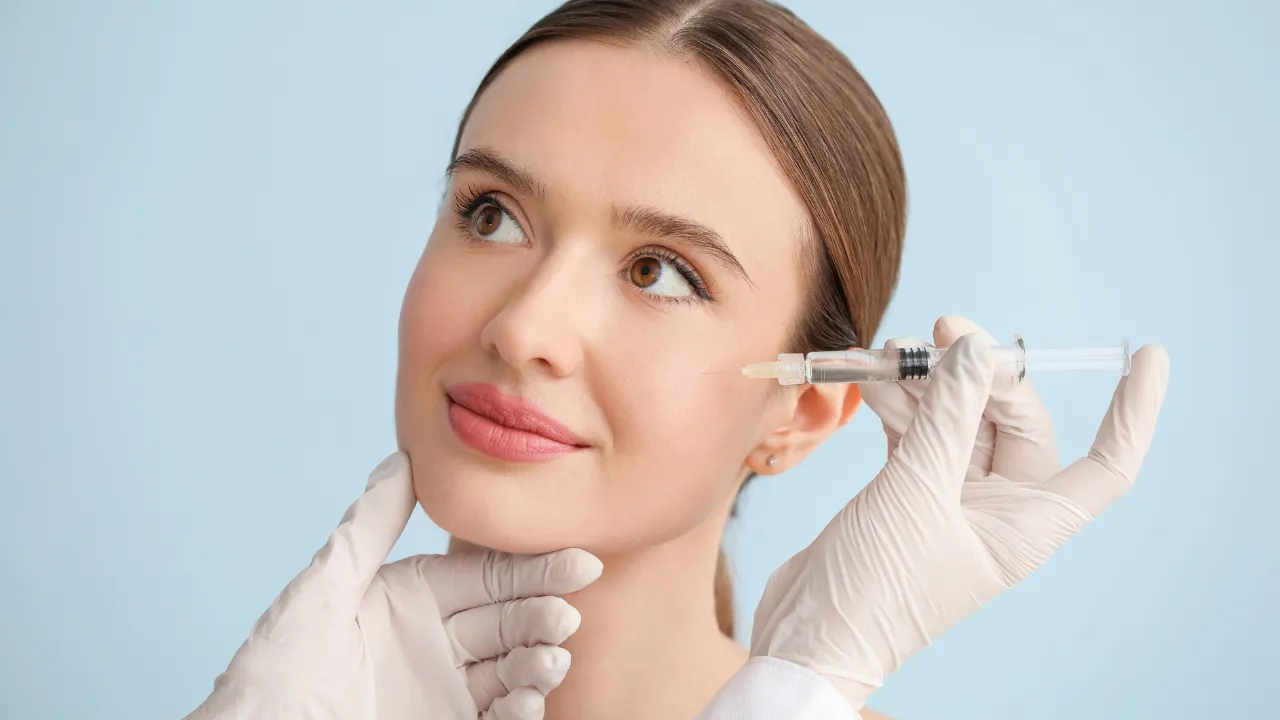
The procedure takes around 15 to 30 minutes. After cleansing the area, we apply a topical numbing cream.
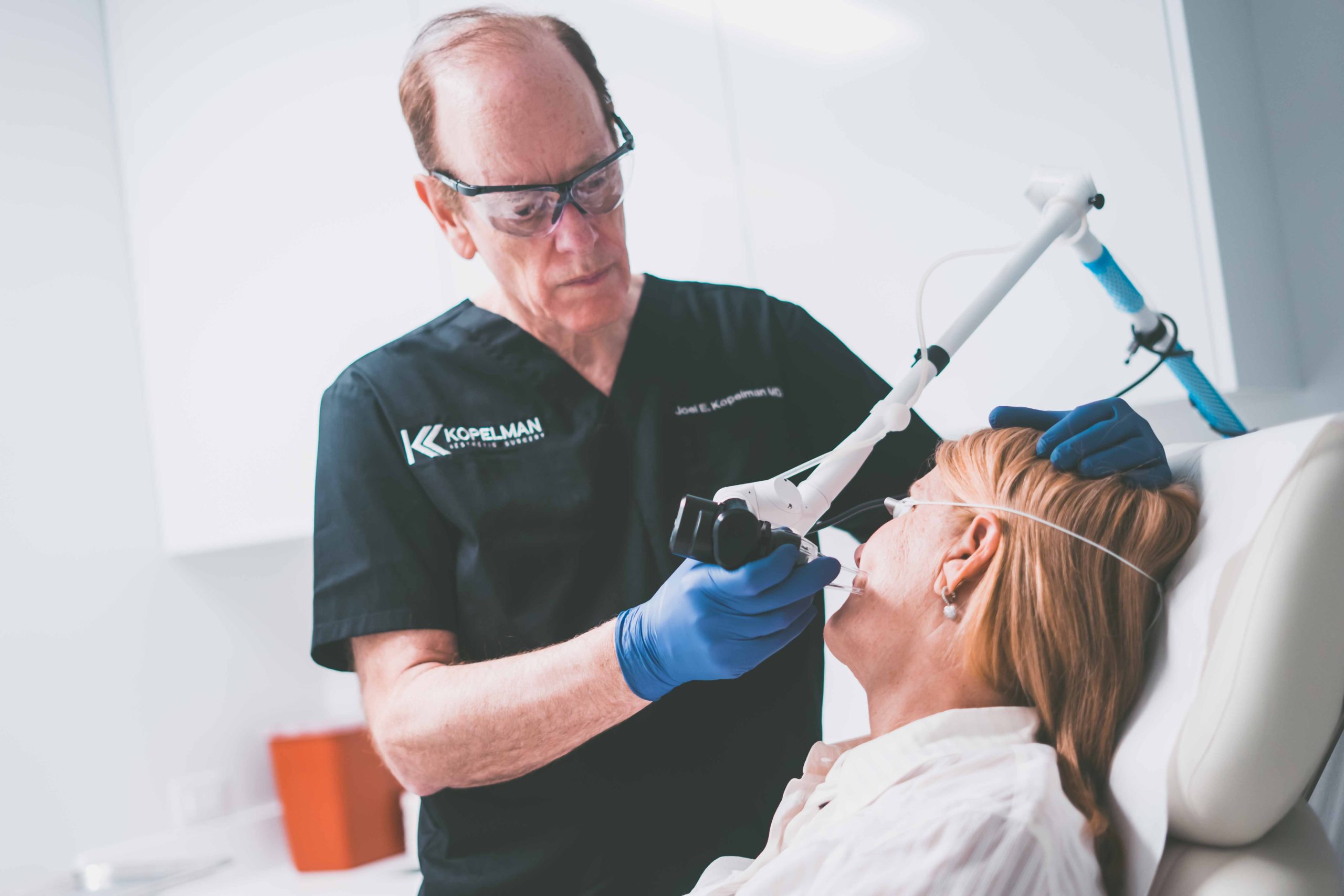
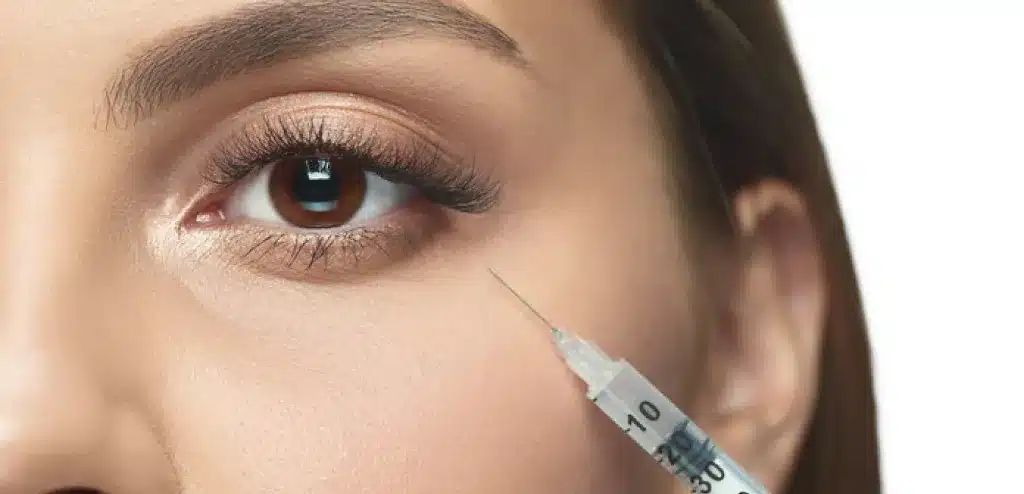
Dr. Kopelman uses microcannulas or fine needles to place product precisely along the tear trough. A blunt-tipped cannula requires fewer entry points and reduces the risk of bruising and vascular injury.
The injection site may feel slightly tender afterward, and some patients experience mild swelling or redness during the first day.
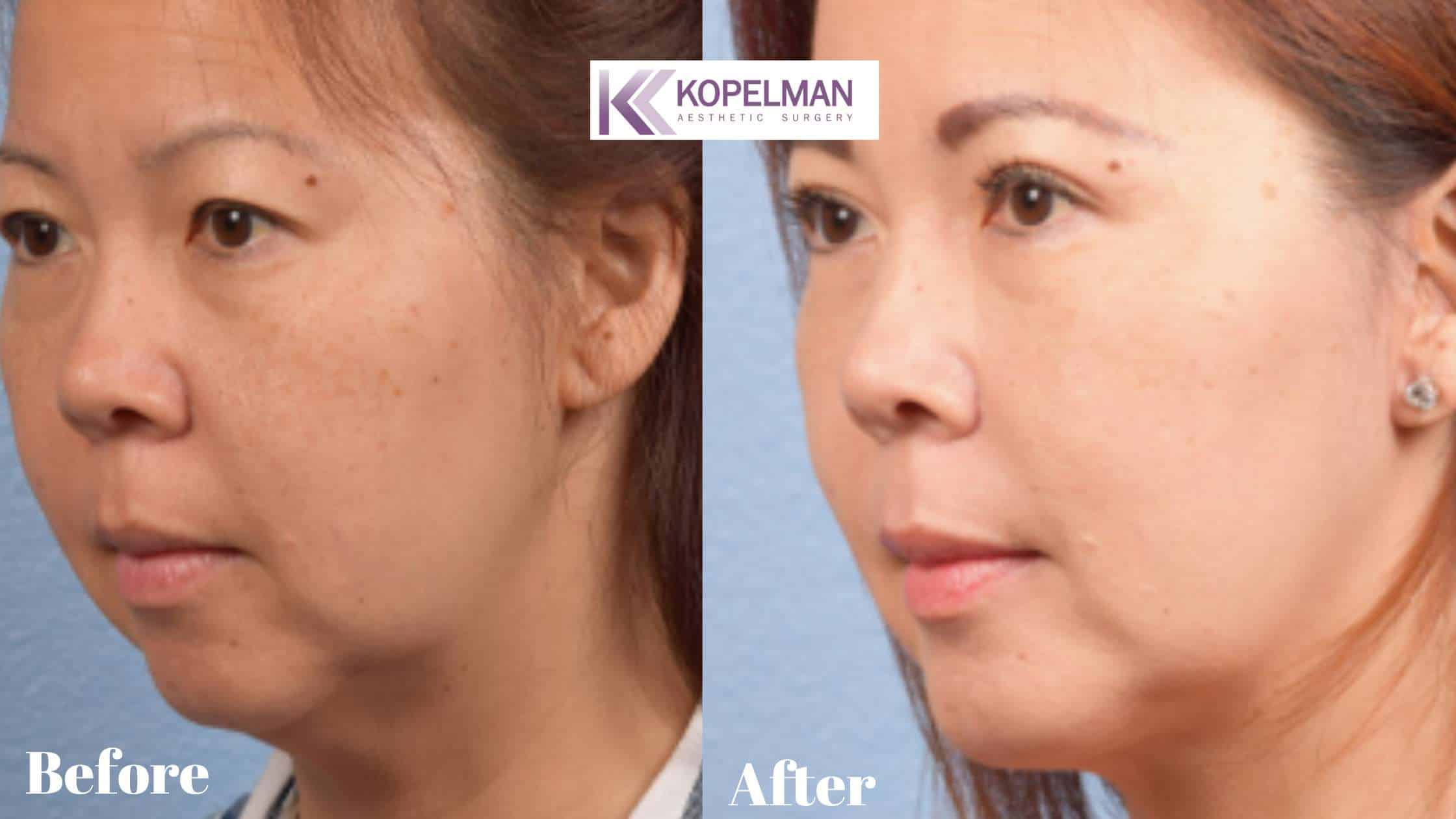
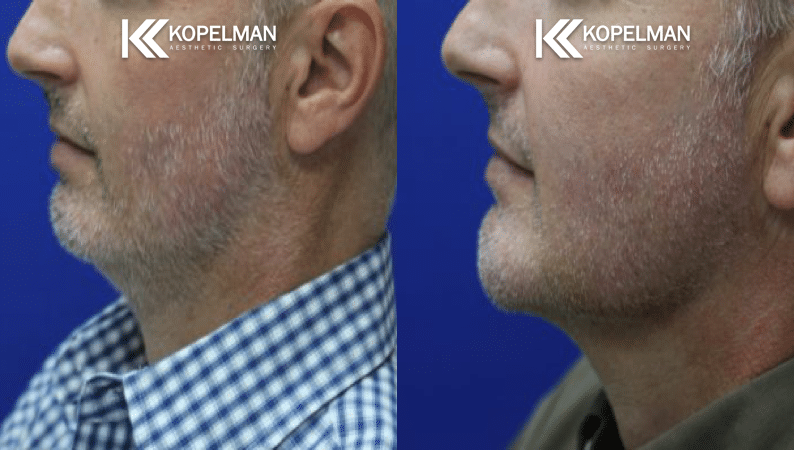
Before and After: Visual Results
Results are typically visible right after treatment, with full settling occurring within one to two weeks. Patients notice reduced shadows, smoother contours, and a less tired appearance.
Before-and-after photos help track progress and keep expectations realistic. Judge your outcome at two weeks, not at two days, when swelling can flatter the area temporarily.
How Long Results Last
Most patients see results for 9 to 18 months after a single treatment. Longevity depends on the product, individual metabolism, and activity level.
This region holds product longer than the lips or nasolabial folds because it moves far less throughout the day.
Risks and What Can Go Wrong
Most side effects are minor and temporary. Bruising affects a meaningful share of patients and typically fades within a week; swelling usually resolves in three to seven days.
Several complications are specific to this region and deserve real attention:
- Malar edema: persistent puffiness over the cheekbone caused by product interfering with lymphatic drainage. It can appear weeks or months later and often looks worse in the morning.
- Migration: product shifting from where it was placed, creating a ridge or fullness that was not intended.
- Tyndall effect: a bluish-gray cast when product sits too close to the surface of thin skin.
- Nodules or lumps: firm areas that may need massage, dissolving, or time to resolve.
- Vascular occlusion: rare but serious blockage of a blood vessel, which in exceptional cases has been associated with vision loss.
These risks are why this area is not a place to price-shop. Depth of placement, product choice, and knowledge of the vascular anatomy around the orbit determine whether treatment is uneventful.
Dr. Kopelman’s dual training in facial plastic and oculoplastic surgery is directly relevant here. He evaluates whether a patient is a candidate at all before discussing product, and he declines treatment when the anatomy points toward surgery instead.
What If I Don’t Like My Results?
One advantage of hyaluronic acid is reversibility. An enzyme called hyaluronidase can dissolve the product if you are unhappy with the outcome.
Be aware that dissolving is not always a single quick visit. Depending on how much product is present and how long it has been in place, it can require more than one session.
Minor swelling or asymmetry in the first days is normal and usually resolves on its own or is addressed at a follow-up visit.
How to Choose the Right Provider
Qualifications to Look For
Not all injectors are created equal. Look for providers who specialize in facial anatomy, particularly around the eyes.
Dr. Kopelman is dual board-certified in facial plastic and oculoplastic surgery, a rare and valuable combination for this treatment area. When comparing surgeons, ask specifically about their experience with the lower eyelid rather than injectables in general.
Key Questions to Ask
Before your appointment, consider asking:
- How many tear trough treatments do you perform monthly?
- Which product do you recommend for my concern and why?
- Do you use a needle or a cannula, and why?
- What are the risks, and how do you prevent them?
- Do you keep hyaluronidase on hand?
- Do you offer follow-up care or adjustments?
Open communication ensures that your goals and safety are prioritized from the start.
Is Under Eye Filler Worth It?
Injectable treatment of the tear trough offers a non-surgical answer to one of the most common aesthetic concerns. For the right candidate, results are immediate, downtime is minimal, and the improvement is lasting.
It is not the right answer for everyone. Patients with true fat pads, significant skin laxity, or pigment-driven darkness will get a better outcome from a different treatment, and a good consultation should tell you that plainly.
Knowing the tear trough filler price, safety factors, and realistic expected results can help guide your decision. Patients often ask how much under-eye fillers cost, and while the range varies, the value comes as much from proper patient selection as from the product itself.
Dr. Kopelman’s personalized care, precise technique, and deep expertise in the eye region provide both aesthetic results and peace of mind.
Are There Alternatives to Under-Eye Fillers?
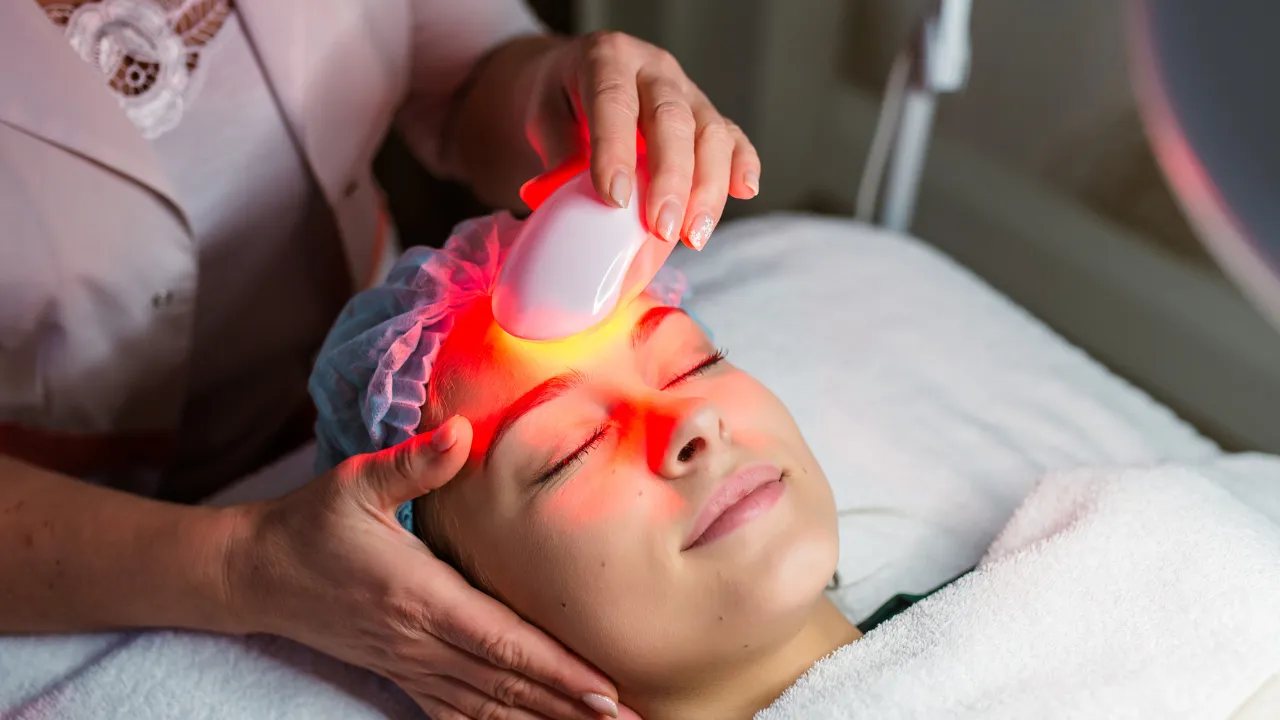
Injectables are not the only option for improving this area. For patients with pigmentation, skin laxity, or deeper tear troughs, other treatments may be more effective. Options include:
- PRP (Platelet-Rich Plasma) to boost skin tone and texture
- Laser resurfacing to tighten skin and reduce discoloration
- Lower eyelid surgery (blepharoplasty) for more permanent correction of under-eye bags
| Treatment | Cost | How Long It Lasts | Best For |
|---|---|---|---|
| Restylane (tear trough) | $2,500 per session | 9 to 18 months | Mild to moderate hollowing from volume loss |
| Lower blepharoplasty | $10,000 | Long term, often permanent | True fat pads, loose skin, advanced hollowing |
| Botox | $1,800 per session | 3 to 4 months | Crow's feet and dynamic lines, not hollows |
| PRP | $1,500 per session | Varies by patient | Skin tone and texture rather than volume |
| Laser resurfacing | Quoted at consultation | Varies by protocol | Pigmentation, crepey texture, mild tightening |
Surgery costs more upfront but is not repeated, which changes the math over a ten-year horizon. Injectables cost less per visit but recur; the better value depends entirely on your anatomy and your timeline.
Dr. Kopelman offers a full evaluation to determine which approach best meets your aesthetic goals. Schedule a personalized consultation now.
Nationally, dermal fillers under eyes cost $600 to $1,500 per syringe, with one to two syringes treating both sides. In New York City, expect $1,500 to $2,500 for a session with a specialist. At this practice, Restylane is $2,500 per session with no per-unit charges.
Most patients need one to two syringes total for both eyes. Deeper hollows require more product; conservative correction in the right hands often needs less than patients expect.
No. Treatment of the tear trough is cosmetic, so it is paid out of pocket.
A single filler session costs less than lower blepharoplasty, but it repeats roughly once a year. Surgery costs $10,000 once and addresses fat pads and loose skin that no injectable can correct.
Yes. Hyaluronic acid products can be dissolved with hyaluronidase, though the process may take more than one appointment depending on how much product is present.
You will see a change immediately, but wait one to two weeks for swelling to settle before judging the outcome.