A brow lift in New Jersey is a surgical procedure that raises sagging eyebrows and repositions them to restore balance to the upper face. It reduces forehead wrinkles, lifts low brows, and improves upper eyelid hooding when that hooding comes from brow descent rather than excess eyelid skin. The surgery adjusts the deeper forehead tissues, including muscle, fat, and connective tissue, rather than simply tightening skin. Most patients are back to desk work within one to two weeks.
The goal is a rested, natural look, not an over-lifted or surprised expression. It is worth emphasizing that heaviness above the eyes is often misread as an eyelid problem when the real cause is a descended forehead. Correcting brow position first can soften that hooding and, in some cases, reduce the amount of eyelid skin that needs to be removed. Your forehead creases smooth out at the same time, which produces a more relaxed, energetic appearance.


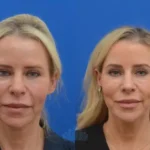
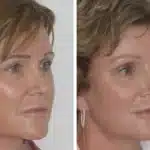
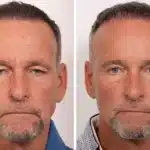
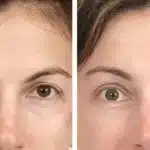
These browlift before and after pictures represent actual patients treated at our practice. They will help you set realistic goals for your own surgical outcome. Click on a patient to learn more about their eyelift surgery.
“Thank you for the wonderful results of my browlift and eyelift. I can truly say when I look in the mirror at myself I now look as good as I feel. I was surprised the recovery was easier then I thought it would be. I can’t say enough about the kindness and professionalism you and your staff showed throughout the entire process.”
~ Annie L. ~
There is no single brow lift procedure. The technique that suits you depends on your forehead height, hairline position, brow shape, skin thickness, and whether the outer brow alone or the entire forehead needs attention. The main surgical approaches used across facial plastic surgery are outlined below, along with the non-surgical alternative patients most often ask about.
Endoscopic brow lift. Several short incisions are hidden within the hairline. A micro camera, the endoscope, guides the release and elevation of the deeper brow tissues. This approach is favored at our New Jersey practice because it involves fewer and smaller incisions, less visible scarring, and a faster healing course than older open techniques.
Coronal or open brow lift. A single longer incision runs across the scalp from ear to ear. It offers broad exposure and strong correction of a heavy forehead, but it produces a longer scar and can raise the hairline, so it is used far less often today.
Lateral or temporal brow lift. A smaller operation focused on the outer third of the brow and the temple. It restores arch and opens the outer eye, but it does not address deep creases across the central forehead or the vertical lines between the brows.
Direct brow lift. A strip of skin is removed immediately above the eyebrow. It is generally reserved for older patients, for men with thick brow hair and male pattern baldness, or for brow ptosis related to facial nerve weakness, since the scar sits at the brow margin.
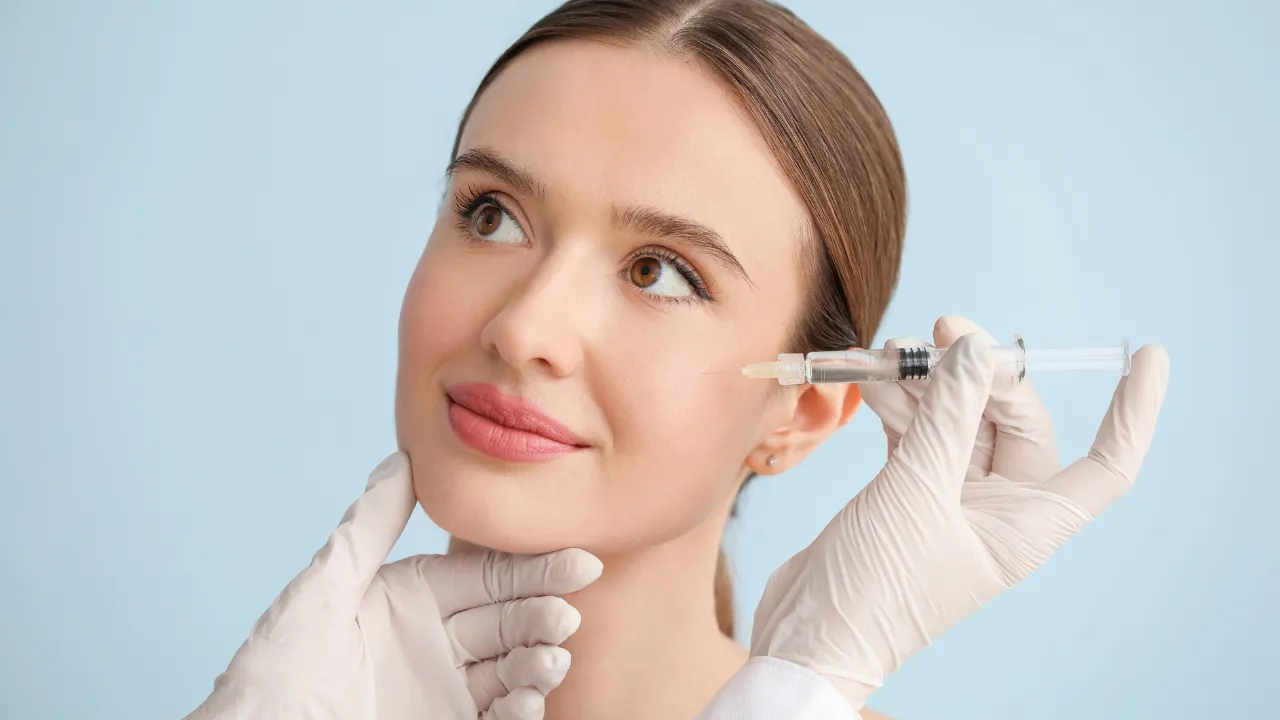
Non-surgical options. Neuromodulator injections can produce a subtle chemical lift by relaxing the muscles that pull the brow down. The effect is modest and temporary, typically a few millimeters lasting three to four months, and it does not substitute for surgery when there is true skin laxity or significant brow descent.
| Technique | How it works | Best suited for | Scar location | Typical recovery |
|---|---|---|---|---|
| Endoscopic | Short incisions behind the hairline; a micro camera guides release and elevation of deeper forehead tissue | Most patients with generalized brow descent and forehead lines | Hidden within the hair | 1 to 2 weeks to desk work |
| Coronal / open | A single long incision across the scalp provides wide exposure | Heavy forehead needing maximum correction; used less often today | Across the scalp, ear to ear | 2 to 3 weeks to desk work |
| Lateral / temporal | Limited lift of the outer brow and temple region | Outer brow flattening only; does not treat central forehead lines | Temporal hairline | About 1 week to desk work |
| Direct | A strip of skin is removed just above the eyebrow | Brow ptosis from nerve weakness; men with thick brows and receding hairlines | Upper edge of the eyebrow, can be visible | About 1 week to desk work |
| Neuromodulator lift | Injections relax the muscles that pull the brow downward | Mild brow heaviness; patients not ready for surgery | None | No downtime; repeat every 3 to 4 months |
The technique recommended for you depends on your anatomy and concerns. Eyebrow positioning does a great deal to shape how your expression reads to other people, and small differences in height and arch can change the result considerably. At your consultation, the first priority is to develop a strategy that yields a good outcome for your specific face.
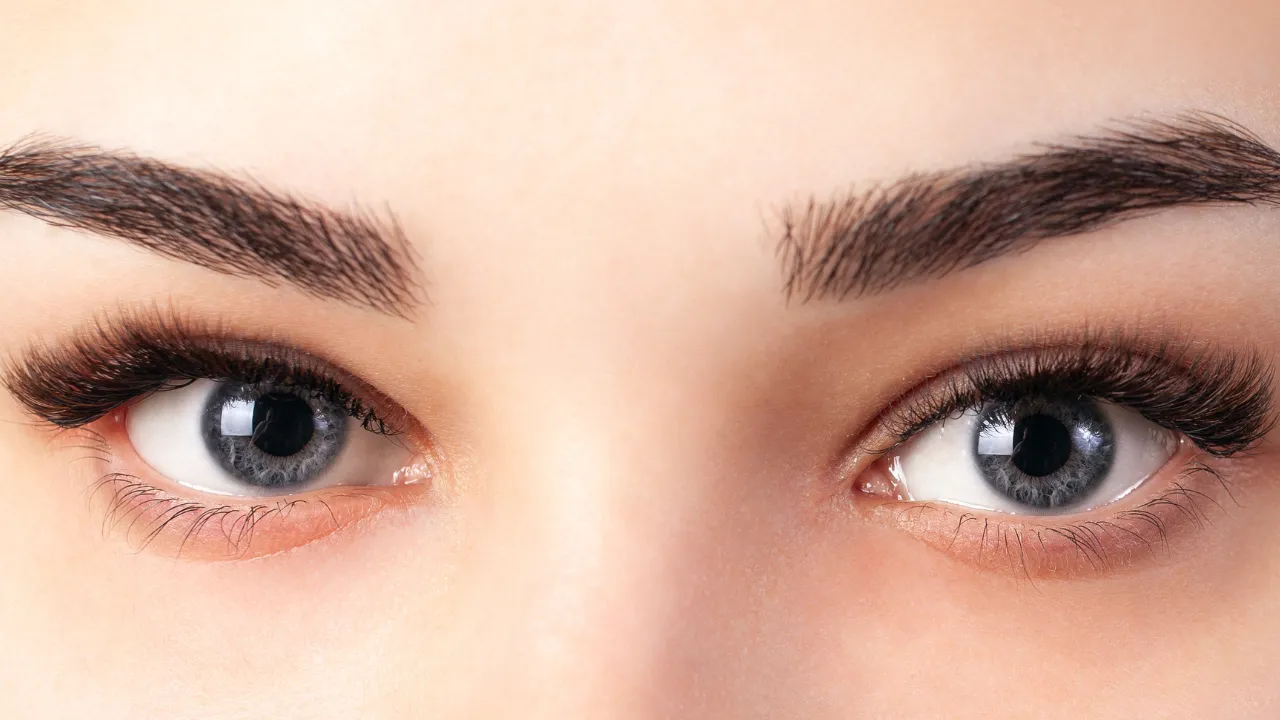
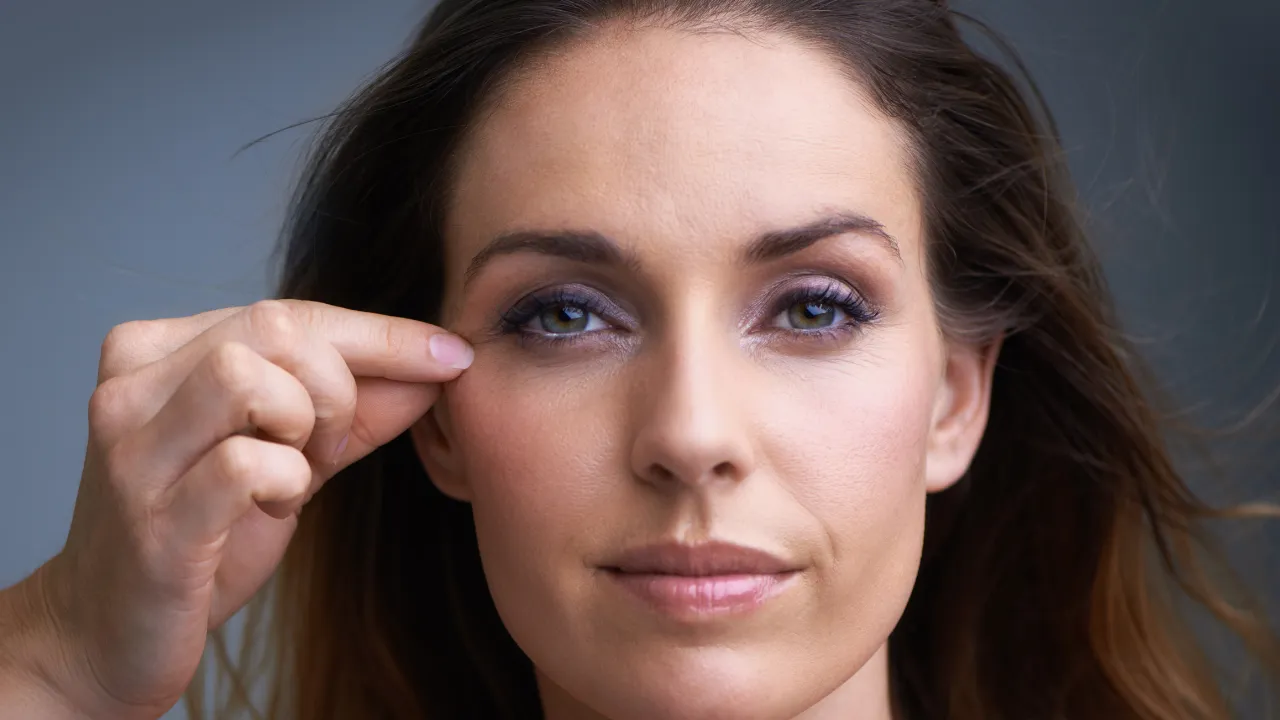
A simple exercise helps at home before you ever come in. Lift your eyebrows upward with your fingertips and watch what happens to the fold of skin above your lash line. If raising the brow accounts for most of the improvement you want, brow surgery is likely the right starting point. Raise one side only and compare it against the other to see the difference more clearly.
It is common to combine an eyebrow lift in New Jersey with other procedures such as eyelid surgery or a facelift. Combining allows a single anesthetic and a single recovery period rather than two. Your treatment plan is built around the structures that are actually driving the appearance you find bothersome.
A browlift will raise your brow, brighten your eyes, create facial balance and boost your confidence.
Ideal Browlift Candidate
Browlift Benefits
Browlift Techniques
A browlift will raise your brow, brighten your eyes, create facial balance and boost your confidence.
An endoscopic brow lift is the preferred method used here for most patients. The procedure is performed under anesthesia through minimally invasive incisions. Small openings are concealed within the hairline, and a micro camera guides the elevation of the brow tissue from beneath.
This approach is chosen over a coronal browlift because it requires fewer incisions, leaves less scarring, and shortens the healing time. Surgery generally takes about one to two hours when performed on its own, and longer when combined with eyelid surgery or other facial procedures. It is an outpatient operation, so you go home the same day.
Elevation is achieved by releasing and repositioning the deeper forehead layers, not by pulling the skin taut. That distinction matters because skin-only tension produces the tight, startled look patients want to avoid. Sutures or fixation devices hold the released tissue in its new position while it heals.
Recovery from an endoscopic brow lift is more manageable than most patients anticipate, but it follows a predictable arc. Swelling and bruising peak in the first several days, then decline steadily. Numbness along the incision lines and across the top of the scalp is normal and resolves gradually over several weeks.
Head elevation for the first week helps limit swelling considerably. Strenuous activity, bending, and heavy lifting are restricted while the released tissue settles into position. Final results appear once residual swelling has fully resolved, which takes a few months.
| Timeframe | What to expect | Activity guidance |
|---|---|---|
| Days 1 to 3 | Swelling and bruising build to their peak; tightness across the forehead; mild discomfort | Rest with the head elevated on two to three pillows; no bending or lifting |
| Days 4 to 7 | Swelling begins to settle; bruising starts to fade and shift downward | Short walks; gentle hair washing; continue head elevation at night |
| Weeks 1 to 2 | Most visible bruising resolves; makeup can usually camouflage what remains | Most patients return to desk work; no strenuous exercise |
| Weeks 3 to 4 | Residual swelling continues to decline; scalp numbness and itching are common | Aerobic activity gradually resumed once cleared |
| Months 3 to 6 | Final brow position settles; sensation returns; incisions continue to fade | No restrictions; ongoing sun protection recommended |
Brow lift fees in New Jersey are set after an in-person evaluation because the required technique, operating time, and whether other procedures are combined all affect the total. A standalone brow lift fee is not published online; request an exact quote at your consultation.
Brow surgery is frequently combined with eyelid surgery, and current fees for those related procedures give a useful reference point. Upper eyelid surgery and lower eyelid surgery are each priced at $8,500, and ptosis repair is $10,000 per eye. Combining brow surgery with eyelid surgery in a single operation typically costs less than staging the two procedures separately, as it consolidates facility and anesthesia fees into a single visit.
Cosmetic brow surgery is not covered by medical insurance. Coverage is occasionally considered when brow descent is severe enough to obstruct the visual field and is documented by formal visual field testing, though that determination rests entirely with your insurer. This practice does not offer financing.
| Factor | Why it affects the total |
|---|---|
| Technique selected | Endoscopic surgery requires specialized instrumentation; a limited lateral lift takes less operating time than a full forehead lift |
| Operating time | Facility and anesthesia are billed by time, so longer cases cost more |
| Anesthesia type | General anesthesia carries a different fee than local anesthesia with sedation |
| Combined procedures | Adding eyelid surgery or a facelift raises the total but usually costs less than staging them separately |
| Facility accreditation | Accredited surgical facilities carry higher overhead and higher safety standards |
| Follow-up care | Post-operative visits and supplies may be bundled or billed separately depending on the plan |
Anyone searching for a brow lift near me should weigh a few things beyond distance. Verify board certification directly through the certifying board rather than relying on a claim on a website. Ask how many brow procedures the surgeon performs, and ask to see before and after photographs of patients whose brow shape and forehead height resemble your own.
Ask which technique is being recommended and why that one over the alternatives. A surgeon who can explain the reasoning is telling you they matched the operation to your anatomy rather than defaulting to a single approach. You can review general procedure information through the American Society of Plastic Surgeons and the American Society of Ophthalmic Plastic and Reconstructive Surgery.
Our New Jersey office is located in Paramus, in Bergen County, and serves patients across northern New Jersey. Patients also travel from New York City and Palm Beach, where the practice maintains additional offices.
Frequently asked questions
about Browlifts
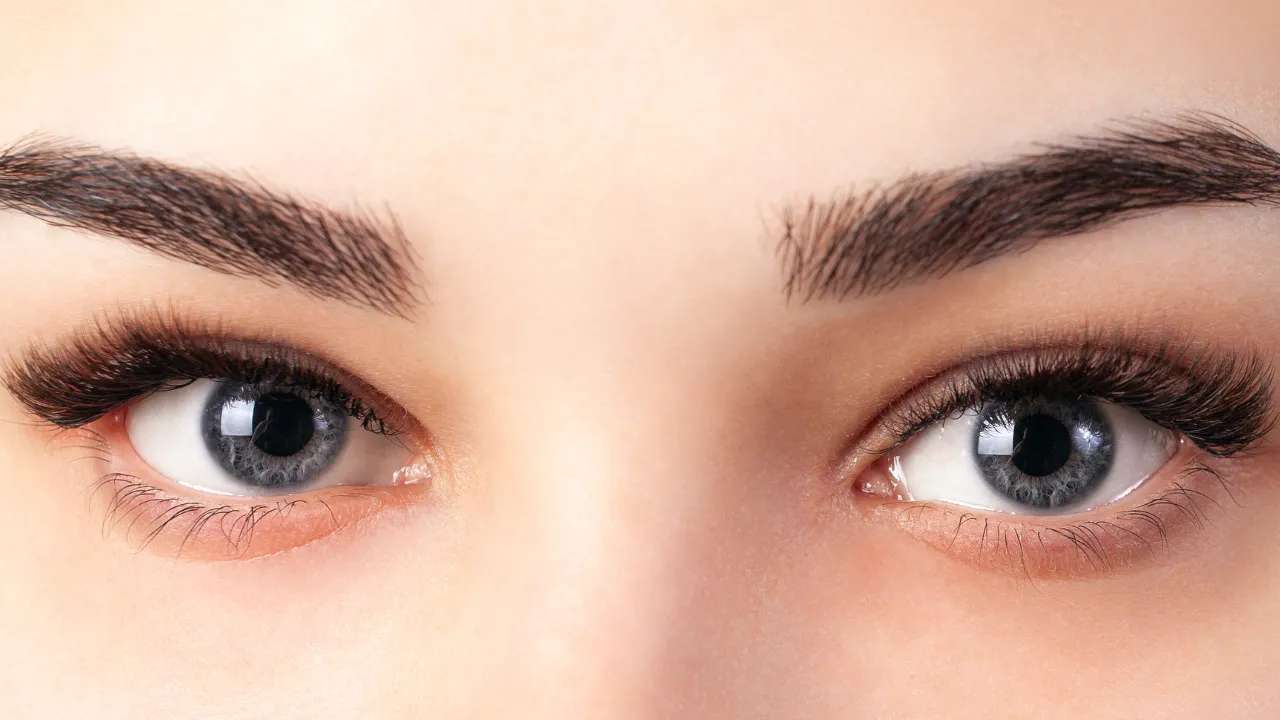
To get a picture of what a brow lift can do for you – lift your eyebrows upward. You can see immediately that gravity has pushed a fold of your eyelid skin downward. By raising your brow you can appreciate that much of the lax upper eyelid skin that you see stems from your sagging eyebrows not your eyelids! Now raise just one eyebrow and compare it to the opposite side-see the difference. At that time of your consultation Dr. Kopelman will discuss the surgical options that apply to your specific individual characteristics and together a plan of action will be devised which will achieve your goals.
Two weeks prior to surgery, Dr. Kopelman will instruct you to stop taking all medications that could potentially thin your blood. These medications include Plavix, Coumadin, Pradaxa, aspirin, Advil, Motrin, Aleve, fish oil, ginko, multiple vitamins, vitamin E, and other drugs. Prior to surgery you will receive a homeopathic drug called arnica montana to reduce post operative swelling. In addition, during the procedure Dr. Kopelman will insert a tiny drain beneath the skin. This will remove blood tinged fluid that may accumulate overnight. The tube will be removed in the office the next day. All these steps will greatly reduce swelling and bruising and allow you to resume your daily activities more quickly.
There are some patients who will benefit from eyebrow surgery alone. However, most patients will still have residual eyelid skin laxity even after the brows are repositioned. At the time of your consultation, Dr. Kopelman will determine if both a brow lift and eyelid surgery will be necessary to reach your aesthetic goals. If both surgeries are indicated then both procedures can be performed on the same day. ​

To schedule a private consultation with Dr. Kopelman, please call the office or request an appointment online.
Lorem ipsum dolor sit amet, consectetur adipiscing elit. Ut elit tellus, luctus nec ullamcorper mattis, pulvinar dapibus leo.