

Kopelman Aesthetic Surgery provides a precise treatment plan that aims for natural-looking results while respecting each patient’s facial features. Dr. Kopelman applies face filler conservatively to protect harmony in the cheek area. This approach supports safe, steady facial rejuvenation.
Key Takeaways
- Mid-cheek filler restores mid-face volume to lift the cheek area, soften shadows, and improve under-eye blending without changing natural expression.
- Results depend on technique and placement, using medial support for tear troughs and lateral support for lift and contour when needed.
- Product choice is individualized; Restylane Lyft provides firm structural support, while Juvederm Voluma offers broad, smooth contour.
- Safety improves with slow injections, small aliquots, cannula use in select areas, and careful avoidance of high-risk vessels.
- Most patients benefit from a measured approach, and choosing a trained injector with facial expertise improves outcomes.
What Mid-Cheek Filler Does
Mid-face fillers add targeted lift to the cheeks and mid-face area for patients losing volume with age.
Support in deeper planes smooths transitions, reduces shadowing, and can indirectly soften nasolabial folds and marionette lines. The goal is steady facial contouring that keeps expression natural.
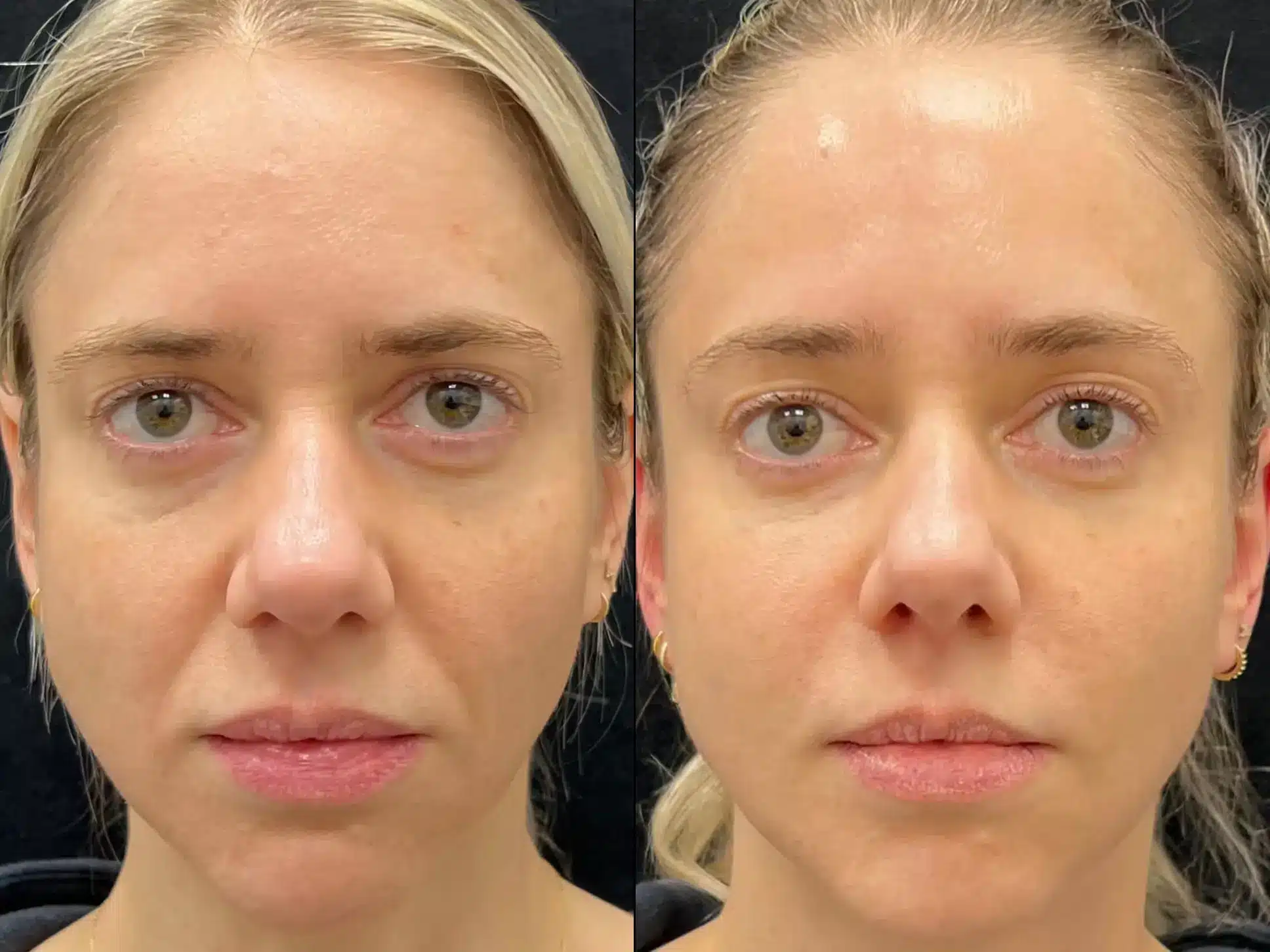
Before and After Results
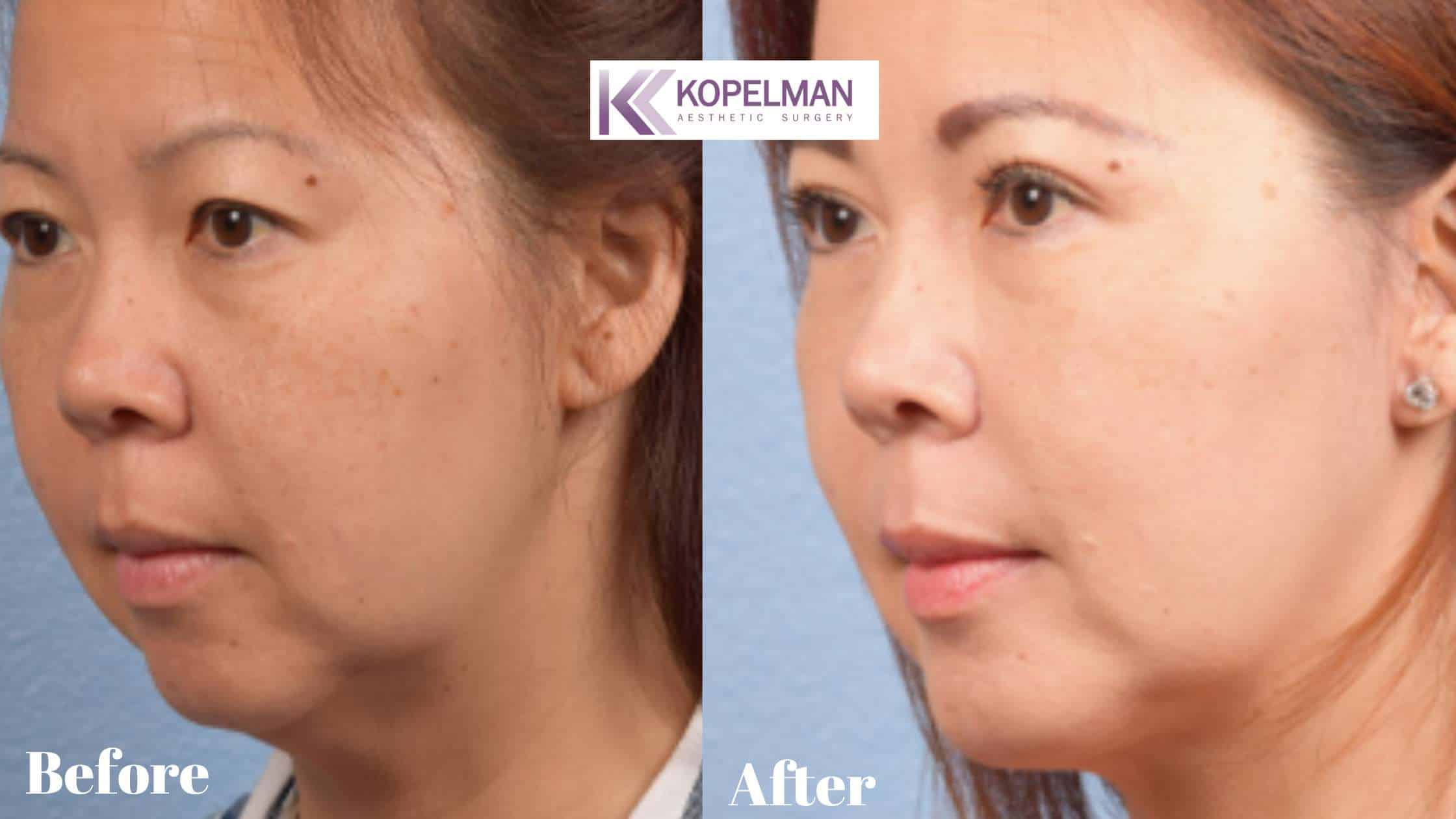
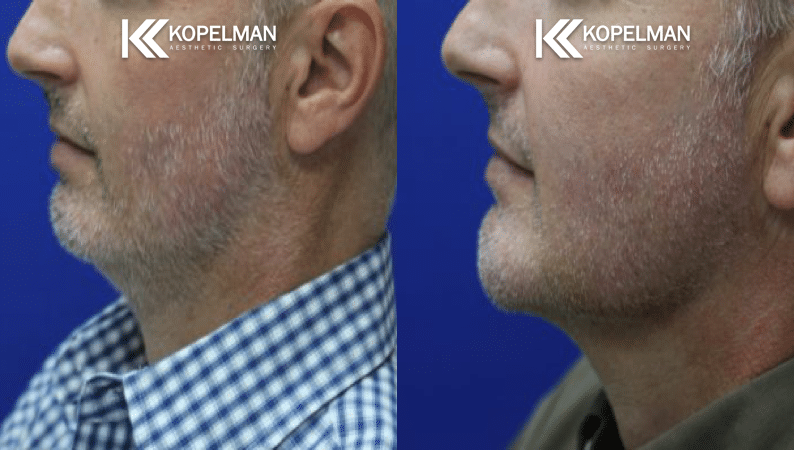
Small amounts of dermal fillers can create visible mid-face volume and a smoother blend under the eyes.
Men often prefer defined angles, while others want softer contours in the cheeks and midface. Small, conservative placements can show change without overfilling, and added units can refine results.

Photo Prep and Expectation Setting
Good photos help track real progress and keep expectations grounded. Use the same lighting, camera distance, and facial expression for each set of images.
Take front, three-quarter, and side views to capture contour changes. Review these views at follow-up to decide if a minor adjustment would help.
Who Is a Good Candidate
Filler for mid-face volume loss is suitable for early flattening, mild descent, or hollows near tear troughs. Many patients use the term “midface volume loss filler” when they first notice these changes, which simply describes the targeted use of hyaluronic acid fillers to restore structure.
Photo clues include new shadows, a softer cheekbone curve, and deeper lines at the folds. Patients with heavy laxity may benefit more from surgery, while fillers can bridge the gap.
Contraindications and Who Should Avoid Treatment
Some patients should delay or avoid treatment until certain conditions are addressed. Active skin infection, uncontrolled medical issues, or recent dental work can increase risk and affect healing. Pregnancy and breastfeeding are not treatment windows for elective filler care. Share your full history so the plan is safe and appropriate.
When to postpone or avoid:
- Active infection near the treatment site
- Recent dental or oral surgery with an inflammation risk
- Uncontrolled medical conditions or bleeding issues
- History of severe filler reactions without specialist guidance
Filler Types and Best Options
Types of mid-face fillers
Popular options include Restylane Lyft and Juvederm Voluma. These hyaluronic acid fillers support structure in the cheek area and midface, and our facial fillers guide explains how they work in different tissue layers. Product choice depends on lift strength, cohesivity, and motion behavior.
How providers choose fillers
Selection focuses on gel firmness, cohesivity, and how a product behaves with dynamic movement. Skin thickness, tissue elasticity, and target depth guide which hyaluronic acid fillers are used in the mid-face area. Providers also weigh longevity and integration to protect natural-looking results. This factor-first approach keeps cheek fillers balanced and stable.
Practical Guide to Product Selection
Firmer gels support lift when structure is the primary goal, while smoother gels blend contours when soft transitions matter. Restylane Lyft often serves deep support along the cheekbone, and Juvederm Voluma can shape broad curves with even integration.
Skin thickness and tissue elasticity guide both choice and depth. This simple logic helps align product behavior with the result you want.
Placement and Technique
Medial vs lateral strategy
Medial points support under-eye blending and central lift near the tear troughs. Lateral points build cheekbone height, reduce downward pull, and may soften nasolabial folds.
Many patients benefit from a combined strategy staged for stable, natural-looking results. Planning links injection vectors to facial features so cheek fillers enhance shape rather than add bulk.
- Medial points – blend the tear troughs and improve central lift
- Lateral points – create width and height, easing folds and transitions toward the jawline, as shown in our laugh lines before and after gallery
- Combined plan – sequence points conservatively to protect symmetry over time
Treatment Experience
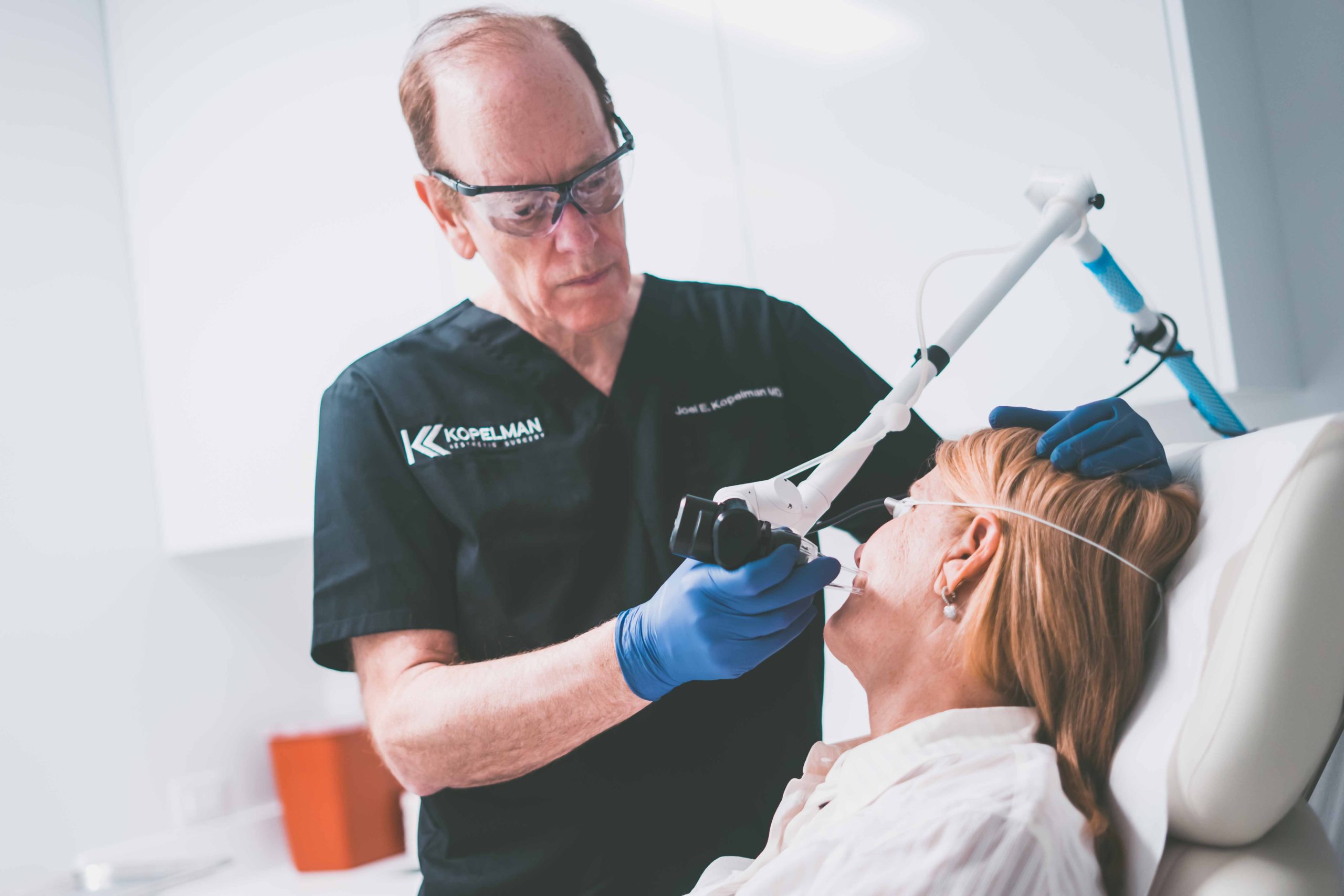
A typical visit includes assessment, topical numbing cream for comfort, and mapped injections in small, controlled amounts. Gentle technique and clear instructions keep the process smooth. If you are worried about pain, review Do cheek fillers hurt for details.
Recovery Timeline and Aftercare Checklist
Most patients see mild swelling or tenderness for a few days as the filler settles. Visible improvement is immediate, with minor refinements as swelling resolves. Makeup can often be used the next day if the skin is intact. Gentle care supports a smooth return to regular routines.
Typical timeline:
- Day 0–1 – Mild swelling or redness, keep the area clean and avoid pressure
- Days 2–3 – Settling continues, light activity is fine if comfortable
- Days 4–7 – Most surface changes fade, results look more even
- Week 2 – Final evaluation and minor touch-ups if needed
Aftercare checklist:
- Sleep on your back the first night if possible
- Avoid heavy exercise and heat exposure for 24–48 hours
- Do not massage unless advised by your provider
- Report unusual pain, color change, or vision changes right away
Risks, Safety, and Aftercare
Risk reduction steps include slow injection, small aliquots, and cannula use in select zones to reduce pressure.
Knowledge of vascular pathways supports safe depth choices and careful avoidance of high-risk areas. Patients should avoid pressure and heavy exercise for short periods and report unusual symptoms quickly.
Cost and Longevity
Maintenance Plan and When to Consider Surgery
Most patients plan maintenance at 12–18 months to keep balance as aging continues. Minor, periodic updates protect shape without significant changes at once.
Surgery is considered when laxity or descent exceeds what filler can support. Your plan can use filler now and reassess later as needs evolve.
Cues that surgery may be better:
- Noticeable skin laxity that does not respond to volume support
- Heavy tissue descent with deep, persistent folds
- Desire for longer-lasting structural change rather than incremental updates
Choosing the Right Injector
Look for board certification, experience with cheek fillers, and detailed mid-face area mapping. Ask about product choice, planes, and expected changes before treatment.
A careful treatment plan improves safety and helps achieve natural-looking results across the cheeks and midface. Schedule a consultation with Dr. Kopelman to get a personalized plan and clear next steps.