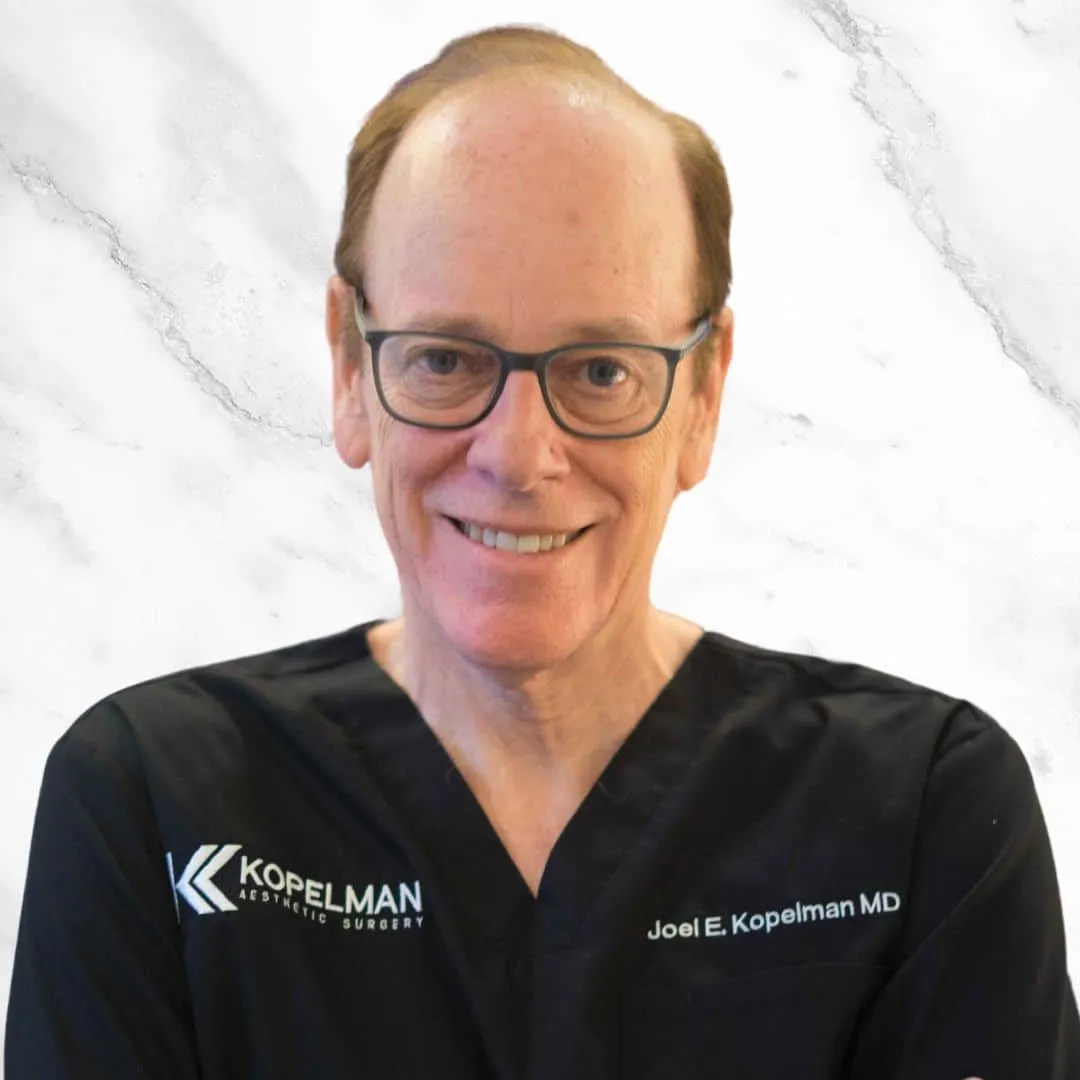


At Kopelman Aesthetic Surgery in New York City, Dr. Joel Kopelman has guided patients for over 35 years on how to find a good plastic surgeon. Choosing the right surgeon requires more than a quick search. It means checking credentials, reviewing past results, and confirming safety standards.
The answer lies in a clear process: verify board certification, examine work, ask key consultation questions, and spot red flags. These steps help patients make confident and informed choices about any plastic surgery procedure.
Key Takeaways
- Choosing a surgeon certified by the American Board of Plastic Surgery in an accredited facility ensures safety and quality.
- Reviewing specialization, experience, and before-and-after photos sets realistic expectations.
- Asking questions about risks, recovery, and facility standards reveals trustworthiness.
- Using patient reviews, professional checklists, and finding the American Board of Plastic Surgery resources supports good decisions.
- Balancing cost with quality helps achieve natural outcomes without compromising care.
Key Steps to Choosing the Right Surgeon
How Can You Tell if a Surgeon Is Good?
A good surgeon shows expertise, communicates clearly, and provides consistent results. Patients should feel comfortable asking questions and expect honest answers. Checking their status with the American Board of Medical Specialties adds another level of reassurance.
Verify Board Certification and Credentials
Board certification in plastic surgery proves training, exams, and ethical practice. Membership in groups like the American Society of Plastic Surgeons adds reassurance, especially when a surgeon is certified by the American Board of Plastic Surgery. Patients may also explore educational resources such as how to become a plastic surgeon to better understand the training process behind certification.
Review Experience and Before-and-After Photos
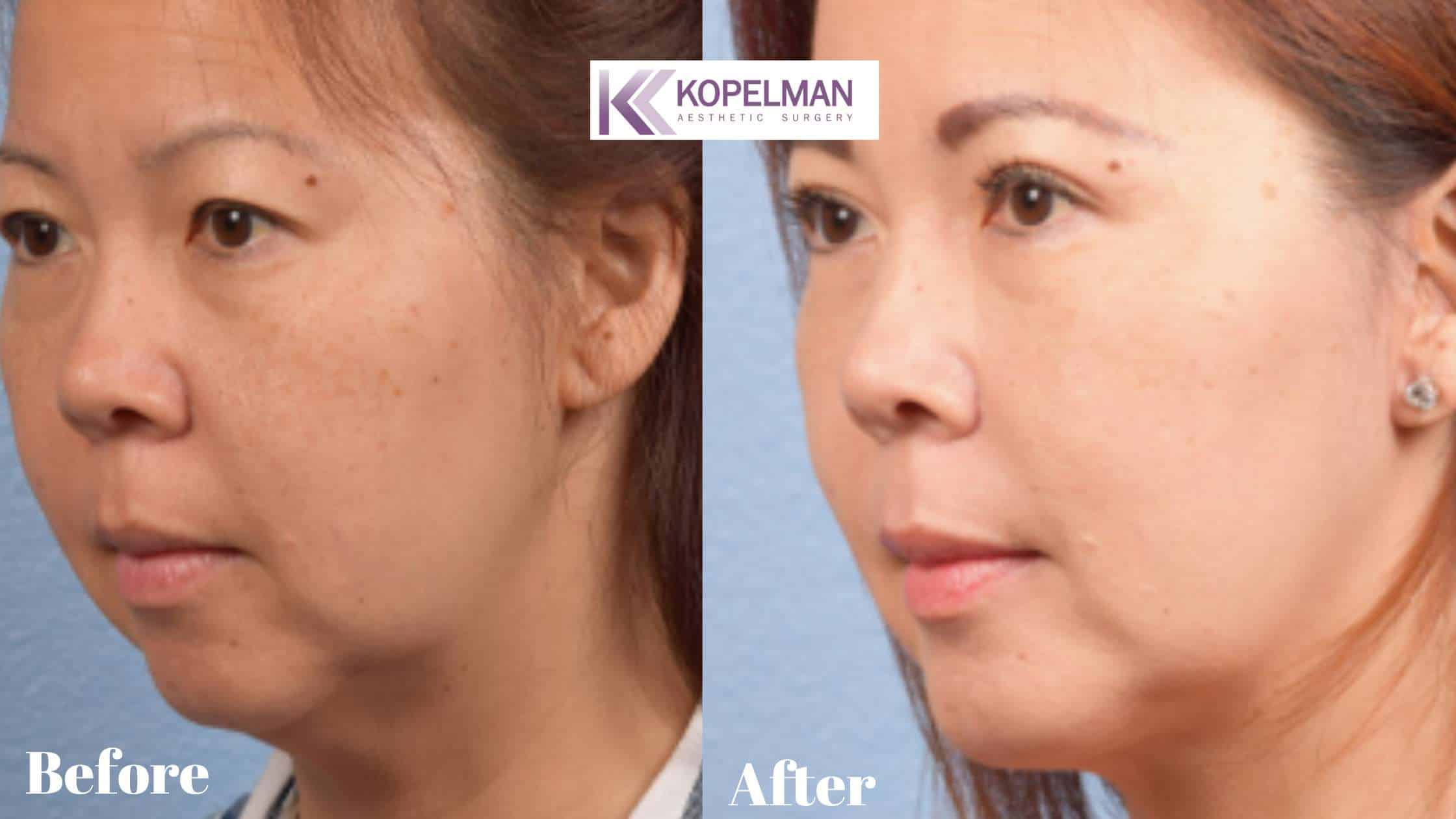
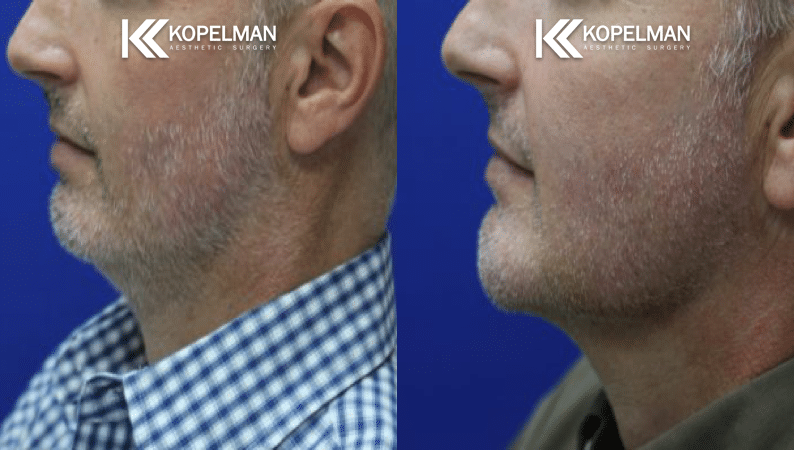
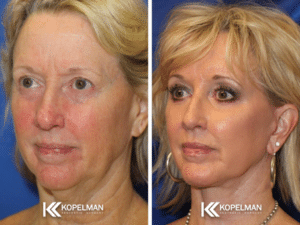
Ask how often the surgeon performs your specific plastic surgery procedure. Specialists usually achieve better outcomes. Reviewing before-and-after photos of similar patients sets expectations. For example, procedures like facial rejuvenation highlight the importance of experience in achieving natural, youthful results.
Read Patient Reviews and Testimonials
Reviews highlight real experiences. Look for patterns of professionalism, care, and natural results. Many patients now share their experiences on social media, which can help provide additional insight into outcomes and bedside manner.
Patient Checklist for Choosing a Surgeon
Carrying this list into a consultation can make the decision process more structured and less overwhelming.
What to Ask During Consultation
Questions That Help You Choose the Best Surgeon
Ask direct questions about risks, recovery, and outcomes. This approach is key to how to choose a plastic surgeon wisely.
Common Patient Questions in Consultation
Patients often ask, “How do I know if this is the right surgeon for me?” The answer is open communication and realistic advice. Others ask about pressure to decide quickly, but a trustworthy surgeon never rushes the process.

Safety and Facility Accreditation
Confirm procedures are done in accredited facilities with trained staff and emergency readiness.
Accreditation and Recognized Standards
Accreditation by groups like the Joint Commission, AAAASF, or AAAHC ensures safety standards. Membership in ASPS or ABCS also signals quality. These groups publish guidelines that patients can use to verify claims and evaluate providers.
The American Board of Medical Specialties oversees multiple certification boards in the United States, including the American Board of Plastic Surgery. This structure helps patients trust that surgeons meet national standards.
Natural-Looking Results and Expectations
Discuss realistic results. A skilled surgeon focuses on natural improvements, not artificial changes. Dr. Kopelman emphasizes education to align goals with achievable outcomes. For example, some patients consider whether they may need procedures like a lip lift to complement their overall results.
What Not to Say to a Plastic Surgeon
Avoid asking for a celebrity look. Each patient is unique. Instead, describe goals such as lifting sagging skin or refining contours.
Understanding Risks, Recovery, and Aftercare
Every procedure has risks. A good surgeon explains them and outlines aftercare, including pain management, activity limits, and the role of your medical history in shaping safe decisions.
Warning Signs and Red Flags
Unrealistic Promises or Guarantees
Be cautious if a surgeon promises perfect results or no risks.
Lack of Transparency in Costs or Risks
If a practice avoids full cost details or downplays risks, treat it as a red flag.
Finding a Surgeon Near You
How to Find a Good Plastic Surgeon Near Me
Local searches help with access and follow-up. Start online, then check certification and reviews.
Board Certified Plastic Surgeon Near Me
When searching for this phrase, focus on certified surgeons experienced in your procedure.
How to Find a Reputable Cosmetic Surgeon
Reputation comes from consistent results and ethical practice. Directories from ASPS or ABCS let you confirm credentials and location. These resources make finding the right plastic surgeon in your area easier and safer.
Cost, Quality, and Safety Considerations
Statistics on Safety and Outcomes
Studies show accredited facilities have lower complication rates. According to ASPS, over 90% of elective cosmetic surgery in the United States is performed by certified surgeons in accredited centers.
How Much Does a Good Plastic Surgery Cost?
Costs vary by procedure, surgeon, and location. Choosing solely on price can risk safety. Insurance rarely covers cosmetic procedures, so plan realistically.
Making Your Final Decision With Confidence
After checking credentials, asking questions, and noting red flags, you will know how to find a great plastic surgeon. This process ensures safe care and natural results.
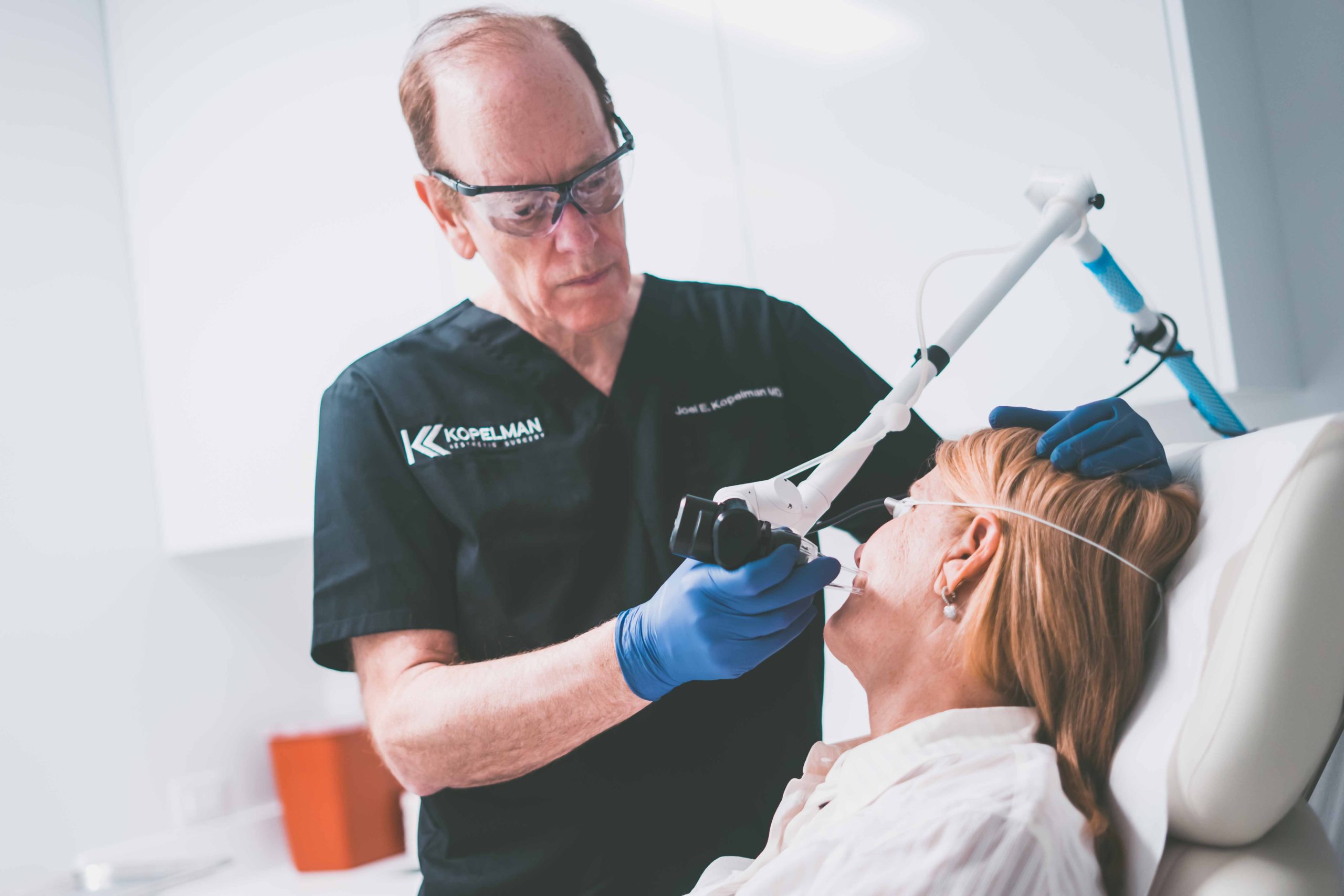
Dr. Joel Kopelman and his team at Kopelman Aesthetic Surgery help patients through every step. Scheduling a consultation allows open discussion of goals and tailored recommendations.