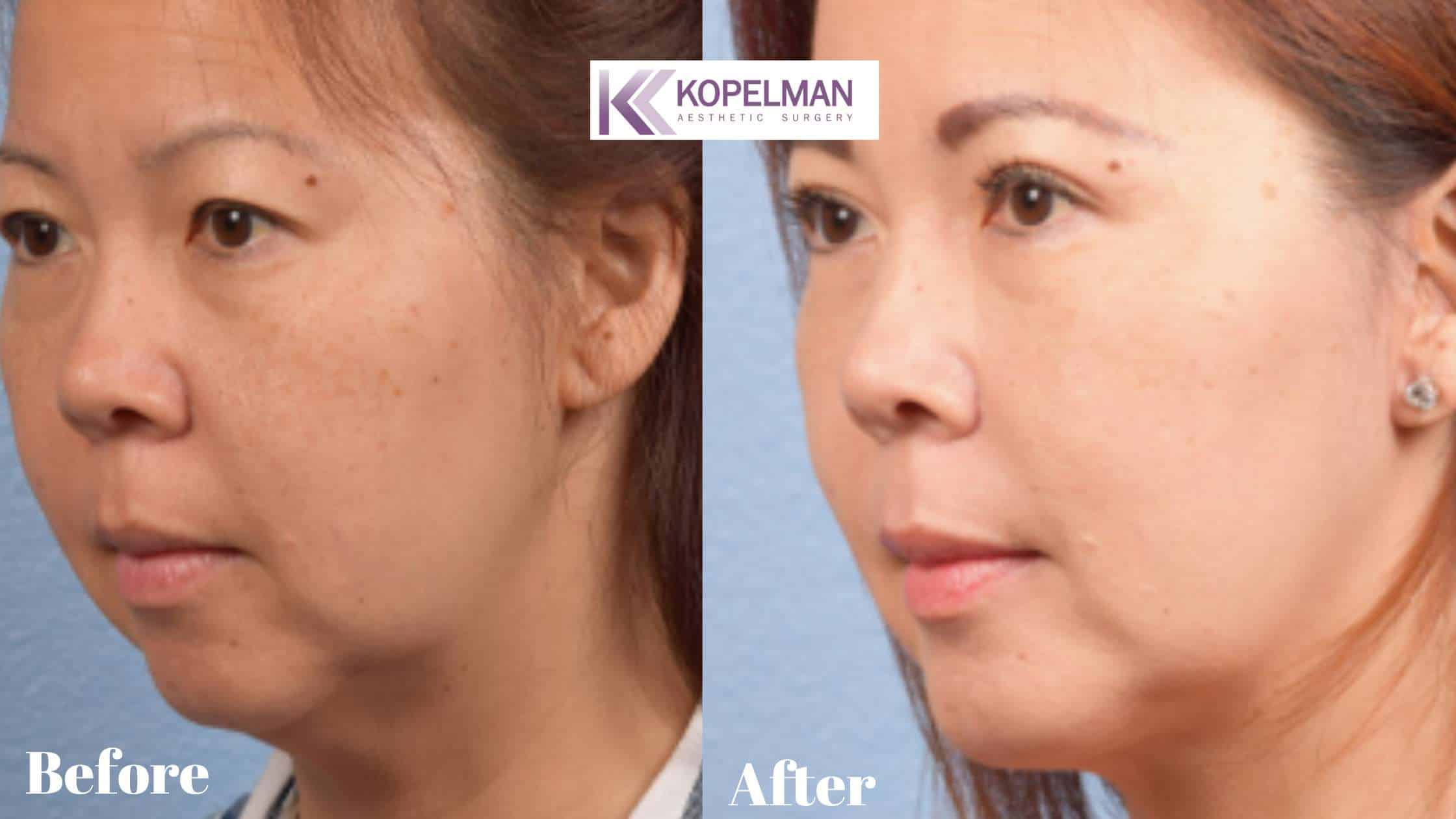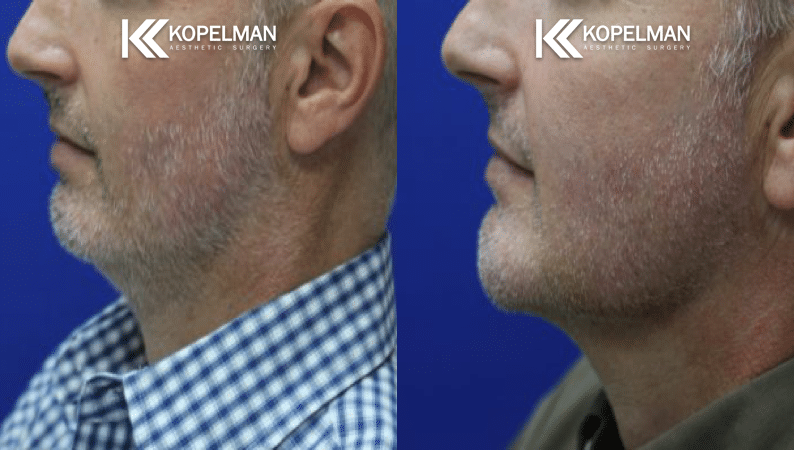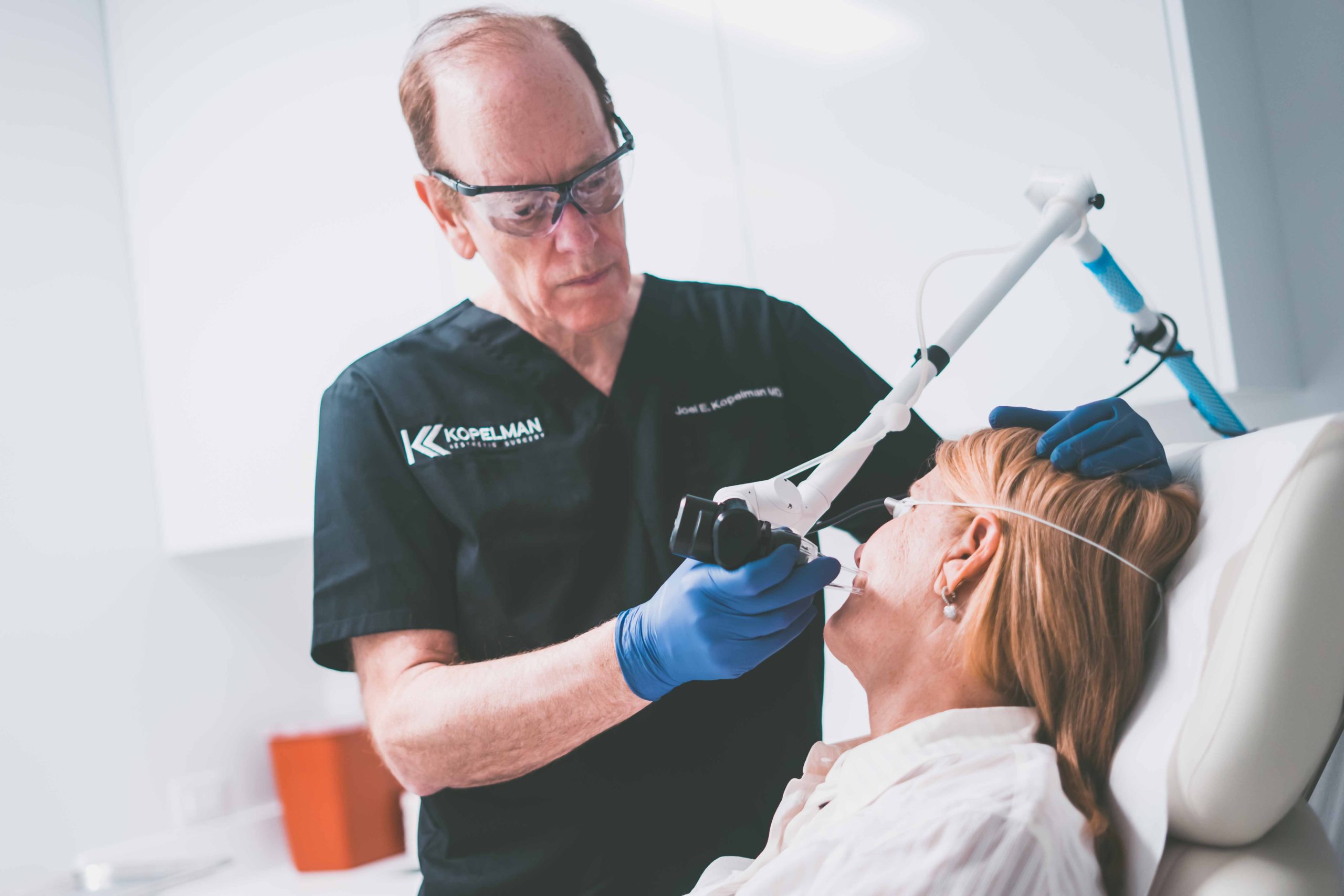

Treatment depends on the cause. Non-surgical steps may help with swelling, while eyelid surgery may address persistent bulging, sagging skin, or tissue laxity.
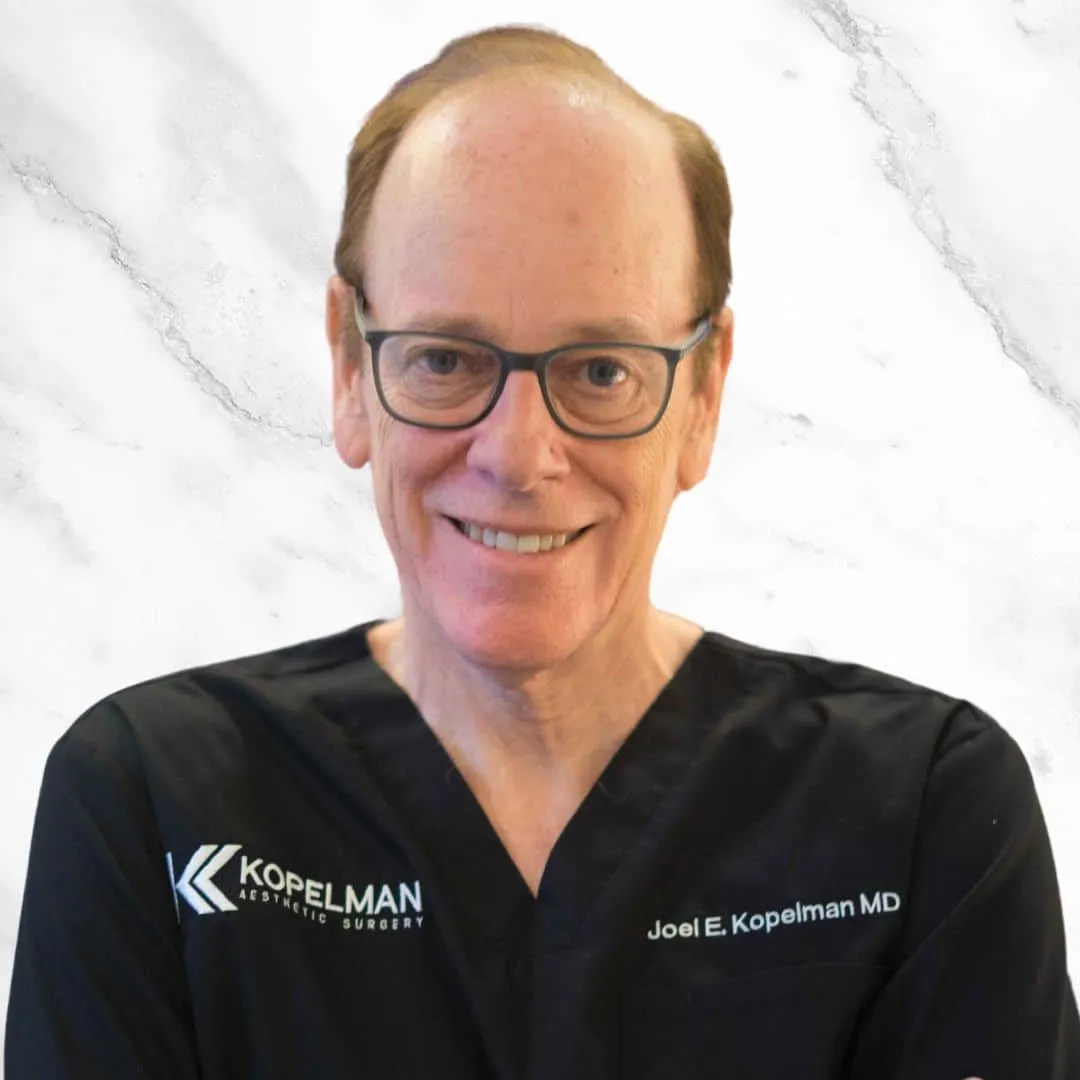
At Kopelman Aesthetic Surgery, Dr. Kopelman evaluates the concern in the context of eye anatomy, eyelid skin, lid support, and the skin around the eyes before discussing whether removal, repositioning, or volume restoration may be appropriate.
Key Takeaways
- Eyelid fat can become visible due to genetics, aging, fluid retention, allergies, or weakened supporting tissue around the eyes.
- Upper and lower lid fullness can have different causes, so treatment should depend on anatomy, skin laxity, swelling, and support.
- Mild puffiness may improve with sleep, allergy control, reduced salt intake, and cold compresses, but structural fullness usually needs medical evaluation.
- Blepharoplasty may involve tissue removal, repositioning, or skin correction, depending on whether the concern is bulging, sagging, or hollowing.
- A specialist evaluation is important when puffiness is persistent, asymmetrical, painful, affects vision, or involves the tear gland.
What Is Orbital Fullness?
Eyelid fat refers to the natural soft tissue that cushions and supports the eye within the orbit. This type of fullness is sometimes described as orbital fullness because it comes from the deeper tissues around the eye, not from the surface skin alone.
It can become more visible when surrounding support structures weaken or when the skin becomes thinner. Because this area is delicate, small volume changes can look more noticeable than similar changes elsewhere on the face.
What Causes Fat in the Eyelids?
Visible fullness may come from genetics, the aging process, tissue laxity, or fluid retention. The tissue that holds orbital volume in place can weaken, allowing deeper structures to push forward. In some cases, puffiness comes from swelling rather than true excess fat.
Upper and Lower Lid Concerns
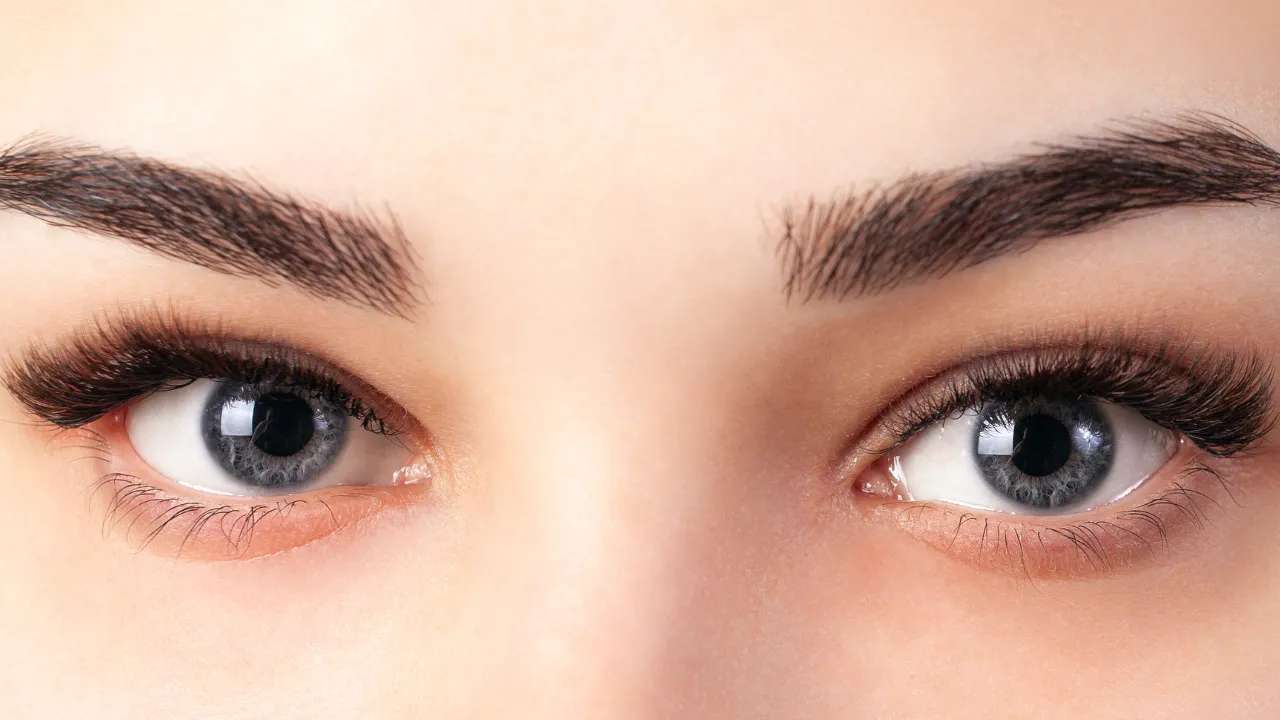
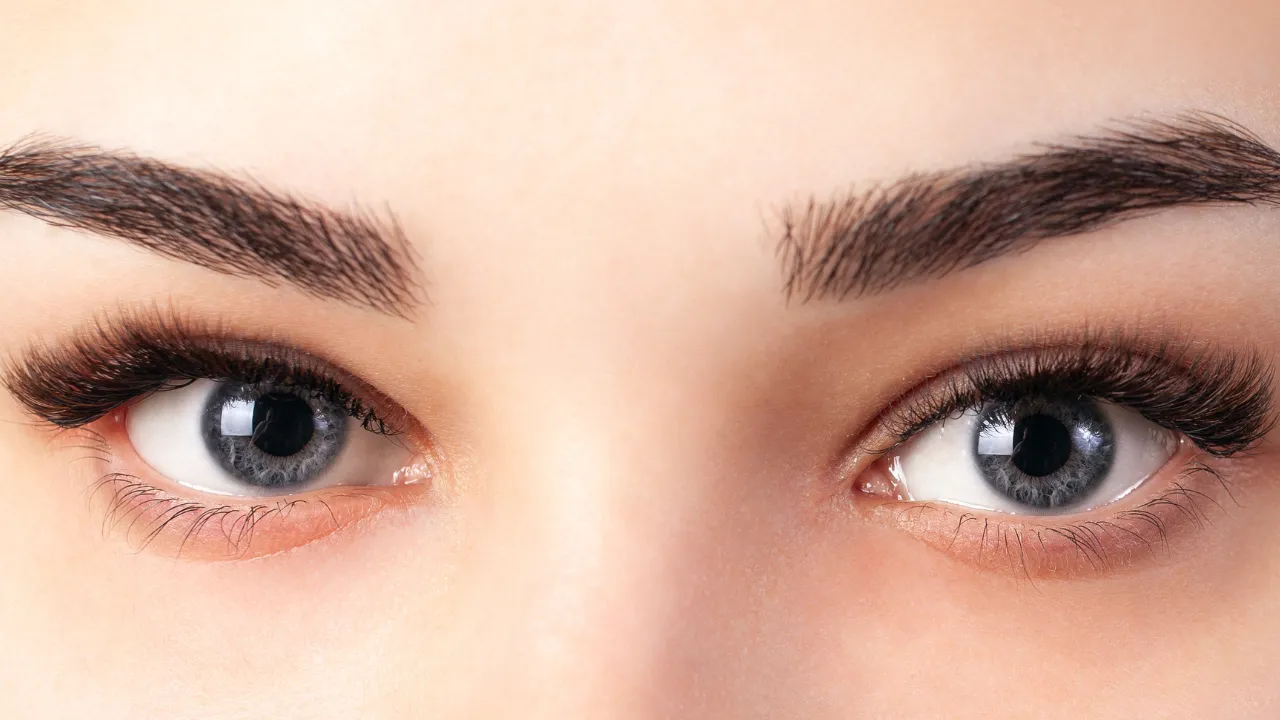
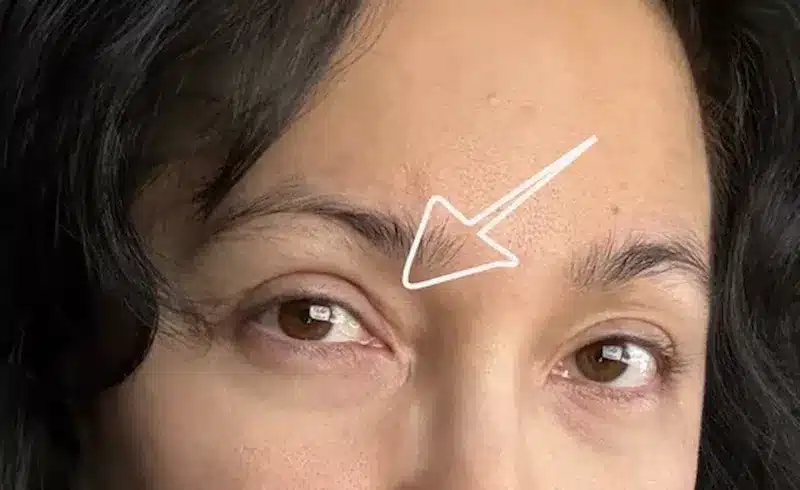
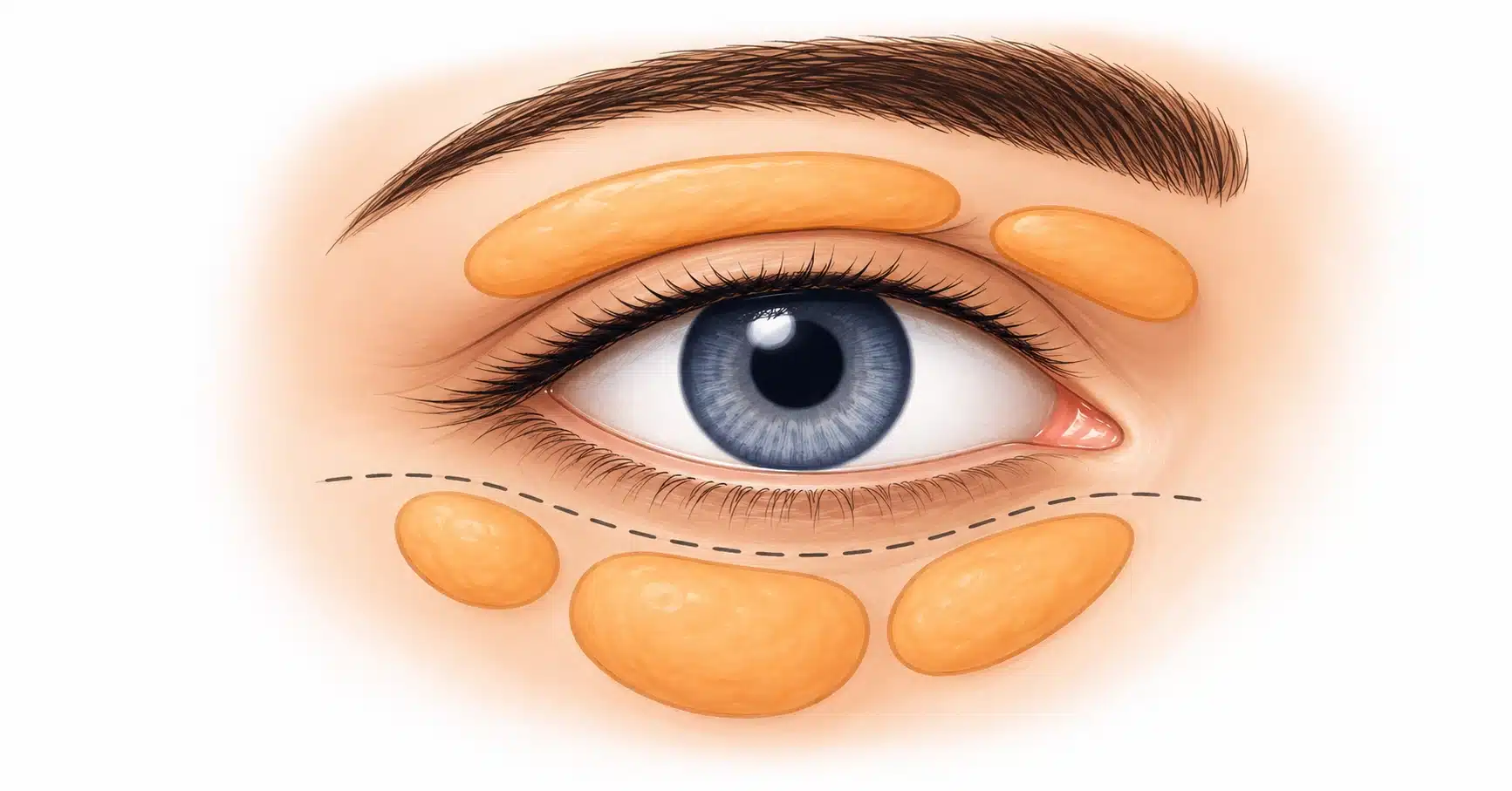
Upper and lower lid concerns often look different. In the upper eyelids, deposits may crowd the crease or appear near the inner corner, while lower fullness often looks like fat pads under the eyes or bags beneath the lashes.
A bulge near the outer upper lid may involve the tear gland and should not be treated like routine orbital fullness. This is one reason some patients describe their concern as large upper eyelids, even when the issue comes from deeper volume, lid position, or tissue support.
Fullness vs Loose Skin
Fullness and loose skin are not the same issue. Fullness usually comes from deeper volume that pushes forward, while loose skin comes from thinning, stretching, or reduced elasticity at the surface. Some patients have bulging tissue, others have sagging skin, and some have both.
This distinction matters because each concern needs a different approach. A procedure for fullness may focus on removal or repositioning, while a procedure for loose skin may involve removing excess tissue or tightening the visible fold. Treating the wrong issue can leave the main concern unchanged or create an uneven result.
How to Reduce Puffiness or Fullness
The best treatment depends on the cause. If puffiness comes from sleep, allergies, or fluid retention, home care and medical treatment may help. If the concern comes from structural tissue movement, a procedural approach may be needed.
Non-Surgical Care
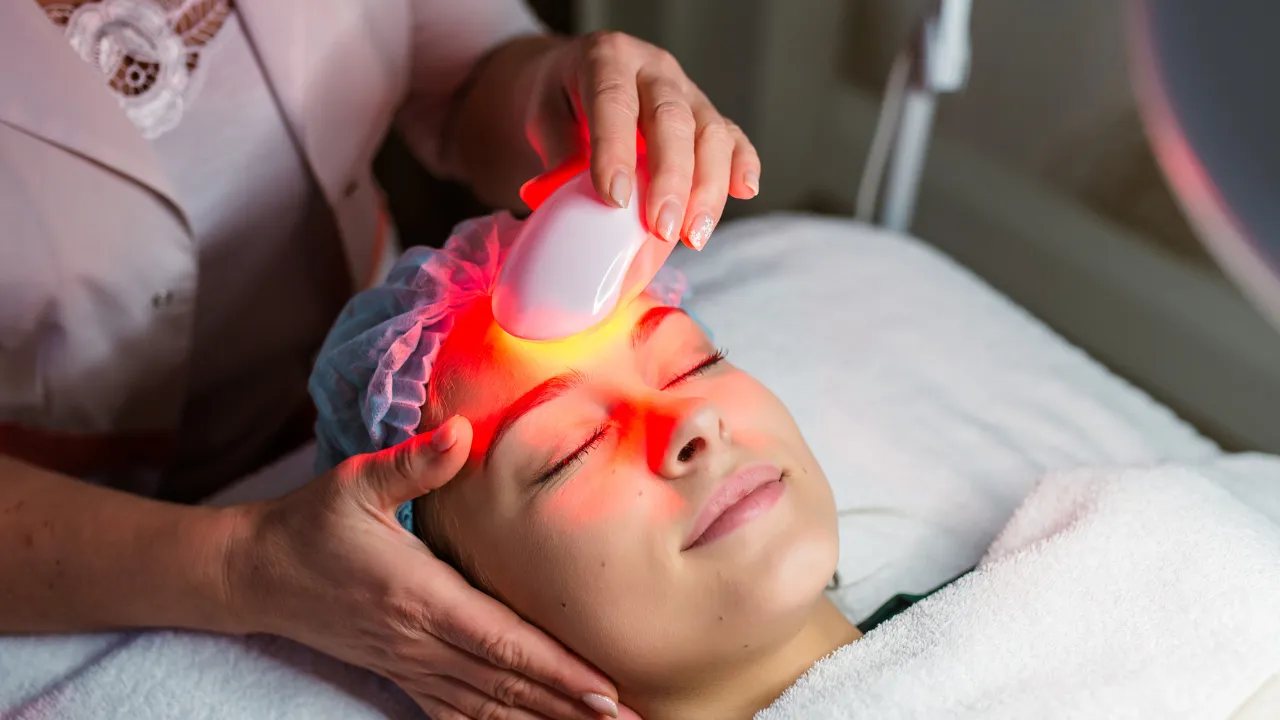
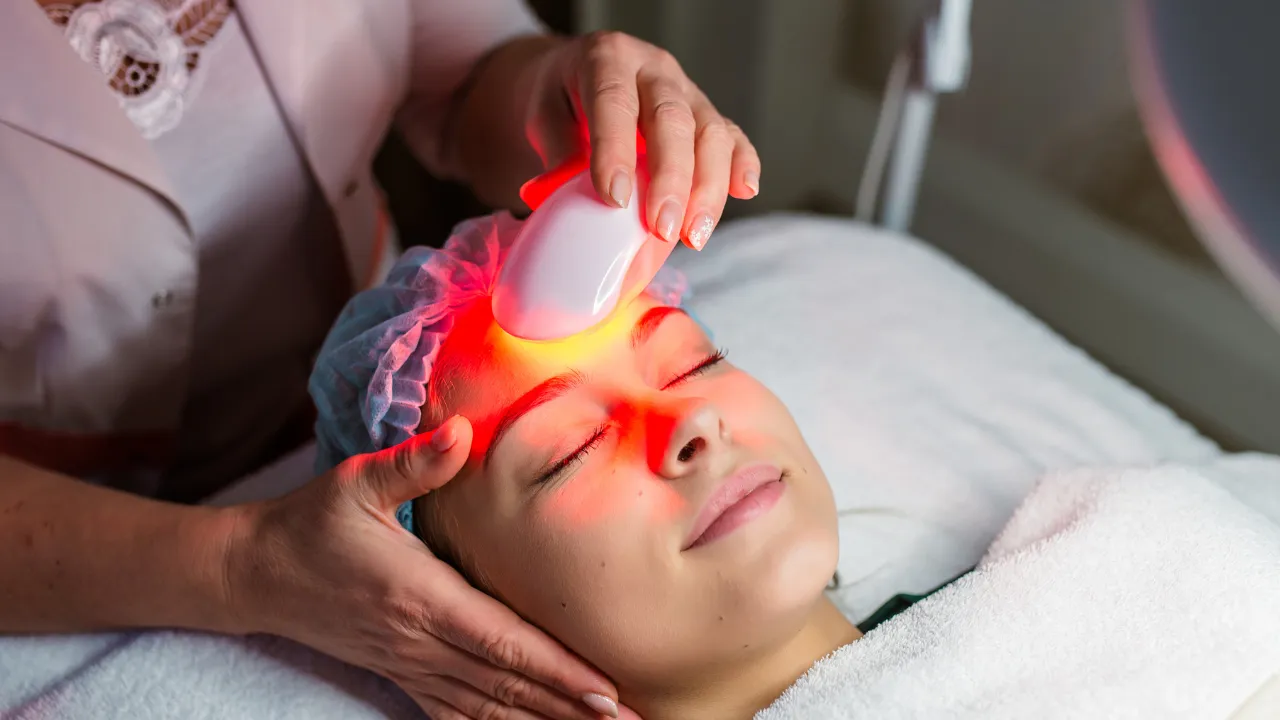
True structural fullness usually cannot be removed without a procedure. Non-surgical care may reduce irritation, swelling, or allergy-related puffiness, but it does not remove deep orbital tissue. Weight loss also may not predictably reduce this area because it behaves differently from body fat.
Removal and Blepharoplasty
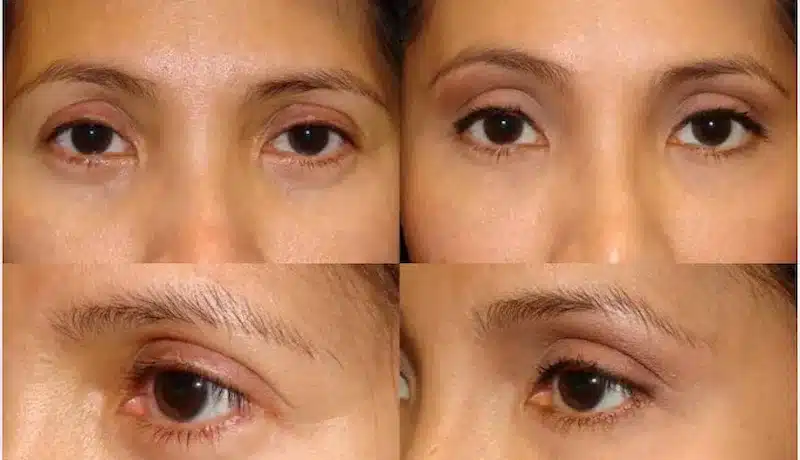
Removal may be part of an upper or lower blepharoplasty when a pronounced bulge causes persistent fullness. Upper blepharoplasty may also remove excess skin to improve the lid contour. Lower blepharoplasty may reduce, reposition, or smooth fullness beneath the eye, depending on anatomy and support.
Removal, Transfer, and Grafting
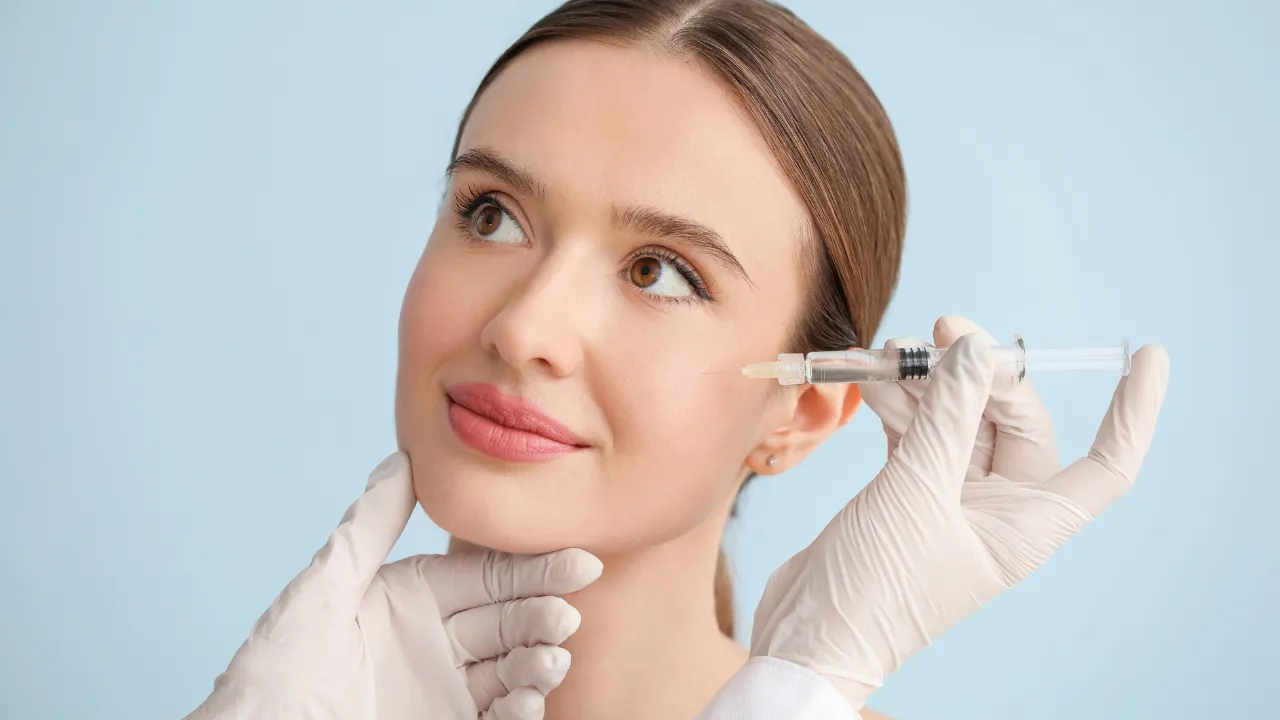
Modern treatment often focuses on balance rather than simple removal. If a patient has a clear bulge, a surgeon may remove or reposition a small amount of tissue to smooth the contour. If the concern is hollowing, fat transfer or fat grafting, sometimes discussed as fat injections under the eyes, may add volume to areas that look sunken and may contribute to visible signs of aging.
These treatments serve different goals. Removal reduces fullness, repositioning moves existing tissue into a hollow area, and grafting adds carefully processed volume from another part of the body. Taking too much tissue can create a hollow or aged look, so conservative planning matters.
When to See a Specialist
Persistent puffiness, new asymmetry, pain, dry eyes, vision changes, or rapid swelling need medical review. Some conditions can look cosmetic but have medical causes. As a plastic surgeon and oculoplastic surgeon, Dr. Kopelman evaluates whether the concern is structural, inflammatory, functional, or related to another eye-area condition.
Recovery, Risks, and Results
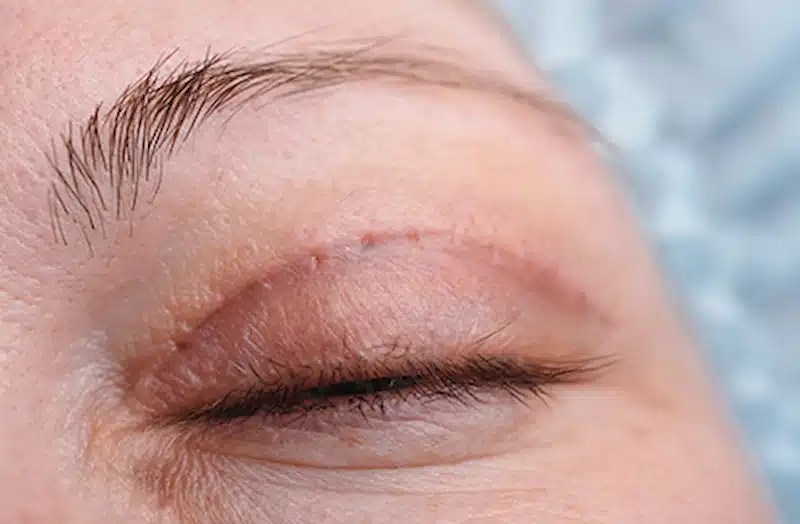
Recovery depends on the procedure, anatomy, and healing response. After surgery, swelling and bruising usually appear first and then improve gradually over days to weeks.
Common postoperative care may include head elevation, cold compresses, ointment, and prescribed eye drops to reduce irritation and support healing. Patients should follow their surgeon’s instructions closely because the eye area is delicate.
Possible risks include dryness, irritation, asymmetry, hollowing, prolonged swelling, and changes in comfort. These risks can occur because the lids are delicate, both sides may heal differently, and treatment near the fat pads or orbicularis oculi muscle can affect contour and comfort.
Surgery can address selected structural concerns, but it does not stop natural aging or guarantee a specific appearance. Skin quality, lid support, facial anatomy, and future tissue changes all influence long-term results. This is why conservative planning, realistic expectations, and follow-up care are important parts of the treatment process.
If eyelid fullness, puffiness, or hollowing affects your comfort or appearance, a specialist evaluation can help identify the cause and the safest treatment options. Schedule a consultation with Dr. Kopelman at Kopelman Aesthetic Surgery to discuss your concerns.