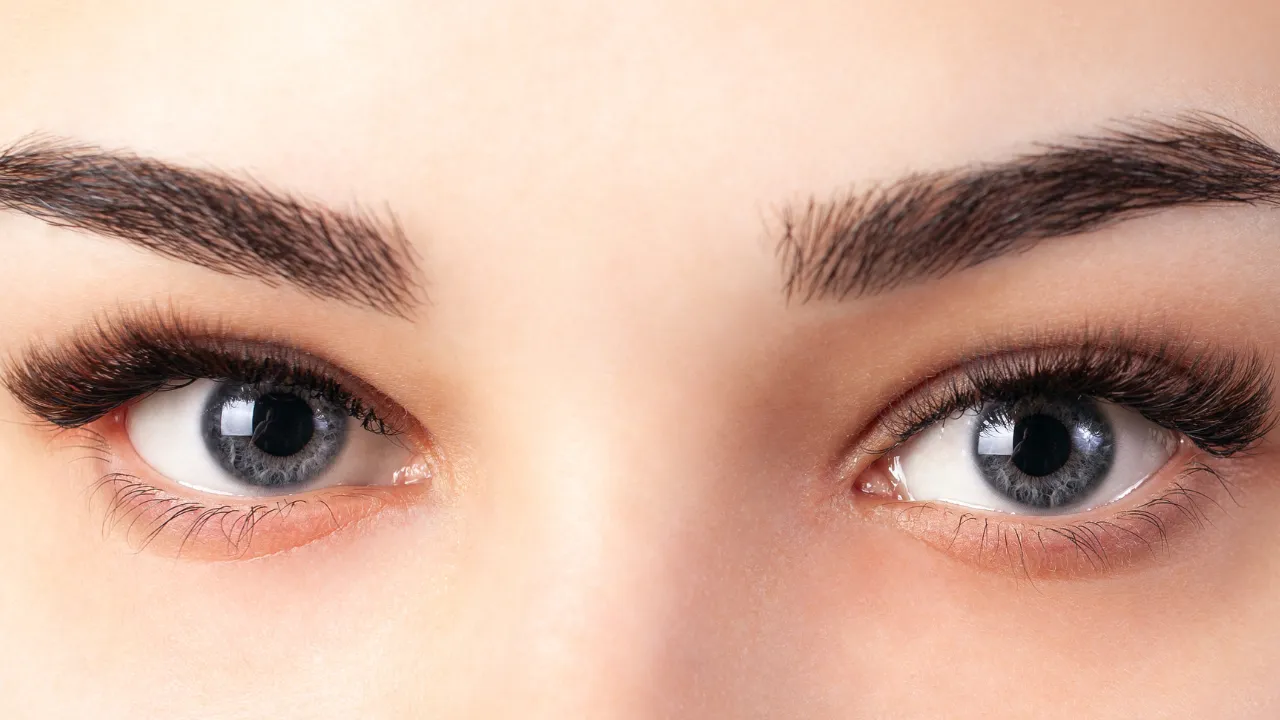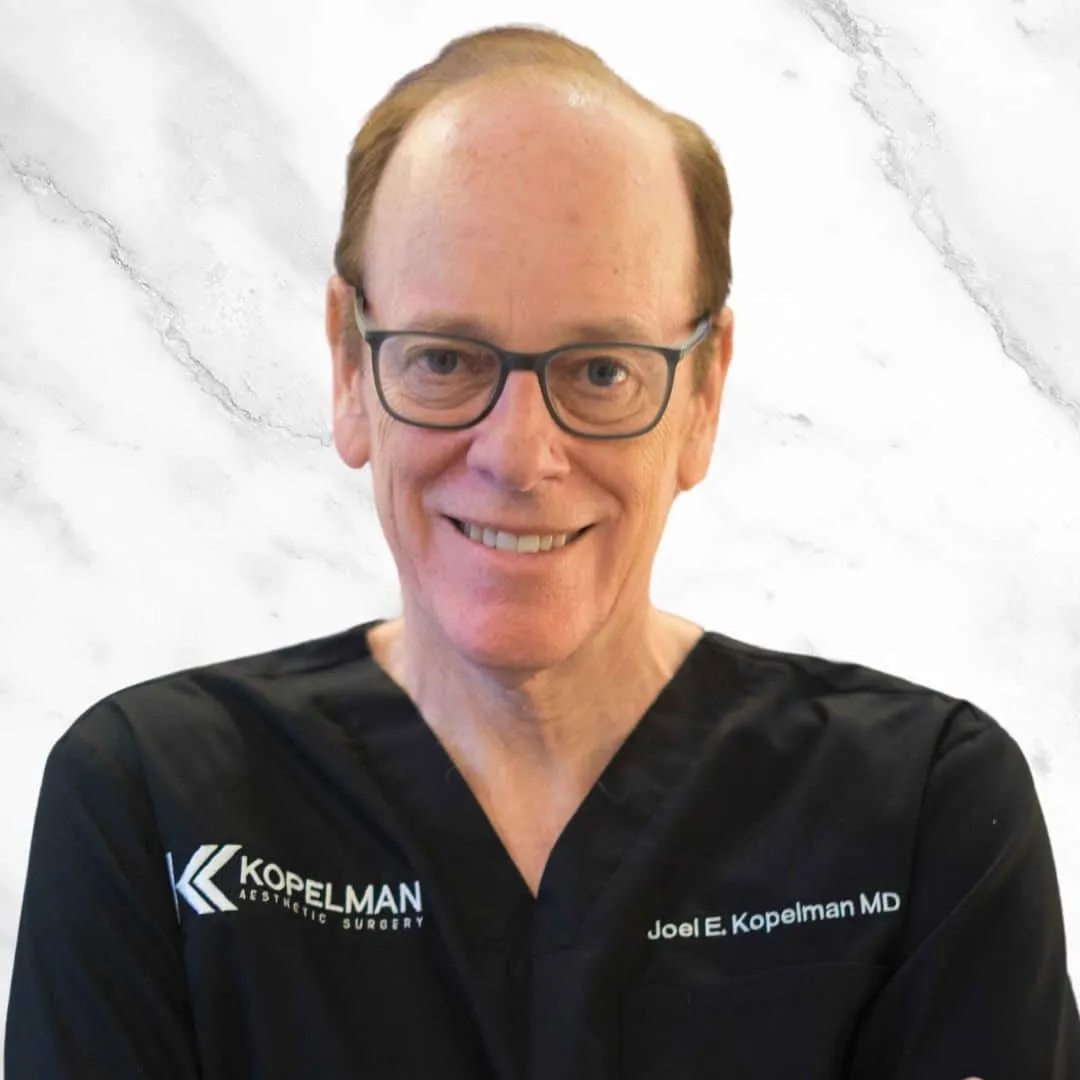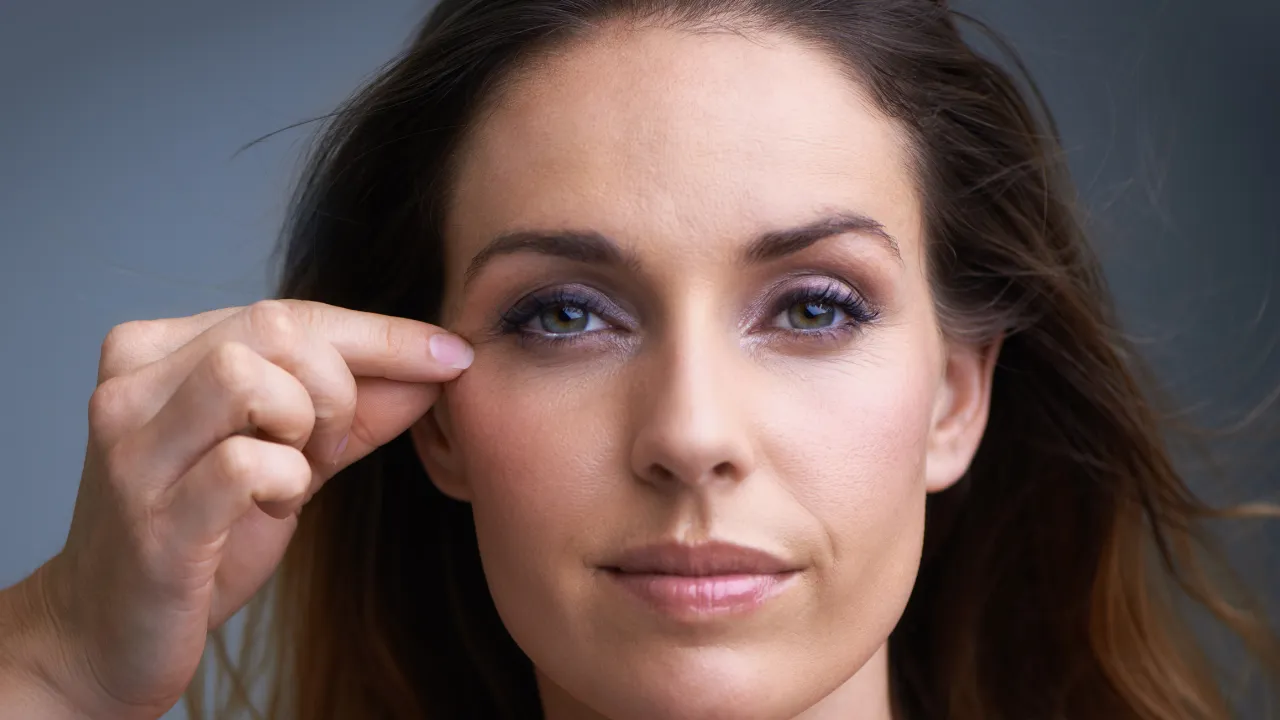

At Kopelman Aesthetic Surgery in New York City, Dr. Joel Kopelman performs this procedure with a focus on balanced, natural-looking results. This guide explains why people choose double eyelid surgery, what benefits it may offer, and what patients should know before deciding.
Key Takeaways
- Double eyelid surgery creates a visible upper eyelid crease, making the eyes appear larger and more balanced.
- People choose it for both aesthetic and medical reasons, such as removing excess skin or improving eyelid heaviness that affects vision.
- It is especially common among people of East Asian and Asian descent, where cultural ideals and beauty standards play a major role.
- Patients can choose between infold, outfold, and in-outfold crease designs, depending on their natural eye shape and preference.
- Dr. Joel Kopelman uses precise surgical techniques to achieve natural, lasting results tailored to each patient’s eye shape and anatomy.
- Most patients recover within a few weeks, experience little discomfort, and see long-term improvement in appearance and confidence.
What Is Double Eyelid Surgery
This procedure creates a new upper eyelid crease, making the eyes look more open and symmetrical. Many patients wonder why people choose this surgery; common reasons include cosmetic enhancement and improved eyelid function. The technique provides subtle, natural results that align with modern beauty standards.
The crease forms from connections between the levator muscle, the tarsal plate, and the orbicularis oculi muscle. Dr. Kopelman examines excess skin, muscle tone, and facial proportions to choose the right approach. His method ensures the fold looks balanced and natural.
What Are Double Eyelids and What Causes Them
Some people are born with a crease, while others have a monolid. Genetics and epicanthal folds determine this difference. People of East Asian and Asian descent are more likely to have single eyelids, which is why many choose to undergo double eyelid surgery for more definition and symmetry.
Is Double Eyelid Rare?
A visible upper-lid crease is less common among people of Asian descent, which helps explain why this procedure is so widely requested in that group. In other populations, most people are born with a natural fold. Many patients choose this surgery to enhance the shape of their eyes while preserving their cultural identity and natural features.
Cultural and Historical Context
This procedure became common in East Asian countries in the mid-1900s, as beauty ideals began to favor more open eyes. Over time, it came to represent self-expression and confidence rather than imitation of a single look. Today, the surgery reflects evolving beauty standards and the growing acceptance of cosmetic procedures as a tool for personal empowerment and self-care.
Why People Choose Double Eyelid Surgery
People seek this procedure for both cosmetic and functional reasons.
Why Is It Popular
It produces subtle changes that enhance natural beauty while respecting cultural beauty standards. Because the results can be tailored to look understated or more dramatic, the procedure appeals to a wide range of patients and goals.
Why Do Asians Get Double Eyelid Surgery
Many Asian patients refine their upper eyelid crease to brighten their appearance while maintaining cultural identity. The goal is harmony, not drastic change, aligned with natural beauty standards. Beauty ideals also vary across and within ethnic groups, so the right approach depends on the individual rather than a single standard technique.
Why Korean Eyelid Surgery Is So Popular
Koreans pursue this procedure to make their eyes appear larger, more symmetrical, and aligned with local beauty standards that favor open, youthful eyes. The surgery helps reduce excess skin and create a defined crease, enhancing eye shape and balance. In South Korea, one of the world’s leading centers for cosmetic surgery, this treatment is also viewed as a form of self-expression.
Is Double Eyelid Attractive
Many people consider a defined upper lid crease attractive because it makes the eyes appear larger and more open. The new fold enhances eye shape and balance, and some patients also remove excess skin that causes heaviness or reduced vision. Attractiveness is subjective, though, and the best outcome is one that fits a patient’s own face rather than a single fixed ideal.
Functional and Medical Benefits
This procedure can correct drooping eyelids that block vision or cause fatigue. Removing excess skin improves comfort and follows modern beauty standards that favor natural brightness and a more rested appearance.
What Is the Difference Between Infold and Outfold Design
Surgeons generally create one of three crease styles, and the right choice depends on a patient’s natural eye shape and desired look:
- Infold: The crease starts closer to the inner corner of the eye and folds underneath, creating a subtle, natural look that blends smoothly with the eye.
- Outfold: The crease starts farther from the inner corner, creating a more prominent, noticeable fold that can make the eyes appear bigger and wider.
- In-outfold: A blend of the two, with a more tapered crease that sits between subtle and dramatic.
Dr. Kopelman discusses these options during consultation, so each patient understands which design suits their anatomy and goals before moving forward.
Medial Epicanthoplasty
Some patients combine this procedure with medial epicanthoplasty, a treatment that softens the epicanthal fold, the skin covering the inner corner of the eye. Reducing this fold can make the eyes look more open and elongated. When paired with crease-forming surgery, it can create a more balanced, defined result for patients who want to minimize the inner eye fold.
The Procedure and Recovery
This surgery is usually performed under local anesthesia and takes about one to two hours. The goal is to create a symmetrical crease while minimizing downtime.
Techniques Used
- Incisional method – removes excess skin or fat for permanent results.

- Non-incisional method – uses fine sutures to form the fold with shorter recovery.

Dr. Kopelman selects the best method based on eye shape and individual anatomy.
Preparing for Double Eyelid Surgery
A consultation typically includes a review of your medical history, current medications, and any prior eyelid or eye surgery. Patients are usually asked to stop taking blood-thinning medications, such as aspirin, ibuprofen, or certain herbal supplements, for a period before surgery, since these can increase the risk of bleeding. Smokers are generally advised to stop several weeks beforehand, as smoking can slow healing.
Patients should also arrange for someone to drive them home after surgery and to help out for the first day or two while vision may be temporarily blurry from ointment or swelling.
Is Double Eyelid Surgery Painful
Some patients ask whether this surgery is painful; most report mild discomfort rather than pain. Swelling and bruising typically last about a week and fade with care. Cold compresses and basic pain medication help during recovery.
What Recovery Looks Like, Step by Step
Healing happens in stages, and results become more visible as each phase passes.
- First 1 to 2 weeks: Bruising generally fades during this window, and most patients return to daily routines within 7 to 10 days.
- First 1 to 3 months: Swelling continues to resolve gradually. The incision line may look slightly red or raised during this period before it softens.
- 3 to 6 months: Residual swelling fades further, and the crease begins to settle into its more permanent shape.
- Up to 1 year: Full healing and final results are typically in place, with the crease looking smooth and natural.
Patients are encouraged to follow Dr. Kopelman’s aftercare instructions closely during this period to support smooth healing and minimize the risk of complications such as asymmetry or a visible scar.
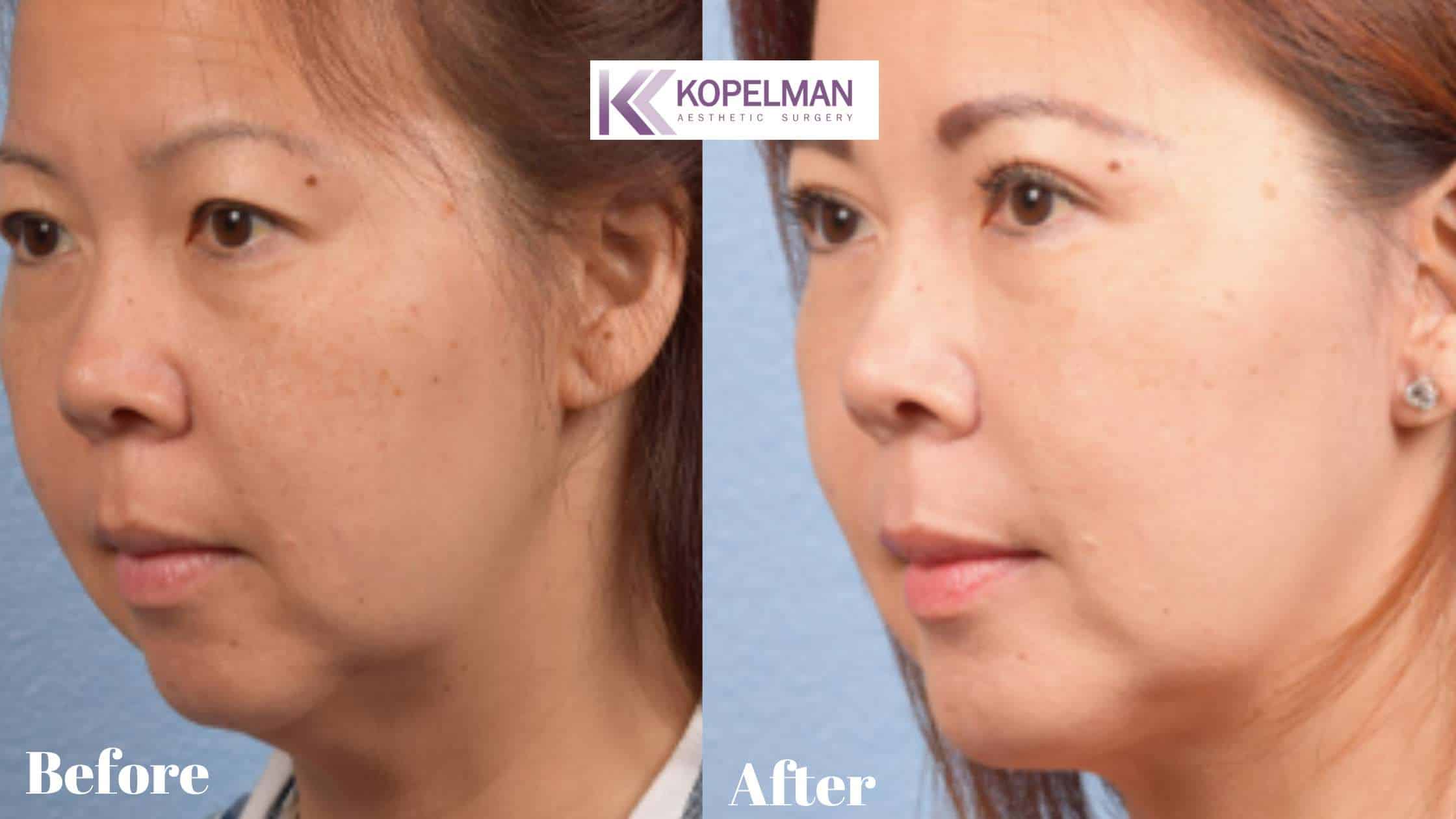
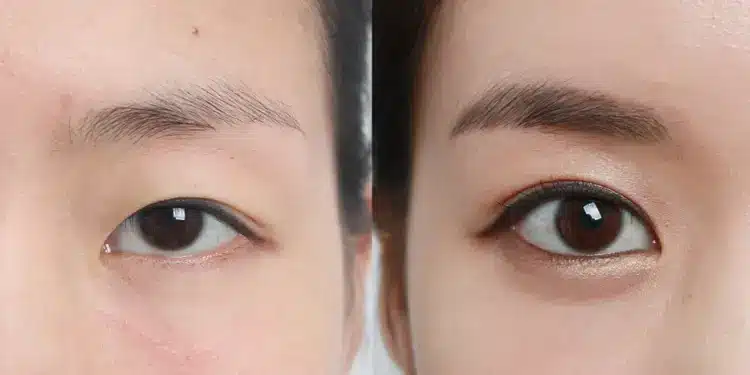
Double Eyelid Surgery Before and After
Before surgery, patients receive a consultation and digital preview. After healing, they notice brighter, more defined eyes aligned with current beauty standards.