
Best Wrinkle Creams, Serums, and Moisturizers: Top Picks
These products are consistently recommended by dermatologists and supported by clinical evidence. No single product works for every skin type, but each below targets a specific concern with well-researched ingredients.
These products are consistently recommended by dermatologists and supported by clinical evidence. No single product works for every skin type, but each one below targets a specific concern with well-researched ingredients.
1. RoC Retinol Correxion Deep Wrinkle Night Cream
Best for: Deep wrinkles, all skin types, budget-conscious shoppers
Key ingredients: Retinol, vitamin E, mineral complex
Approximate price: $20 to $25
One of the most studied OTC retinol formulas available. RoC’s night cream delivers retinol at a concentration clinically shown to reduce the appearance of fine lines after 12 weeks of consistent use. Vitamin E and antioxidants are included to minimize irritation. Gentle enough for nightly use. A strong choice if you are looking for a reliable, affordable option for the best cream for deep wrinkles.
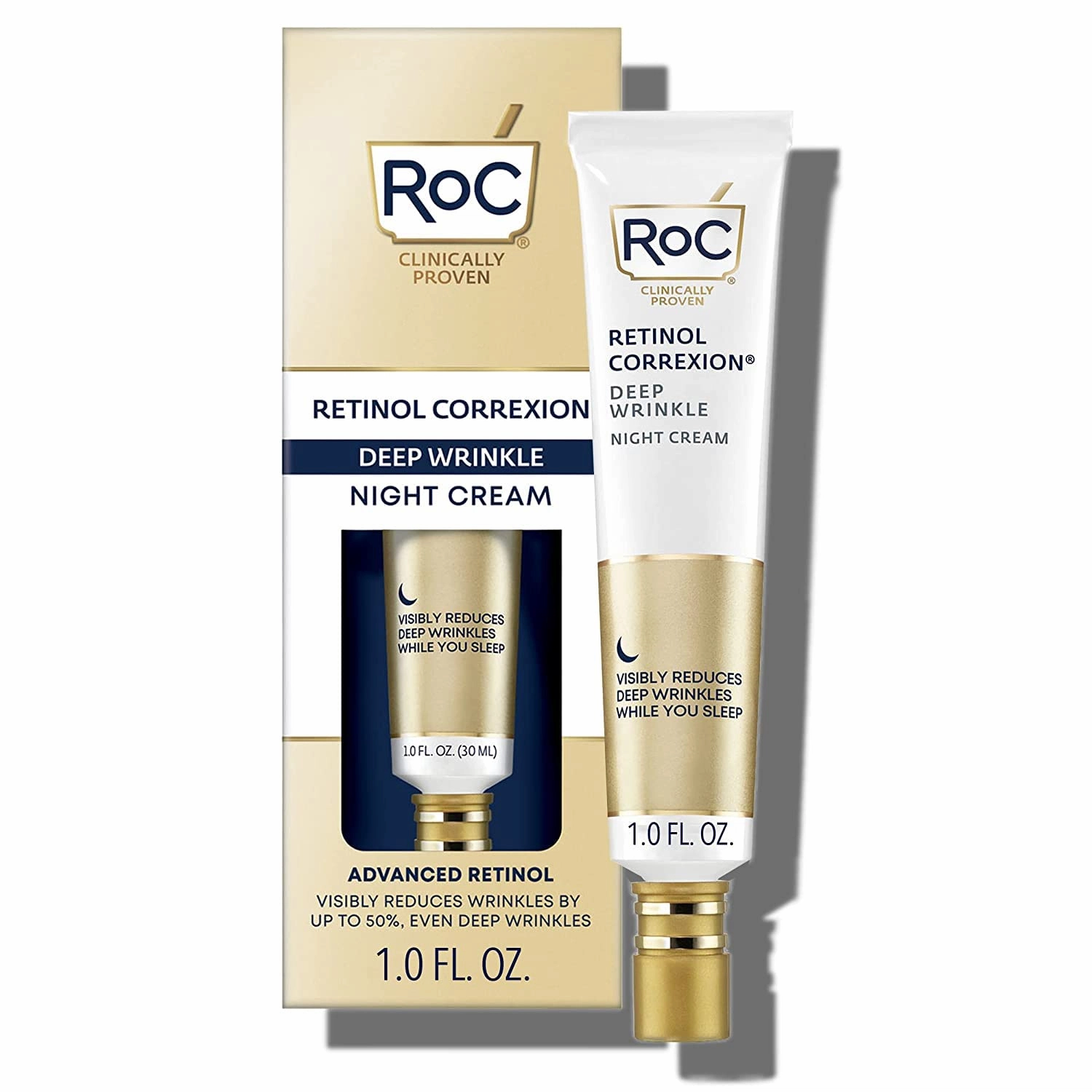
How to use: Apply a pea-sized amount at night after cleansing. Start every other night if your skin is new to retinol. Avoid during pregnancy.
2. CeraVe Skin Renewing Vitamin C Serum
Best for: Brightening, early fine lines, morning routine
Key ingredients: L-ascorbic acid (10%), hyaluronic acid, niacinamide
Approximate price: $19 to $22
This lightweight serum delivers vitamin C in its most bioavailable form alongside hyaluronic acid and niacinamide. The combination addresses surface texture, uneven tone, and dehydration in a single step. Fragrance-free and non-comedogenic, making it a practical daily serum for most skin types.
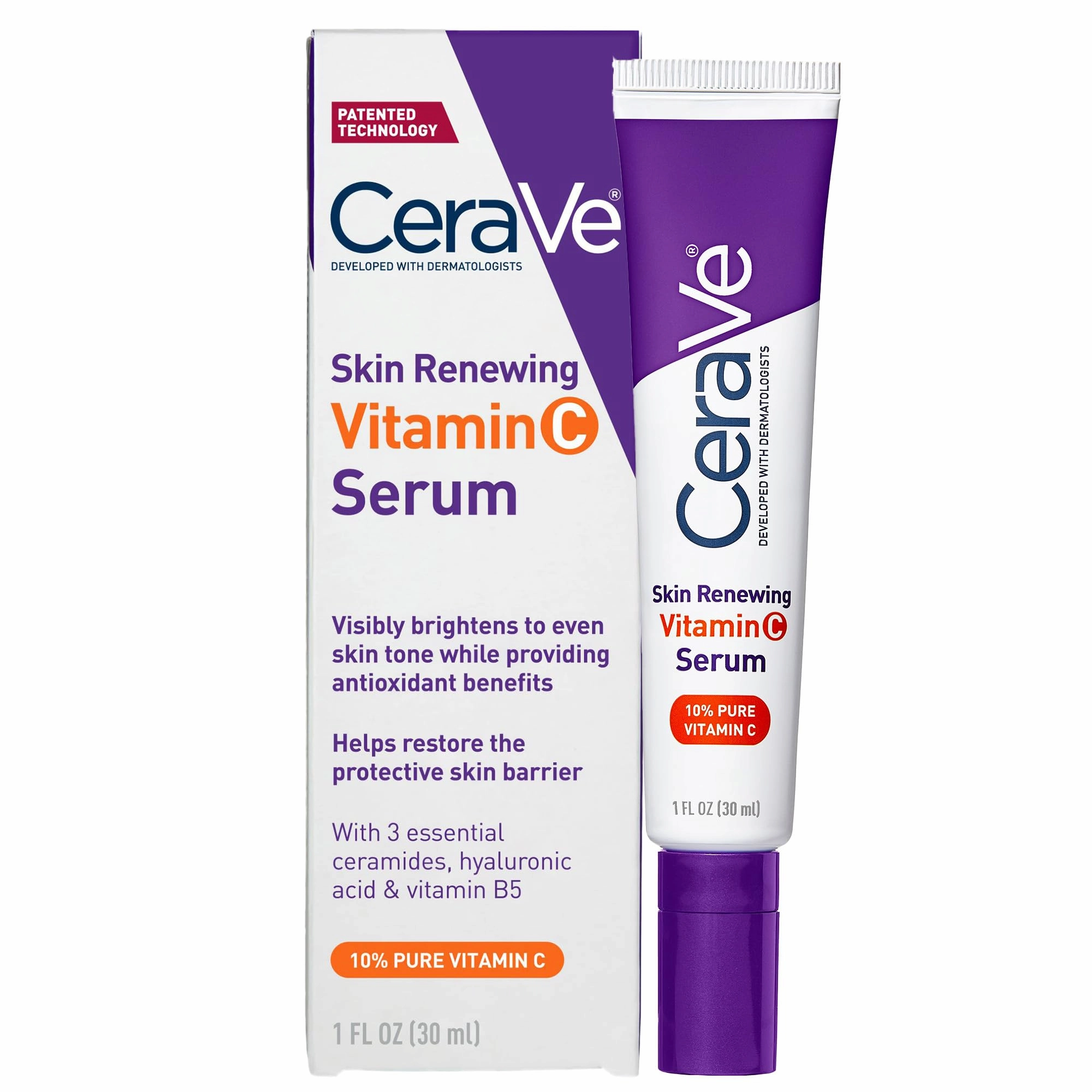
How to use: Apply every morning after cleansing and before moisturizer. Follow with SPF. Store in a cool, dark place to preserve potency.
3. Neutrogena Rapid Wrinkle Repair Retinol Moisturizer with SPF 30
Best for: Daytime use, prevention, combination skin
Key ingredients: Accelerated retinol SA, glucose complex, hyaluronic acid, SPF 30
Approximate price: $20 to $28
One of the few OTC options that combine retinol and broad-spectrum sun protection in a single formula. The glucose complex helps accelerate retinol’s surface effects. Lightweight enough to layer under makeup. A practical pick for anyone who wants a streamlined morning routine without sacrificing active ingredients.
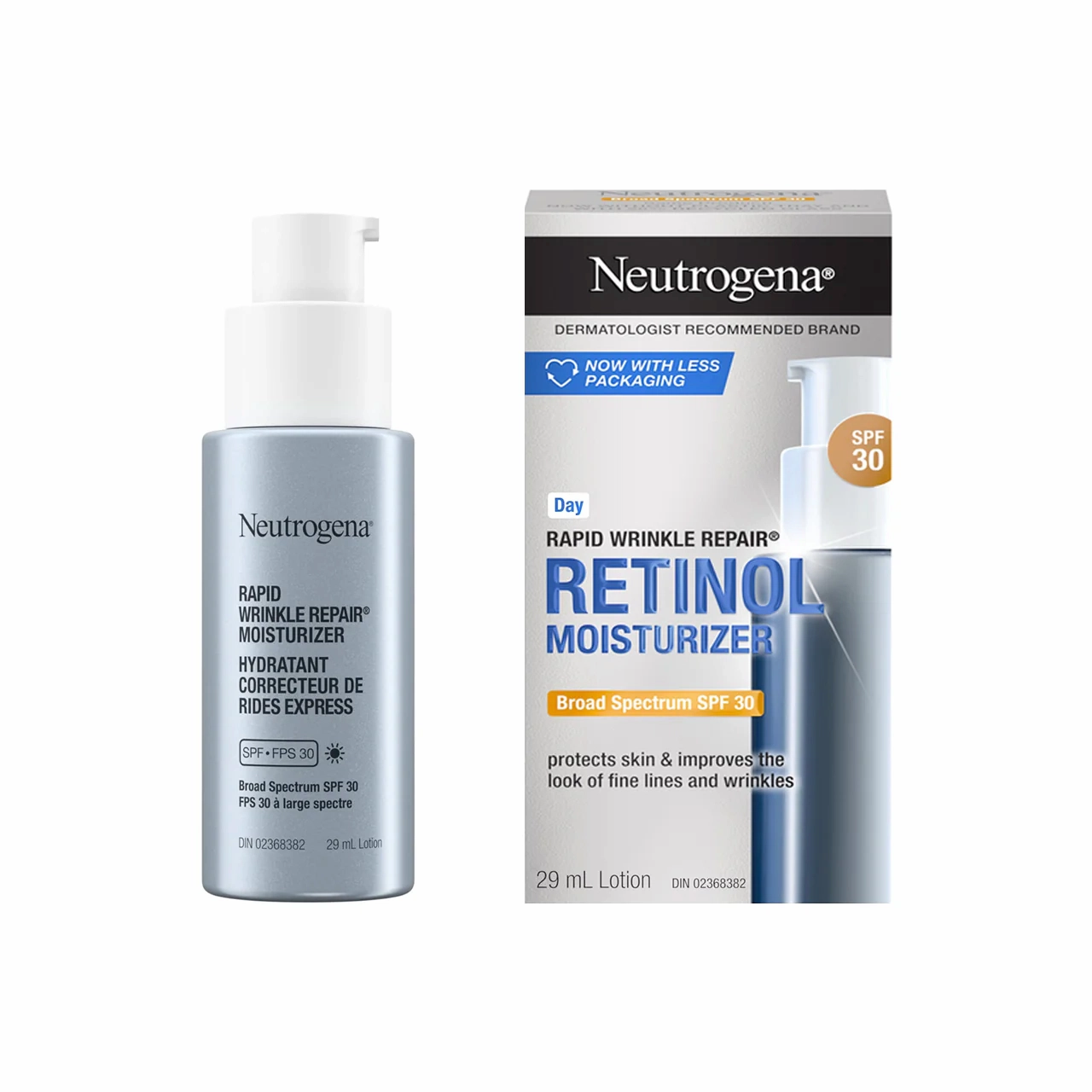
How to use: Apply every morning as your final skincare step before makeup. Apply sunscreen separately if spending extended time outdoors.
4. Paula’s Choice 10% Niacinamide Booster
Best for: Uneven tone, enlarged pores, sensitive skin
Key ingredients: Niacinamide 10%, antioxidants
Approximate price: $44 to $54
Niacinamide at 10% is among the most effective topical concentrations for reducing visible signs of aging, including tone irregularities, surface texture, and early lines. This booster can be mixed into any moisturizer or used alone. It also calms the skin, making it a useful companion to more active ingredients like retinol.
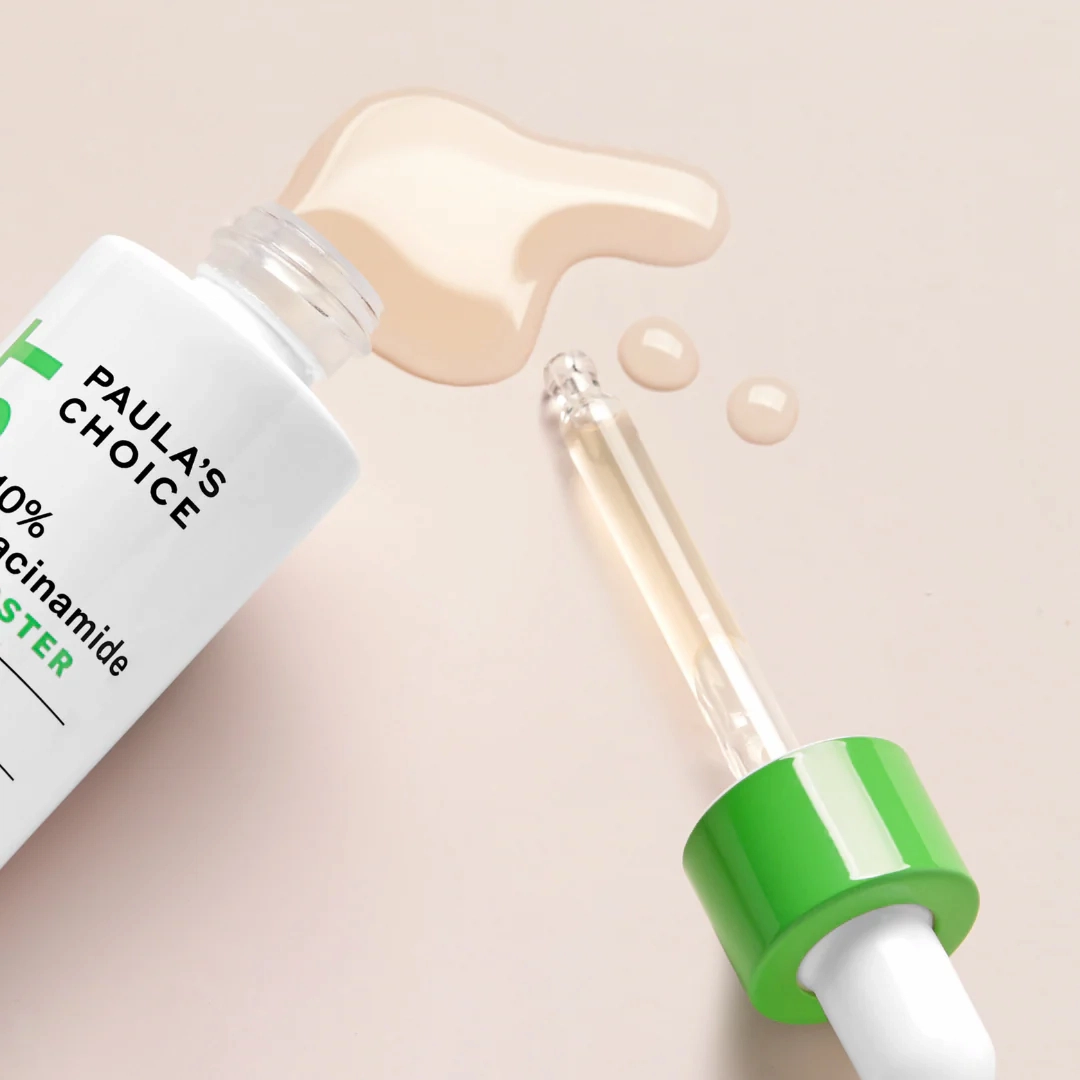
How to use: Apply twice daily, morning and night. Can be layered under moisturizer or mixed into one.
5. The Ordinary Retinol 0.5% in Squalane
Best for: Retinol beginners, dry or sensitive skin
Key ingredients: Retinol 0.5%, squalane
Approximate price: $8 to $10
A straightforward retinol formula in a squalane base that reduces the dryness and flaking commonly associated with starting a retinoid routine. The 0.5% concentration is a practical mid-point: effective enough to support cell turnover and collagen over time, mild enough to build tolerance. One of the most accessible price points in this category.
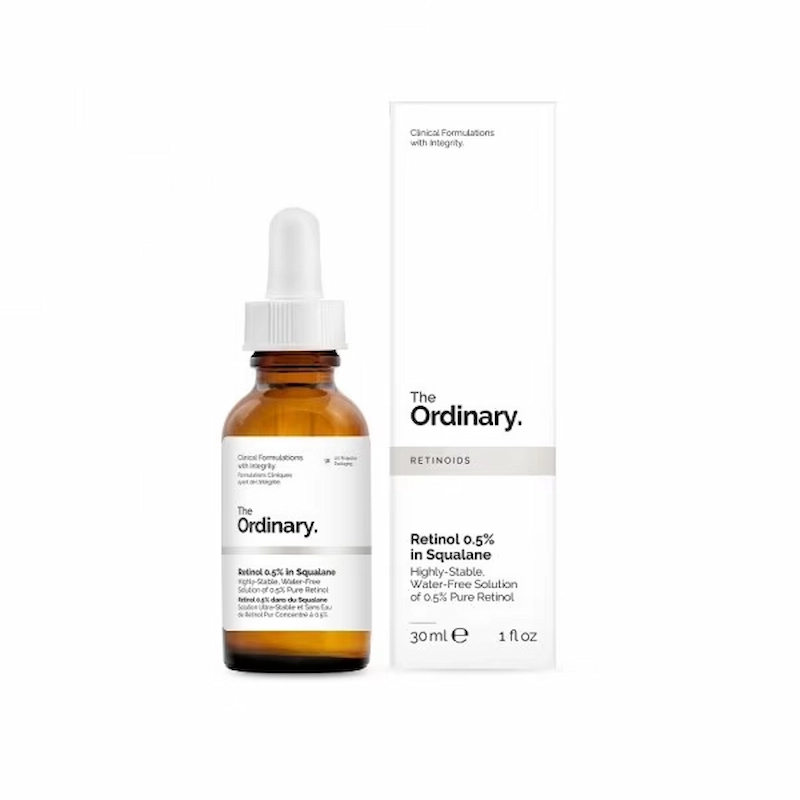
How to use: Apply at night, 2 to 3 times per week to start. Increase frequency as tolerated. Always follow with a moisturizer.
6. SkinBetter Science InterFuse Treatment Cream FACE & NECK
Best for: Advanced signs of aging, firming, patients who want a premium formula
Key ingredients: High-concentration peptide complex, ceramides, antioxidants
Approximate price: $130 to $150
For patients seeking a comprehensive option without a prescription, this cream delivers a high-density peptide blend that penetrates deeply to reduce the appearance of expression lines and improve firmness. Ceramides support the barrier, making it well-tolerated even by those with drier or more reactive skin. A strong candidate for the best face moisturizer for patients in their 50s and 60s who need both active ingredients and barrier repair in one product.
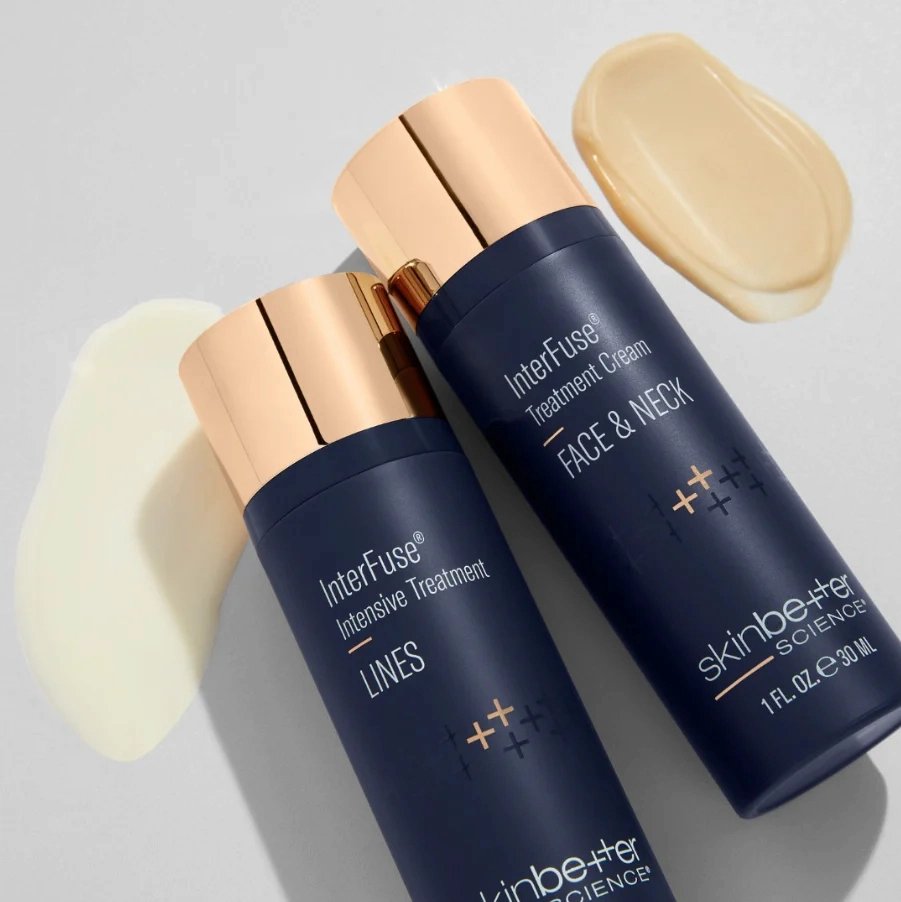
How to use: Apply morning and night after any serums and before SPF. A small amount is sufficient.
7. Olay Regenerist Retinol 24 Night Moisturizer
Best for: Anti-aging maintenance, normal to dry skin, mature skin
Key ingredients: Retinol, niacinamide, vitamins B3 and B5
Approximate price: $25 to $32
This night moisturizer combines retinol with niacinamide and B vitamins to deliver visible improvements in texture and hydration overnight. The formula balances active ingredients with deep hydration, making it a well-suited option as the best cream for deep wrinkles over 60. Fragrance-free and non-comedogenic.
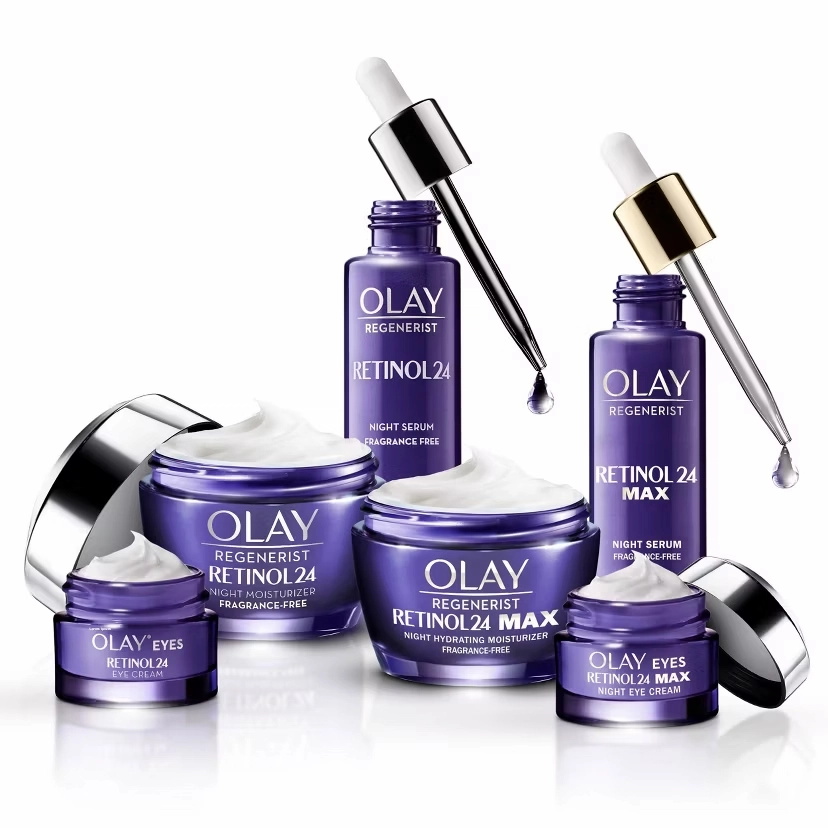
How to use: Apply at night as your final skincare step after serums. Use consistently for at least 6 to 8 weeks before evaluating results.
8. La Roche-Posay Toleriane Double Repair Face Moisturizer SPF 30
Best for: Sensitive or barrier-compromised skin, daily hydration with sun protection
Key ingredients: Ceramides, niacinamide, prebiotic thermal water, SPF 30
Approximate price: $22 to $30
An excellent best face moisturizer option for those whose skin reacts to more aggressive actives. This formula rebuilds the skin barrier through ceramides and niacinamide while providing meaningful daily sun protection. Lightweight, non-greasy, and suitable for layering. Recommended for those who experience irritation when starting a retinol routine.
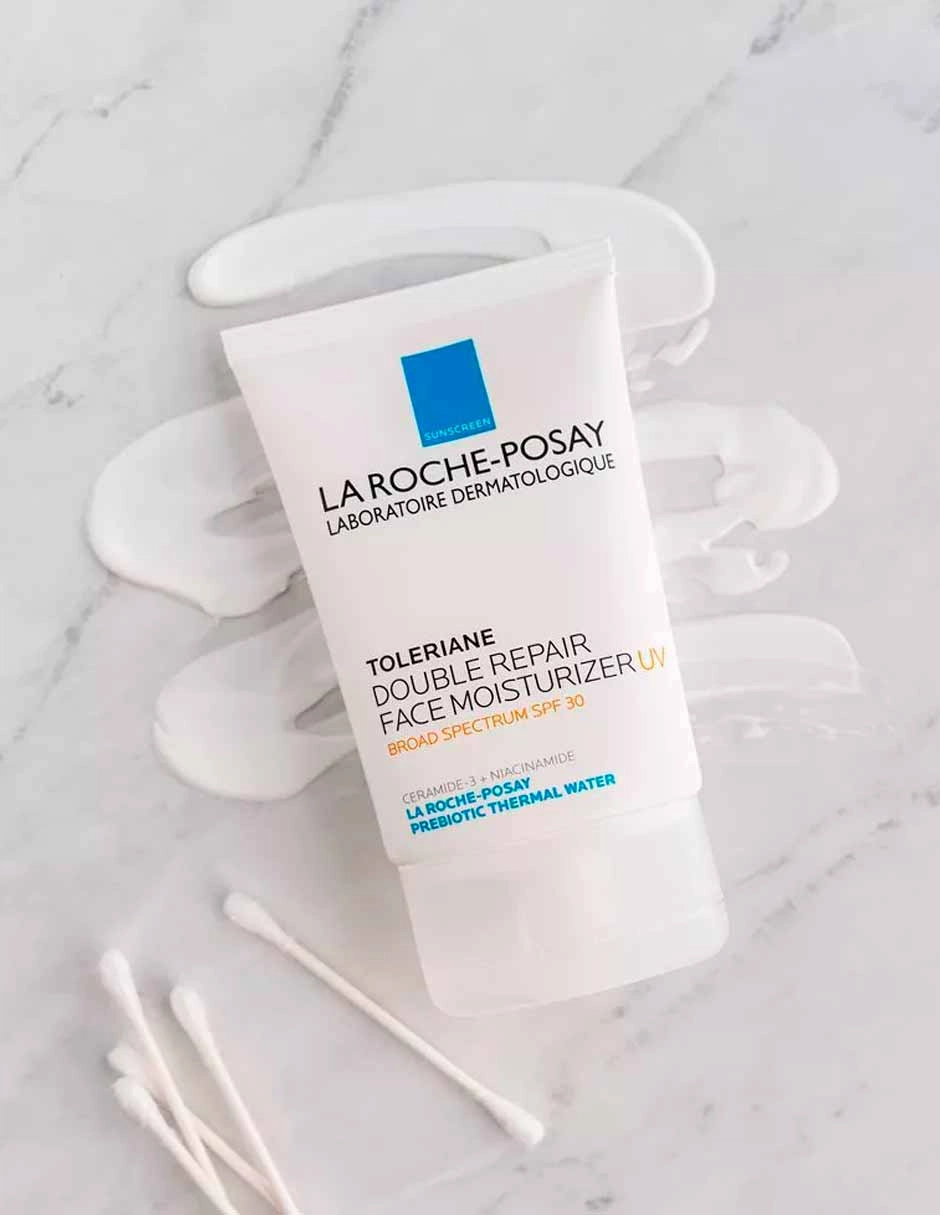
How to use: Apply every morning as the last step in your skincare routine. Pair with a retinol or peptide product in the evening.
Key Ingredients in Anti-Wrinkle Skincare
The right ingredients are the foundation of any effective anti-aging plan. Here are the most evidence-backed compounds used in the products above.
Retinol: A vitamin A derivative that promotes cell turnover, smooths surface texture, and supports collagen production over time. OTC concentrations range from 0.25% to 1%. Start low if your skin is new to it.
Peptides: Short amino acid chains that signal the skin to produce collagen and elastin. Particularly valuable for those who cannot tolerate retinol.
Hyaluronic Acid: Draws moisture into the skin and temporarily plumps the surface, making fine lines less visible. Works best when applied to slightly damp skin.
Vitamin C (L-ascorbic acid): An antioxidant that protects against UV-induced oxidative stress, supports collagen synthesis, and improves overall skin tone. Most effective in the morning under SPF.
Niacinamide (Vitamin B3): Improves skin tone and texture, calms inflammation, and strengthens the barrier. Works well alongside most other ingredients without irritation.
Ceramides: Lipids that form part of the skin barrier. They reduce moisture loss and are especially important for dry or mature skin.
SPF (Broad-Spectrum): Not just preventive. Daily sunscreen use is the single most evidence-supported step for slowing visible skin aging.
Causes and Early Signs of Wrinkles
Wrinkles develop as the skin loses collagen, elastin, and moisture with age. UV exposure, smoking, and repetitive facial movements accelerate the process. The earlier you recognize the signs, the more effectively topical products can support the skin.
The first indicators are usually fine lines around the eyes and mouth, along with mild dryness or thinning. These early changes respond well to consistent skincare with proven actives, especially retinol and SPF.
Targeted Products for Specific Areas
Different parts of the face age at different rates. Matching your product to the problem area improves results and reduces the risk of irritation.
Wrinkles Around the Mouth
Look for thick creams or balms containing niacinamide and ceramides. These help retain moisture in this naturally drier zone. Apply in gentle circular motions to improve absorption.
Wrinkles on the Forehead
Lightweight retinol-based serums work well here. They absorb quickly without congesting pores. Consistent daily SPF use on the forehead slows new line formation over time.
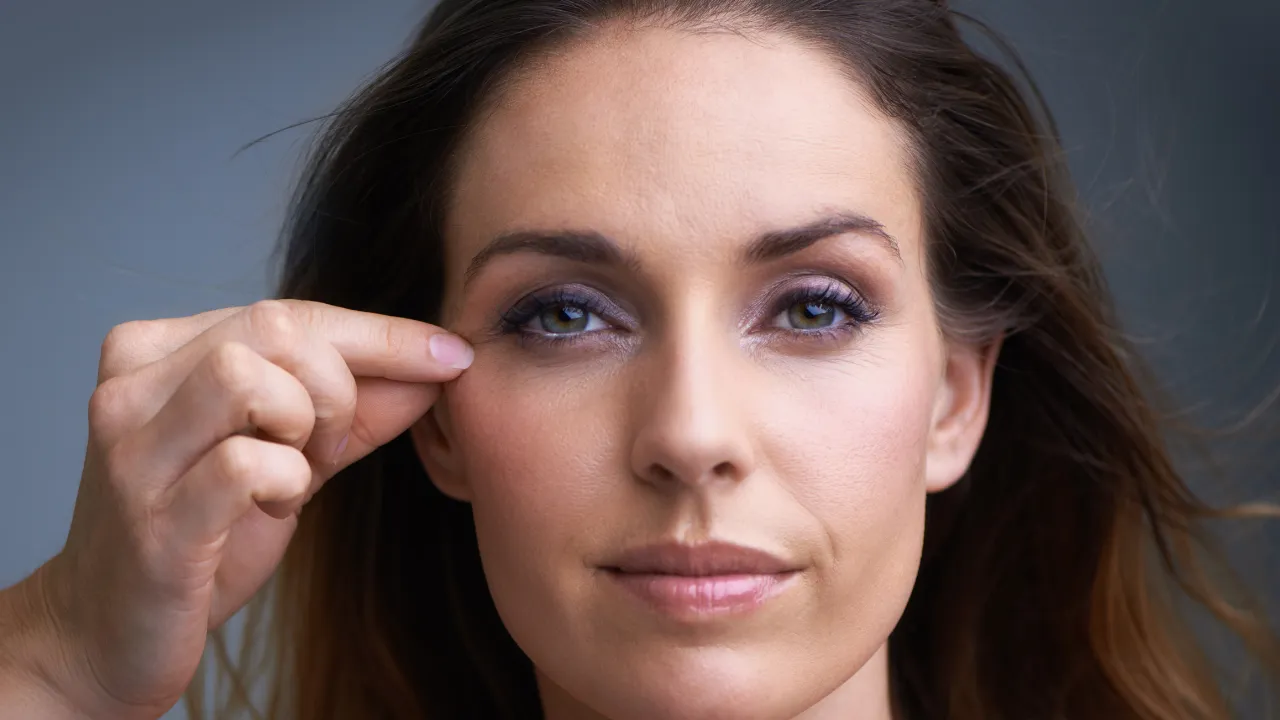
Wrinkles Under the Eyes
Choose eye creams with peptides and caffeine. These reduce puffiness and fine lines without irritating the thin skin around the eye. Apply with your ring finger using a light tapping motion; do not drag or pull.
How to Choose Based on Skin Type and Age
No product performs identically across all skin types. Here is how to narrow your options.
Oily skin: Gel-based or lightweight serums labeled non-comedogenic. Avoid heavy creams that can clog pores.
Dry skin: Rich creams with ceramides, squalane, or glycerin. Apply while skin is slightly damp to lock in moisture.
Sensitive skin: Start with peptide formulas before introducing retinol. Fragrance-free is non-negotiable.
Age also changes what your skin needs most. In your 40s, the priority is prevention and repair in equal measure. From the 50s onward, barrier repair and deep hydration become just as important as active ingredients.
Age-Specific Recommendations
Best Anti-Aging Cream for Your 40s
Products that combine retinol with SPF are the most practical choice for this decade. Consistent exfoliation also helps active ingredients absorb more effectively.
Best Anti-Aging Cream for Your 50s
Peptide-rich formulas with ceramides address both collagen support and barrier repair. Layering a vitamin C serum in the morning and a retinol cream at night is a well-established two-step approach.
Best Moisturizer for Aging Skin Over 60
Rich, emollient formulas are the priority at this stage. The skin produces significantly less sebum, making deep hydration essential. Look for squalane, glycerin, and ceramides alongside whatever actives you can tolerate. The Olay Regenerist Retinol 24 Night Moisturizer listed above is a practical, accessible option. For those who want a more premium formula, SkinBetter Science InterFuse is a strong clinical-grade choice.
Topicals vs. Professional Treatments
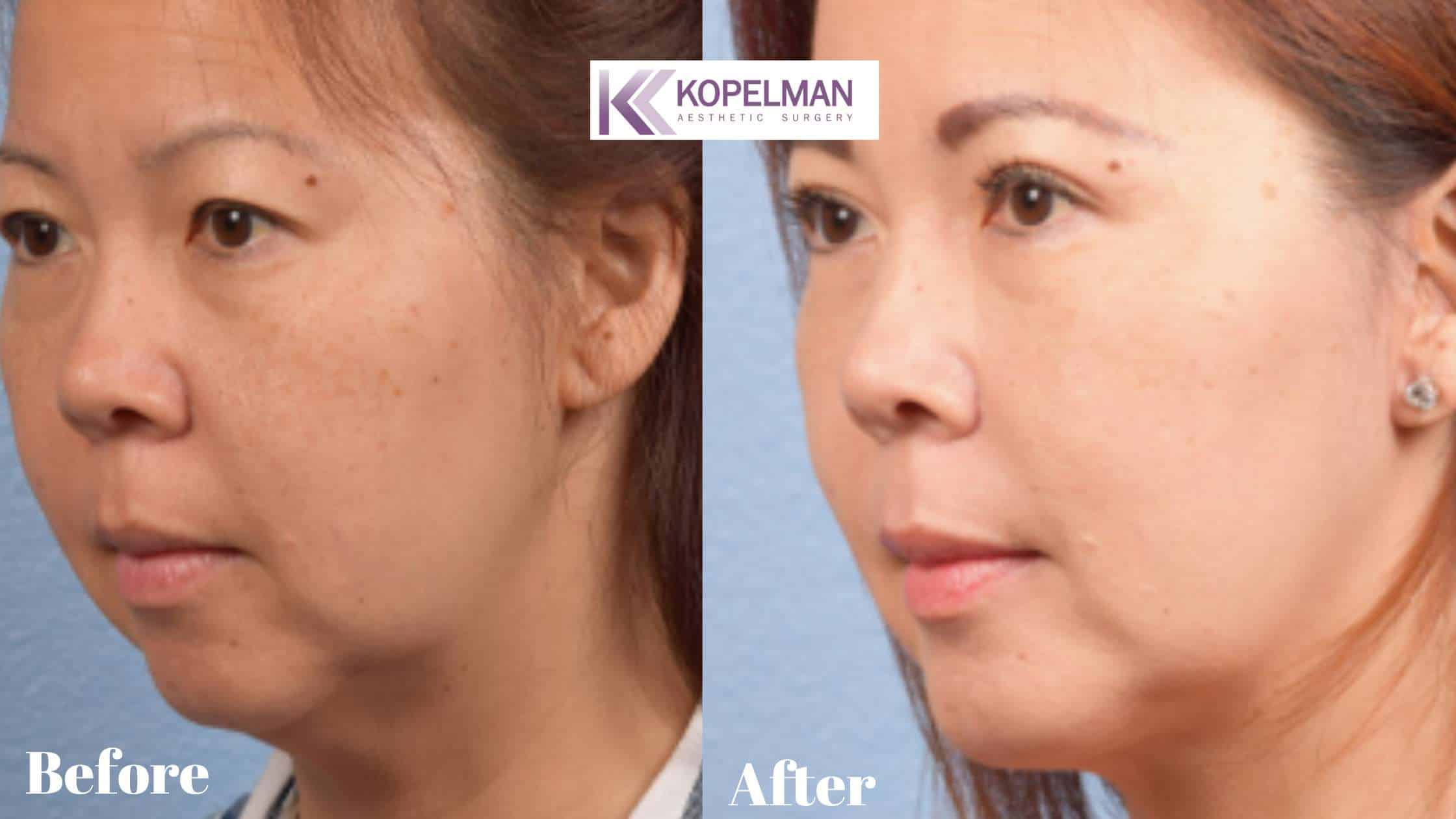
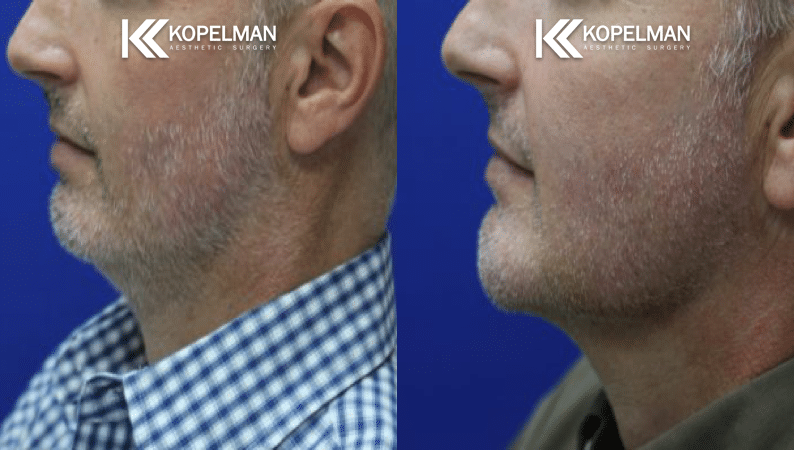
Topical products work well for early to moderate signs of aging. For deeper wrinkles or volume loss, in-office treatments offer faster and more measurable results. The two approaches are not mutually exclusive; many patients use a strong skincare routine to maintain the results of professional treatments between appointments.
Topical Skincare (Creams, Serums, Moisturizers)
- Non-invasive, low risk
- Affordable and accessible
- Most effective for prevention and mild to moderate lines
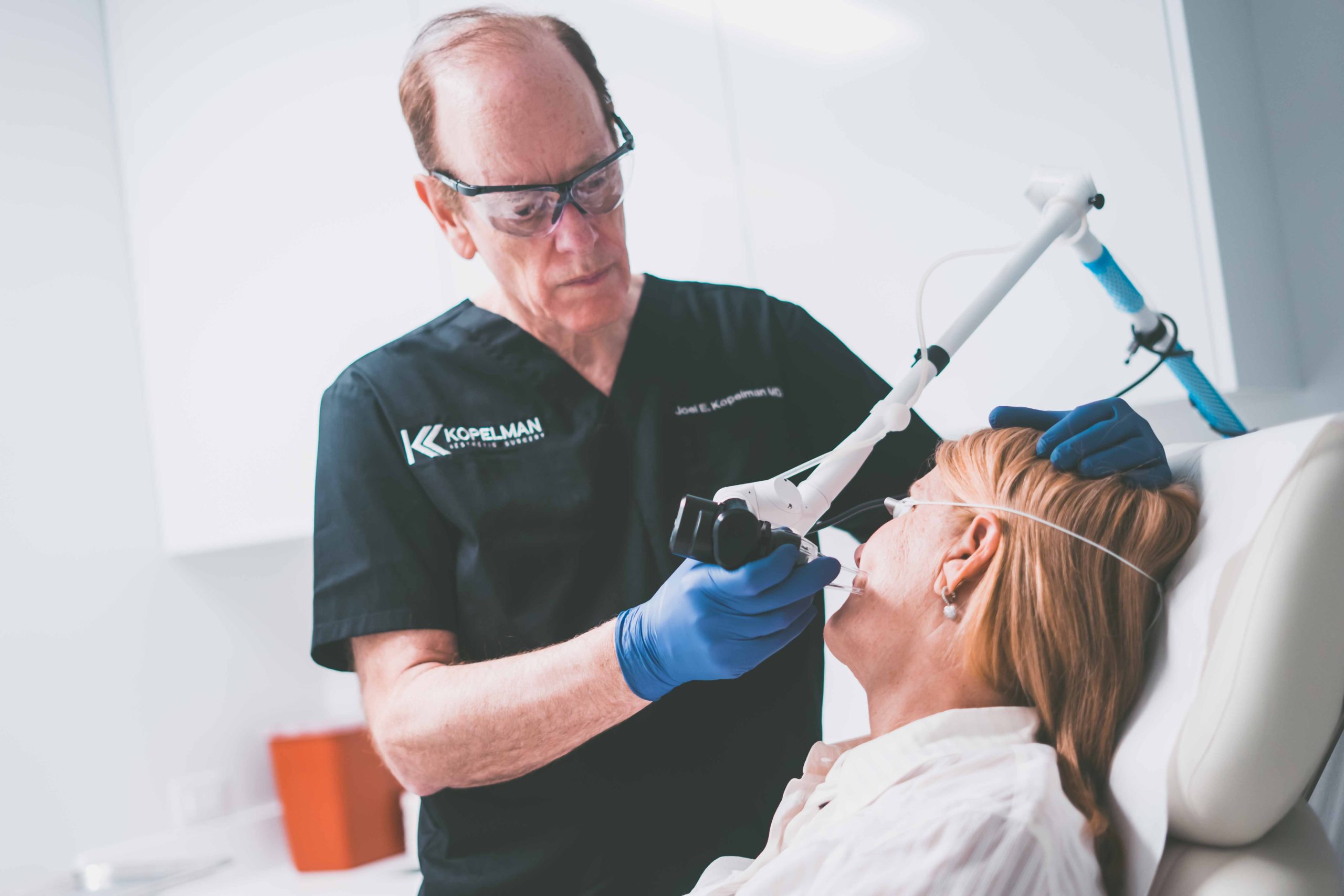
Professional Procedures (Available at Kopelman Aesthetic Surgery)
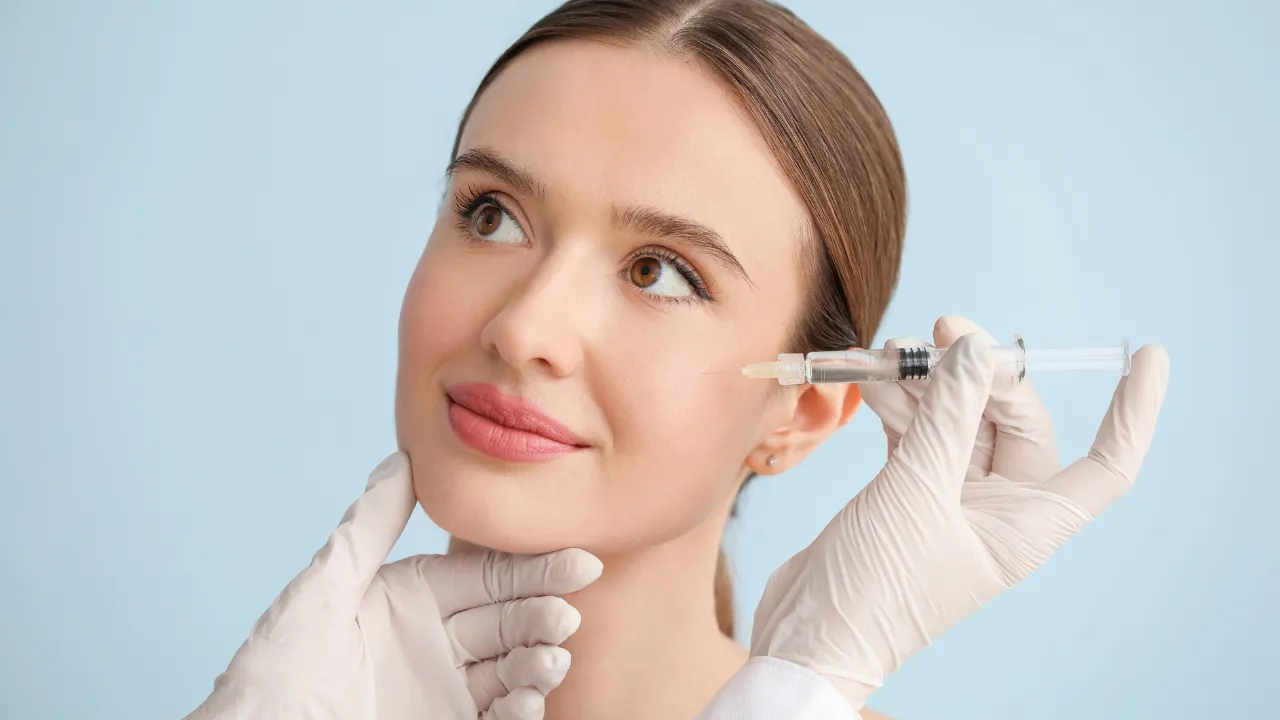
- Botox: Relaxes muscles to soften dynamic expression lines
- Fillers: Restore volume loss in cheeks and around the mouth
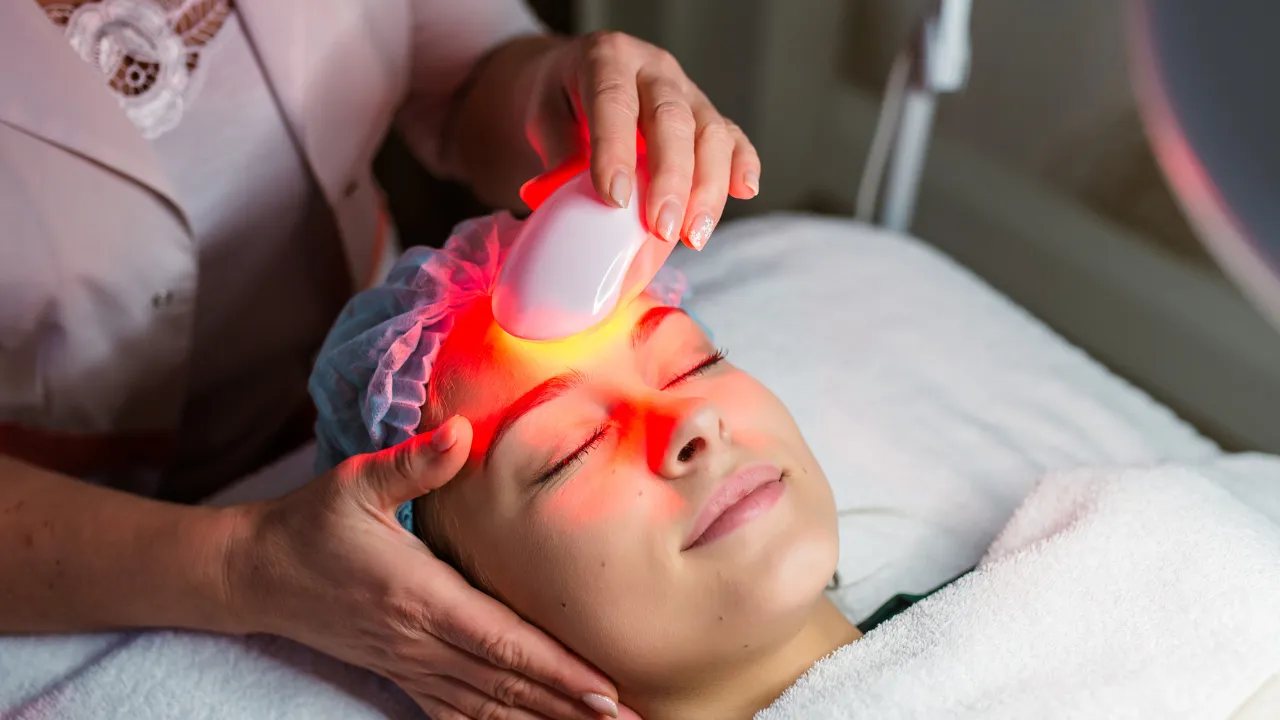
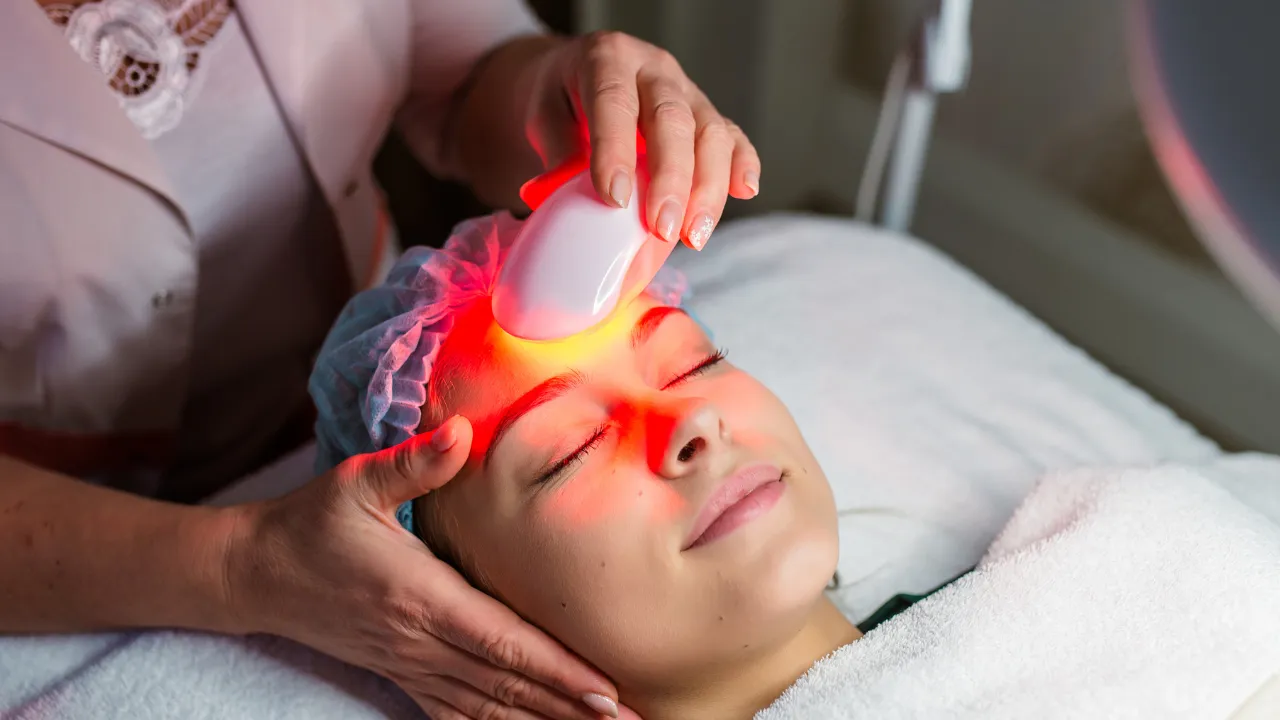
- Laser Resurfacing: Targets deeper wrinkles and surface irregularities
If you are unsure which approach fits your current concerns, a consultation with Dr. Kopelman can help you build a plan that matches your skin and your goals.
Daily Routine and Results Timeline
How you use your products matters as much as which ones you choose. A well-sequenced routine helps each product perform at its best.
- Cleanse with a gentle, pH-balanced face wash.
- Apply vitamin C serum (morning only).
- Apply retinol or peptide serum (evening only, or as directed).
- Apply niacinamide booster if using one.
- Moisturize morning and night.
- Apply broad-spectrum SPF 30 or higher every morning, even on cloudy days.
Most users see measurable improvement in texture and hydration within 4 to 6 weeks. Ingredients like retinol and peptides take longer to show their full effect on collagen, typically 12 weeks or more. Consistency matters more than speed.
What to Realistically Expect from Wrinkle Creams
Topical products can visibly reduce fine lines, improve texture, and restore hydration. They are not substitutes for clinical procedures, and they will not produce the same outcomes as a facelift or injectable treatment. What they can do is slow the visible effects of aging, maintain skin quality, and significantly improve how skin looks and feels with consistent use.
To maximize results:
- Use products daily as directed
- Never skip sunscreen; UV exposure undoes the progress of active ingredients
- Support skin from the inside with adequate hydration, sleep, and a diet rich in antioxidants
- Give any new product a minimum of 8 weeks before evaluating whether it is working
Results vary by skin type, age, and the depth of existing wrinkles.