

This article explains how dermal fillers for eye bags work, when they may or may not be appropriate, and what factors influence safety, cost, and outcomes.
The information reflects an educational approach used in clinical practices such as Kopelman Aesthetic Surgery, where board-certified specialists like Dr. Joel Kopelman focus on anatomy, technique, and patient selection rather than cosmetic trends.
Key Takeaways
- Dermal fillers for eye bags are most effective when under-eye concerns are caused by volume loss rather than excess fat or loose skin.
- Under-eye filler can soften shadows, dark circles, and fine lines, but it does not remove eye bags or replace corrective plastic surgery when structural issues are present.
- The thin skin under the eyes increases risk, making injector experience, injection site selection, and precise technique critical for natural-looking results.
- Results are subtle and temporary, and long-term planning helps reduce the risk of overfilling or complications common to cosmetic procedures.
Do Dermal Fillers for Eye Bags Work?
Dermal fillers for eye bags can be effective in specific situations, but they do not address all causes of under-eye fullness. In appropriate cases, fillers restore volume where tissue loss creates shadowing or accentuates dark circles. Understanding the underlying anatomy is essential before treatment.
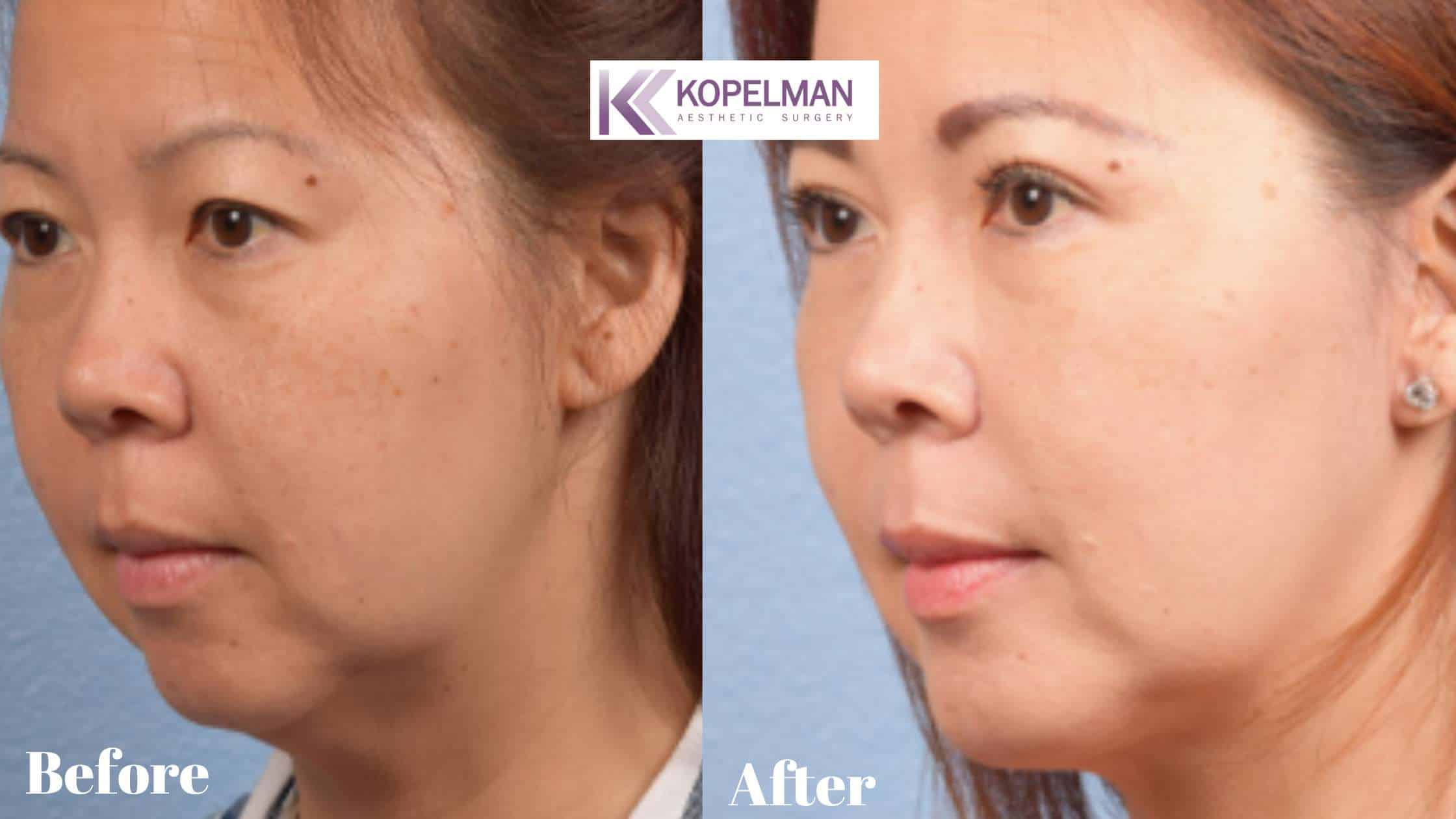
In clinical use, fillers improve contour rather than remove tissue. When placed correctly, they soften the transition between the lower eyelid and cheek, which can also reduce the appearance of fine lines. Results depend on anatomy, skin quality, and fat distribution.
It is essential to understand that dermal fillers do not remove eye bags. They reduce shadowing from volume loss but do not correct excess fat or loose skin. For many patients, improvement is modest rather than dramatic.
Eye Bags vs Under-Eye Hollows
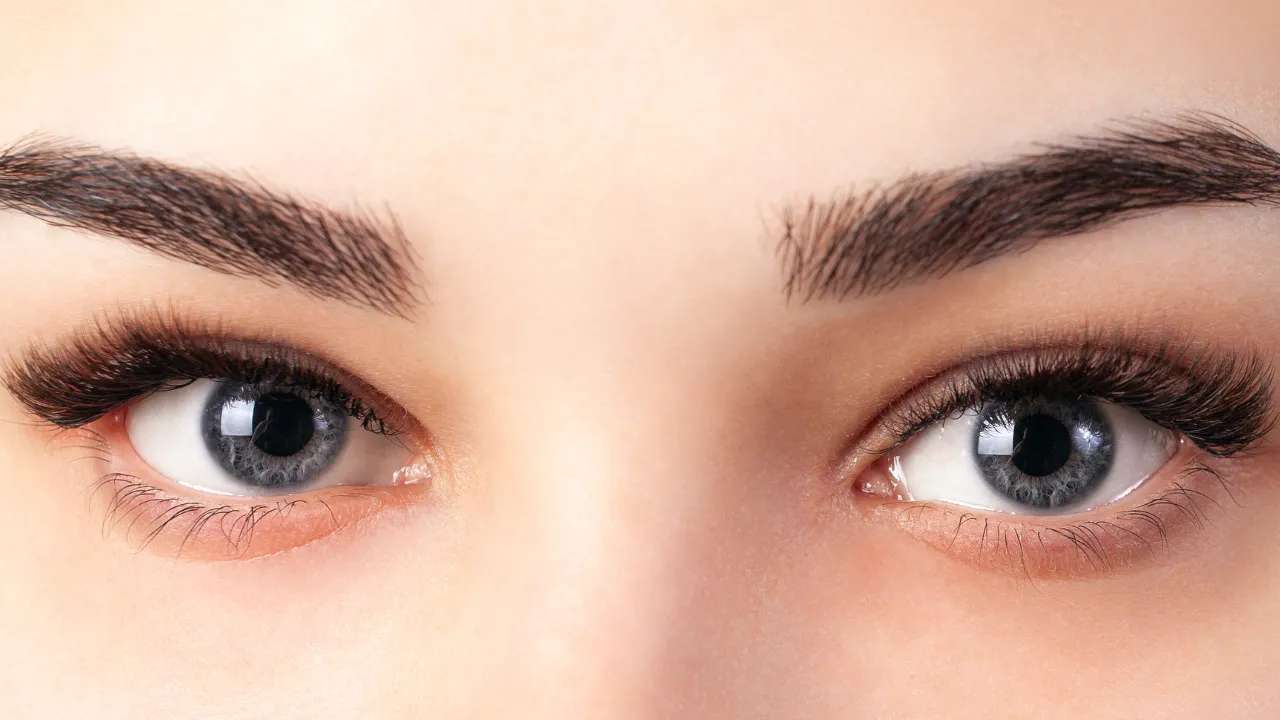
Eye bags often result from the protrusion of fat or skin laxity. Under-eye hollows develop when volume loss creates a recessed area commonly referred to as the tear trough. These concerns can look similar but require different treatment strategies.
Tear trough filler is designed to address hollowness rather than puffiness. When protruding fat is the primary issue, filler may worsen fullness rather than improve contour. Accurate diagnosis guides appropriate use of dermal fillers for under-eye area concerns.
For patients with volume loss rather than puffiness, understanding the best filler for hollow under eyes helps clarify why product choice matters in achieving balanced correction.
Who Is a Good Candidate
Good candidates typically have mild to moderate hollowness with stable skin tone. They should not have significant fluid retention, advanced skin laxity, or prominent fat pads. Medical history and prior cosmetic procedures also affect candidacy.
Under-Eye Filler Procedure Explained
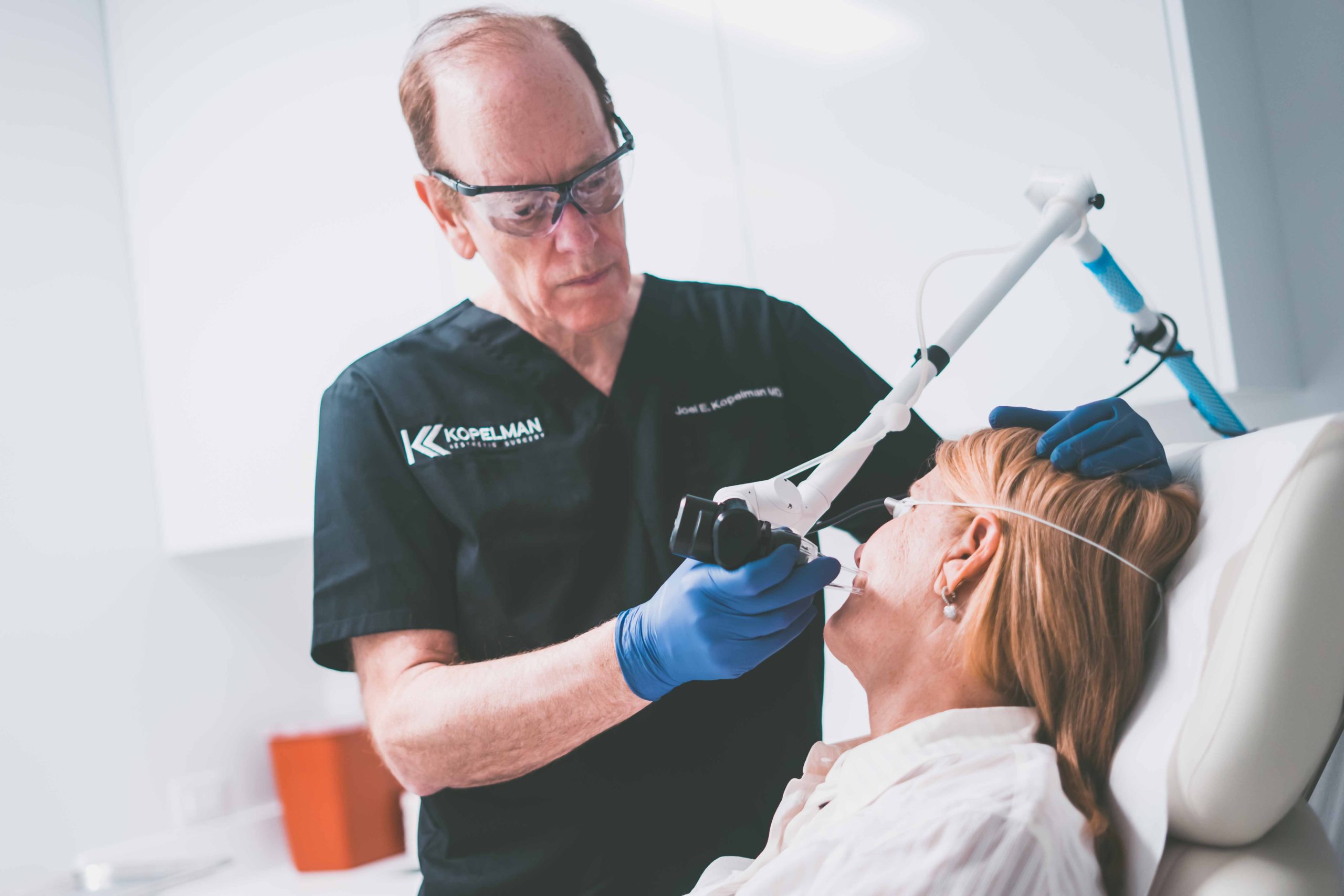
The procedure begins with an assessment of lower eyelid anatomy to identify safe placement zones, depth, and nearby blood vessels. Because the skin under the eyes is thin and delicate, a facial plastic surgeon places small amounts of filler at a controlled depth using a needle or cannula. The injection site is chosen to allow smooth blending while minimizing the risk of swelling, bruising, or vascular complications. The area is then checked to ensure even contour and avoid overcorrection.
How Fillers Treat Volume Loss
Fillers restore lost volume beneath the skin, reducing shadowing that creates a tired appearance. The goal is balance rather than fullness, which supports natural-looking results.
A hyaluronic acid filler is most commonly used for this purpose. These fillers integrate smoothly with tissue and can be adjusted if needed. Injectable fillers for eye bags do not tighten skin or remove fat, so expectations must be realistic.
Results and Longevity
Results from dermal fillers for eye bags vary by anatomy and technique. Improvement is typically subtle and focused on contour rather than complete correction. Patient satisfaction improves when expectations align with what fillers work best to achieve.
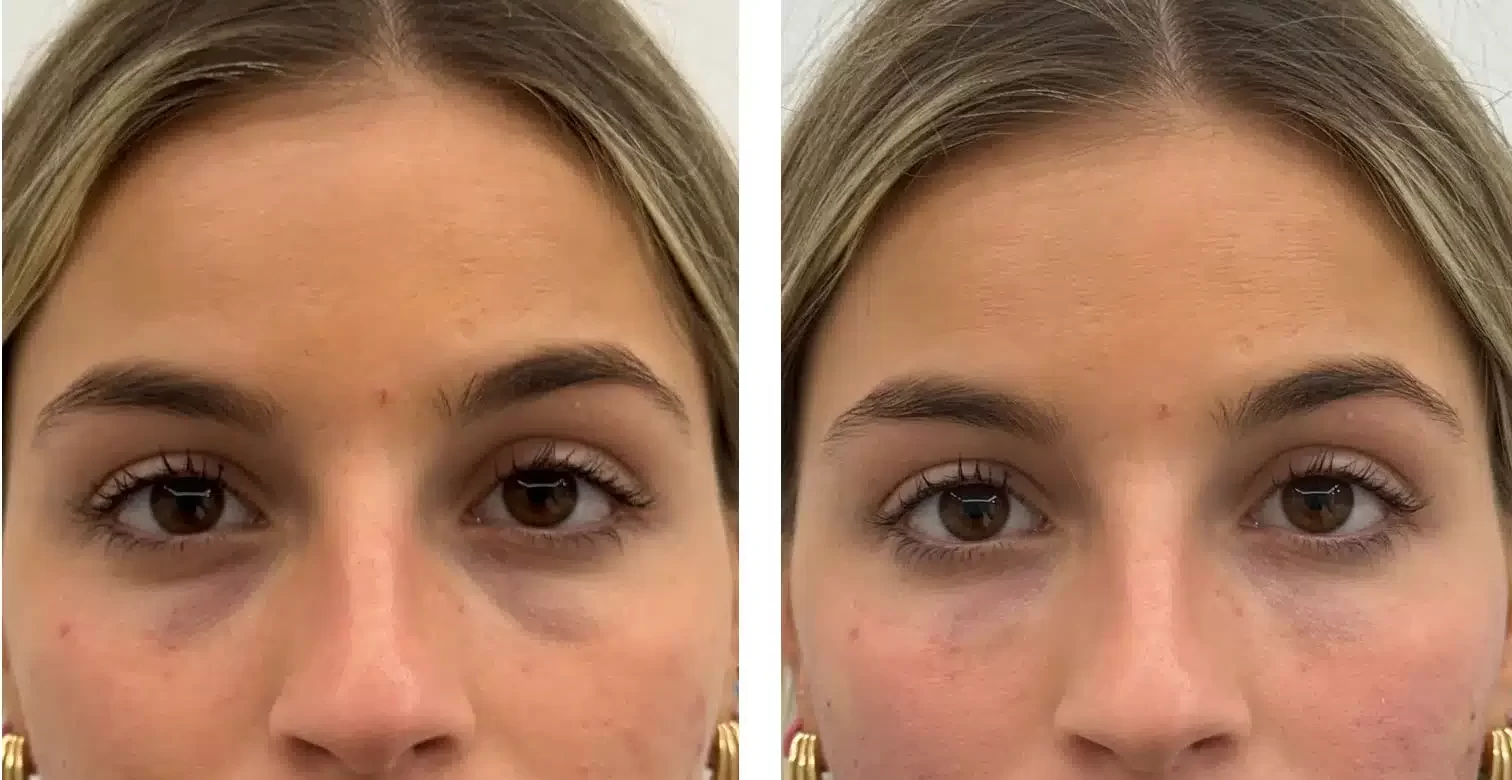
Outcomes can vary even with the same product and approach. Early swelling may exaggerate fullness temporarily. Patience is often needed before the final assessment.
How Long Do Eye Bag Fillers Last?
Longevity commonly ranges from 6 to 12 months. Metabolism, filler type, and injection depth affect duration. Maintenance should be conservative.
Long-term planning reduces the risk of overfilling. Gradual adjustments support safer outcomes over time.
Dermal Fillers for Eye Bags Cost
The cost of dermal fillers for eye bags typically ranges from $600 to $900 per syringe, depending on the product used and the provider’s expertise. Most patients require one syringe for the under-eye area, though some cases may need more for balanced correction.
Pricing also reflects the complexity of treating the skin under the eyes, where precision and experience are critical. Understanding the per-syringe cost helps set realistic expectations when planning treatment.
Under-Eye Fillers Side Effects and Risks
The under-eye area carries a higher risk than many facial regions because the skin is thin and essential blood vessels are nearby. Common side effects include filler swelling, bruising, tenderness, and temporary puffiness at the injection site, which usually resolve within one to two weeks.
Less common risks include prolonged swelling, visible discoloration such as the Tyndall effect, and filler migration. Rare but serious complications can occur if filler affects a blood vessel, potentially affecting skin health or vision. Careful technique and anatomical knowledge are essential to reduce these risks.
Why Under-Eye Fillers Sometimes Fail
Concerns about long-term appearance are common, and questions such as whether fillers ruin your face often arise when fillers are misused or used without proper anatomical assessment.
Failures often result from poor candidate selection or incorrect placement depth. Thin skin leaves little margin for error, especially near the tear trough. Superficial placement can cause visible irregularities.
Misdiagnosis is another common factor. When eye bags result from fat protrusion or chronic swelling, adding volume may worsen the appearance. In these cases, filler does not address the structural issue.
Who Cannot Have Under-Eye Fillers?
Patients with active infections, significant eye disease, or severe eye bags may not be suitable. Prior filler complications also require caution. Safety should guide treatment decisions.
Alternatives to Injectable Fillers for Eye Bags
Injectable fillers are not suitable for all under-eye concerns, especially when eye bags are caused by excess fat, loose skin, or chronic swelling. In these cases, other treatments may address the underlying issue more effectively.
Alternatives include lower eyelid surgery to reposition or remove fat, laser or energy-based treatments to improve skin firmness, and skin-focused therapies for mild discoloration or fine lines. When structural changes are present, plastic surgery may be a more appropriate option than fillers.
Dermal Fillers for Eye Bags Near Me
Choosing a qualified provider is critical for under-eye treatment. Experience directly affects safety and quality of outcomes. Local availability should not outweigh expertise.
Providers with advanced facial training often have a deeper anatomical understanding. Careful selection supports predictable results.
If you are considering treatment for under-eye concerns and want to understand which option fits your anatomy and goals, you can schedule a consultation to review your case in detail. A personalized evaluation enables an informed discussion of risks, limitations, and appropriate next steps tailored to your specific needs.