

You can get dermal fillers in areas like the cheeks, lips, tear troughs, jawline, chin, temples, hands, and nose to restore lost volume and enhance facial contours. Dermal fillers provide rejuvenation without surgery, and at Kopelman Aesthetic Surgery in New York City, Dr. Joel Kopelman tailors each treatment to your natural structure and goals.
Key Takeaways
- Dermal fillers enhance cheeks, lips, tear troughs, chin, temples, hands, and nose using strategic placement, restoring volume and improving facial contours.
- Results appear quickly, refine as swelling settles, and may last 6–24 months depending on the product and movement.
- Healthy patients with realistic expectations respond best, while medical history guides suitability and filler selection.
- Most reactions are mild, but sudden vision change or severe pain requires immediate medical attention.
- Choosing an experienced injector, such as Dr. Kopelman, helps maintain harmony, safety, and long-term, natural results.
Where Can Dermal Fillers Be Used? (Injection Sites)
Dermal fillers smooth lines, add volume, refine shape, and support balance across the face. Most patients begin with one or two dermal filler injection sites, then expand once results settle. The goal is natural enhancement rather than dramatic alteration.
Cheeks
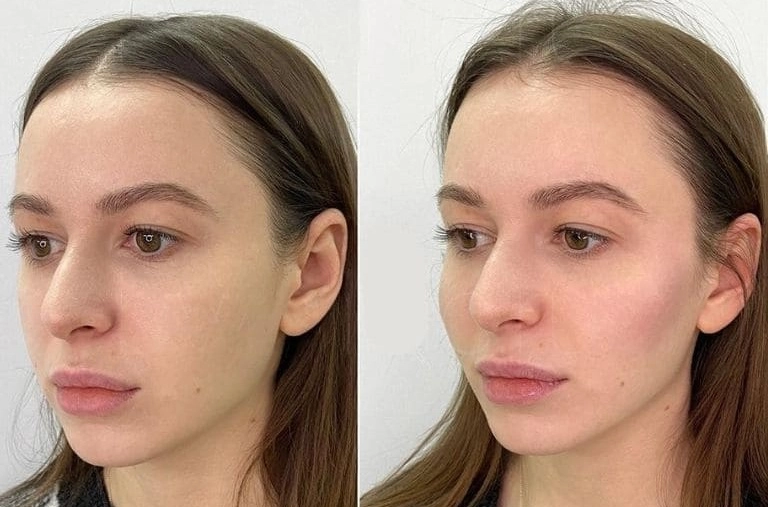
Cheek filler helps lift the mid-face and restore lost volume due to age-related fat redistribution. Small amounts, smooth transitions, and brightening the overall shape. Subtle placement maintains natural structure.
Lips
Lip filler improves hydration, definition, and symmetry. Conservative placement maintains expression rather than exaggeration. Soft shaping helps harmonize smile balance.
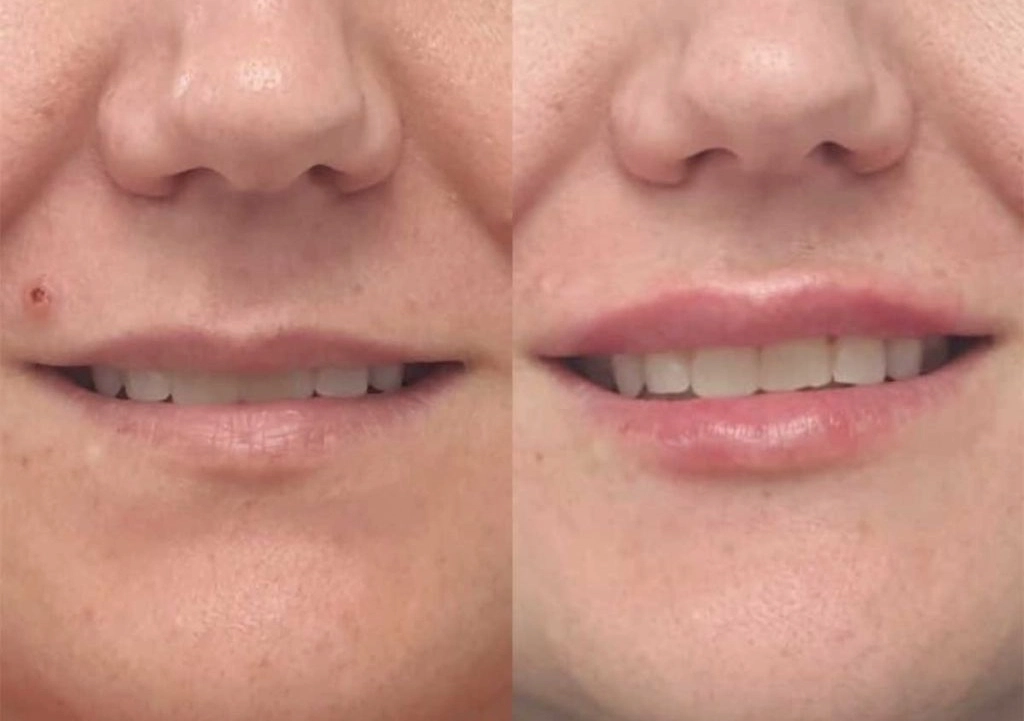
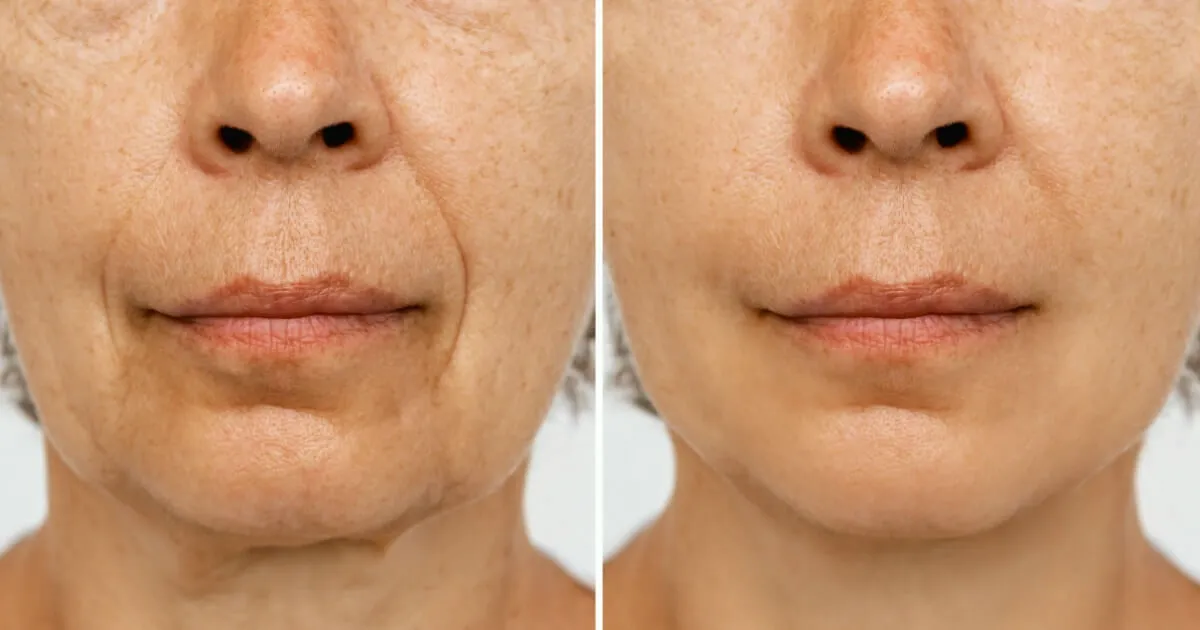
Nasolabial folds & marionette lines
Deepening folds develop due to reduced collagen and volume changes. Filler reduces creasing, smooths smile lines, and softens the transition of the lower face. Minor enhancements offer noticeable refinement. This guide provides more detail on filler for jowls and marionette lines.
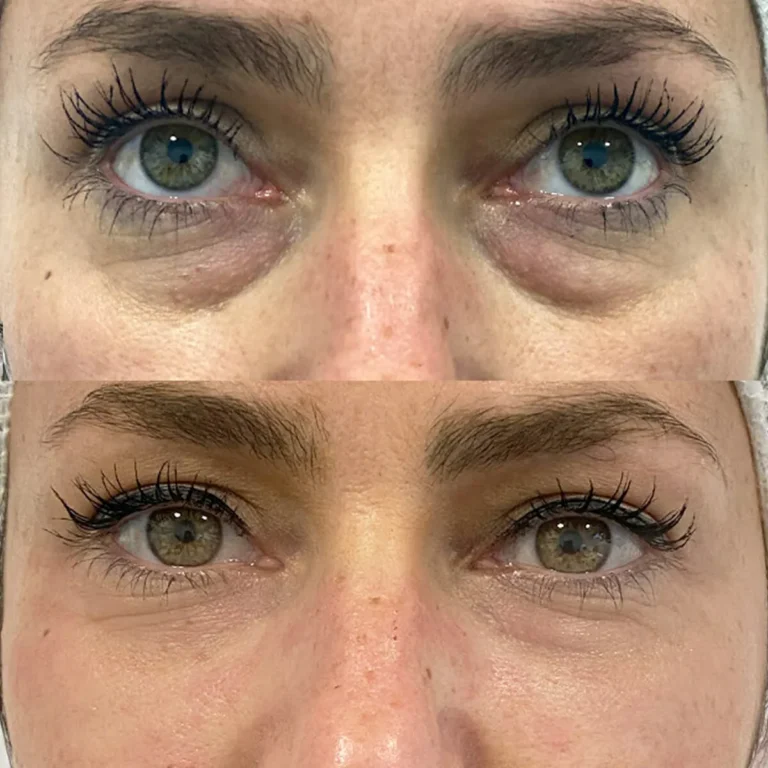
Under-eye area (tear troughs)
Filler brightens hollowing and reduces shadowing beneath the eyes. Precision matters due to the delicate tissue in this zone. Correct placement improves light distribution and smoothness.
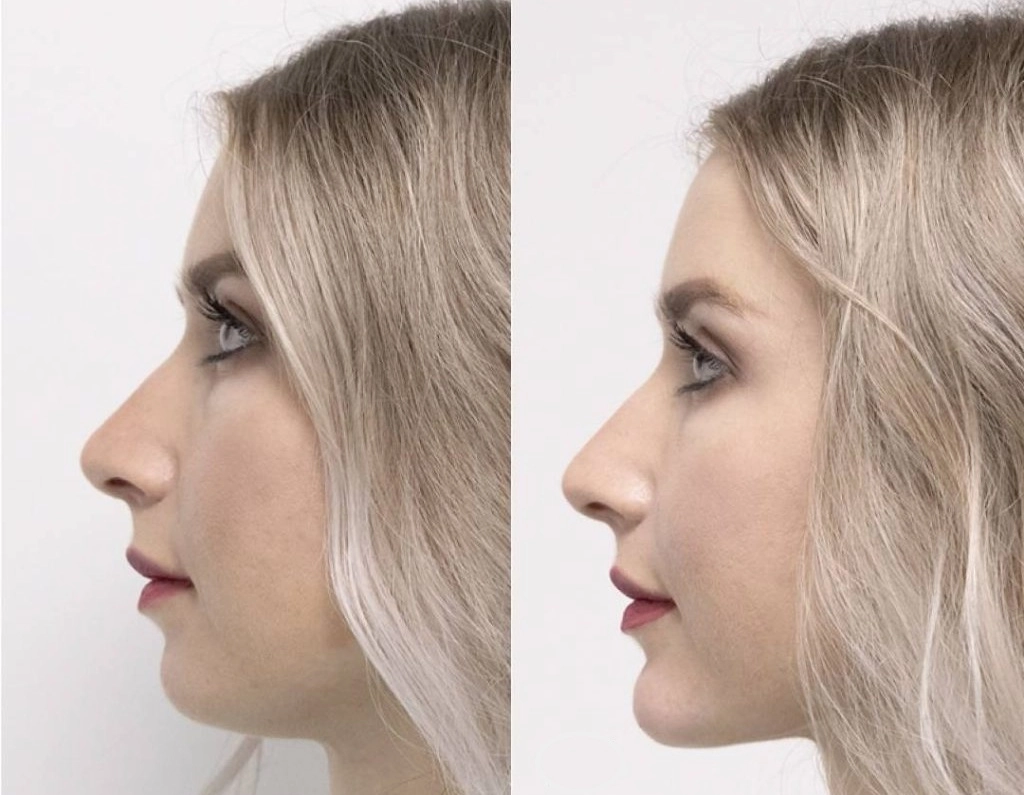
Jawline & chin
Jaw and chin enhancement strengthens structure and improves proportion. These areas add volume and help define the lower face angles. Anatomical variation determines product range.
Hands & neck
Fillers soften visible veins in the hands and refine skin texture. The neck benefits through improved density and reduced crease visibility. Placement aligns with aging progression.
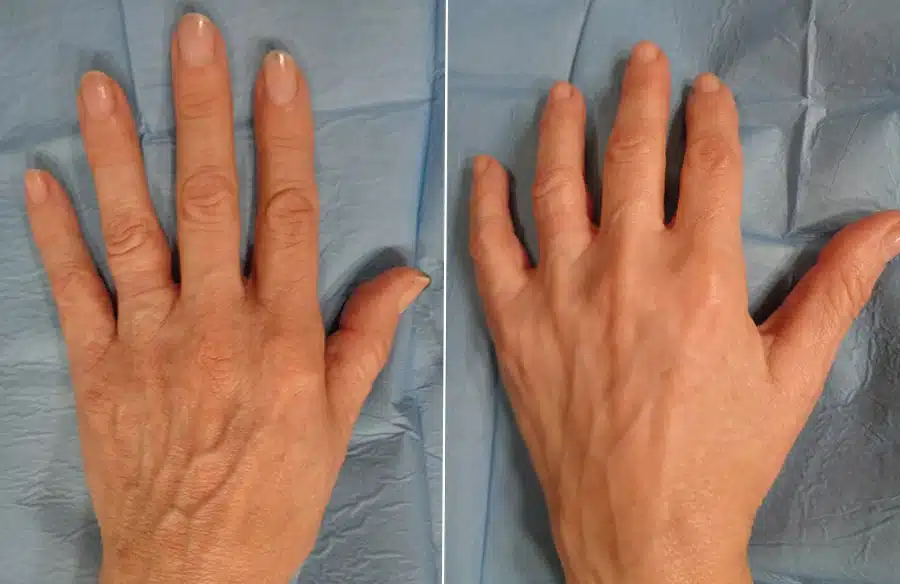
Where do people usually get fillers?
The most common dermal filler injection sites are the lips, cheeks, and nasolabial folds. These areas refresh expression quickly with subtle improvement. Patients often add areas gradually after initial treatment success.
Best places to get filler to look younger
Cheeks and under-eye tear troughs brighten expression noticeably. Chin and jawline also improve lift and structure. Result selection depends on the overall structure and priorities.
Temple and Nose Filler Use Cases
Temple fillers restore upper-face balance by smoothing hollowing. Nose filler reshapes minor irregularities and profile without surgery. Both placements need high anatomical awareness.
Expected Results & Aesthetic Outcomes
Fillers work by adding structural support beneath the skin to smooth lines and rejuvenate shadowed areas. The focus is natural movement, not rigidity. Results refresh expression while maintaining identity.
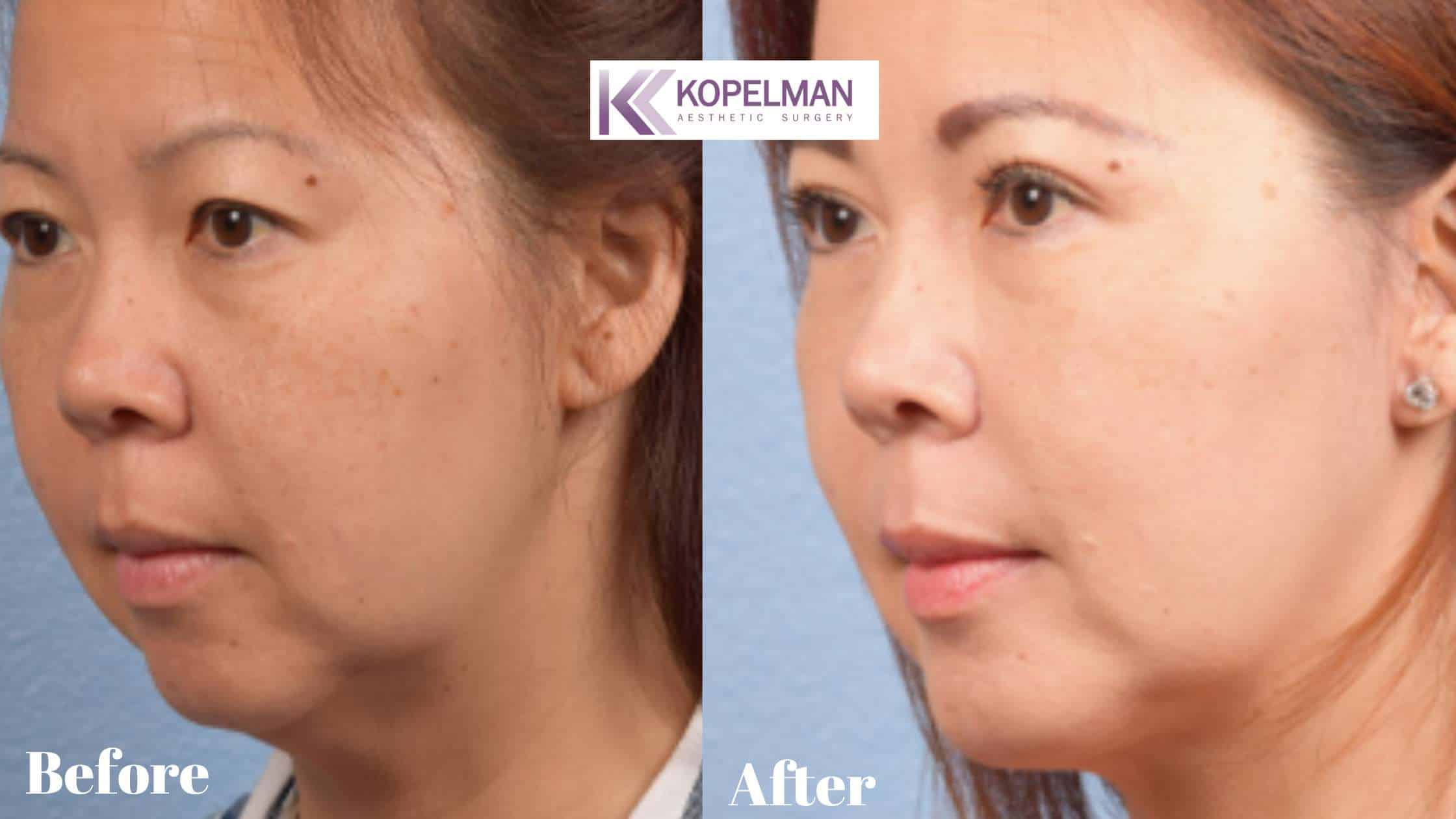
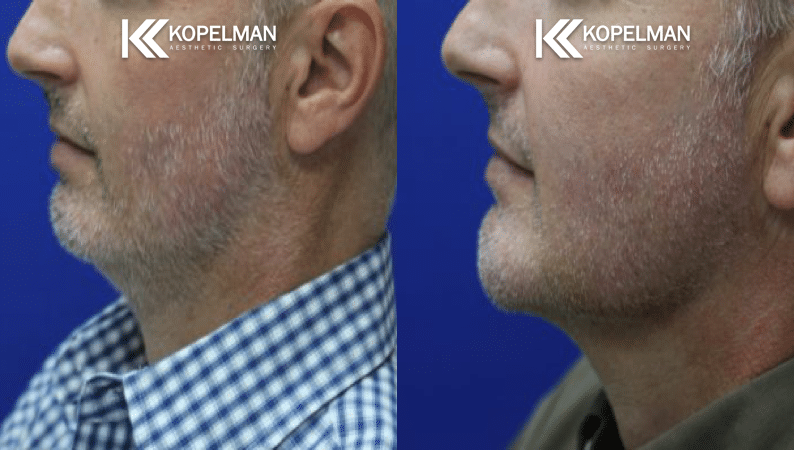
Dermal fillers before and after
Before-and-after images help visualize the outcome with varied facial contours. Cosmetic procedures highlight subtle lift and refinement rather than dramatic change. Results blend into the existing bone structure.
Safety, Risks & Suitability
Dermal fillers are considered safe when performed by trained injectors. Consultation evaluates tissue condition, movement, and product type. Suitability depends on medical history.
Where should you not inject fillers?
High-vascular and thin-skin regions require caution. Incorrect placement risks uneven texture and changes in skin tone. Professional training reduces complication risk.
Do fillers ruin your face?
When applied correctly, filler supports soft tissue gently without damaging facial features. Overfilling or poor technique may distort the contour. Experienced injectors avoid unnatural buildup. Fillers do not harm the face when placed correctly; further details on this topic are covered in this Do Fillers Ruin Your Face? guide.
Who is a good candidate?
Healthy adults seeking subtle improvement respond best. Realistic goals support positive outcomes. Evaluation ensures tailored treatment planning.
Side Effects, Complications & When to Seek Medical Help
Mild swelling, tenderness, or redness is normal after treatment. A cold compress reduces early bruising. Most side effects resolve quickly. Sudden pain, fever, pale skin, or vision disturbance requires urgent care. These may indicate infection or blocked vessels. Prompt attention protects long-term results.
Mild swelling, tenderness, or redness is normal after treatment, and this resource explains typical filler swelling patterns and duration in more detail.
Finding a Provider Near You
Injector experience determines safety, natural finish, and long-term satisfaction. Review medical credentials, treatment photos, and clinic hygiene standards. Technique consistency signals quality.
Board-certified providers understand the depth of placement and anatomical variation. Experience improves symmetry and natural finish. Reviews help validate trust.
Qualifications & training to look for
Knowledge of facial structure reduces risk and enhances outcome. Consultation comfort builds patient confidence. Ask for case examples in your target region.
Dermal Filler Products & Types
There are multiple types of dermal fillers suited to different zones and mobility needs. Hyaluronic acid filler is the most common for a flexible, reversible outcome. Collagen-stimulating fillers increase firmness by gradually stimulating collagen production.
There are multiple types of dermal fillers suited to different goals, and the most popular fillers section explains which products are requested most often.
Hyaluronic acid vs collagen-stimulating fillers
Hyaluronic acid HA integrates softly and moves with expression. Collagen-stimulating formulas support internal lifting over time. Choice depends on the desired balance between softness and structure. This breakdown of the difference between filler and hyaluronic acid further clarifies how each behaves beneath the skin.
Best filler type for each area
Softer filler textures suit lips and tear troughs. Firmer gels sculpt cheeks, chin, and jawline for precise definition. Hands and neck often prefer smooth-blend products. Many patients compare options in the best facial fillers guide before choosing.
How Long Different Fillers Usually Last
HA fillers typically last 6–12 months, while structured formulas may last closer to 18 months or more. Longevity varies with metabolism and movement. Routine touch-ups maintain contour.
How Much Filler You May Need Per Treatment Area
General guidelines include:
- Lips: 0.5–1 syringe
- Cheeks: 1–2 syringes
- Tear troughs: 0.5–1 syringe
- Chin/Jawline: 1–3 syringes
Who Should Avoid Dermal Fillers
Those pregnant, with infection, or autoimmune conditions may postpone treatment. Dental work may temporarily delay scheduling. Safety screening is essential.
Cost, Insurance & Financial Planning
Cost depends on product type, volume, and area treated. Many begin conservatively and build through maintenance. A gradual approach maintains shape and smoothness.
How much do dermal fillers typically cost?
Dermal fillers usually cost $1,200 to $1,500 per syringe, depending on the area treated and the product used. Cheeks and jawline often require more syringes than lips or tear troughs, which can increase the overall price. A consultation provides a more precise estimate based on your goals and facial structure
Will insurance pay for dermal fillers?
These are considered cosmetic procedures and are rarely covered by insurance. Patients should expect out-of-pocket payment. Some clinics offer financing.
How to Prepare Before Your Appointment
Avoid aspirin and high-dose vitamin E unless medically necessary. Hydrate and attend with clean skin for sterile injection prep. Gentle scheduling prevents swelling disruption.
Eat light and allow time for initial settling. Book ahead of events to permit refinement. Share health history for safe planning.
Aftercare, Longevity & Maintenance
Mild swelling fades fast after treatment. Cold compress supports comfort. Avoid heavy movement briefly post-procedure.
Expected recovery & care steps
Most resume activity occurs within hours. Aftercare instruction improves smooth settling. Results refine noticeably across several days.
How long do fillers last?
The duration ranges from 6 to 24 months, depending on the movement and product. High-motion areas fade sooner. Maintenance visits restore shape gradually.
Where does filler go when it dissolves?
Hyaluronic acid degrades through natural enzymes. It fades gradually for controlled retreatment. Ongoing touch-ups maintain a refreshed balance.
Dermal fillers restore lost volume, support refined facial contours, and smooth aging patterns through targeted dermal filler injections. Kopelman Aesthetic Surgery prioritizes soft expression, balance, and long-term treatment planning. When performed skillfully, dermal fillers brighten features, enhance harmony, and rejuvenate the face with minimal downtime.
You can schedule a consultation at Kopelman Aesthetic Surgery to explore treatment options tailored to your goals and natural facial balance.