
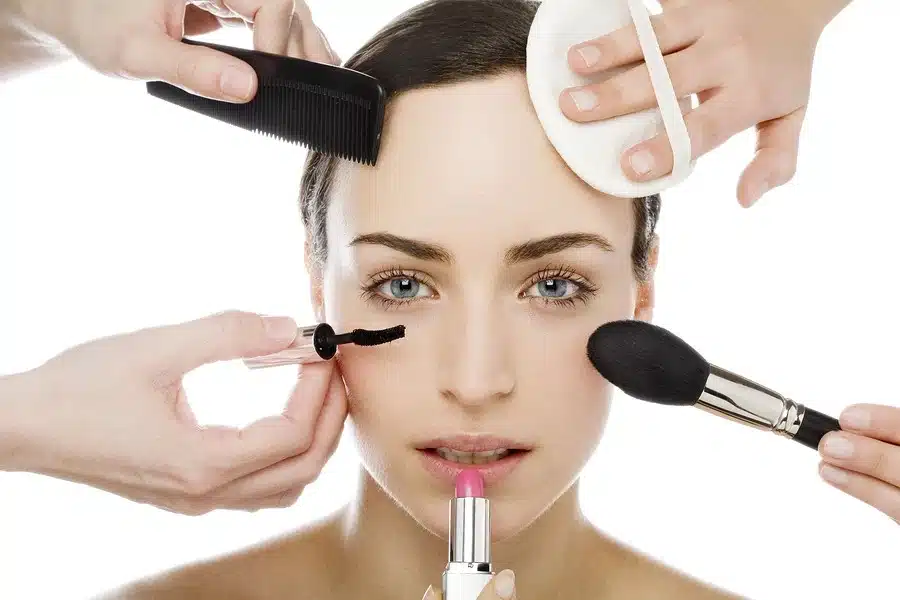
This guide explains when makeup may be safe to use again, which products to avoid, and how to protect your results after dermal filler treatment.
Key Takeaways
- Most patients can apply makeup 24 hours after filler treatment to protect the skin and lower the chance of irritation.
- Waiting helps the injection points close, reduces infection risk, and allows the filler to settle naturally.
- Gentle application, clean tools, and lightweight formulas offer the safest return to makeup.
- Bruising, swelling, or warmth are normal side effects, but worsening symptoms mean you should wait longer.
- Contacting your provider is safest if discomfort or redness does not improve.
When You Can Safely Wear Makeup
Do:
- Wait at least 24 hours.
- Keep the area clean.
- Use soft pressure and avoid putting pressure on the skin.
Don’t:
- Rub or press the area.
- Use unwashed brushes.
- Avoid applying makeup too early.
These simple steps protect the skin while the filler settles. Clean tools reduce bacteria exposure, and gentle application limits friction. Most patients can resume a basic routine the next day.
After treatment, you may notice small bumps or redness. These mild side effects fade within hours. Paying attention to early signs helps you know when the skin is ready for makeup. Most people return comfortably after one day.
How long after filler can you wear makeup
The recommended wait is at least 24 hours. This pause keeps the skin clean while hyaluronic acid fillers integrate beneath the surface. Avoiding early makeup supports even results and lowers irritation. Light application the next day is safe.
Makeup After Different Treatments
Can I put makeup after filler and Botox?
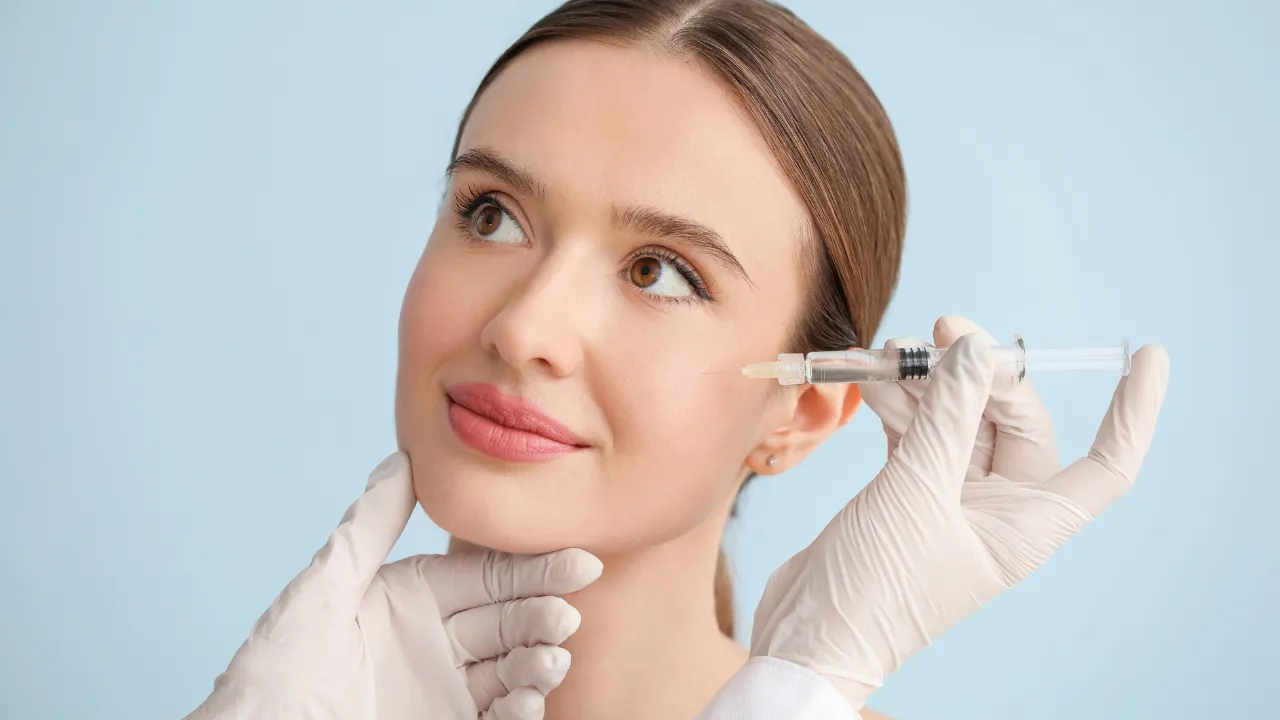
If you received filler and Botox together, both treatments involve tiny entry points. Waiting 24 hours helps prevent irritation. A gentle makeup routine the next day is typically safe. Clean tools remain important.
Can I put makeup over the filler safely?
Makeup is safe once the skin has settled. Use tapping motions or soft brushes to avoid pressure. Lightweight formulas blend smoothly and minimize friction. This helps preserve the results of your dermal filler treatment.
Why You Should Wait Before Applying Makeup
Waiting allows injection sites to close and reduces irritation risk. Clean skin also helps the filler settle evenly beneath the surface. These early habits play a role in final results. Gentle care supports the healing process and helps reduce the risk of complications.
Patients who are considering future treatments often ask about the best facial fillers and how timing affects overall results.
Healing of injection points
Small openings from the needle need time to close. Avoid rubbing or pressing the skin too soon. Mild swelling often improves within a day. Simple after-care supports recovery. If you are curious about how different products behave during early healing, this explanation of the difference between filler and hyaluronic acid may be helpful.
Infection and irritation risks
Putting makeup on too early can introduce bacteria. Waiting 24 hours keeps the area clean. Redness often settles as the skin heals. Allowing the surface to rest is safest.
How to Apply Makeup Safely
Choose light formulas to minimize friction. Mineral powders, sheer foundations, and soft concealers work well. Avoid waterproof or long-wear formulas early because they require more removal effort. A simple routine supports recovery.
This guidance applies whether your treatment involved hyaluronic acid products or other most popular fillers commonly used for facial enhancement.
Gentle techniques and clean tools
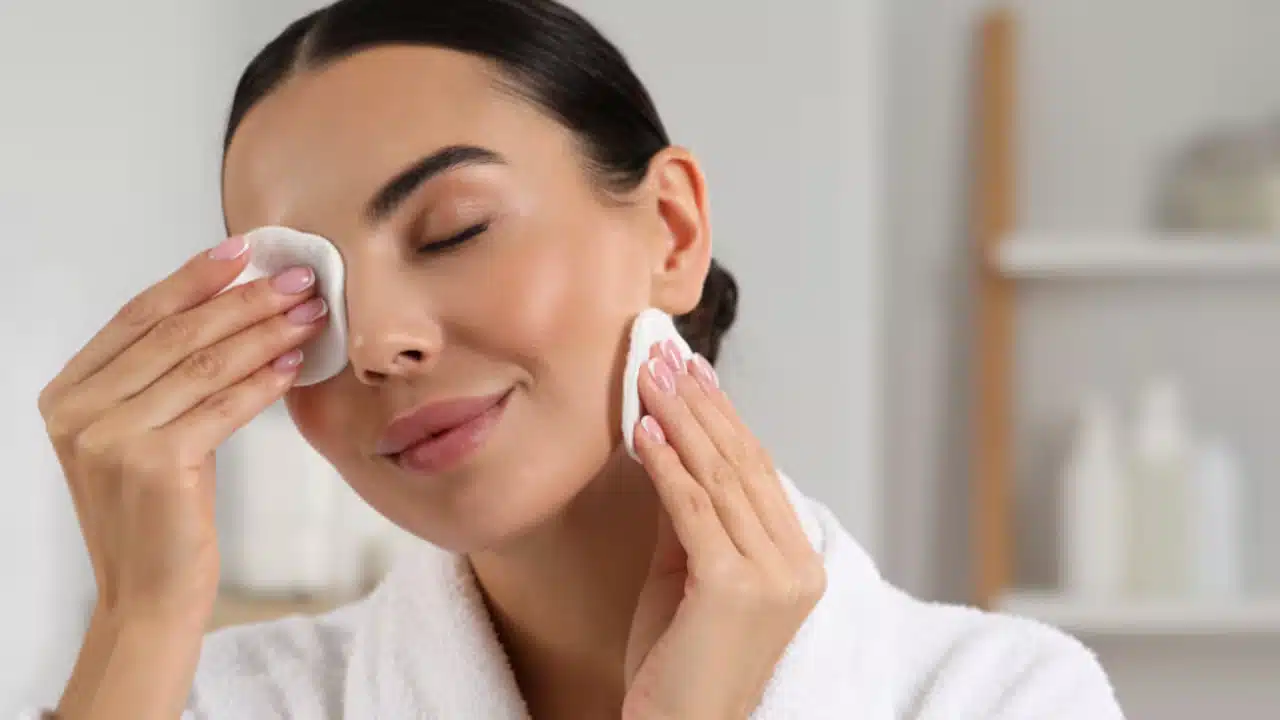
Clean brushes or fingertips help reduce irritation. Tapping motions keep pressure off treated areas. Avoid dragging products along the skin. These steps make application more comfortable.
Best makeup to use after fillers
Choose non-irritating, lightweight products. Avoid harsh or scented formulas. Soft textures are easier on sensitive skin. These choices support smoother healing.
Managing Bruising, Sensitivity, and Delays
If swelling or heat increases, wait longer before applying makeup. These signs show the skin needs more time. Taking a break prevents additional irritation. Most mild reactions resolve quickly.
How to cover bruising after filler
Use a gentle concealer with light tapping motions. Avoid rubbing bruised areas. Light coverage works well as swelling settles. This keeps irritation low.
Signs you should delay makeup longer
Heat, unusual swelling, or pain mean you should pause makeup use. Waiting prevents discomfort. These symptoms often improve with rest. Contact your provider if they persist.
After-Care Tips for Better Results
Cool compresses, sunscreen, and remembering to stay hydrated help recovery. Providers often recommend you drink plenty of water so the skin feels more comfortable. Avoid heat exposure, intense workouts, and alcohol consumption during the first day. Protecting the area from UV rays also supports smoother results.
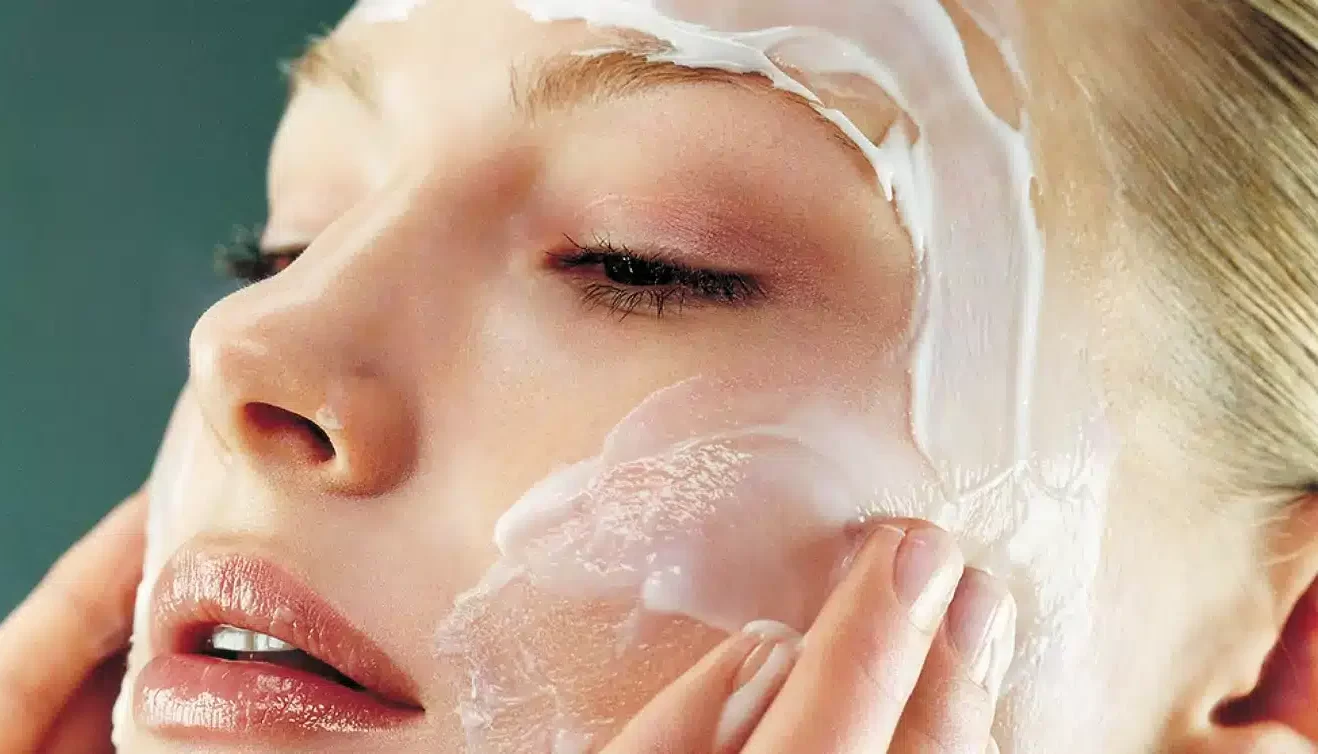
Why provider guidance ensures safe recovery
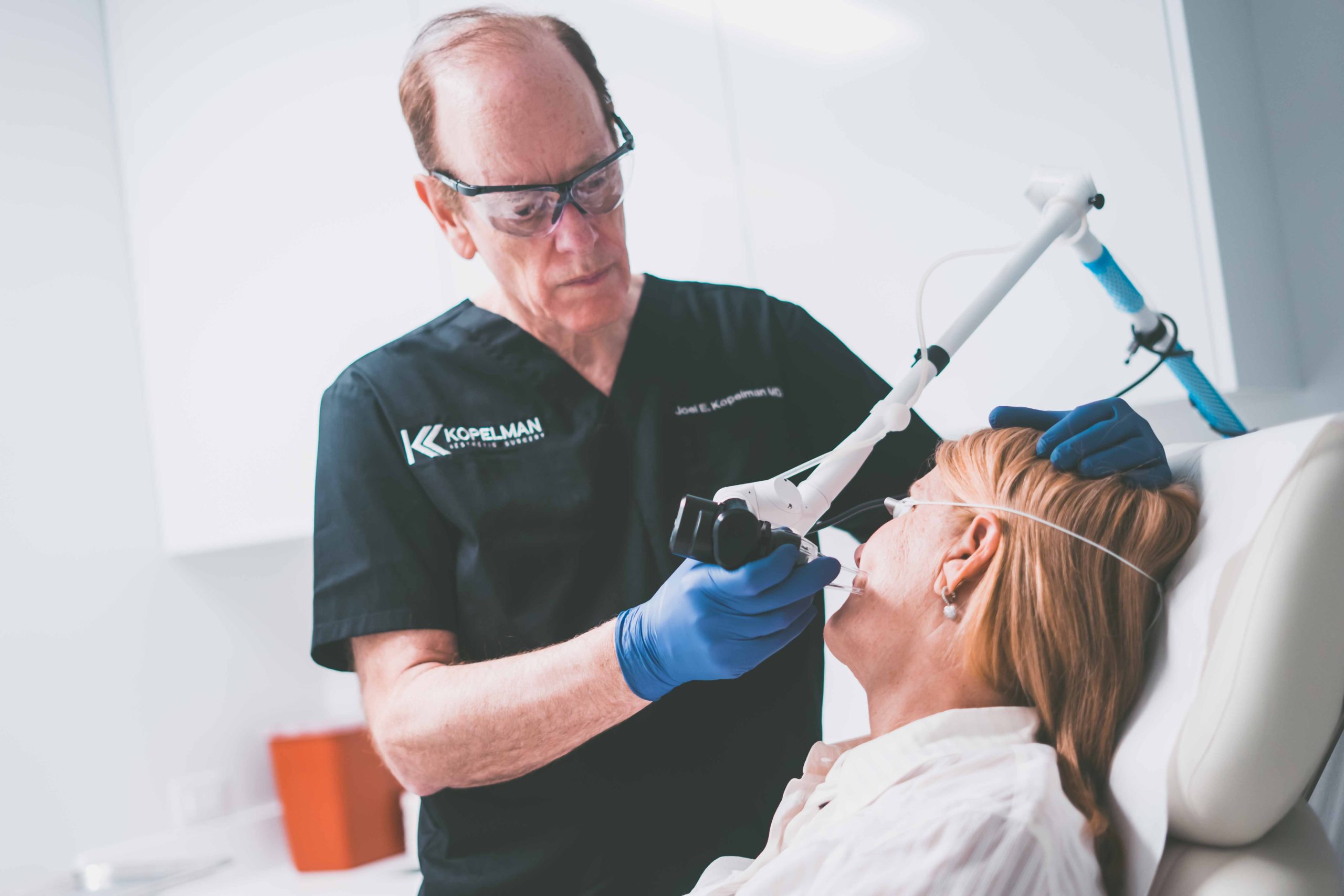
Professional follow-up helps you return to your routine confidently. Dr. Kopelman focuses on patient safety and clear instructions. Asking questions supports long-term comfort and trust. This guidance helps maintain reliable results. If you have questions about fillers or want guidance tailored to your goals, you can schedule a consultation with Dr. Kopelman for expert, personalized care.