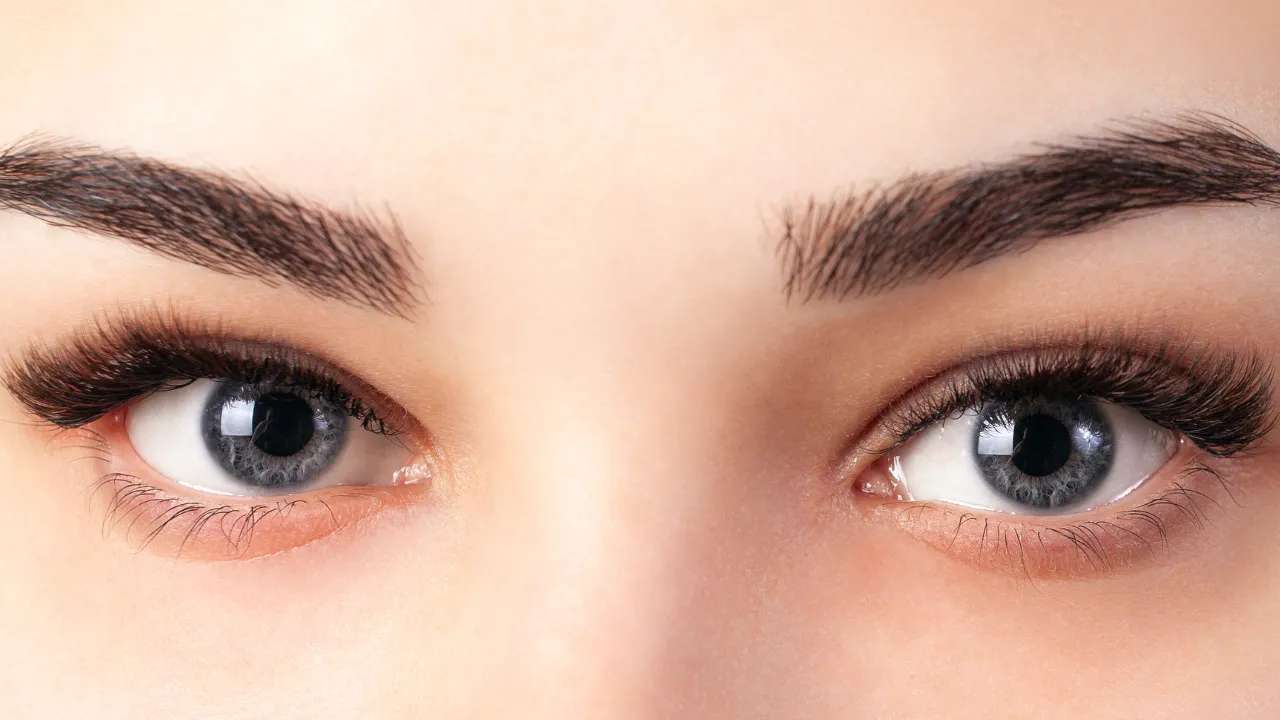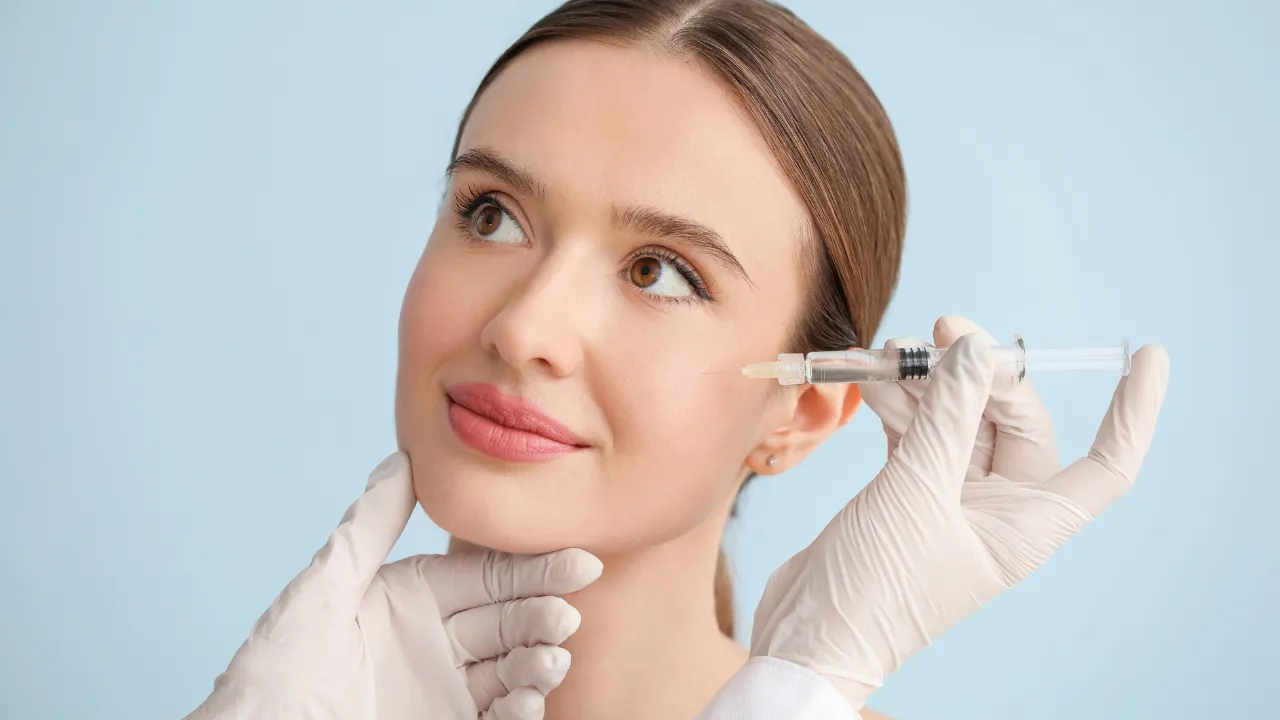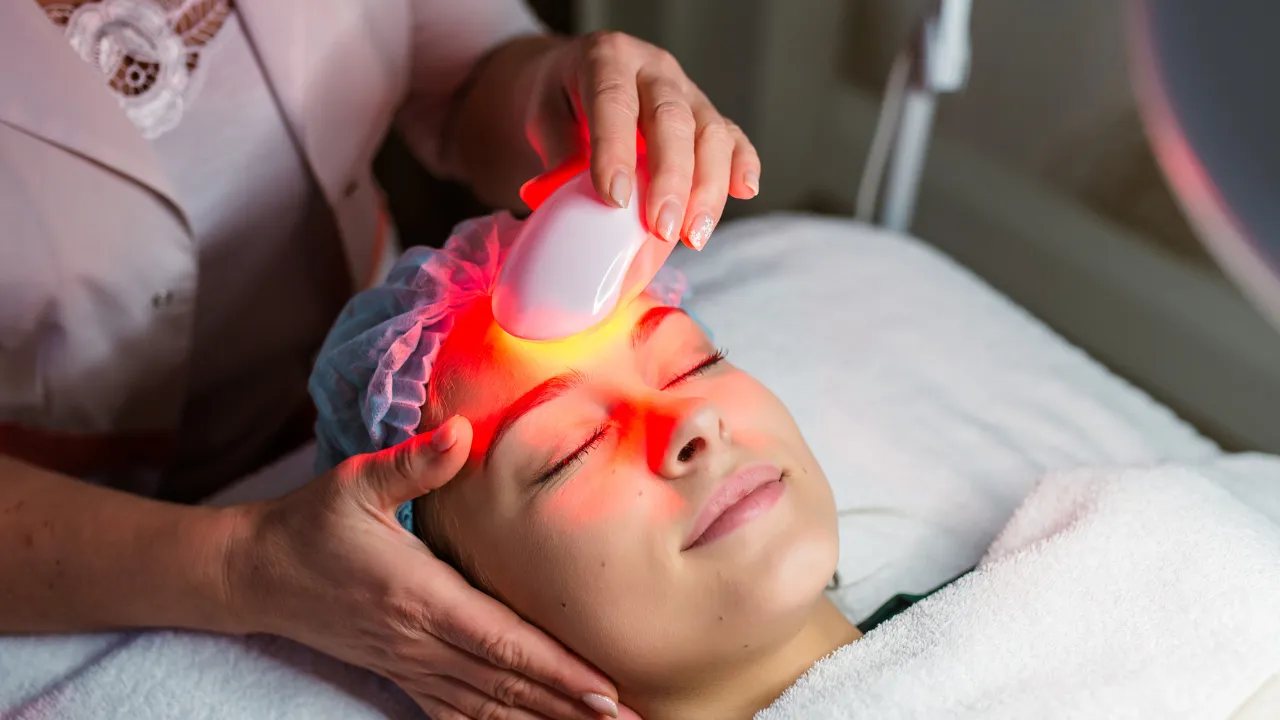

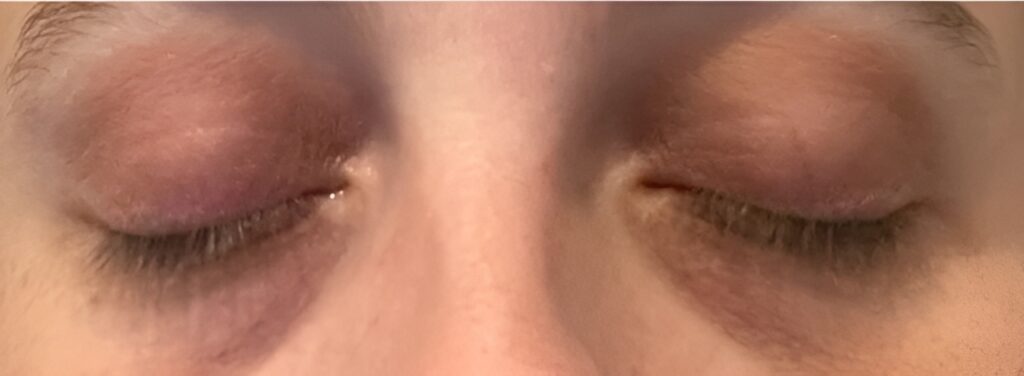
At Kopelman Aesthetic Surgery, Dr. Joel Kopelman explains the causes of dark eyelids and shares effective, safe ways to treat them.
Key Takeaways
- Brown eyelids and under-eye discoloration are often caused by hyperpigmentation, vascular changes, thyroid conditions, certain medications, or nutritional deficiencies.
- Dermatologists classify periorbital darkening into four types: pigmented (brown), vascular (blue, pink, or purple), structural (skin-colored shadowing), and mixed.
- Treatment options include topical depigmenting agents, chemical peels, intense pulsed light therapy, and laser therapy, each tailored to the underlying cause.
- Preventive steps such as daily sun protection, proper sleep, and hydration can help reduce the appearance of dark circles and maintain healthier-looking skin around the eyes.
- Sudden dark spots or changes on the eyelids may signal serious conditions and should be evaluated promptly by a medical professional.
Why Are My Eyelids Dark? 9 Causes of Dark Eyelids
If you have noticed brownish or darkened skin on your upper or lower lids, you are not alone. Dark eyelids can be caused by a range of factors, from everyday lifestyle habits to underlying medical conditions. Below are nine of the most common reasons this discoloration develops.
1. Hyperpigmentation From Excess Melanin
One of the most common answers to “why are my eyelids dark” is periorbital hyperpigmentation. This occurs when melanocytes, the cells responsible for skin color, produce too much melanin in the thin skin surrounding the eyes. Sun damage, aging, and chronic inflammation often worsen the problem.
A study published in the Journal of Clinical and Aesthetic Dermatology found that hyperpigmentation is the leading cause of periorbital dark circles across all skin types (Journal of Clinical and Aesthetic Dermatology, 2016).
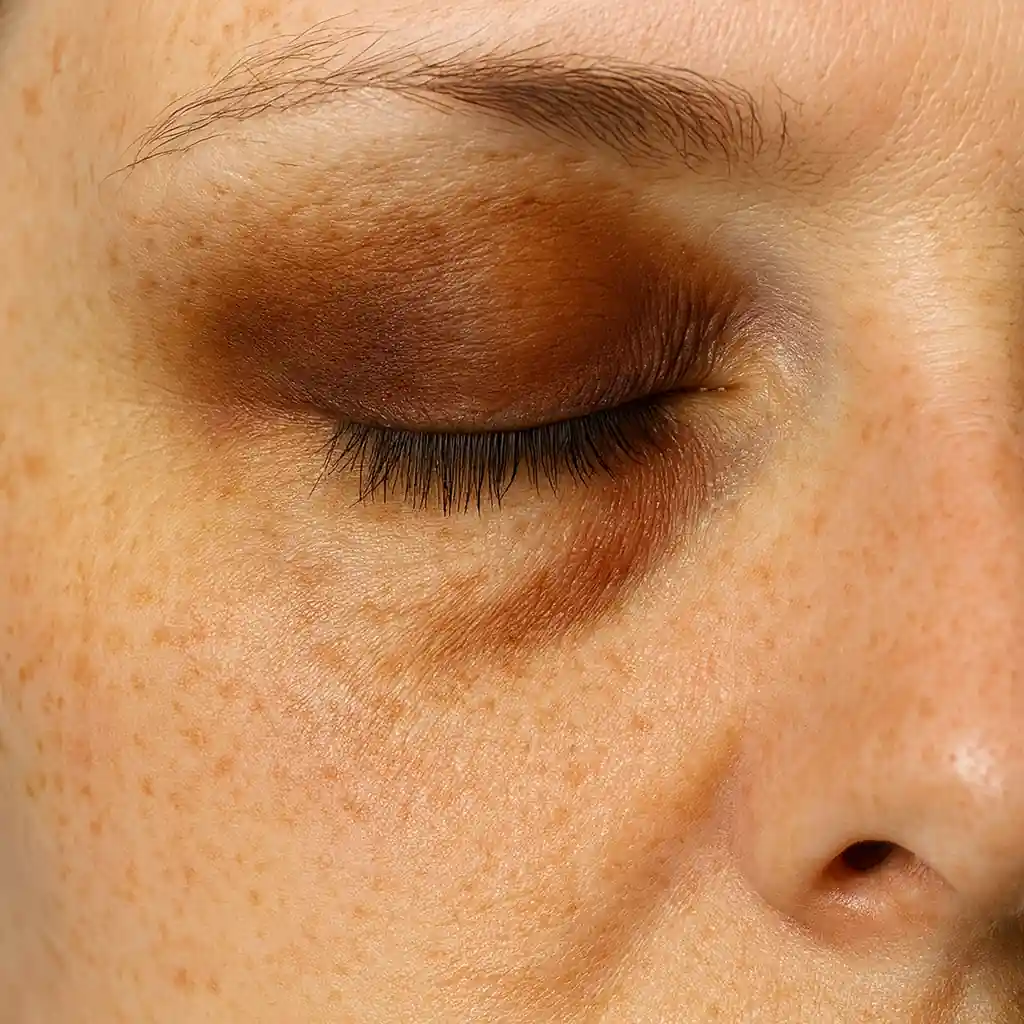
2. Genetics and Family History
Research suggests that our genes play a significant role in periorbital darkening. Some people notice darkened eyelids during childhood that deepen further with age. Family history often predicts who will develop this concern, and individuals with darker skin tones may be more susceptible because of higher baseline melanin levels.
Interestingly, researchers have observed that stress tends to worsen hereditary dark eyelids, while rest and good overall health can reduce their visibility (JCAD periorbital study).
3. Inflammation and Allergic Reactions
Chronic eczema, seasonal allergies, and repeated rubbing or scratching of the eye area can trigger post-inflammatory hyperpigmentation. When the skin around the eyes is irritated over long periods, melanocytes respond by producing excess pigment. Fluid buildup from allergic reactions can also contribute to discoloration and puffiness that makes eyelid darkening look more pronounced.
4. Pregnancy and Hormonal Changes
Hormonal shifts during pregnancy can cause melasma, a form of hyperpigmentation that produces brown or gray-brown patches on the face. When these patches appear on the eyelids, the result is noticeably darker skin around the eyes.
Melasma may also develop with oral contraceptive use or hormone replacement therapy. The patches often fade after delivery, but in some cases they can persist for years. Wearing sunscreen and a wide-brimmed hat during pregnancy can help prevent melasma from worsening (American College of Obstetricians and Gynecologists).
5. Dermal Melanocytosis
In dermal melanocytosis, melanocytes are located deeper within the dermis rather than the surface epidermis. This produces gray or blue-gray patches on the eyelids that differ from the brown tones of typical hyperpigmentation.
Dermal melanocytosis can be congenital (present from birth) or acquired through sun exposure, hormonal changes, or chronic skin inflammation. Treatment often requires professional care because the deeper pigment does not respond well to surface-level topical products.
6. Increased Vascularity and Thin Skin
As we age, the skin around the eyes becomes thinner and loses fat and collagen. This makes the underlying blood vessels more visible, producing a blue, purple, or reddish hue that darkens the periorbital area. Some people notice this worsens during menstruation or with poor circulation.
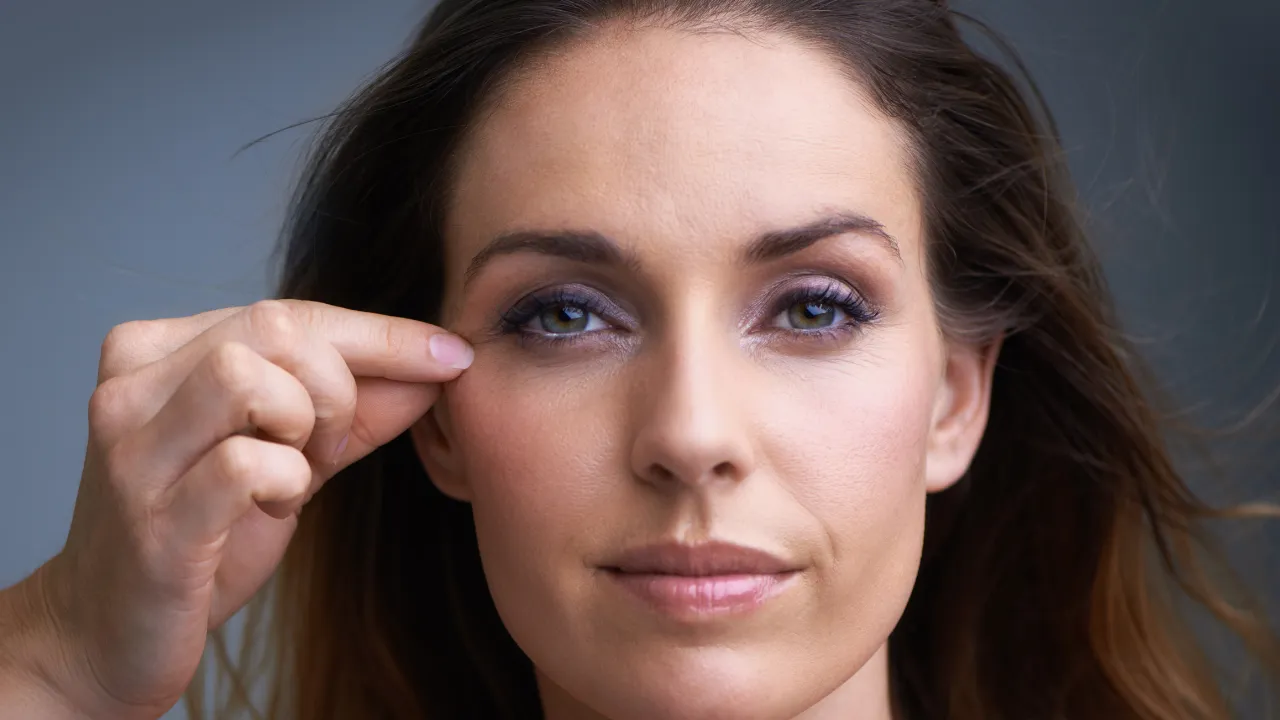
Doctors can confirm vascular-related darkening by gently stretching the skin. If the discoloration does not fade when stretched, increased vascularity is likely the cause rather than pigment deposits. Tear troughs, the hollows beneath the eyes near the nose, deepen with age and create shadows that make dark circles appear worse. Correcting tear troughs can help reduce the appearance of dark circles and improve overall eye aesthetics.
7. Nutritional Deficiencies
If you have wondered what deficiency causes dark eyelids, iron and vitamin B12 are the most common culprits. Both nutrients are essential for healthy blood cell production and oxygen transport. When levels drop, the skin can take on a pale, sallow, or darkened appearance, and the thin eyelid skin shows this change more readily than other areas.
A simple blood test can confirm whether a nutritional deficiency is contributing to eyelid discoloration. In many cases, correcting the deficiency through diet or supplementation leads to visible improvement.
8. Medication-Induced Darkening
Certain medications can cause periorbital hyperpigmentation as a side effect. Prostaglandin analogs used for glaucoma treatment, including latanoprost (Xalatan) and bimatoprost (Lumigan), can darken eyelid skin after approximately three to six months of use. Studies have shown that when patients discontinue bimatoprost, the darkening can fade completely over time (JCAD periorbital study).
Other medication classes linked to skin pigmentation changes include tetracycline antibiotics, antimalarial drugs, chemotherapy agents, and heavy metals (Springer Drug Safety review, 2024). If you suspect a medication is affecting your eyelid color, speak with your prescribing doctor before making any changes.
9. Environmental and Lifestyle Factors
Ultraviolet radiation is a well-documented trigger for periorbital darkening. Beyond sun exposure, several lifestyle factors can worsen dark eyelids or make them more noticeable:
- Inadequate sleep or poor sleep quality
- Chronic stress
- Smoking
- Excessive alcohol consumption
- High-sodium diets that increase fluid retention and under-eye puffiness
People whose eyelid discoloration appears worse in the morning or after a salty meal are likely experiencing swelling-related darkening that improves over the course of the day.
Understanding the Four Types of Periorbital Darkening
Dermatologists classify dark circles and eyelid discoloration into four categories based on their appearance and underlying cause. Knowing your type helps determine the most effective treatment approach.
- Pigmented (brown): Caused by excess melanin production. Most common in individuals with darker skin tones and those with sun damage or hormonal changes.
- Vascular (blue, pink, or purple): Caused by visible blood vessels beneath thin skin. Often related to aging, genetics, fatigue, or poor circulation.
- Structural (skin-colored): Caused by anatomical features such as deep tear troughs, under-eye hollows, or fat loss that create shadows. The skin itself is not discolored; the darkening comes from contour and light.
- Mixed: A combination of two or more of the above types, which is the most common presentation. Mixed-type darkening often requires a multi-pronged treatment approach.
How Doctors Diagnose Brown Eyelids
Dr. Kopelman performs a thorough evaluation of the skin around the eyes, looking for pigmentation patterns, vascular changes, and structural concerns such as tear troughs and volume loss. A skin stretch test can help distinguish between pigmented and vascular causes: if the dark color persists when the skin is gently pulled taut, hyperpigmentation is likely the cause.
In some cases, a Wood’s lamp examination can reveal whether melanin deposits are epidermal (surface-level) or dermal (deeper), which directly affects treatment selection. Blood work may also be recommended to check for iron or B12 deficiency, thyroid dysfunction, or other systemic contributors.
Dark Eyelids Meaning: Cosmetic Concern or Health Signal?
Most eyelid discoloration is harmless, often related to chronic rubbing, inadequate sleep, or allergies. However, pain, swelling, or vision changes require prompt medical attention, as these could indicate a more serious condition.
Treating Dark Upper Eyelids and Under-Eye Discoloration
Topical Treatments and Depigmenting Agents
Topical products are often the first-line treatment for dark, pigmented eyelids. Commonly recommended ingredients include:
- Hydroquinone inhibits the enzyme tyrosinase, blocking the conversion of dopa to melanin in skin cells.
- Tretinoin (topical retinoid) accelerates cell turnover and helps existing pigment shed more quickly.
- Kojic acid is a gentler alternative that works through a similar melanin-blocking pathway.
- Azelaic acid reduces melanin production while also calming inflammation.
- Topical vitamin C promotes collagen production and helps conceal the color of poorly circulating blood in surface vessels.
These agents typically require consistent use for two to three months before producing a noticeable lightening effect. Because the periorbital area is sensitive, stronger formulations should be used under the guidance of a dermatologist or oculoplastic surgeon.
Natural Remedies for Mild Discoloration
For mild cases, several natural approaches can help:
- Cold compresses reduce puffiness and temporarily brighten the under-eye area.
- Arbutin, a plant-based compound found in bearberry, cranberry, and blueberry leaves, acts similarly to hydroquinone at lower concentrations. However, high doses of arbutin can paradoxically worsen pigmentation, so careful dosing is important.
- Topical vitamin C serums offer antioxidant protection and gradual brightening.
While home remedies may reduce mild discoloration, professional treatments produce more reliable, longer-lasting improvements. If you are interested in non-surgical options, explore the natural eyelid lift methods offered by Dr. Kopelman to improve both lift and tone without surgery.
Advanced Options: Peels, Lasers, and Fillers
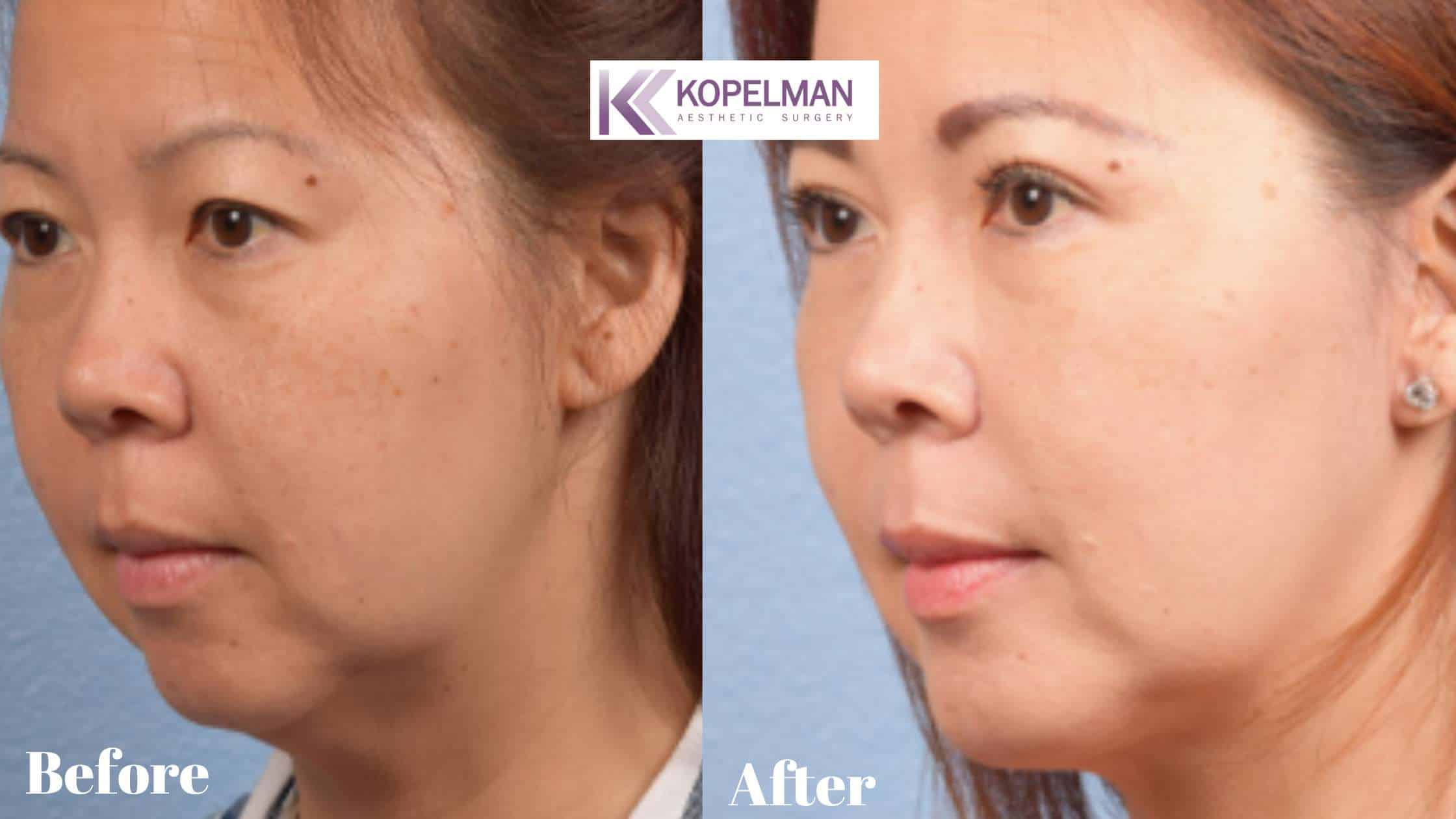
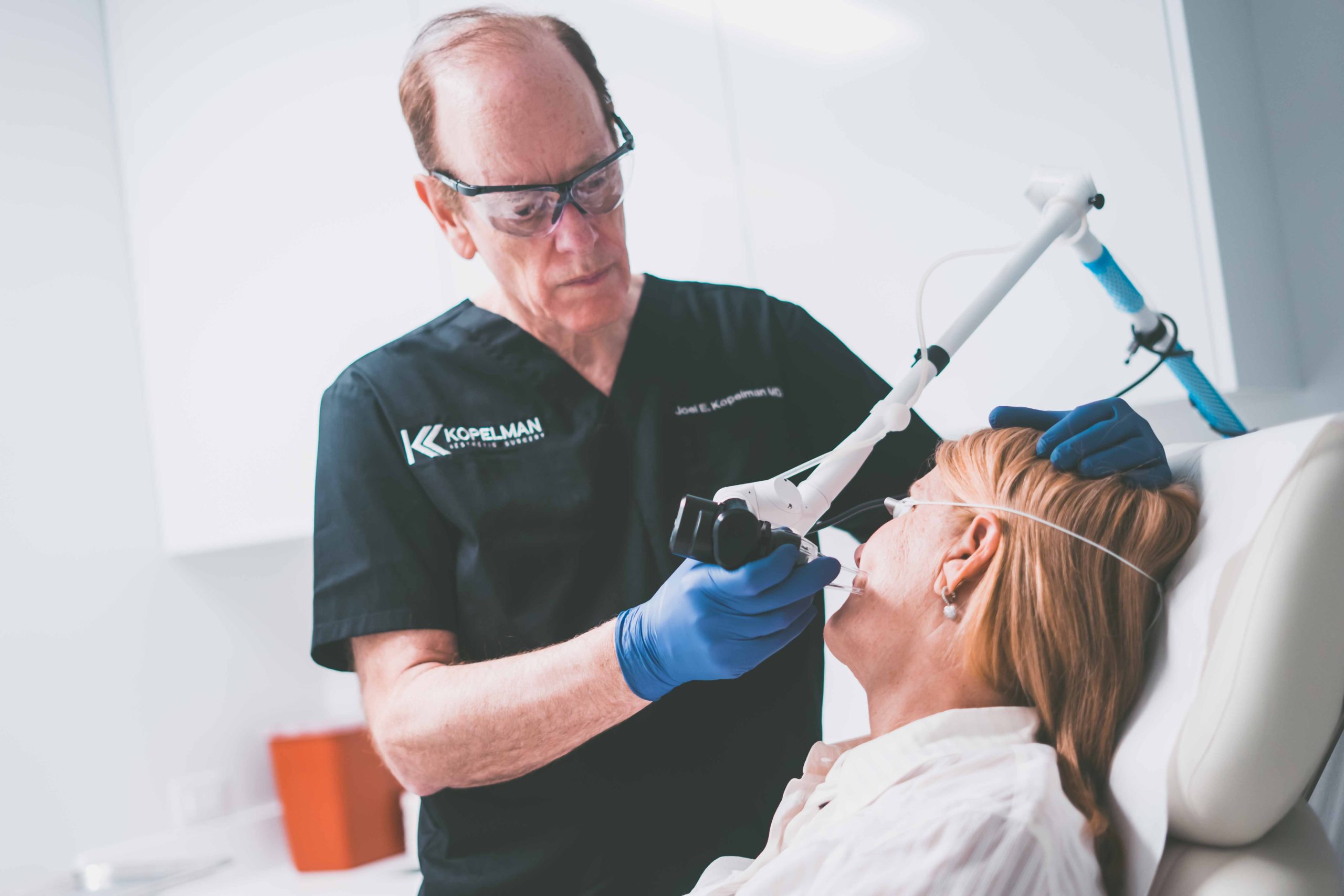
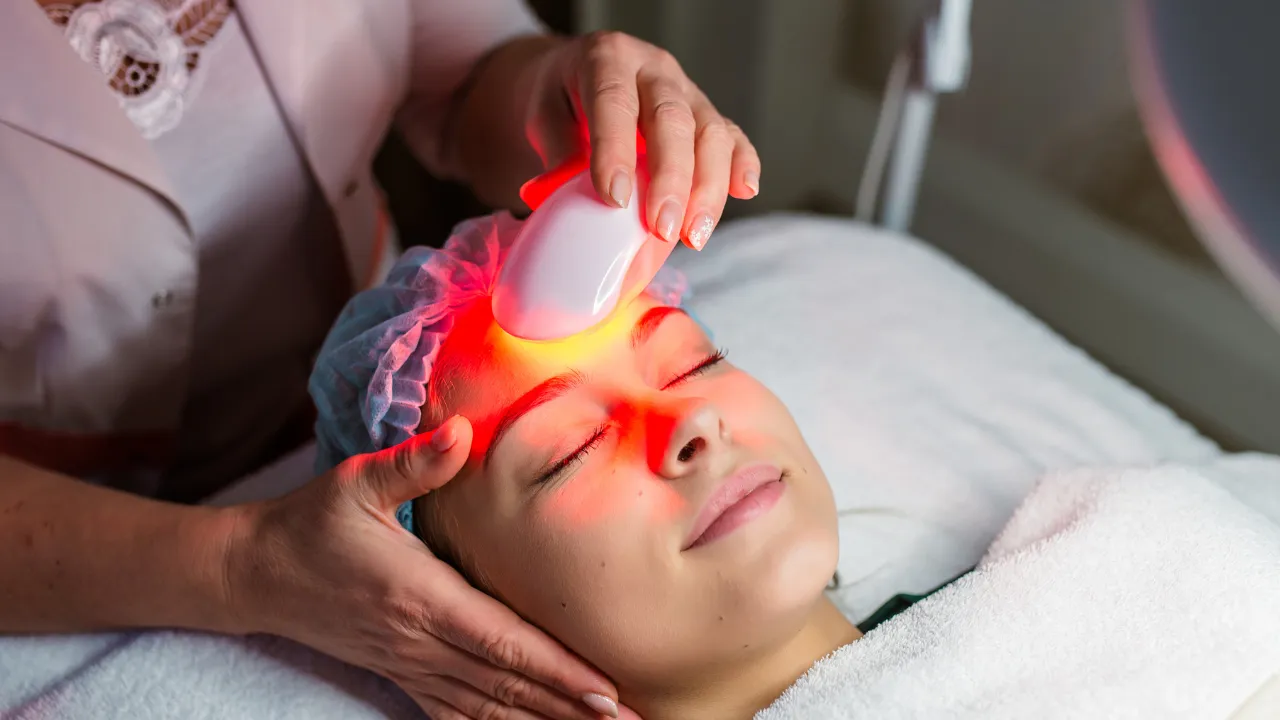
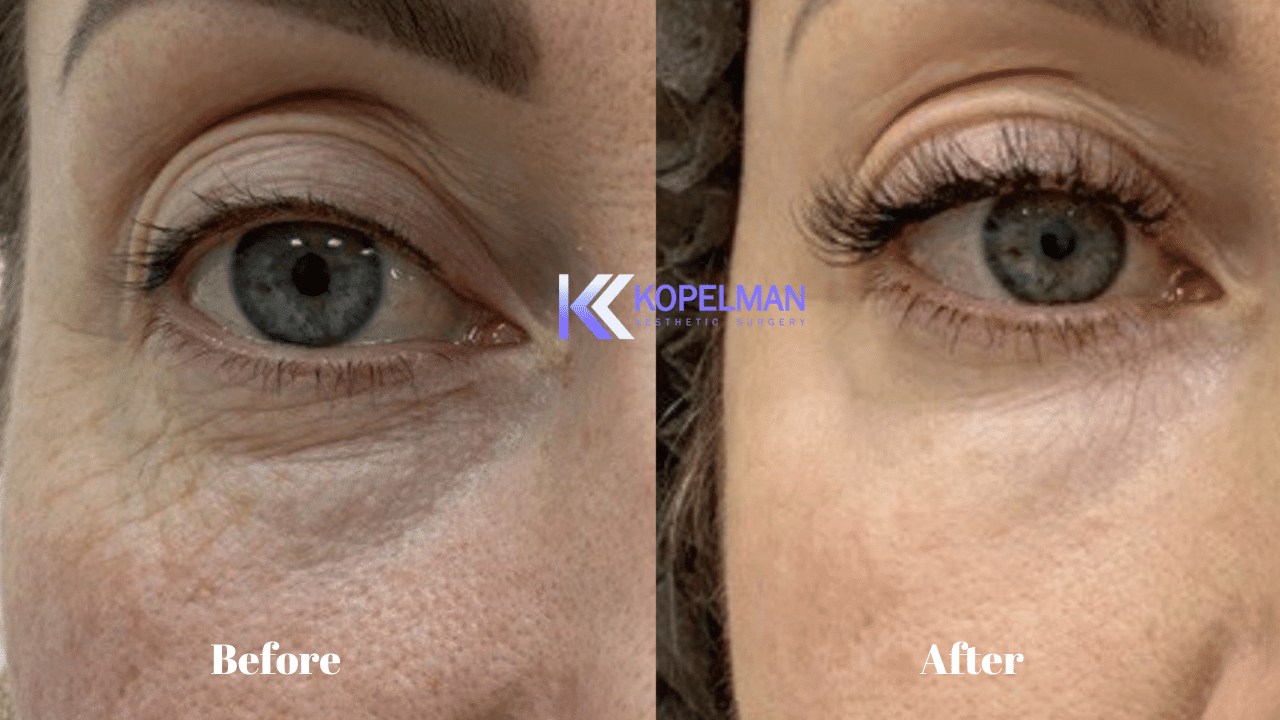
At Kopelman Aesthetic Surgery, chemical peels and intense pulsed light (IPL) therapy target deeper pigmentation and help reduce inflammation. Another powerful tool is the CO2 laser eyelids treatment, which can improve fine lines, texture, and pigmentation simultaneously.
Laser therapy can also improve skin tone and reduce the appearance of dark circles under the eyes.
What to Expect From Professional Treatments
Chemical peels typically require several sessions spaced a few weeks apart, with mild flaking and redness during recovery. Laser and IPL treatments may require fewer visits but can involve temporary redness or swelling that lasts several days. The best results come from matching the treatment to the type of darkening. For example, vascular-type dark circles respond better to laser and IPL, while pigmented-type darkening often responds better to peels and topical agents.
Dr. Kopelman provides detailed aftercare instructions and a personalized treatment plan based on the specific cause and classification of each patient’s eyelid discoloration.
Quick Tips to Prevent Dark Eyelids
- Use a mineral-based sunscreen daily, including on the eyelids and under-eye area.
- Sleep seven to nine hours each night to allow the skin to recover.
- Stay hydrated and limit high-sodium foods to reduce fluid retention.
- Avoid rubbing or pulling at the eye area, especially during allergy season.
- Eat a balanced diet rich in iron, vitamin B12, and vitamin C to support skin health.
- Elevate your head slightly during sleep if darkening appears worse in the morning.
These steps help prevent further pigmentation and keep the skin around your eyes looking bright.