Blepharoplasty in NYC
with Personalized Surgical Planning
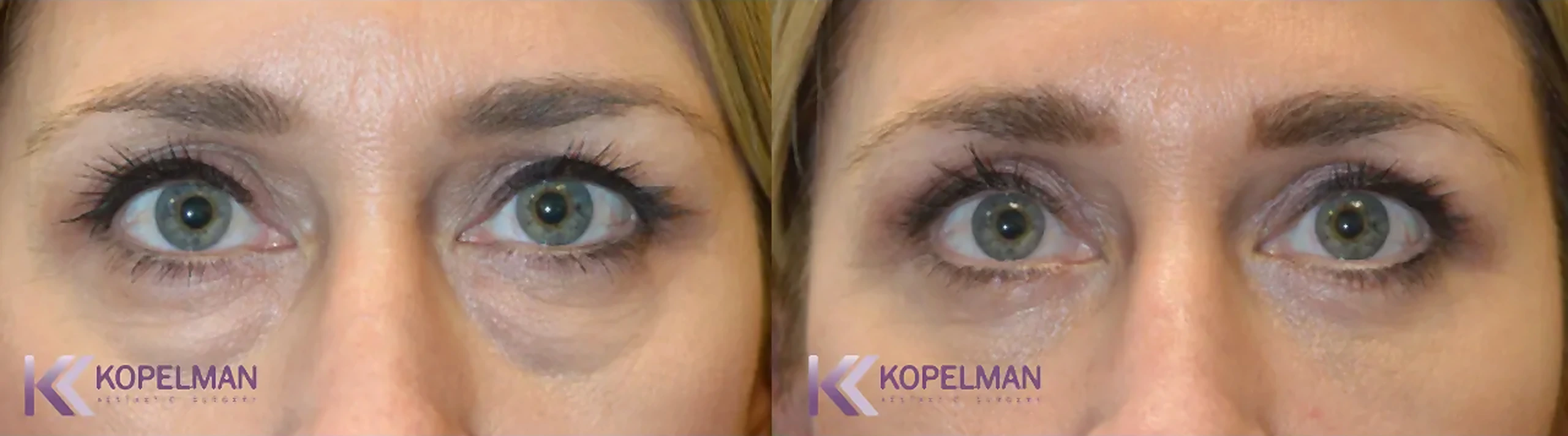
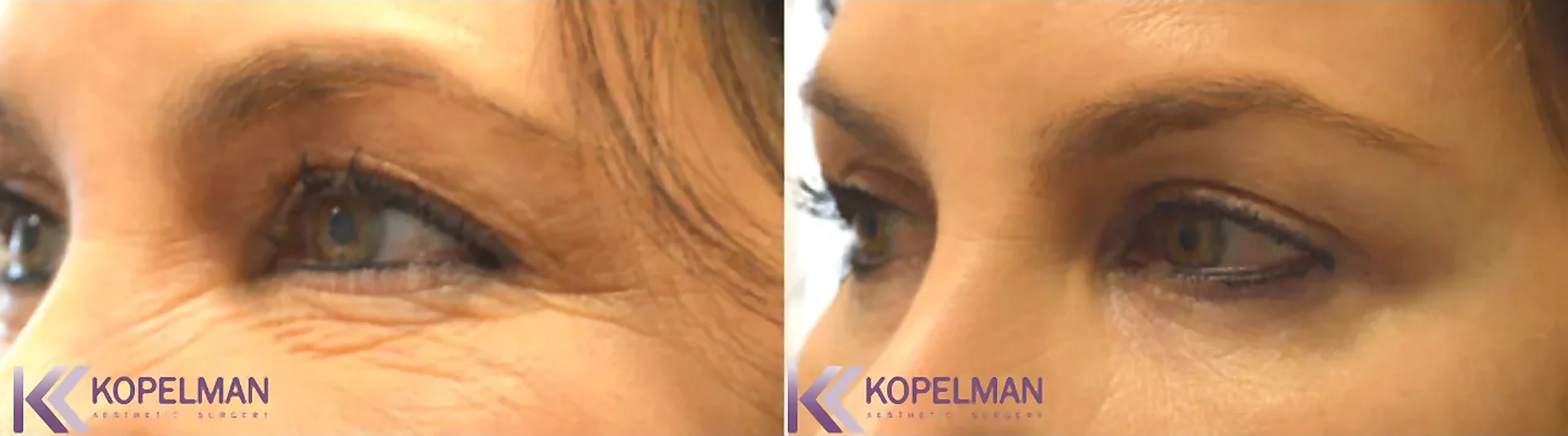
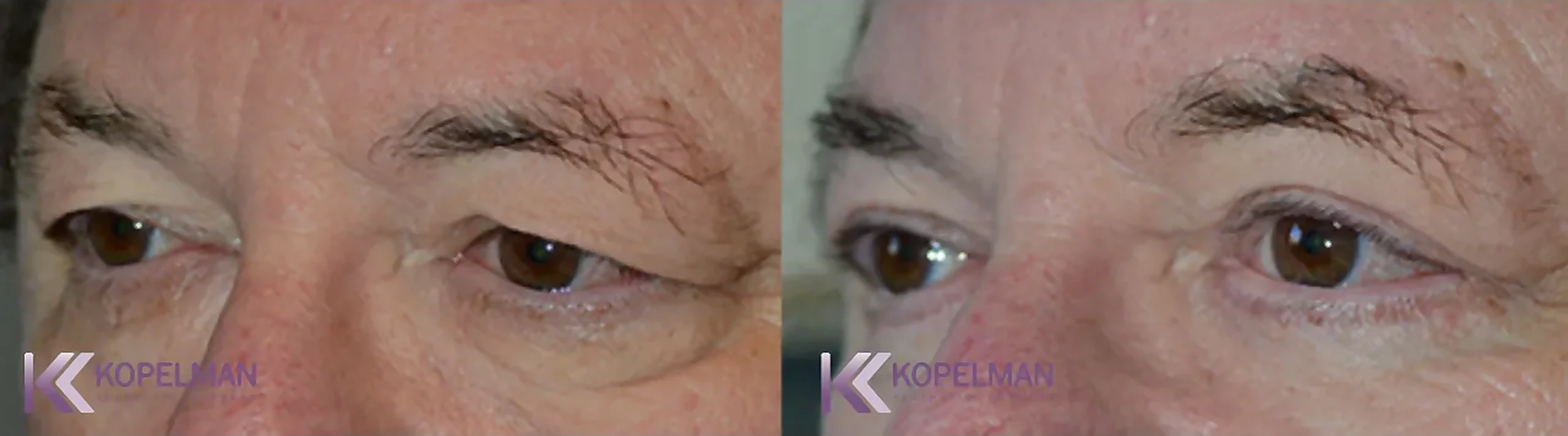
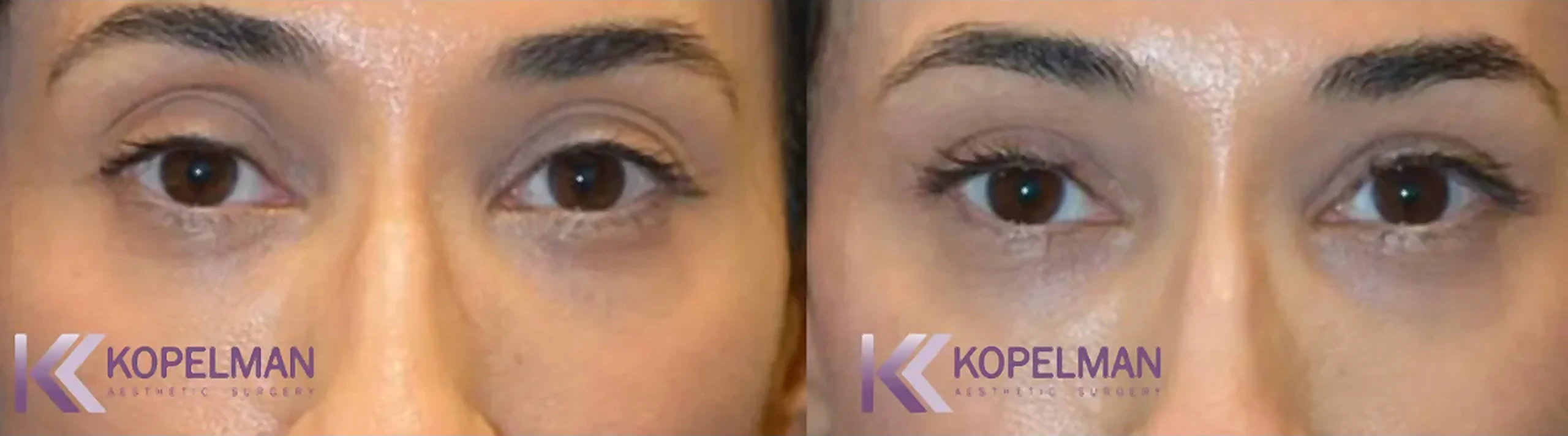
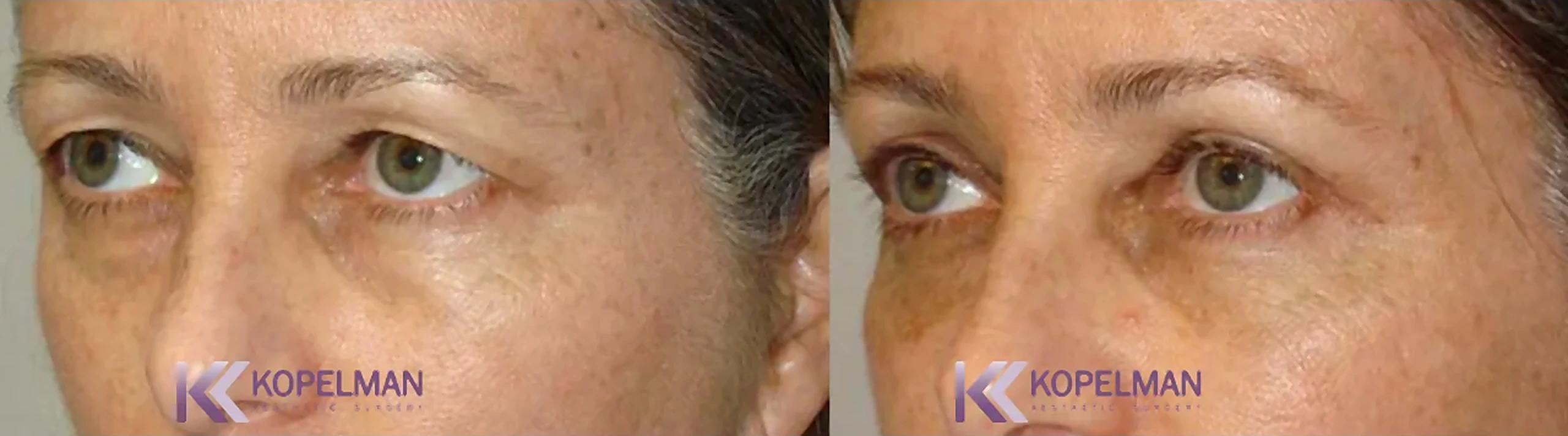
Eyelid surgery in NYC can lift heavy, hooded upper lids and reduce under-eye puffiness while keeping your natural expression intact.
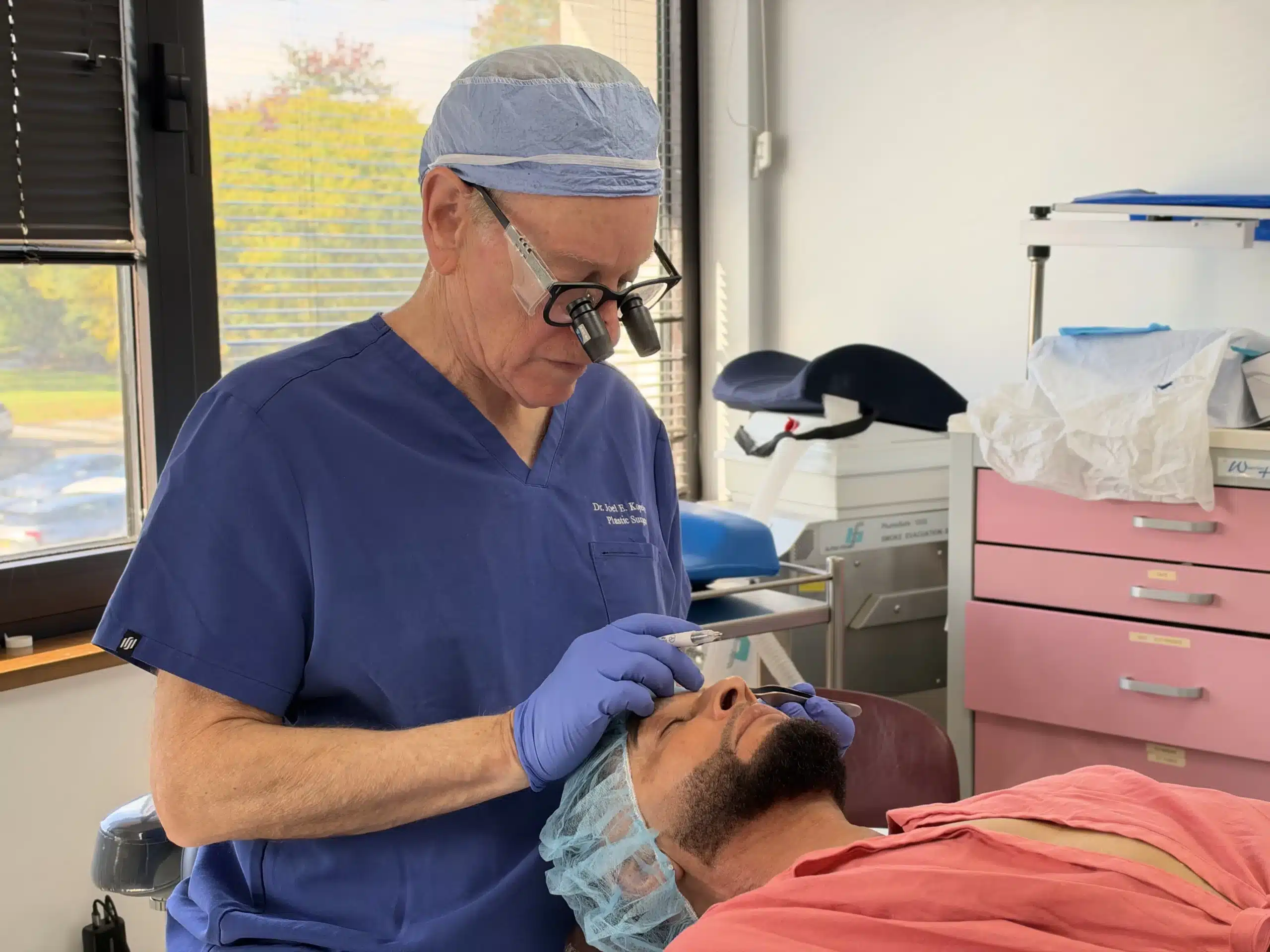
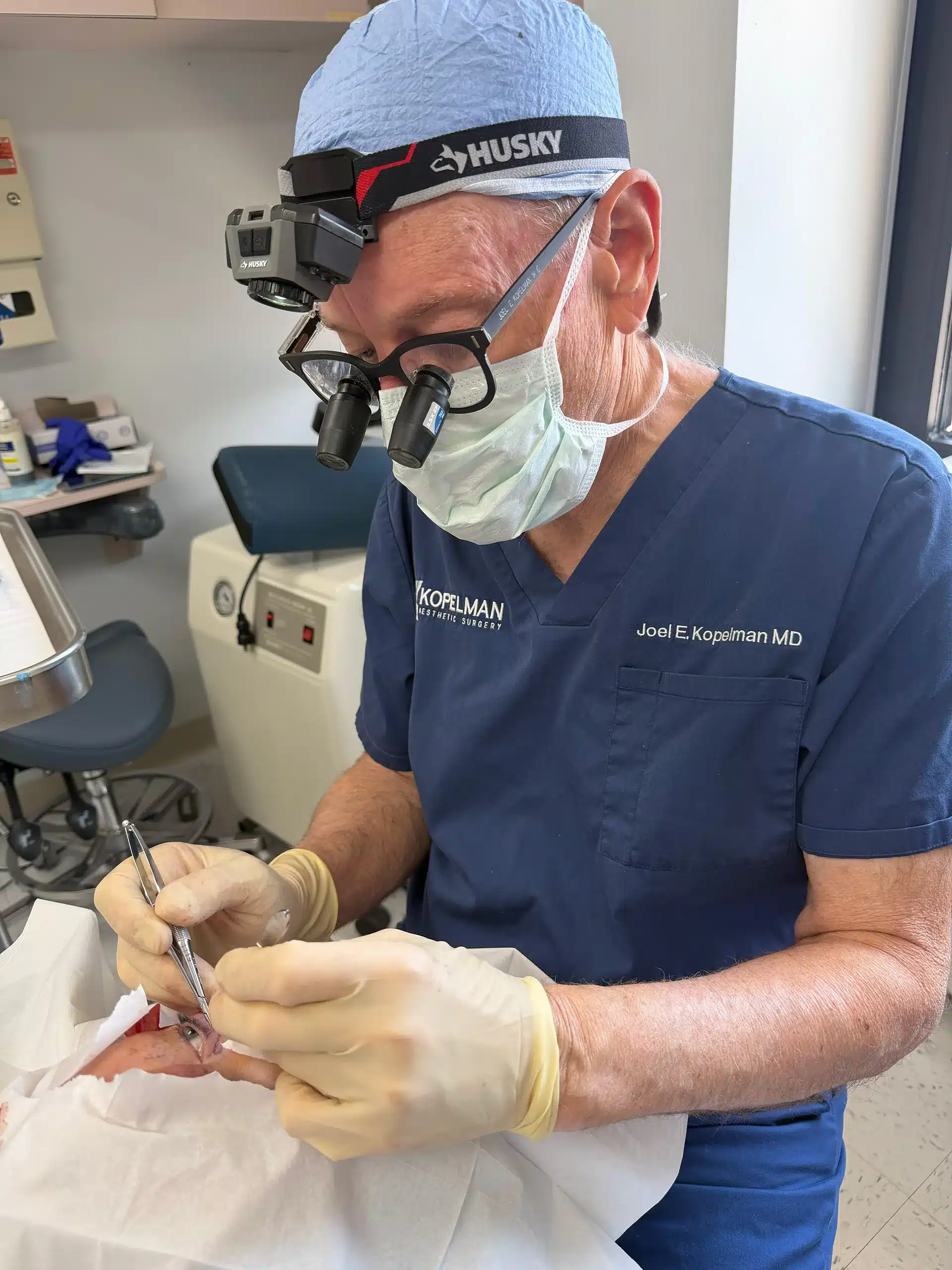
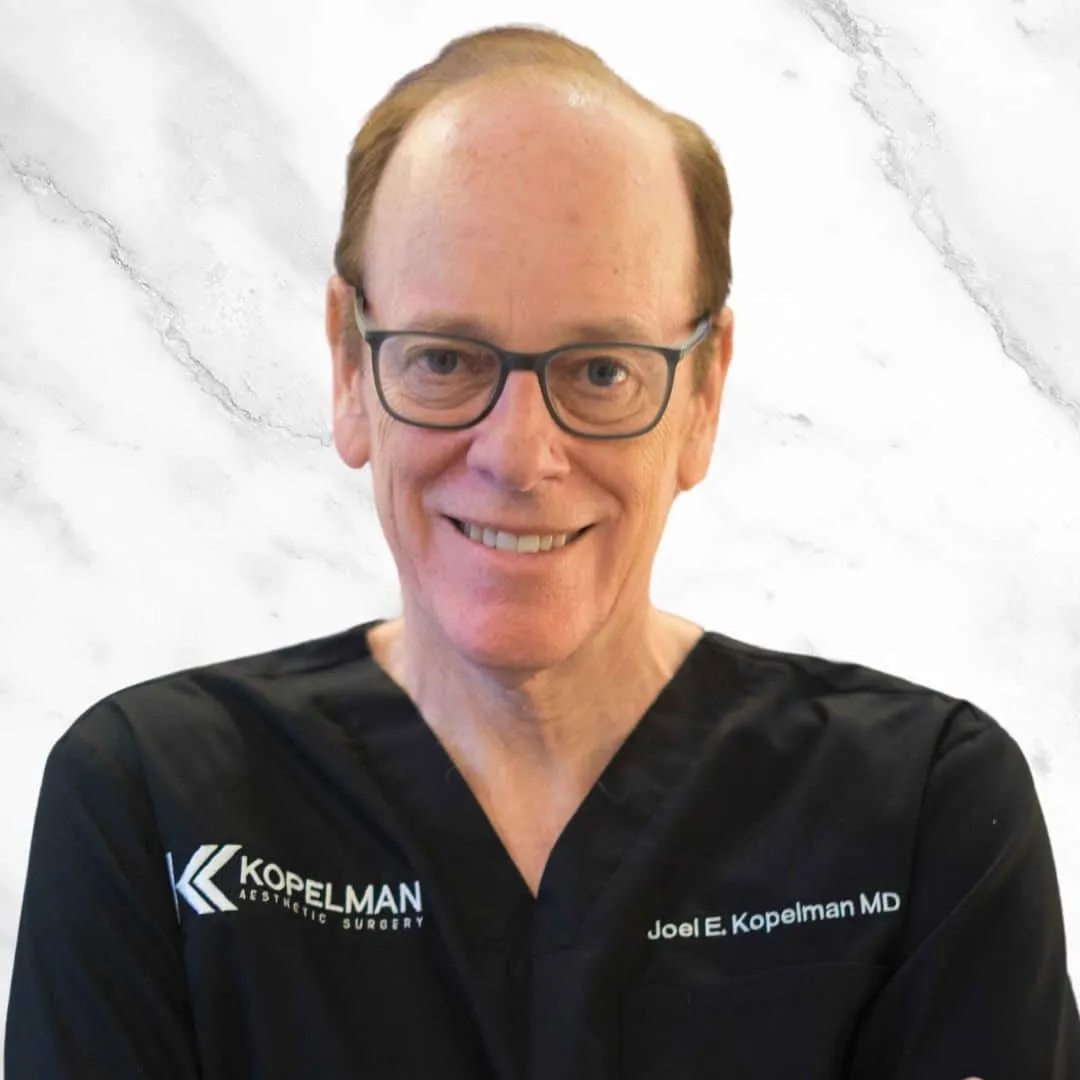
At Kopelman Aesthetic Surgery, Dr. Joel Kopelman, a board-certified oculofacial surgeon, draws on more than 35 years of experience focused on eyelid and facial surgery for patients across New York City. He personally performs and is accountable for every step of your blepharoplasty, from your initial consultation through to your final follow-up evaluation.
Done well, eyelid anatomy surgery removes heaviness and puffiness without the hollow, pulled, or “surprised” look that over-correction can create.
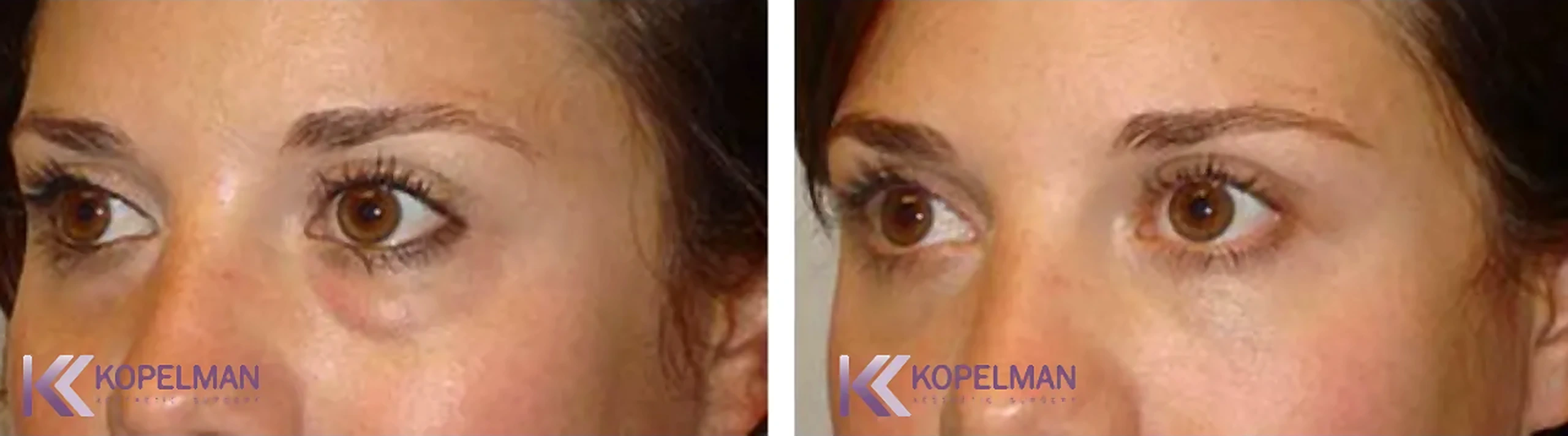
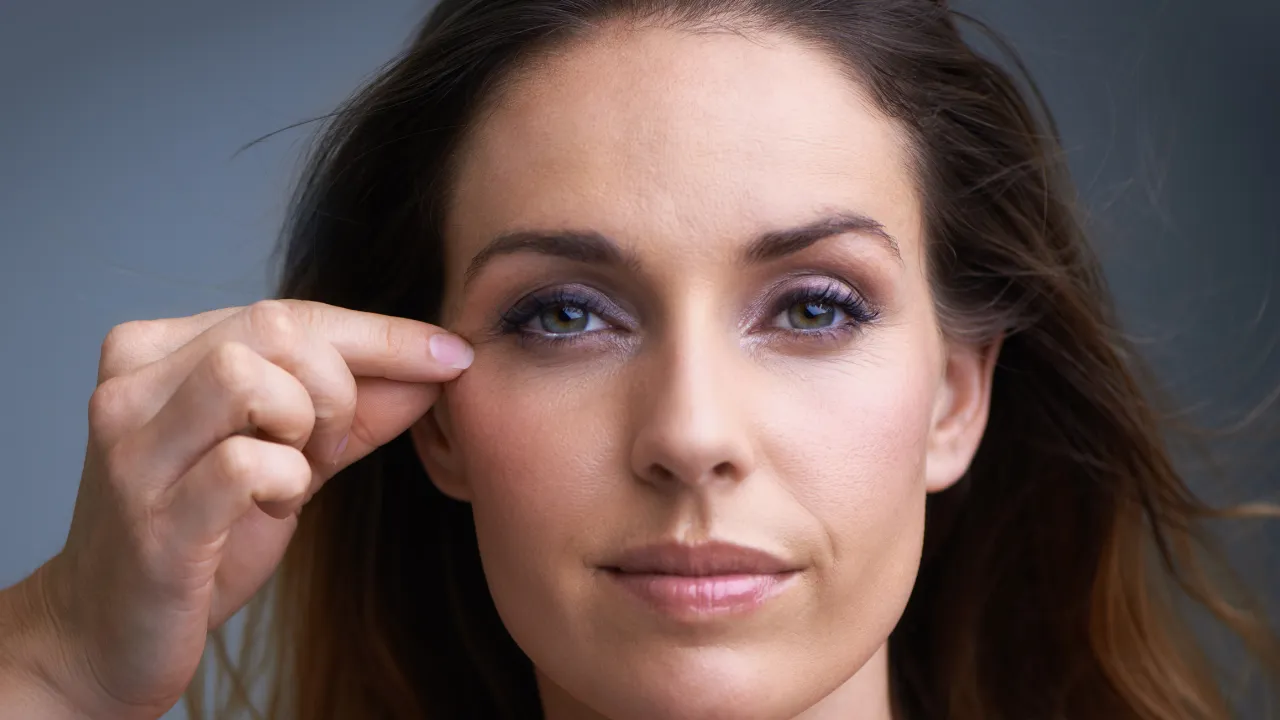
Excess skin on the upper lids can create hooding that makes the eyes look smaller or even narrows your field of vision, while loose skin and herniated fat on the lower lids create puffiness and under-eye bags. Eyelid correction restores balance to the eye area while keeping it recognizably yours.
Dr. Kopelman favors a tissue-preserving philosophy. Rather than aggressively removing skin and fat, which can leave a hollow, gaunt, or surprised look, his technique conserves tissue and repositions it where possible. The result is a rested, natural refresh that holds up both in-person and on camera.
Blepharoplasty is often one part of a broader facial rejuvenation plan. Because the eyes are the first place aging tends to show, improving this area can soften shadows, reduce heaviness, and make the whole upper face look more youthful, freshed,and alert.
Why Choose Kopelman Aesthetic Surgery for Blepharoplasty in NYC
Joel E. Kopelman, MD, FACS, is board-certified in ophthalmology by the American Board of Ophthalmology, with fellowship training in oculofacial and oculoplastic surgery through the American Society of Ophthalmic Plastic and Reconstructive Surgery (ASOPRS). He is also a Fellow of the American Society for Laser Medicine and Surgery and the American College of Surgeons.
That specialization matters for eyelid surgery. As an oculoplastic surgeon, Dr. Kopelman is trained in both ophthalmology and facial plastic surgery, so he has an in-depth understanding of the delicate and intricate anatomy surrounding the eye, forehead and midface.
Trained at UCLA and Moorfields Eye Hospital in London, two of the most respected centers in the world for ophthalmic plastic and reconstructive surgery Dr. Kopelman has held hospital affiliations including Manhattan Eye, Ear & Throat, Lenox Hill Hospital, Valley Hospital. He has authored peer-reviewed articles on cosmetic surgery and lectures on current surgical techniques.
Kopelman Aesthetic Surgery follows a surgeon-led care model. Your eyelid procedure is not handed to assistants or outside providers. Dr. Kopelman evaluates your eyelid structure, including the position of the eyelid crease, protrusion of orbital fat, brow position, skin quality, and facial balance, and remains directly involved through every stage of care.
Patients consistently value this continuity when comparing blepharoplasty clinics, because it supports clear communication and accountable, reliable outcomes. The practice is located on Park Avenue in Carnegie Hill, a few blocks from Central Park and the Museum Mile.
How to Choose the Best Blepharoplasty Surgeon in NYC
Eyelid surgery demands precision and a deep understanding of eyelid anatomy. The eyelids are millimeters thick and sit directly over the eye itself, so small differences in technique produce large differences in results. Understanding the difference between surgeon types helps you choose well:
Oculoplastic surgeons
like Dr. Kopelman are trained in both ophthalmology and facial plastic surgery, which makes them especially well suited to delicate eyelid work that affects both how you look and how your eyes function.
Facial plastic and general plastic surgeons
bring strong cosmetic experience but may have less specialized training in the anatomy of the eye.
General ophthalmologists
treat eye conditions but typically do not perform cosmetic eyelid surgery.