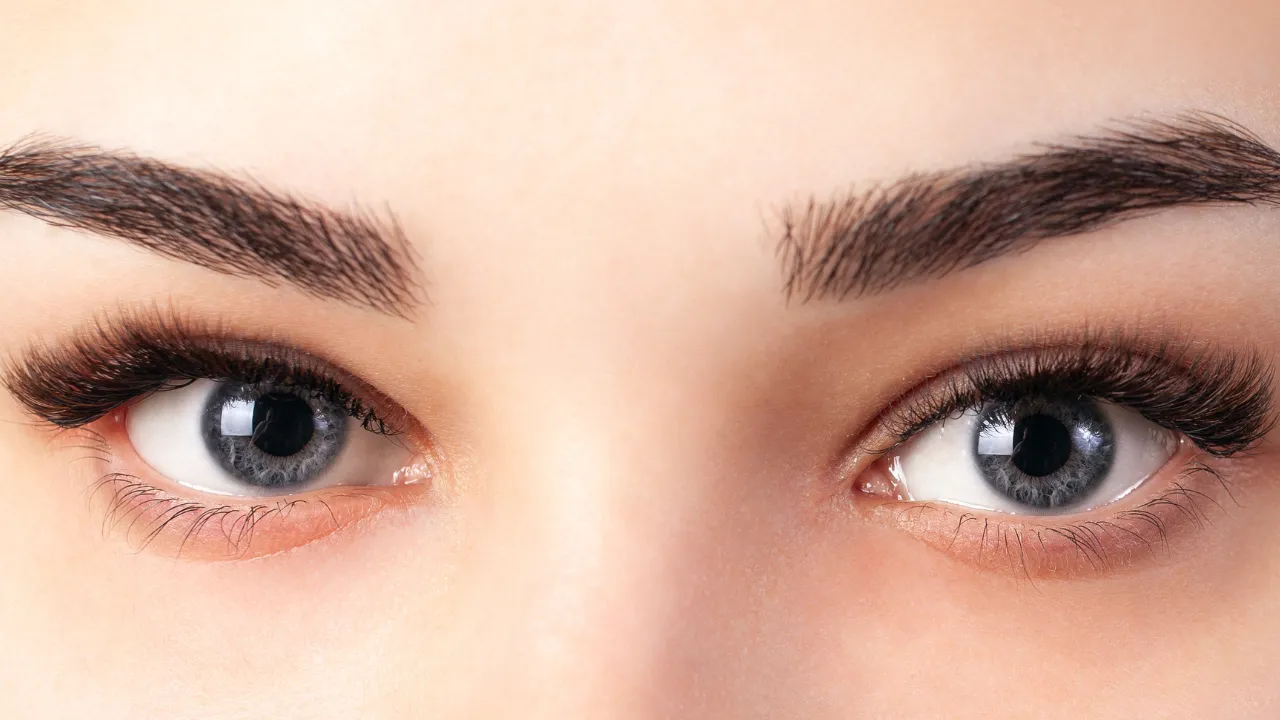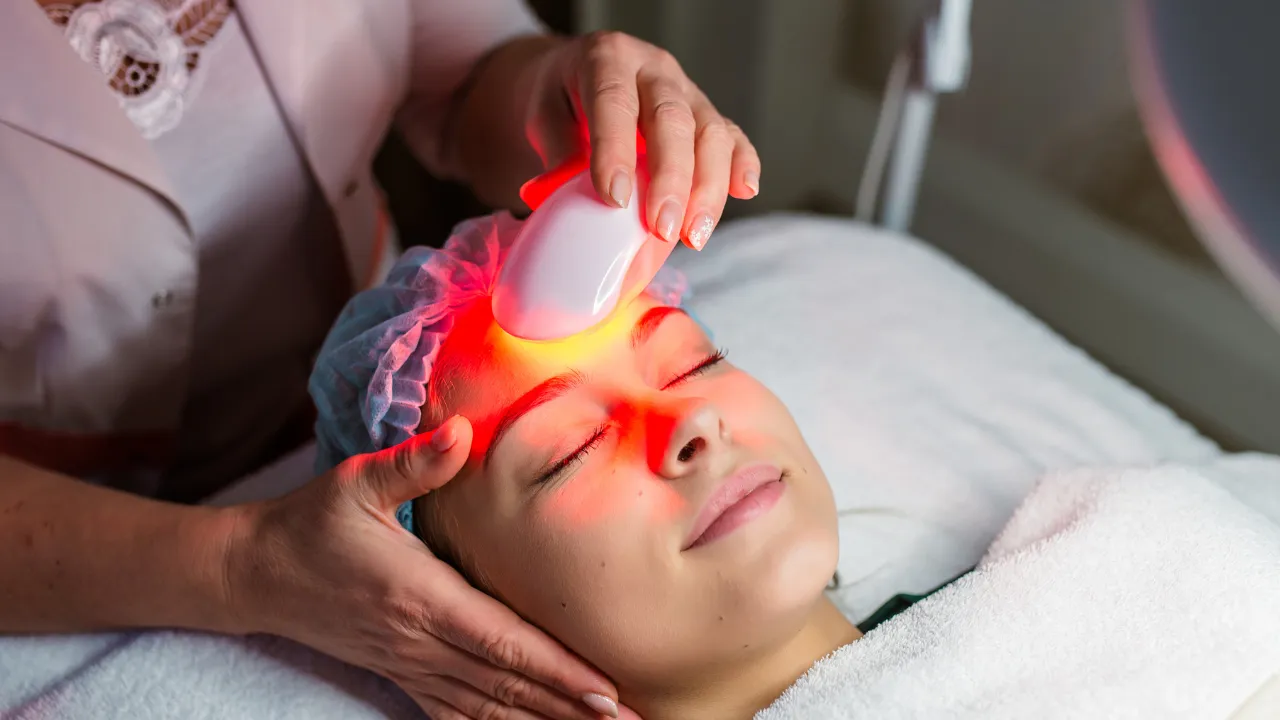

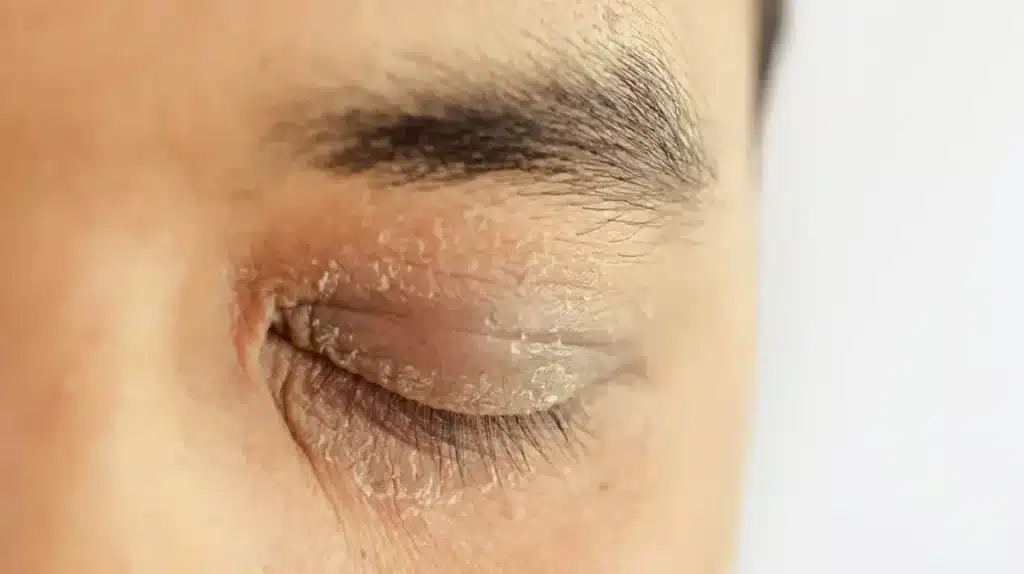
Reduced oil production from the eyelid oil glands can also affect the tear film and make the eyes and surrounding skin feel dry, itchy, flaky, or irritated. Because the skin around the eyes is delicate and sensitive, even mild irritation can lead to redness, scaling, or discomfort. Understanding the underlying cause is important because treatment depends on whether the dryness comes from irritation, inflammation, dry eye, or another medical condition.
Key Takeaways
- Dry eyelids can come from moisture loss, hot water, weather, skin care products, allergic reactions, or medical conditions.
- Eyelid dermatitis, blepharitis, atopic dermatitis, and seborrheic dermatitis can all cause dry, itchy, or flaky eyelid skin.
- Treatment depends on the cause, but gentle cleansing, trigger avoidance, safe moisturizers, and eye drops may help.
- Persistent dryness, pain, swelling, vision changes, or changes in eye appearance should be checked by a specialist.
What Causes Dry Eyelids?
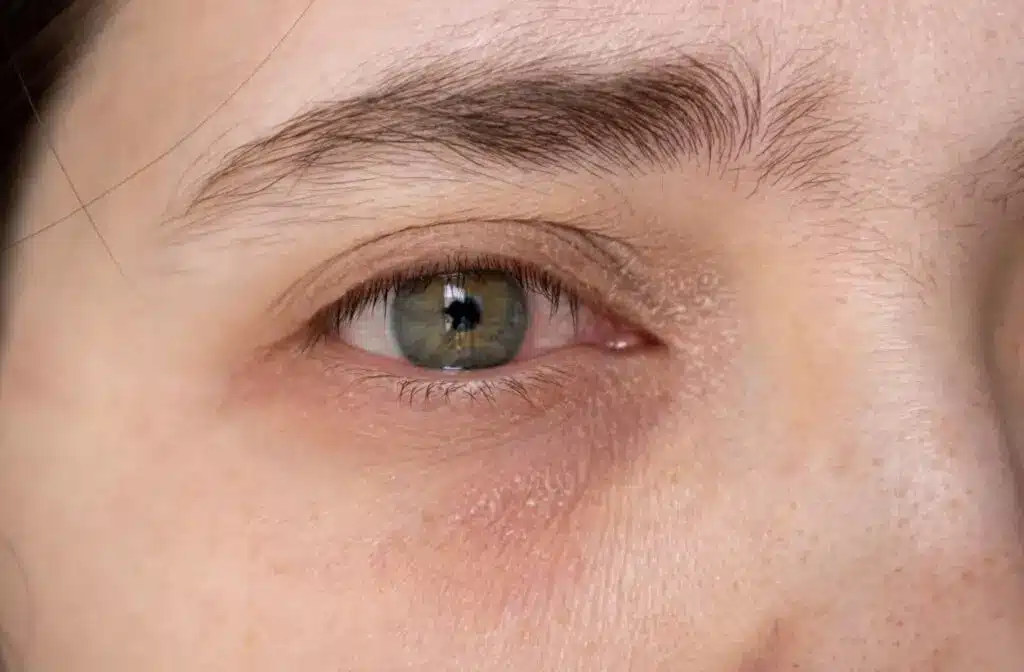
The main causes of dry eyelids include weather, hot water, skin care products, allergic reactions, and medical conditions that affect the eyelid skin.
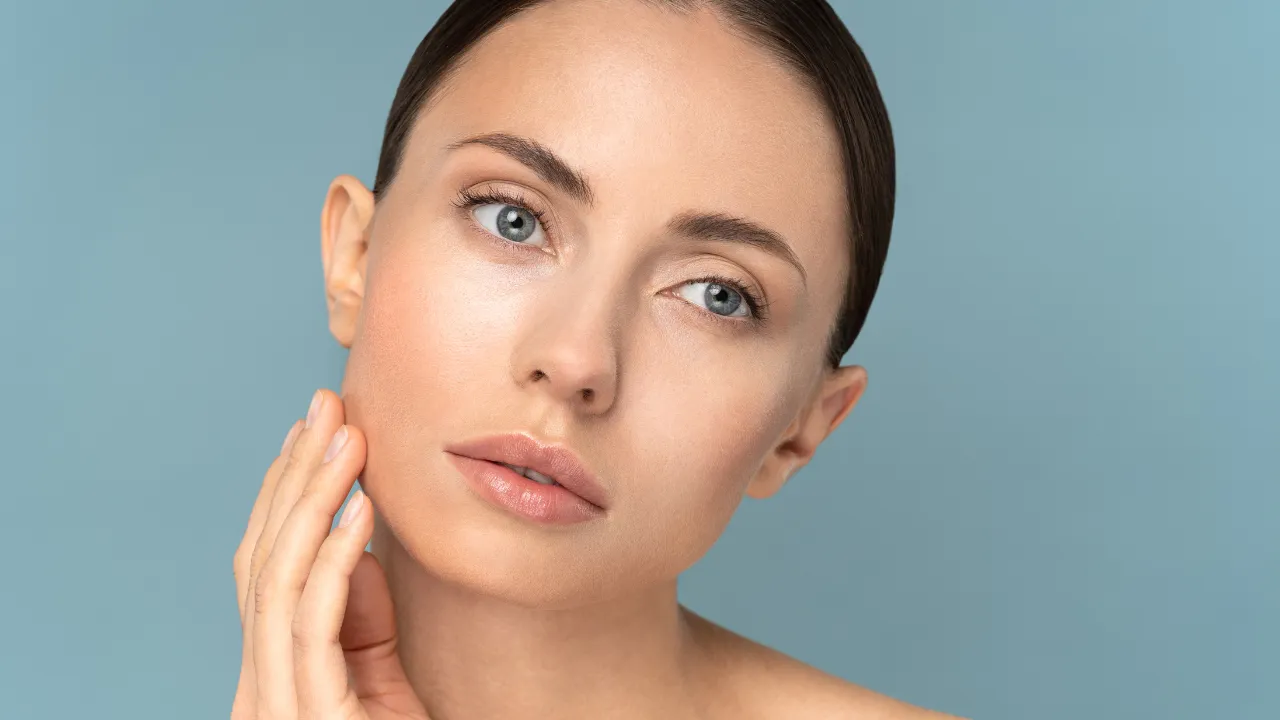
The skin around your eye is thin and sensitive, so it can react faster than skin on other parts of the face. A dry eyelid condition may also appear with itching, redness, flakes, or mild swelling.
Common Symptoms
Dry eyelids may cause:
- Tight, rough, or flaky eyelid skin
- Itching, burning, or mild soreness
- Redness or swelling around the eye area
- Crusting near the lash line
- A gritty feeling if dry eye is also present
Where Dryness Appears
Dryness can affect the upper eyelid, lower eyelid, lash line, or inner corner of the eye area. Some people describe the feeling as dry inside eyelids, although true inner-eye dryness may point to tear film or eye surface irritation.
The phrase dry skin in the eye area usually refers to dryness around the eyelid, not inside the eyeball.
Common Triggers
Daily habits can make eyelid dryness worse. Hot water, harsh cleansers, makeup, sunscreen, and fragrance can strip moisture from sensitive skin. Cold weather, wind, indoor heat, and low humidity can also weaken the skin barrier.
Hot Water and Weather
Hot water can remove natural oils from eyelid skin. Long showers, face washing with very warm water, and dry indoor air can make the lids feel tighter. A gentler routine often helps the skin hold moisture better.
Skin Care Products
Skin care products can trigger dryness when they contain fragrance, acids, retinoids, preservatives, or strong cleansers. Products that are safe for the cheeks may still irritate the eyelids. Stop new products if dryness starts soon after use.
Irritants and Allergens
Irritants and allergens can include pollen, dust, smoke, metals, cosmetics, shampoos, and nail products transferred by touch. Allergic reactions may cause itching, swelling, redness, or scaling. Avoid rubbing the eyelids because friction can worsen irritation.
Skin and Eye Conditions
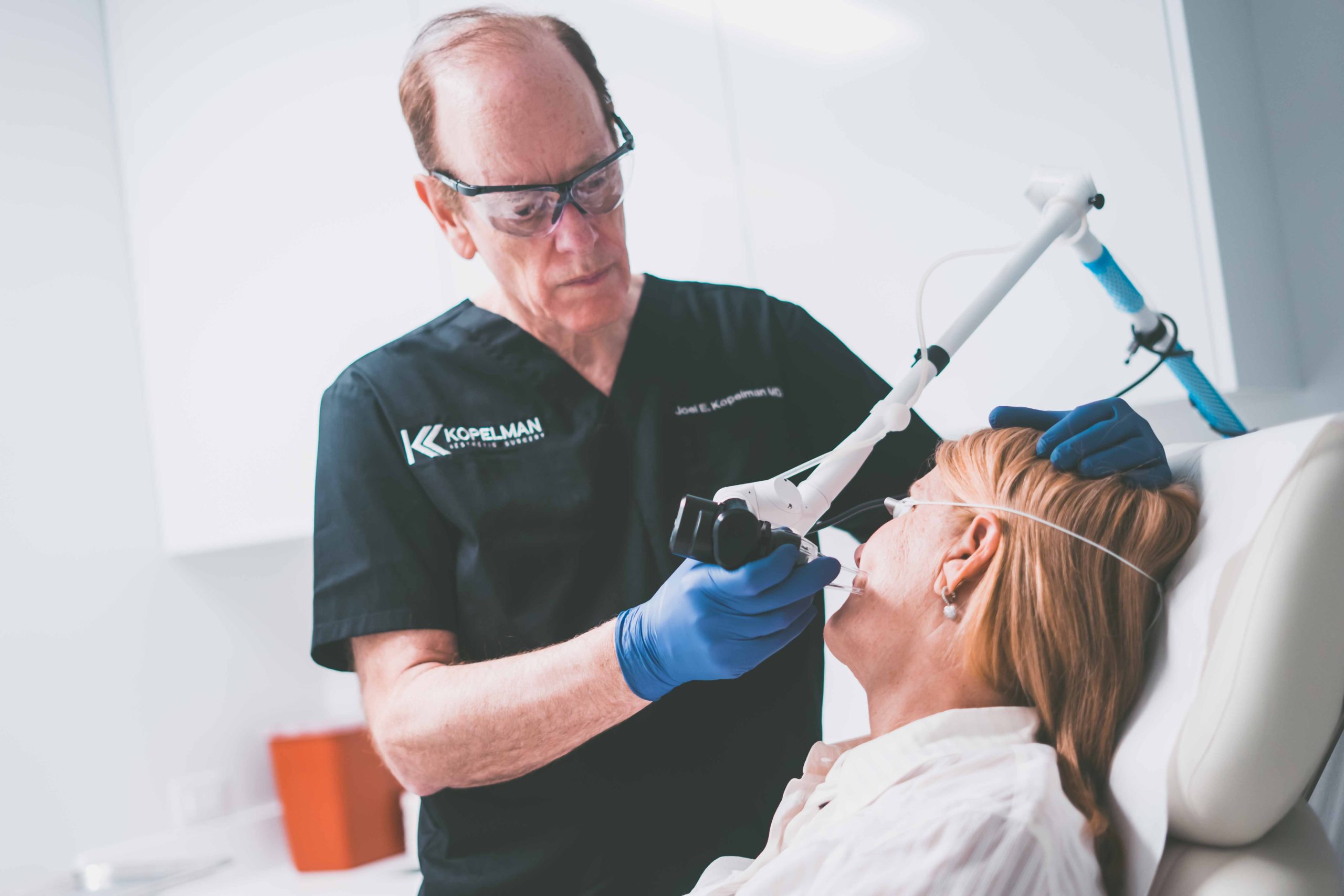
Some causes come from skin or eye disease rather than routine dryness. These conditions may need a diagnosis before treatment options are chosen. Dr. Kopelman evaluates eyelid concerns with attention to anatomy, skin quality, inflammation, and changes in the surrounding eye area.
Eyelid Dermatitis
Eyelid dermatitis means inflammation of the eyelid skin. It can cause redness, itching, scaling, burning, or swelling. The trigger may be an irritant, an allergen, or an underlying skin tendency.
Contact Dermatitis
Contact dermatitis happens when the eyelid reacts to something that touches the skin. Common triggers include makeup, cleansers, hair products, eye drops, and metals. The best first step is often to identify and avoid the trigger.
Atopic Dermatitis
Atopic dermatitis is a long-term eczema-related condition that can affect sensitive skin. It may cause dry, itchy patches around the eyes and on other areas of the face or body. People with allergies or asthma may be more prone to it.
Seborrheic Dermatitis
Seborrheic dermatitis can cause greasy flakes, redness, or irritation near the eyebrows, eyelids, scalp, and nose. On the eyelids, it may overlap with blepharitis. Treatment depends on the location and severity of the scaling.
Blepharitis
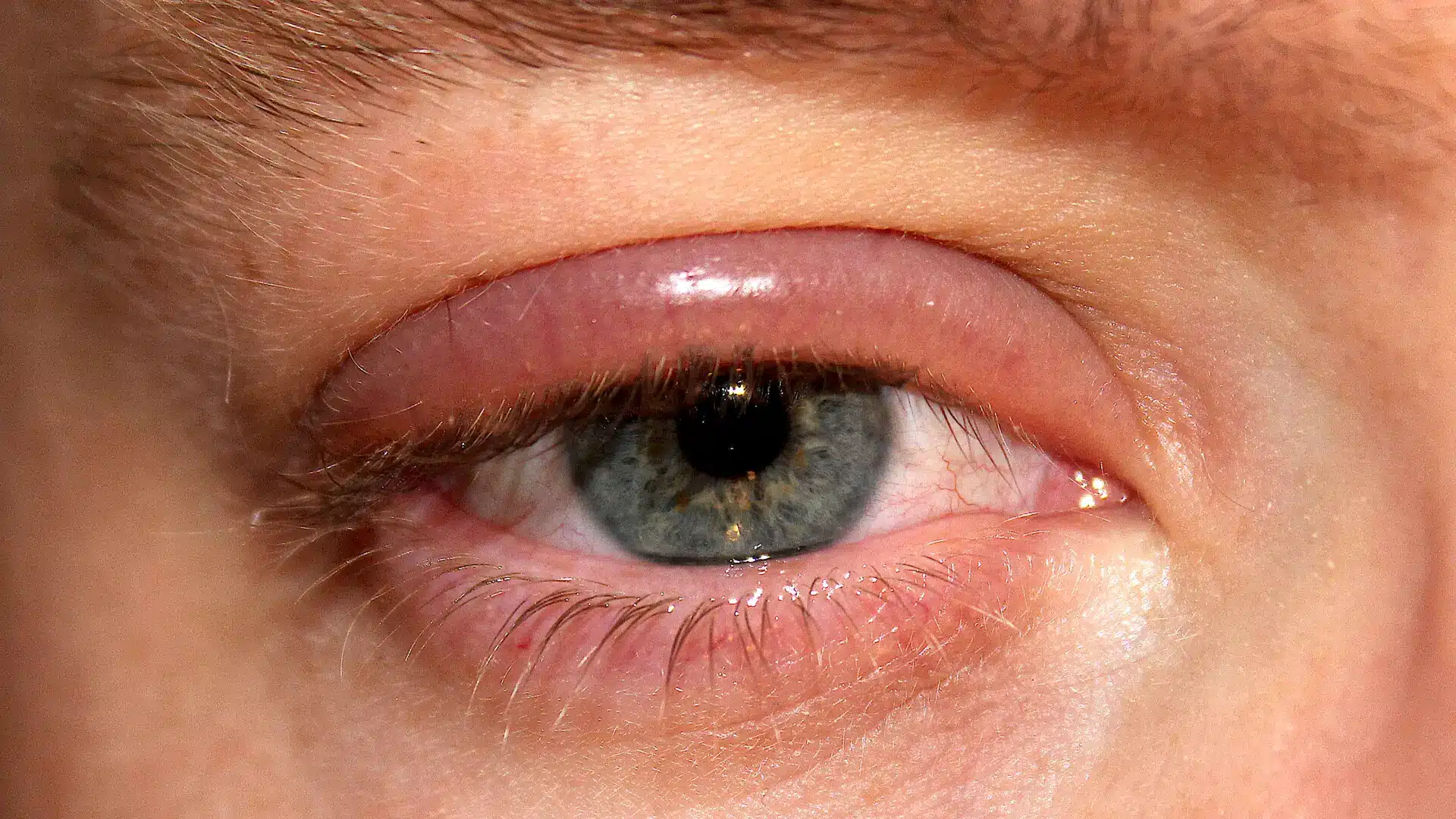
Blepharitis is inflammation along the eyelid margin. It can cause crusting, flakes, redness, burning, or irritation near the lashes. It may relate to bacteria, skin inflammation, or oil gland problems. Some patients benefit from learning how to clean eyelids with blepharitis as part of daily lid hygiene.
Oil Gland Problems
The eyelids contain oil glands that help support the tear film. When these glands clog or do not release oil well, the eyes and lids may feel dry or irritated. This can connect eyelid dryness with dry eye symptoms.
Dry Eyelids Treatment
Dry eyelids treatment depends on the cause. Mild dryness may improve with gentle cleansing, trigger avoidance, and a safe moisturizer. Persistent symptoms may need medical evaluation, especially when swelling, pain, or eye irritation is present.
How to Get Rid of Dryness
To treat dry skin on the eyelids, simplify your routine first:
- Wash with lukewarm water, not hot water
- Avoid scrubbing the eyelid skin
- Pause makeup and active skin care products
- Apply moisturizer in a thin layer
- Use preservative-free eye drops if the eye feels dry
Safe Moisturizers
A bland, fragrance-free moisturizer may help protect the eyelid barrier. Apply moisturizer in a thin layer and keep it out of the eye. Choose products made for sensitive skin and stop anything that stings or worsens redness. Some patients also look for guidance on what to put on a dry eyelid safely.
Eye Drops and Eye Care
Eye drops may help if the eye surface also feels dry, gritty, or irritated. Preservative-free artificial tears are often easier on sensitive eyes. Good eye care also includes clean hands, gentle lid hygiene, and avoiding shared makeup.
Is Vaseline Good for Eyelid Dermatitis?
Vaseline may help some people protect dry eyelid skin, but it is not right for every rash. It should be used carefully, in a small amount, and kept away from the eye surface. If eyelid dermatitis is severe, infected, or recurring, a clinician should guide the treatment plan.
Creating a Treatment Plan
A treatment plan should match the cause, not only the symptom. For example, allergic reactions require trigger control, blepharitis may need lid hygiene, and dermatitis may need prescription care. This approach helps treat dry eyelids without irritating the eye area further.
When to See a Specialist
You should seek care if eyelid dryness does not improve, keeps returning, or appears with eye pain, discharge, swelling, or vision changes. You should also get medical input if the eyelid shape or position changes.
For related concerns, this guide on why one eye may appear lower than the other explains how eyelid and facial anatomy can affect eye appearance.
Persistent Dryness or Pain
Persistent dryness may point to dermatitis, blepharitis, dry eye, or another medical condition. Pain is not typical simple dryness and should be taken seriously. A specialist can examine the eyelids, lashes, tear film, and surrounding skin.
Swelling or Vision Changes
Swelling, blurred vision, light sensitivity, or discharge may need prompt evaluation. These symptoms can suggest infection, inflammation, or eye surface involvement. Do not self-treat these signs with random creams near the eyes.
Changes in Eye Appearance
Changes in eyelid height, eyelid position, or facial balance can occur for many reasons. Some are mild, while others need medical review. Dr. Kopelman’s oculoplastic experience is relevant when dryness appears with eyelid anatomy concerns, asymmetry, or changes around the eyes.