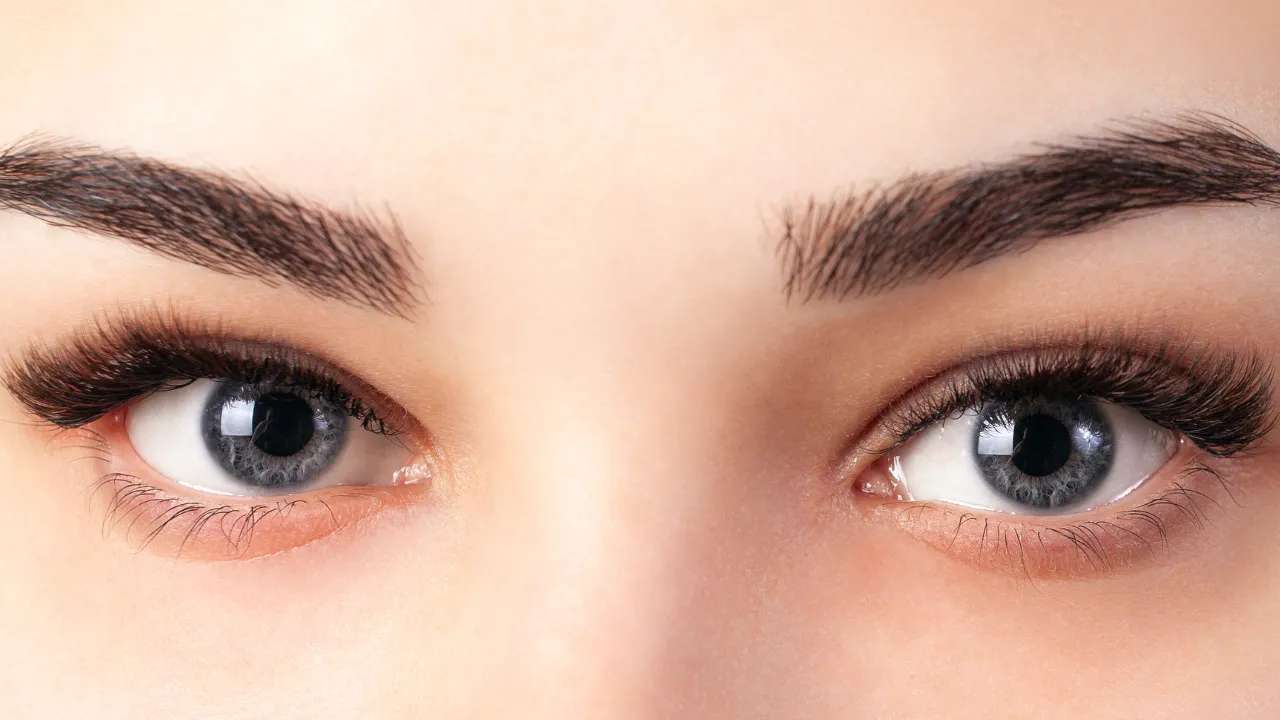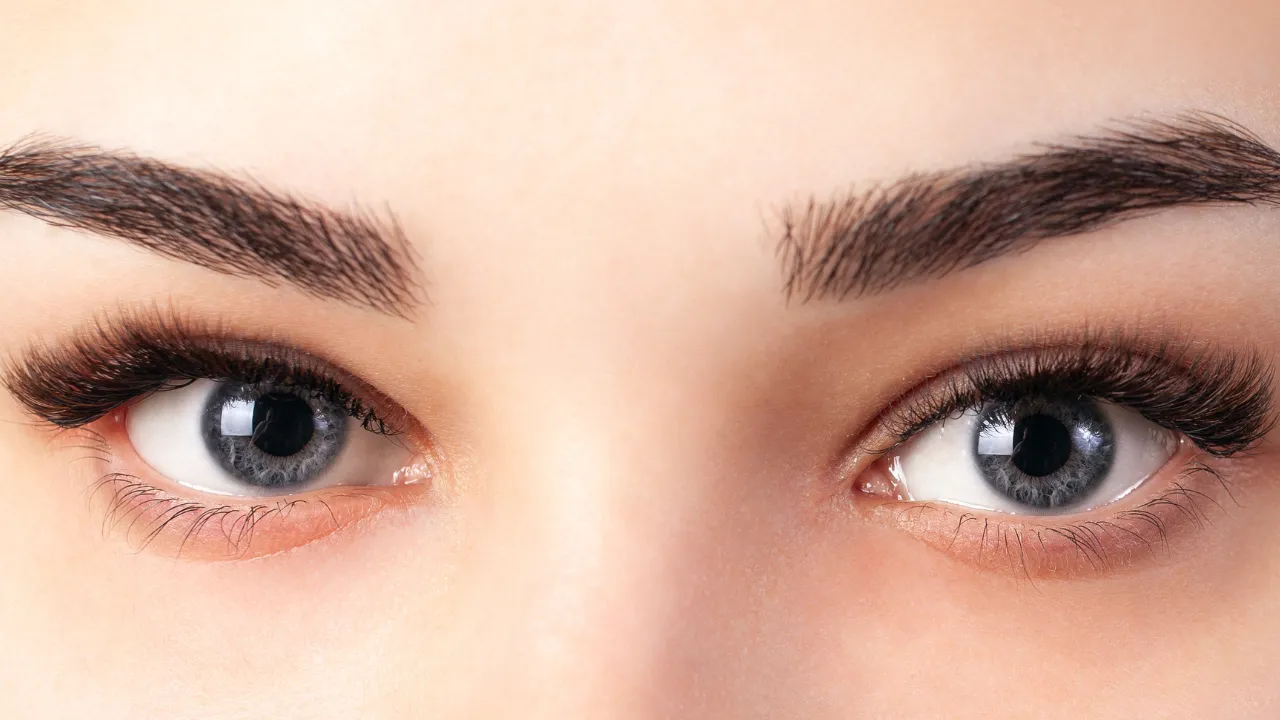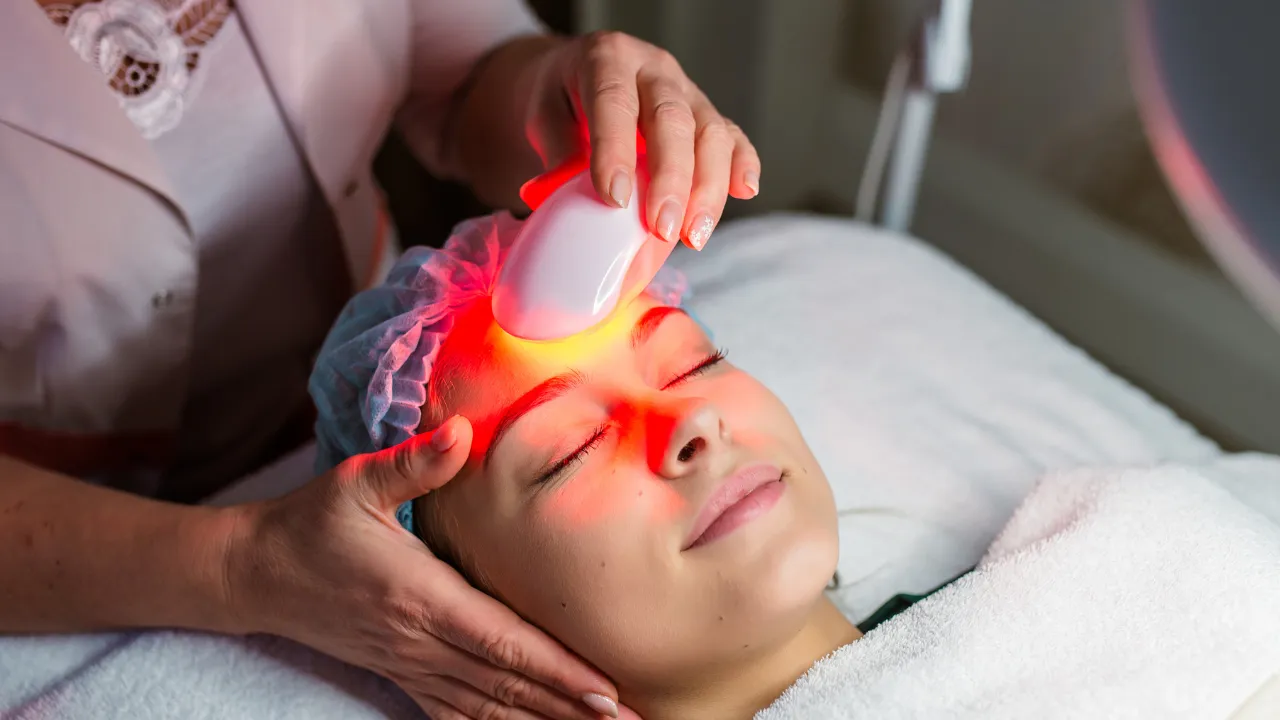

In some cases, greasy eyelids with redness, crusting, or blurry vision may suggest inflammation around the eyelid margin or tear film and should be medically evaluated.
Key Takeaways
- Oily eyelids and dry eyelids can occur together.
- The eyelid area is sensitive and needs gentle care.
- Common triggers include cleansers, eye makeup, allergies, and dermatitis.
- Blurry vision with oily eyelids may suggest tear film or gland issues.
- Persistent redness, pain, swelling, or vision changes need medical review.
Why Eyelids Get Oily and Dry
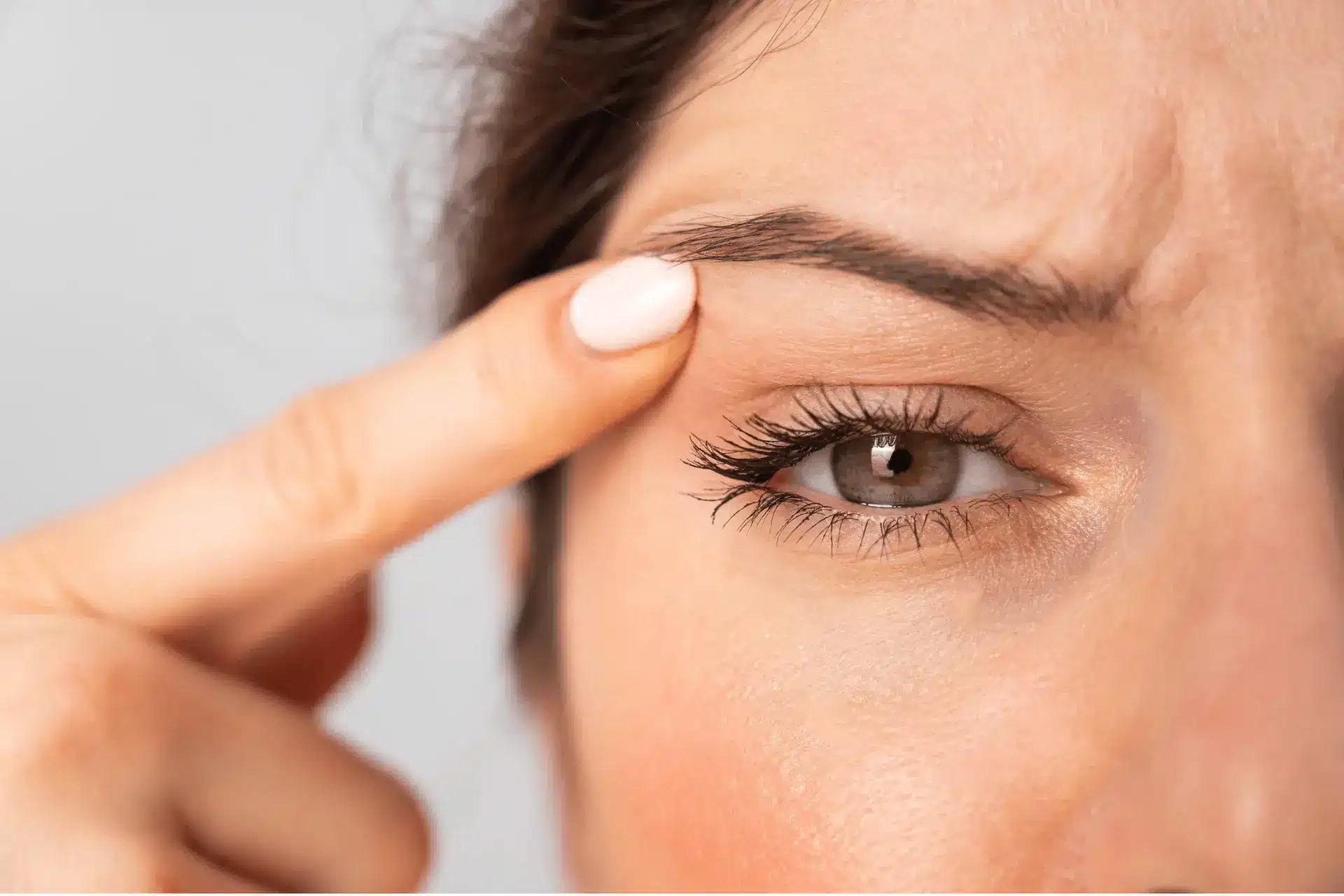
The eyelids contain oil glands that help support the tear film and protect the eye surface. These glands can release an oily substance, but that does not always mean the eyelid skin has enough moisture. A person can have oily eyes or shiny lids while still having dry skin, irritation, or flaking.
This happens because oil and hydration are different. Excess oils may sit on the skin surface, while the skin barrier underneath stays weak or inflamed. Harsh products, rubbing, weather, and skin disease can make the eyelids greasy and dry at the same time.
Common Causes
Common causes include:
- Higher oil production from skin type, hormones, or humidity.
- Harsh cleansing that strips the eyelid skin.
- Eye makeup buildup near the lash line.
- Allergic reactions to cosmetics, fragrance, or skin care.
- Skin conditions such as seborrheic dermatitis, eyelid dermatitis, or blepharitis.
- Dry eyes or oil gland problems that affect the tear film.
Excess Oil Production
Higher oil production can make eyelids look shiny or feel sticky. Some people naturally produce more sebum because of hormones, genetics, humidity, or skin type. Oily skin can affect many areas of the face, eyelids included.
Harsh Cleansers
A strong cleanser can remove too much oil from the eyelids. The skin may respond by producing more oil while also becoming dry, tight, or irritated. A gentle face wash is usually safer than scrubs, alcohol-based products, or harsh soaps.
Eye Makeup Buildup
Eye makeup can mix with oil, sweat, and skin cells around the lash line. Mascara, eyeliner, and heavy creams may leave the eyelids greasy, especially if they are not removed fully at night. Makeup residue can also irritate sensitive eyelid skin.
Allergic Reactions
Allergic reactions can affect the eyelids because the skin there is thin. Fragrance, preservatives, metals, pollen, nail products, and cosmetics may trigger redness, itching, swelling, or scaling. The reaction may look like dryness even when the lids feel oily.
Seborrheic Dermatitis
Seborrheic dermatitis is a skin condition that can cause greasy scales, redness, and flaking. It often affects oily areas, including the scalp, eyebrows, nose folds, and eyelids. On the eyelids, it may look like dandruff-like flakes near the lashes and overlap with blepharitis symptoms.
Eyelid Dermatitis
Eyelid dermatitis happens when the eyelid skin becomes inflamed. It may come from irritants, allergens, eczema, or repeated product exposure. Symptoms may include dryness, itching, burning, swelling, and rough patches.
Blepharitis
Blepharitis is inflammation along the eyelid margin. It can make the eyelids greasy, crusty, red, or irritated. Some people also notice burning, watering, sensitivity to light, or flakes at the base of the eyelashes. Daily care may include learning how to clean eyelids with blepharitis properly.
Dry Eyes
Dry eyes and dry eyelids are not the same, but they can occur together. Poor tear quality, oil gland problems, or inflammation can make the eye surface feel gritty or irritated. Some people describe this feeling as greasy eyes, even when the issue involves the tear film.
Symptoms to Watch
Common symptoms include:
- Greasy eyelids or shiny eyelid skin.
- Flaking, tightness, or dry patches.
- Redness, itching, or burning.
- Makeup smudging faster than usual.
- Crusting near the lashes.
- Oily eyelids with blurry vision.
Greasy Eyelids
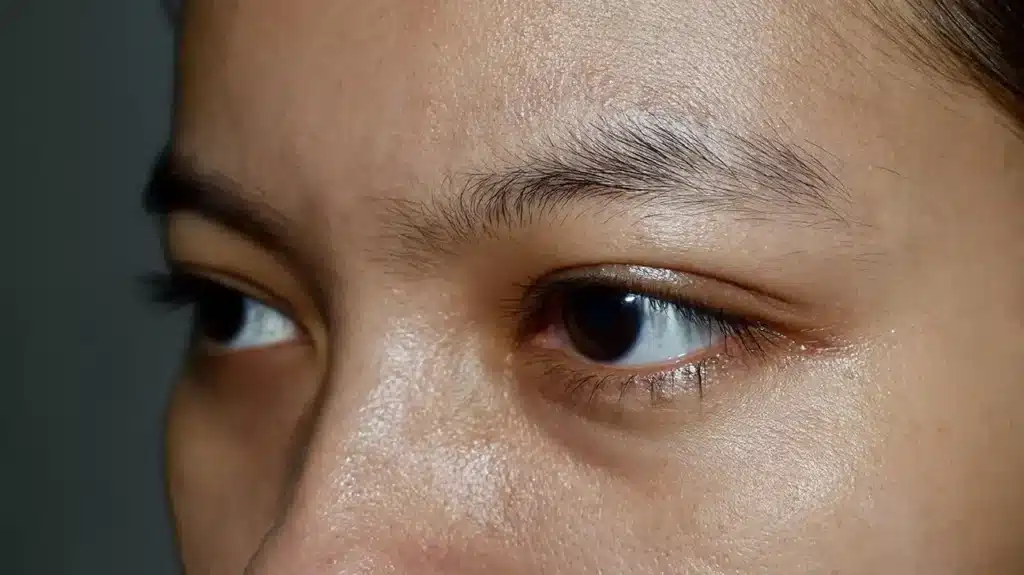
Greasy eyelids may look shiny or feel slippery. Makeup may smudge faster, and the eyelid crease may collect oil during the day. This symptom often points to excess oil, heavy products, or gland activity.
Flaking or Dryness
Flaking can appear on the upper lid, lower lid, or lash line. Dryness may feel tight, rough, or sensitive after washing the face. If flakes are greasy or yellowish, seborrheic dermatitis or blepharitis may be involved.
Redness or Itching
Redness and itching often suggest irritation or inflammation. Allergies, dermatitis, harsh products, and rubbing can all worsen these symptoms. Dr. Kopelman may assess whether the concern appears skin-related, eyelid-related, or connected to a broader eye care issue.
Oily Eyelids and Blurry Vision
Oily eyelids blurry vision can occur when oil, debris, or tear film changes affect the eye surface. Blurry vision may also happen with blepharitis, dry eyes, or meibomian gland problems. Vision changes should not be ignored, especially if they come with pain, swelling, or light sensitivity.
How to Get Relief Safely

The safest approach is to reduce oil without damaging the eyelid barrier. Care should focus on gentle cleansing, simple products, and avoiding known triggers. If symptoms keep returning, home remedies may not address the cause.
Cleanse Gently
Use lukewarm water and a gentle cleanser around the face. Avoid scrubbing the eyelids or using exfoliating acids near the eye area unless a doctor recommends them. Pat the skin dry instead of rubbing.
Use Oil-Free Products
Choose oil free skin care and makeup when the eyelids feel greasy. Lightweight, fragrance-free products are less likely to clog or irritate the area. Avoid heavy creams that migrate into the lash line.
Apply Safe Moisture
Dry eyelids may need a small amount of bland moisturizer. Use a product made for sensitive skin and keep it away from the eye surface. Stop using any product that causes burning, swelling, or redness. Some people also search for guidance on what to put on a dry eyelid safely.
Is Vaseline Okay for Eyelids?
Petroleum jelly may help some cases of dry eyelid skin, but it should be used carefully. A very thin layer may reduce moisture loss on dry patches. It may feel too heavy for oily eyelids, so avoid applying it near the lash line if it causes greasy buildup.
How to Get Rid of Dry Eyelids Overnight
You may calm dry eyelids overnight, but you should not expect every cause to resolve in one night. Remove makeup, cleanse gently, avoid irritants, and apply a small amount of safe moisture before sleep. If dryness keeps returning, the cause may need medical evaluation.
Avoid Makeup Irritation
Take a short break from eye makeup if the eyelids are inflamed. Replace old mascara and avoid sharing makeup. Reintroduce products one at a time so you can identify what triggers irritation.
Use Blotting Papers
Blotting papers can reduce oil without washing the eyelids repeatedly. Press gently on the oily area and avoid dragging the paper across the lash line. This can help reduce oil while protecting the skin barrier.
What to Avoid
Avoid these common triggers:
- Scrubbing the eyelid skin.
- Using heavy eye creams near the lash line.
- Applying fragranced skin care around the eyes.
- Using alcohol-based cleansers.
- Sleeping with eye makeup on.
- Trying multiple new products at once.
Scrubbing Eyelid Skin
Scrubbing can worsen inflammation and dryness. The eyelid skin is thinner than most facial skin, so friction can cause redness or irritation. Gentle cleansing works better than force.
Heavy Eye Creams
Heavy eye creams can trap oil and create buildup. They may also move into the eyes and cause irritation. Use light, fragrance-free products when the area is sensitive.
Fragranced Products
Fragrance is a common trigger for eyelid irritation. This includes face creams, cleansers, makeup, hair products, and even nail products that transfer by touch. Choose fragrance-free formulas when symptoms appear.
Alcohol-Based Cleansers
Alcohol-based cleansers can strip the skin and increase dryness. They may also trigger rebound oiliness in some people. Avoid using them around the eyelids.
When to See a Doctor
See a doctor if you notice:
- Symptoms that last or keep returning.
- Pain, swelling, or crusting.
- Discharge from the eye or lash line.
- Light sensitivity.
- Oily eyelids with blurry vision.
- Redness that spreads or worsens.
You should also seek care if the eyelid skin cracks, bleeds, or becomes painful. Dr. Kopelman can help distinguish cosmetic eyelid concerns from conditions that may need medical treatment.
A medical review is especially important when symptoms involve the eye surface or vision.
Treatment Options
Treatment depends on the cause. Options may include eyelid hygiene, allergy management, prescription creams, anti-inflammatory care, or treatment for blepharitis, dermatitis, seborrheic dermatitis, or dry eyes.
A clinician should guide treatment because the eyelid area is sensitive and some products can thin or irritate the skin.