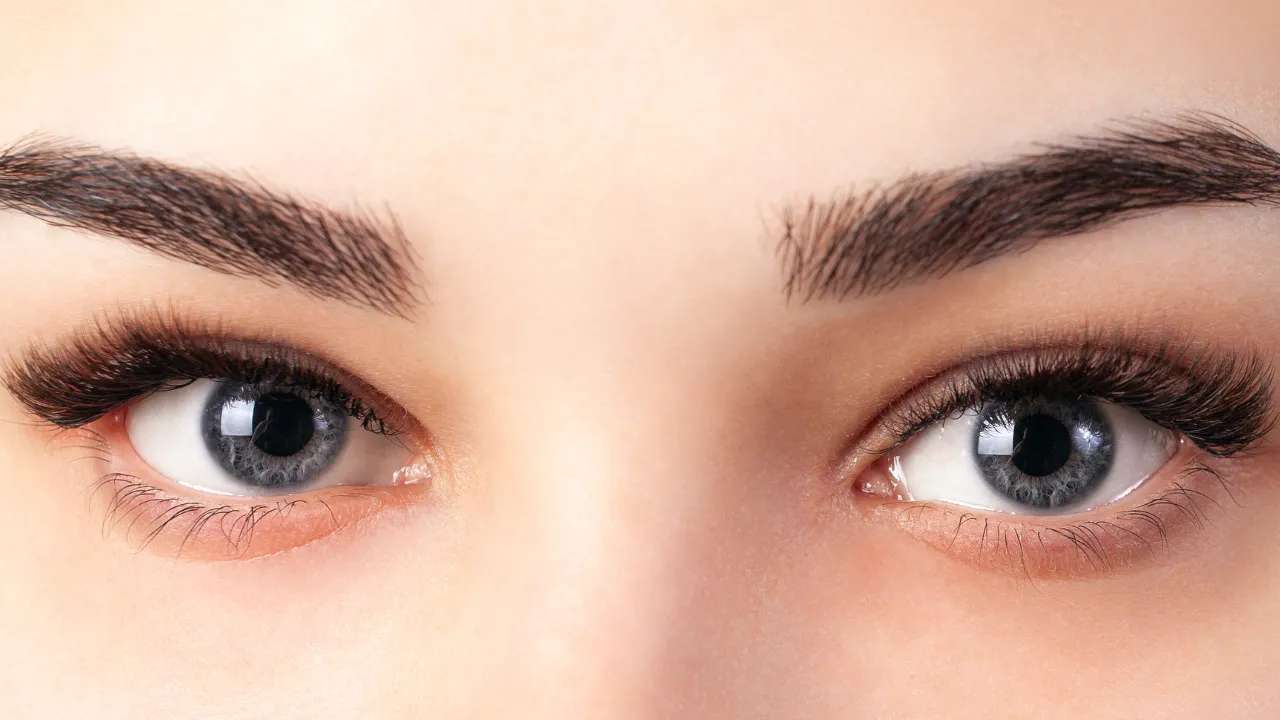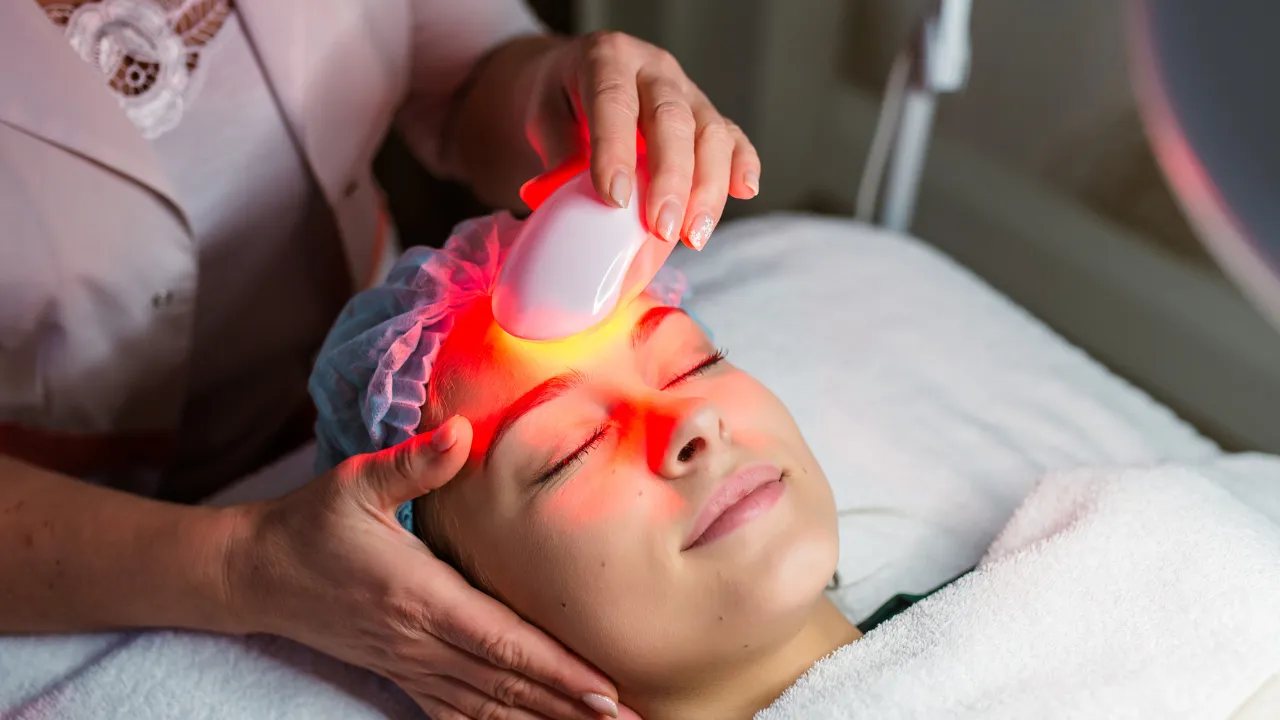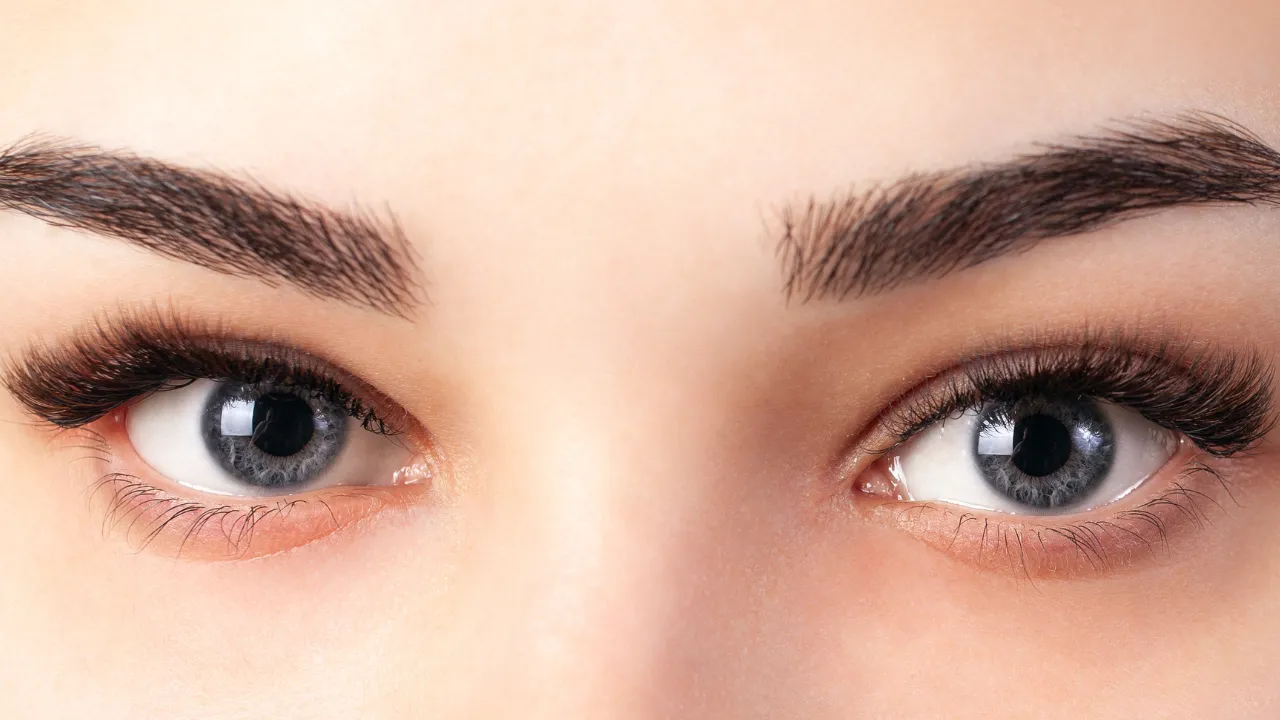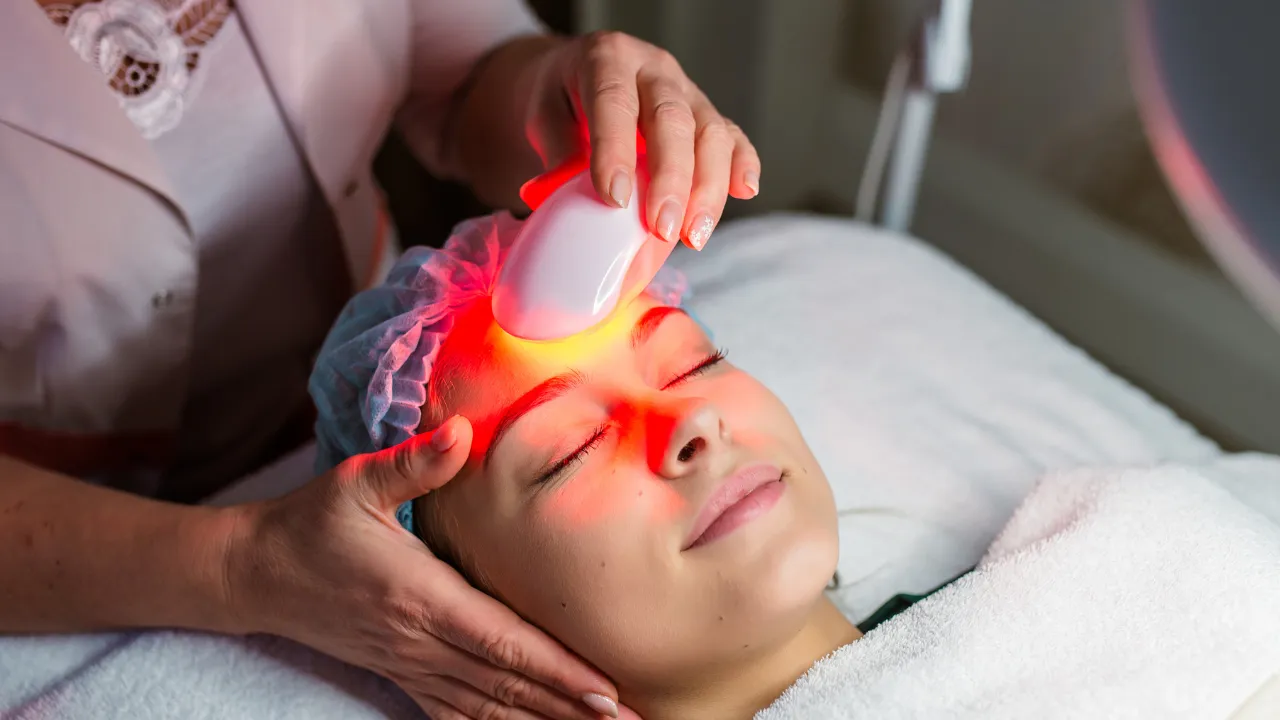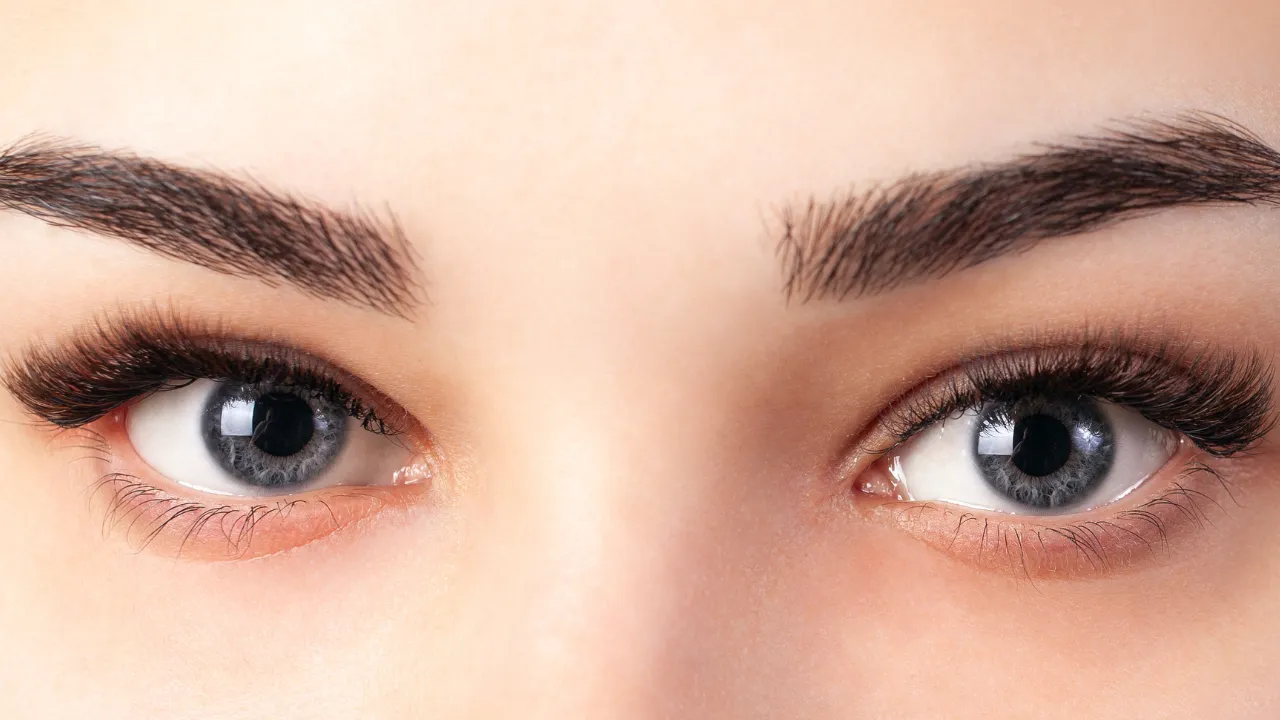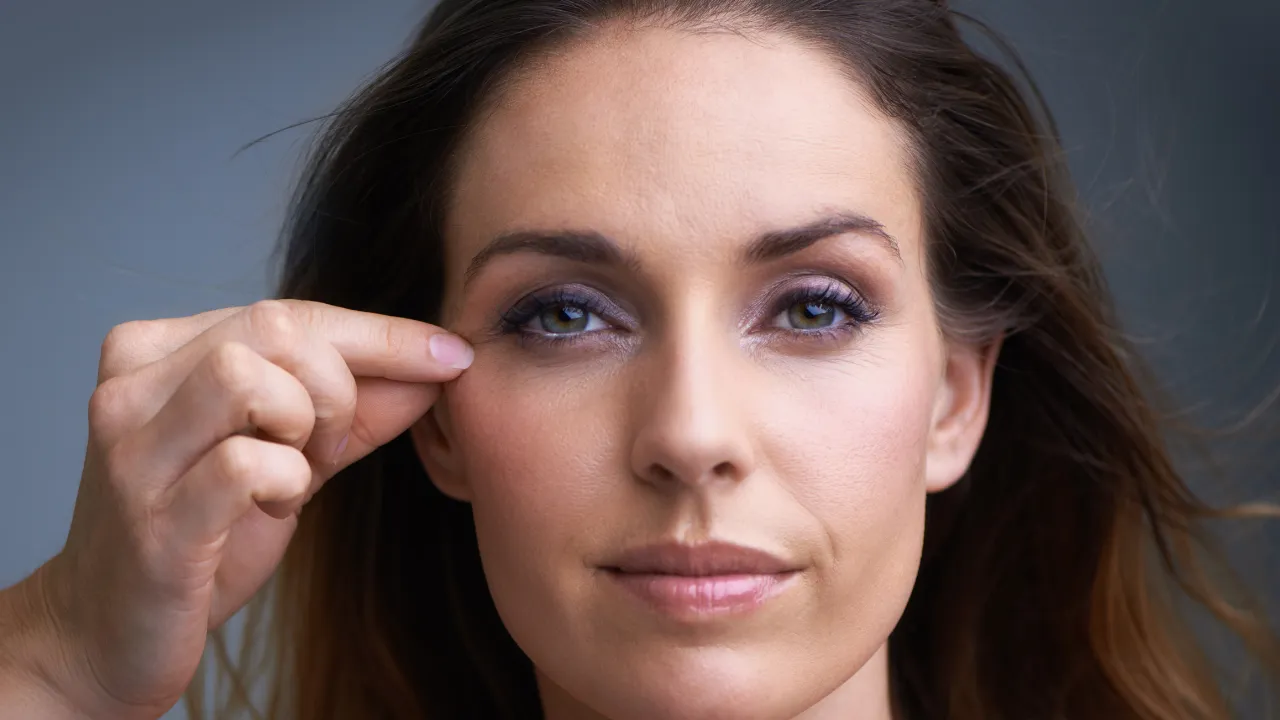

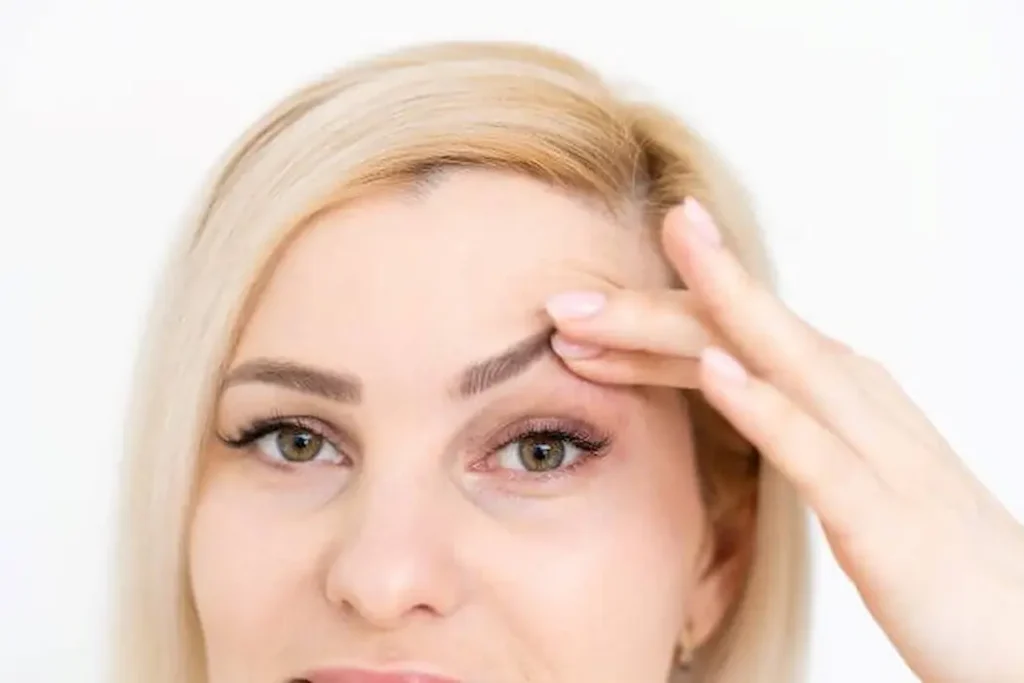
Symptoms can include a heavy upper eyelid, uneven eyes, reduced brow lift, or blocked vision. It is usually temporary, often improving as Botox wears off, but prescription eye drops, corrective Botox, or medical evaluation may help depending on the cause.
Key Takeaways
- Forehead Botox can cause droopy eyelids when the toxin spreads, is placed too low, or weakens brow support.
- Drooping may come from brow heaviness, true eyelid ptosis, or pre-existing upper eyelid hooding.
- Symptoms can include eyelid heaviness, uneven eyes, reduced brow lift, eye strain, or blocked vision.
- Treatment may include observation, prescription eye drops, corrective Botox, or medical evaluation depending on the cause.
Can Botox in the Forehead Cause Droopy Eyelids?
Yes, can botox in the forehead cause droopy eyelids is a valid concern. Botox works by reducing targeted muscle activity, which can soften frown lines and forehead wrinkles.
If the treatment affects the wrong area or spreads beyond the planned injection site, the brow or upper eyelids may look lower.
This side effect is usually temporary, but it needs the right evaluation. Some patients have brow heaviness rather than true eyelid ptosis. Others may have eyelid drooping after botox because the muscle that helps lift the eyelid has been affected.
Why Eyelids Droop After Botox
Botox and similar botulinum toxin injections block nerve signals to selected muscles. In the forehead, the goal is to relax lines while keeping enough support in the brow. If too much relaxation occurs, the brow may settle lower and make the eyes look tired.
The phrase botox injection forehead cause droopy eyelids usually refers to two possible issues:
- Brow descent from excess weakening of the forehead muscle
- Botox spread near muscles that help lift the eyelid
- Pre-existing eyelid hooding that becomes more visible after treatment
Brow Heaviness vs True Ptosis
Brow heaviness happens when the brow drops and pushes extra skin toward the droopy eyes. This can make the upper eyelids look crowded, even when the eyelid itself still works normally.
True ptosis means the eyelid margin sits lower than normal because the lifting mechanism is weak or affected. The levator muscle is responsible for lifting the eyelid.
This distinction matters because brow heaviness and true ptosis may need different management.
Forehead Muscle and Botox Spread
The frontalis muscle helps lift the brows. When this facial muscle relaxes too much, the brows may lose support. This can create hooded eyelids after botox or make existing hooding more noticeable.
Botox spread can also happen when dose, depth, or placement is not ideal for the patient’s anatomy. Facial anatomy varies, so injectors must assess forehead height, brow position, eyelid skin, and baseline muscle activity before treatment.
Signs of Ptosis After Botox
Signs of ptosis after Botox may include changes such as
- Uneven eyes
- One eyelid sitting lower than the other
- A heavy eyelid sensation
- Trouble opening one eye fully
- Eye asymmetry in photos
- Eye strain during reading or screen use
Drooping eyelids can also affect vision if the lid blocks part of the pupil. New vision changes, eye pain, double vision, or sudden facial weakness need prompt medical evaluation.
Hooded Eyelids After Botox
Hooded eyelids after botox often happen when the brow settles downward. The skin above the eye may fold more than usual, even if the eyelid muscle is not weak.
Some patients already have extra upper eyelid skin before treatment. Botox may reveal that baseline anatomy by reducing the muscle support they used to lift the brows.
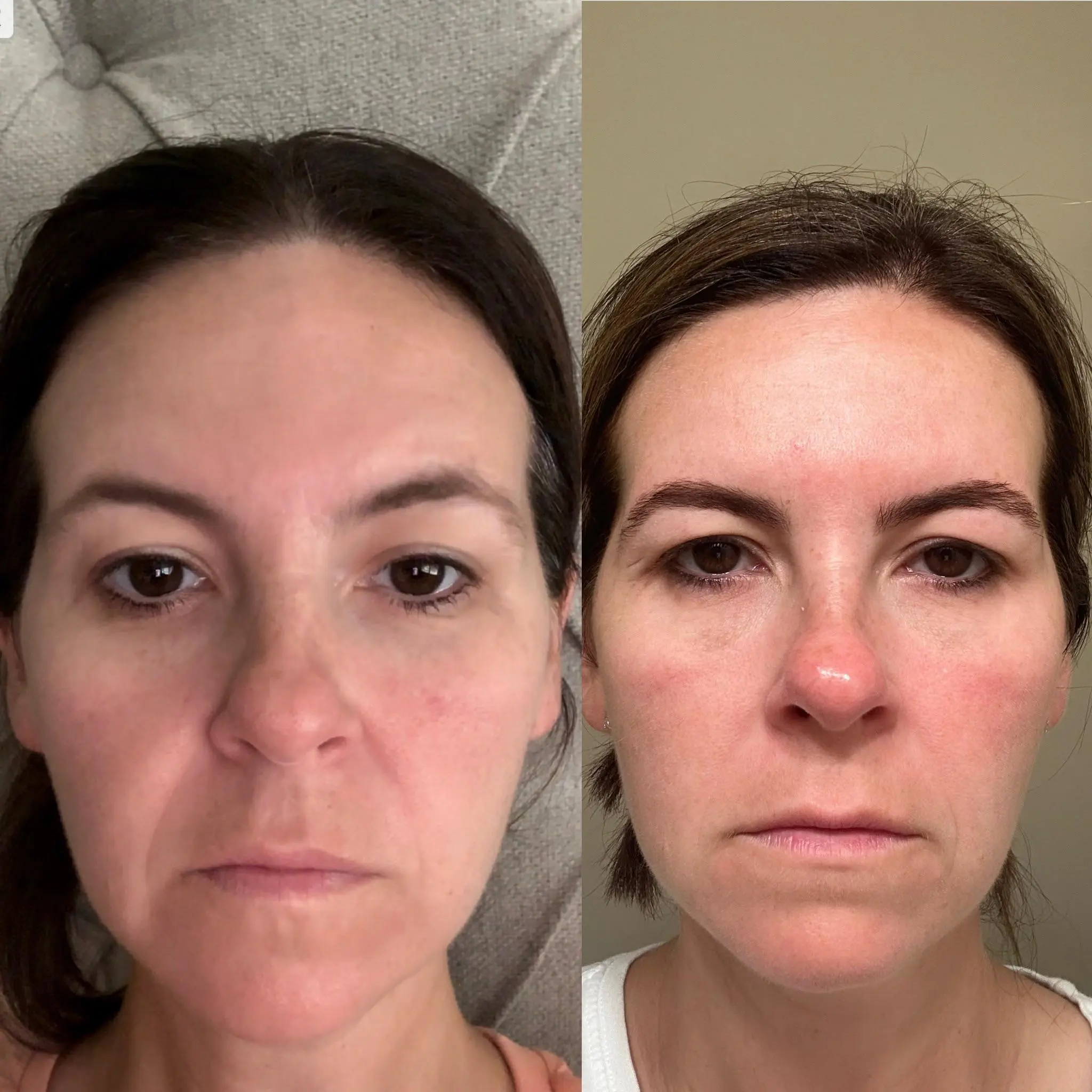
Pictures of Eyelid Droop After Botox

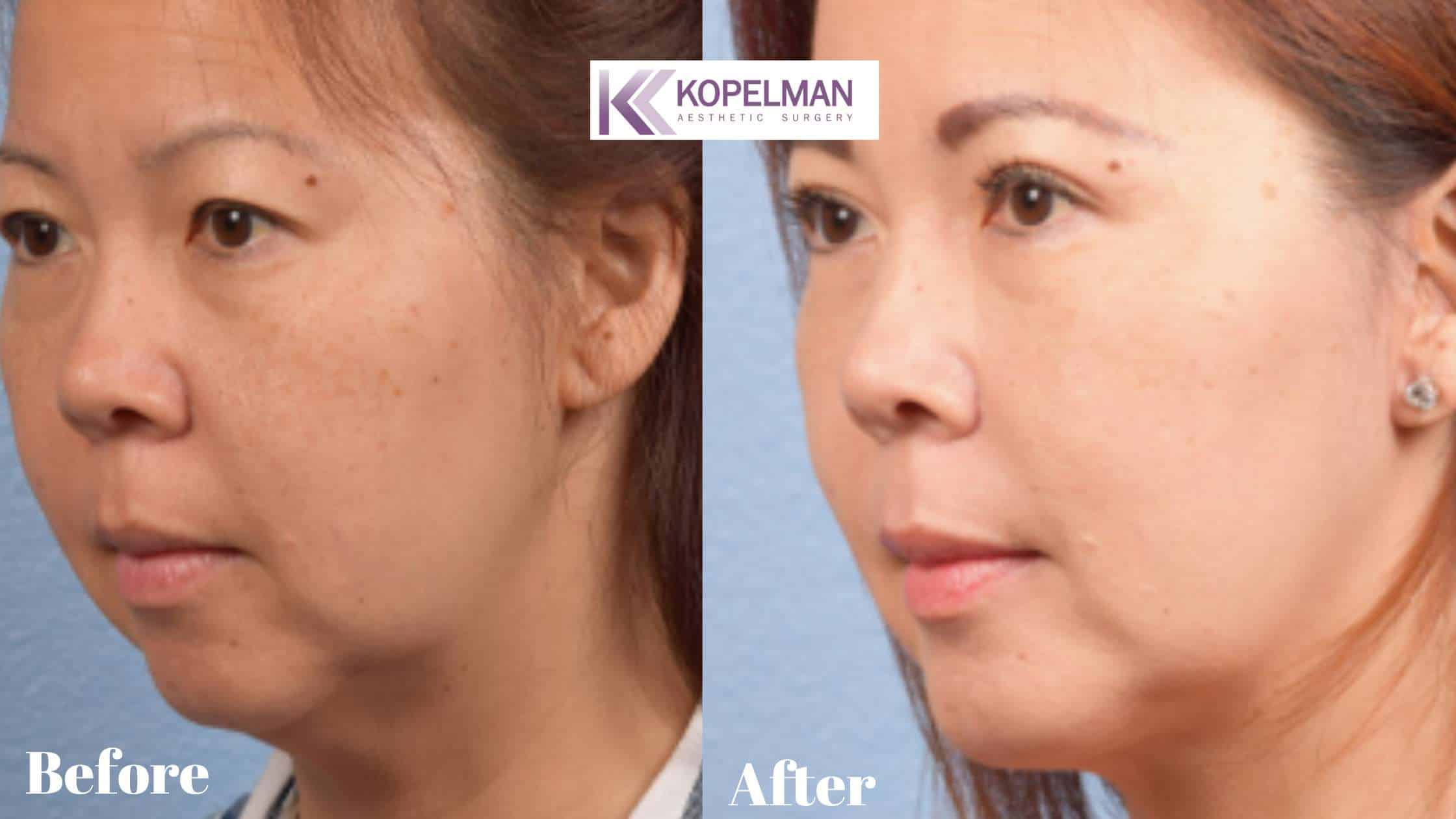
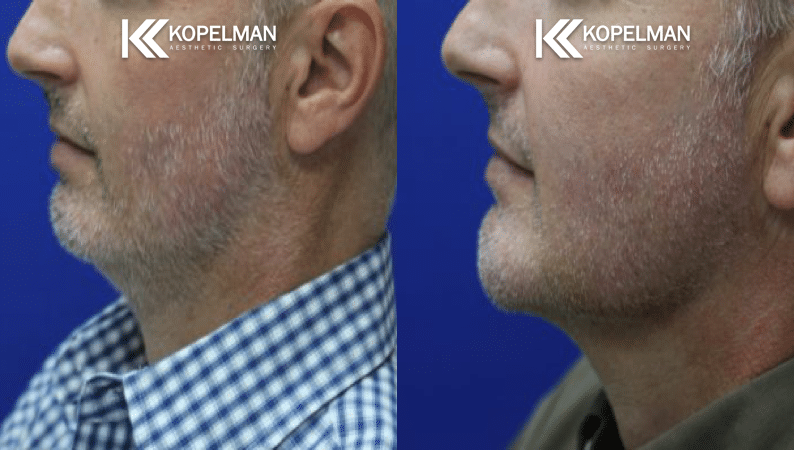
Pictures of eyelid droop after Botox can help show what changed. Before and after photos may reveal brow position, eyelid height, and asymmetry.
Good comparison photos should use similar lighting, expression, and camera angle. Raised brows or squinting can make the eyelids look different from moment to moment.
How Do You Fix Droopy Eyelids After Botox?
A droopy eyelid botox concern should be reviewed by the treating injector or an eye specialist. The right fix depends on whether the problem is brow heaviness, true ptosis, or another eyelid issue.
Common options may include:
- Prescription eye drops in selected cases
- Corrective Botox when brow imbalance is involved
- Observation while Botox wears off
- Medical evaluation if vision changes occur
Prescription Eye Drops
Certain prescription eye drops may create a small eyelid-lifting effect in some patients. These drops do not remove Botox or reverse the injection itself. They may help while the toxin effect fades.
Corrective Botox
Corrective Botox may help when brow imbalance contributes to the appearance of drooping. In selected cases, relaxing specific muscles around the brow can help lift the brows slightly
This approach requires careful planning. Adding more toxin in the wrong area can worsen heaviness.
Waiting for Botox To Wear Off
Waiting is often part of treatment because Botox effects are temporary. As muscle activity returns, brow or eyelid position usually improves.
Patients should avoid massaging the area or seeking repeat injections too soon without medical advice. Early changes can continue to evolve during the first one to two weeks.
How Long Does It Last?
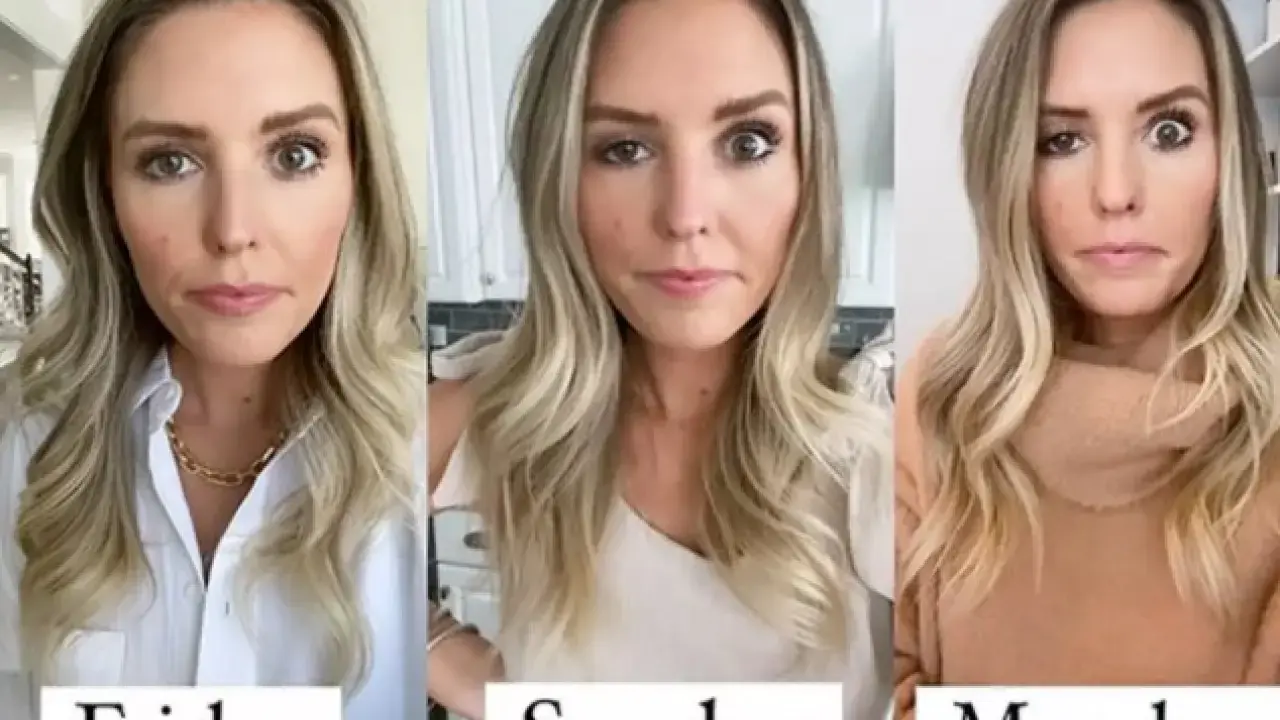
A droopy eyelid from Botox may improve within several weeks, but timing varies. Some cases improve faster, while others last closer to the full duration of the toxin effect.
Botulinum toxin type A effects commonly last several months in treated facial muscles. Follow-up helps document progress and detect anything unrelated to Botox.
When To See a Doctor
You should see a doctor if eyelid droop affects vision, appears severe, or does not improve as expected. You should also seek care for eye pain, double vision, new headache, facial weakness, or sudden neurologic symptoms.
Not all drooping eyelids after cosmetic procedures come from Botox. Eyelid skin laxity, brow ptosis, nerve issues, trauma, or eye conditions can create a similar appearance.
Expert Eyelid Evaluation
An expert eyelid evaluation focuses on cause, function, and safety. The clinician examines eyelid margin position, brow height, skin excess, and muscle movement.
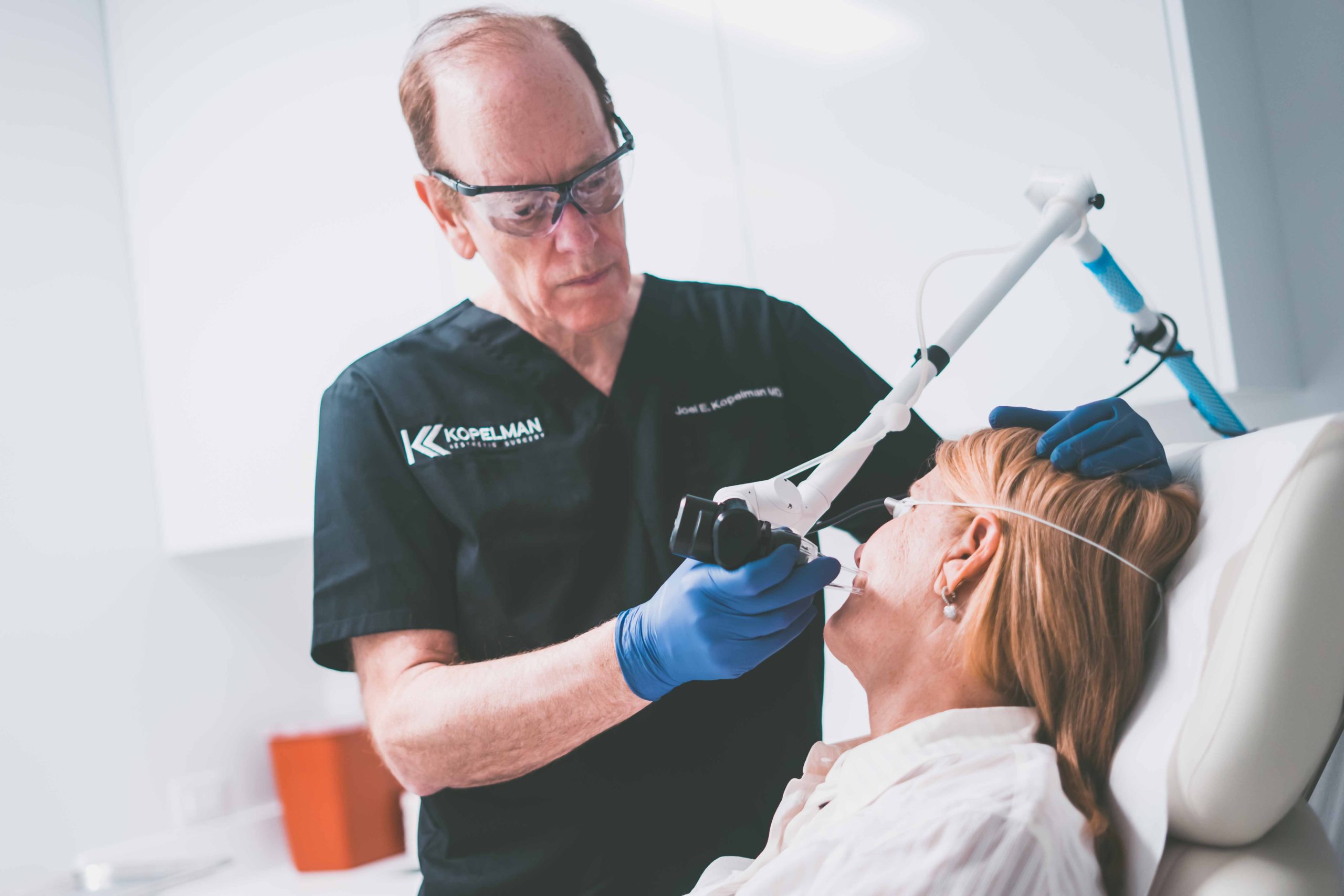
Dr. Kopelman is a facial plastic and oculoplastic surgeon with experience evaluating eyelid surgery, brow position, and facial balance. In a clinical setting, the goal is to identify which structure contributes to the droop.
Medical History and Symptoms
Medical history helps identify risk factors. The doctor may ask about prior Botox, dose, injection pattern, eye surgery, neurologic history, and previous eyelid asymmetry.
Eyelid Position and Function
Eyelid position is measured by looking at where the upper lid sits relative to the pupil. The doctor may compare both eyes at rest and during upward gaze.
Vision Changes
Vision changes matter because ptosis can become functional, not just cosmetic. If the eyelid blocks the pupil, reading, driving, or computer work may feel harder.
How To Reduce the Risk
Risk reduction starts with careful assessment. The injector should evaluate facial anatomy, brow height, forehead strength, eyelid position, and prior response to botulinum toxin injections. This reduces the risk of weakening the wrong area.
Safe Injection Planning
Safe injection planning considers dose, depth, spacing, and injection site selection. Forehead injections placed too low may increase the chance of brow heaviness.
Choose an Experienced Injector
Choose an injector who understands eyelid anatomy, brow support, and facial muscle balance. Botox is common, but the area around the eyes requires precise judgment.
FAQs About Droopy Eyelids After Botox
Botox does not directly lift the eyelid muscle. It may lift the brows in selected patients by relaxing muscles that pull the brows downward.
Can eye drops fix Botox ptosis?
Eye drops may help some cases of true eyelid droop, but they are temporary. A physician should decide if they are appropriate.
Will droopy eyelids go away on their own?
Many Botox-related eyelid changes improve as the toxin wears off. Persistent, severe, or vision-related symptoms need medical review.
How do I know if my pain is abnormal?
Sudden, severe, or spreading pain—especially with swelling or fever—should be reported to your surgeon.