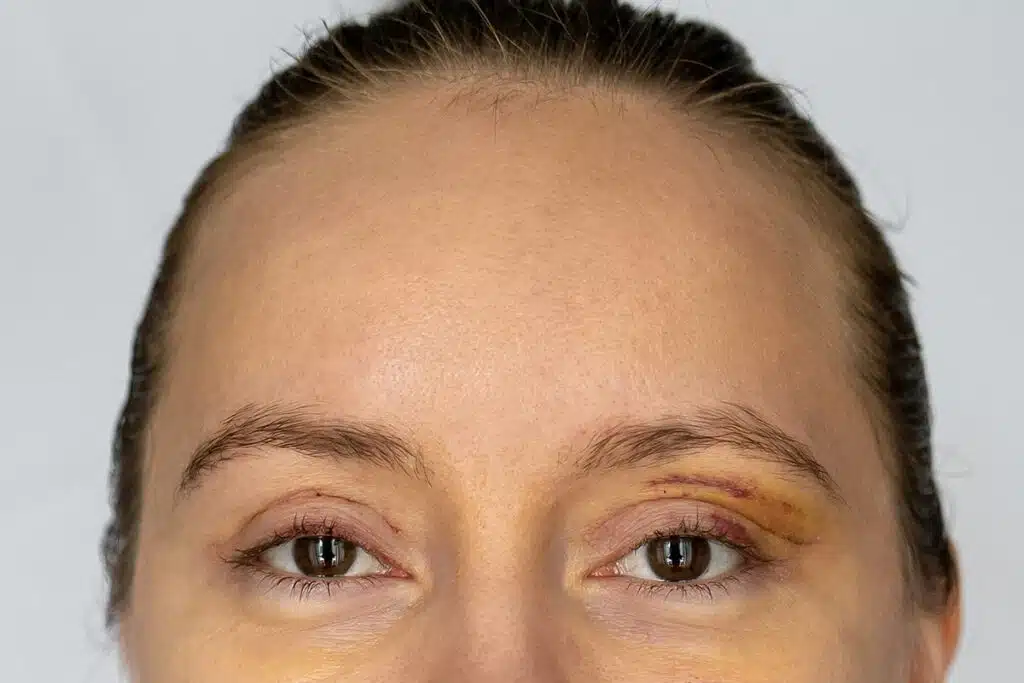
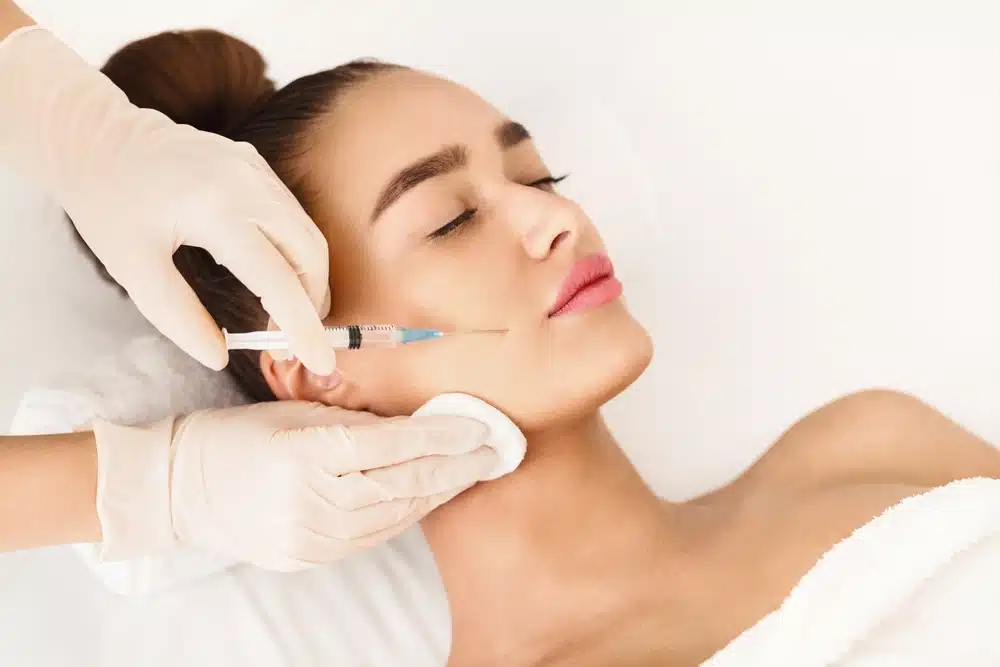
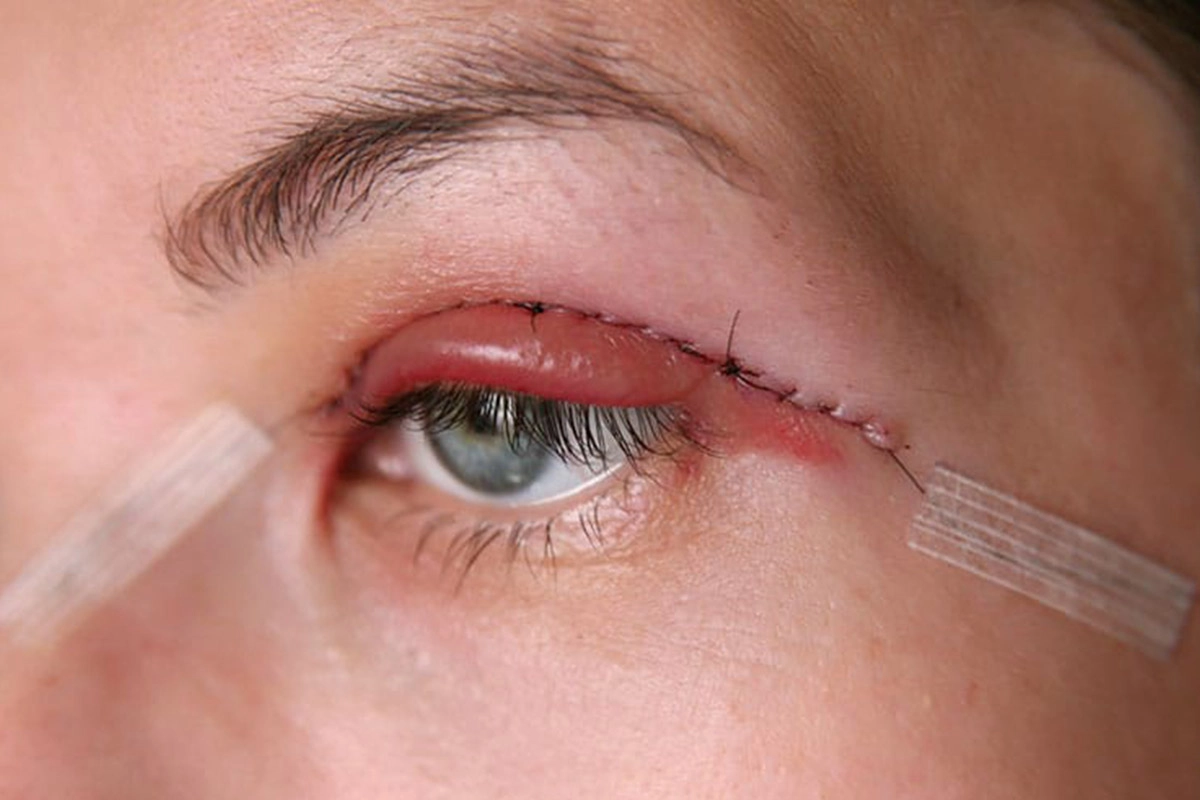
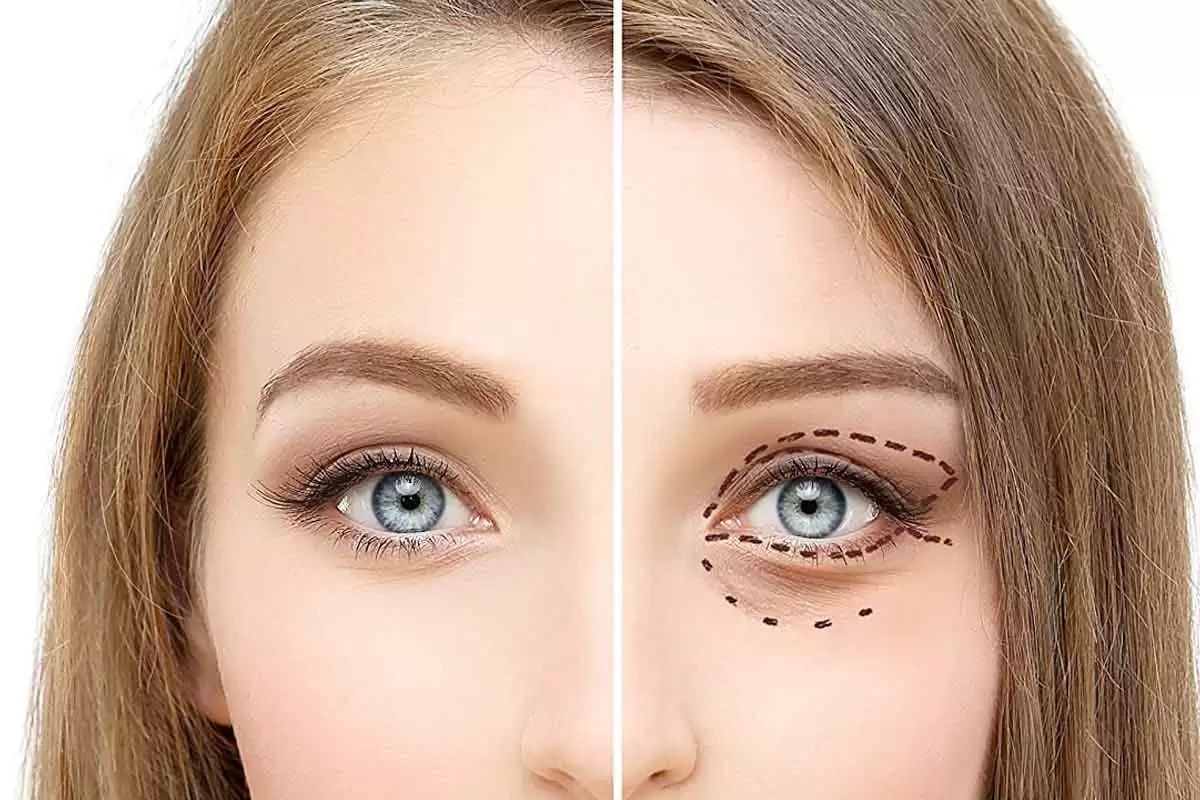
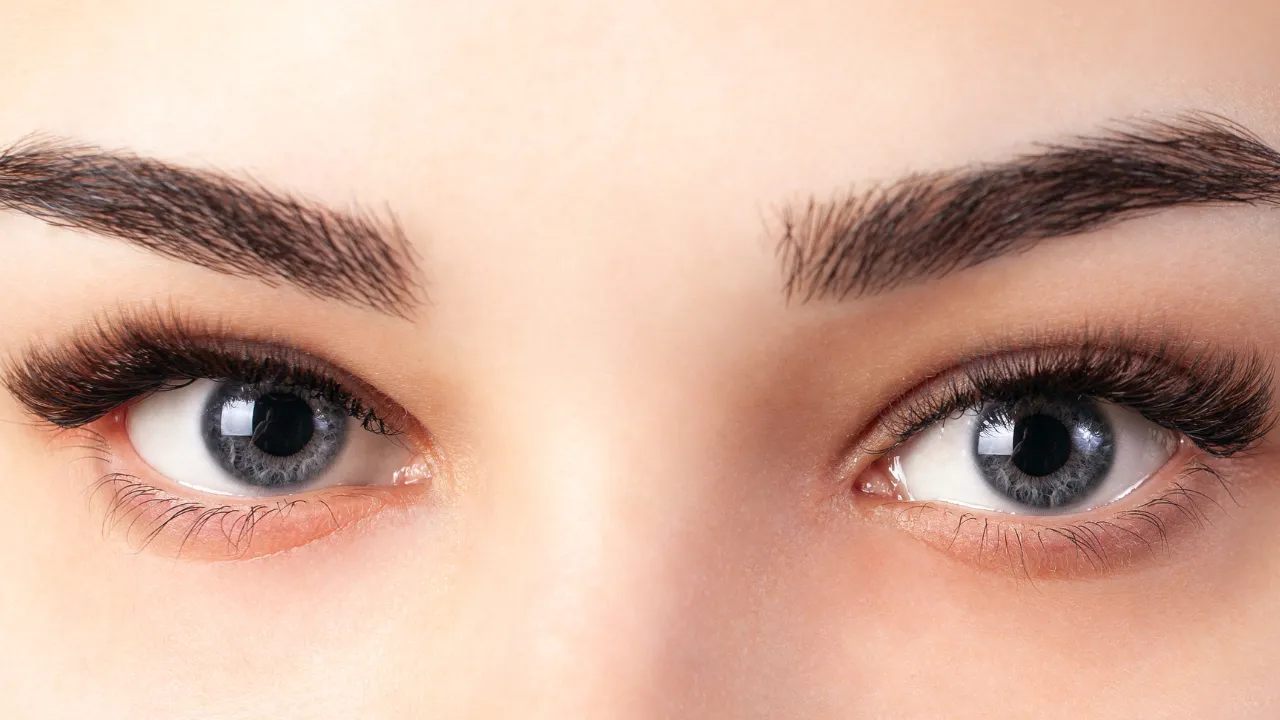
Women with a droopy lower eyelid type often deal with both appearance and eye issues, such as irritation or blurry vision. At Kopelman Aesthetic Surgery, Dr. Joel Kopelman offers expert care and treatment plans for those looking to understand the term “drooping lower eyelid type female.”
Table of Contents
ToggleUnderstanding Ectropion and Related Lower Eyelid Problems
Ectropion Meaning and Medical Definition
Ectropion occurs when the lower eyelid turns outward. This exposes the inside of the lid, which can lead to dry eyes, redness, and infections. The droopy lower eyelid is the medical term for this issue.
Ectropion Eye vs Other Causes of a Droopy Lower Eyelid
Ectropion affects the lower eyelid, while ptosis is different—it affects the upper eyelid. Ectropion makes the lid sag outward, leaving the eye unprotected. Getting the right diagnosis is important for treatment.
Ptosis vs. Ectropion: What’s the Difference?
Ptosis and ectropion affect different parts of the eyelid and require different treatments. Understanding the distinction helps ensure accurate diagnosis and proper care.
Ptosis vs. Ectropion comparison
Quick reference| Feature | Ptosis | Ectropion |
|---|---|---|
| Affected lid | Upper eyelid | Lower eyelid |
| Appearance | Eyelid droops downward | Eyelid turns outward |
| Cause | Weak muscles, aging, or nerve problems | Aging, scars, or nerve damage |
| Main concern | May block vision | Causes dryness, irritation, and exposure |
| Treatment | Eyelid lift surgery | Eyelid tightening or support surgery |
Sources
- American Academy of Ophthalmology – What Is Ptosis?
- American Academy of Ophthalmology – Ectropion
- MedlinePlus – Ectropion Overview
What A Lower Eyelid Drooping Means and Why It Happens
A drooping lower eyelid can be due to aging, weak muscles, or past injury. It may also be due to inflammation or nerve problems. It often affects tear drainage and the protection of your eye.
This condition is often described as a droopy lower eyelid, especially when the eyelid pulls away from the eye surface
Common Symptoms of Ectropion at a Glance
Ectropion may appear slowly or suddenly. Recognizing early symptoms helps prevent worsening lower eyelid problems.
Look for:
- Watery eyes
- Red or irritated eyes
- Dry eye or a gritty feeling
- Sensitivity to light
- Eyelid turning outward
- Blurry vision or eye infections
- Excessive tearing that doesn’t go away
These signs may get worse during the day.
What Causes a Drooping Eyelid?
Common Causes of Ectropion
The causes of ectropion are:
- Loose eyelid skin from aging
- Weak facial nerves
- Scars from past surgery or injury
- Long-term eye inflammation
These make the eyelid move away from the eye.
Sudden Droopy Eyelid: When It Appears Quickly
A fast change in eyelid shape can come from Bell’s palsy, injury, or tissue loss. It’s important to get checked to rule out serious issues.
Neurological and Systemic Conditions
Nerve conditions like facial palsy or stroke can cause eyelid drooping, and thyroid eye disease can also affect lid position. A full diagnosis guides the next steps.
Vitamin Deficiency and Eyelid Weakness
Low levels of vitamin B12 or magnesium may weaken eyelid muscles. These cases often have other symptoms too.
One Droopy Eyelid: Why It Happens on One Side
A single droopy eyelid may be caused by nerve damage or trauma. It can also signal a bigger health issue. Dr. Kopelman checks to see if surgery or medicine is needed.
Treatment for Sagging or Drooping Eyelids
Non-Surgical Eyelid Treatments: From Instant Fixes to Long-Term Care
Non-surgical treatments may help you look better or feel more comfortable:
- Lubricating eye drops
- Eyelid tape
- Firming creams
- Office treatments like radiofrequency
These options may temporarily improve symptoms caused by lower eyelid sagging
Droopy Bottom Eyelid Treatment Options and Surgical Repair
Surgery often works best. It can tighten muscles and adjust the eyelid. In some cases, a skin graft may be used. The type of surgery depends on the severity of the issue. This form of eye surgery is tailored to each person’s needs.
At Kopelman Aesthetic Surgery, Dr. Kopelman adjusts surgery to each patient’s needs.
Sagging lower eyelid treatment usually means a short outpatient surgery using local anesthesia.
When to See a Specialist
Signs That Require Medical Attention
See a specialist if you have:
- Watery or dry eyes
- Irritated eyelids
- Visible drooping
- Repeated eye infections
- Symptoms that get worse
- Excessive tearing without relief
Waiting can lead to more serious problems, like a corneal ulcer.
What to Expect During a Consultation
Dr. Kopelman will check your eyelids, review your history, and may order scans. He will determine whether the saggy lower eyelid is caused by aging, nerve issues, or structural changes.
FAQs About Drooping Eyelids and Ectropion
No. It can also be caused by injury, surgery, or nerve issues.
Yes. An outward-turned eyelid can affect tear flow and eye comfort.
They ease symptoms but don’t fix the cause. Surgery lasts longer.
Most people return to normal in 1–2 weeks after eyelid surgery, as swelling decreases.
Dr. Joel Kopelman’s care for drooping lower eyelid cases gives patients both medical results and a natural appearance. If you notice signs of ectropion, it’s best to see a specialist soon. Schedule today.