
At Kopelman Aesthetic Surgery in New York City, Dr. Joel Kopelman has helped patients achieve natural and refreshed results for over 35 years.
This guide explains why circles under the eyes may appear after this cosmetic procedure and how they can be treated or prevented.
Key Takeaways
- Dark circles after eyelid surgery may come from fat removal, thin skin, skin color, or swelling during recovery.
- Lower eyelid surgery is more likely to leave lasting under-eye shadows, while upper eyelid surgery usually causes short-term changes.
- Fillers, lasers, and skincare can help with color or volume issues, while revision surgery may fix structural problems.
- Blepharoplasty alone cannot remove pigment changes or thin skin, so extra treatments are often needed.
- Following recovery steps and choosing an experienced surgeon like Dr. Joel Kopelman lowers the chance of long-term under-eye problems.
Why Do Dark Circles Under Eyes Appear After Surgery?
Blepharoplasty surgery often tightens eyelid skin and smooths the natural contour of the eye. During the operation, the surgeon may remove excess skin and fat to reduce puffiness and shadows.
In some cases, repositioning fat is chosen over removal to keep the eyes looking natural. If too much tissue is taken away, fat grafting may later be needed to restore balance.
Surgical factors like fat removal
When surgeons remove excess fat too aggressively, the under-eye area may look hollow. This makes shadows appear deeper. Revision surgery may be needed if the condition does not improve with time.
In more severe cases, patients may notice hollow eyes after lower blepharoplasty when too much fat is removed from the under-eye area.
Dr. Joel Kopelman emphasizes that a skilled approach prevents these issues. His method focuses on reshaping eyelid skin and fat, preserving a natural look for both the upper eyelids and lower eyelids.
Not all problems come from surgery itself. Pigmentation, visible blood vessels, and the thin skin around the eyes can also make the area look darker.
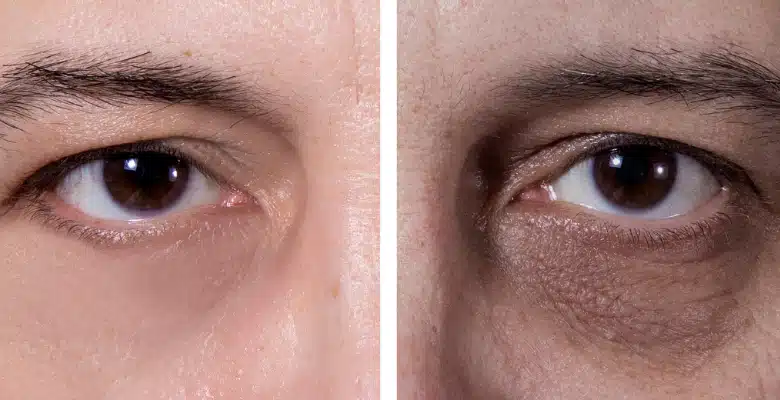
Skin pigmentation and thin tissue
Thin or pigmented eyelid skin may keep the area looking dark even after a successful plastic surgery. These issues are common in patients with delicate skin around the eyes and may require specific treatments.
This may explain hyperpigmentation after lower blepharoplasty in some patients, especially when thin skin makes color changes more noticeable.
Swelling and shadowing during recovery
Swelling and bruising are expected during the healing period. These cause short-term discoloration that usually fades within a few weeks.
It is important to distinguish short-term bruising from lasting problems. While swelling fades, issues like pigment changes or hollowing may require extra care.
Dark Circles by Surgery Type
Dark Circles Under Eyes After Lower Blepharoplasty
Lower eyelid surgery often targets eye bags by adjusting fat and skin. If fat is removed too aggressively, the area can look sunken and darker.
Patients often describe this issue as lower bleph dark circles when the under-eye area looks darker or more hollow after surgery.
Dark circles after upper blepharoplasty
Upper eyelid surgery may remove excess skin and can sometimes create a faint shadow or ash line above the eyelid crease. In some cases, swelling near the lash line may add to the appearance of darkness, though this usually improves with recovery.
Treatment Options
Non-surgical: fillers, lasers, skincare
Fillers restore lost volume and reduce shadows. Lasers improve skin tone and texture. Skincare products may help support healing and color balance.
Surgical corrections and fat repositioning
When non-surgical care is not enough, revision procedures may be required. Fat repositioning or fat grafting can restore eyelid shape and improve shadows.
Lifestyle steps that support healing
Healthy sleep, hydration, and sun protection speed recovery. Avoiding smoking also supports skin quality.
Can Blepharoplasty Get Rid of Under-Eye Shadows?
Blepharoplasty can improve eye bags and shadows caused by fat pads. It cannot fully correct pigment or very thin skin. Fillers, lasers, or skincare may be needed in addition to plastic surgery.
Recovery Tips for Eyelid Discoloration After Blepharoplasty
To improve healing, patients can follow simple steps:
- Apply cold compresses during the first 48 hours.
- Sleep with the head raised.
- Avoid alcohol and smoking.
- Protect the area with sunscreen after healing.
These measures help reduce swelling and bruising and support the eyelid skin as it heals.
How to Prevent Long-Term Under-Eye Changes
Choosing an experienced surgeon
Working with qualified plastic surgeons like Dr. Joel Kopelman reduces risks. Careful planning helps protect the natural look of the eyelids.
Following recovery care properly
Patients should closely follow aftercare, such as using cold compresses and resting. Some cases may require sedation or general anesthesia, depending on the complexity of the surgery. Following these steps lowers the risk of unwanted results.