Best Under Eye Filler for Hollow Eyes

I hope you’re enjoying reading this blog post if you want a consultation with Dr. Kopelman, click here.

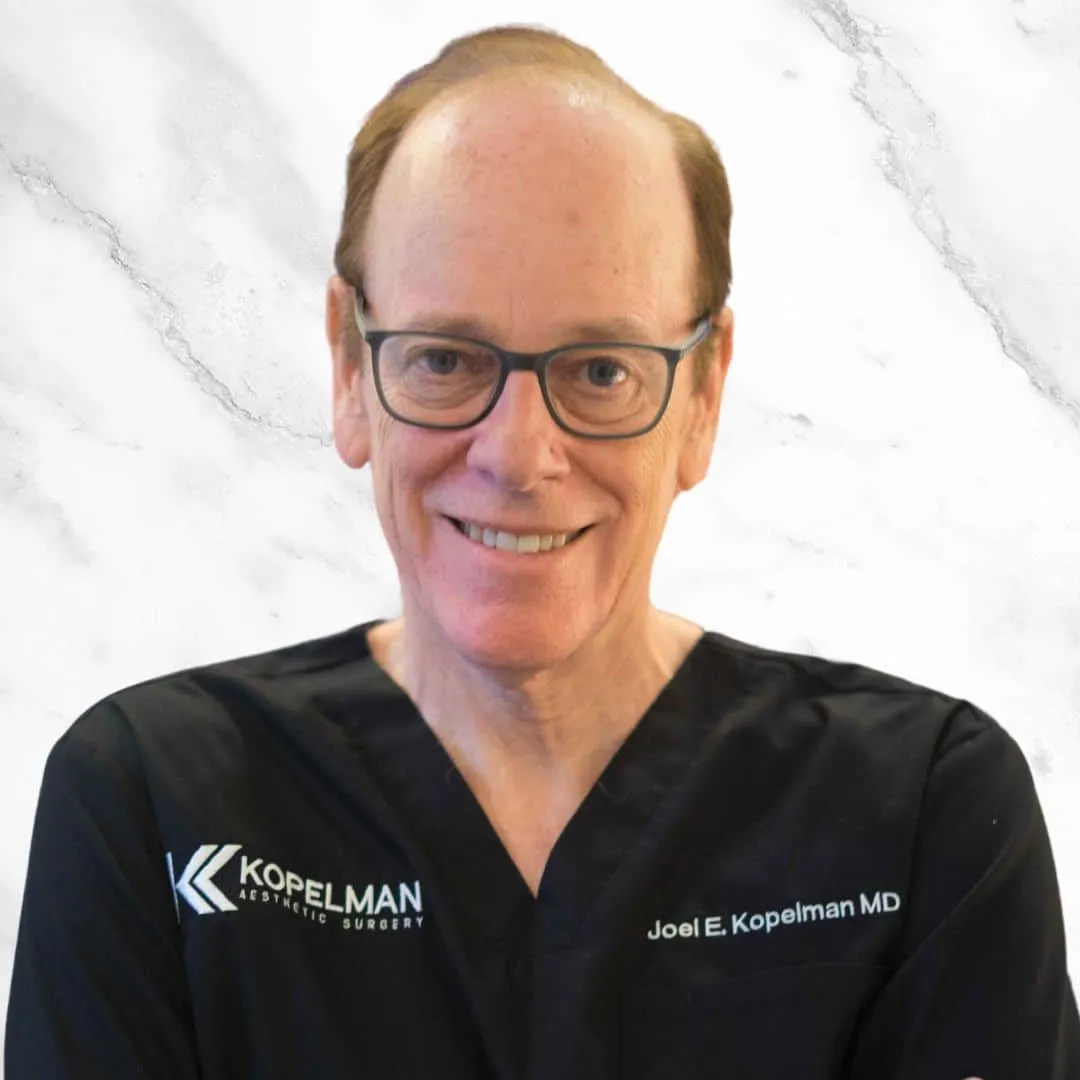
Dr. Joel Kopelman

July 27, 2025

The best under-eye filler for hollow eyes is typically a hyaluronic acid (HA) filler because it restores subtle volume, smooths the tear trough, and is fully reversible. The most widely recommended options include Restylane Eyelight, Juvederm Volbella XC, and Belotero Balance. Each has a different gel consistency, swelling profile, and ideal use case, so the right choice depends on your skin thickness, anatomy, and the severity of hollowing.

Results generally last 9 to 18 months, depending on the product, placement depth, and how quickly your body metabolizes the filler. Not everyone is a good candidate for this treatment, especially if puffiness, loose skin, or prominent eye bags are the main concern. Proper placement by an experienced injector is essential to reduce the risk of swelling, lumpiness, or a bluish tint known as the Tyndall effect.

At Kopelman Aesthetic Surgery, Dr. Joel Kopelman specializes in selecting the right dermal fillers under the eyes to restore volume, improve symmetry, and enhance your natural appearance with precision and care.

Key Takeaways

  • Hyaluronic acid fillers like Restylane and Juvederm are preferred for their safety, reversibility, and natural-looking results.
  • Restylane Eyelight is the first HA filler to receive FDA approval specifically for the under-eye area, with clinical data showing 87% of patients experienced reduced hollowness at three months.
  • The ideal candidate has minimal skin laxity, no prominent eye bags, and realistic expectations about what fillers can achieve.
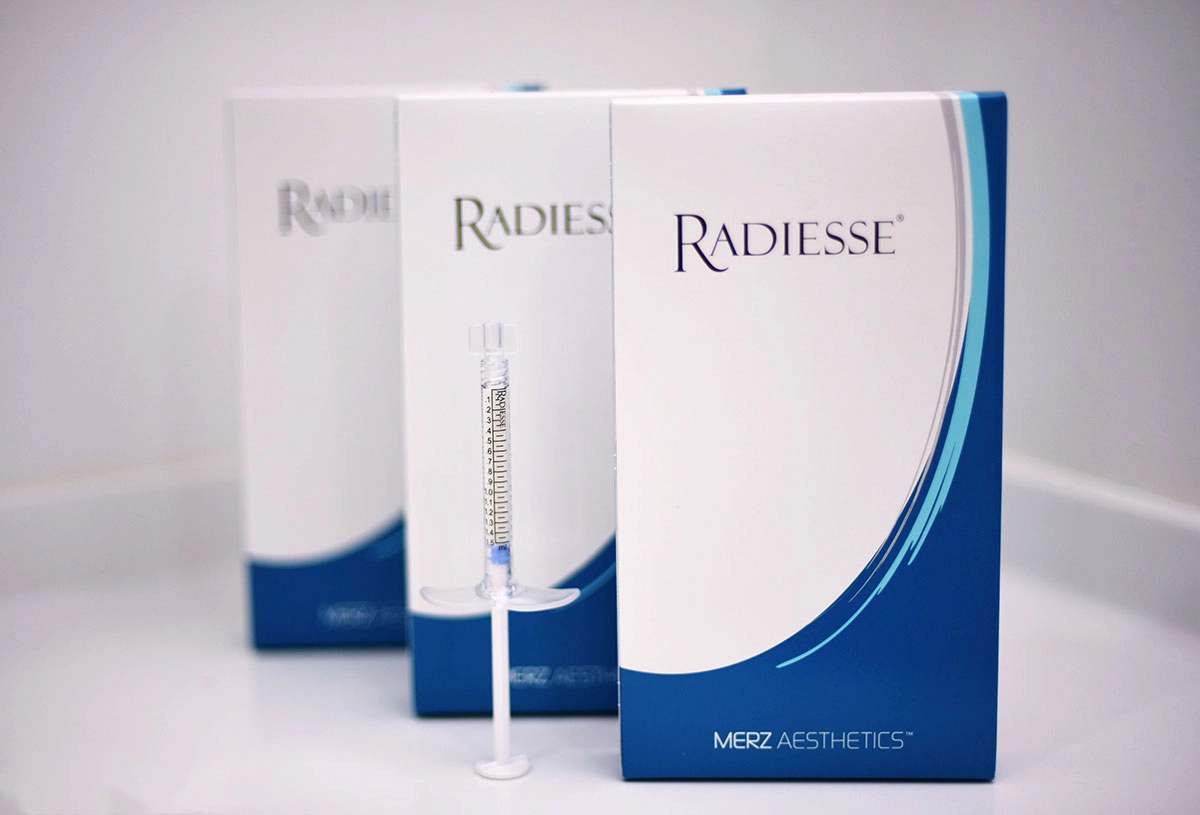
  • Certain fillers, including Radiesse, Sculptra, and silicone, should never be used in the periorbital area.
  • Most patients need only 1 to 2 syringes total for both eyes, experience minimal downtime, and see visible improvements that can last up to 18 months.
  • Dr. Kopelman uses customized injectable treatments based on your skin type, anatomy, and cosmetic goals.

What Is the Best Filler for Under-Eye Hollows?

The best under-eye filler for hollow eyes is a hyaluronic acid filler. HA is a substance your body produces naturally, which makes it highly biocompatible. These fillers add volume, attract moisture, and integrate smoothly with surrounding tissue. They are also completely reversible; if a problem occurs, an enzyme called hyaluronidase can dissolve the product.

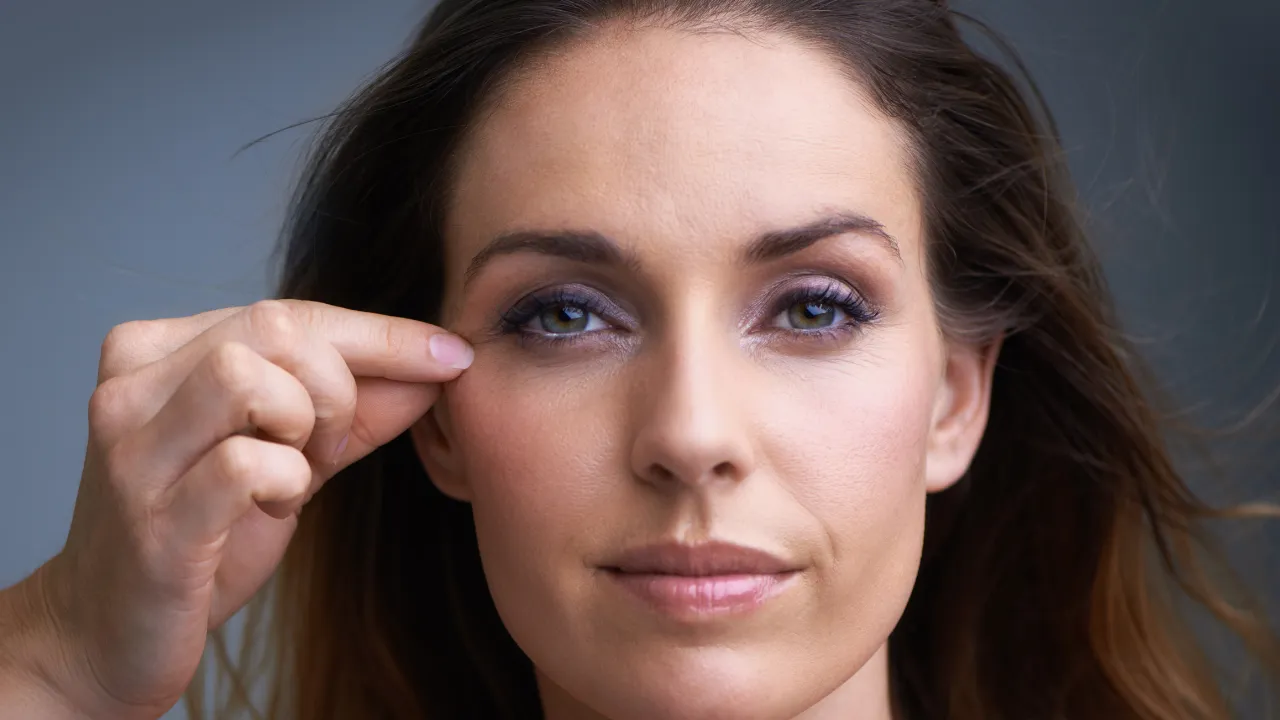
Here is a simple way to check whether your dark circles are caused by hollowness: in a bright mirror, gently lift the skin beneath your eyes. If the darkness disappears, the shadows are likely due to volume loss rather than pigmentation, and fillers could be an effective treatment for hollow-looking eyes.

If the dark color stays, pigmentation may be the primary cause, and topical treatments or laser therapy may be a better starting point.

The top HA fillers used for under-eye hollows include:

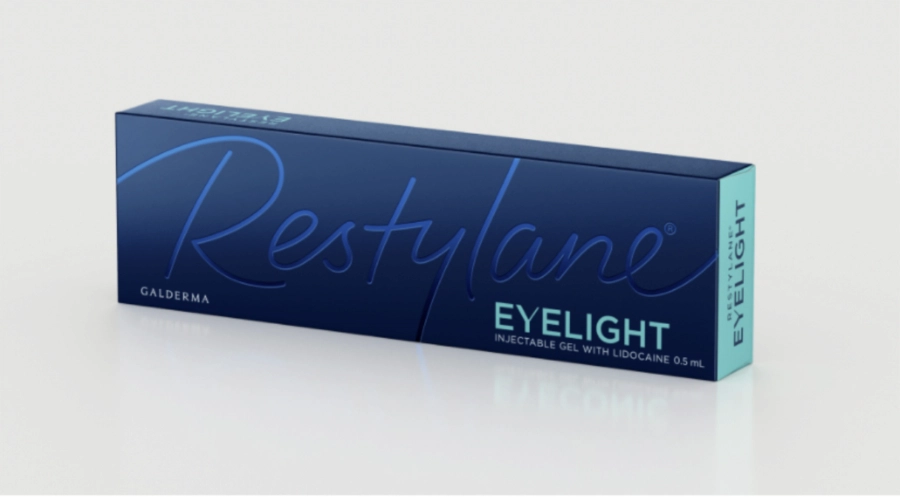
  • Restylane Eyelight: The first HA filler FDA-approved specifically for the under-eye area. It uses patented NASHA (Non-Animal Stabilized Hyaluronic Acid) technology to create a firm gel that resists water absorption, which means less puffiness after injection. Clinical trial data showed that 87% of patients experienced reduced hollowness at 3 months, and 93% said they would want the treatment again at 12 months. Results can last up to 18 months.
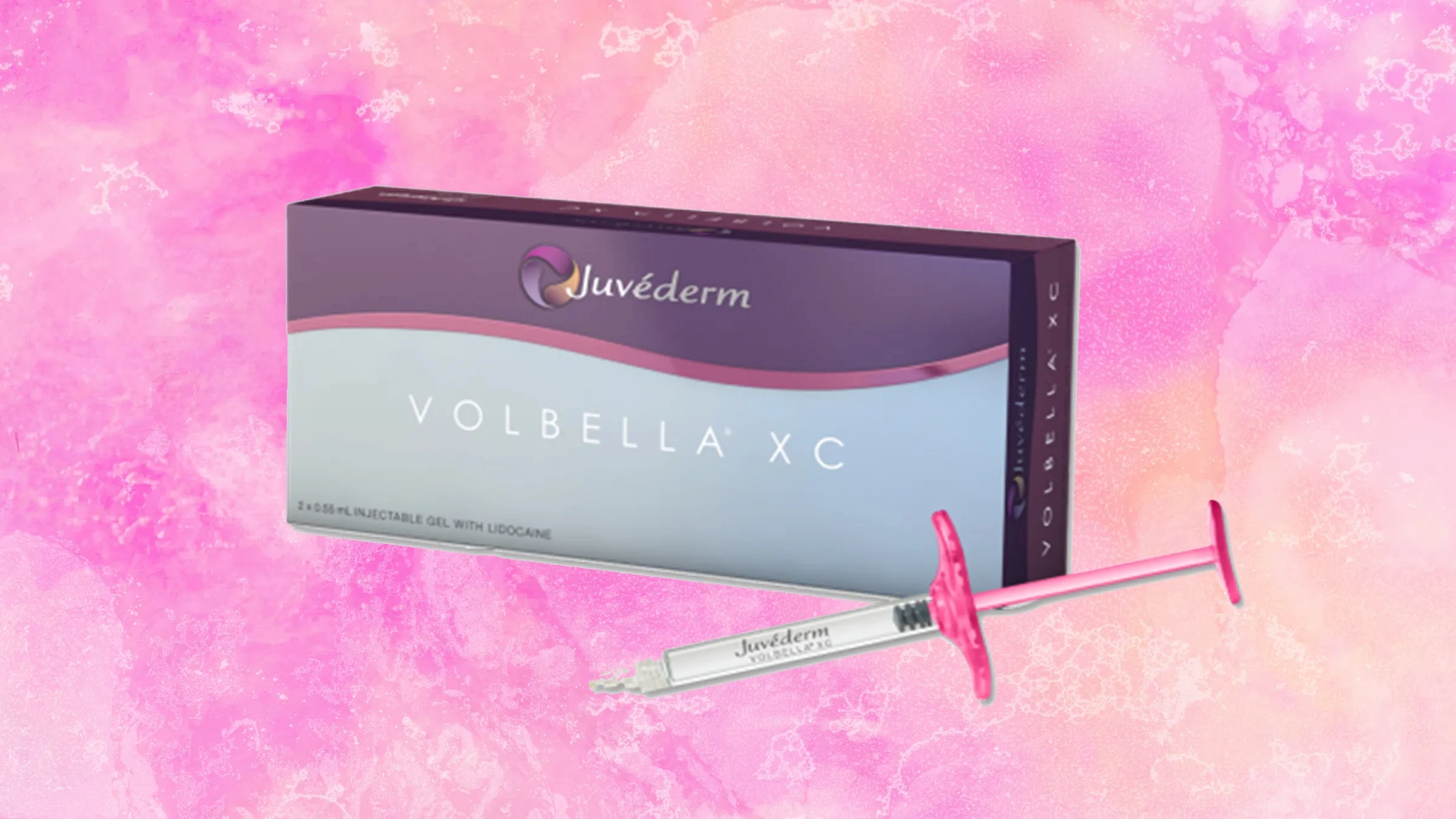
  • Juvederm Volbella XC: A softer, smoother formula built on Vycross technology. It provides subtle hydration and volume with a lower risk of puffiness, making it well suited for mild to moderate hollowing. Volbella can last up to 18 months and contains built-in lidocaine for comfort during injection.
  • Belotero Balance: The thinnest and most pliable of the three. It works best for very superficial volume loss and fine corrections near the skin surface. Because it integrates so smoothly, it carries a lower risk of the Tyndall effect (a bluish tint from filler placed too close to the surface). However, it provides less lift than Restylane or Volbella and may not be the best fit for deeper tear troughs.
  • Restylane-L: A firmer HA gel with high moldability. It offers strong lift and shape, making it a reliable option for first-time patients. Its balance of stiffness and cohesivity gives injectors good control over placement, and it typically lasts about 12 months under the eyes.

What is the best filler for under the eyes? It depends on your specific skin type, level of skin laxity, and the degree of hollowness. Dr. Kopelman carefully selects the best dermal filler for the tear trough based on your anatomy and aesthetic goals.
How the Top Under Eye Fillers Compare

Not all HA fillers behave the same way beneath your skin. Each has a different level of firmness, flexibility, tendency to swell, and ability to provide lift. Understanding these differences helps explain why your injector may recommend one product over another.

  1. Restylane Eyelight has the firmest gel of the group, which means it holds its shape well and resists absorbing water from surrounding tissue. That resistance to swelling is significant in the under-eye area, where even minor puffiness is visible. It is the best choice for patients seeking long-lasting volume with moderate hollowing.
  2. Juvederm Volbella XC is softer and more cohesive, meaning it spreads evenly once placed. This makes it ideal for patients who need subtle, widespread smoothing rather than a targeted lift in a single deep groove. Its Vycross technology also allows it to last longer than earlier Juvederm formulations.
  3. Belotero Balance is the least stiff option. It blends into tissue with minimal visibility, which makes it forgiving for the injector and gentle for patients with very thin skin. The trade-off is that it provides the least structural support and may not adequately correct deeper hollows.
  4. Restylane-L falls between Eyelight and Belotero in firmness. It has been used for under-eye injections longer than any other option, giving injectors the most collective experience and long-term data with this product.

RHA (Resilient Hyaluronic Acid) fillers are a newer category worth knowing about. They are engineered to flex with facial movement rather than holding a fixed shape, which can be useful for patients with very expressive faces. While not yet as widely used for the tear trough as the products above, they represent the direction HA technology is heading and may be discussed during your consultation as an alternative.

Most patients need 1 to 2 syringes total for both eyes. Dr. Kopelman prefers a conservative approach, starting with a smaller amount and adding more at a follow-up if needed. It is always easier to add volume than to remove it.
Fillers to Avoid for the Under Eye Area

While HA fillers are the standard for hollow eye filler treatments, several other injectable products should not be used in the delicate periorbital region. These products carry higher risks and, critically, cannot be dissolved if complications arise.

  1. Radiesse (calcium hydroxylapatite) is a thicker, calcium-based filler designed for deeper facial areas like the jawline and cheeks. Under the thin skin around the eyes, it can appear lumpy or create a whitish discoloration. Because it is not hyaluronic acid-based, it cannot be reversed with hyaluronidase.
  2. Sculptra (poly-L-lactic acid) is a collagen stimulator that works gradually over several months. While effective in the mid-face and temples, it carries a risk of nodule formation under the thin periorbital skin. These nodules can be persistent and difficult to treat. Sculptra is also non-reversible.
  3. Silicone (including Silikon 1000) is a permanent filler that the FDA has specifically warned against for soft-tissue augmentation. It cannot be dissolved, and if complications develop, such as granulomas, migration, or chronic inflammation, surgical removal is often the only option.
  4. Bellafill (polymethyl methacrylate microspheres) is a semi-permanent filler suspended in bovine collagen. Its permanent microspheres make correction of misplacement extremely difficult. The under-eye area is too unforgiving for a product that cannot be adjusted or removed.

If you have previously received any of these fillers under your eyes and are experiencing complications such as persistent lumps, discoloration, or asymmetry, consult an oculoplastic surgeon experienced in filler revision.
Who Benefits from Under-Eye Fillers?

Under-eye fillers work best for individuals with:

  • Mild to moderate volume loss beneath the eyes
  • No significant eye bags or excess skin laxity
  • Healthy overall medical conditions and a stable lifestyle

A good candidate will have realistic expectations and understand both the benefits and limitations of injectable treatments. Hollowing that casts shadows is the most responsive concern; filler adds volume that lifts the skin and eliminates the shadowing effect.

If you have severe hollows and dark circles or chronic puffiness, Dr. Kopelman may recommend surgery rather than fillers. True under-eye bags, in which orbital fat has herniated forward, generally respond better to blepharoplasty than to injectable treatments. Adding filler in these cases can actually increase the appearance of fullness rather than reducing it.

Where to Inject Filler for Hollow Eyes

Filler is placed in the tear trough area, a natural groove below the lower eyelid where the eyelid meets the upper cheek. Precision is critical in this region to avoid complications such as the Tyndall effect, a bluish tint that occurs when filler is placed too superficially.

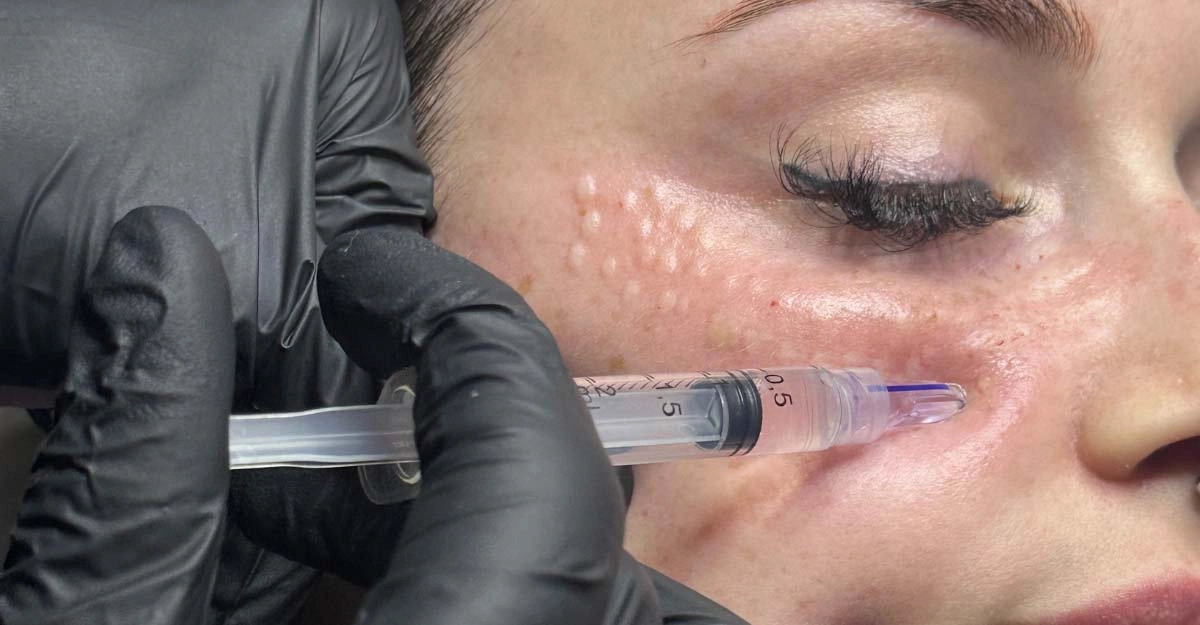
Dr. Kopelman uses a blunt-tipped microcannula to inject HA filler:

  • Above the orbital rim
  • Underneath the muscle layer
  • In small, precise amounts

The cannula technique requires only one entry point and glides beneath the skin rather than puncturing through it. This approach significantly reduces the risk of bruising, minimizes trauma to blood vessels, and allows the injector to place filler with greater accuracy.

Non-Injectable Alternatives for Sunken Eyes

For those not ready for injectable hollow eyes treatment, several alternatives can help improve the under-eye area or delay the need for fillers.

  • Under-eye filler cream options: Topical products containing peptides, retinol, and hyaluronic acid can improve skin quality, thickness, and hydration over time. While no cream can replicate the volume restoration that injectable dermal fillers under the eyes provide, consistent use of a quality eye cream can improve skin texture and mildly reduce the appearance of fine lines. Look for products with proven active ingredients rather than marketing-driven formulations.
  • Microneedling with PRP: Platelet-rich plasma combined with microneedling stimulates collagen production and can gradually improve skin texture, tone, and thickness in the under-eye region. This option works best for mild concerns and is often used alongside other treatments.
  • PRF (platelet-rich fibrin) injections: A newer regenerative option that uses a gel derived from your own blood, rich in growth factors, to naturally stimulate collagen and improve skin quality beneath the eyes.
  • Laser resurfacing: Fractional laser treatments can tighten skin, improve pigmentation, and stimulate collagen remodeling. They address surface-level concerns effectively but do not restore lost volume.
  • Blepharoplasty: For patients with significant under-eye bags, excess skin, or fat herniation, surgical lower eyelid surgery provides more dramatic and permanent results than fillers. Dr. Kopelman can advise during a consultation whether surgery or fillers are the more appropriate path.

Preparation and Recovery

Before treatment:

  • Avoid alcohol and blood-thinning medications (aspirin, ibuprofen, fish oil supplements) for at least one week prior to your appointment to minimize bruising risk
  • Share your full medical history with your provider, including any history of cold sores, allergies, or previous filler treatments
  • Arrive with a clean face, free of makeup

After treatment:

  • Expect mild swelling or bruising for the first 2 to 3 days; swelling typically peaks within 24 to 48 hours and resolves within a week
  • Use cold compresses gently to reduce swelling
  • Sleep with your head slightly elevated for the first 1 to 2 nights
  • Avoid strenuous exercise, bending over, or lying face-down for 24 to 48 hours
  • Do not rub or press on the treated area for at least 48 hours
  • Avoid excessive sun exposure and wear sunglasses outdoors during the initial healing period

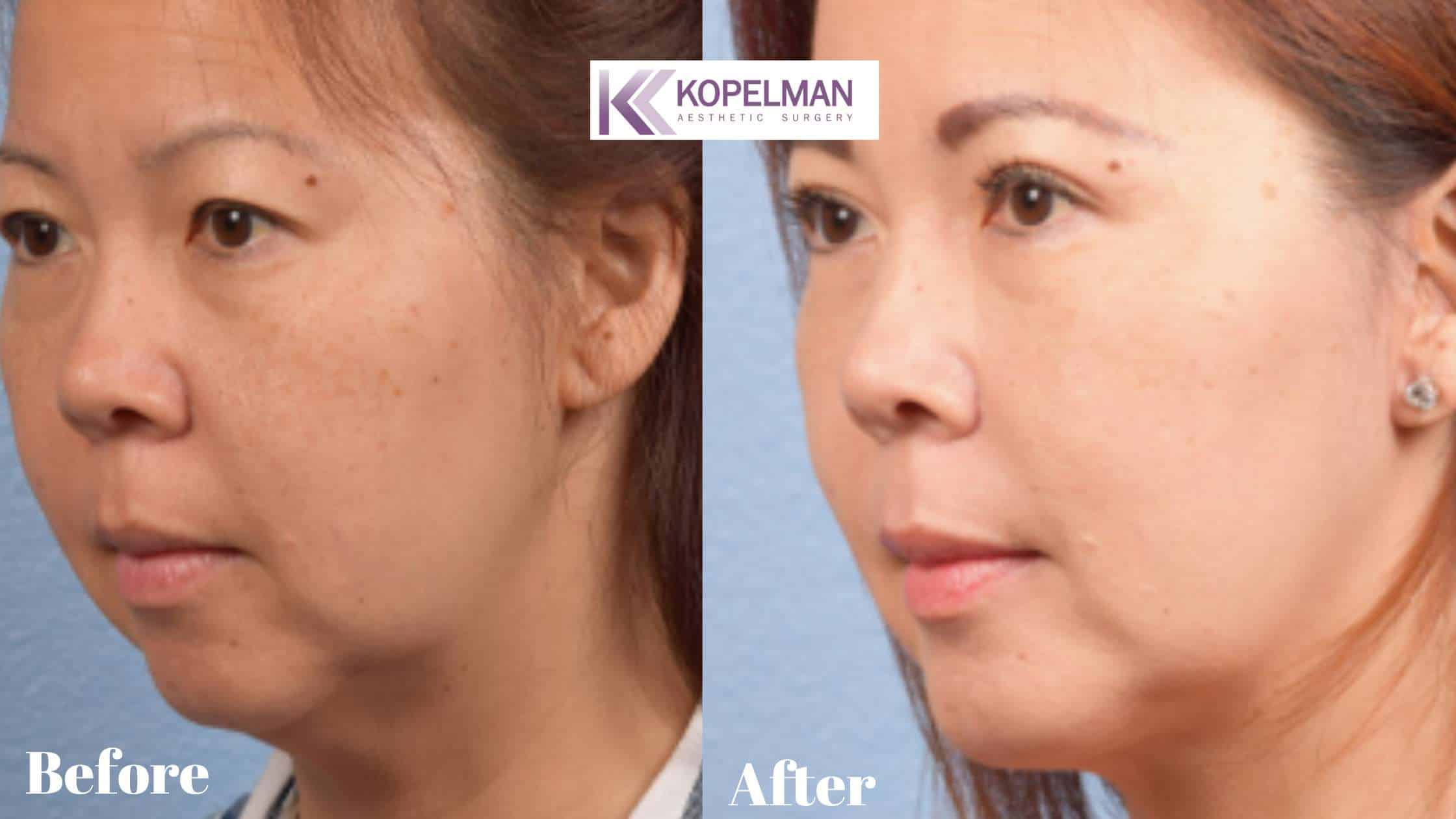
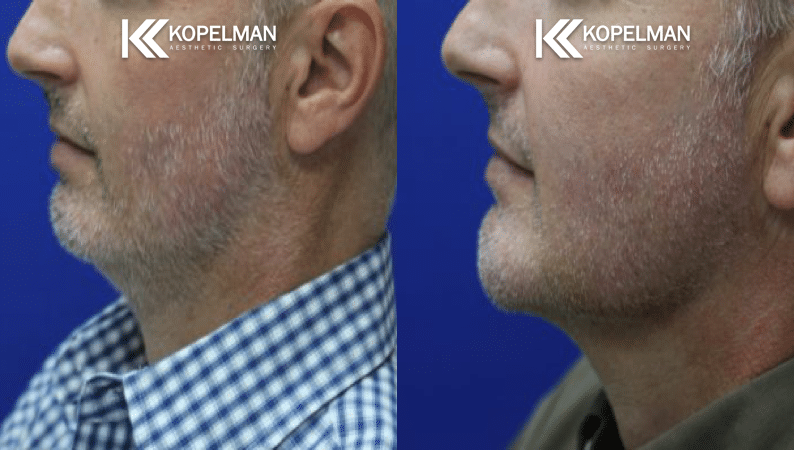
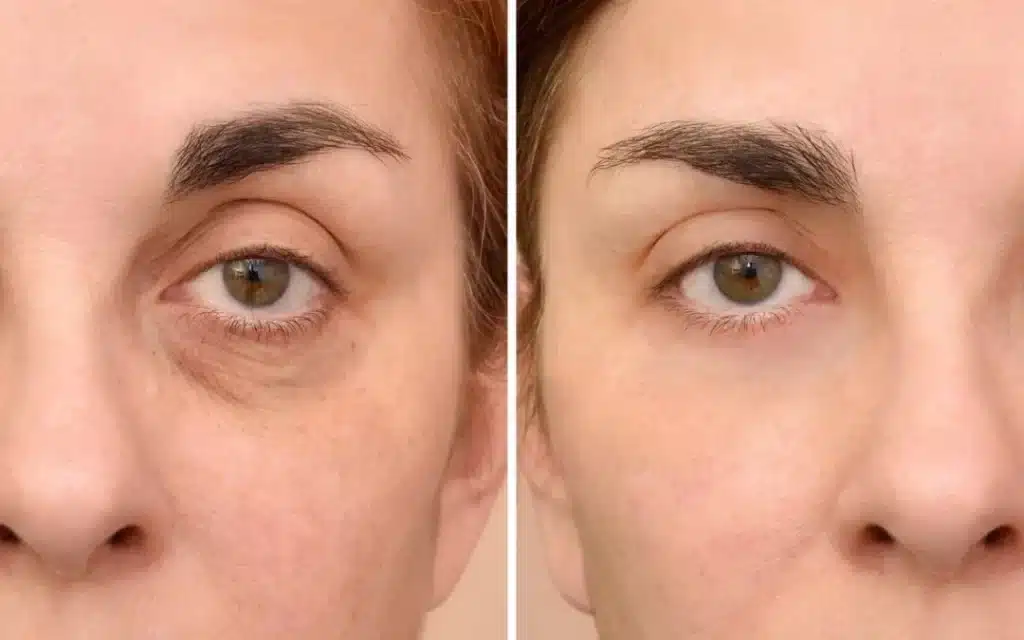
Final results typically become visible within 10 to 14 days once any swelling fully subsides. Before-and-after results at Kopelman Aesthetic Surgery consistently show brighter eyes, smoother contours, and improved overall facial harmony.

Under Eye Filler Cost Breakdown

Pricing depends on the type of filler and the amount used. On average:

  • Restylane Eyelight: $600 to $800 per syringe
  • Juvederm Volbella XC: $700 to $1,200 per syringe
  • Belotero Balance: $500 to $700 per syringe
  • Touch-ups: $300 to $500, depending on volume needed

Most patients need 1 to 2 syringes total for both eyes, putting the typical total cost between $600 and $1,200 for a full treatment session. Under-eye fillers are cosmetic procedures and are not covered by insurance.

At Kopelman Aesthetic Surgery, you’ll receive a personalized treatment plan with transparent pricing based on your facial structure and treatment goals.

How Long Do Under-Eye Fillers Last?

The longevity of results depends on the product and your individual metabolism. Most under-eye fillers last between 9 and 18 months. Restylane Eyelight tends to deliver the longest results in this range due to its firmer gel structure and resistance to water absorption.

Factors that influence duration:

  • Filler type and density: Firmer gels like Eyelight generally last longer than softer gels like Belotero
  • Injection depth and placement: Filler placed deeper, beneath the muscle layer, tends to be metabolized more slowly
  • Lifestyle factors: Smoking, excessive sun exposure, and high-intensity exercise can accelerate filler breakdown
  • Individual metabolism: Some people naturally break down HA faster than others

Many patients find that their second and subsequent treatments last longer than the first. This may be partly because HA fillers can stimulate your body’s own collagen production, providing structural support beyond the filler itself.

Dr. Kopelman schedules periodic follow-ups to monitor results and determine if touch-ups are needed.

Other Factors That Influence Filler Choice

Dr. Kopelman considers several elements when selecting the type of filler for each patient: 

  • Skin thickness and quality: Thinner, more translucent skin benefits from softer fillers like Belotero that integrate without visible edges. Thicker skin can support firmer products like Restylane Eyelight that provide more structural lift.
  • Age and volume loss pattern: Older patients may need a layered approach, sometimes combining under-eye fillers with mid-cheek volume restoration using products like Restylane Lyft or Juvederm Voluma to create proper structural support before addressing the tear trough directly.
  • Previous treatments: Past surgeries, prior filler experiences, or a history of complications can influence both product choice and injection technique. Patients who have had permanent fillers placed by other providers may require dissolution or surgical revision before new treatment.
    Each case is carefully evaluated to maximize both safety and aesthetic harmony.

Choosing the Best Doctor for Under-Eye Fillers

Under-eye filler treatments demand precision and deep knowledge of periorbital anatomy. Dr. Joel Kopelman, a board-certified plastic surgeon and oculoplastic expert, has over 35 years of experience treating complex eyelid concerns.

What to look for in a provider:

  • Board certification in plastic surgery, oculoplastic surgery, or dermatology
  • Extensive, specific experience with under-eye and tear trough fillers (ask how many they perform monthly)
  • A portfolio of natural-looking before-and-after results
  • Willingness to discuss which products they use and why
  • Experience managing complications, including the ability to dissolve filler if needed

The American Society of Plastic Surgeons offers a search tool to verify board certification. Choosing the best under-eye filler doctor is not about proximity; it is about training, experience, and outcomes.

Procedure, Safety, and Aftercare

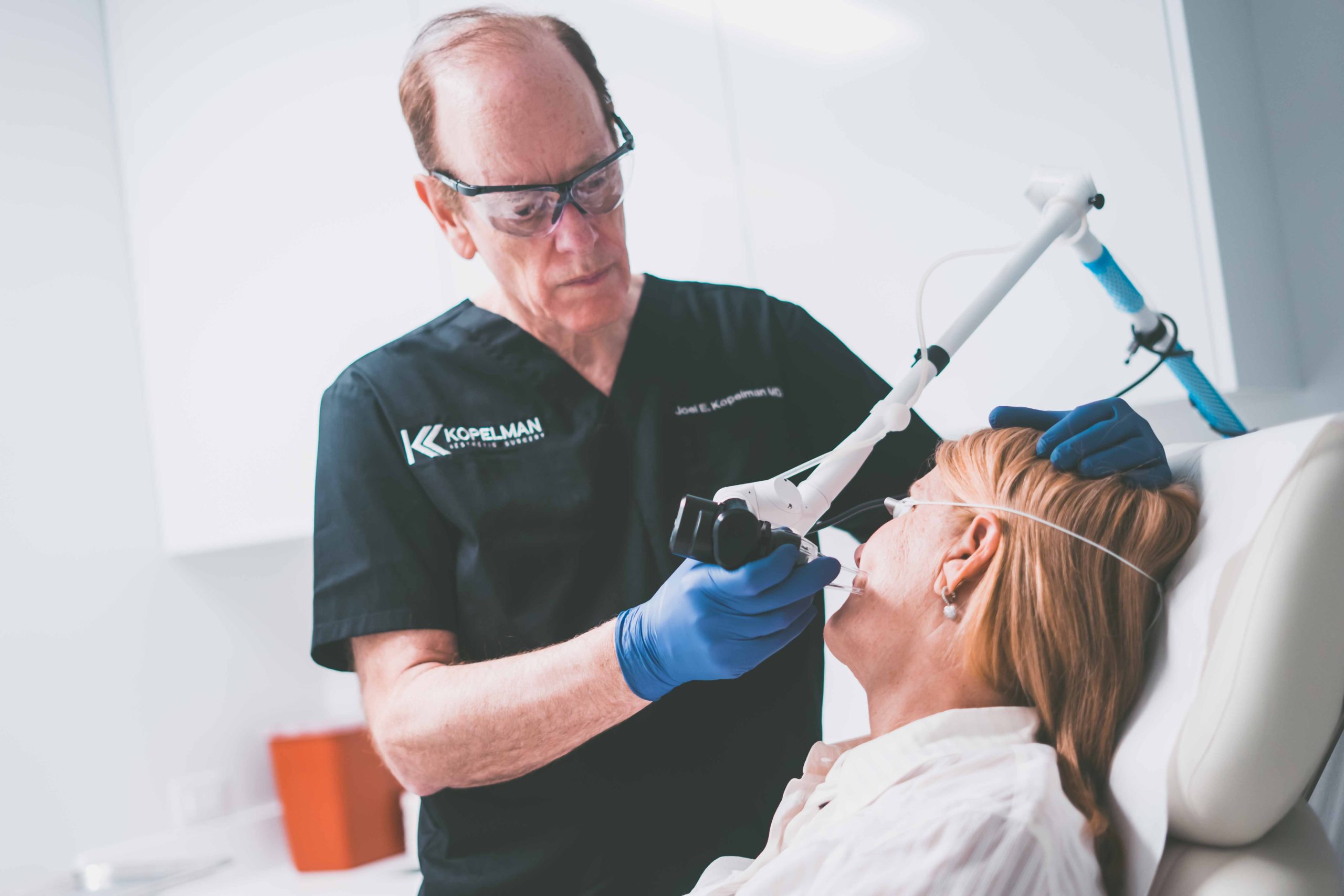
A typical filler session takes 20 to 30 minutes. After cleaning the treatment area and applying topical numbing cream, Dr. Kopelman injects the filler using a blunt-tipped microcannula to reduce tissue trauma and improve placement accuracy. Most HA fillers also contain lidocaine, which provides additional numbing during the injection.

The most common side effects are temporary swelling, mild bruising, redness, and tenderness at the injection site, all of which typically resolve within a week.

Less common but possible complications include:

  • Lumps or irregularities: Usually correctable with gentle massage or, if needed, hyaluronidase to dissolve the filler
  • Tyndall effect: A bluish discoloration that occurs if filler is placed too close to the skin surface; reversible with the dissolving enzyme
  • Malar edema: Persistent puffiness below the eye socket, which can occur if filler interferes with lymphatic drainage
  • Vascular occlusion: An extremely rare but serious complication where filler blocks a blood vessel; requires immediate treatment by an experienced provider

These risks are minimized with expert care, proper technique, and the use of a cannula rather than a needle. The FDA provides guidance on safe injection practices that patients can review before treatment.

Dr. Kopelman ensures that all patients receive safe, effective treatment with minimal downtime. 

Frequently Asked Questions

It depends on the cause. If your dark circles are created by shadows cast by hollow tear troughs, fillers can be highly effective. The added volume lifts the skin and eliminates the shadow, immediately brightening the under-eye area.

If your dark circles are caused by hyperpigmentation (excess melanin in the skin), fillers alone will not resolve them; topical treatments, chemical peels, or laser therapy may be more appropriate. Many patients have a combination of both, in which case fillers address hollowness, while separate treatments target pigmentation.

Most patients need 1 to 2 syringes total for both eyes. The exact amount depends on the depth of your hollowing, your anatomy, and the product being used. Dr. Kopelman takes a conservative approach, starting with less product and adding more at a follow-up if necessary.

Overfilling the under-eye area can lead to puffiness, so a measured approach consistently produces the most natural-looking results.

Most patients describe the sensation as mild pressure rather than sharp pain. A topical numbing cream is applied before the procedure, and most HA fillers contain lidocaine (a local anesthetic) within the gel itself.

When a blunt-tipped cannula is used instead of a needle, discomfort is further reduced because the cannula pushes tissue aside rather than cutting through it.

One of the primary advantages of hyaluronic acid fillers is that they are completely reversible. An enzyme called hyaluronidase can be injected to dissolve the filler, usually within 24 to 48 hours.

This safety net is a key reason why HA fillers are the only appropriate choice for the delicate under-eye area. Non-HA fillers like Radiesse, Sculptra, and silicone cannot be dissolved.

No topical cream can replicate the volume restoration that injectable fillers provide. However, high-quality eye creams containing peptides, retinol, vitamin C, and hyaluronic acid can meaningfully improve skin texture, thickness, and hydration over time.

They are best used as a complement to filler treatments or as a starting point for patients who are not yet ready for injections. An under-eye filler cream should be viewed as a skincare tool, not a substitute for professional hollow eyes treatment.

Yes, when performed by an experienced, board-certified provider using FDA-approved HA fillers. Clinical trials for Restylane Eyelight showed that 87% of patients experienced no adverse effects.

The most common side effects (swelling, bruising, redness) are temporary and resolve within a week. Serious complications like vascular occlusion are extremely rare but underscore the importance of choosing an injector with deep anatomical expertise.

Schedule a Consultation

If you’re looking to refresh your appearance and restore youthful volume under your eyes, schedule a consultation with Dr. Joel Kopelman. His extensive experience with tear trough fillers and focus on individualized care ensure long-lasting, natural results tailored to your face.

About the doctor

Dr. Joel Kopelman

Facial Plastic Surgeon & Oculoplastic Specialist
Dr. Joel Kopelman is a highly experienced facial plastic and oculoplastic surgeon known for his refined surgical technique and meticulous attention to detail. With decades of expertise in facelifts, eyelid surgery, and cosmetic facial procedures, he has built a reputation for delivering natural, elegant outcomes tailored to each patient’s anatomy and goals. He sees patients in both New York City and Palm Beach, Florida, and also offers virtual consultations for patients across the United States and internationally.
Follow the specialist:

Ready to See Results?

Dr. Kopelman offers personalized consultations for eyelid surgery and facelifts in New York, New Jersey, and Palm Beach.

In this Article

Before & After Results

Kopelman Aesthetic Surgery

With over 40 years of combined experience, Kopelman Aesthetic Surgery provides advanced facial rejuvenation for men and women in New York City, New Jersey, and Palm Beach. The practice specializes in eyelid surgery, facelifts, and minimally invasive treatments that deliver natural, lasting results.

40+

Years Combined Experience

10K+

Procedures Performed

5.0★

Patient Rating

3

Locations

Stay in the loop

Get the latest on eyelid surgery, facelifts, and rejuvenation tips from Dr. Kopelman.
Photofacial IPL NYC

Dr. Joel Kopelman

Dr. Kopelman is a board-certified facial plastic and oculoplastic surgeon with over 40 years of experience delivering natural, elegant results in eyelid surgery, facelifts, and facial rejuvenation. He sees patients in New York City, New Jersey, assnd Palm Beach.

Schedule Appointment

Add Your Heading Text Here

Lorem ipsum dolor sit amet, consectetur adipiscing elit. Ut elit tellus, luctus nec ullamcorper mattis, pulvinar dapibus leo.