
Key Takeaways
- Most eyelid bumps are benign, but a persistent, bleeding, crusting, or slow-growing bump should be evaluated.
- Eyelid cancer may cause lash loss, skin color changes, a nonhealing sore, or distortion of the eyelid edge.
- Diagnosis may require an eye and skin exam, followed by a biopsy if the lesion looks suspicious.
- Treatment depends on the cancer type, size, depth, and location, and may include surgery, Mohs surgery, reconstruction, radiation, or topical medication.
Can a Bump on My Eyelid Be Cancerous?
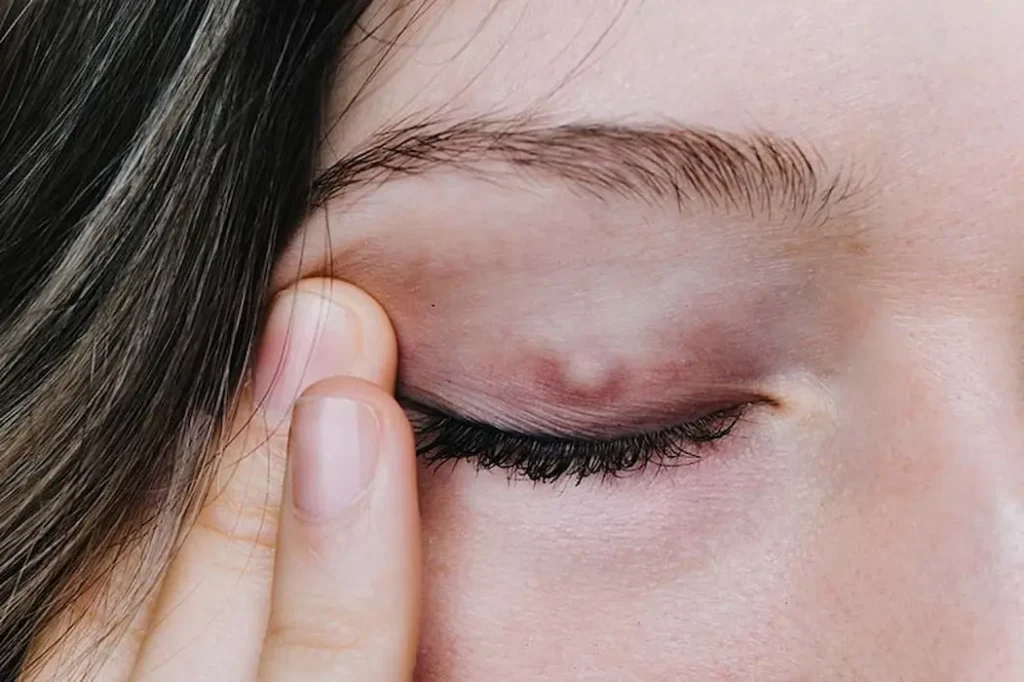
A bump on the eyelid can be benign or cancerous. Common benign causes include a stye, chalazion, cyst, papilloma, mole, or another bump on the eyelid that is not a stye
A skin cancer bump on eyelid tissue may look small at first, so changes in size, shape, color, bleeding, or healing pattern matter.
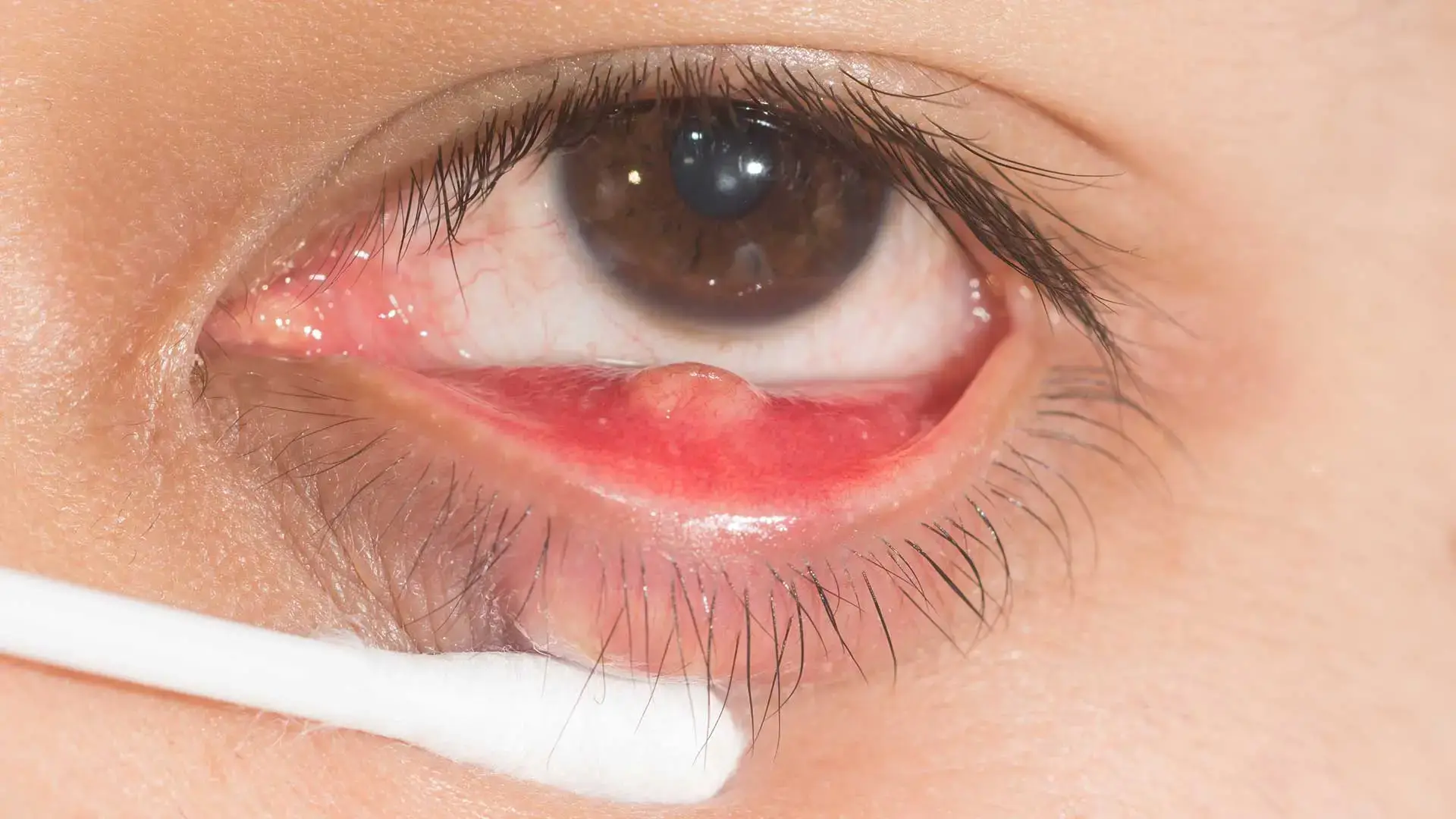
An eyelid tumor forms when cells grow in an abnormal way. Some tumors stay local, while cancer cells can invade nearby tissue or spread to other parts of the body. A persistent skin cancer eyelid bump should be examined by a qualified eye or skin specialist.
What Does Eyelid Cancer Look Like?
Eyelid cancer may look like:
- A firm bump or thickened area
- A sore that does not heal
- A scaly, crusted, or bleeding patch
- A lesion that changes in size or skin color
- A distorted eyelid edge or loss of eyelashes
An early stage bump on eyelid cancer may look painless and slow growing. This can make it easy to confuse with a blocked gland or irritation.
How to Track an Eyelid Bump
Track how long the bump has been present and whether it changes. Note any bleeding, crusting, growth, pain, lash loss, or changes in skin color. Photos taken in the same lighting can help show whether the lesion is stable or changing.
Upper Eyelid Cancer Symptoms
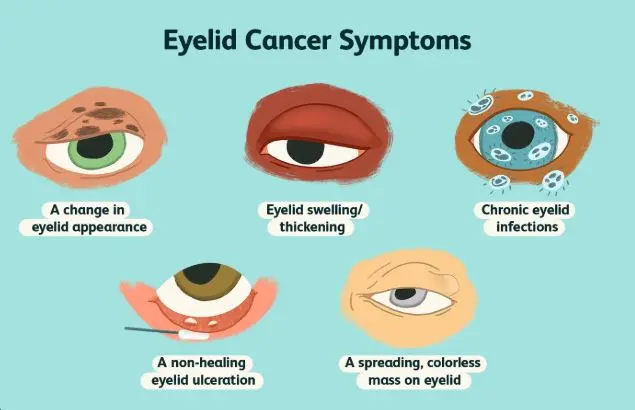
Upper eyelid cancer symptoms may include swelling, a visible lump, skin thickening, crusting, or lash loss. Some tumors near the eyelid margin change the normal lash line. Squamous cell carcinoma and sebaceous gland carcinoma can affect the upper eyelid.
White Bump on Eyelid Cancer Concerns
A white bump on eyelid cancer concern does not always mean cancer Some white bumps come from clogged glands, cysts, or benign skin growths. A bump that grows, bleeds, returns, or does not heal should be checked.
Benign vs. Cancerous Eyelid Bumps
Benign eyelid bumps often appear suddenly, feel tender, and improve with time or basic care. Styes and chalazia often relate to blocked or inflamed oil glands.
Cancerous bumps often persist or change slowly. They may distort the eyelid edge, cause loss of eyelashes, or create a sore that does not close. A clinical exam is the safest way to separate benign inflammation from cancer treatment needs.
Types of Eyelid Skin Cancer
Several types of skin cancer can develop on or near the eyelid. These cancers differ in growth pattern, risk, and treatment.
Common types include:
- Basal cell carcinoma: often slow growing and may appear as a shiny bump, ulcer, or nonhealing sore.
- Squamous cell carcinoma: may appear as a scaly, crusted, bleeding, or thickened lesion.
- Sebaceous gland carcinoma: starts in the sebaceous glands and may look like a chronic stye .
- Melanoma: may appear as a changing dark spot, uneven patch, or pigmented lesion.
Diagnosis and treatment depend on the exact type, size, depth, location, and whether the tumor has spread.
Is Eyelid Cancer Deadly or Treatable?
Eyelid cancer is often treatable, especially with early detection. The outlook depends on the cancer type, size, depth, location, and whether it has spread to other parts of the body.
Some tumors stay local. Others can invade surrounding tissues or nearby lymph nodes. This is why a persistent or changing eyelid bump should not be ignored.
Risk Factors and Causes
Risk factors include:
- Long-term sun exposure
- Tanning bed use
- Fair skin or light eyes
- Older age
- Smoking
- Prior skin cancer
- Weakened immune system
People with darker skin can also develop skin cancers on the eyelid. UV exposure remains one of the main preventable risks.
How Doctors Diagnose Eyelid Cancer
Doctors diagnose eyelid cancer by examining the eyelid, skin, eye surface, and nearby eyelid structures. They review the bump’s size, border, color, texture, and effect on eyelid function.
A biopsy may be needed if the lesion looks suspicious. This removes a small tissue sample for lab review. The result can confirm whether cancer cells are present and guide treatment options.
What Happens After Diagnosis
After diagnosis, the doctor explains the cancer type, depth, location, and treatment options. The plan may involve removal, Mohs surgery, eyelid reconstruction, radiation, or topical medicine.
The goal is to treat the cancer while protecting eyelid function and nearby eye structures.
Eyelid Cancer Treatment Options
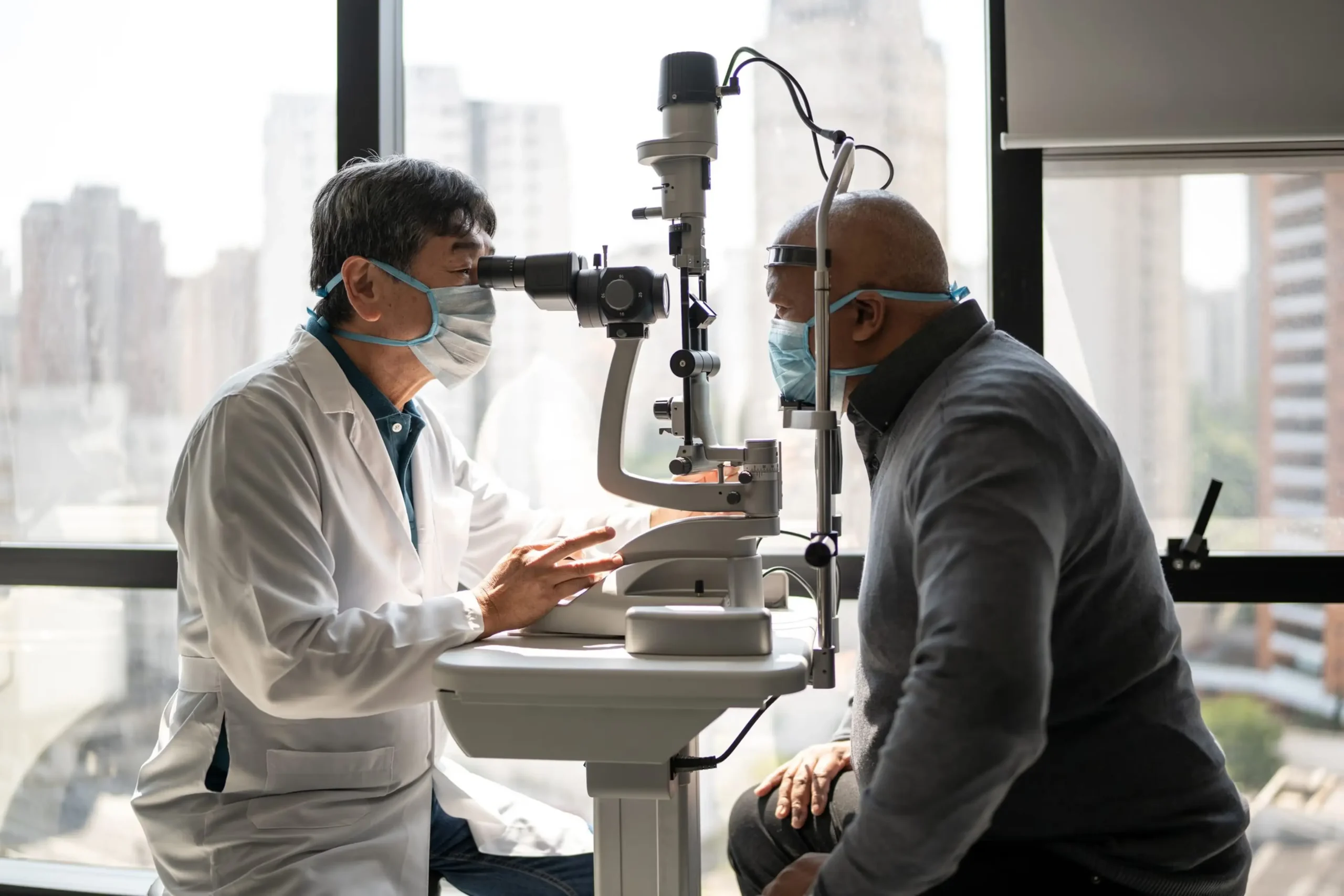
Eyelid cancer treatment options depend on the diagnosis, tumor size, location, and patient health. The goal is to remove or control cancer while preserving eyelid function when possible.
Treatment may include Mohs surgery, surgical removal, eyelid reconstruction, radiation, topical chemotherapy, or cryotherapy. The best plan depends on the cancer type and how much tissue is involved.
When to See a Specialist
See an eyelid doctor if an eyelid bump grows, bleeds, crusts, changes color, causes lash loss, or does not heal. You should also seek evaluation for a recurring “stye” that does not behave like a typical blocked gland.
Ask your doctor whether a biopsy is needed, what diagnosis is most likely, and how treatment could affect eyelid function.
Can Eyelid Cancer Be Prevented?
Not all eyelid cancers can be prevented, but risk can be reduced. Use broad-spectrum sunscreen around the face, wear UV-protective sunglasses, and avoid tanning beds.
Regular skin checks can support early detection, especially for people with prior skin cancer or repeated sun exposure.
Expert Eyelid Care in NYC
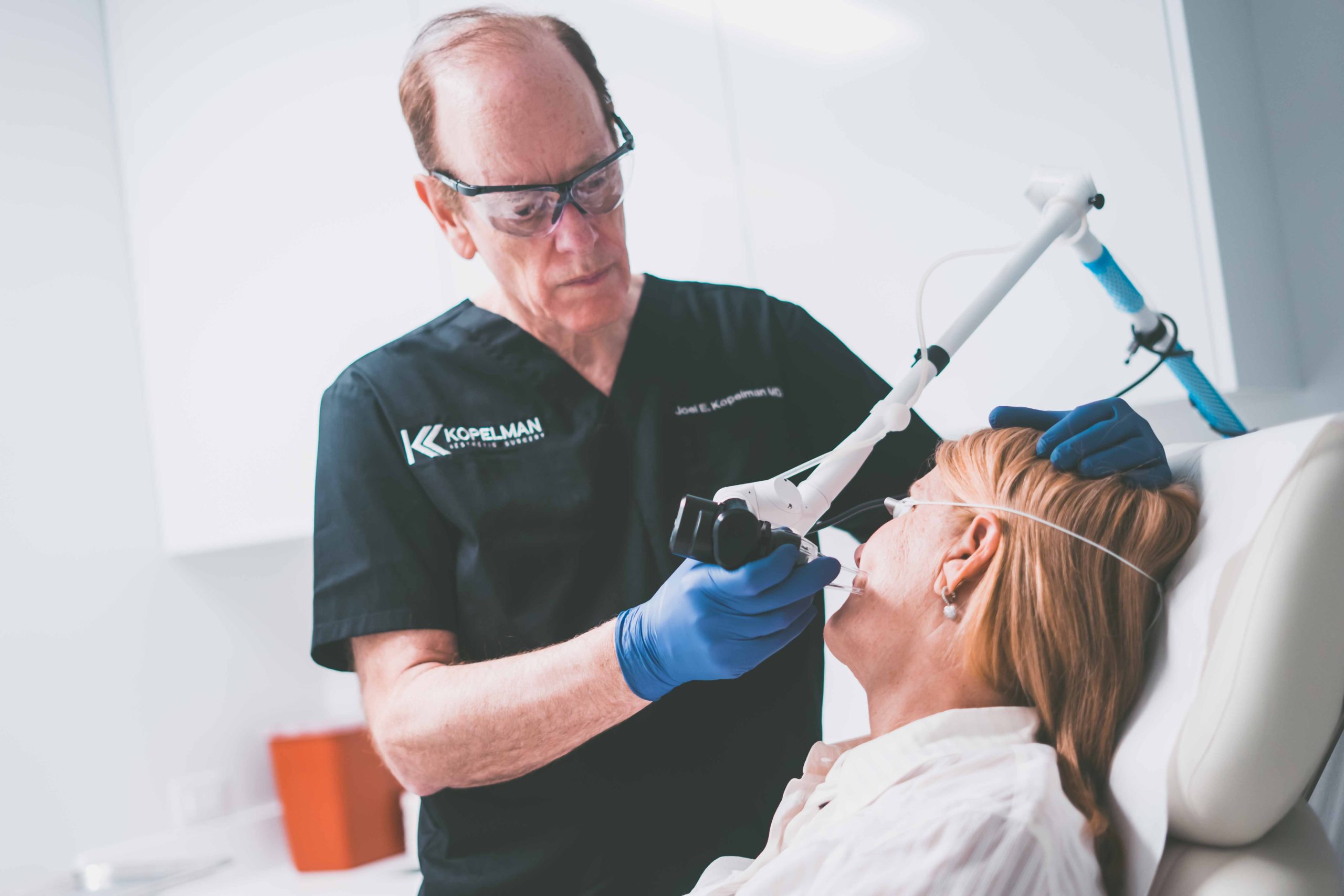
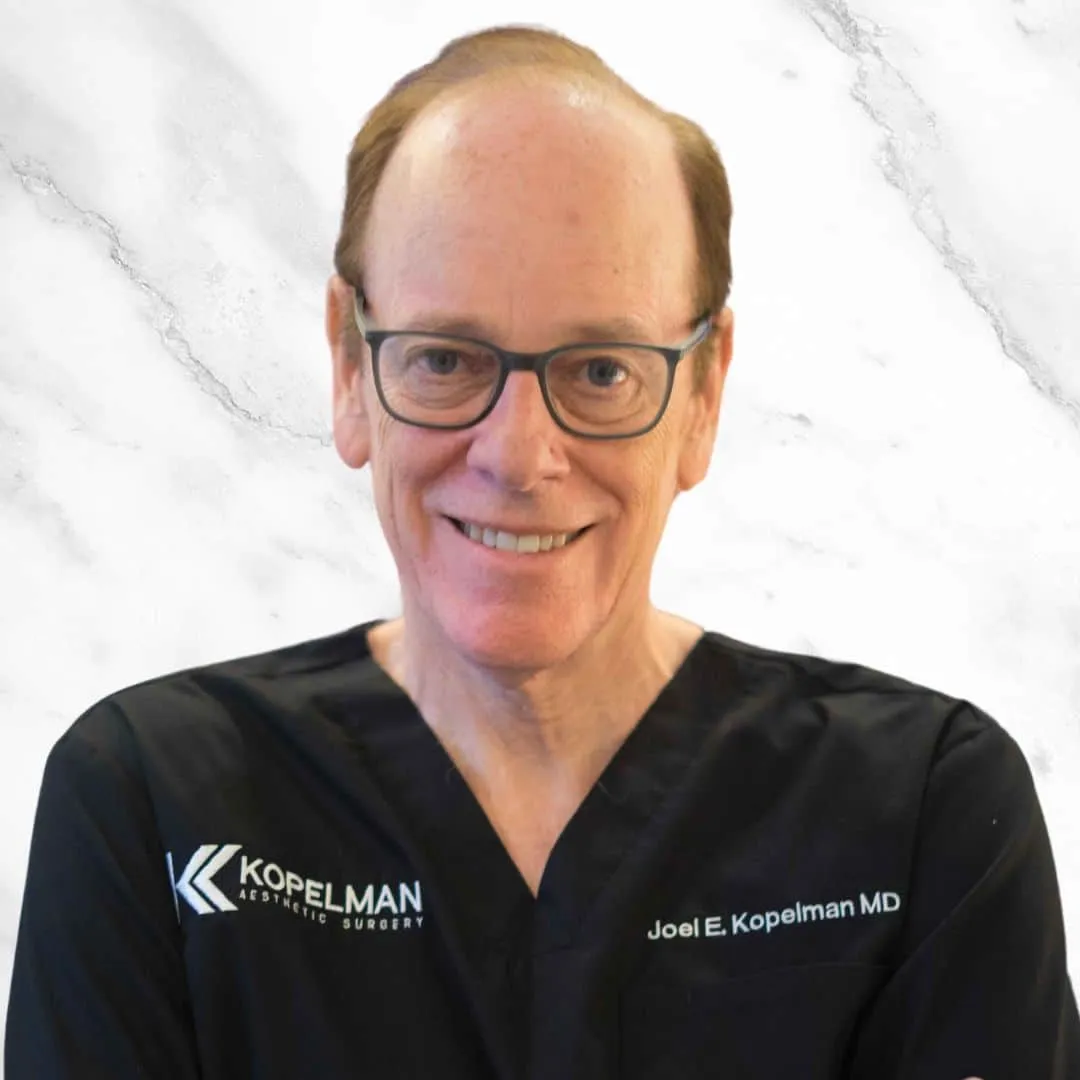
Dr. Kopelman is a facial plastic and oculoplastic surgeon in New York City with specialized training in eyelid anatomy and surgery. For suspicious eyelid growths, medical evaluation should focus on accurate diagnosis, safe planning, and clear explanation.