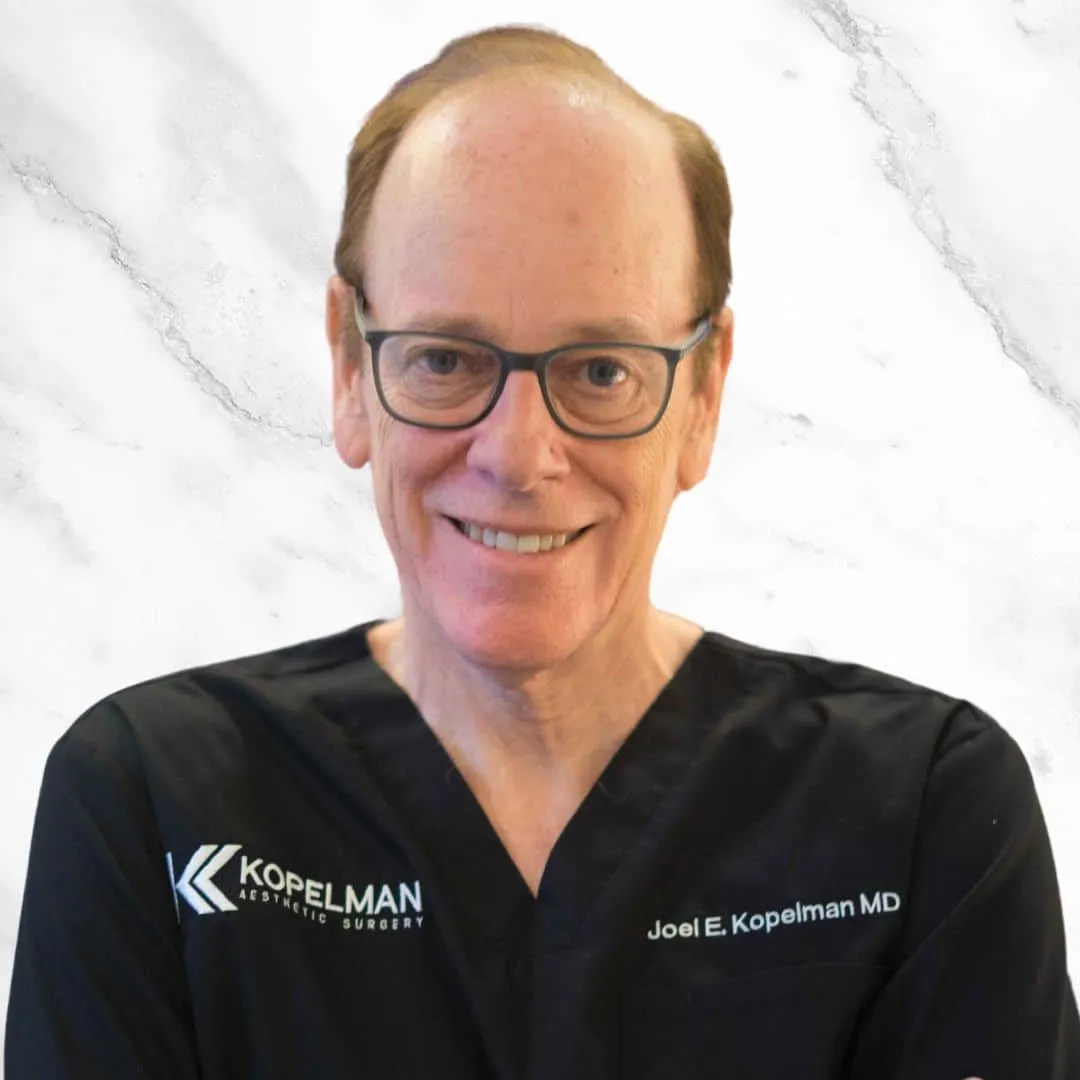

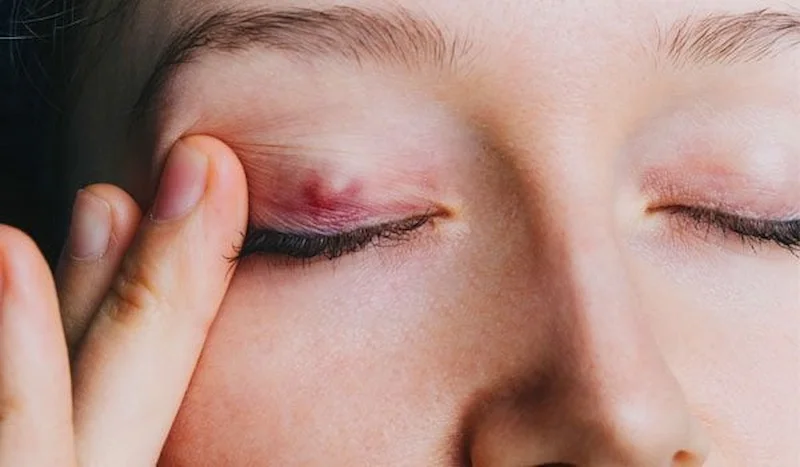
Care depends on the cause, location, and behavior of the lesion. Safe first steps may include using warm compresses, carefully cleaning the lids, and avoiding squeezing or puncturing the area. Dr. Joel Kopelman’s background in oculoplastic surgery is relevant when a growth affects comfort, appearance, lid function, or diagnostic clarity.
Key Takeaways
- This type of lid lesion is often a chalazion, but it may also be a milia, a cyst, a xanthelasma, a benign growth, or, rarely, a tumor.
- A chalazion is usually a blocked oil gland deeper in the lid, while a stye is often painful, closer to the lash line, and may involve bacterial infection.
- Safe care may include warm compresses, eyelid hygiene, and avoiding pressure, squeezing, cutting, or puncturing the area.
- A lesion that grows, changes color, bleeds, affects vision, or keeps returning should be evaluated by an eye specialist.
- Recurrent lid swelling may relate to blepharitis, rosacea, blocked oil glands, makeup habits, contact lens hygiene, skin conditions, or chronic inflammation.
What Else Could It Be?
Several raised spots near the eye can look similar at first. A chalazion typically forms when the meibomian glands become blocked, trapping oil inside the lid. Milia are tiny cysts caused by trapped keratin and may appear as a white bump on the eyelid, while xanthelasma appears as soft yellow patches that may relate to cholesterol levels.
A cyst can form when fluid, oil, or skin cells collect under the surface. A benign growth may look like a skin tag, a small nodule, or a raised area on the eyelid. A tumor is less common, but any lesion that grows, bleeds, changes color, or distorts the lid should be examined. Fullness from eyelid fat may look more like puffiness than a defined lesion, so it should be distinguished from a true raised spot near the eye.
Chalazion Inside the Eyelid
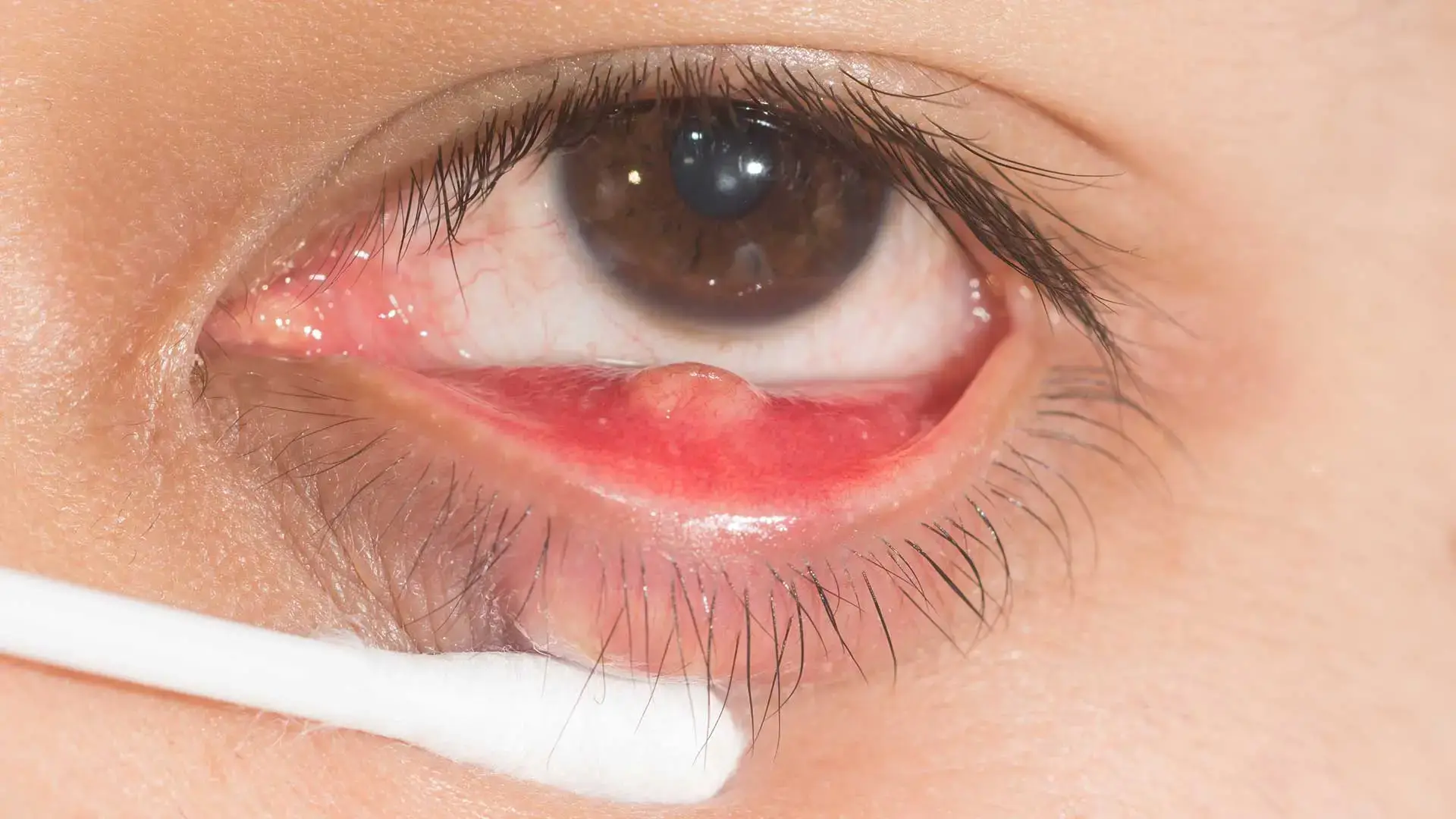
A chalazion inside the eyelid may feel firm, round, or mildly tender at first. It can occur on the upper or lower eyelid and may cause pressure as oil collects. Larger lesions can press against the eye surface and cause blurred vision or irritation.
Chalazion vs. Stye
A stye and a chalazion can both create swelling, but they have different causes. A stye often appears near the edge of the eyelid, close to the lashes, and may look like a painful red pimple. A chalazion usually sits farther back in the lid and tends to become less painful as it becomes firmer.
This comparison helps explain why appearance alone may not confirm the diagnosis. Pain, location, drainage, and duration can guide suspicion, but they cannot replace an eye exam. If the area worsens or does not improve, professional eye care is the safer next step.
Eyelid Bump Types and Locations
Raised spots near the eye can be described by appearance, texture, and location. These clues do not confirm a diagnosis, but they can help explain what may be causing the lesion and whether broader guidance on eyelid bumps or medical review may be helpful.
- Lump: May suggest a chalazion, cyst, or benign growth.
- Pimple-like spot: May point to milia, an irritated follicle, or a blocked gland.
- Little clear spots on the lid rim: May relate to blocked glands, contact lenses, or irritation from nearby products.
- Hard or painless lesion: May seem less urgent, but it should be checked if it lasts, grows, or returns.
- Raised area under the lid: May cause scratchiness, pressure, or a foreign-body feeling, even when it is hard to see.
If you wear eye makeup, remove it fully and avoid applying more while the area is irritated. This can reduce added friction, product buildup, and further irritation near the eye.
Diagnosis and Treatment
Diagnosis and treatment start with a careful exam of the lid, lashes, surrounding skin, and inner surface. A doctor may ask when the lesion started, whether it hurts, whether it has drained, and whether it has returned before. The exam may also check the small oil gland openings, redness, crusting, lash loss, or signs that testing may be needed.
Warm compresses may help loosen trapped oil in a chalazion. Use a clean, warm cloth over the closed lid for 10 to 15 minutes, and do not press hard. Never squeeze, cut, scrape, or puncture the area at home, because this can worsen swelling or increase the risk of infection.
Good hygiene can reduce irritation around the lid margin. Wash your hands before touching your eyes, clean your face before bed, replace old cosmetics, and follow safe lens care. If swelling keeps returning, the cause may involve rosacea, blepharitis, dry skin, chronic inflammation, or gland dysfunction.
Treatment options depend on the cause and exam findings. A doctor may recommend continued home care, medication, injections, drainage, removal, biopsy, or other medical interventions if the lesion does not improve. Risk factors such as rosacea, blepharitis, dry skin, prior chalazia, and repeated irritation can also affect the care plan.
When an Eyelid Bump Is Serious
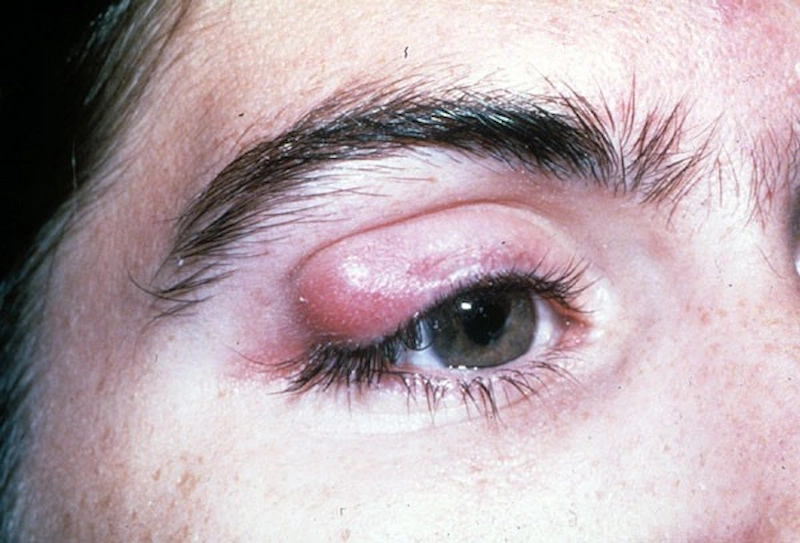
A lesion is more concerning when it grows quickly, bleeds, changes color, crusts, causes lash loss, or keeps returning in the same place. Vision changes, tearing, light sensitivity, or pressure on the eye surface should also be checked. A larger chalazion can press against the cornea, temporarily blurring or distorting vision.
When to See an Oculoplastic Specialist
An oculoplastic specialist evaluates lid lesions with attention to the eye, lid structure, and surrounding tissues. This may be useful when the diagnosis is unclear, when a growth affects blinking or vision, or when cosmetic and functional concerns overlap. Recurrent chalazia may need closer review because repeated swelling can reflect ongoing inflammation rather than one isolated blocked gland.
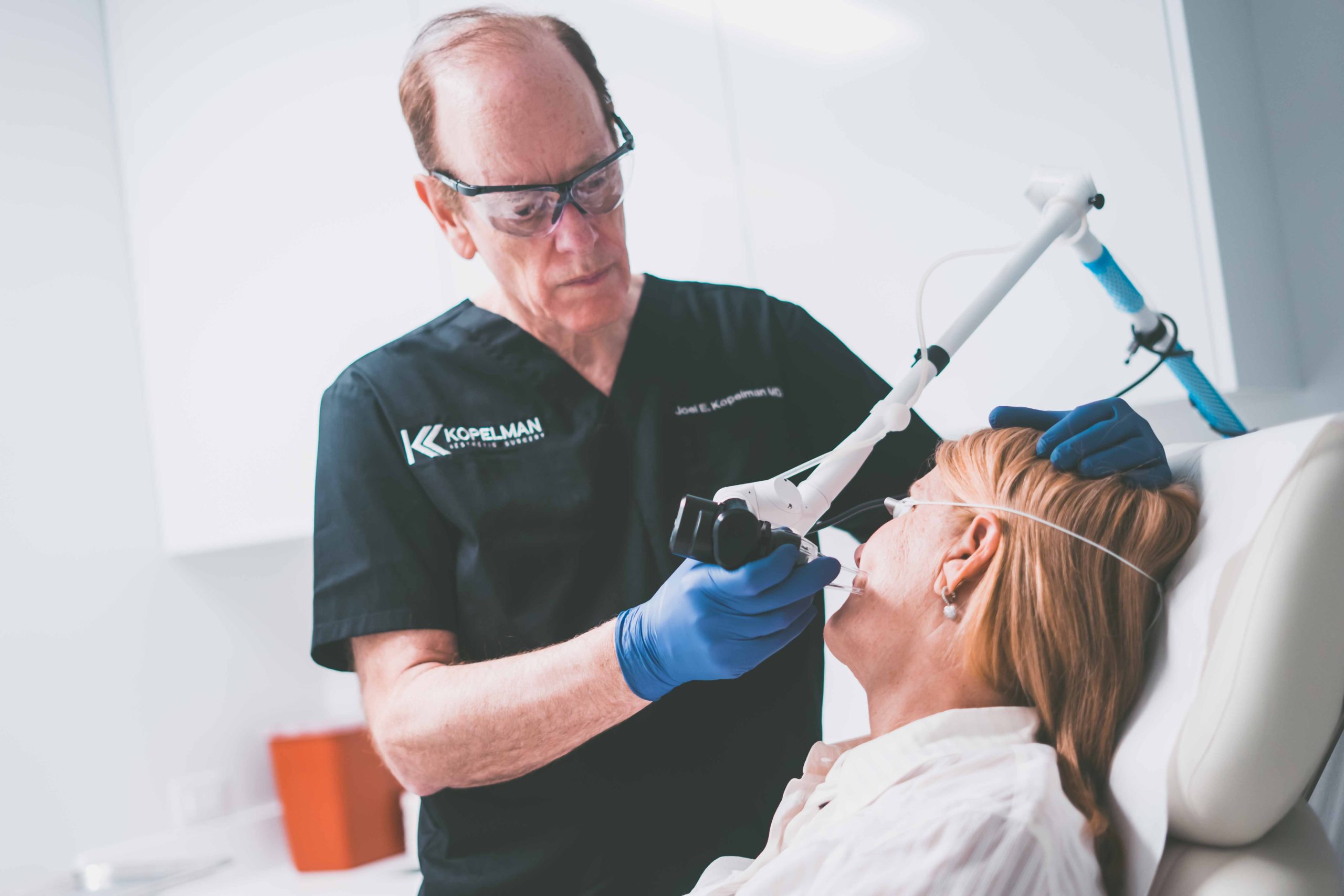
Dr. Joel Kopelman can assess the area, explain appropriate care options, and determine whether treatment or further testing is needed.
Schedule an appointment with Kopelman Aesthetic Surgery to have your eyelid concern evaluated.