
Results can include less hooding, a clearer crease, a more rested look, and improved upper vision in functional cases. The right approach depends on your anatomy, lid position, skin quality, and whether the concern is cosmetic, medical, or both.
Understanding Large and Droopy Eyelids
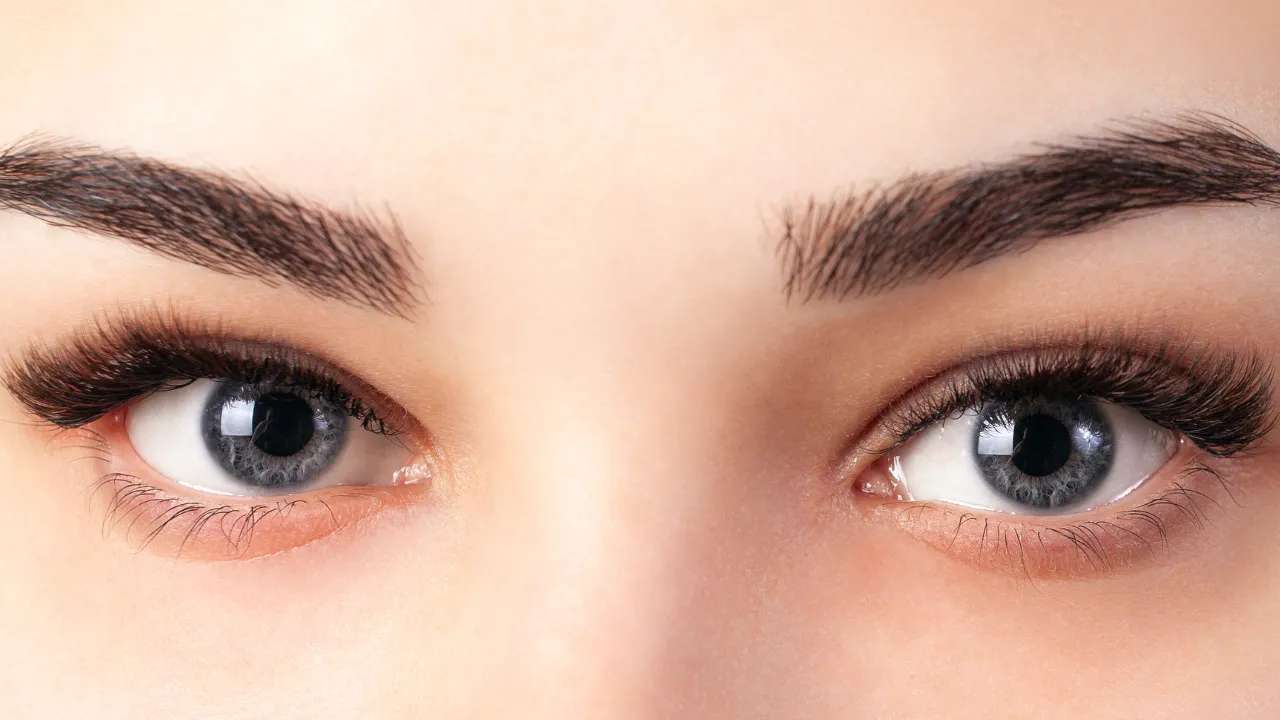
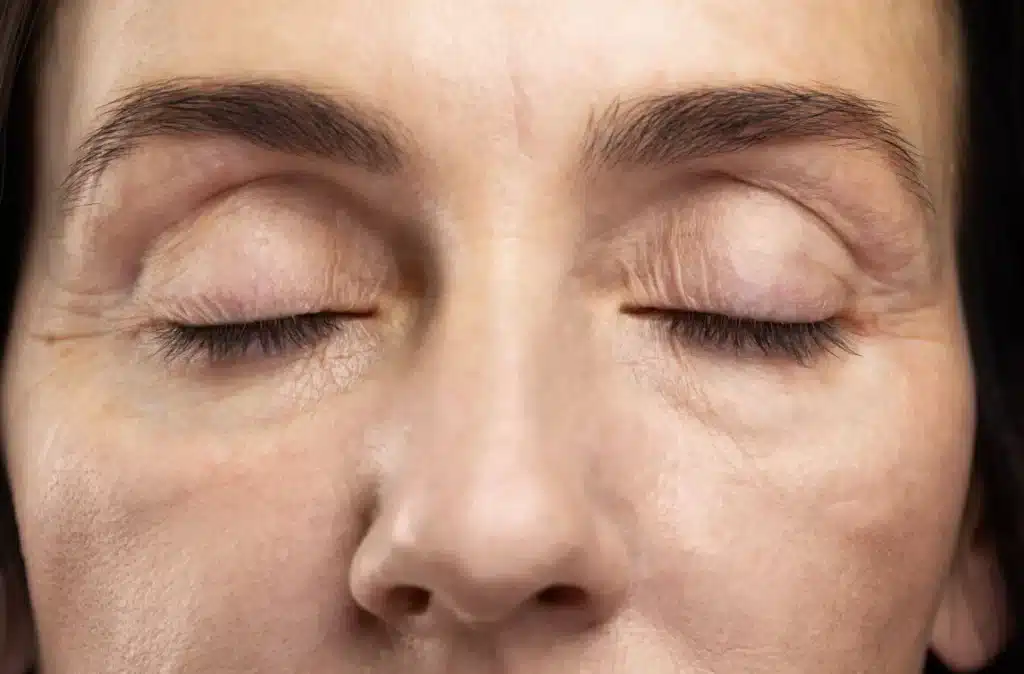
A large upper eyelid refers to excess skin, puffiness, or heaviness across the upper lid. Causes include aging, muscle weakness, fat accumulation, and heredity. Some people are born with naturally full lids, while others develop fullness as skin loses firmness and begins to sag over time.
These changes can affect your appearance and, in some cases, block part of your field of vision. Working out whether the cause is cosmetic or medical is the first step toward choosing the right treatment.
Upper Eyelid Anatomy and the 7 Layers
The upper eyelid is built from seven layers:
- Skin
- Subcutaneous tissue
- Orbicularis muscle
- Septum
- Fat pads
- Eyelid muscle (levator)
- Conjunctiva
When the levator weakens, or the skin stretches, the lid can look swollen, heavy, or unusually full. Identifying which layer is involved helps guide treatment, because loose skin, displaced fat, and a weak lifting muscle are corrected in different ways.
What Causes Heavy, Swollen, or Big Upper Eyelids?
Most cases of big upper eyelids trace back to a short list of causes. Pinpointing yours matters, because each one responds to a different fix.
- Aging: skin loses collagen and elasticity, so the upper lid begins to droop.
- Genetics: inherited traits can produce fullness or extra skin from a young age.
- Fluid retention: allergies, sinus issues, or sleep position can cause temporary swelling.
- Fat deposits: protruding fat pads add weight and puffiness to the lid.
- Ptosis or dermatochalasis: medical conditions that often need surgical correction.
Some heavy eyelids also stem from weak lifting muscles, chronic inflammation, or skin sagging over the lashes. If you notice sudden or uneven changes, schedule an evaluation, since a one-sided droop can occasionally signal a nerve or muscle issue rather than simple aging.
Medical Problems vs. Cosmetic Concerns
Medical issues such as ptosis can interfere with vision and may justify surgery on functional grounds. Cosmetic concerns are typically elective and addressed through aesthetic procedures.
According to the American Academy of Ophthalmology, blepharoplasty can be performed for either reason, and the distinction often determines insurance coverage. Dr. Kopelman can assess your lids and recommend an approach based on your needs.
Common Eyelid Conditions Explained
Several conditions can produce large or droopy eyelids:
- Ptosis: drooping of the lid margin caused by weakness in the muscle that lifts the eyelid.
- Dermatochalasis: extra upper lid skin that hangs over the natural crease.
- Blepharitis: inflammation along the lid margins, often with redness or crusting.
- Chalazion: a blocked oil gland that forms a firm lump or localized swelling.
Some patients also notice dry eye symptoms from incomplete blinking or altered lid position. The American Academy of Dermatology notes that the thin skin around the eyes is especially prone to irritation, which can make these conditions feel worse.
Hooded Eyelids vs. Ptosis: How to Tell the Difference
This distinction is the one most people get wrong, and it changes the procedure entirely.
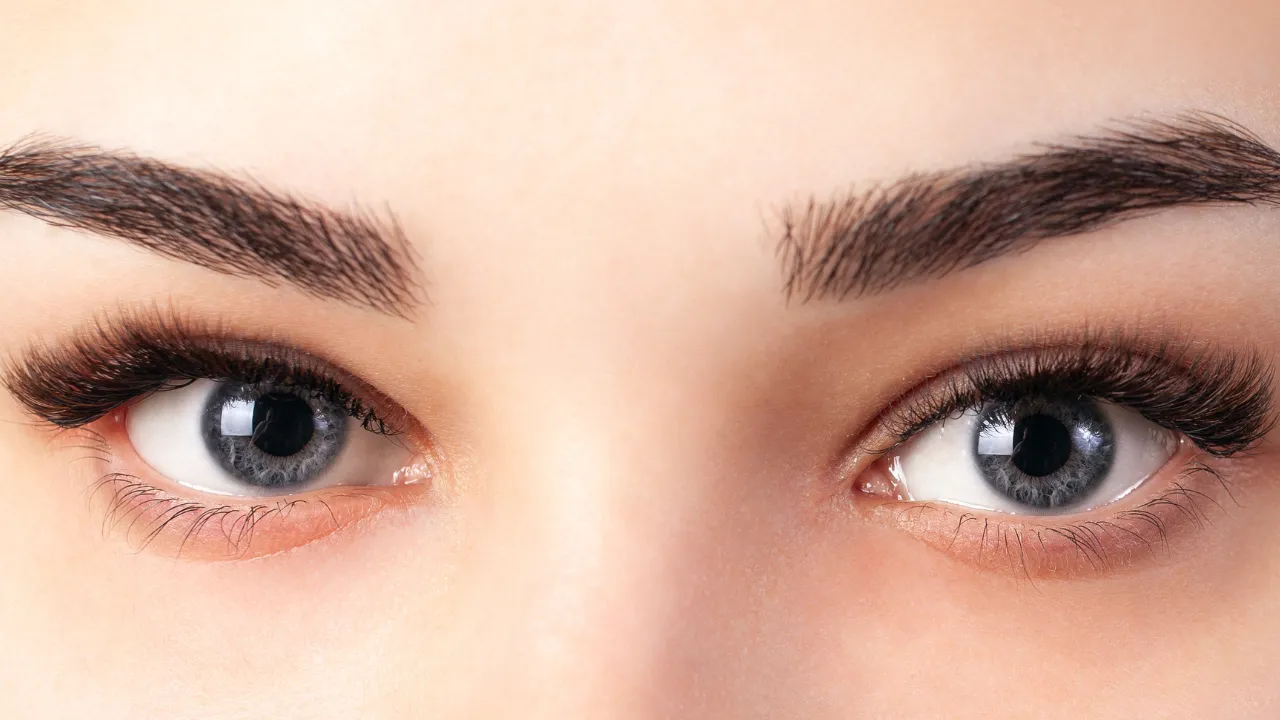
Hooded eyelids come from excess skin (dermatochalasis) that folds down over the crease. The lifting muscle works normally; there is simply too much skin sitting on top of it. The lid margin and lash line are in a normal position.
Ptosis is different. Here, the lid margin itself, the edge where the lashes sit, rests lower than it should because the levator muscle or its tendon is weak or detached. The problem is function, not surplus skin.
A quick self-check: if the extra weight is skin folding over a normally positioned lash line, that points to hooding. If the lash line itself sits low and partly covers the colored part of the eye, that points to ptosis. Many people have both at once.
Types of Ptosis
Ptosis is usually sorted into three common types:
- Congenital ptosis: present from birth, caused by incomplete development of the levator muscle.
- Aponeurotic ptosis: the age-related form, from gradual stretching or detachment of the levator tendon. Long-term contact lens wear can speed this up.
- Mechanical ptosis: caused by something physically weighing the lid down, such as heavy false lashes or a lid mass.
Correctly identifying the type determines whether you need skin removed, muscle tightened, or both.
How to Fix Heavy or Hooded Upper Eyelids
Treatment depends entirely on the cause. For mild cases, non-surgical methods can soften the appearance:
- Eye creams
- Lifting strips
- Makeup techniques
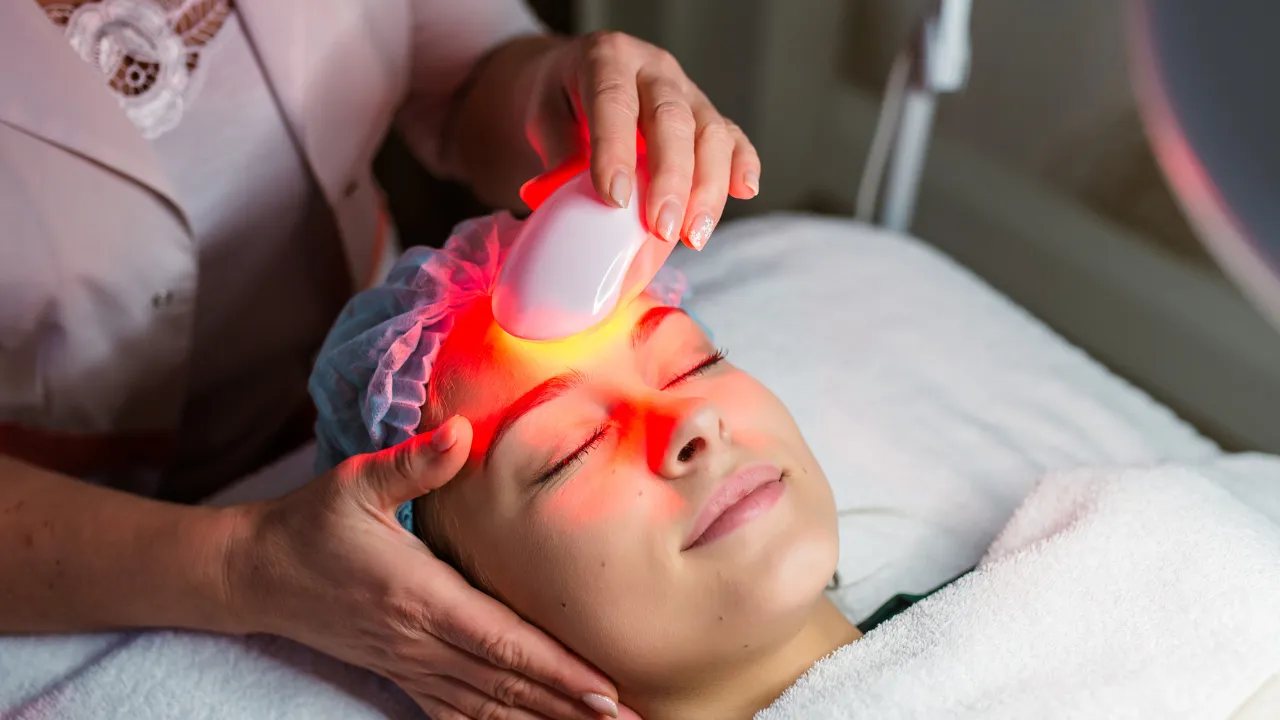
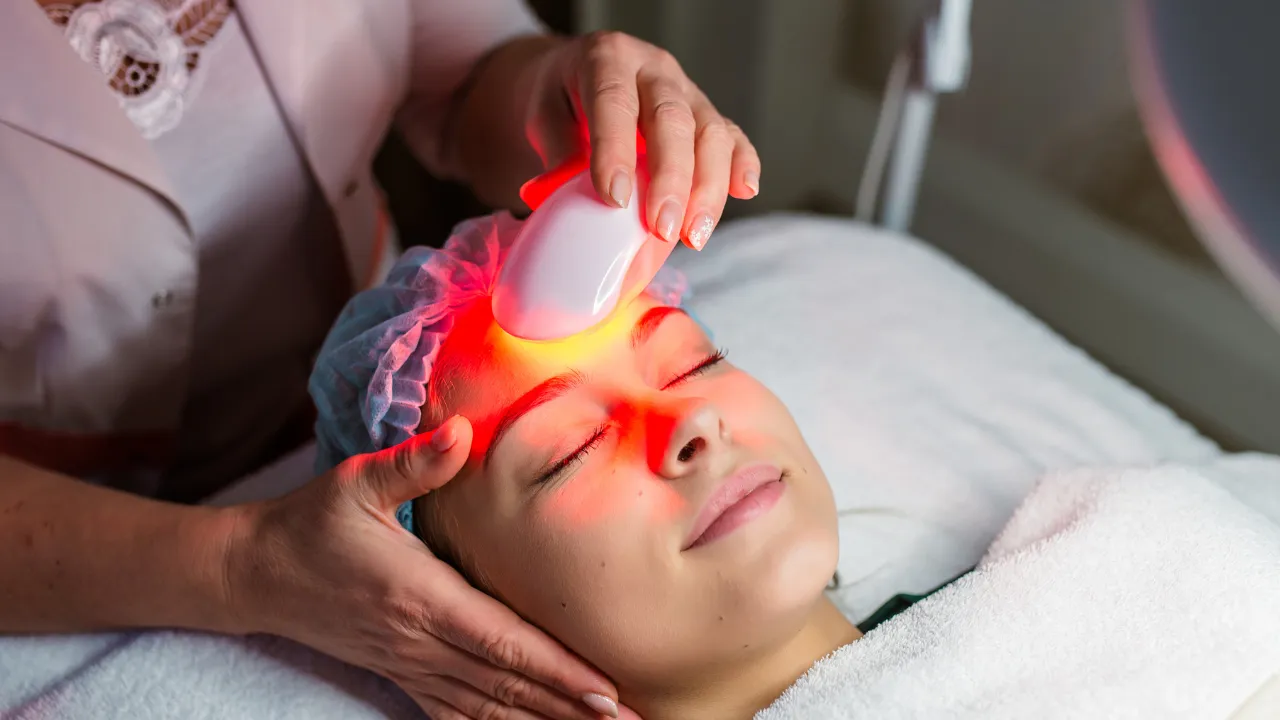
- Laser or radiofrequency skin tightening
These can be part of a hooded lid plan, but they do not remove tissue and are not permanent.
Non-surgical Treatments for Heavy and Hooded Eyelids
If you are researching how to fix hooded eyes without surgery, options include:
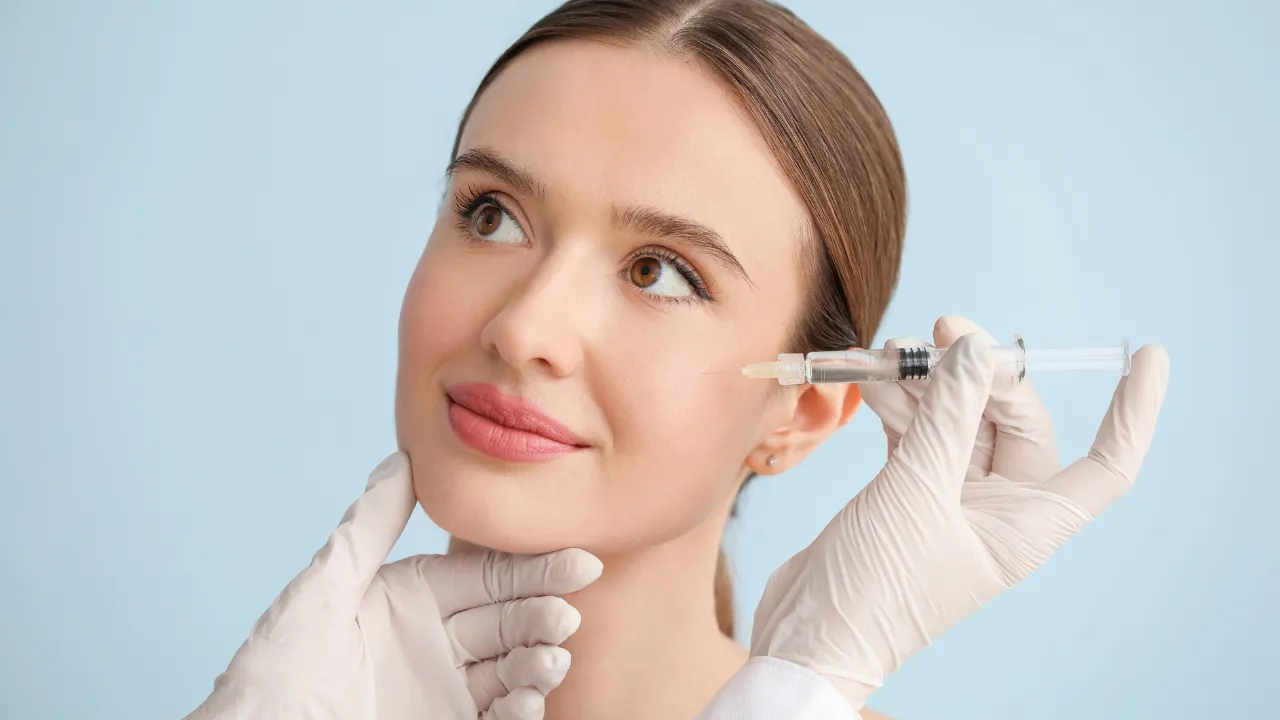
- Botox: relaxes muscles to slightly lift the brow, which can ease minor heaviness from brow descent.
- Ultherapy: uses focused ultrasound to stimulate collagen.
- Thermage or Morpheus8: tighten skin using radiofrequency energy.
None of these change the underlying structure, but they may delay the point at which a surgical option becomes worthwhile.
Blepharoplasty vs. Non-surgical Fixes
Here is how the main treatment options compare in what they do, how long they last, and who they suit best.
Eye creams:
- Target mild skin sagging or puffiness.
- Results are temporary.
- Best for early signs of aging.
Botox:
- Helps lift the brow and reduce minor heaviness.
- Results last 3 to 6 months.
- Useful for hooding driven by brow descent.
Are Big Upper Eyelids Attractive?
This comes down to personal preference and facial proportion. Some people find fuller lids appealing, while others prefer a more open, rested look. Neither is right or wrong; the goal of any treatment is to match what you want for your own face.
When to Consider a Surgical Fix
A procedure may be worth considering if you have:
- Vision blocked or narrowed by overhanging skin
- Heavy-feeling lids by the end of the day
- Difficulty applying makeup over the crease
- A desire for a lasting, structural change
If you are wondering how to get insurance to cover eyelid surgery, you will generally need to document that the upper eyelid skin obstructs your vision. Insurers usually require a visual field test and photographs, and they rarely cover purely cosmetic cases.
Saggy Lid Correction vs. Drooping Lid (Ptosis) Repair
- Saggy lid correction removes loose skin and excess fat from the upper lid.
- Ptosis repair tightens the lifting muscle to raise a low lid margin.
- The two are often combined into a single operation when both problems are present.
Blepharoplasty: Procedure and Recovery
Blepharoplasty is an outpatient procedure that removes or repositions skin, muscle, or fat from the upper lid. The surgeon makes incisions in the natural fold so that the scars stay hidden, then closes them with fine sutures.
The operation itself usually takes about 30 to 60 minutes and is commonly done under local anesthesia with light sedation. Most patients go home the same day.
Recovery is staged. Expect visible bruising and swelling for the first several days, noticeable improvement by the end of week one, and most swelling resolved by about two weeks. Full healing and fading of incision lines can take several weeks to a few months, consistent with guidance from Harvard Health.
Risks and Who Should Be Cautious
Like any operation, this one carries risks. These include:
- Infection or bleeding
- Dry, irritated eyes
- Temporary difficulty fully closing the lids
- Noticeable scarring or skin discoloration
- Temporarily blurred or double vision
- Asymmetry between the two sides, with roughly a 5 to 10 percent chance of mild unevenness due to individual healing
A surgical fix may not be appropriate for everyone. People with severe dry eye syndrome can find symptoms worsen after surgery, since a more open lid exposes the eye to more air. Prominent or bulging eyes from an overactive thyroid (thyroid eye disease) and certain serious eye conditions also call for extra caution and a specialist assessment first.
What a Procedure Typically Costs
Pricing depends on the surgeon, the facility, the anesthesia used, and whether one or both lids are treated. The clearest way to budget is to separate the surgeon’s fee from the all-in total, since quotes often quote only one of them.
For an upper lid procedure, the average surgeon’s fee in the United States is about $3,359, according to the <a href=”https://www.plasticsurgery.org/cosmetic-procedures/eyelid-surgery” rel=”nofollow”>American Society of Plastic Surgeons</a>. That figure excludes anesthesia and facility charges, so it is a starting point, not the final bill.
Once anesthesia, the surgical facility, and follow-up care are added, all-in totals in the US commonly run from about $4,000 to $8,000 for a standard upper lid case. National patient-reported averages land near $6,300, with a wide overall range of roughly $2,400 to $15,500 depending on complexity and market.
Location matters. In higher-cost metro areas such as New York City, totals for an upper lid procedure typically start around $8,500, reflecting higher facility fees and demand for experienced oculoplastic surgeons. Combining upper and lower lids, or adding ptosis repair or a brow lift, raises the total further, often into the $8,500 to $12,000 range.
When the surgery is functional and corrects a documented vision obstruction, insurance may cover part or all of it. Purely cosmetic work is paid out of pocket, and many practices offer financing to spread the cost.
Who Performs This Procedure?
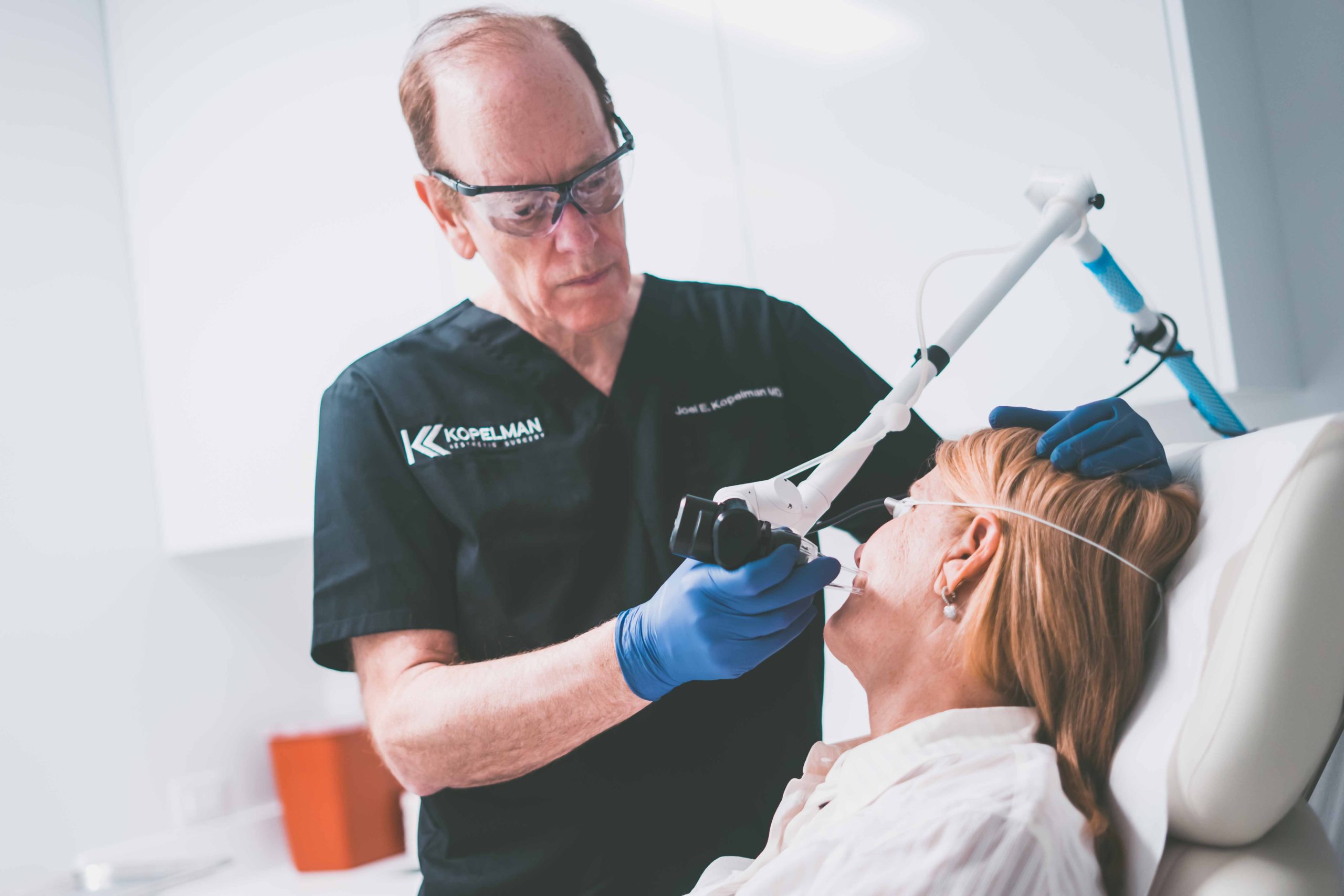
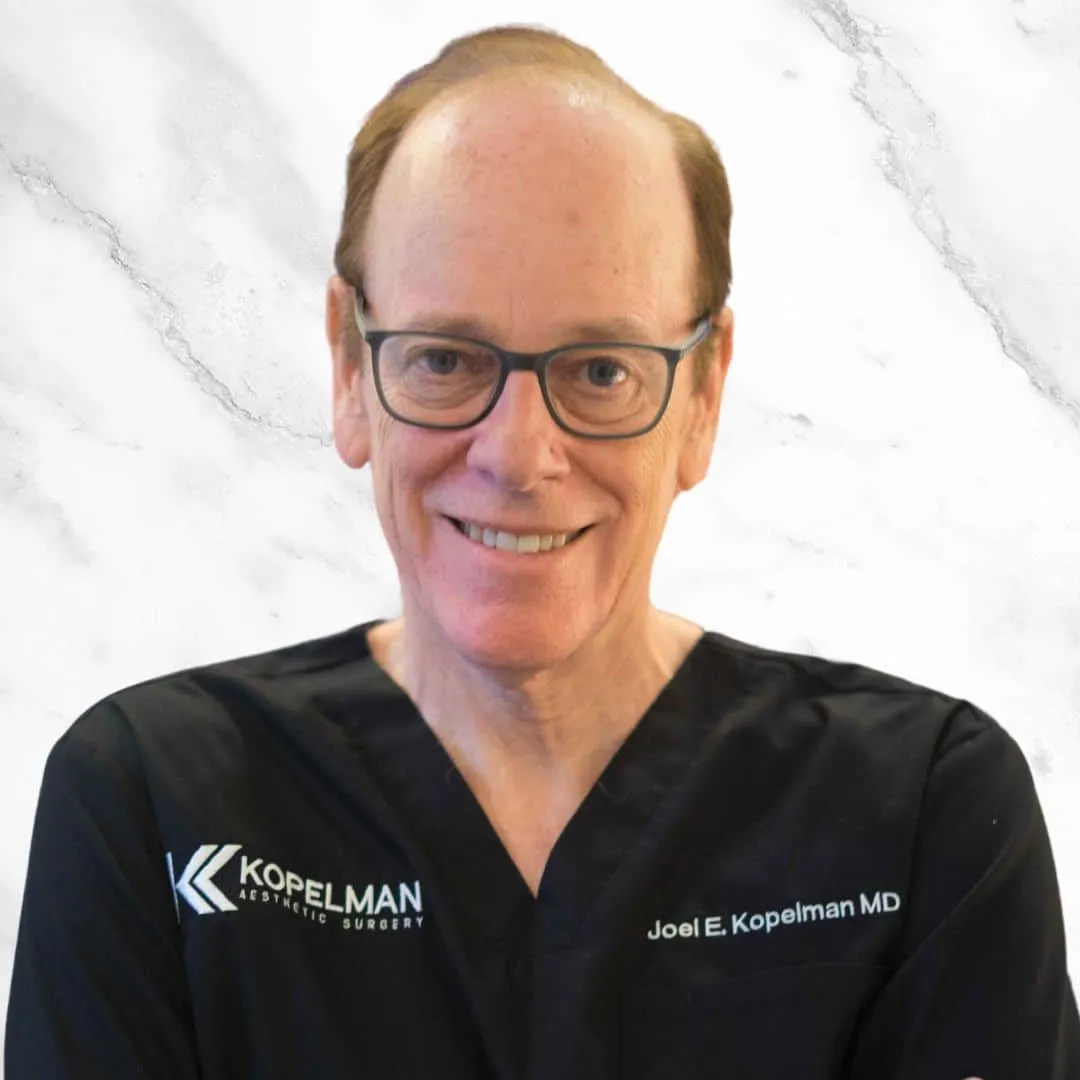
Choosing who performs blepharoplasty matters. Dr. Joel Kopelman is a board-certified oculoplastic surgeon with 35+ years of experience. Because oculoplastic surgeons train specifically on the eye and lid, they are well suited to balance medical function with a natural aesthetic result.
What to Expect After Your Procedure
In the first week:
- Use cold compresses to reduce swelling
- Keep your head elevated, especially while sleeping
- Avoid strenuous activity for about a week
- Attend your follow-up visits
Most people return to work and normal routines within about 10 days, though it is wise to leave three to four weeks before any major social event.
Before and After: Typical Results
You can generally expect:
- Brighter, more open-looking eyes
- Less heaviness across the upper lid
- Improved facial balance
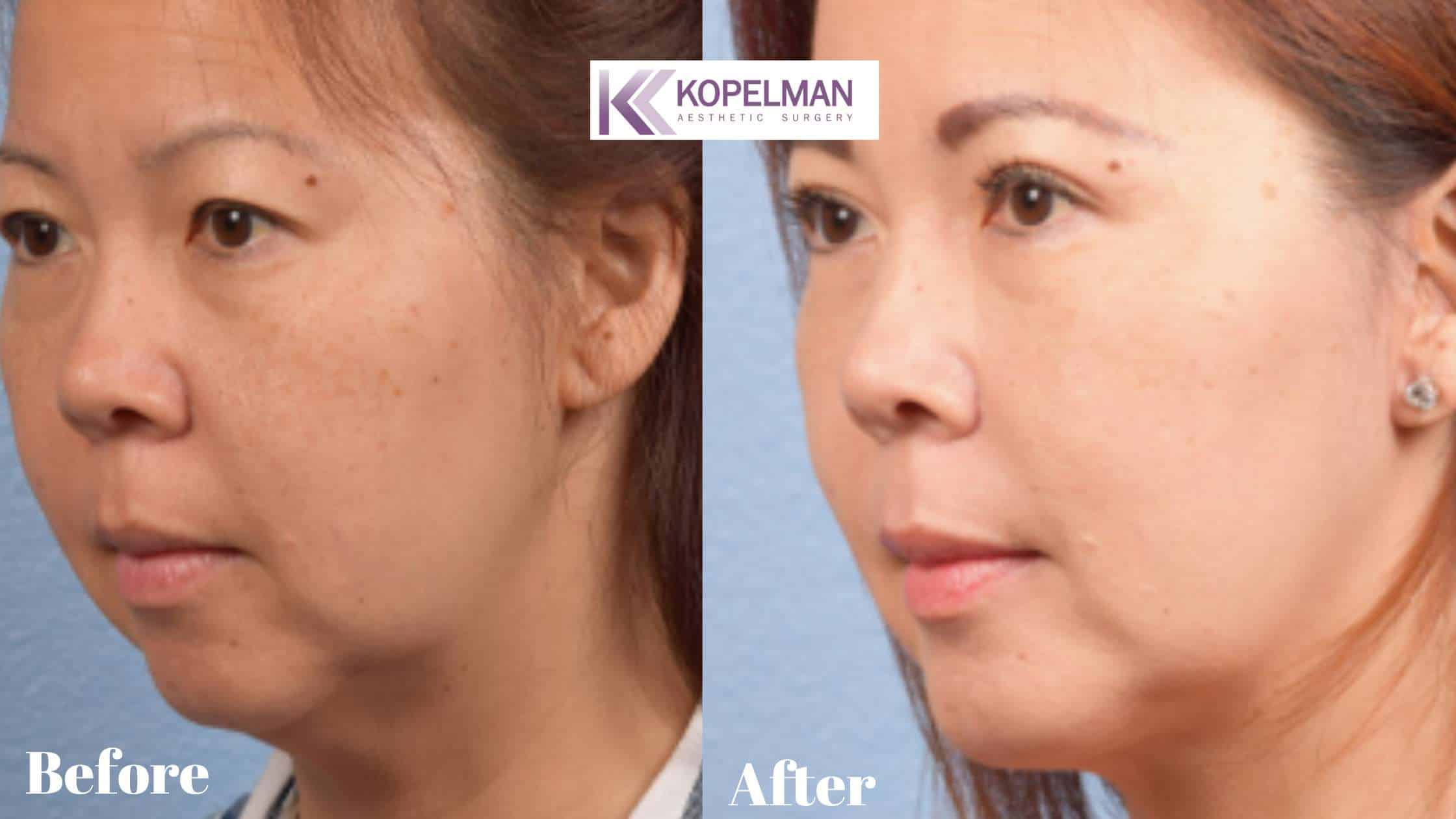
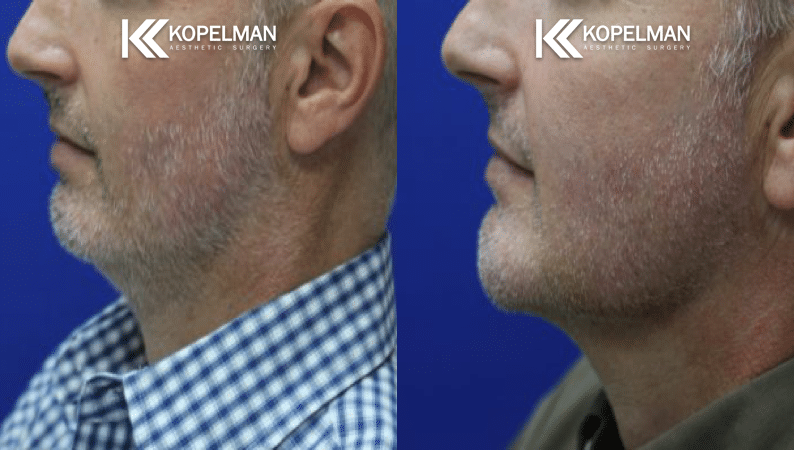
Reviewing before-and-after photos during your consultation helps set realistic expectations for your own anatomy.
How to Maintain Long-Term Results
- Protect the skin from sun exposure
- Avoid rubbing the lids
- Use recommended eye creams
- Maintain healthy lifestyle habits
These steps help extend your results, which commonly last 10 to 15 years before age-related changes resume.
Health Risks Linked to Large Upper Eyelids
Beyond appearance, heavy upper lids can contribute to:
- Recurrent styes
- Eye strain and brow fatigue from constantly lifting the brow
- Obstructed peripheral vision
Correcting the underlying cause can reduce these issues and improve daily function.
Quick Answers – FAQ
Lifestyle changes and non-surgical treatments may improve mild, skin-only cases, but structural changes usually require a procedure.
If overhanging skin affects your vision or your lids feel persistently heavy, an evaluation can confirm whether you are a candidate.
Not exactly. Ptosis repair tightens the lifting muscle to raise a low lid margin, while standard blepharoplasty removes excess skin and fat. They are sometimes done together.
Finding the Right Surgeon
Look for a surgeon with focused experience in upper lid and ptosis correction, such as Dr. Joel Kopelman, whose oculoplastic training is matched to this delicate anatomy. Schedule your personalized consultation now.