

At Kopelman Aesthetic Surgery in New York City, Dr. Joel Kopelman provides detailed post-operative instructions following blepharoplasty eyelid surgery to guide patients safely through the recovery process after plastic surgery.
Key Takeaways
- Most patients should avoid sleeping on their side for 1 to 2 weeks after blepharoplasty, as sleeping on the back with the head elevated helps minimize swelling and protect the incisions.
- Swelling peaks within 48 to 72 hours, and early side pressure can increase uneven fluid buildup in the eye area.
- Upper and lower eyelid procedures heal at different rates, and factors such as smoking and the extent of surgery affect healing and recovery.
- Sleeping on your side too early may temporarily increase swelling, but isolated episodes rarely cause permanent harm.
- Follow-up visits allow the surgeon to assess recovery and determine when side sleeping is safe during the post op period.
When Is It Safe to Sleep on Your Side?
Most surgeons advise patients to avoid sleeping on their side for at least 1-2 weeks after eyelid surgery. During this period, tissues in the eye area continue to heal. Sleeping on your back reduces pressure and supports the healing process.
Swelling often peaks within the first 48 to 72 hours. Side sleeping during this early phase may increase fluid on one side of the face. For this reason, patients should avoid sleeping on their side during the first week after surgery, as side-lying reduces swelling and supports recovery.
Before you sleep on your side after eyelid surgery, your surgeon should confirm that swelling has improved and incisions are stable. This is often reviewed at the first post op visit. Clearance depends on healing progress.
Back Sleeping and Elevation After Surgery
For the first 7 to 14 days, patients are instructed to sleep on their back with the head elevated 30 to 45 degrees. Elevation helps minimize swelling and reduces swelling by allowing fluid to drain from the eye area.
Two pillows or a wedge pillow can maintain this position. Pillows at the sides may prevent rolling during sleep. These steps are part of standard postoperative instructions after plastic surgery and support the recovery process.
How Long to Sleep on Your Back
Most patients need back sleeping for at least one week and often up to two weeks. The exact timeline depends on the degree of swelling and the type of blepharoplasty performed. Dr. Kopelman reviews healing before advising changes.
During the week after surgery, swelling is most noticeable. Back sleeping protects incisions and reduces swelling while tissues stabilize. Following postoperative instructions closely supports safe healing during the post op phase.
How Long to Keep Your Head Elevated
Head elevation is usually required for 1 to 2 weeks. Keeping the head elevated helps minimize swelling by improving drainage. Many patients feel less pressure around the eye area with consistent elevation.

Swelling improves gradually as the recovery process continues. Stable positioning supports the healing process and protects results.
Upper vs. Lower Blepharoplasty Recovery
Healing time varies based on whether surgery involved the upper lids, lower lids, or both. Swelling patterns differ within the eye area. This affects the duration of strict positioning required during recovery.
Upper Eyelid Surgery Recovery
Upper blepharoplasty often causes mild to moderate swelling along the crease. Many patients may begin careful side sleeping after two weeks if swelling decreases. Surgeon approval remains important before changing position.
Lower Eyelid Surgery Recovery
Lower blepharoplasty may result in longer postoperative swelling because fluid accumulates under the eyes more readily. Early side pressure can exacerbate puffiness in the eye area and delay recovery.
Smoking, high blood pressure, and surgical complexity may prolong swelling. Surgeons consider these factors when reviewing postoperative instructions.
Why Sleeping Position Affects Healing
The eyelids contain thin, delicate tissues. Pressure on the eye area may increase swelling and discomfort. Proper positioning supports blood flow and protects the healing process.
Mild uneven swelling during the first week is common and temporary. This does not mean the plastic surgery result is compromised. However, increasing swelling, severe pain, or vision changes require evaluation during the post op period.
When to Call Your Surgeon
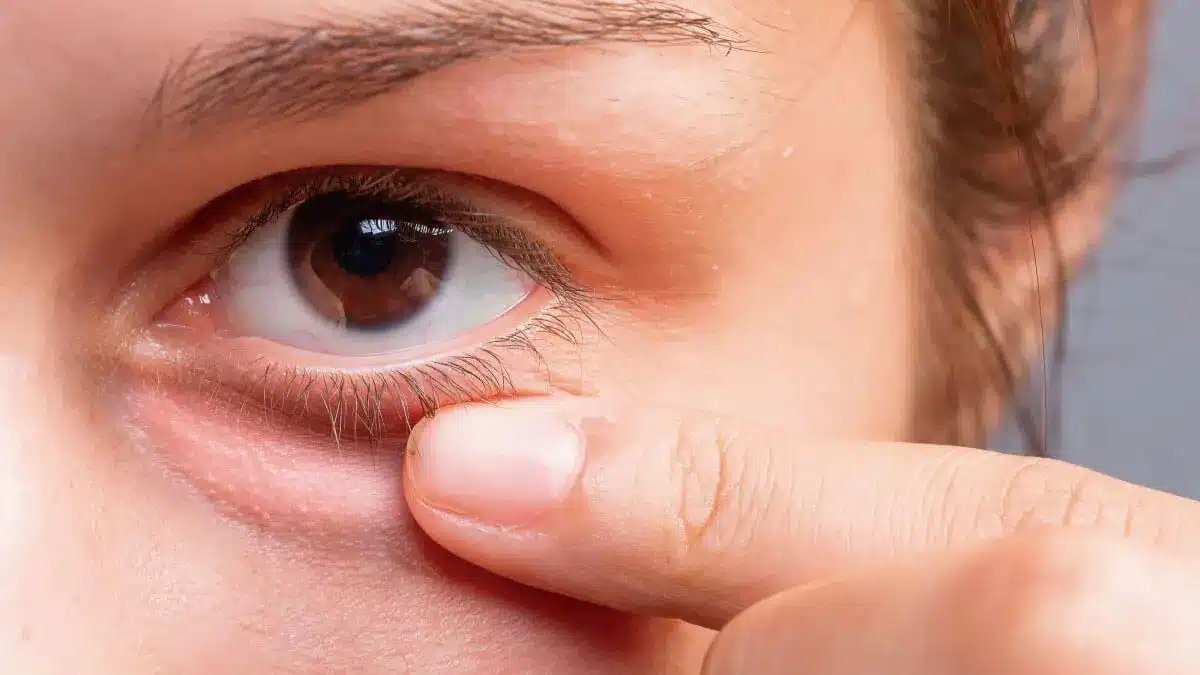
Some swelling and bruising are normal after plastic surgery. Contact your surgeon if you notice:
- Sudden increase in swelling
- Severe pain not relieved by medication
- Vision changes
- Swelling that continues to worsen
Clear communication supports safe recovery. Dr. Kopelman monitors healing during follow-up visits and adjusts postoperative instructions as needed. Always follow your surgeon’s guidance throughout the healing process and recovery process.
For personalized guidance on your recovery process and sleep habits after blepharoplasty eyelid surgery, schedule a consultation with Dr. Joel Kopelman at Kopelman Aesthetic Surgery. A clinical evaluation ensures your healing process and post-operative instructions are tailored to your needs.