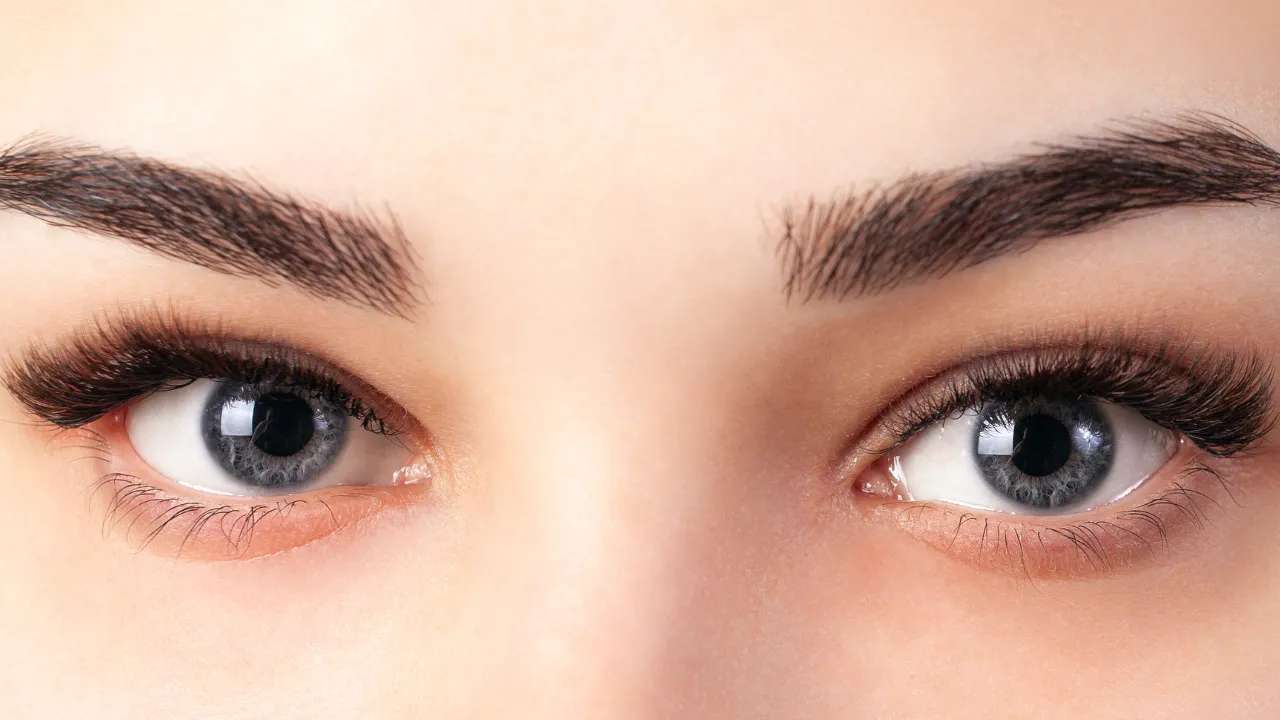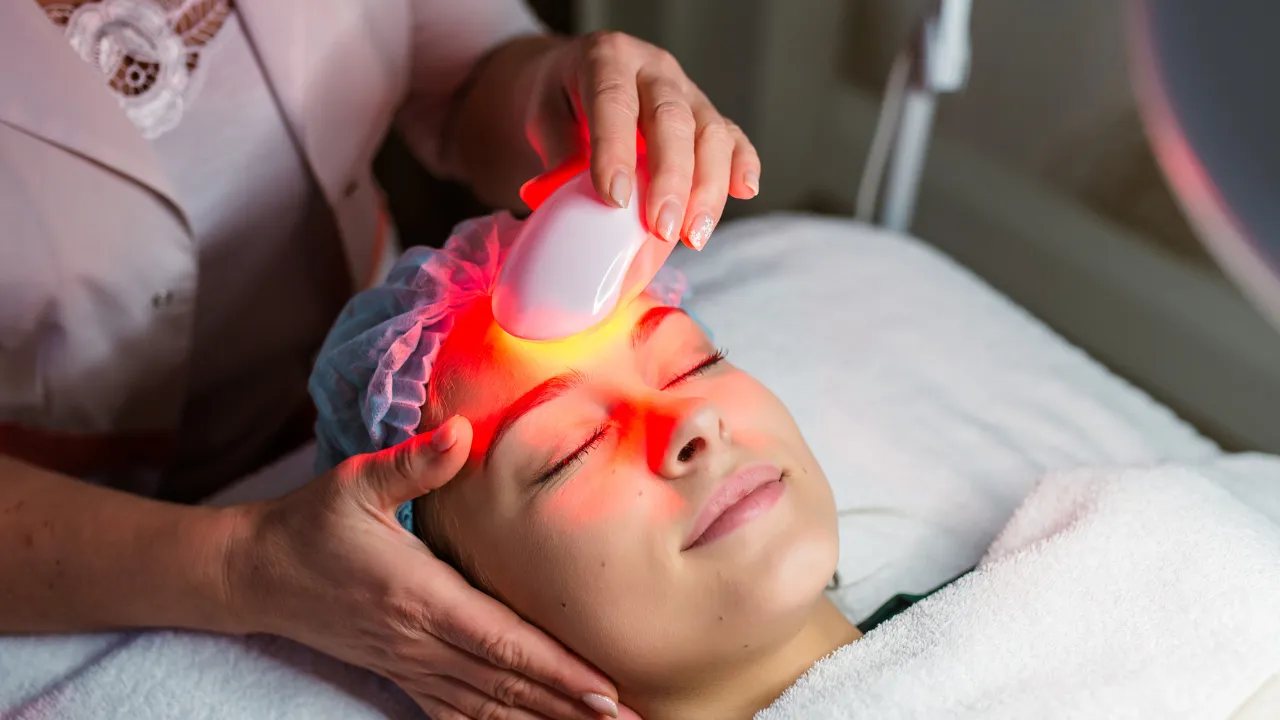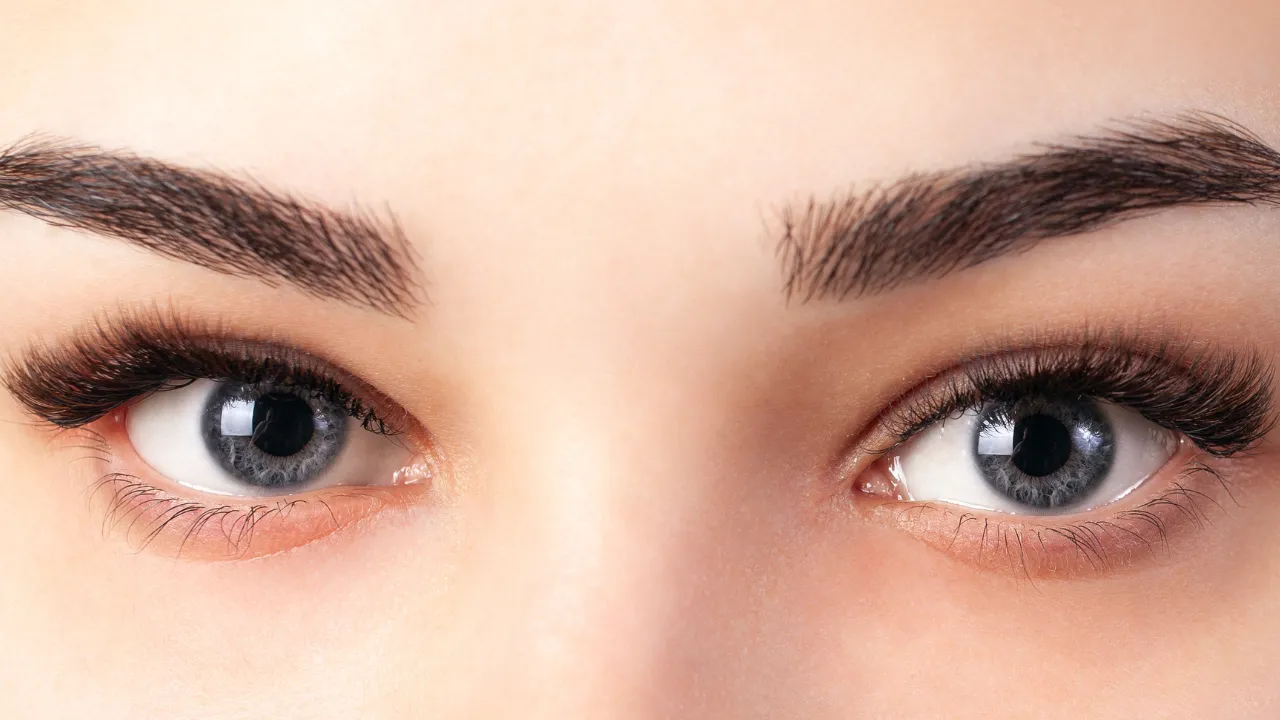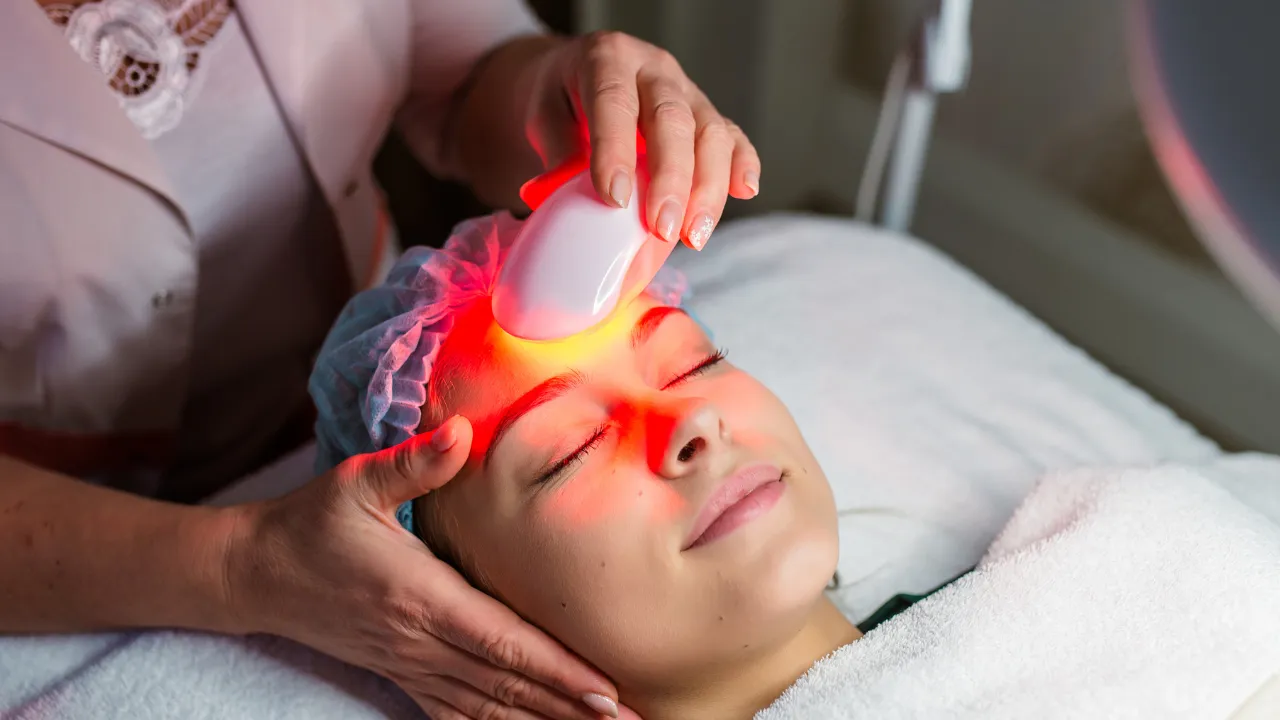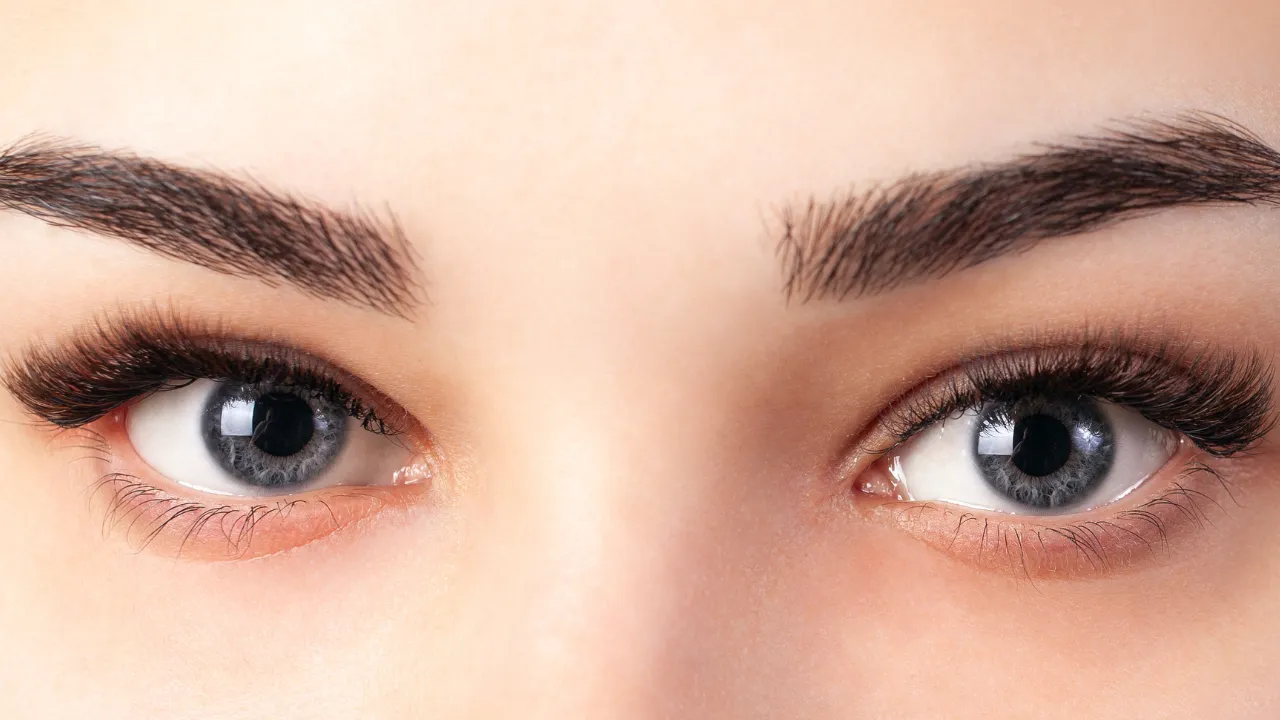

Safe relief starts with simple care. Protect the healing lids by using recommended lubrication. Rest your eyes, reduce screen time, limit caffeine if it triggers symptoms, and avoid rubbing the area. A follow-up exam can help rule out lagophthalmos, eyelid position changes, or a movement disorder like blepharospasm if symptoms do not improve.
Key Takeaways
- Temporary eyelid fluttering after surgery may be due to swelling, muscle healing, nerve sensitivity, dry eyes, fatigue, or irritation.
- Mild symptoms often improve as the tissues heal, but worsening spasms, pain, vision changes, or trouble closing the eye should be checked by your surgeon.
- Upper and lower eyelid procedures can cause symptoms in different areas because each one affects different tissues, muscle tension, and healing patterns.
- Safe relief may include recommended lubrication, eye rest, reduced screen time, reduced caffeine intake, and avoiding rubbing the healing lids.
- Ongoing eyelid spasms may need an exam to rule out blepharospasm, hemifacial spasm, lagophthalmos, or lid position changes.
Why Lid Twitching Can Happen
Post-surgical eyelid fluttering often results from irritation of the eyelid muscles, nerves, or the eye surface. These symptoms may appear with other expected side effects, such as swelling, tightness, bruising, or short-term dryness. Bright light, fatigue, stress, caffeine, and long screen use can also make the lids more reactive during healing.
Swelling, Muscle Healing, and Nerves
Swelling can affect the orbicularis oculi muscle, which is responsible for eyelid closure. Small sensory nerves may also become irritated during plastic surgery around the eyelids. This does not always mean nerve damage, and sensitivity often improves as swelling goes down.
Dry Eyes and Eyelid Position
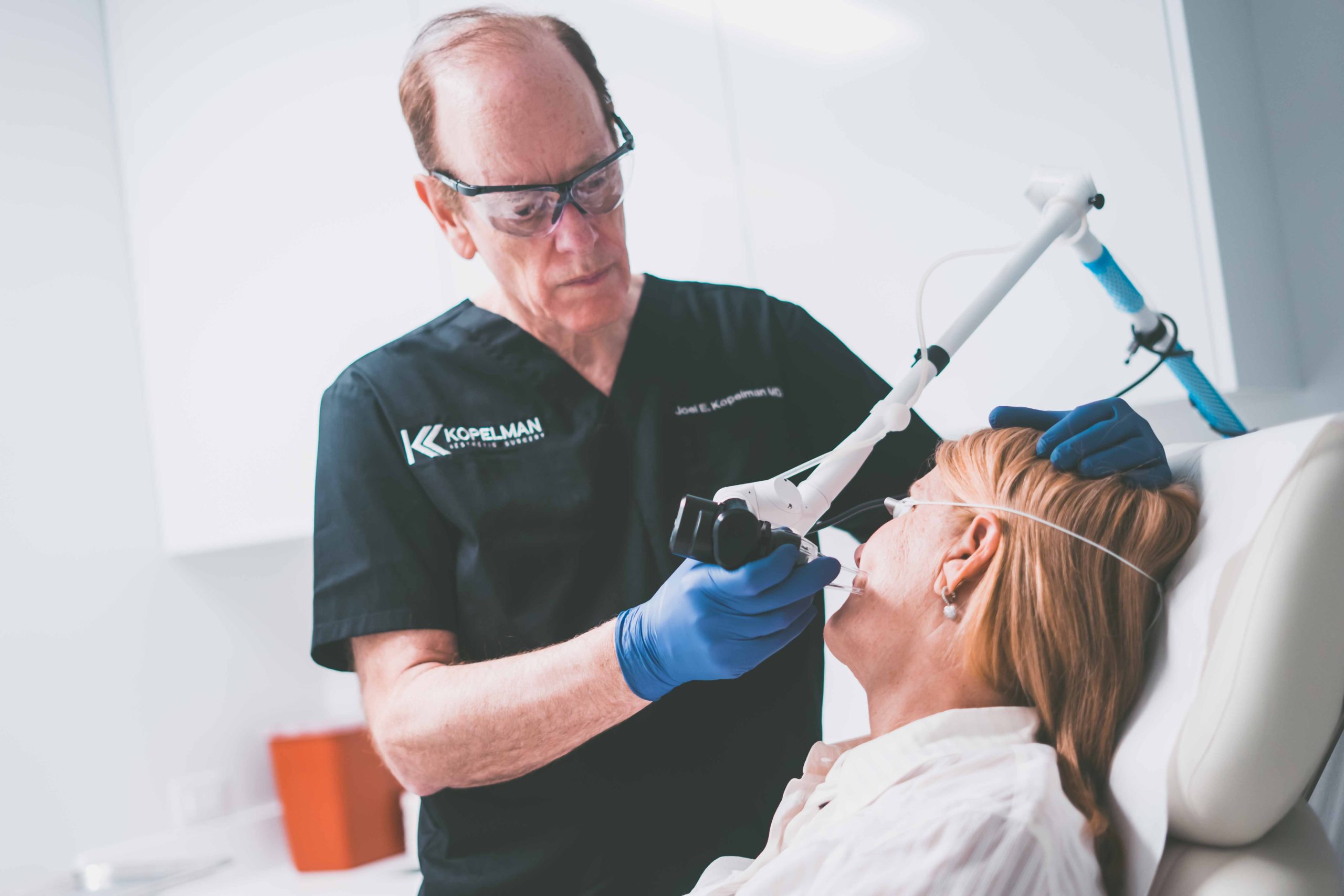
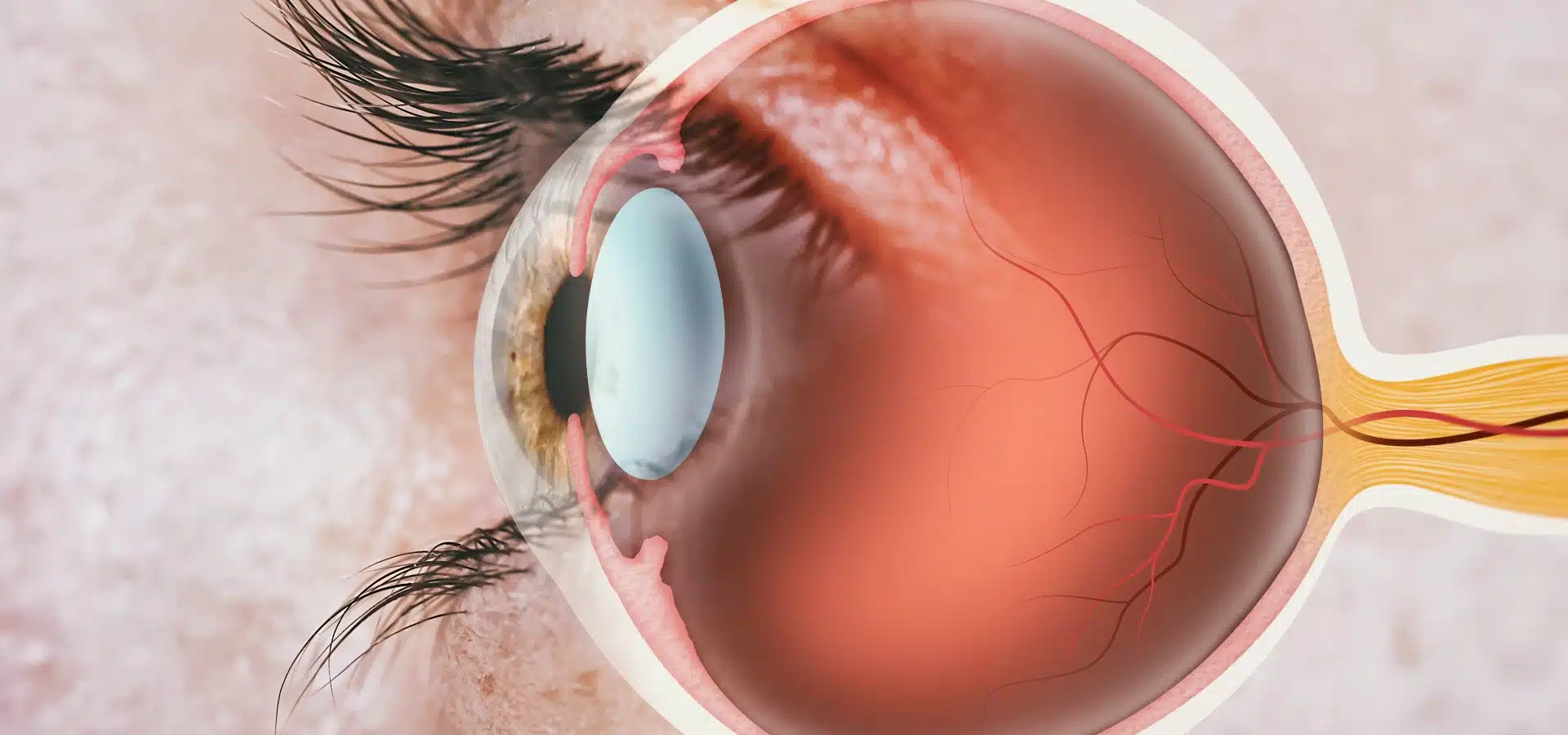
Dry eyes can make the lids blink more often or feel less steady. Changes in eyelid position may also irritate if the eye surface is exposed or not well-lubricated. Dr. Joel Kopelman, a facial plastic and oculoplastic surgeon, may check tear film, lid closure, and lid support when symptoms last.
Upper vs Lower Eyelid Symptoms
- After upper blepharoplasty, Twitching may come from swelling near the upper eyelid skin, short-term tightness, or muscle healing, especially since different types of eyelid surgery affect different tissues.
- After lower blepharoplasty, Fluttering may come from lower lid swelling, dry eyes, or irritation along the eye surface, which is why lower blepharoplasty anatomy matters during evaluation.
Any change in lid support, eye closure, or comfort should be reviewed by your surgeon.
Blepharospasm and Hemifacial Spasm
Spasms after eyelid surgery can sometimes resemble other eyelid or facial movement disorders. Blepharospasm causes repeated forced lid closure. Hemifacial spasm affects muscles on one side of the face. A surgeon may tell the difference through symptoms, health history, and an exam.
Treatment for blepharospasm may include targeted injections when medically appropriate. Your surgeon may select a specific type of botulinum toxin based on the diagnosis and symptom pattern. This approach is used only when the cause supports it, and your surgeon can explain the risks, limitations, and expected role of care.
When to Call Your Surgeon
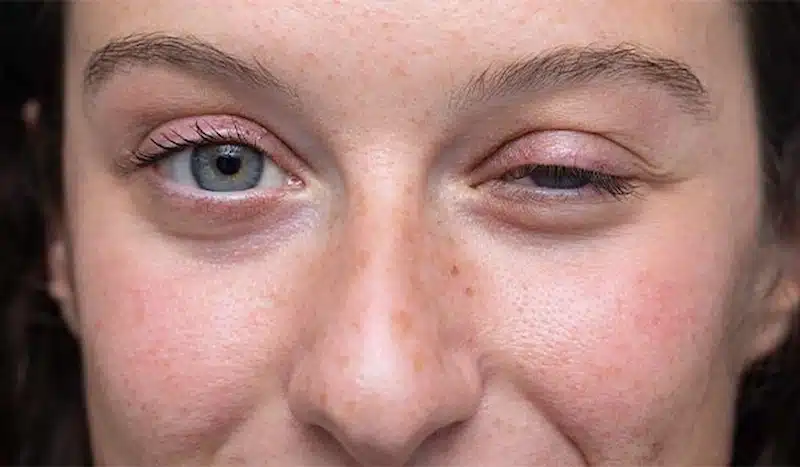
Call your surgeon if the eyelid twitch becomes stronger, painful, or more frequent. You should also seek care if you have trouble opening or closing the eye, facial weakness, vision changes, or severe irritation. These symptoms need an exam rather than self-treatment.
How to Manage Symptoms Safely
Use only drops or ointments recommended by your surgeon. Rest your eyes, reduce screen time, limit caffeine if it worsens symptoms, and avoid rubbing the healing eyelids. These steps may reduce irritation while the tissues continue to heal.
If symptoms persist, worsen, or affect your comfort, schedule an evaluation with Dr. Kopelman to check eyelid healing, eye surface irritation, and eyelid position.