
At Kopelman Aesthetic Surgery, many patients ask: Are you awake during blepharoplasty? Dr. Kopelman explains that the answer depends on the blepharoplasty procedure and the type of anesthesia chosen. Most patients remain safe and comfortable during blepharoplasty under local anesthesia or with light IV sedation
The decision to be awake or asleep is based on patient preference, overall health, and the complexity of the eyelid skin correction. Safety and comfort are always top priorities, and anesthesia is selected with those goals in mind.
Key Takeaways
- Most patients remain awake during upper blepharoplasty with local anesthesia, whereas lower eyelid surgery may require IV sedation or general anesthesia.
- Being awake usually allows faster recovery, but general anesthesia may be chosen for longer or more complex cosmetic procedures.
- Patients do not feel pain during surgery, though they may notice pressure or tugging as surgeons remove excess skin or adjust fat.
- Bruising and swelling are common side effects that typically improve within the first week.
- Dr. Kopelman tailors each blepharoplasty procedure to the patient’s needs, ensuring safety and natural results.
Are You Awake for Blepharoplasty or Asleep?
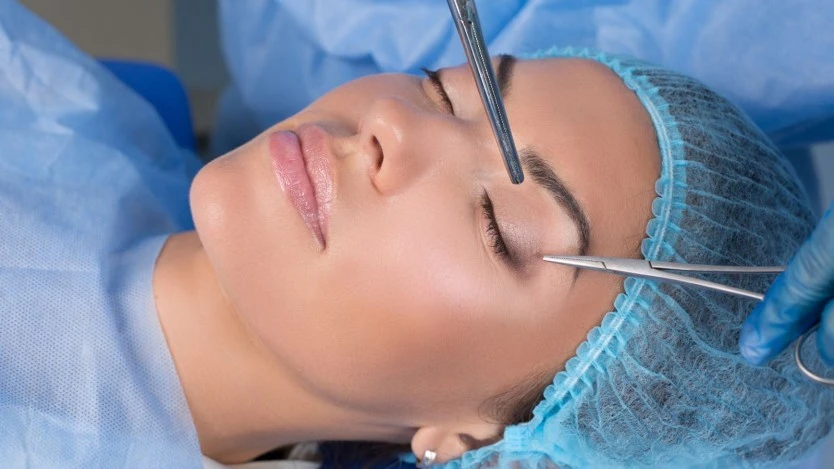
Patients often ask if they will be awake or asleep during eyelid surgery. Both options are possible; awake blepharoplasty can be performed with local anesthesia and careful planning, depending on whether the upper or lower eyelids are treated and whether sagging skin or more detailed corrections are planned.
Are you awake during upper blepharoplasty?
Upper eyelid surgery is usually performed under local anesthesia. Sedation may be added for patients who feel anxious or when multiple areas are being treated. The surgery often focuses on tightening the natural creases and removing small amounts of excess eyelid skin.
Are you awake during lower blepharoplasty?
Lower eyelid surgery is sometimes more complex. Some patients remain awake with local anesthetic, while others need IV sedation. The decision depends on whether the surgeon needs to reposition fat, remove excess skin, or correct muscle laxity.
Awake vs asleep: what’s the difference?
Being awake avoids the risks of general anesthesia and often allows for faster recovery. Being asleep may be chosen if the procedure is longer or more invasive. Dr. Kopelman reviews each case to determine the safest option and whether the patient is a good candidate for staying awake.
Anesthesia for Blepharoplasty Explained
Different anesthesia types can be used during blepharoplasty. Each has its own benefits and considerations, and you can learn more about blepharoplasty anesthesia in detail.
What Type of Anesthesia Is Used for Blepharoplasty?
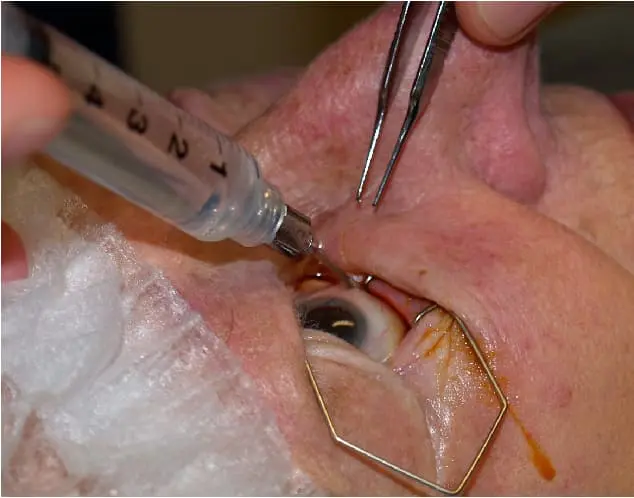
Most blepharoplasty procedures can be performed using a local anesthetic combined with light sedation. This blocks pain and helps patients stay relaxed. Some patients may receive IV sedation for added comfort, especially during lower eyelid surgery.
General anesthesia explained
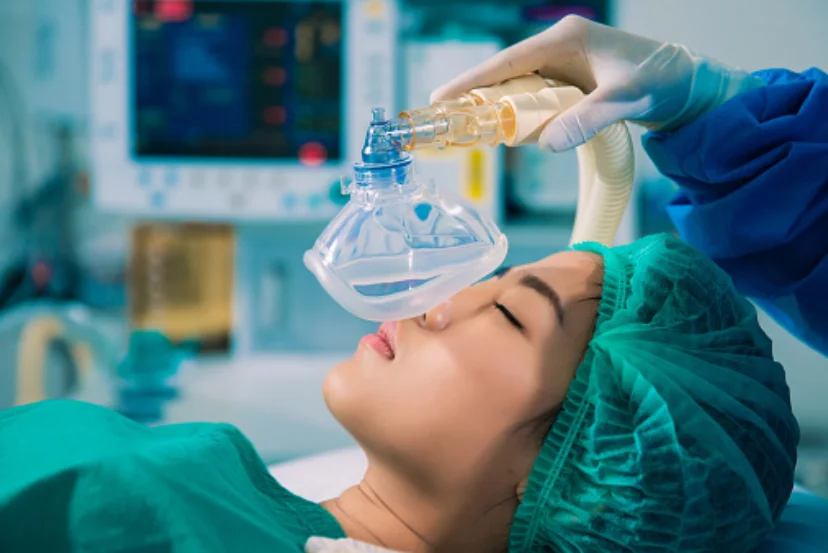
General anesthesia is less common but may be used for complex cases. Patients are fully asleep, and an anesthesiologist monitors breathing and vital signs throughout.
Can you get blepharoplasty without anesthesia?
No. All plastic surgery procedures, including eyelid surgery, require some form of anesthesia to ensure comfort and safety.
What Happens During Surgery
How long does blepharoplasty surgery take?
Upper eyelid surgery usually takes 45–60 minutes. Lower eyelid surgery can take longer, especially when removing excess skin or tightening muscles. Combined procedures extend the time; for more details on recovery and durability, see how long eyelid surgery lasts.
What patients usually feel
Patients under local anesthesia feel no pain, only mild pressure or tugging. With IV sedation, many patients are deeply relaxed and recall little of the procedure. General anesthesia ensures no awareness during surgery. Afterward, any discomfort can be managed with prescribed pain medication.
Safety, Risks, and Medical Oversight
Blepharoplasty is safe when performed by a qualified plastic surgery specialist. Common risks include bruising and swelling, temporary irritation, or tightness in the eyelids.
Dr. Kopelman evaluates each patient carefully to confirm they are a good candidate for surgery. He works with anesthesiologists and uses detailed pre-surgical planning to reduce risks and support a smooth recovery.
Possible side effects include:
- Bruising and swelling in the first week
- Mild eyelid irritation or tightness
- Rare anesthesia reactions, monitored by specialists
Recovery After Blepharoplasty
Recovery timeline and stages
- Swelling and bruising peak in the first week.
- Most patients return to work in 7–10 days.
- Final results are visible after several weeks as tissues settle.
Tips for safe healing
- Use cold compresses for the first 48 hours.
- Keep the head elevated while resting.
- Avoid strenuous activity for two weeks.
- Take prescribed pain medication as directed.
- Attend follow-up visits with Dr. Kopelman.