
Treatment depends on the cause and severity of the problem. Some cases improve with monitoring, while others may require dissolving with hyaluronidase, imaging (such as ultrasound), or lower eyelid surgery when the filler is not the main issue.
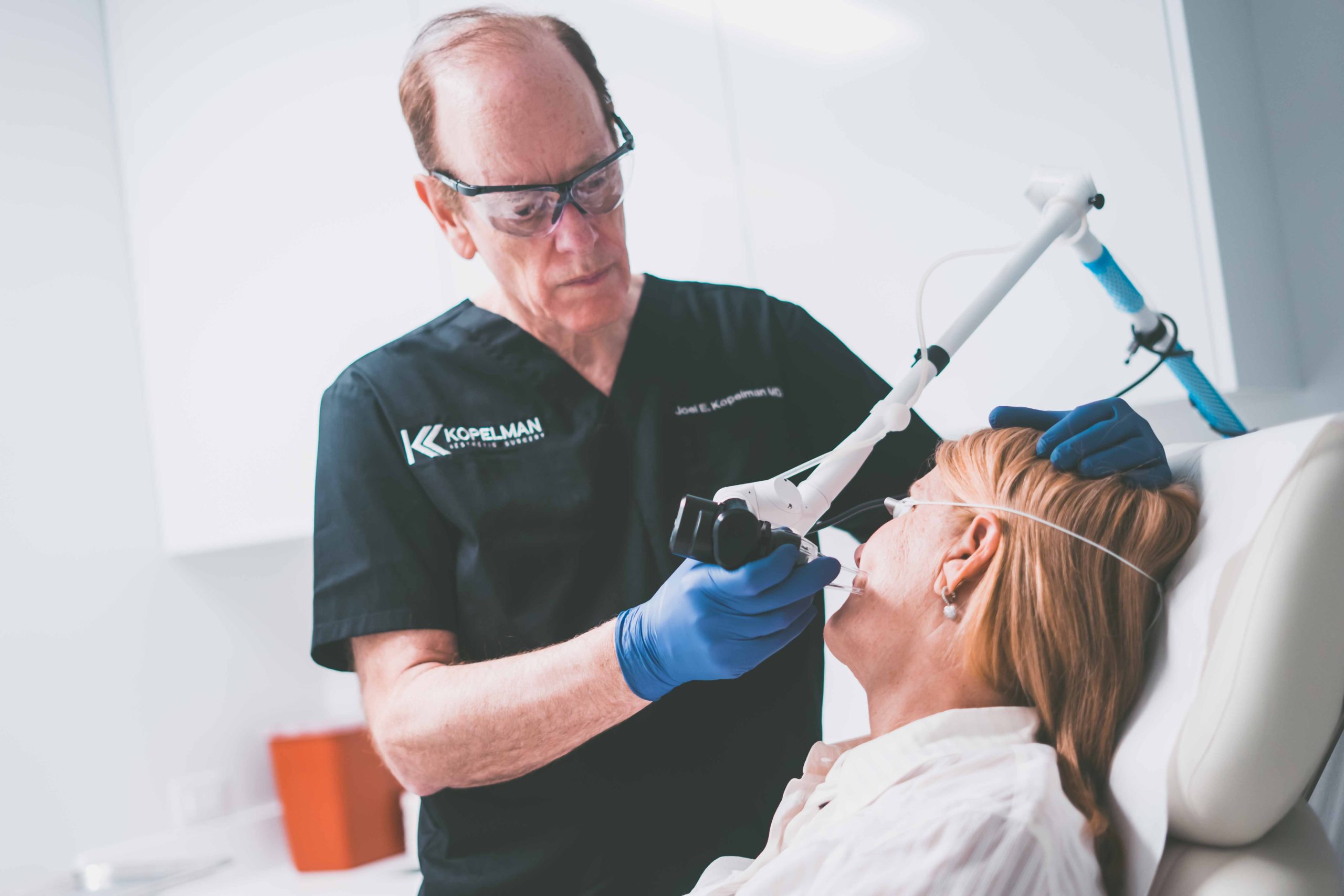
Dr. Joel Kopelman, a facial plastic and oculoplastic surgeon in New York City, evaluates these concerns by examining eyelid anatomy, prior filler history, tissue quality, and signs of true migration versus other under-eye conditions.
Key Takeaways
- Under-eye filler can migrate, but it does not happen in every patient.
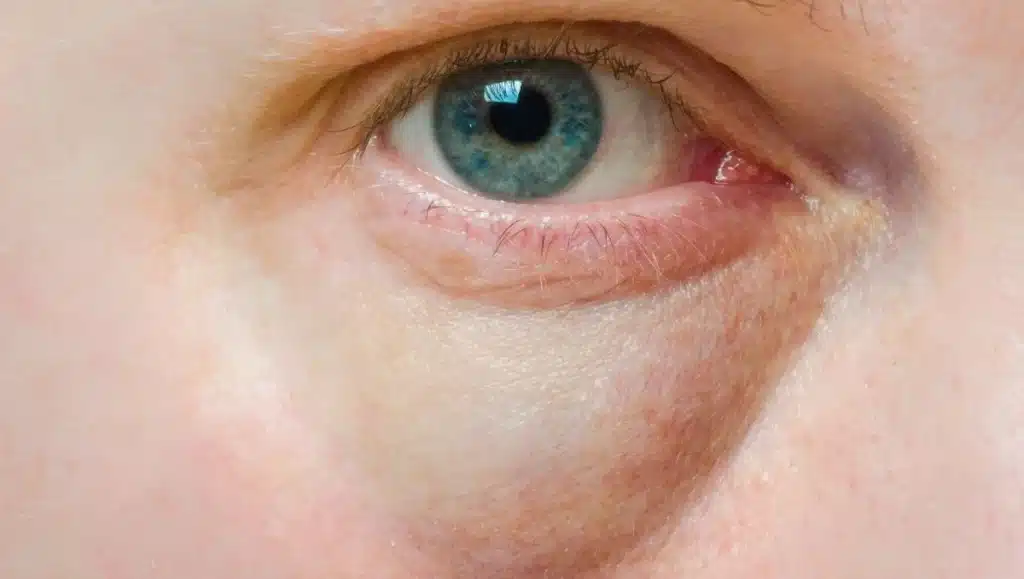
- Migration may cause puffiness, lumps, uneven contour, or blue-gray discoloration.
- Swelling, aging changes, fat pads, and fluid retention can look similar to migrated filler.
- Doctors may use exam findings, treatment history, ultrasound, or MRI to identify the cause.
- Treatment may include monitoring, hyaluronidase dissolving, or lower eyelid surgery when anatomy is the main issue.
Can Under-Eye Filler Migrate?
Yes, filler placed beneath the eyes can migrate in some cases. This means the product may shift beyond the original injection site or appear more visible over time due to tissue pressure, anatomy, filler behavior, or technique. Migration is not expected in every patient, but it is a known concern with dermal fillers in delicate facial areas.
The under-eye area is sensitive because the skin is thin, the anatomy is complex, and small volume changes can look noticeable. The tear troughs also sit close to the mobile eyelid and cheek tissues, so filler placement requires careful judgment. A small amount of swelling or contour change may appear more obvious here than in thicker areas of the face.
What Under-Eye Filler Migration Means
Filler migration occurs when the product moves, spreads, or becomes visible in a way that changes the expected contour, which is easier to understand when you know how fillers work. It may create puffiness, a raised ridge, or fullness that looks separate from the original correction. In some cases, migrated filler can make the lower eyelid look heavier rather than smoother.
This can happen soon after treatment or months later. It can also be confused with normal swelling, aging changes, fluid retention, or lower eyelid fat. That is why a medical evaluation should separate filler movement from other eyelid concerns.
Why Under-Eye Filler Migrates
Several factors can increase the chance of migration. The issue usually relates to how the product behaves, where it is placed, and how the lower eyelid tissue responds over time. The goal is to place the right type of filler in the correct plane with conservative volume.
Common contributing factors include:
- Excess volume can create pressure in the limited under-eye space.
- Superficial placement can make filler visible through thin eyelid skin.
- Water-attracting products may increase puffiness or other side effects in delicate tissue.
- Poor injection technique can place the product in tissue planes where it may not settle well.
- Repeated treatment over the old filler can build fullness in treated areas over time.
- Muscle movement from blinking, smiling, and squinting may affect how the product settles.
- Under-eye bags or loose skin can make filler look displaced.
Hyaluronic acid-based fillers are often used because they can be dissolved if needed. Even so, these products still require careful placement and patient selection. This helps reduce the risk of filler complications, especially in the lower eyelid area.
Signs of Migrated Under-Eye Filler
Migrated filler may create visible or touchable changes near the lower eyelids. Swelling that does not improve after the expected recovery period may need clinical review. A careful exam can help separate filler movement from normal healing, fluid retention, or aging changes.
Possible signs include:
- Puffiness that persists or appears away from the injection site
- Lumps or firm areas under the lower eyelid
- Uneven contour between both eyes
- A blue-gray discoloration known as the Tyndall effect
- Fullness that extends beyond the treated areas
- Swelling that fluctuates throughout the day
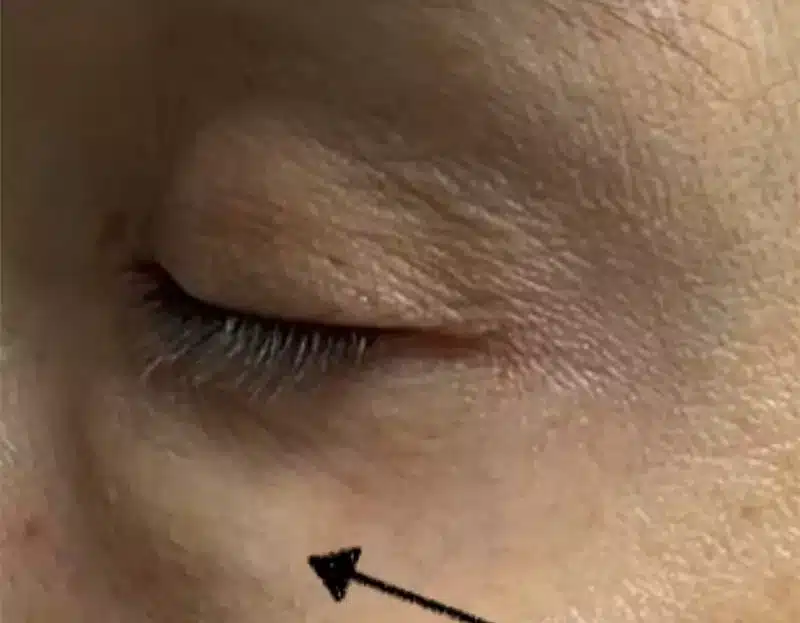
Some lumps are related to misplaced product, while others may reflect inflammation. Delayed nodules or granulomas can appear weeks, months, or longer after treatment in some cases. A painful, firm, or growing lump should be assessed, as treatment may differ from that for simple swelling.
Migration vs. Swelling or Aging
Not every under-eye change after filler is migration, since filler swelling can also cause temporary puffiness or fullness after treatment. Swelling, fluid retention, skin laxity, fat pads, festoons, and aging changes can look similar. The distinction matters because each problem may need a different treatment plan.
Delayed puffiness may also reflect an older product rather than a new movement, leading patients to wonder whether the filler is permanent. Some reports describe filler remaining visible on imaging for years, even when patients have not had recent treatment. This is one reason prior filler treatments should be reviewed before adding more product.
How Doctors Diagnose Migration
Diagnosis starts with a detailed history and physical exam. Dr. Kopelman may consider the timing of treatment, the amount used, the product used, and how the lower eyelid looks during facial movement. The exam helps separate migrated filler from swelling, fat prolapse, or skin laxity.
A doctor may examine the area in natural light and during expression. Smiling, squinting, and blinking can show whether fullness changes with movement. Ultrasound or MRI may help identify the filler location when the history is unclear or when multiple filler injections have been performed over time.
How to Fix Under-Eye Filler Migration
Treatment depends on the cause of the contour problem. A doctor may recommend dissolving the product, monitoring the area, or addressing eyelid anatomy instead of adding more filler. The best approach depends on the product, depth, symptoms, and patient goals.
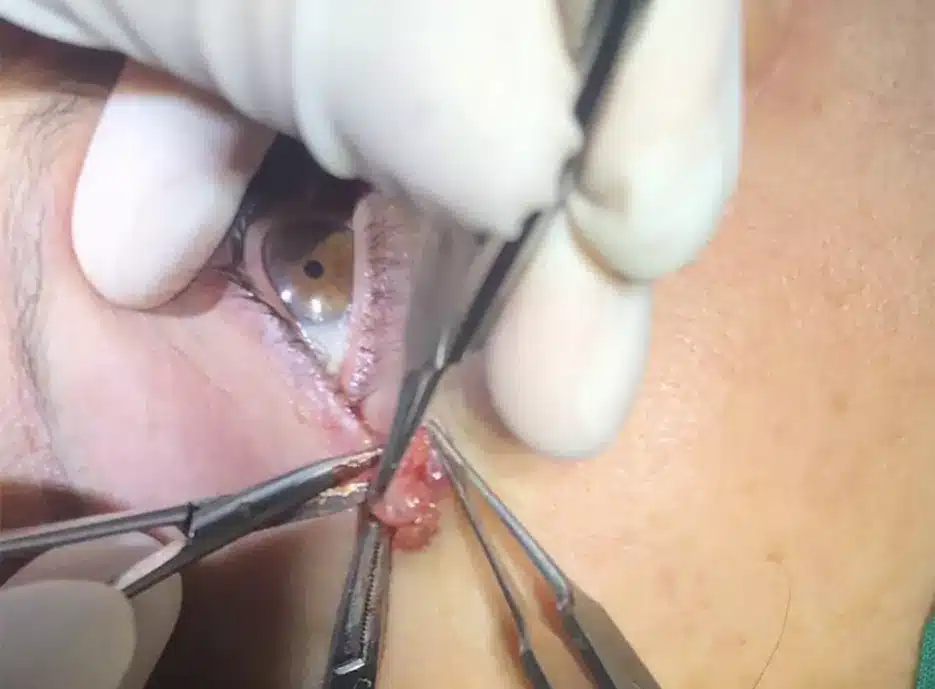
For hyaluronic acid fillers, doctors may use an enzyme called hyaluronidase to break them down. Hyaluronidase can help treat migrated filler, lumps, or overcorrection when the product is dissolvable. Dissolving is not always a one-step process, and careful dosing matters because over-dissolving can create unwanted hollowing.
Lower eyelid surgery may be appropriate when the main issue is fat protrusion, loose skin, or structural aging of the eyelid. In these cases, filler may not correct the underlying anatomy. Other options may include skin resurfacing, energy-based treatments, PRP, or PRF when medically appropriate.
How to Prevent Under-Eye Filler Migration
Prevention starts with proper patient selection and conservative planning. Safe and effective treatment depends on anatomy, technique, product behavior, and follow-up care. No approach removes all risk, but careful decisions can reduce avoidable problems.
A careful plan may include staged treatment, low-volume placement, proper depth, and a filler that fits the lower eyelid tissue. Lymphatic drainage and tissue quality may also influence how swelling appears after treatment.
Adding a new product over an old filler can increase fullness and make the area harder to assess, which is one reason patients may worry that fillers ruin your face when treatment is not properly planned.
When to See a Specialist
A patient should seek medical evaluation if swelling persists, the lower eyelids look uneven, lumps develop, or vision symptoms occur. Prompt care is also important for severe pain, changes in skin color, sudden swelling, increasing redness, warmth, or drainage.
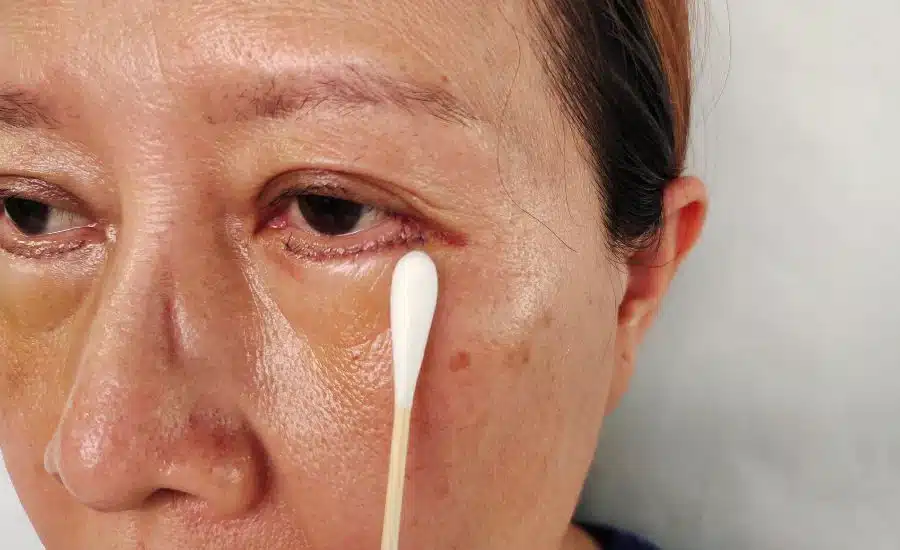
Dr. Kopelman’s role as an oculoplastic and facial plastic surgeon is relevant because this area involves both cosmetic judgment and eyelid anatomy.